
For most trail riders, full suspension is the better choice. It provides significantly more traction, control, and comfort on rough terrain, and modern designs minimize the pedaling efficiency penalty. Hardtails make sense if you're on a tight budget (they're typically $500-1000 less for equivalent components), prefer simpler maintenance, or ride primarily smooth trails. Hardtails also teach better line choice because you can't rely on rear suspension to cover mistakes. However, for technical terrain with rocks, roots, and descents, full suspension is transformative.
Mountain Bike · Trail Mountain Bike
Should I get a hardtail or full suspension trail bike?
Related gear types
If this answer nudged you toward a different style, these guides compare specs and trade-offs.
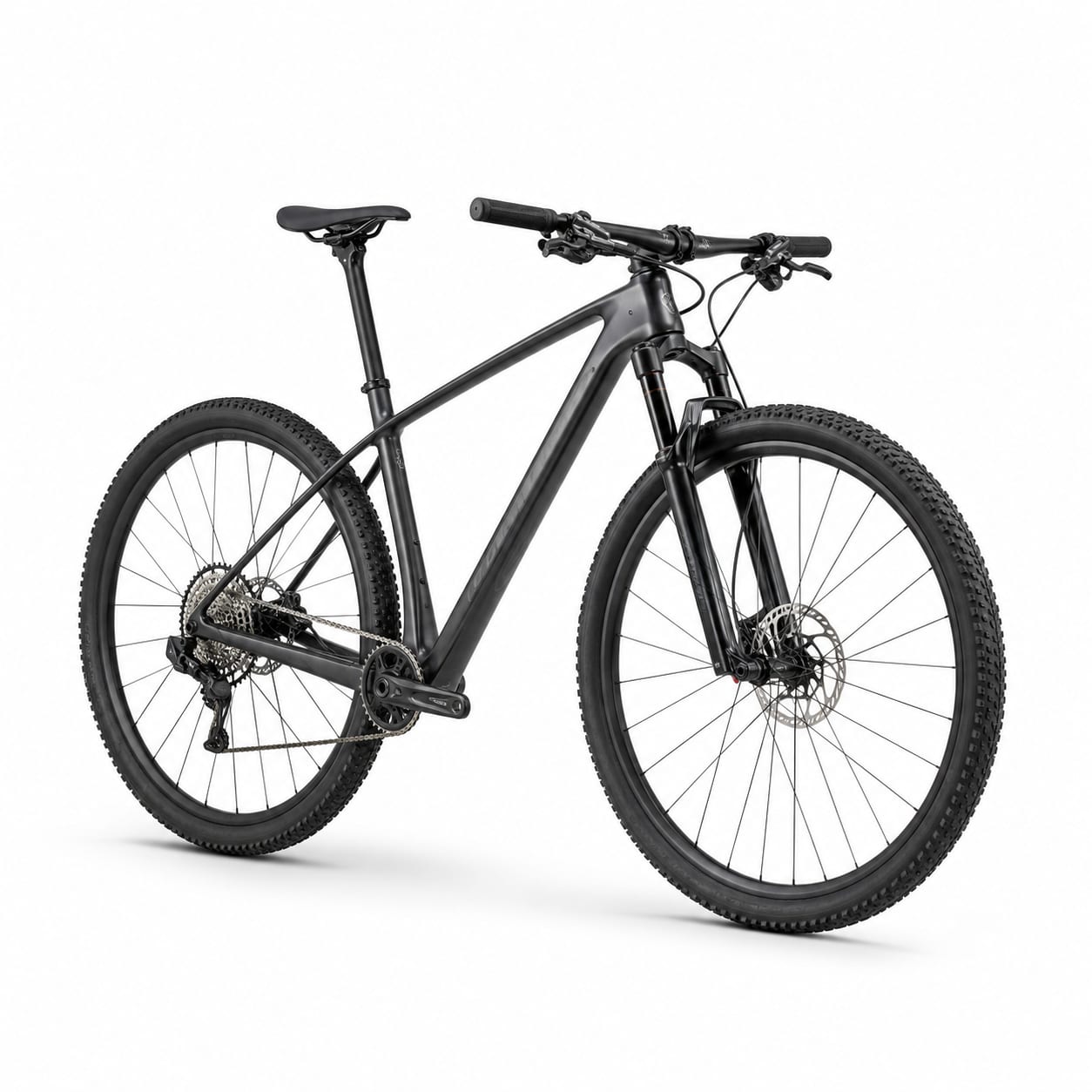
Cross-Country (XC) Mountain Bike
$800 – $13000
Lightweight, efficient mountain bikes optimized for climbing speed and racing on varied terrain.
lightweight frame (often carbon)100-120mm suspension travelsteep head tube angle (67-69°)
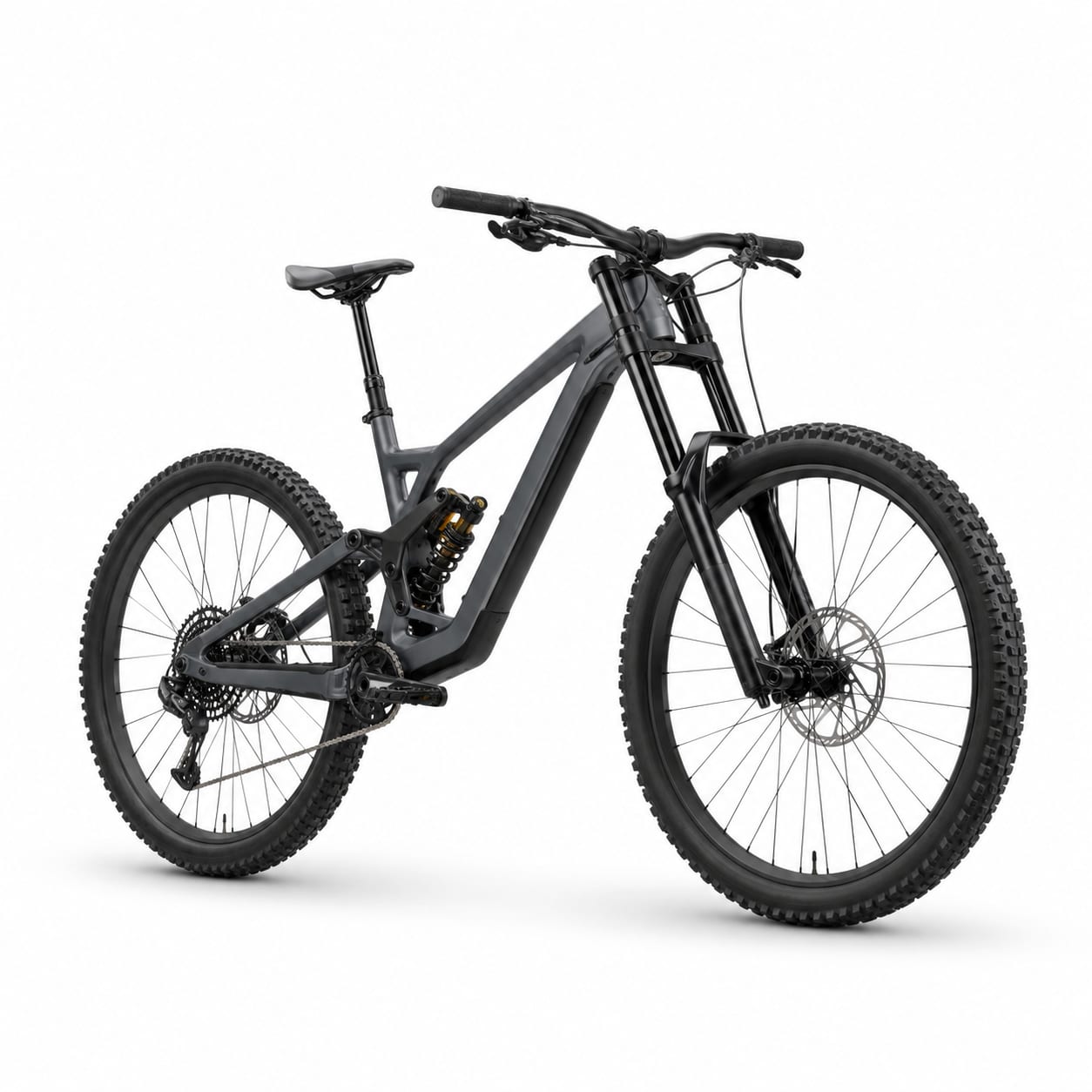
Enduro Mountain Bike
$2000 – $14000
Long-travel mountain bikes built for aggressive descending while maintaining climb capability for enduro racing.
150-180mm suspension travelslack head tube angle (63-65°)long reach and wheelbase
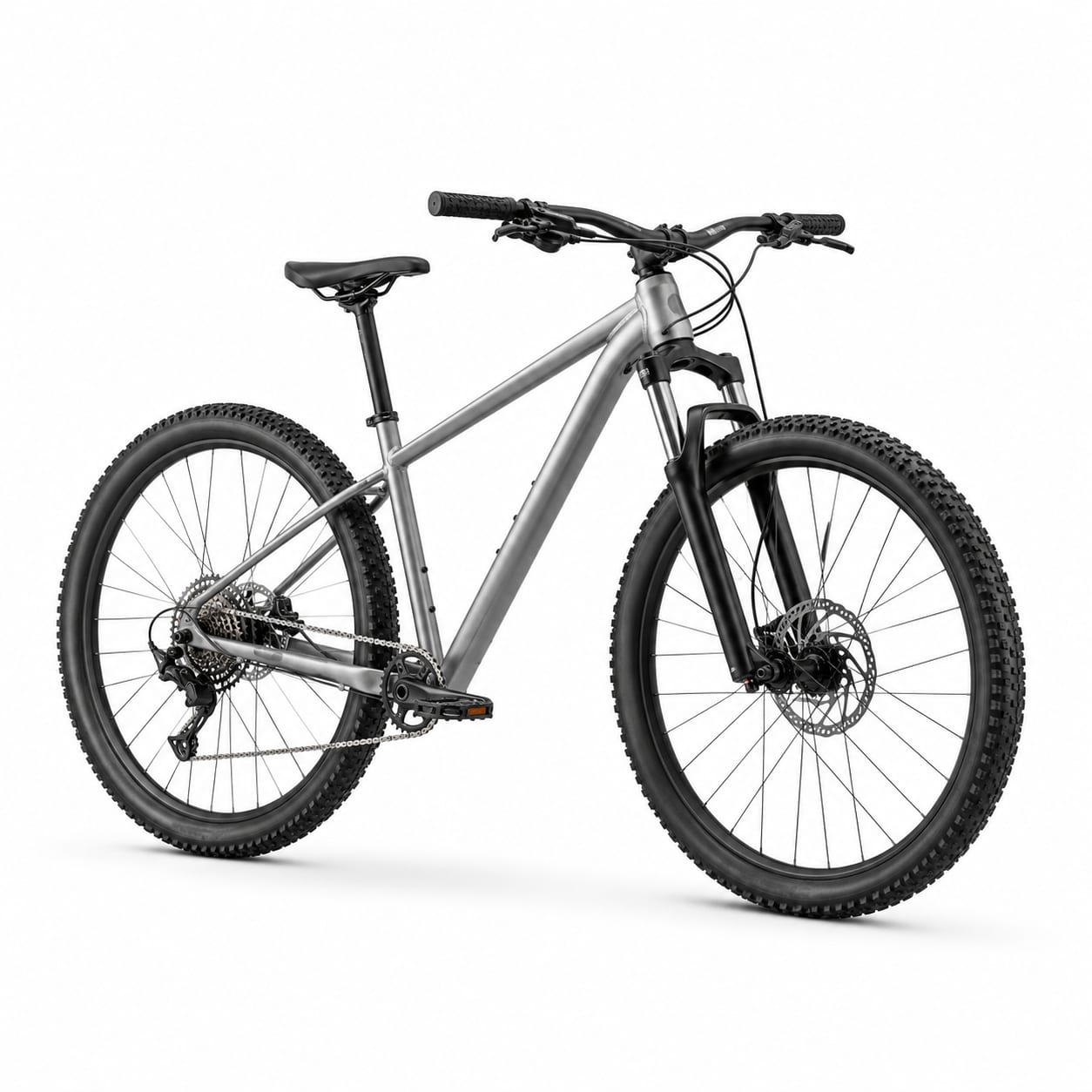
Hardtail Mountain Bike
$400 – $9000
Mountain bikes with front suspension only, offering simplicity, low weight, and value for less technical terrain.
front suspension only (100-140mm)no rear suspensionlighter at same price point
More questions
- How much suspension travel do I need on a trail bike?
- What wheel size is best for a trail bike?
- How much should I spend on a trail mountain bike?
- Can I ride a trail bike at a bike park?