
29" wheels are the best choice for most trail riders. They roll over obstacles more easily, carry momentum better, and provide a larger contact patch for traction. 27.5" wheels are a good option for smaller riders (under 5'4") who find 29" wheels feel too large, or for riders who prioritize a playful, maneuverable feel over raw rollover capability. Mullet setups (29" front / 27.5" rear) are emerging for aggressive trail riders who want front rollover with rear agility, but these require frame-specific design. For the majority of riders on standard trail systems, 29" is the optimal choice.
Mountain Bike · Trail Mountain Bike
What wheel size is best for a trail bike?
Related gear types
If this answer nudged you toward a different style, these guides compare specs and trade-offs.
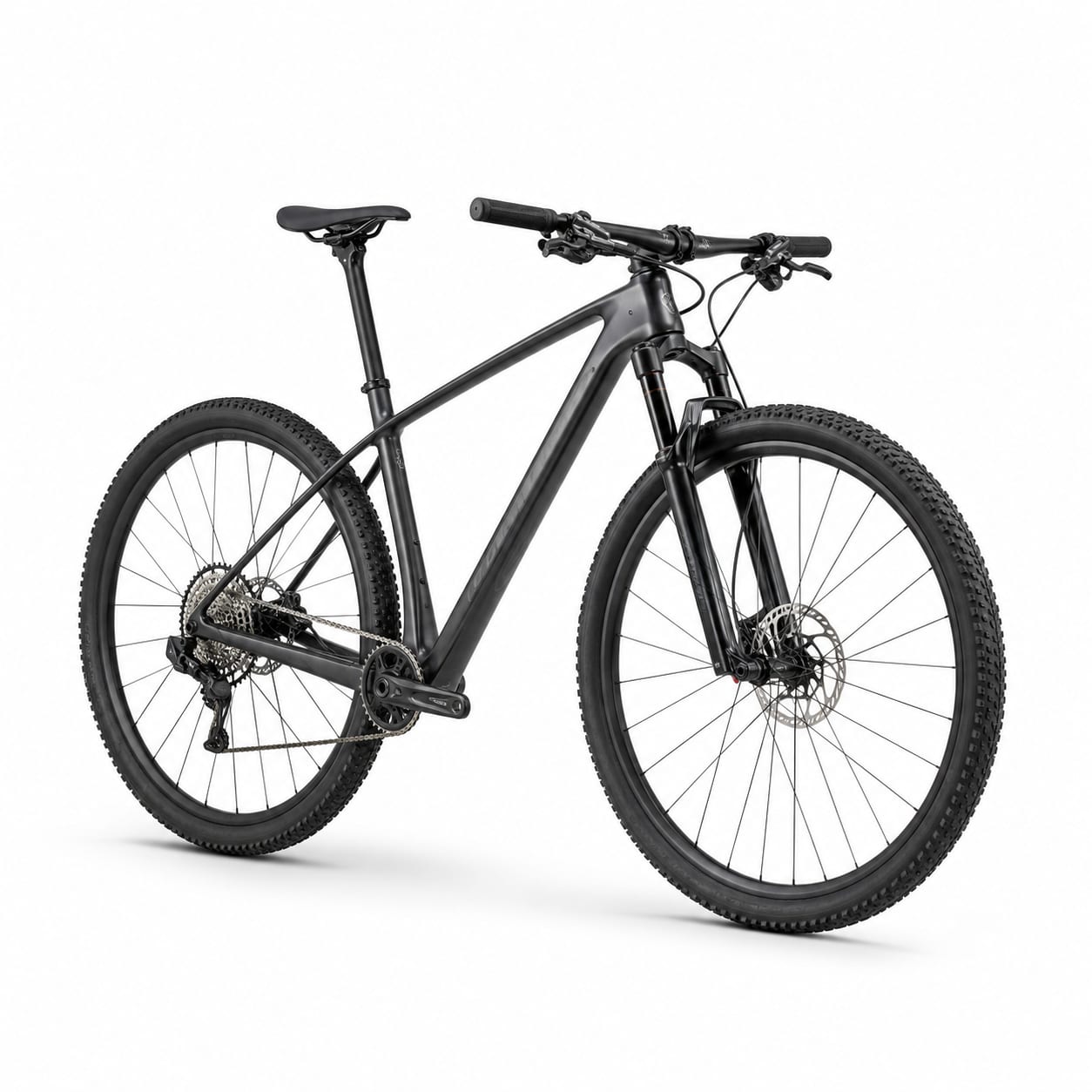
Cross-Country (XC) Mountain Bike
$800 – $13000
Lightweight, efficient mountain bikes optimized for climbing speed and racing on varied terrain.
lightweight frame (often carbon)100-120mm suspension travelsteep head tube angle (67-69°)
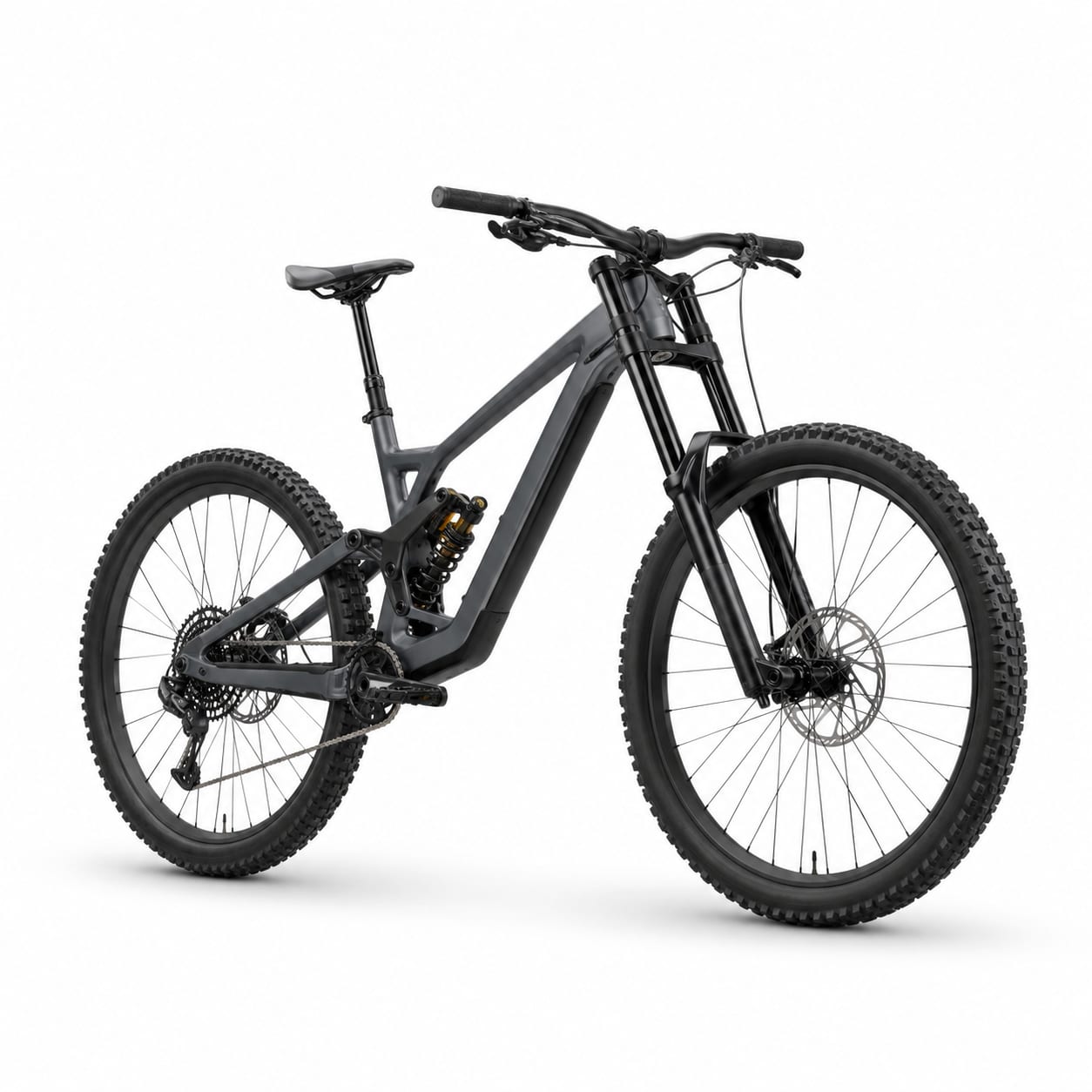
Enduro Mountain Bike
$2000 – $14000
Long-travel mountain bikes built for aggressive descending while maintaining climb capability for enduro racing.
150-180mm suspension travelslack head tube angle (63-65°)long reach and wheelbase
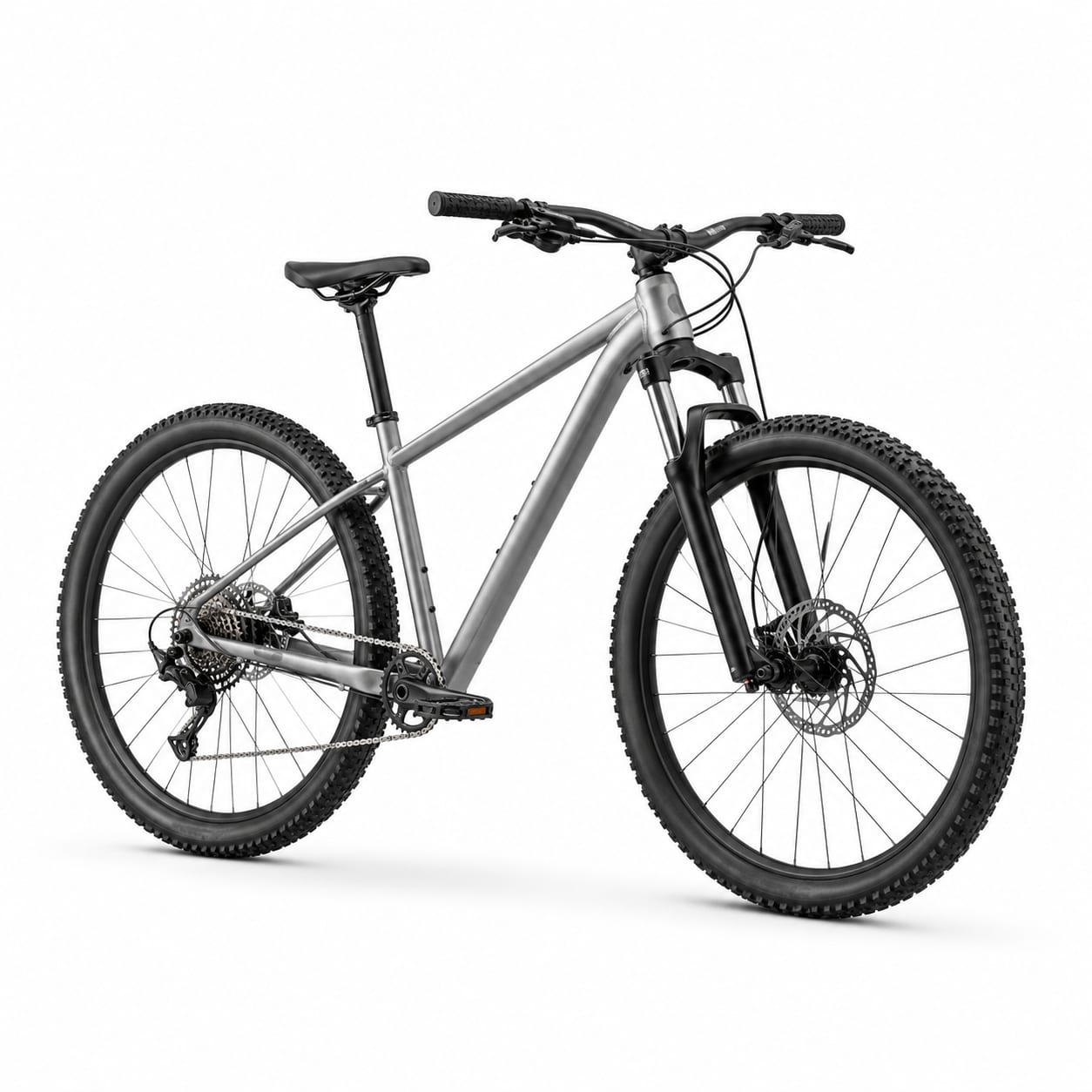
Hardtail Mountain Bike
$400 – $9000
Mountain bikes with front suspension only, offering simplicity, low weight, and value for less technical terrain.
front suspension only (100-140mm)no rear suspensionlighter at same price point
More questions
- How much suspension travel do I need on a trail bike?
- Should I get a hardtail or full suspension trail bike?
- How much should I spend on a trail mountain bike?
- Can I ride a trail bike at a bike park?