
Yes, on flat and rolling terrain. At 40 km/h, an aero bike saves approximately 15–25 watts compared to a lightweight bike with round tubes. This advantage diminishes on steep climbs (above 6–8% gradient) where the 200–400 gram weight penalty becomes more significant. For most riders on mixed terrain, the aero advantage on flats outweighs the climbing penalty, making aero bikes faster overall on typical road courses.
Road Bike · Aero Road Bike
Are aero road bikes actually faster than lightweight climbing bikes?
Related gear types
If this answer nudged you toward a different style, these guides compare specs and trade-offs.
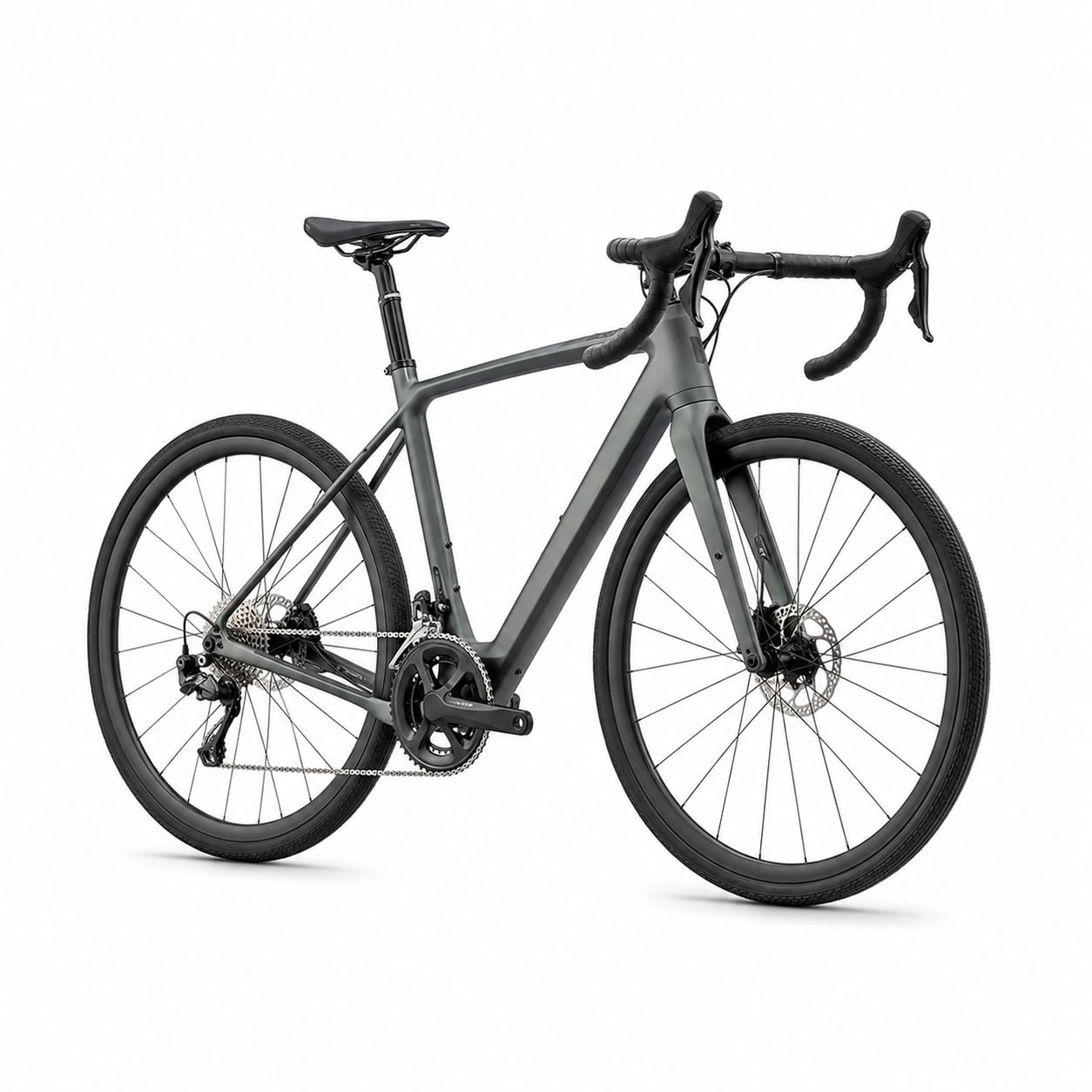
Endurance Road Bike
$800 – $12000
Comfort-oriented road bikes designed for long-distance riding with relaxed geometry and compliance features.
Relaxed geometry with higher stackFrame compliance featuresWider tire clearance (28-35mm)
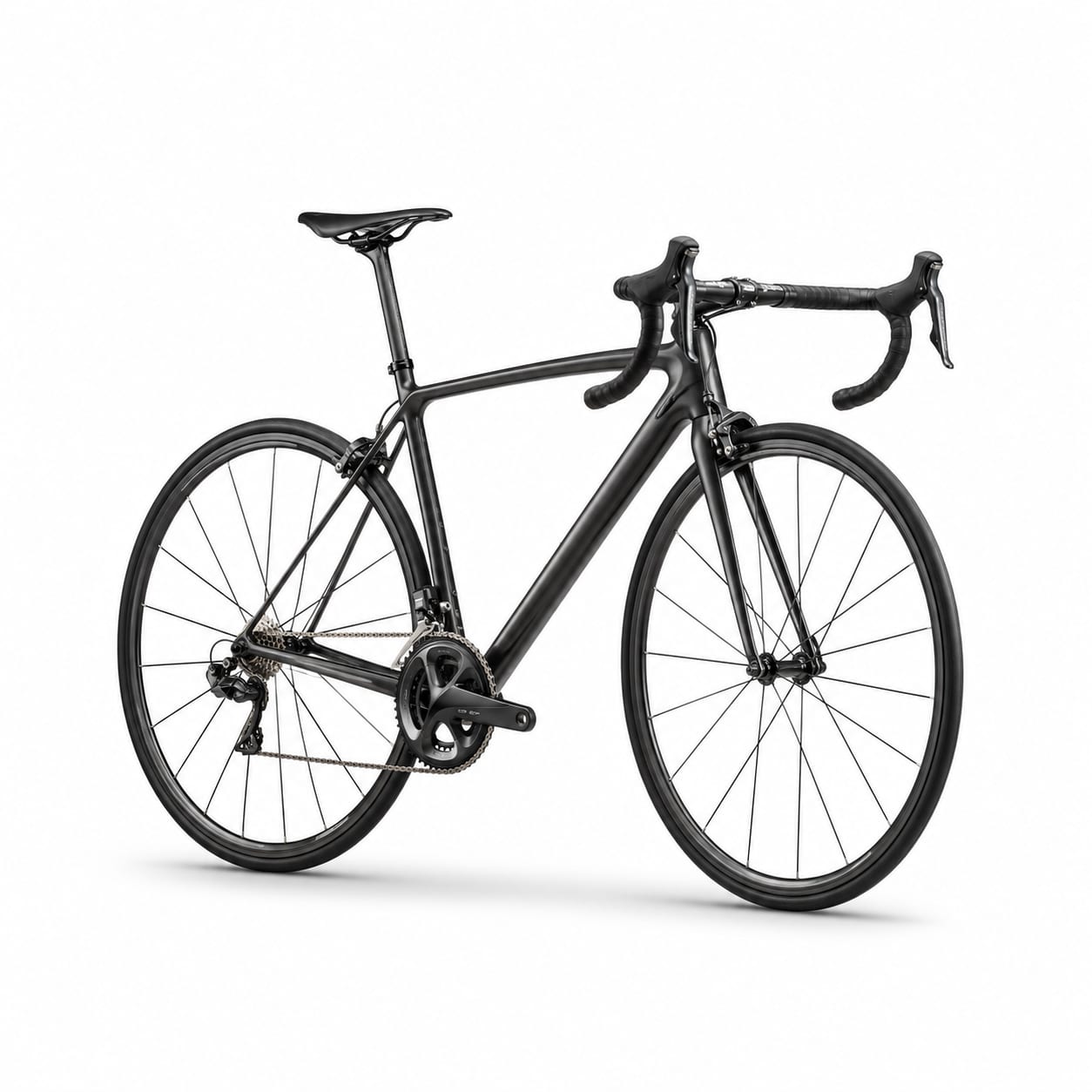
Lightweight / Climbing Road Bike
$1500 – $14000
Featherweight road bikes optimized for uphill performance with minimal weight and responsive handling.
Ultra-lightweight frames (sub-800g common)Responsive handlingStiff power transfer
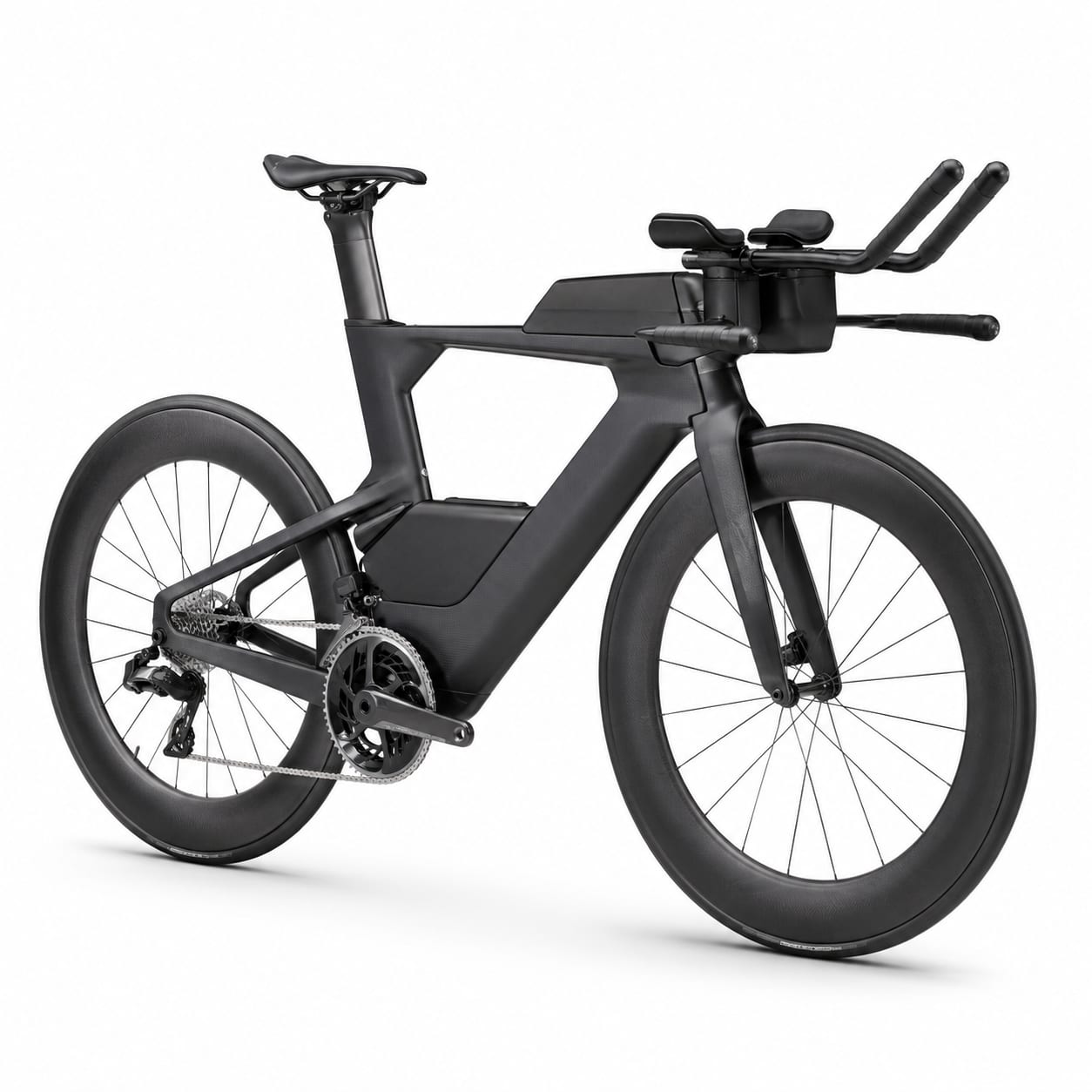
Time Trial / Triathlon Bike
$2000 – $15000
Aerodynamically optimized bikes with extensions for racing against the clock in TTs and triathlons.
Aerobar extensions standardSteep seat tube angle (76-78°)Integrated front end
More questions
- Can I change the handlebar width or stem length on an aero bike with an integrated cockpit?
- Is an aero road bike too uncomfortable for long rides?
- Do I need deep-section wheels to get the aero benefit?
- How much does internal cable routing really matter for aerodynamics?