
The frame provides the core aero advantage, but wheels are the second-largest source of aerodynamic drag on a bike. Deep-section wheels (50–60 mm front, 60–80 mm rear) complement the aero frame and can save an additional 5–10 watts at 40 km/h compared to shallow alloy wheels. Many complete aero bikes come with appropriate wheels, but if yours has shallow wheels, upgrading to deep-section wheels is one of the most cost-effective speed improvements available.
Road Bike · Aero Road Bike
Do I need deep-section wheels to get the aero benefit?
Related gear types
If this answer nudged you toward a different style, these guides compare specs and trade-offs.
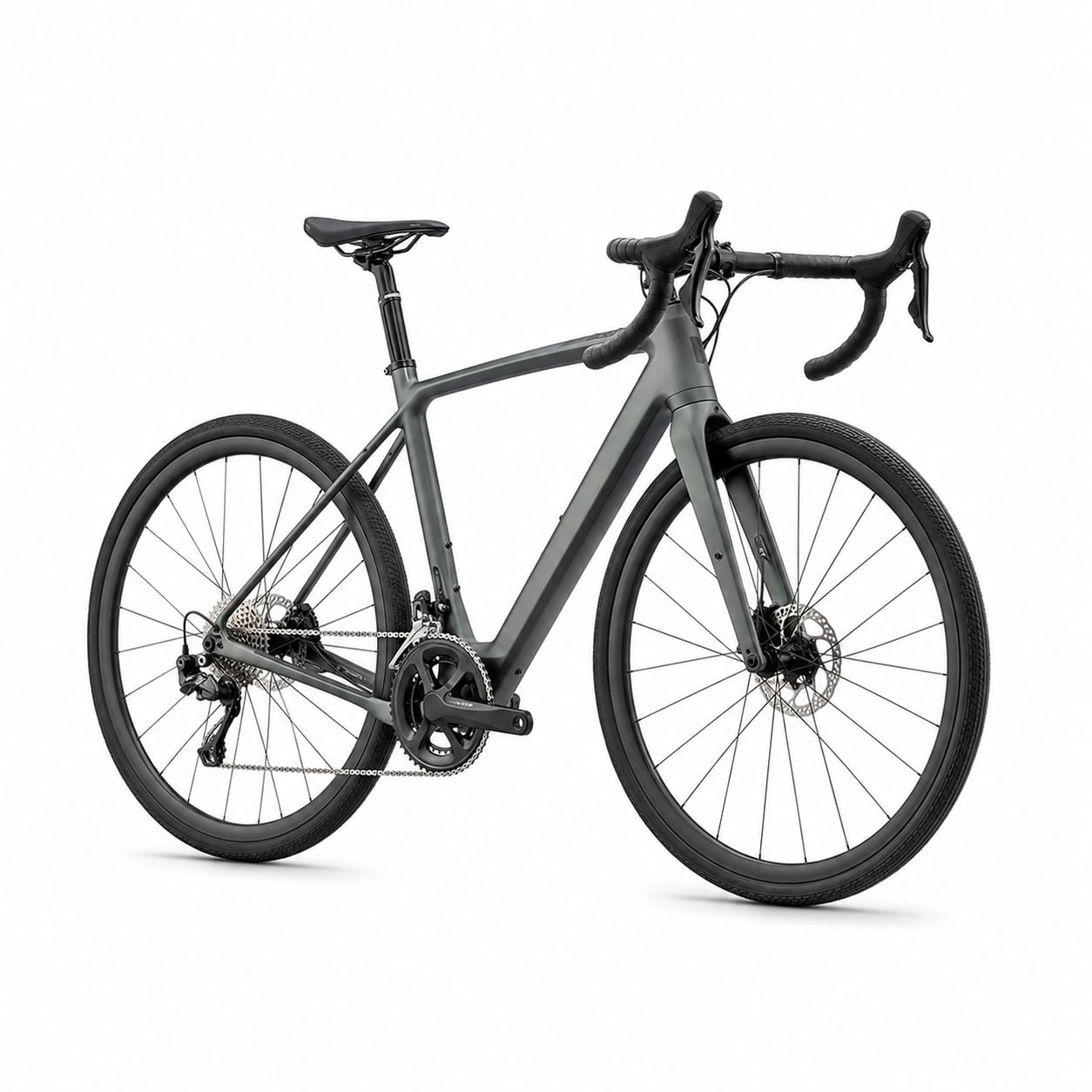
Endurance Road Bike
$800 – $12000
Comfort-oriented road bikes designed for long-distance riding with relaxed geometry and compliance features.
Relaxed geometry with higher stackFrame compliance featuresWider tire clearance (28-35mm)
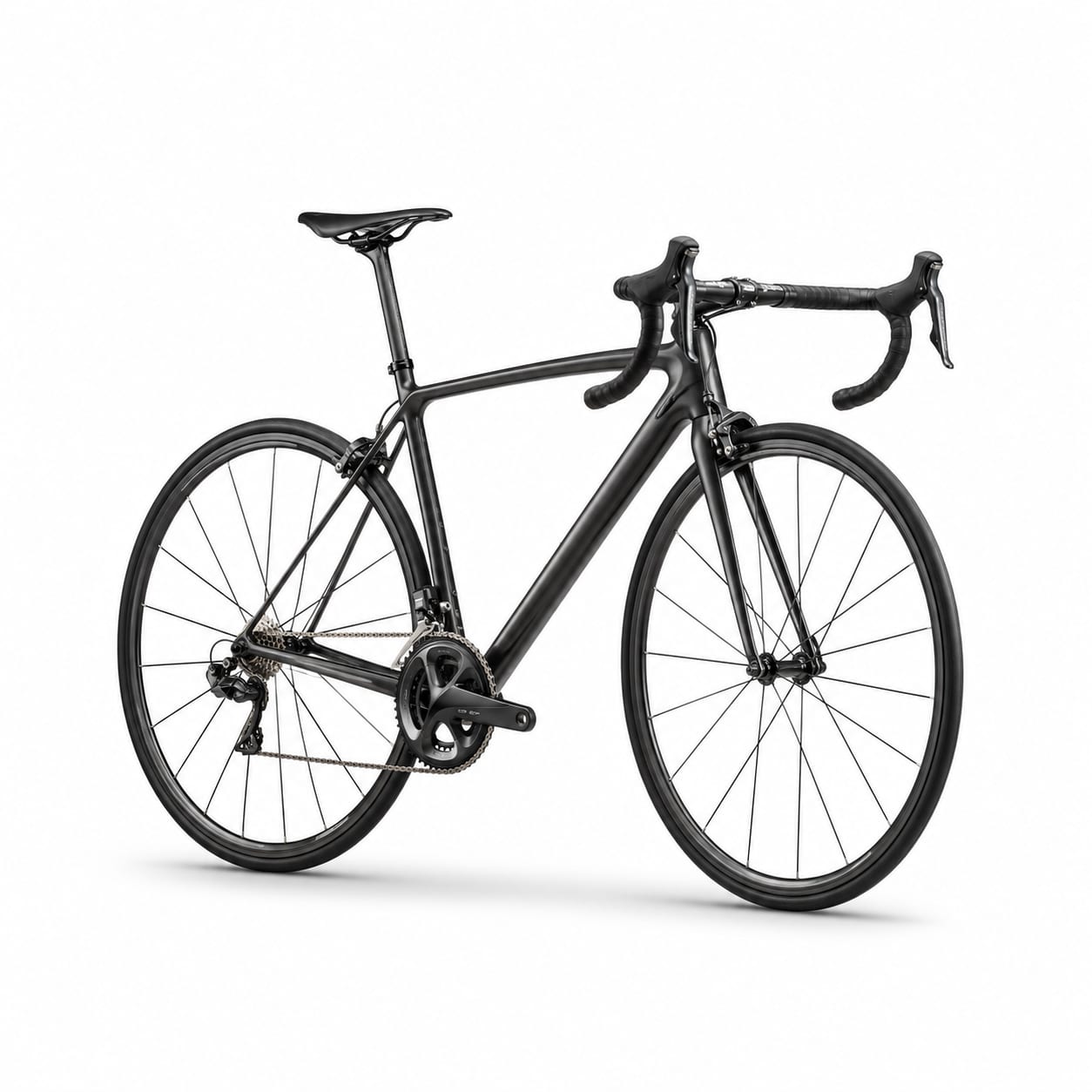
Lightweight / Climbing Road Bike
$1500 – $14000
Featherweight road bikes optimized for uphill performance with minimal weight and responsive handling.
Ultra-lightweight frames (sub-800g common)Responsive handlingStiff power transfer
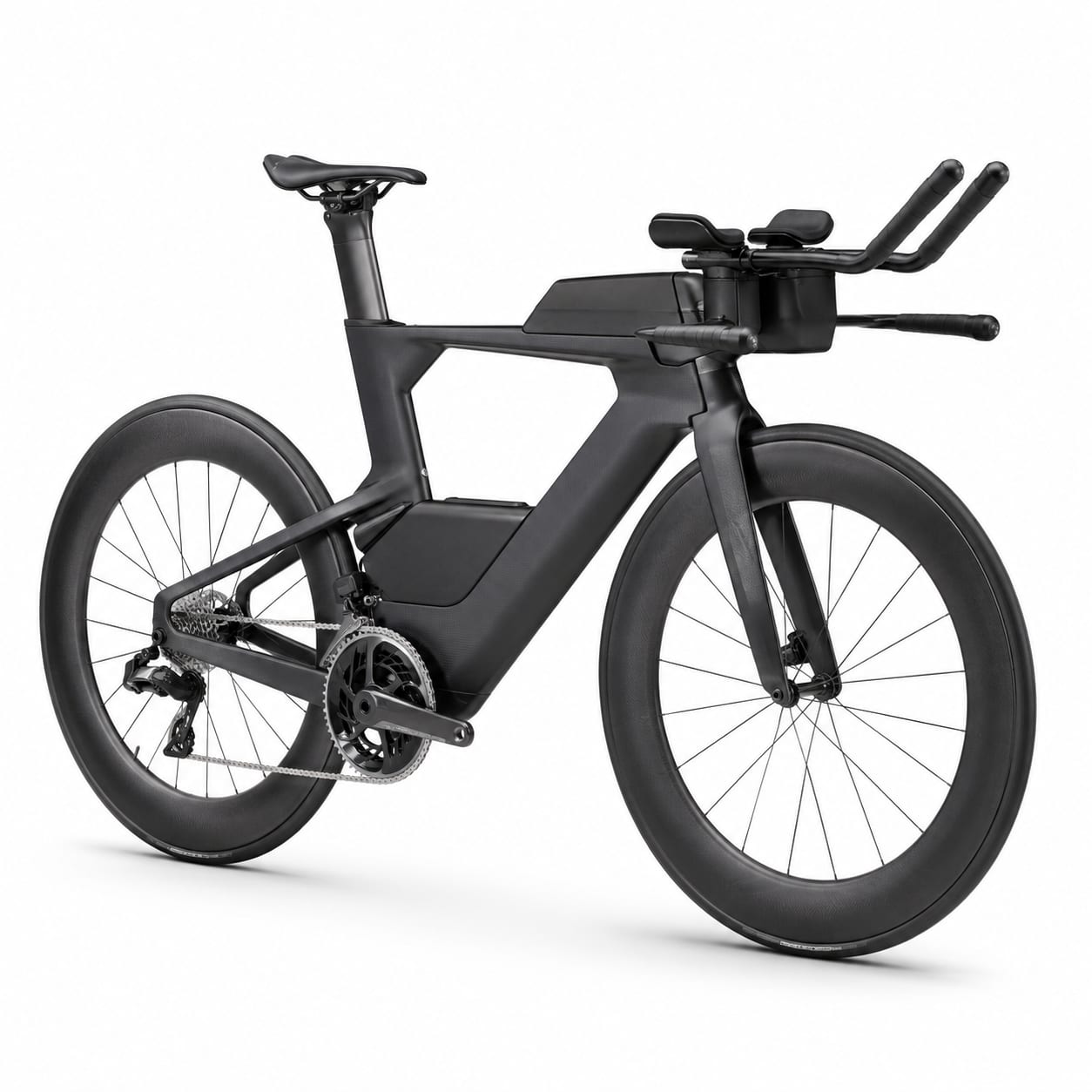
Time Trial / Triathlon Bike
$2000 – $15000
Aerodynamically optimized bikes with extensions for racing against the clock in TTs and triathlons.
Aerobar extensions standardSteep seat tube angle (76-78°)Integrated front end
More questions
- Are aero road bikes actually faster than lightweight climbing bikes?
- Can I change the handlebar width or stem length on an aero bike with an integrated cockpit?
- Is an aero road bike too uncomfortable for long rides?
- How much does internal cable routing really matter for aerodynamics?