
If you experience neck, shoulder, or lower back pain on rides longer than 2 hours; if you cannot comfortably reach the handlebars in the drops; if you ride primarily for fitness and enjoyment rather than competition; or if your roads are less than perfectly smooth, an endurance bike is the right choice. Race bikes are for riders who can comfortably maintain an aggressive position for hours, prioritize marginal speed gains, and ride primarily on smooth roads. When in doubt, choose endurance — you can always lower the stem and add a longer stem to make it more aggressive, but you cannot make a race bike as comfortable as an endurance bike.
Road Bike · Endurance Road Bike
How do I know if I need an endurance bike versus a race bike?
Related gear types
If this answer nudged you toward a different style, these guides compare specs and trade-offs.
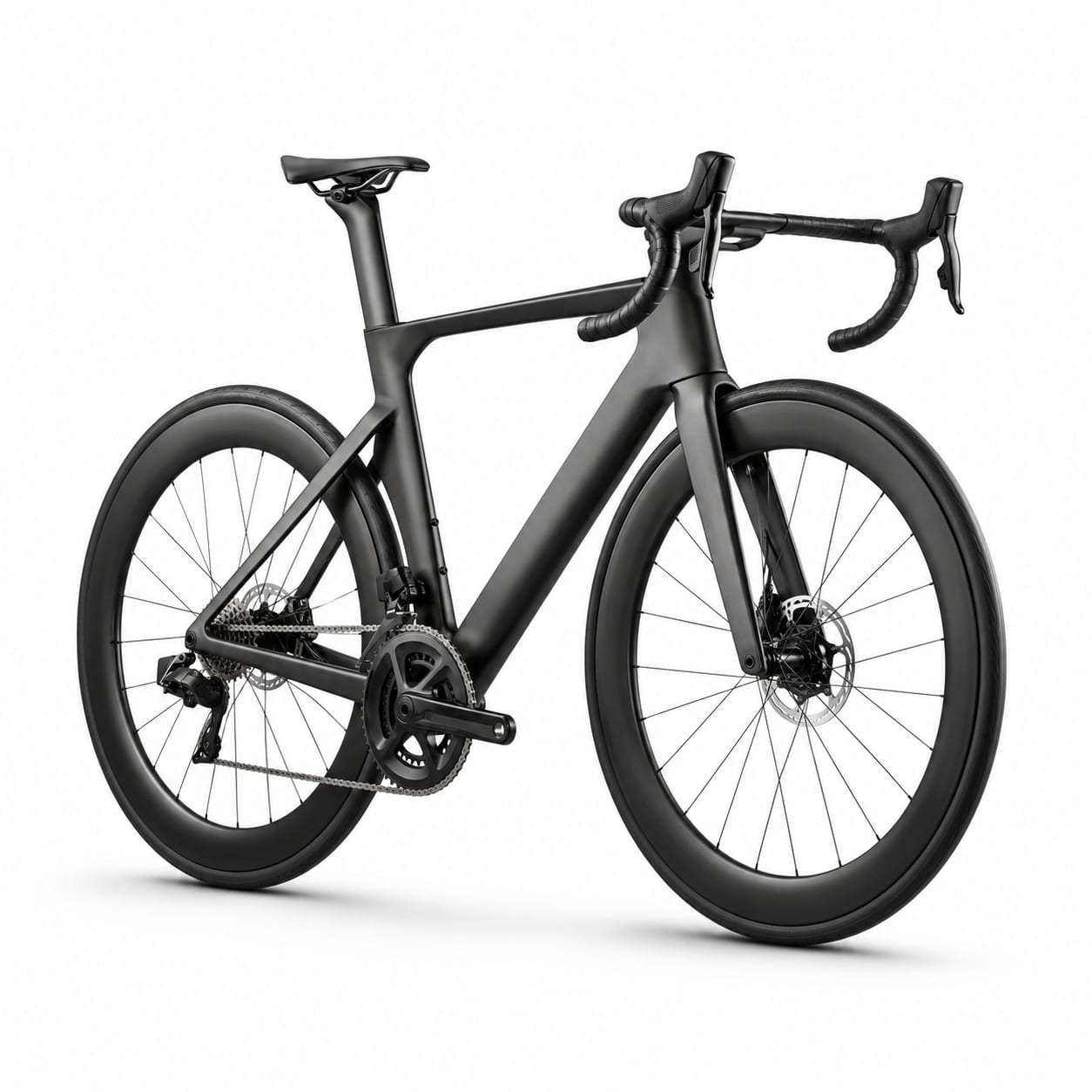
Aero Road Bike
$1500 – $15000
Speed-focused road bikes with aerodynamic frame shapes and integrated components for maximum velocity.
Aerodynamic tube profilesIntegrated componentsAggressive geometry
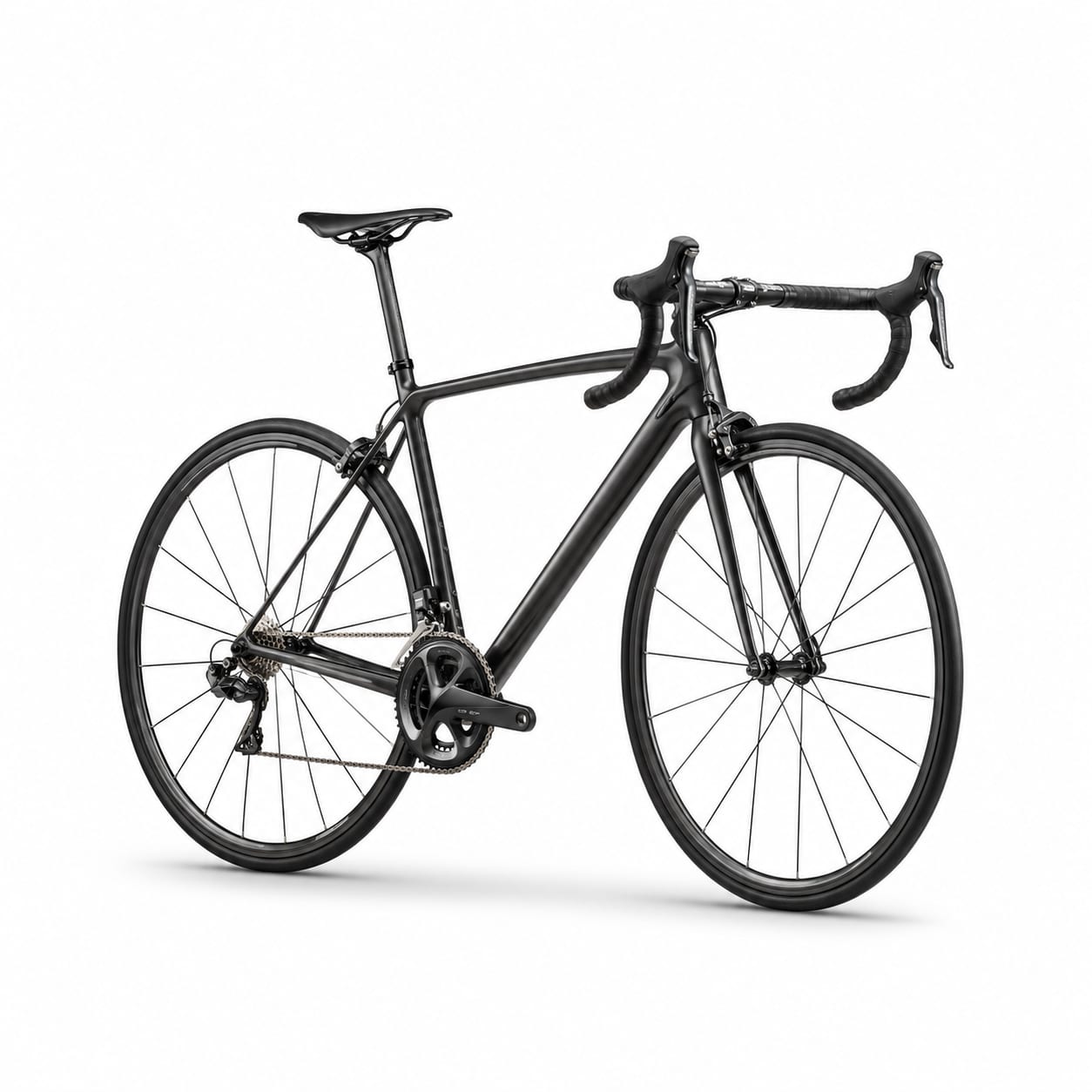
Lightweight / Climbing Road Bike
$1500 – $14000
Featherweight road bikes optimized for uphill performance with minimal weight and responsive handling.
Ultra-lightweight frames (sub-800g common)Responsive handlingStiff power transfer
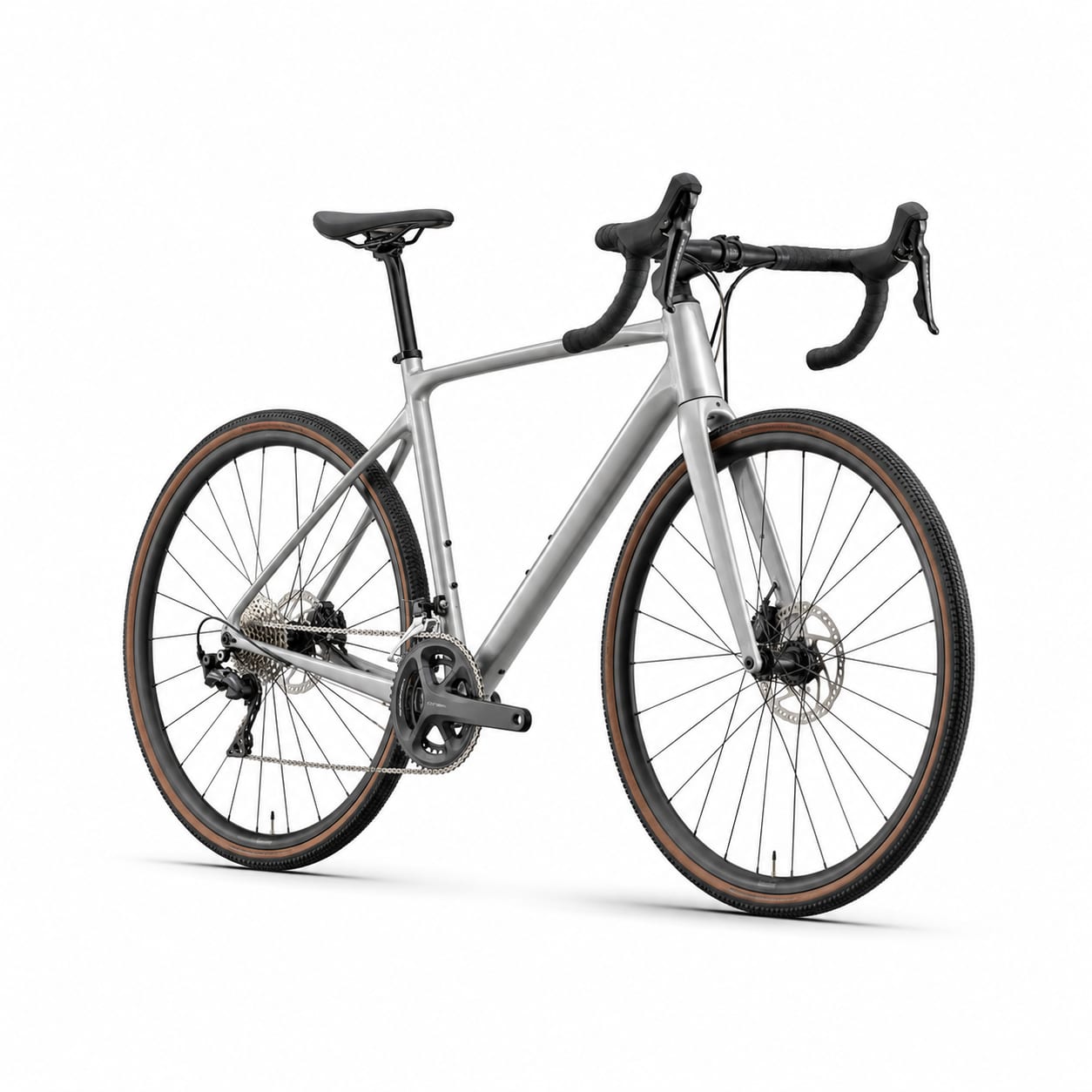
All-Road Bike
$1000 – $10000
Road bikes with moderate off-pavement capability bridging endurance and gravel categories.
Moderate tire clearance (32-38mm)Road-oriented handlingDisc brakes
More questions
- Is an endurance road bike slower than a race bike?
- Can I race on an endurance road bike?
- What tire width should I run on my endurance bike?
- Do I need electronic shifting on an endurance bike?