
Airbag-compatible packs offer more flexibility—you can add the airbag module when you want it, remove it to save weight when you don't, and transfer the module between compatible packs. This is ideal if you want different pack sizes for different missions. Integrated airbag packs are simpler and more reliable because the system is purpose-built and always ready, with no assembly required. They're best for riders who always ride with an airbag and prefer a seamless system. If you're unsure, start with a compatible pack and add the module later—you can always upgrade to integrated if you find you always use the airbag.
Ski Backpack · Freeride Backpack
Should I get an airbag-compatible pack or an integrated airbag pack?
Related gear types
If this answer nudged you toward a different style, these guides compare specs and trade-offs.
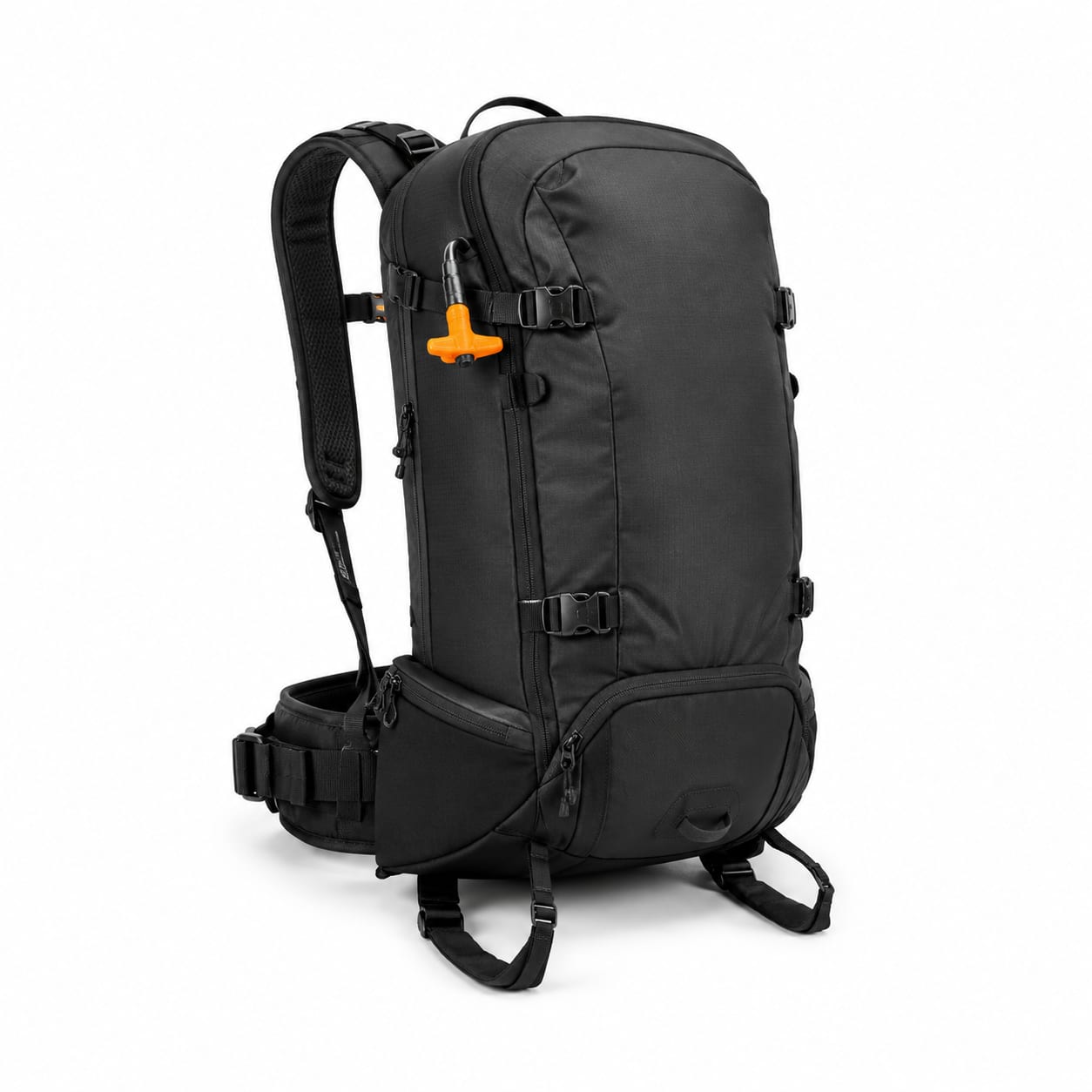
Avalanche Airbag Backpack
$500 – $1300
High-safety backpacks with integrated deployable airbag systems designed to increase survivor buoyancy in avalanches.
Integrated airbag systemDeployment handleLeg loop or waist strap
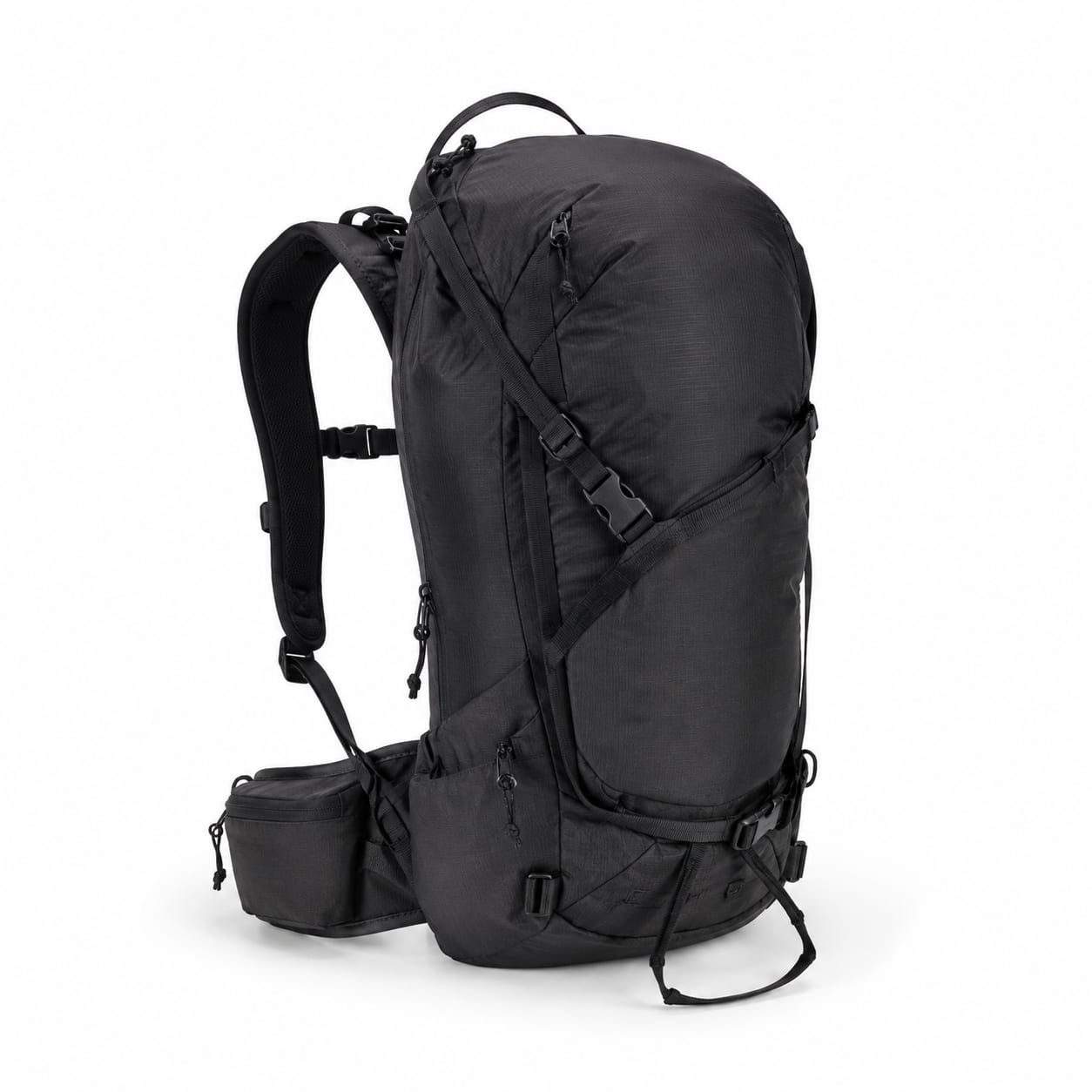
Backcountry Touring Daypack
$80 – $280
Lightweight to midweight packs (20-35L) optimized for single-day backcountry ski touring with dedicated safety gear organization.
Dedicated probe and shovel pocketDiagonal and A-frame ski carryHip belt with pockets
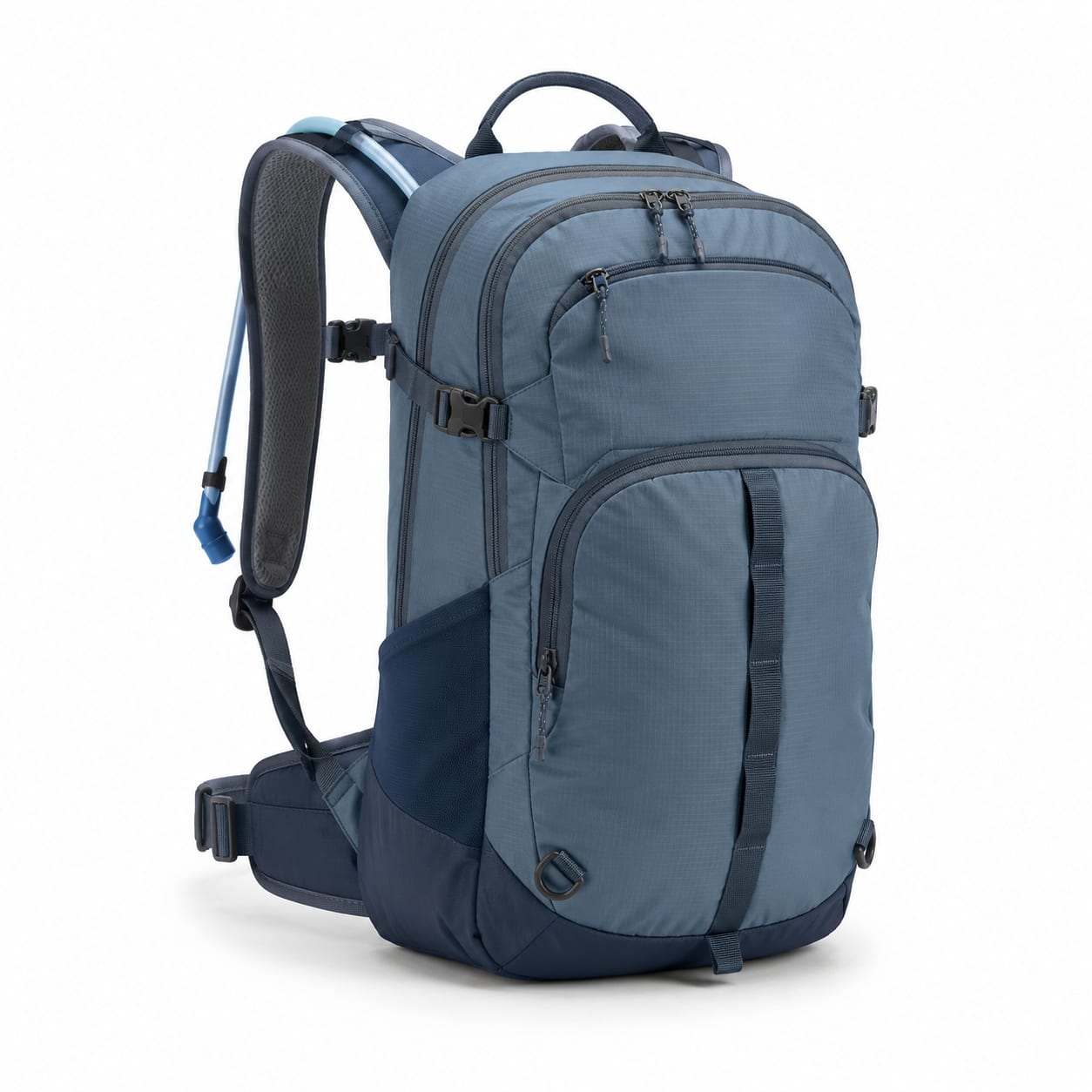
Resort / In-Bounds Daypack
$35 – $120
Compact, lightweight packs (10-22L) for carrying essentials during lift-served skiing without backcountry-specific features.
Compact volume (10-22L)Low-profile designInsulated hydration tube
More questions
- Do I really need a freeride backpack, or can I use my regular hiking pack for backcountry skiing?
- What capacity do I need for a freeride backpack?
- Will my wide freeride skis fit in the A-frame carry system?
- How do I prevent my hydration hose from freezing?