
For most freeride skiers, 25–30L is the ideal range. This accommodates avalanche safety gear (shovel, probe, first aid), an extra warm layer, food and water for a full day, and a few extras like a headlamp and emergency bivy. A 25L pack works for half-day tours or minimalists. A 30L pack is the sweet spot for full-day tours. Only go to 35L if you regularly carry camera gear, need space for a rope, or run a larger airbag module that eats into internal volume. Remember: a smaller, well-packed load skis better than a larger, half-empty pack.
Ski Backpack · Freeride Backpack
What capacity do I need for a freeride backpack?
Related gear types
If this answer nudged you toward a different style, these guides compare specs and trade-offs.
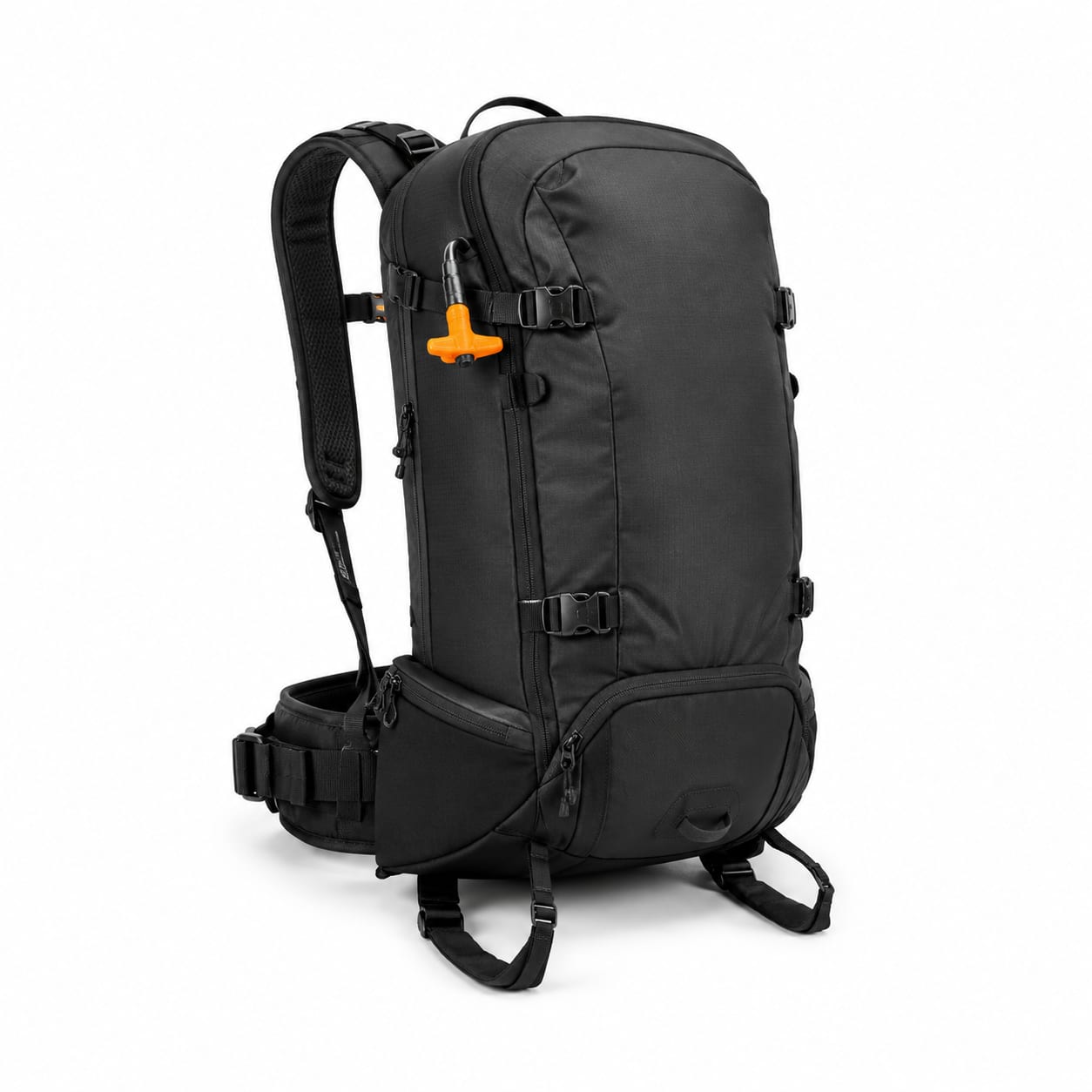
Avalanche Airbag Backpack
$500 – $1300
High-safety backpacks with integrated deployable airbag systems designed to increase survivor buoyancy in avalanches.
Integrated airbag systemDeployment handleLeg loop or waist strap
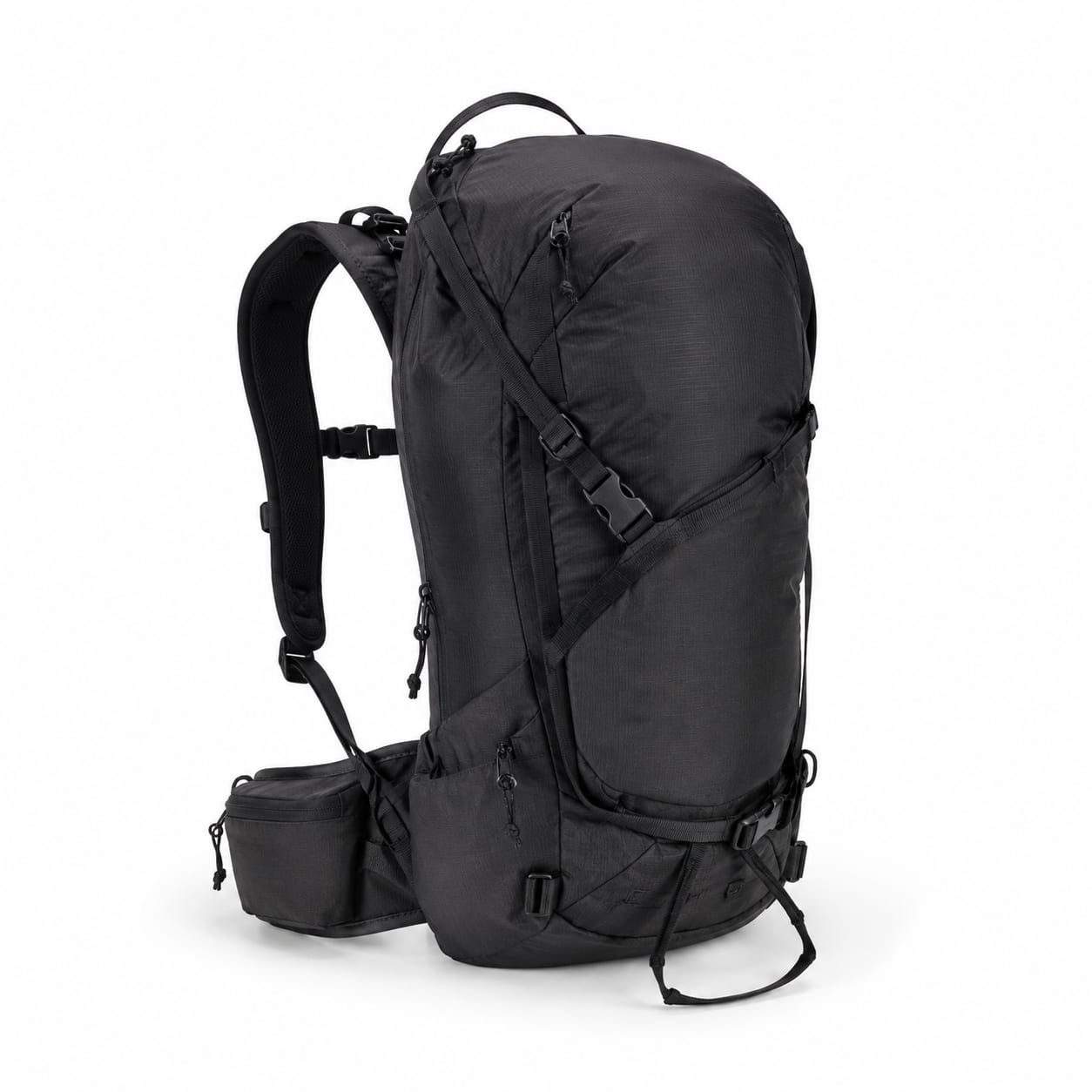
Backcountry Touring Daypack
$80 – $280
Lightweight to midweight packs (20-35L) optimized for single-day backcountry ski touring with dedicated safety gear organization.
Dedicated probe and shovel pocketDiagonal and A-frame ski carryHip belt with pockets
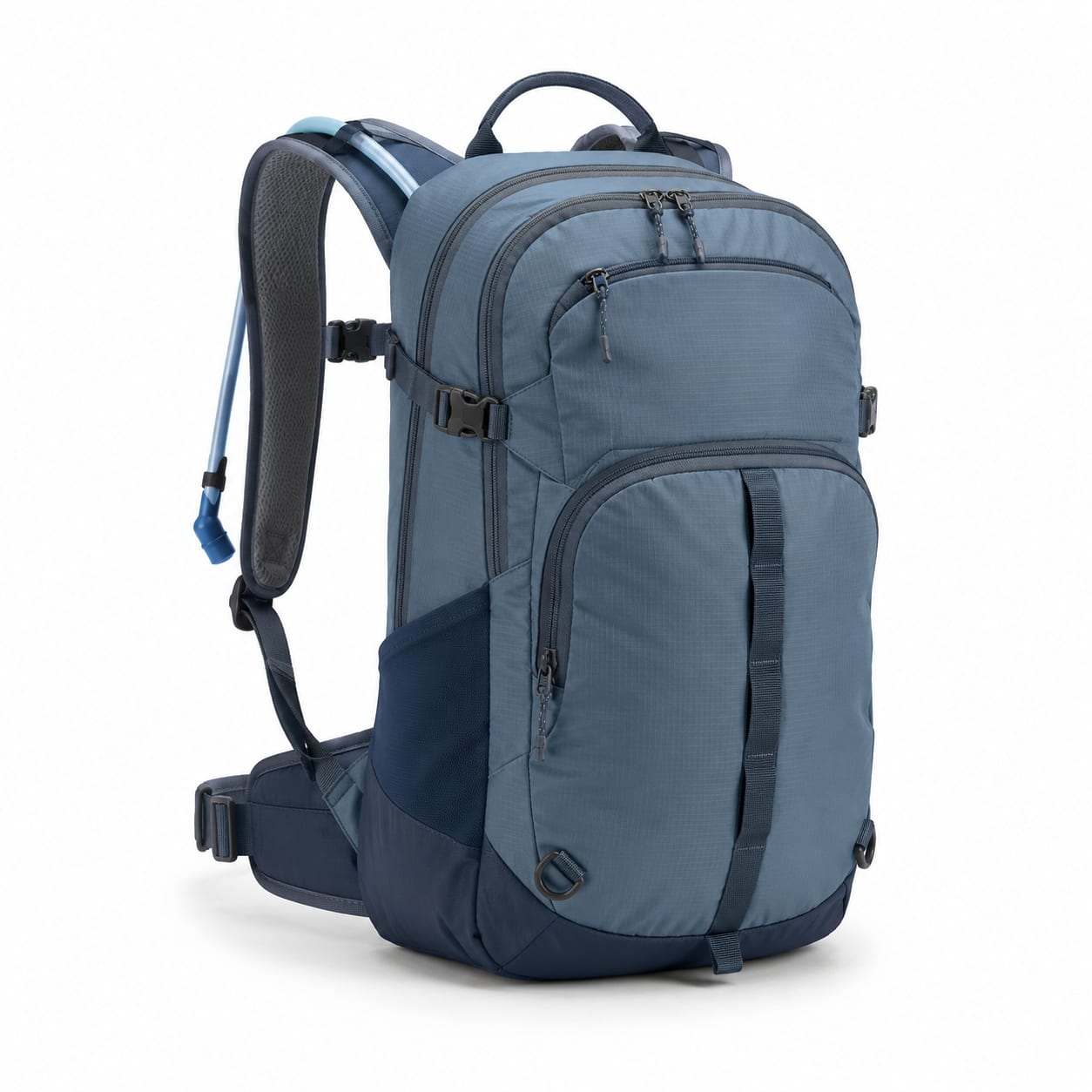
Resort / In-Bounds Daypack
$35 – $120
Compact, lightweight packs (10-22L) for carrying essentials during lift-served skiing without backcountry-specific features.
Compact volume (10-22L)Low-profile designInsulated hydration tube
More questions
- Do I really need a freeride backpack, or can I use my regular hiking pack for backcountry skiing?
- Should I get an airbag-compatible pack or an integrated airbag pack?
- Will my wide freeride skis fit in the A-frame carry system?
- How do I prevent my hydration hose from freezing?