
It depends on your objectives and risk tolerance. Airbags significantly increase survival odds in avalanches, but they add weight (1–2 kg) and reduce internal volume (5–8L). Many ski mountaineers use airbag-compatible packs and install the module for high-avalanche-risk objectives while removing it for weight-sensitive technical climbs. If you frequently travel in avalanche-prone terrain, an airbag is a worthwhile investment. If your primary hazard is falls on technical terrain rather than avalanches, you may prioritize weight savings.
Ski Backpack · Ski Mountaineering Pack
Do I need an airbag in my ski mountaineering pack?
Related gear types
If this answer nudged you toward a different style, these guides compare specs and trade-offs.
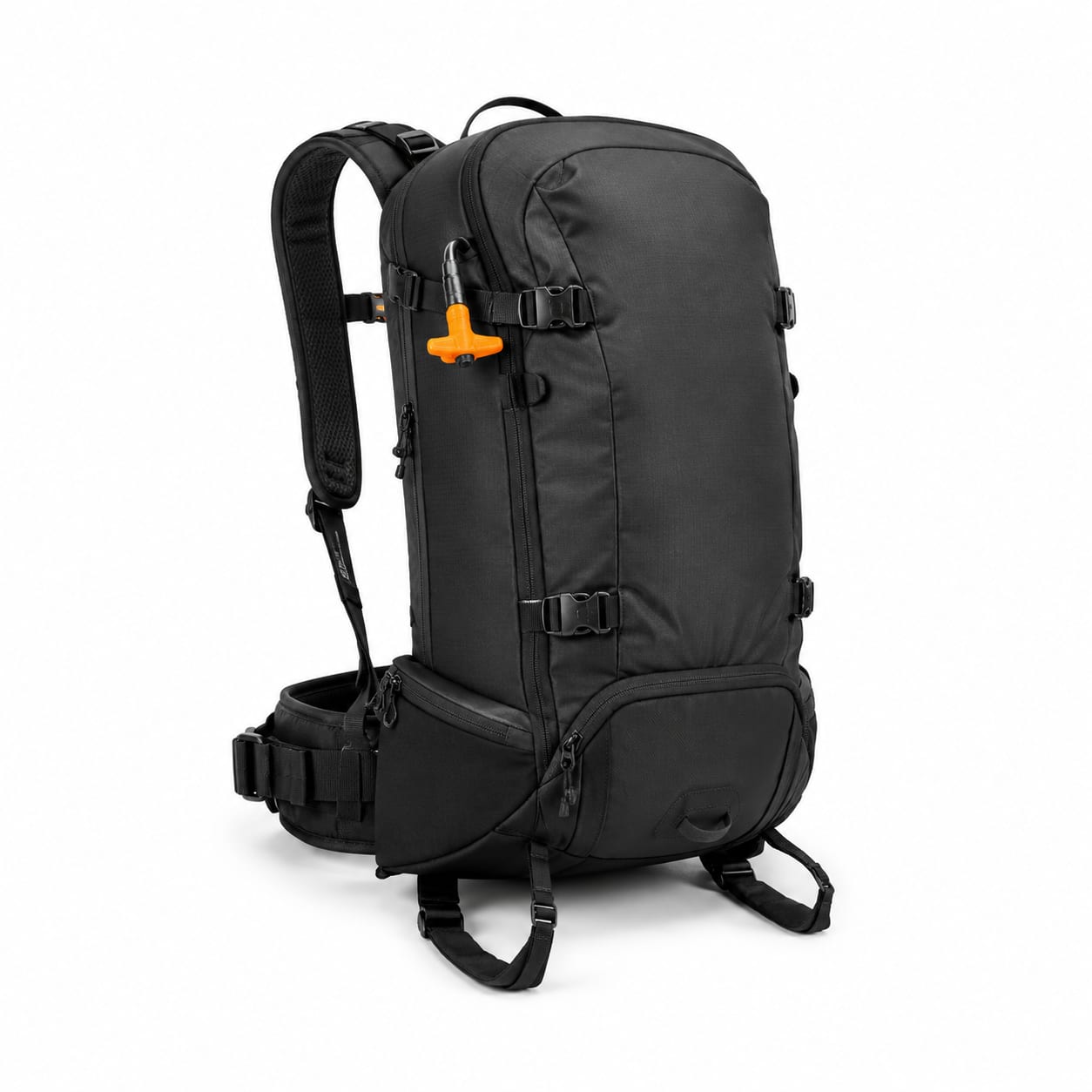
Avalanche Airbag Backpack
$500 – $1300
High-safety backpacks with integrated deployable airbag systems designed to increase survivor buoyancy in avalanches.
Integrated airbag systemDeployment handleLeg loop or waist strap
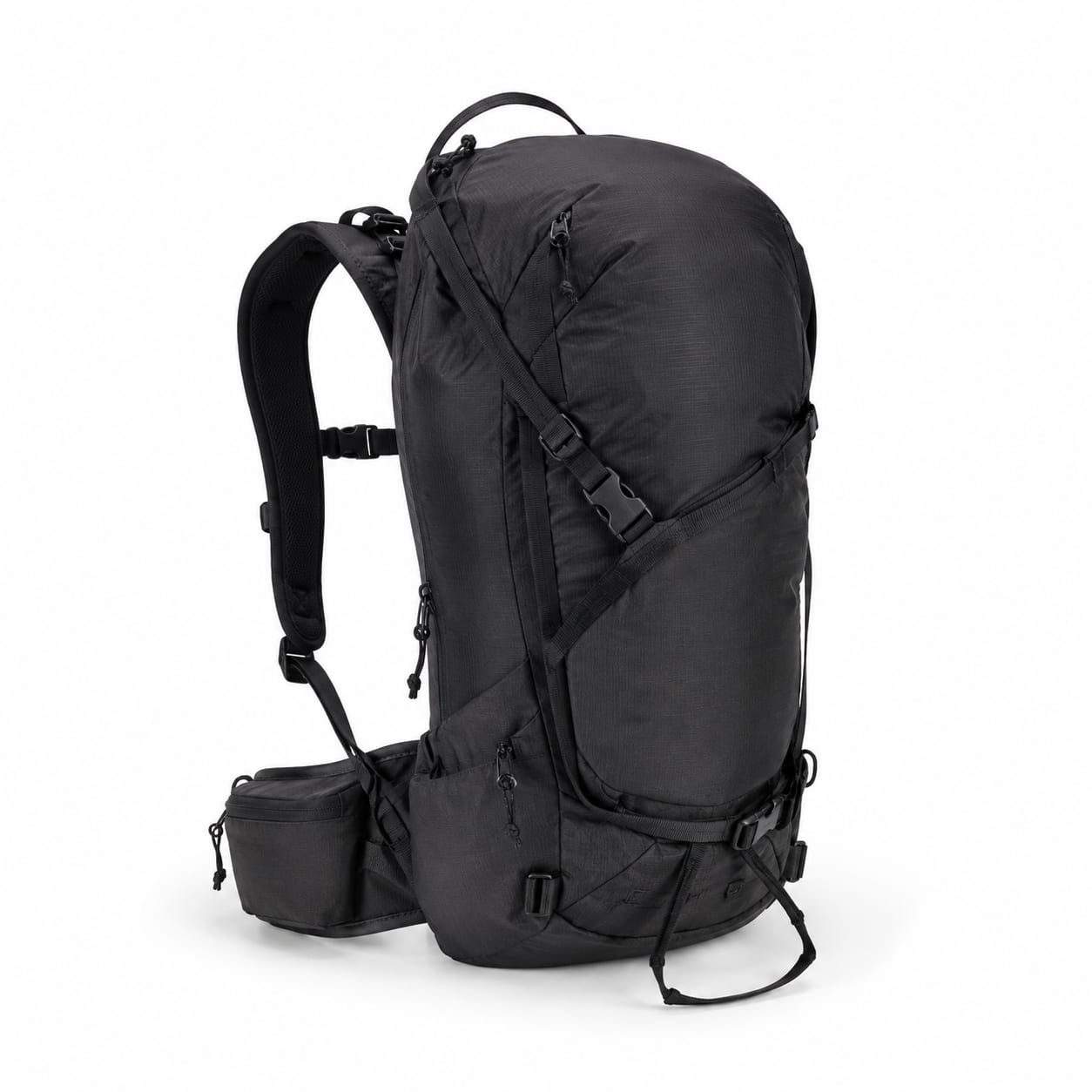
Backcountry Touring Daypack
$80 – $280
Lightweight to midweight packs (20-35L) optimized for single-day backcountry ski touring with dedicated safety gear organization.
Dedicated probe and shovel pocketDiagonal and A-frame ski carryHip belt with pockets
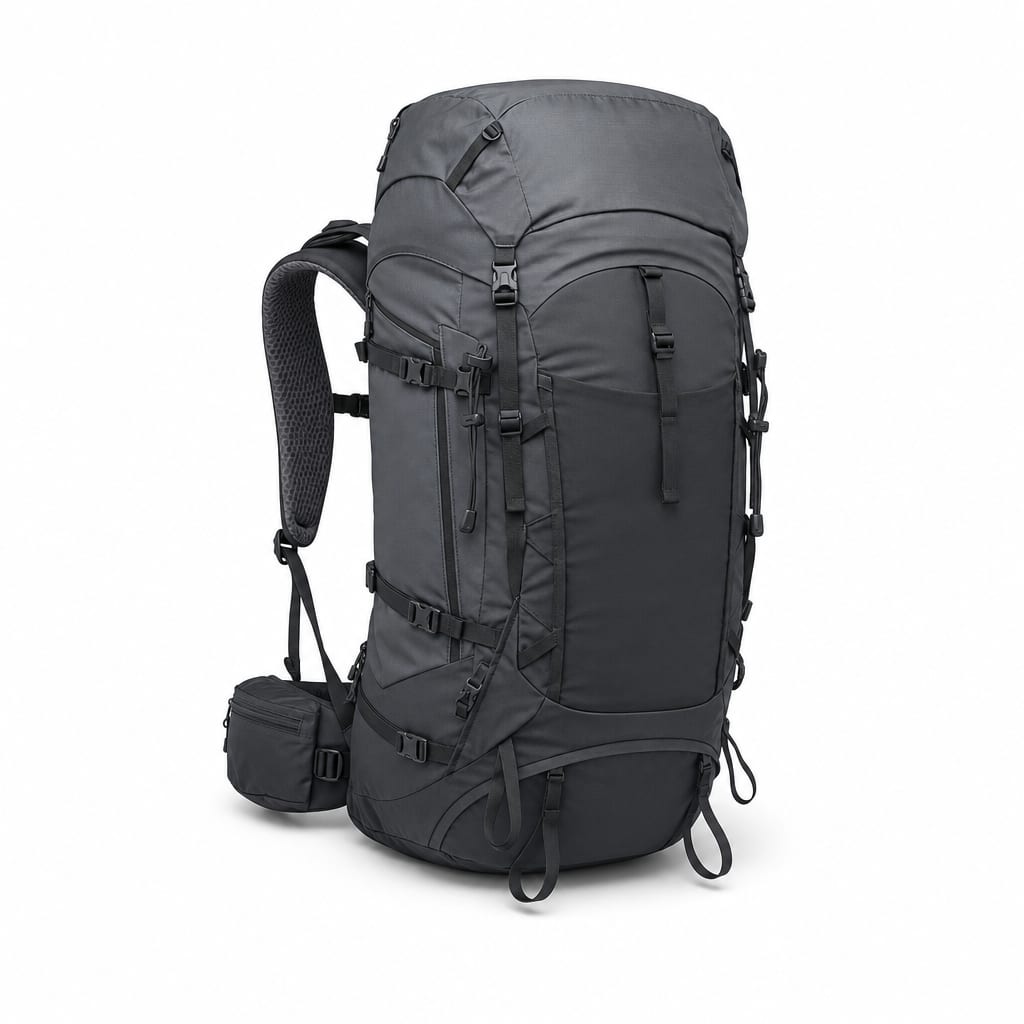
Multi-Day Touring Pack
$160 – $380
High-volume packs (40-55L) designed for hut-to-hut tours and multi-day backcountry ski trips with extended gear capacity.
High volume (40-55L)Robust suspension systemSleeping bag compartment
More questions
- What size ski mountaineering pack do I need?
- Can I use a ski mountaineering pack for regular backcountry touring?
- How do I carry a rope on a ski mountaineering pack?
- How do I fit a ski mountaineering pack with a climbing harness?