
For technical day missions (couloirs, single-summit days), 30–35L is ideal. For glacier days requiring rope and crevasse rescue gear, 35–40L. For lightweight overnight hut trips or bivouacs, 40–45L. Choose the smallest pack that fits your typical mission profile—oversized packs are heavier, shift more on technical terrain, and encourage unnecessary gear. If you use an airbag module, add 5–8L to your target to compensate for the volume the module occupies.
Ski Backpack · Ski Mountaineering Pack
What size ski mountaineering pack do I need?
Related gear types
If this answer nudged you toward a different style, these guides compare specs and trade-offs.
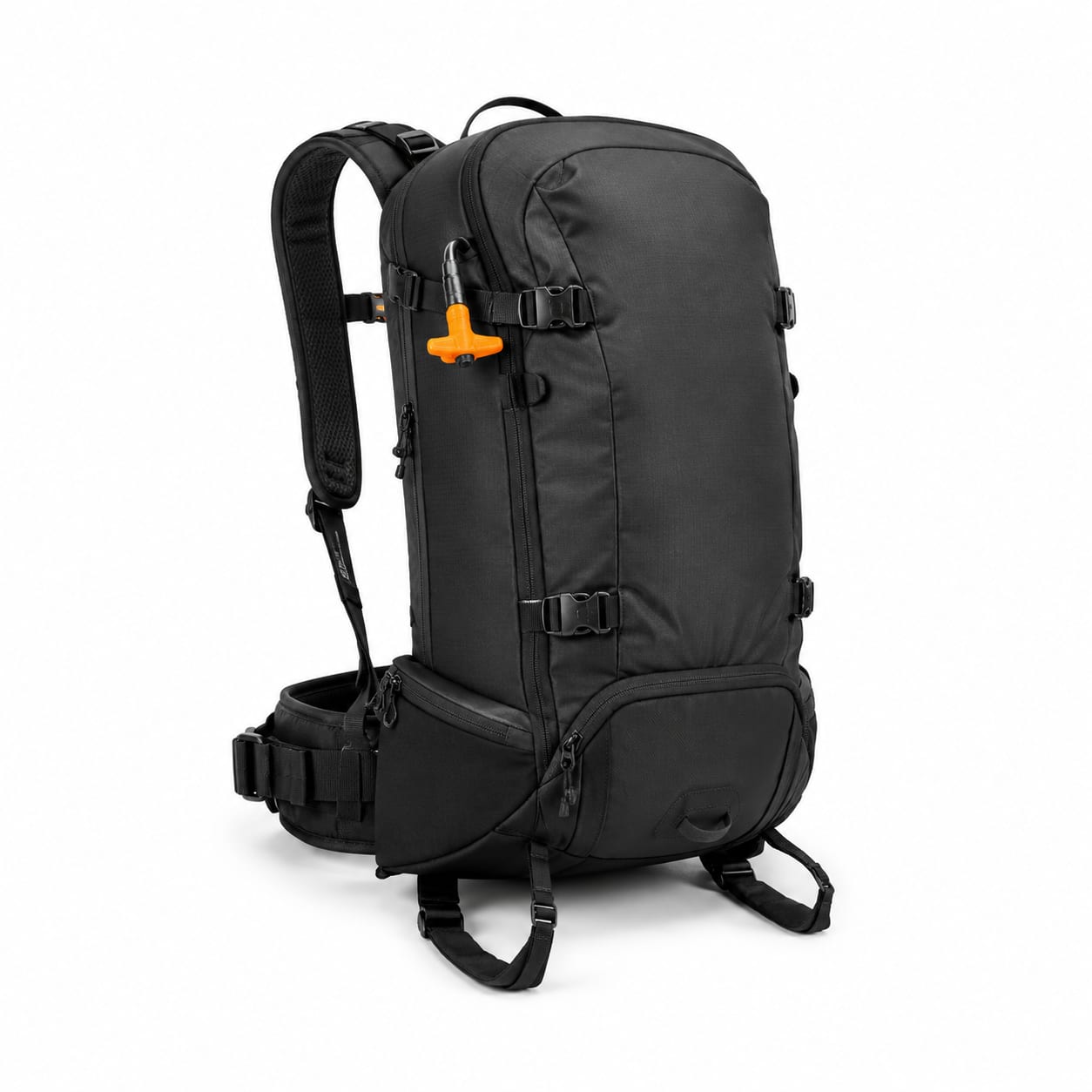
Avalanche Airbag Backpack
$500 – $1300
High-safety backpacks with integrated deployable airbag systems designed to increase survivor buoyancy in avalanches.
Integrated airbag systemDeployment handleLeg loop or waist strap
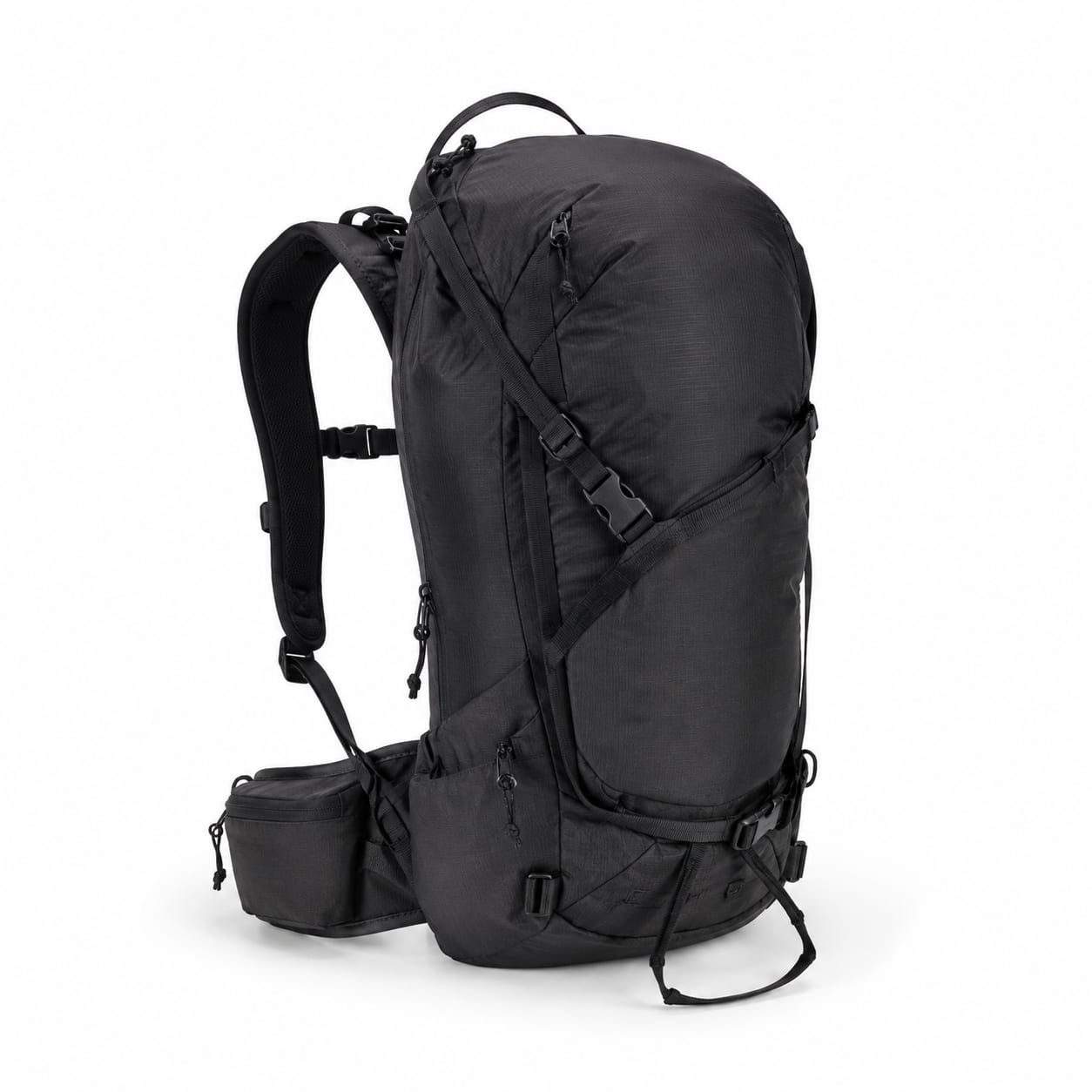
Backcountry Touring Daypack
$80 – $280
Lightweight to midweight packs (20-35L) optimized for single-day backcountry ski touring with dedicated safety gear organization.
Dedicated probe and shovel pocketDiagonal and A-frame ski carryHip belt with pockets
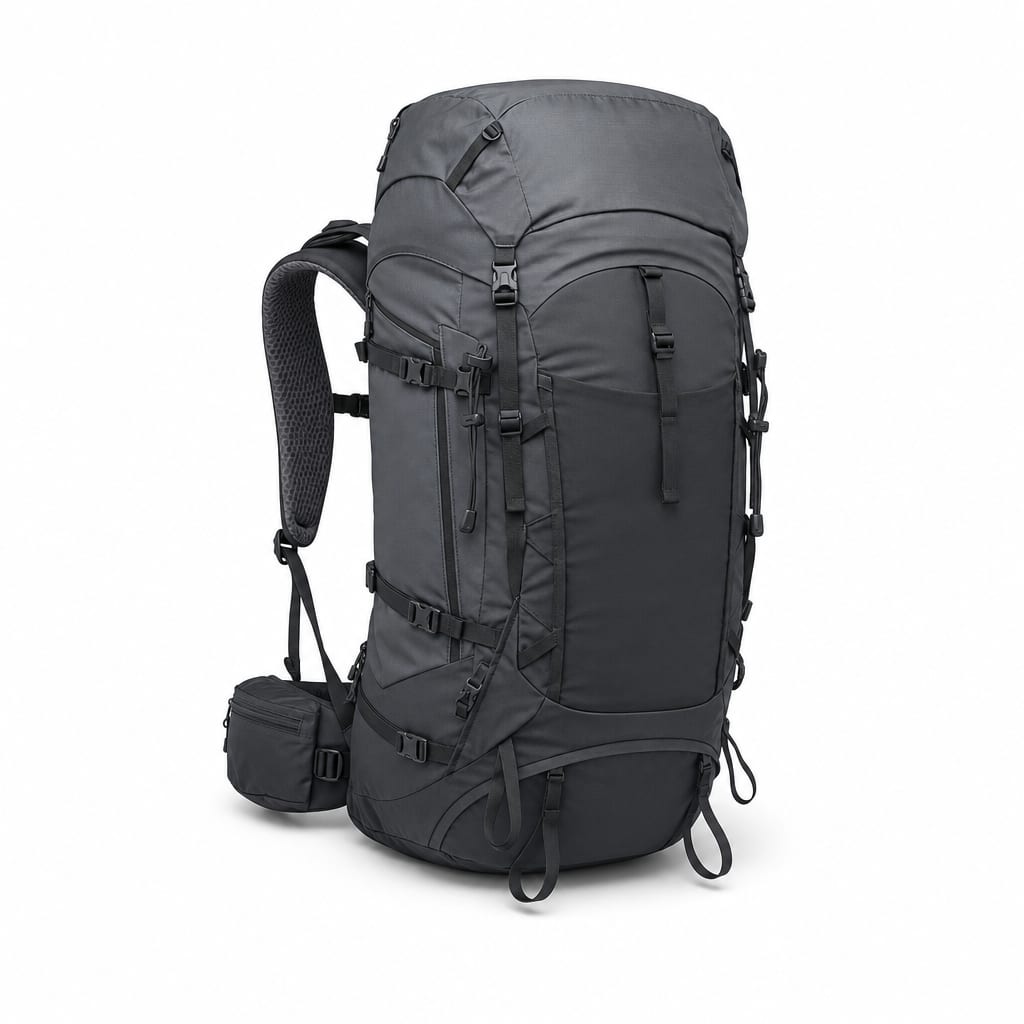
Multi-Day Touring Pack
$160 – $380
High-volume packs (40-55L) designed for hut-to-hut tours and multi-day backcountry ski trips with extended gear capacity.
High volume (40-55L)Robust suspension systemSleeping bag compartment
More questions
- Can I use a ski mountaineering pack for regular backcountry touring?
- How do I carry a rope on a ski mountaineering pack?
- Do I need an airbag in my ski mountaineering pack?
- How do I fit a ski mountaineering pack with a climbing harness?