
It depends on the type of touring you do. For short sidecountry laps, hike-to terrain at resorts, and approaches under an hour, the weight is manageable. For long backcountry tours, multi-day trips, or any tour over 2 hours, the weight (1,800–2,800g per pair) becomes a significant disadvantage. If you tour frequently or for long distances, pin-tech bindings (600–1,000g) are dramatically more efficient on the ascent.
Ski Bindings · Alpine Touring Frame Bindings
Are frame bindings too heavy for touring?
Related gear types
If this answer nudged you toward a different style, these guides compare specs and trade-offs.
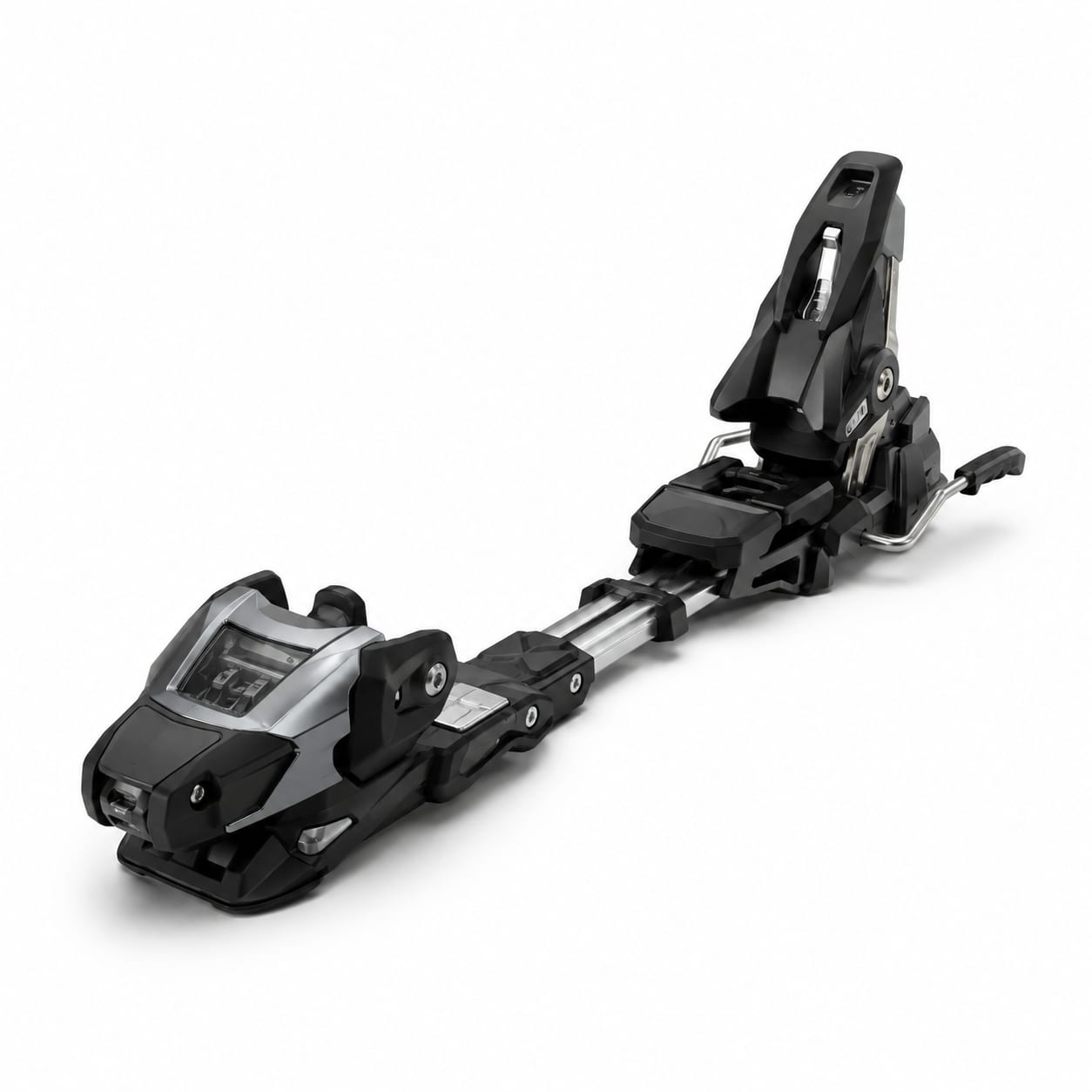
Alpine/Downhill Bindings
$120 – $450
Standard resort ski bindings designed for lift-served downhill skiing with fixed heels and reliable release performance.
fixed heelDIN-certified releaseISO 5355 boot compatibility
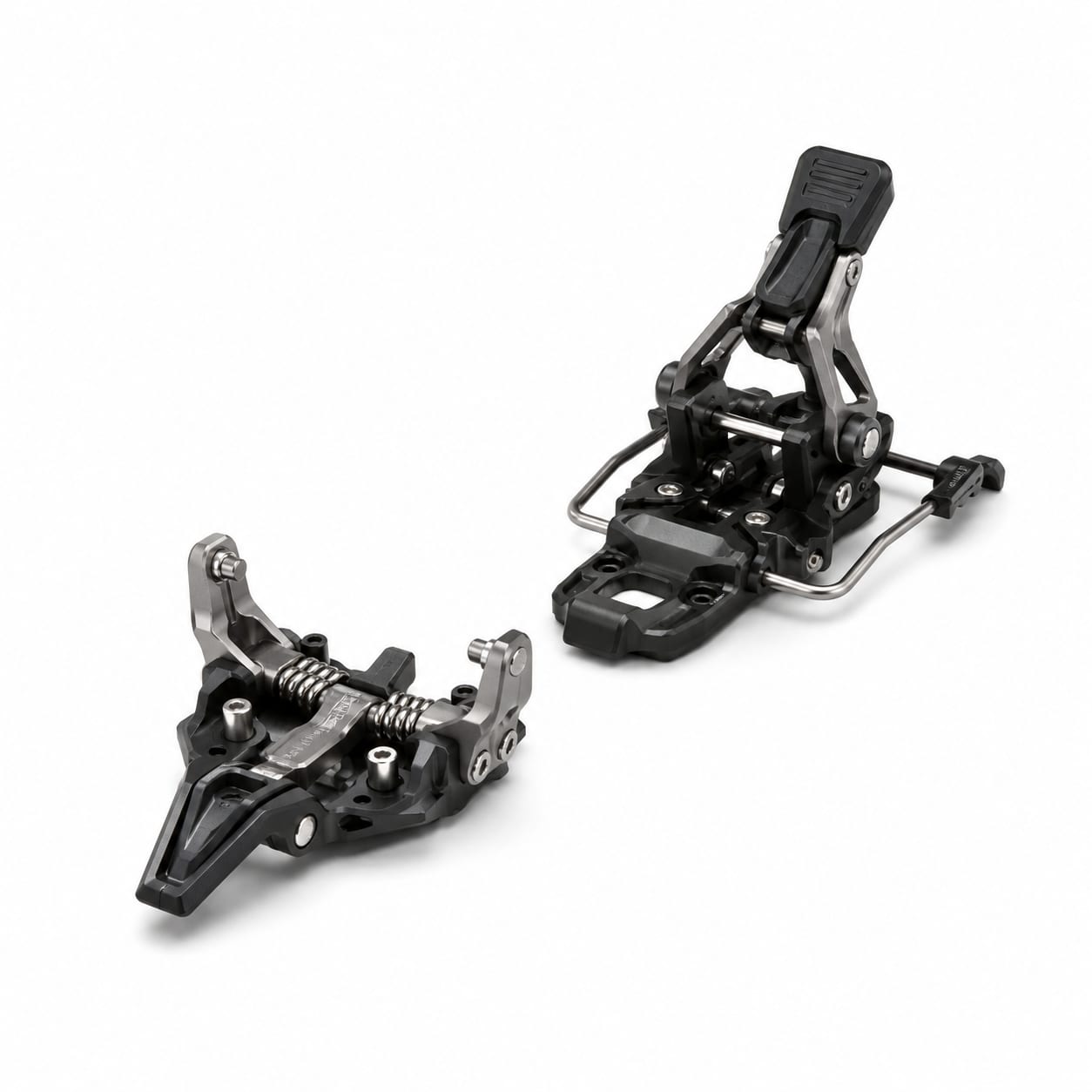
Tech/Pin Bindings
$300 – $900
Lightweight touring bindings using metal pins at the toe for uphill efficiency, favored by dedicated backcountry skiers.
pin toe interfaceultralight constructiontech-compatible boot required
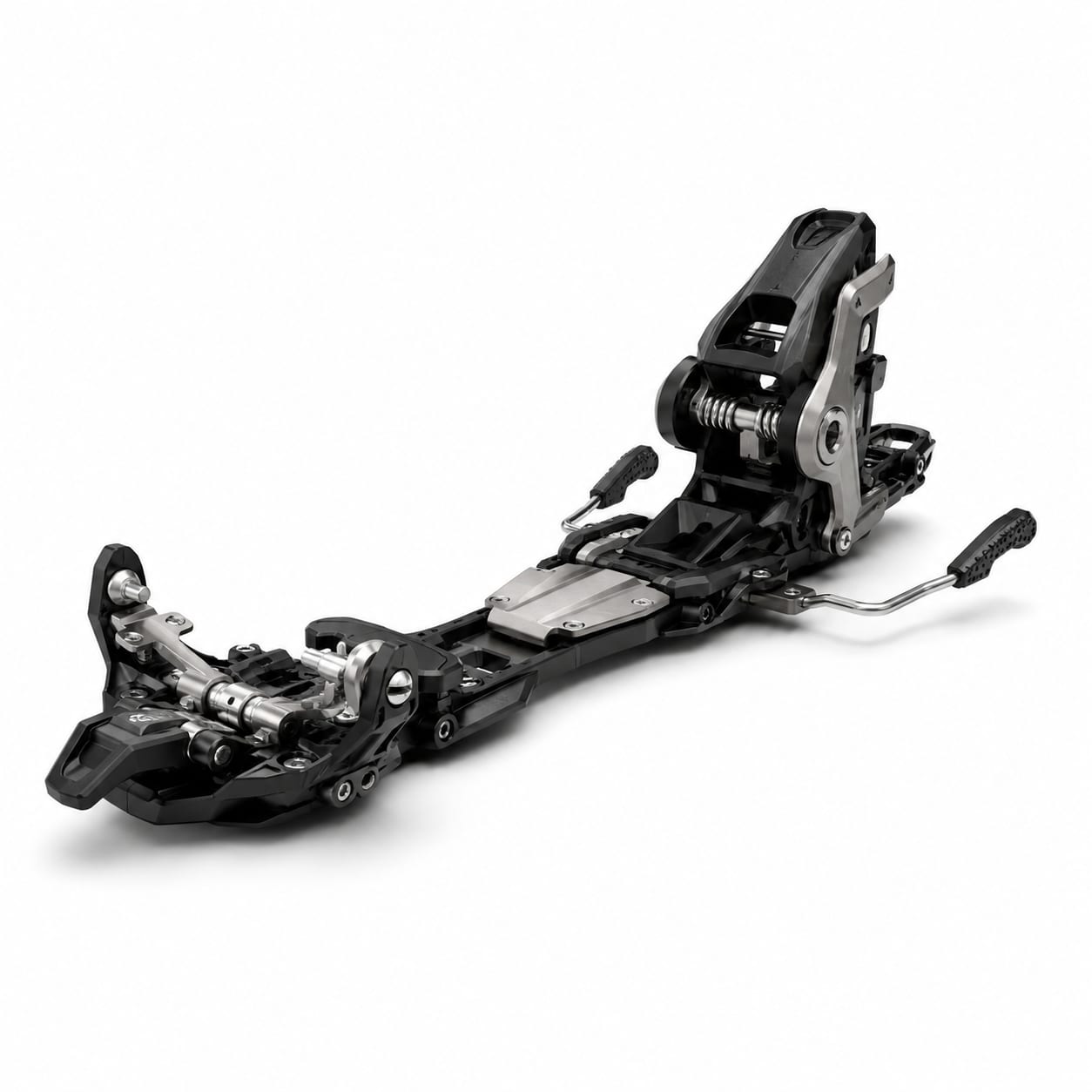
Hybrid AT Bindings
$400 – $750
Bindings combining a tech/pin toe for touring with an alpine-style heel for improved downhill performance and release.
pin toe piecealpine-style heelbrake-equipped
More questions
- Can I use my regular alpine boots with frame bindings?
- How do frame bindings compare to the Salomon Shift?
- Do frame bindings release as reliably as alpine bindings?
- What's the difference between the Marker Baron and Marker Duke?