
The Salomon Shift (a hybrid binding) is lighter (about 1,600g per pair), has a more natural touring stride with the pivot at the toe tip, and transitions faster between walk and ski mode. However, the Shift requires boots with tech fittings for touring mode, while frame bindings work with any alpine boot. The Shift also has a more complex mechanism with more potential failure points. For skiers with tech-fitting boots, the Shift is generally the better choice. For skiers who want to use their alpine boots, frame bindings are the only touring option.
Ski Bindings · Alpine Touring Frame Bindings
How do frame bindings compare to the Salomon Shift?
Related gear types
If this answer nudged you toward a different style, these guides compare specs and trade-offs.
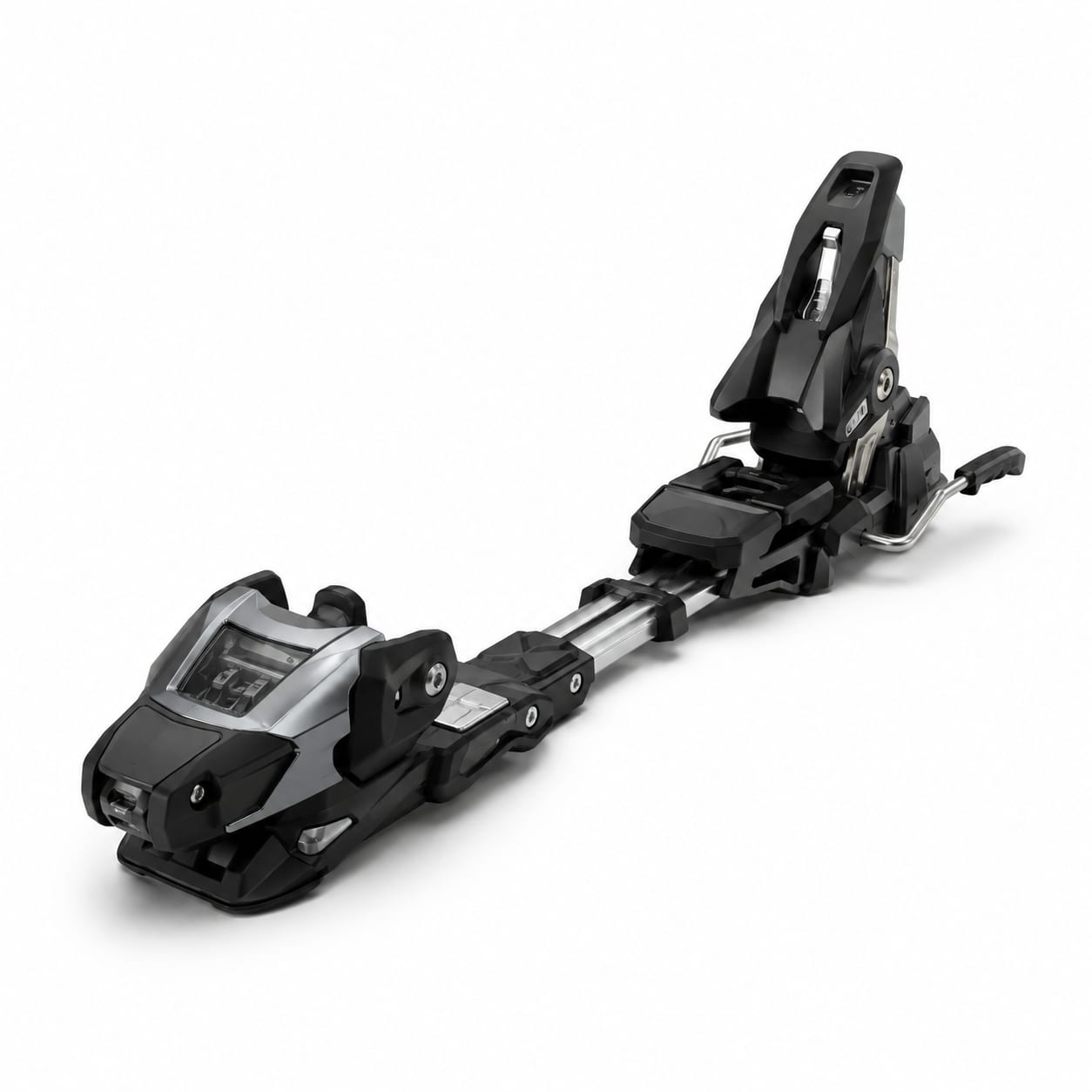
Alpine/Downhill Bindings
$120 – $450
Standard resort ski bindings designed for lift-served downhill skiing with fixed heels and reliable release performance.
fixed heelDIN-certified releaseISO 5355 boot compatibility
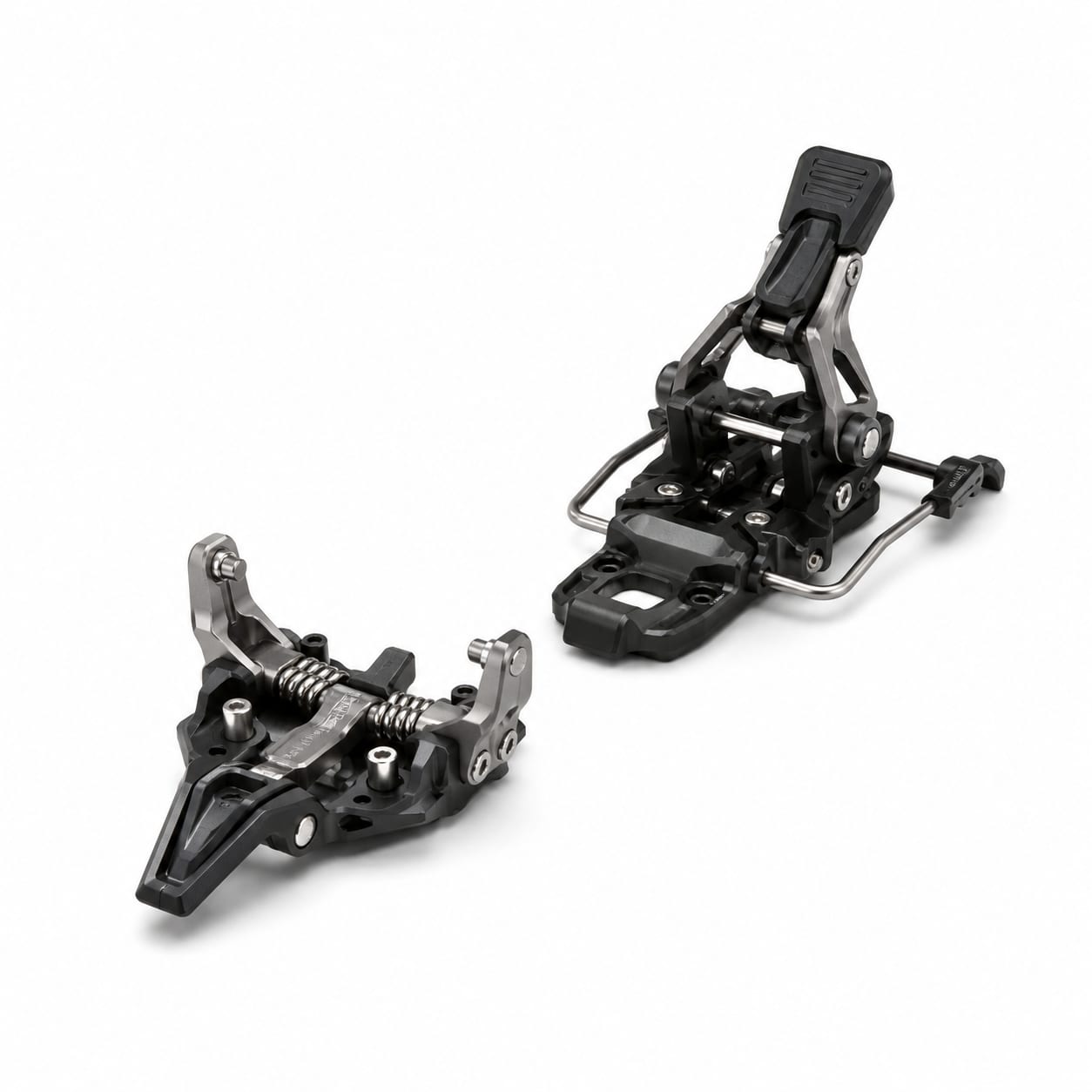
Tech/Pin Bindings
$300 – $900
Lightweight touring bindings using metal pins at the toe for uphill efficiency, favored by dedicated backcountry skiers.
pin toe interfaceultralight constructiontech-compatible boot required
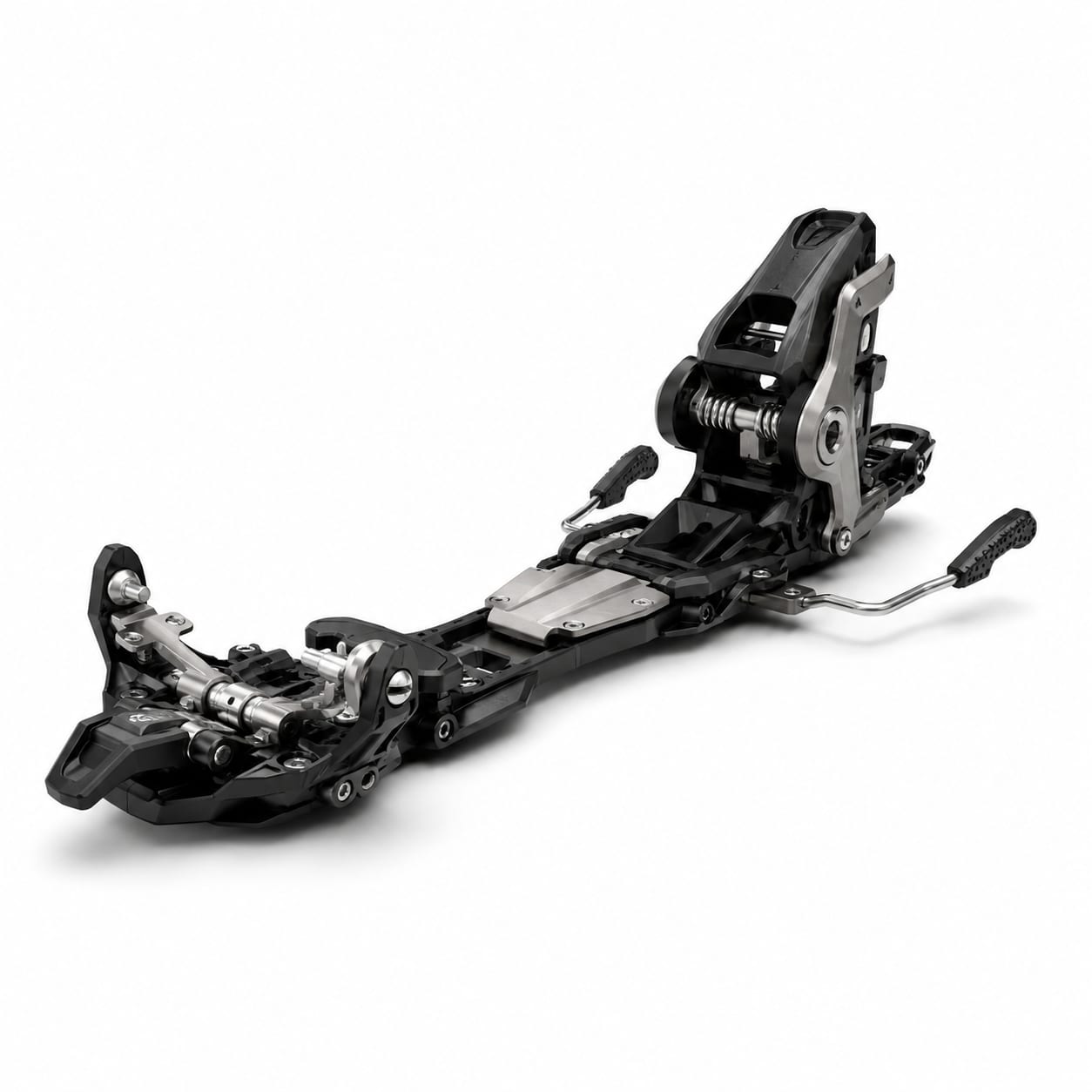
Hybrid AT Bindings
$400 – $750
Bindings combining a tech/pin toe for touring with an alpine-style heel for improved downhill performance and release.
pin toe piecealpine-style heelbrake-equipped
More questions
- Can I use my regular alpine boots with frame bindings?
- Are frame bindings too heavy for touring?
- Do frame bindings release as reliably as alpine bindings?
- What's the difference between the Marker Baron and Marker Duke?