
For most backcountry skiers, 55–60° is the sweet spot. This provides a natural enough stride for efficient skinning on moderate to steep tracks. If you primarily do short laps with minimal approach, 50° is adequate. If you're doing long, steep approaches or technical mountaineering, prioritize 60°+. The difference between 50° and 65° is very noticeable on sustained skinners—the extra range lets you take longer strides with less effort. However, don't assume more walk range means worse downhill performance; modern designs achieve both.
Ski Boots · Alpine Touring (AT) / Backcountry Ski Boots
How much walk range of motion do I really need?
Related gear types
If this answer nudged you toward a different style, these guides compare specs and trade-offs.
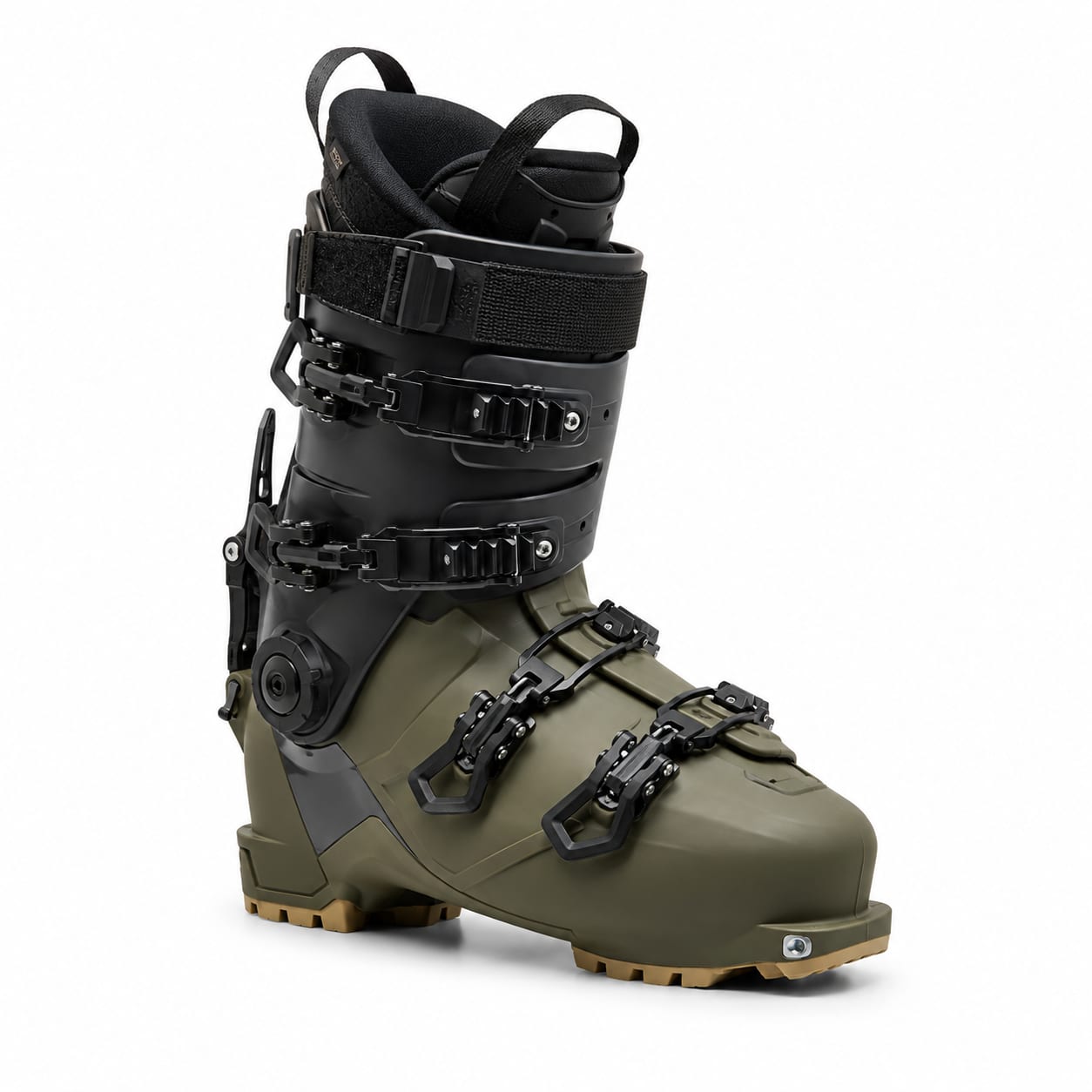
Freeride / Big Mountain Ski Boots
$450 – $1100
Powerful boots built for aggressive off-piste skiing in deep snow and steep, technical terrain.
Stiff flex (120-150)Wider last (98-104mm)Often includes walk mode
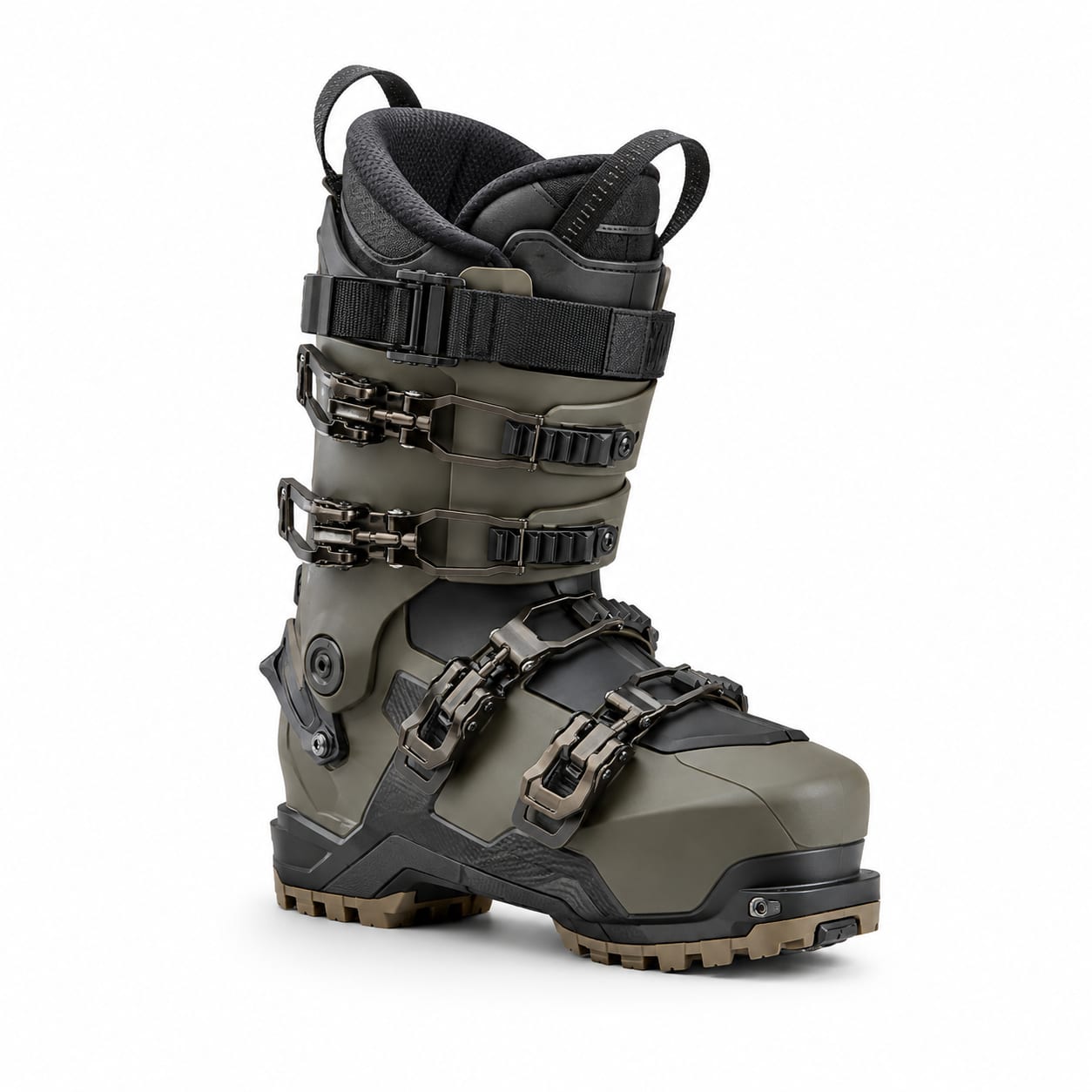
Hike & Ride / Walk-Mode Resort Boots
$350 – $850
Resort-oriented boots with integrated walk mode for easy hiking to sidecountry terrain and resort exploration.
Walk mode (40-55° range)Near-resort stiffness (100-130 flex)GripWalk soles
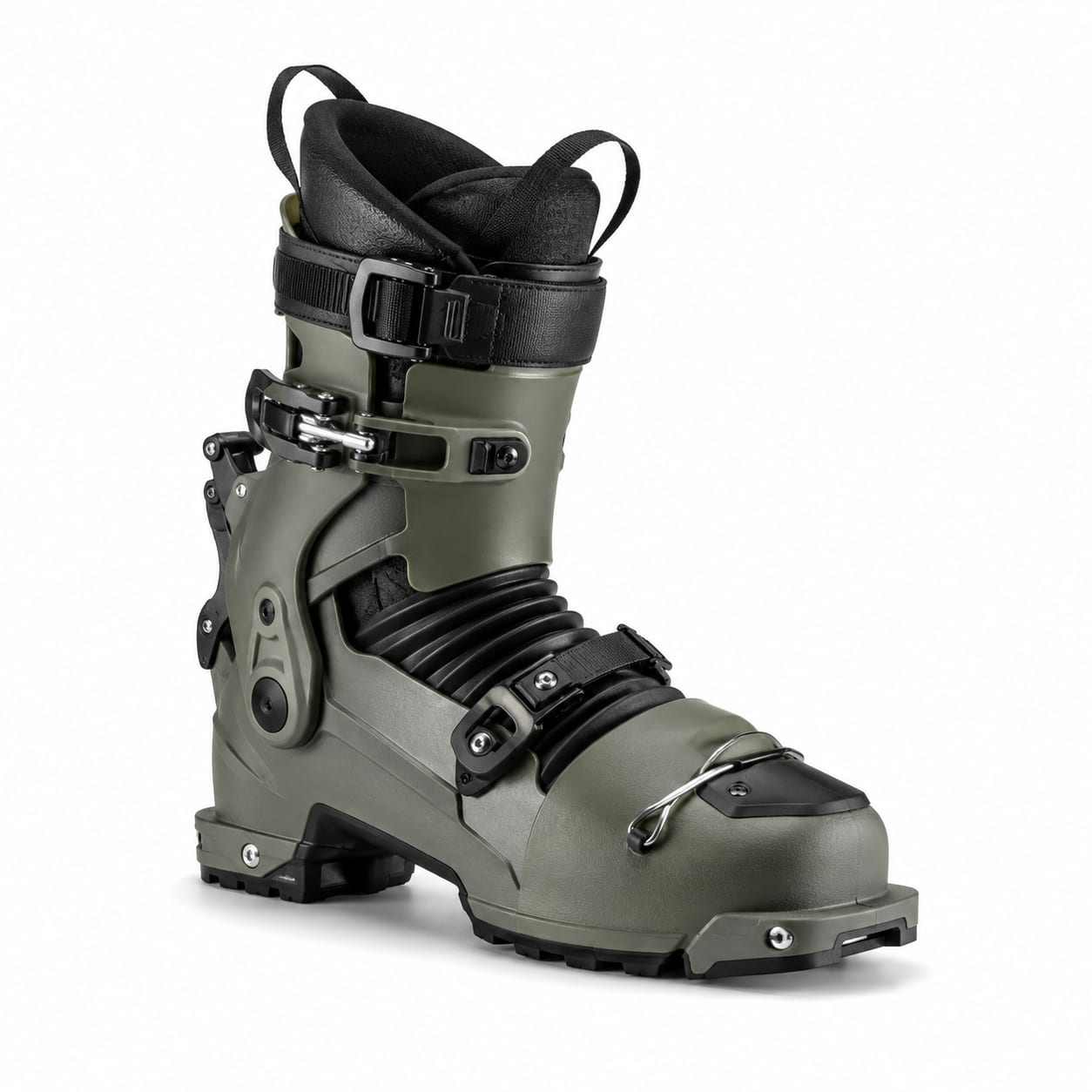
Telemark Ski Boots
$300 – $750
Boots designed for free-heel telemark skiing with flexible bellows and 75mm or NTN binding compatibility.
Flexible bellows under ball of foot75mm duckbill or NTN sole compatibilityHigher cuff for support
More questions
- Can I use AT boots with my regular alpine bindings at the resort?
- Why are AT boots so much more expensive than alpine boots?
- Should I size AT boots differently than my alpine boots?
- Can I use my AT boots for an entire resort season?