
AT boots cost more because they incorporate additional engineering and components: precision-machined tech fittings, robust walk mode mechanisms, lightweight shell materials (Grilamid/Pebax cost more than PU), and often higher-quality heat-moldable liners. The market is also smaller, so R&D and tooling costs are spread over fewer units. Expect to pay $600–900 for quality AT boots versus $400–700 for comparable alpine boots. Think of the premium as the cost of the touring capability that makes backcountry skiing possible.
Ski Boots · Alpine Touring (AT) / Backcountry Ski Boots
Why are AT boots so much more expensive than alpine boots?
Related gear types
If this answer nudged you toward a different style, these guides compare specs and trade-offs.
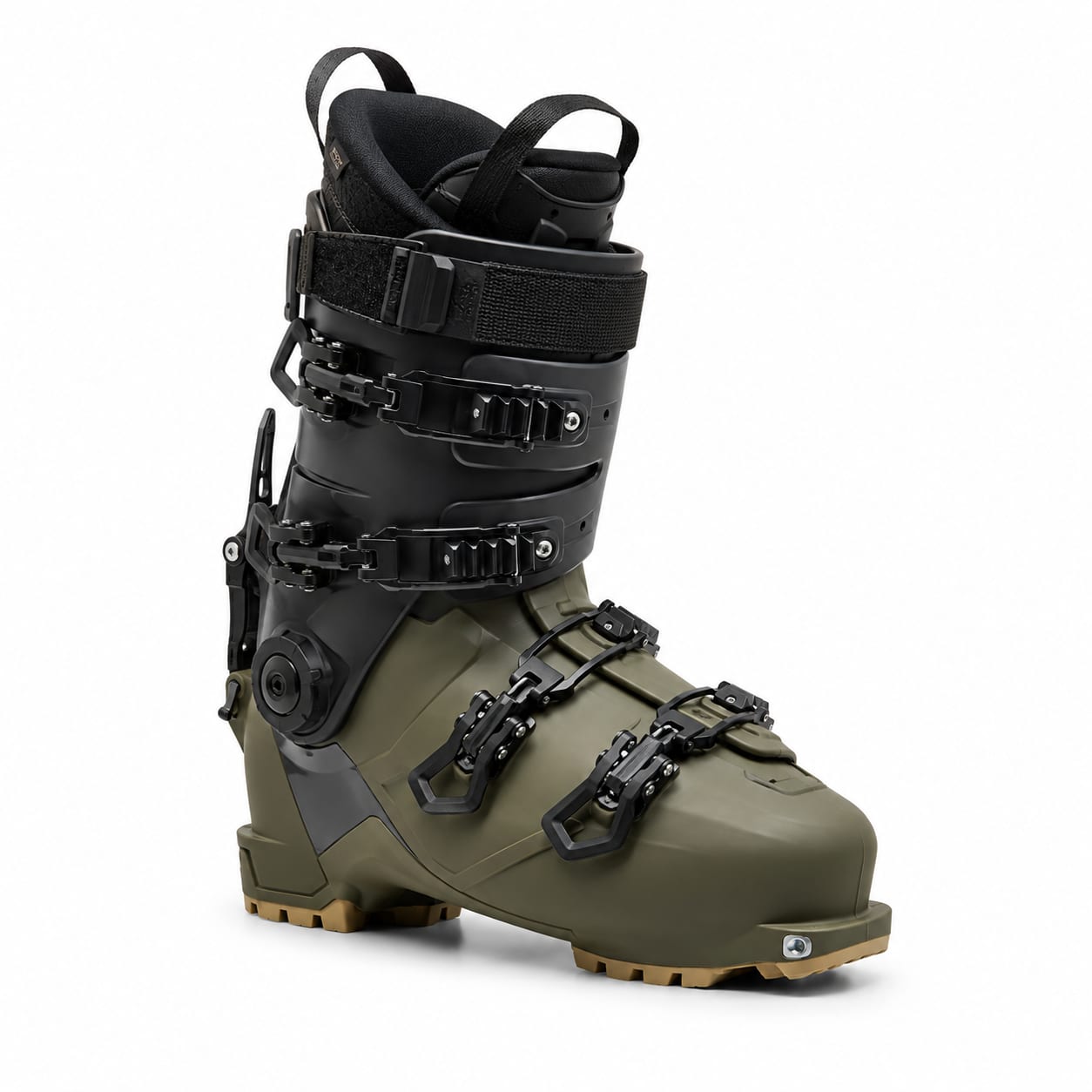
Freeride / Big Mountain Ski Boots
$450 – $1100
Powerful boots built for aggressive off-piste skiing in deep snow and steep, technical terrain.
Stiff flex (120-150)Wider last (98-104mm)Often includes walk mode
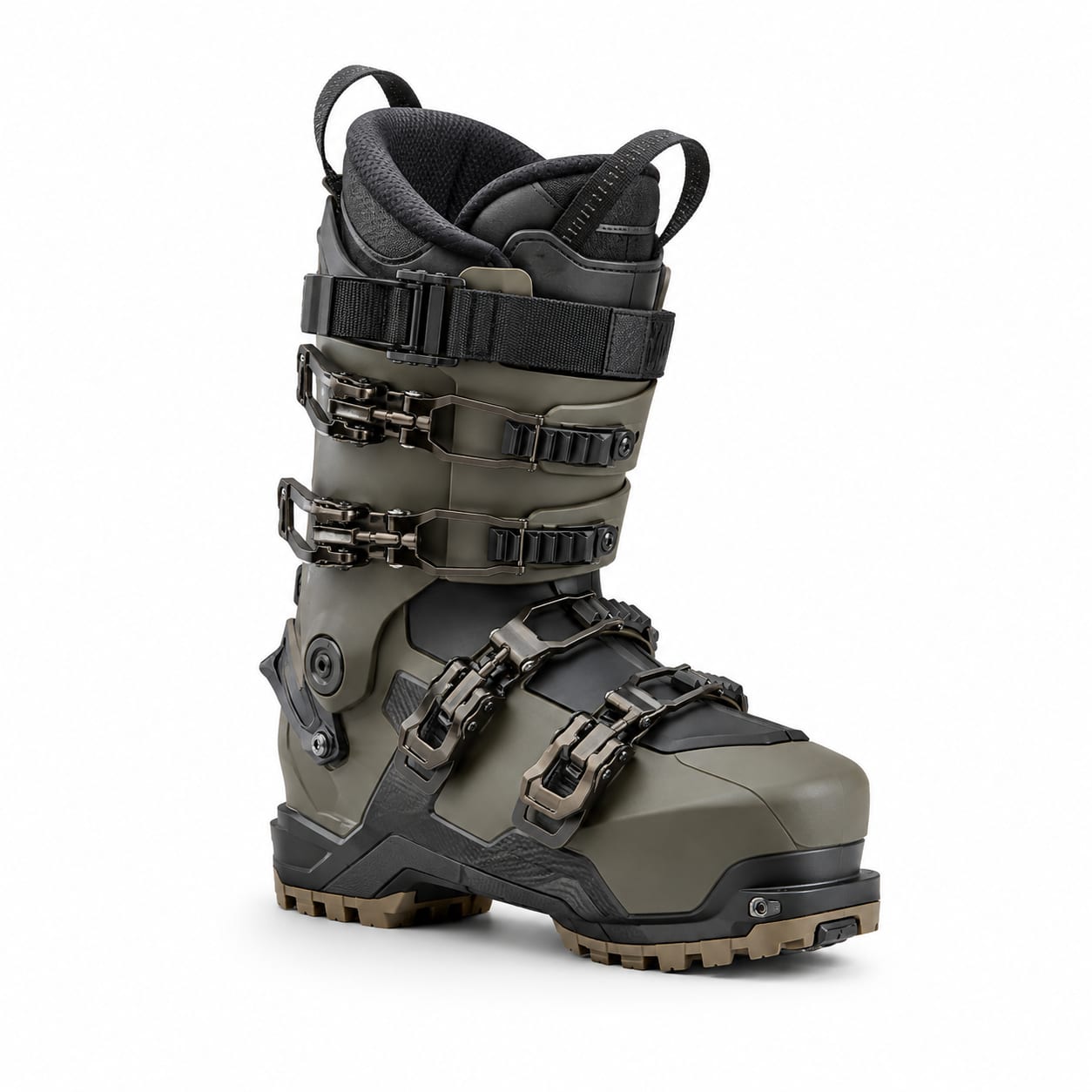
Hike & Ride / Walk-Mode Resort Boots
$350 – $850
Resort-oriented boots with integrated walk mode for easy hiking to sidecountry terrain and resort exploration.
Walk mode (40-55° range)Near-resort stiffness (100-130 flex)GripWalk soles
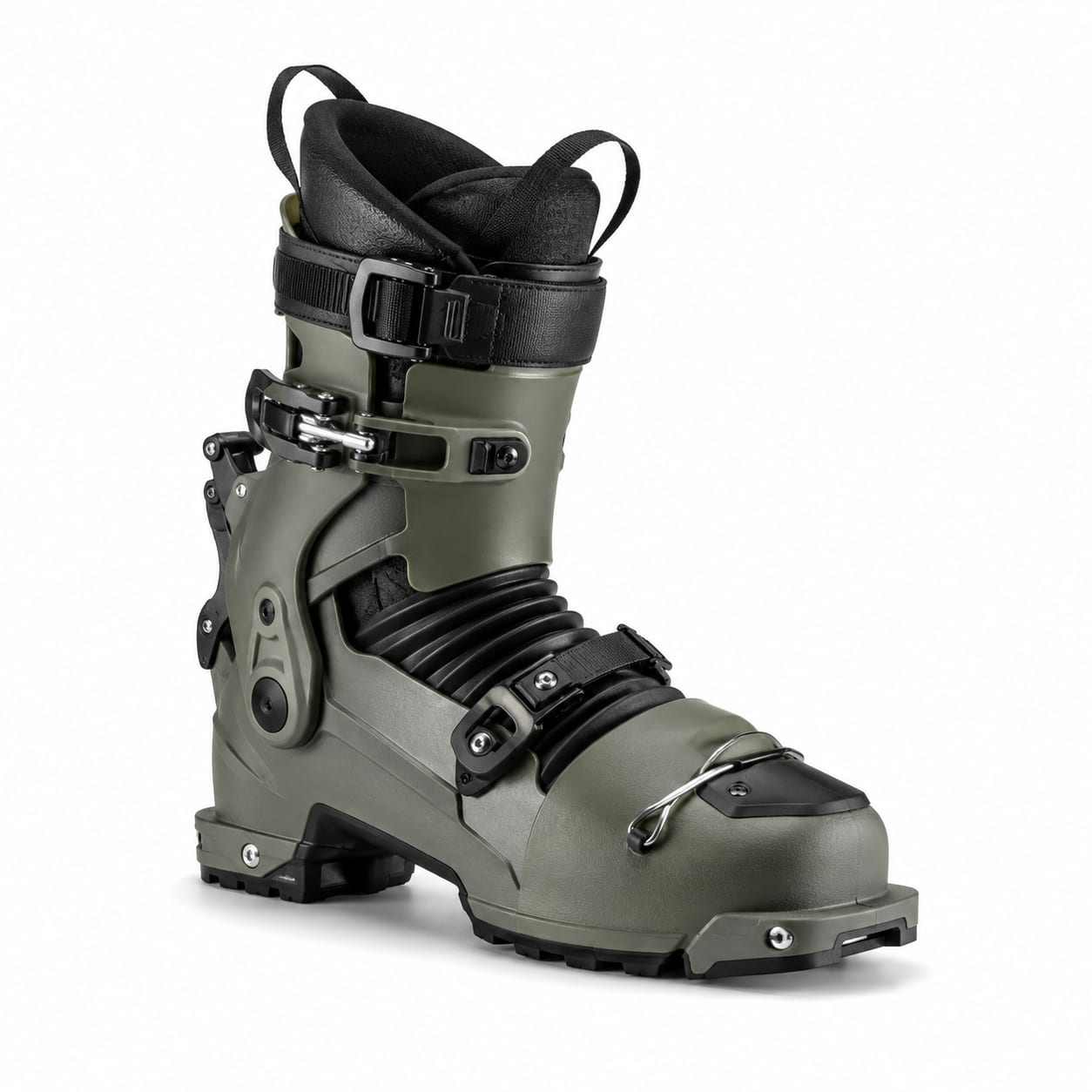
Telemark Ski Boots
$300 – $750
Boots designed for free-heel telemark skiing with flexible bellows and 75mm or NTN binding compatibility.
Flexible bellows under ball of foot75mm duckbill or NTN sole compatibilityHigher cuff for support
More questions
- Can I use AT boots with my regular alpine bindings at the resort?
- How much walk range of motion do I really need?
- Should I size AT boots differently than my alpine boots?
- Can I use my AT boots for an entire resort season?