
The price difference comes primarily from manufacturing complexity. Cylindrical lenses require forming a single horizontal curve, which is simpler and faster to produce. Spherical lenses must be precisely curved on two axes simultaneously, requiring more sophisticated manufacturing processes, tighter quality control, and higher rejection rates for optical imperfections. The raw materials are similar — you're paying for the more complex manufacturing, not better materials.
Ski Goggles · Cylindrical Lens Ski Goggles
Why are cylindrical goggles cheaper than spherical ones?
Related gear types
If this answer nudged you toward a different style, these guides compare specs and trade-offs.
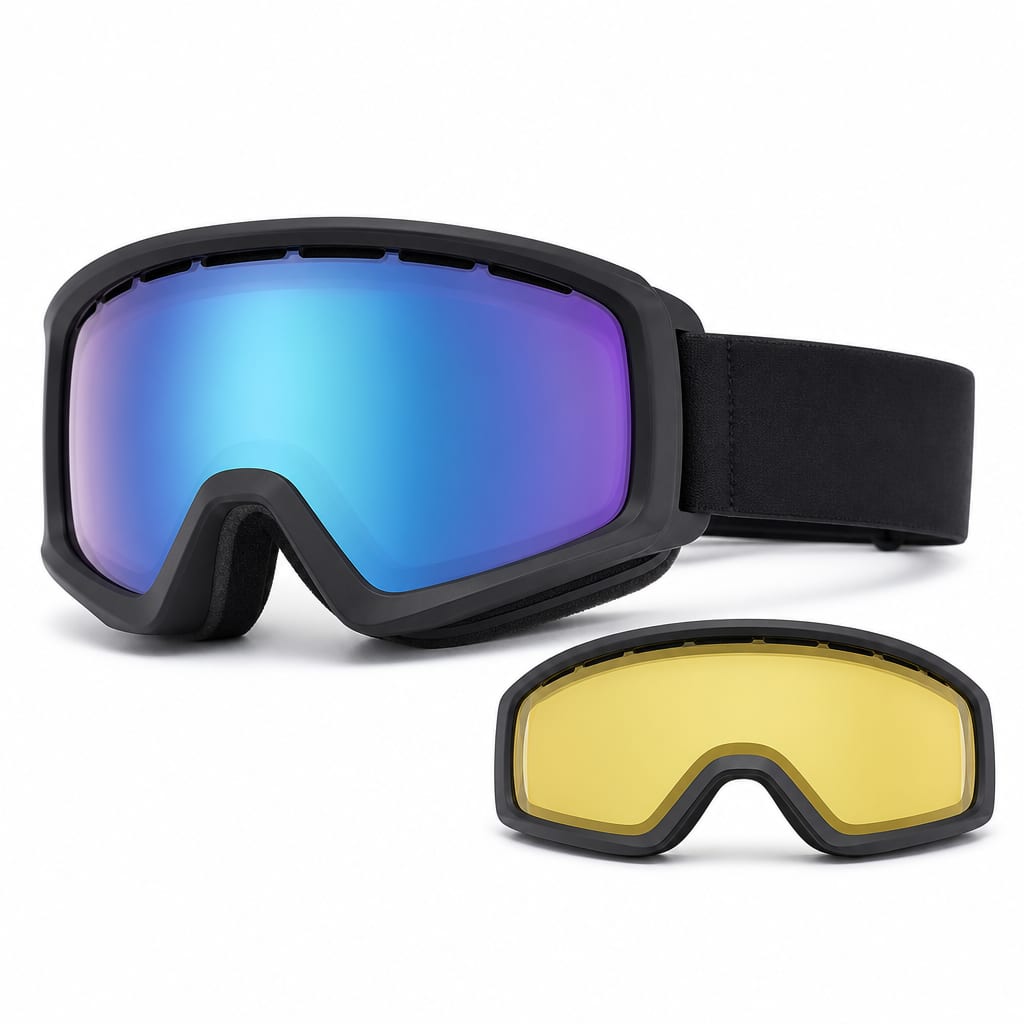
All-Mountain Ski Goggles
$50 – $250
Versatile goggles designed for general use across varied terrain and light conditions.
versatile lens tintshelmet-compatible framesmoderate VLT range
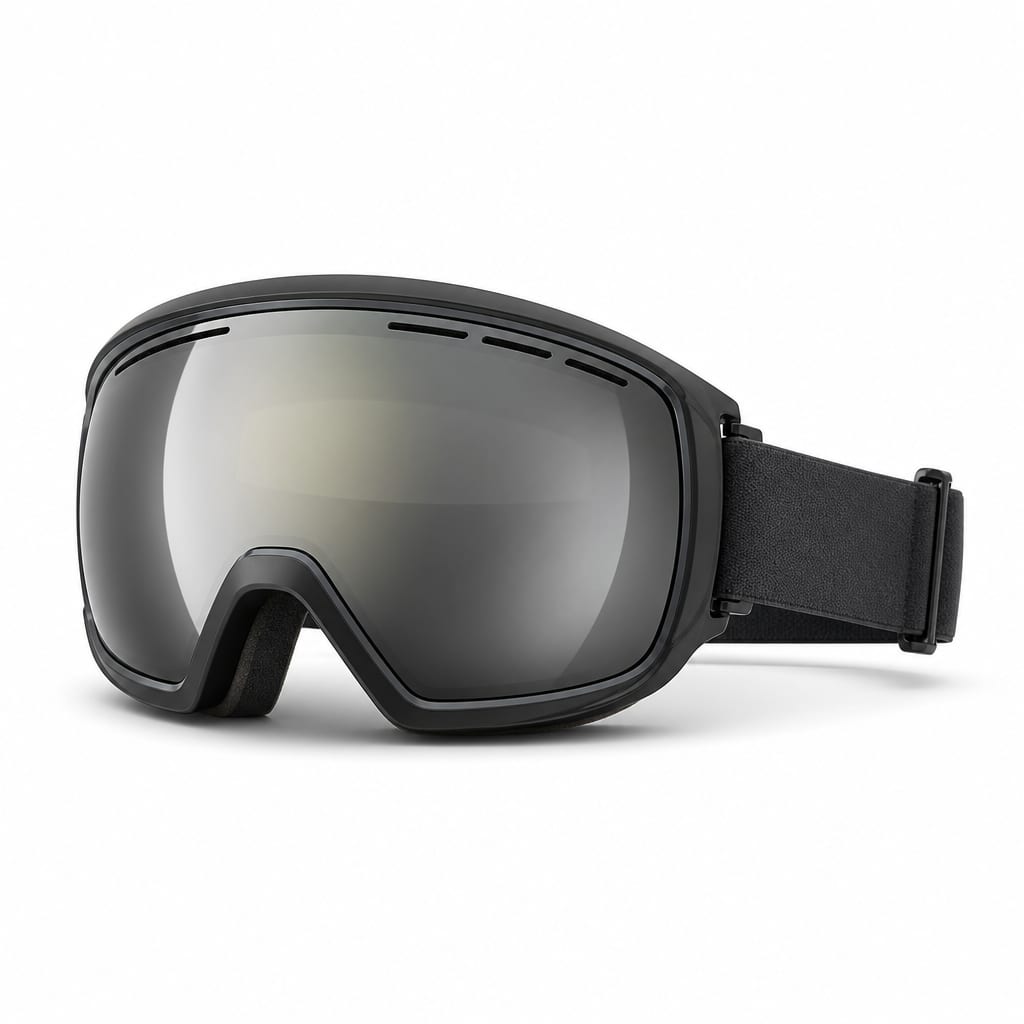
Spherical Lens Ski Goggles
$100 – $350
Goggles featuring horizontally and vertically curved lenses for superior optics and reduced glare.
dual-axis curved lenswider field of viewreduced peripheral distortion
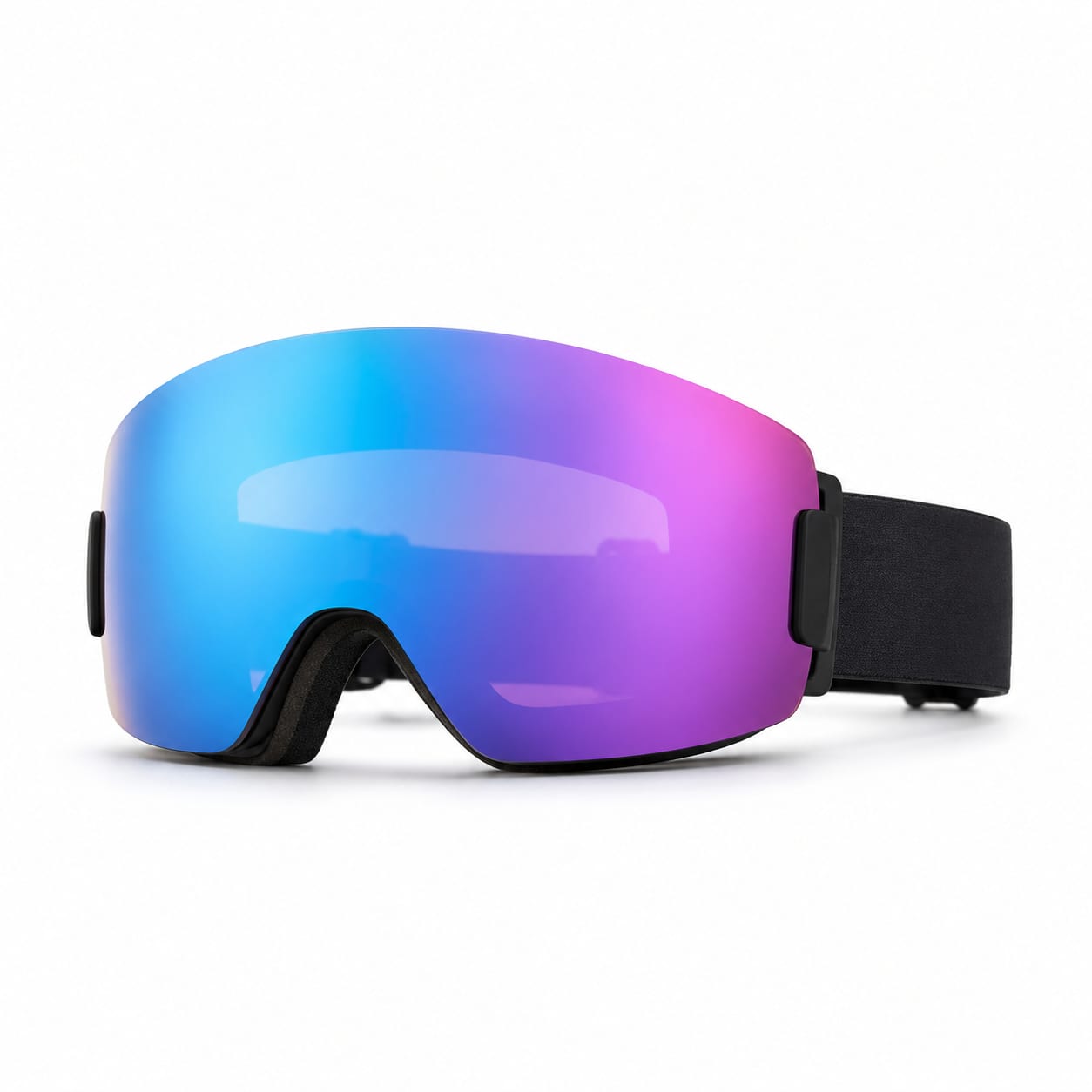
Frameless Ski Goggles
$80 – $300
Goggles with minimal or no frame structure maximizing field of view and modern aesthetics.
minimal frame visibilitymaximum peripheral visionmagnetic lens attachment
More questions
- Are cylindrical goggles good enough for serious skiing?
- Will I notice the peripheral distortion of cylindrical lenses?
- Can I swap lenses on cylindrical goggles easily?
- Do cylindrical goggles fog more than spherical ones?