
Most skiers don't notice it during normal riding. The distortion occurs at the far edges of your peripheral vision where your eyes don't focus sharply anyway. You might notice it if you specifically look for it — objects at the extreme periphery may appear slightly stretched or compressed. If you're skiing fast through tight trees or navigating complex terrain where split-second peripheral awareness matters, spherical lenses provide a measurable advantage. For groomed runs, park, and general resort skiing, the distortion is functionally irrelevant.
Ski Goggles · Cylindrical Lens Ski Goggles
Will I notice the peripheral distortion of cylindrical lenses?
Related gear types
If this answer nudged you toward a different style, these guides compare specs and trade-offs.
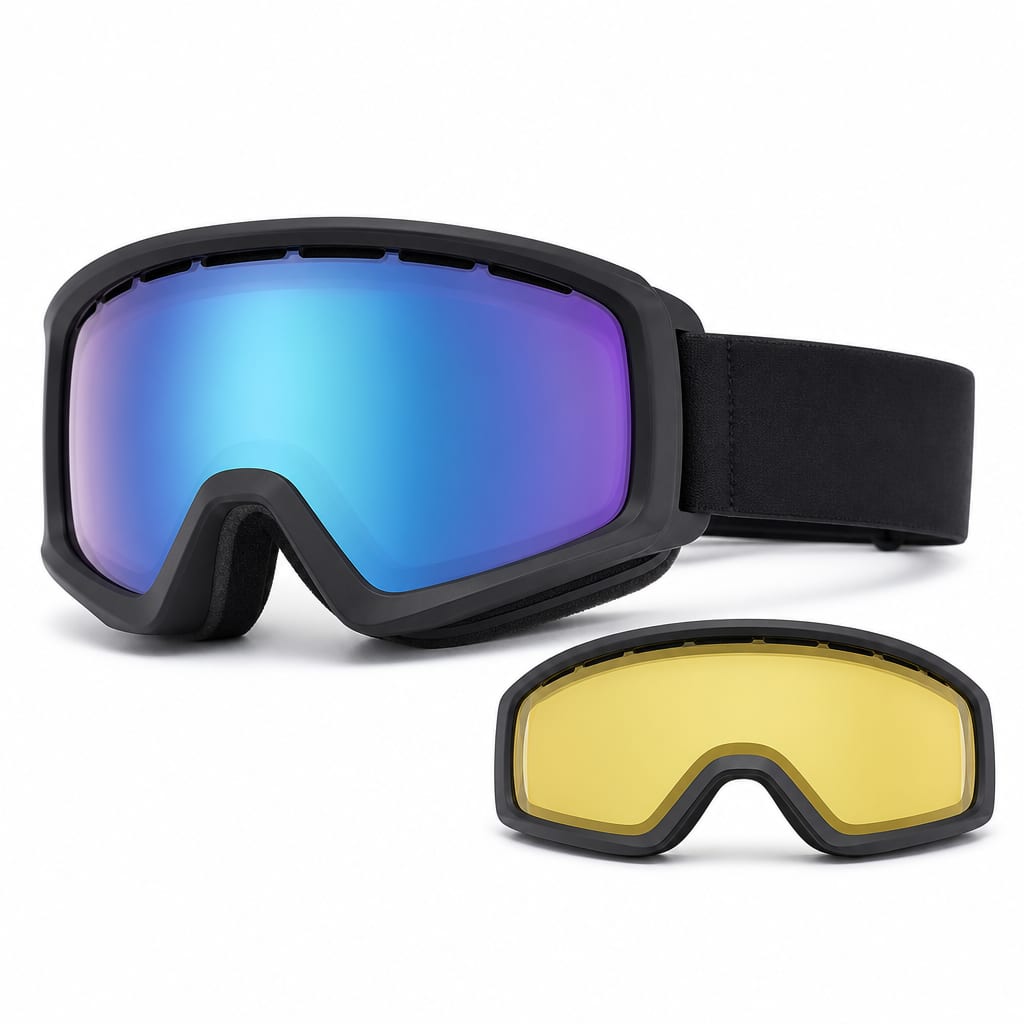
All-Mountain Ski Goggles
$50 – $250
Versatile goggles designed for general use across varied terrain and light conditions.
versatile lens tintshelmet-compatible framesmoderate VLT range
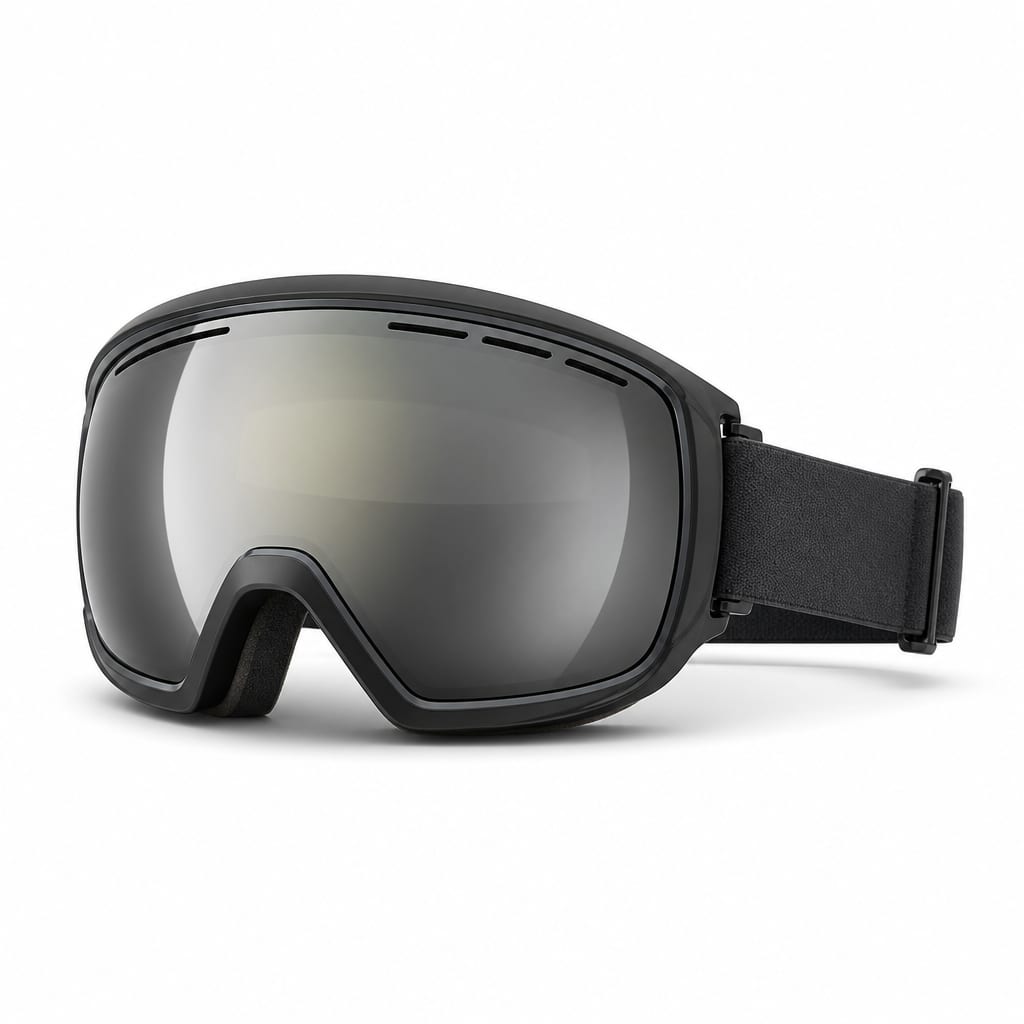
Spherical Lens Ski Goggles
$100 – $350
Goggles featuring horizontally and vertically curved lenses for superior optics and reduced glare.
dual-axis curved lenswider field of viewreduced peripheral distortion
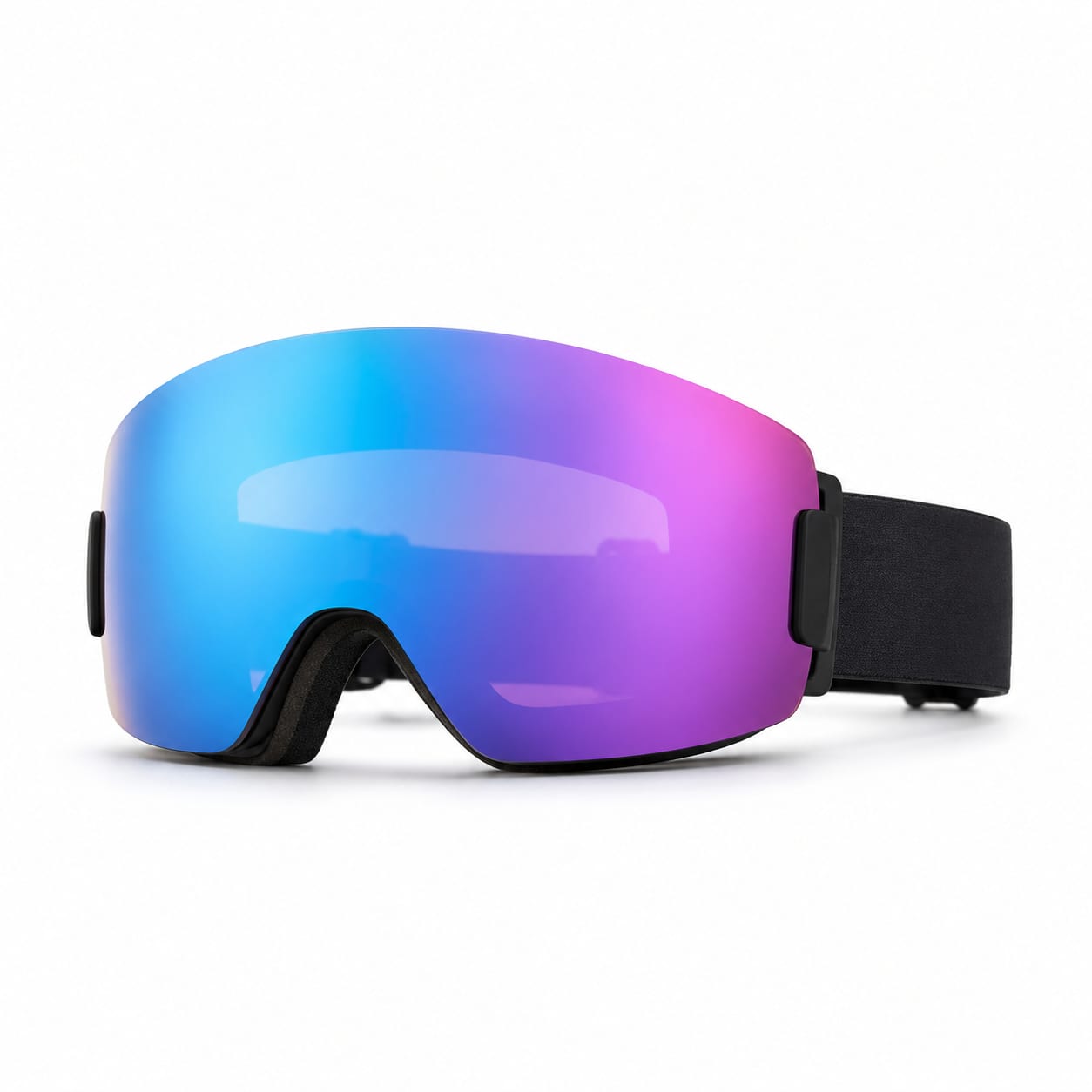
Frameless Ski Goggles
$80 – $300
Goggles with minimal or no frame structure maximizing field of view and modern aesthetics.
minimal frame visibilitymaximum peripheral visionmagnetic lens attachment
More questions
- Are cylindrical goggles good enough for serious skiing?
- Can I swap lenses on cylindrical goggles easily?
- Why are cylindrical goggles cheaper than spherical ones?
- Do cylindrical goggles fog more than spherical ones?