What it means
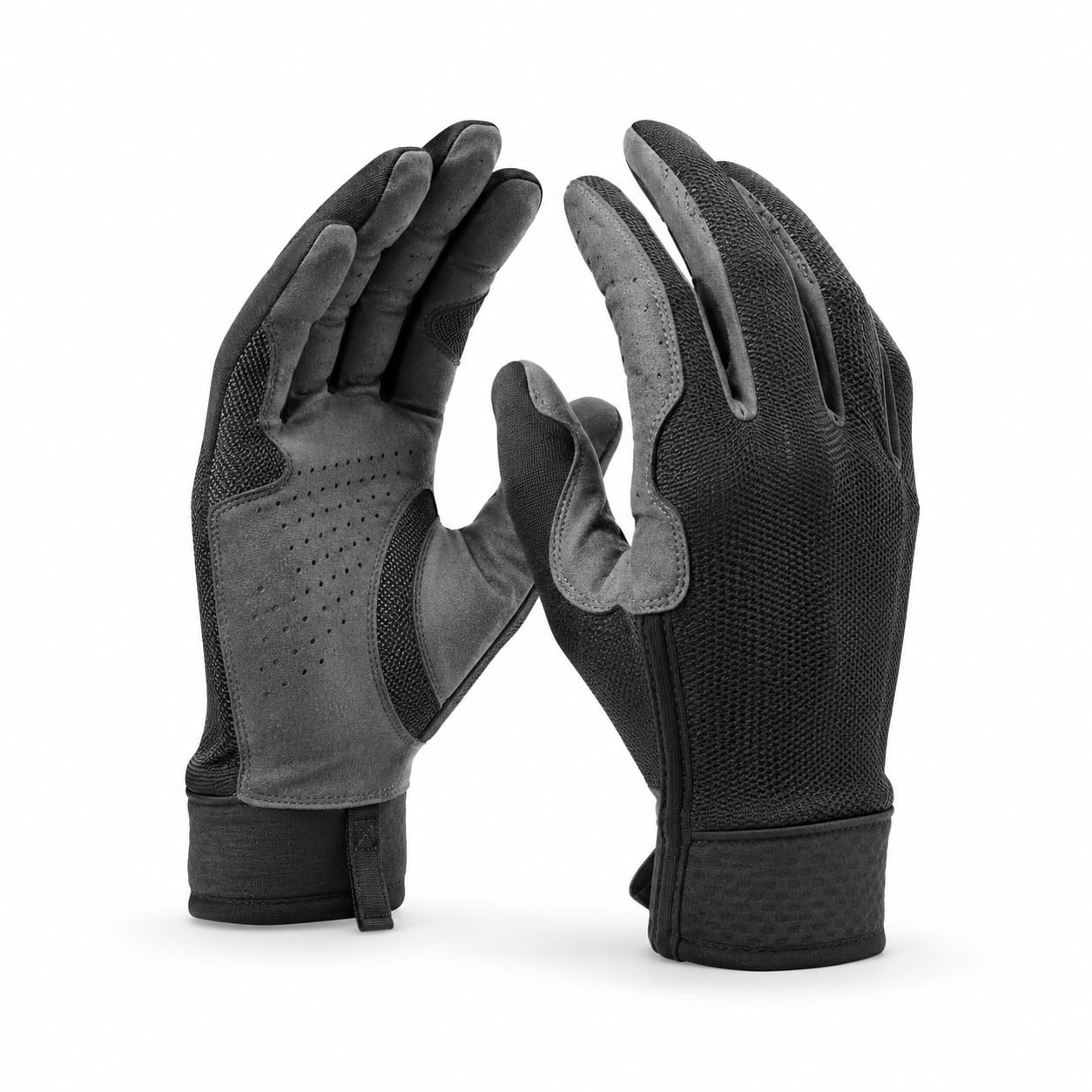
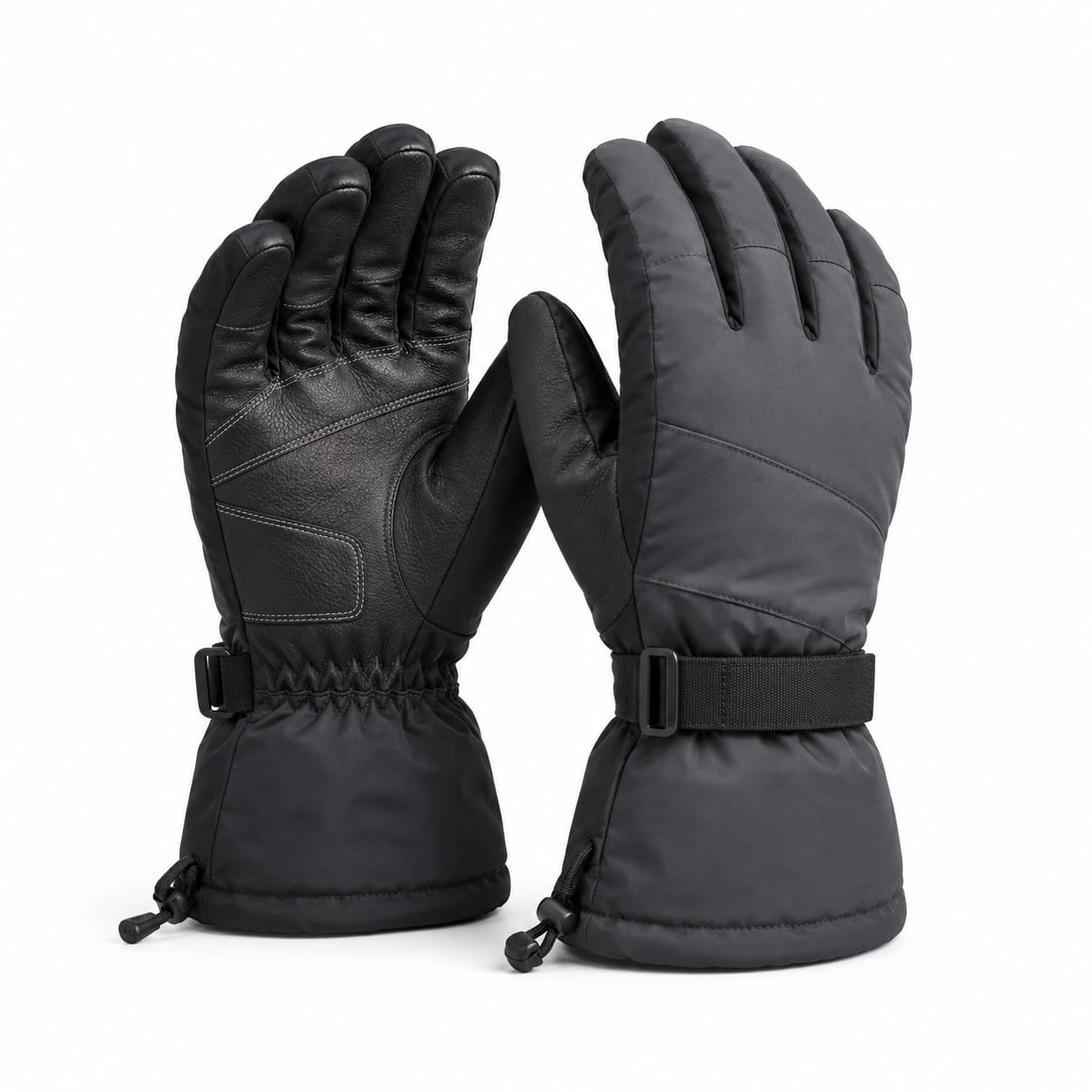
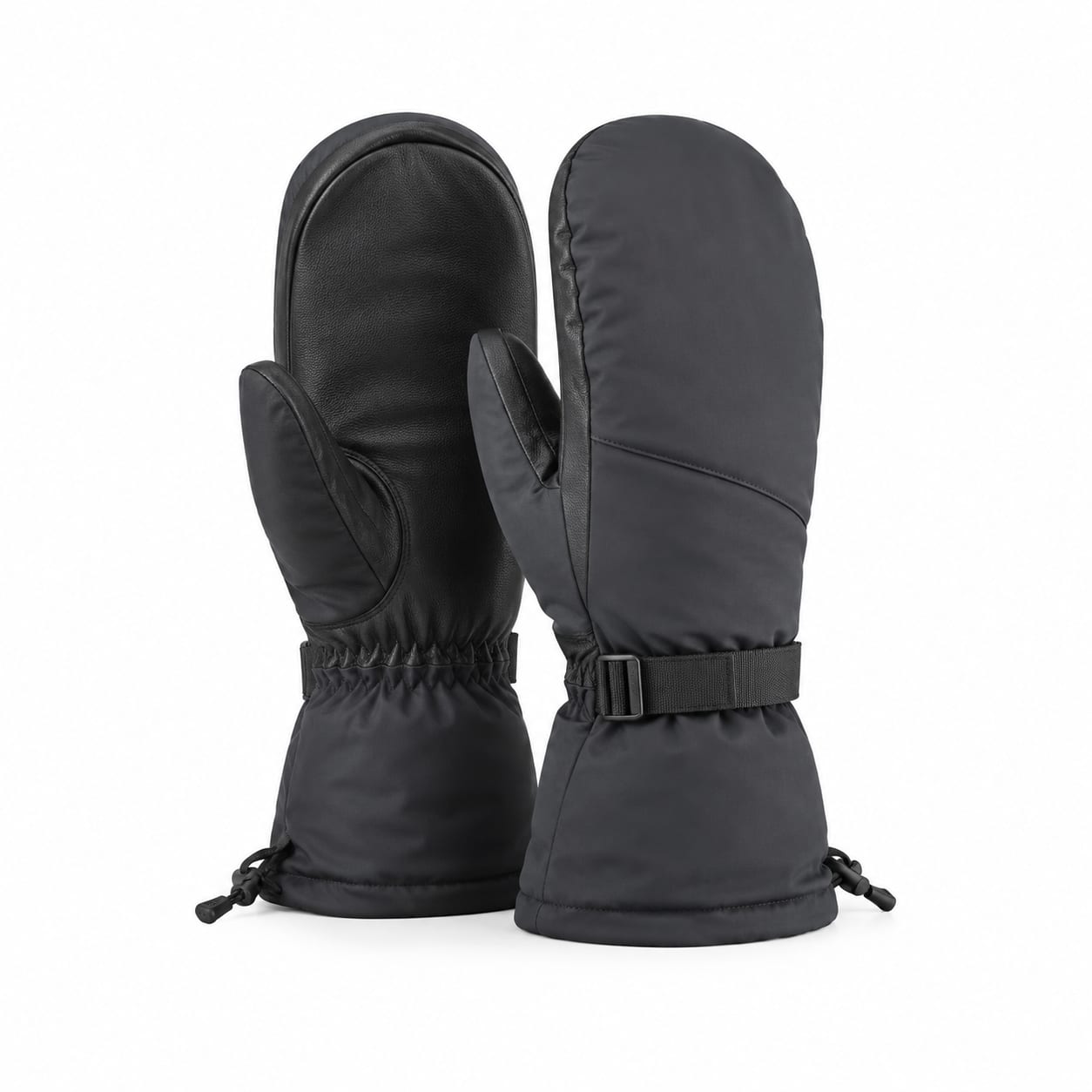
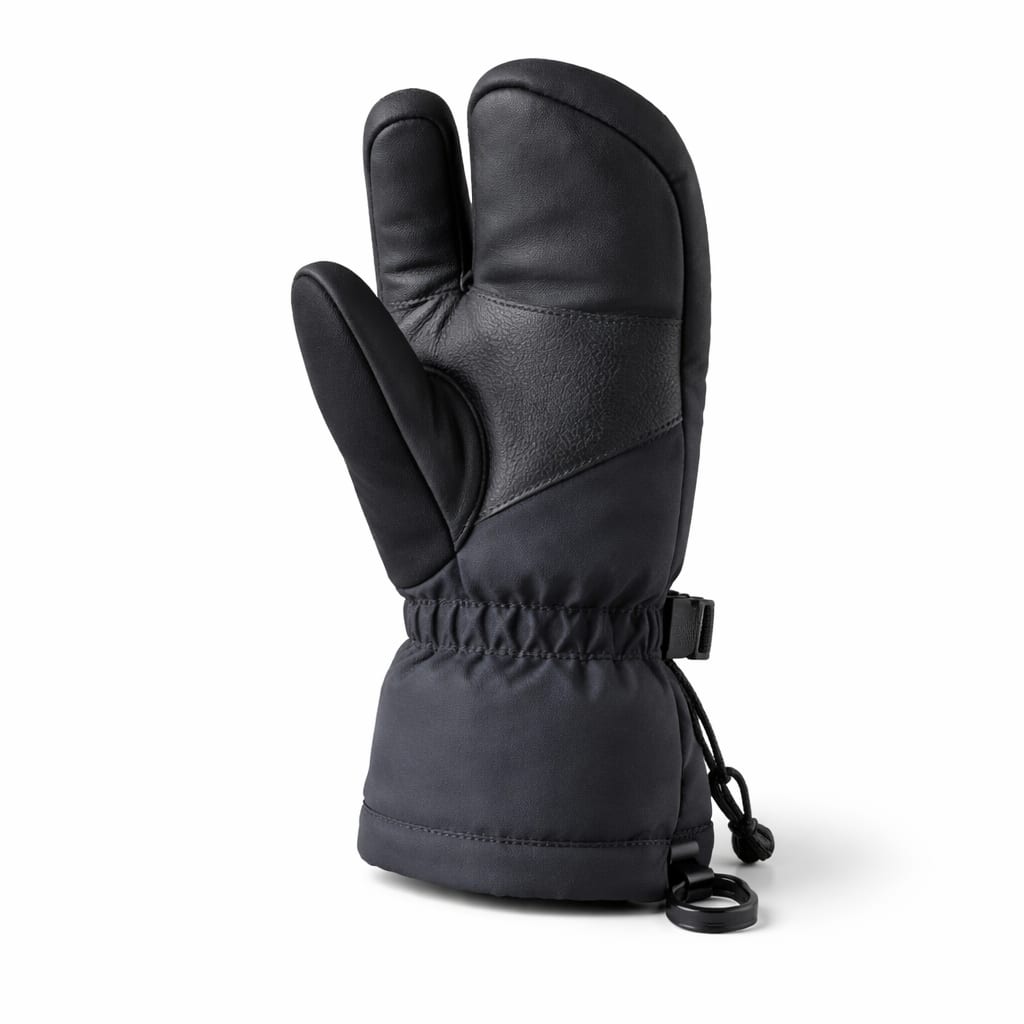
The fundamental construction style of the handwear, determining finger separation and overall warmth-to-dexterity ratio.
Typical for this type
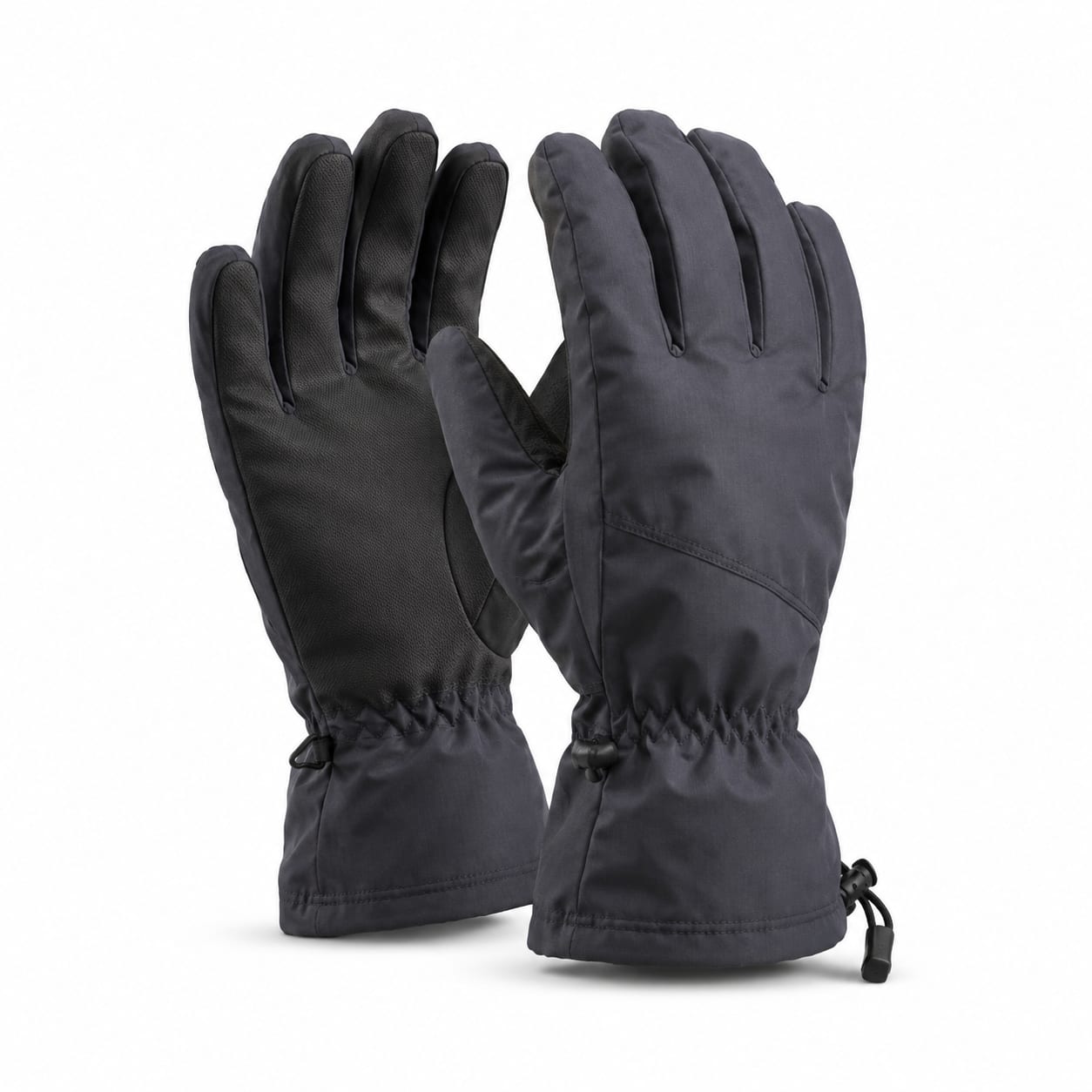
Glove
In practice
Nordic gloves are virtually always full-fingered gloves, as individual finger dexterity is essential for thousands of precise pole plants and equipment adjustments during a session.
Compared to other types
Unlike alpine skiing where mittens are common for warmth on cold lift rides, Nordic skiing almost exclusively uses gloves due to the dexterity demands of continuous poling.
Why it matters: The repetitive poling motion in Nordic skiing demands independent finger movement for grip precision and fatigue reduction. Mittens or lobster claws would severely compromise pole control and technique.
Insulation
Insulation Type
What it means
The primary insulating material used inside the handwear, affecting warmth, packability, moisture resistance, and weight.
Typical for this type
None, Synthetic, Wool
In practice
Most Nordic gloves are uninsulated shells or use very minimal synthetic/wool insulation. The high aerobic output of cross-country skiing generates substantial body heat, making heavy insulation counterproductive.
Compared to other types
Alpine gloves commonly use 100-200g synthetic insulation or down. Nordic gloves rarely exceed 40-60g of insulation, and many are shell-only designs meant to be paired with thin liners.
Why it matters: Over-insulated gloves cause hands to overheat and sweat excessively during high-output skiing. That moisture then freezes during rest stops, creating a dangerous cold-hands cycle.
Insulation Weight
Insulation Weight
What it means
The thickness or gram weight of insulation, directly correlating with warmth level. Often described as lightweight, midweight, or heavyweight.
Typical for this type
Lightweight (40-100g) Or None
In practice
Lightweight insulation (typically 40-80g) is the maximum recommended for Nordic gloves. Many models use no insulation at all, relying on the body's heat production and a thin liner for warmth.
Compared to other types
Alpine gloves typically use midweight (100-200g) or heavyweight (200g+) insulation to combat cold lift rides. Nordic gloves stay in the lightweight or uninsulated range.
Why it matters: Nordic skiing can burn 600-1000+ calories per hour. Your hands generate significant heat through grip and poling. Heavy insulation creates a sauna effect that leads to wet, cold hands.
Waterproofing
Waterproof Rating
What it means
The water column rating (mm) of the waterproof membrane or treatment, indicating resistance to water penetration under pressure.
Typical for this type
Water Resistant (DWR Only)
In practice
Nordic gloves typically rely on DWR-coated softshell fabrics for water resistance rather than waterproof membranes. Breathability is prioritized over waterproofing because sweat management is the primary concern.
Compared to other types
Alpine gloves commonly feature 10,000-20,000mm waterproof ratings for powder and wet snow protection. Nordic gloves almost never include waterproof membranes, as the breathability trade-off is unacceptable for aerobic use.
Why it matters: Waterproof membranes trap perspiration vapor inside the glove during high-output activity. For Nordic skiers, internal moisture from sweat is a far greater threat than external moisture from snow.
Membrane
Waterproof Membrane
What it means
The specific waterproof-breathable membrane technology used in the handwear construction.
Typical for this type
None, Gore Tex Infinium
In practice
Most Nordic gloves have no waterproof membrane, maximizing breathability. Some premium models use Gore-Tex Infinium, which provides windproofing and water resistance while maintaining high breathability.
Compared to other types
Alpine gloves frequently use Gore-Tex or proprietary membranes for full waterproofing. Nordic gloves avoid these membranes except in rare cold-and-windy conditions where Infinium's windproofing is beneficial.
Why it matters: A membrane that blocks water vapor from escaping is counterproductive during sustained aerobic output. The rare use of Infinium offers wind protection without the breathability penalty of full Gore-Tex.
Shell Material
Shell Material
What it means
The outer face fabric of the handwear, affecting durability, weather resistance, dexterity, and feel.
Typical for this type
Softshell, Nylon
In practice
Softshell stretch-woven fabrics dominate Nordic glove construction, offering excellent mobility, breathability, and wind resistance. Nylon is used in more durable models for high-mileage skiers.
Compared to other types
Alpine gloves use heavier nylon or leather shells for durability and weather protection. Nordic gloves prioritize stretch and breathability through softshell construction, accepting less abrasion resistance.
Why it matters: The poling motion requires unrestricted hand and finger movement. Softshell fabrics stretch with your hand, reducing fatigue and improving pole feel over thousands of repetitions.
Palm Material
Palm Material
What it means
The material on the palm and fingers that contacts ski poles and surfaces, affecting grip, durability, and feel.
Typical for this type
Synthetic Suede, Leather
In practice
Synthetic suede (Clarino, Amara) is the most common palm material, offering excellent grip, dexterity, and moisture management. Leather is used in premium models for superior feel and durability.
Compared to other types
Alpine gloves may use rubberized grips or textured nylon for varied conditions. Nordic gloves favor synthetic suede or leather for consistent grip with maximum tactile feedback and minimal bulk.
Why it matters: Nordic skiing involves thousands of pole plants per session. Palm material directly affects grip security, pole feel, hand fatigue, and glove longevity. A slippery palm material is dangerous and exhausting.
What it means
The design of the glove opening and how it interfaces with jacket sleeves, affecting snow seal, warmth, and ease of use.
Typical for this type
Under Cuff
In practice
Short, low-profile under-cuff designs are standard for Nordic gloves, allowing unrestricted wrist movement during the poling motion and compatibility with Nordic jacket cuffs.
Compared to other types
Alpine gloves frequently use gauntlet cuffs for powder protection. Nordic gloves universally use under-cuff designs for mobility, as skiers are not plunging hands into deep snow.
Why it matters: The poling motion in both classic and skate techniques requires full wrist articulation. Gauntlet cuffs would interfere with this range of motion and add unnecessary bulk for an activity where deep powder contact is minimal.
What it means
The mechanism used to secure the glove at the wrist, affecting fit adjustment, ease of use, and snow seal.
Typical for this type
Elastic, Velcro Strap
In practice
Elastic slip-on closures are most common, providing a simple, low-profile fit that doesn't interfere with wrist mobility. Some models use a minimal Velcro strap for adjustable fit.
Compared to other types
Alpine gloves use Velcro straps or drawcords for secure snow seals. Nordic gloves favor elastic or minimal closures for simplicity and mobility, as snow ingress is less of a concern.
Why it matters: A streamlined closure reduces bulk and interference with the poling motion. Elastic closures provide sufficient security for the lightweight glove and low-impact use case of Nordic skiing.
What it means
The inner lining or removable liner of the handwear, affecting comfort, moisture management, warmth, and drying capability.
Typical for this type
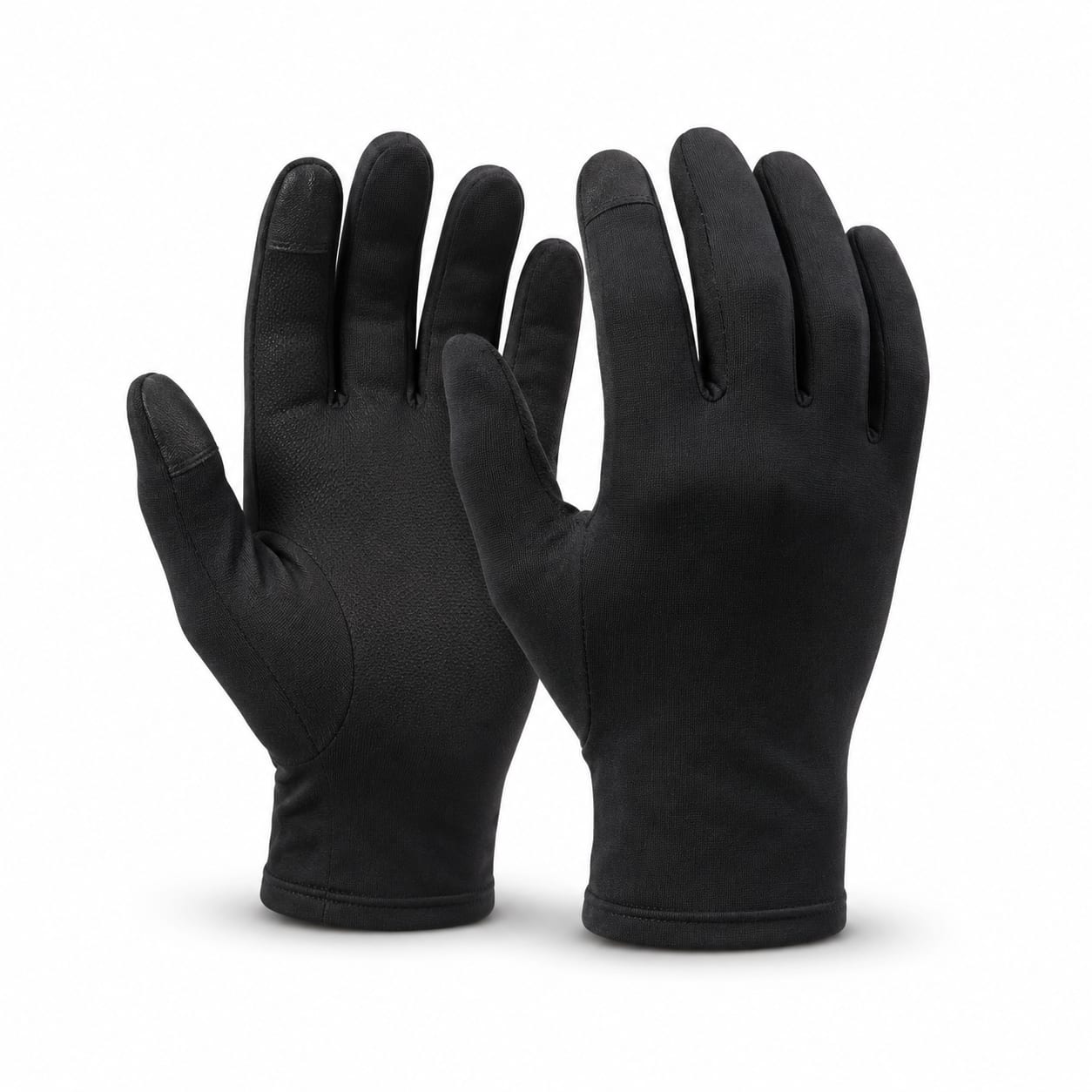
No Liner, Fixed Fleece
In practice
Many Nordic gloves are shell-only designs meant to be paired with thin liner gloves of the user's choice. Some models include a fixed thin fleece liner for convenience.
Compared to other types
Alpine gloves commonly use fixed or removable fleece liners for warmth. Nordic gloves often omit the liner entirely, enabling a layering approach that lets skiers fine-tune thermal regulation.
Why it matters: A shell-only design allows skiers to customize warmth by choosing different liner weights based on temperature and intensity. This modularity is ideal for Nordic skiing where conditions and output levels vary widely.
What it means
Whether the handwear includes battery-powered heating elements for active warmth generation.
Typical for this type
False
In practice
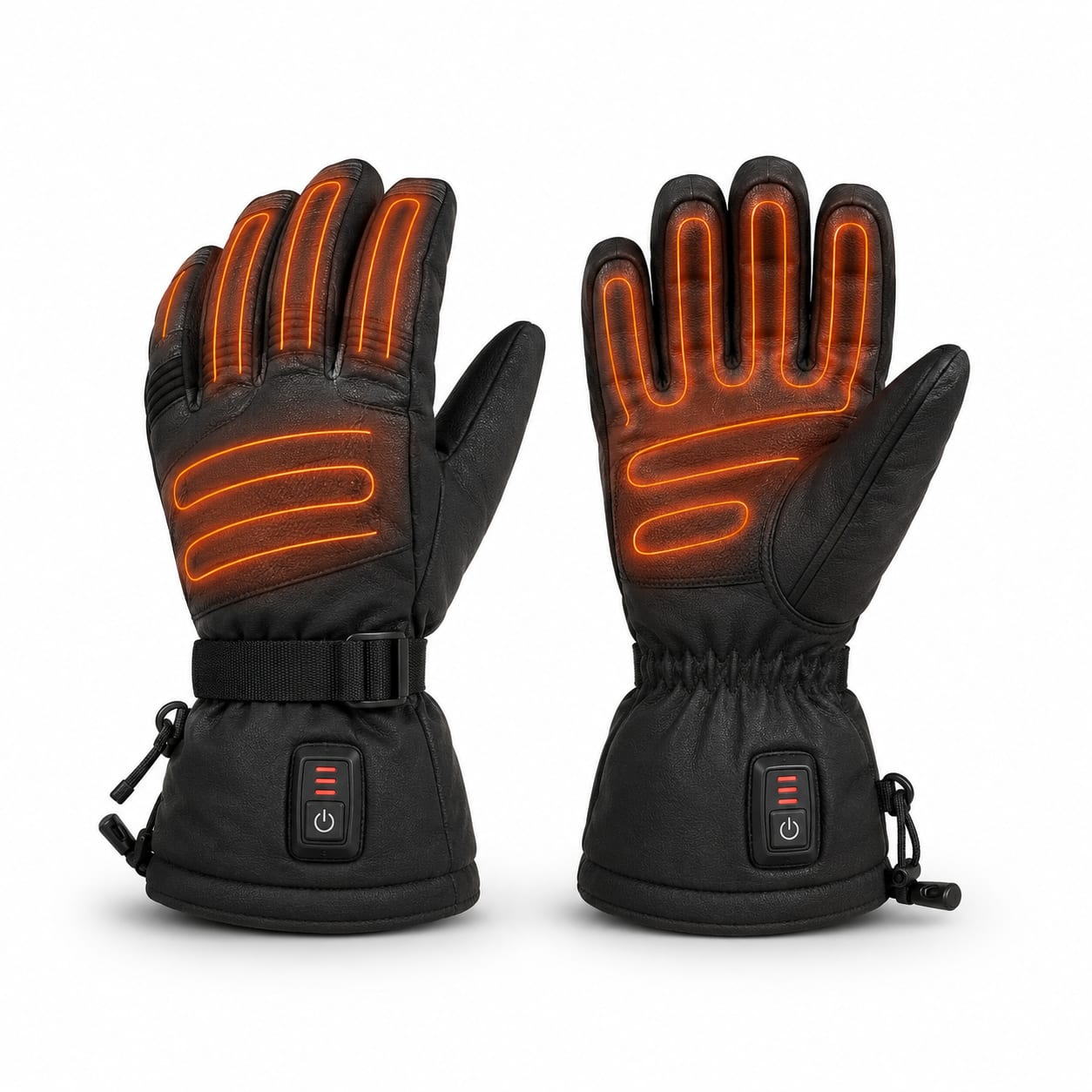
Heated gloves are extremely rare in Nordic skiing. The high aerobic output typically provides sufficient warmth, and the added weight and bulk of batteries is counterproductive to the sport's efficiency focus.
Compared to other types
Heated gloves have a niche in alpine skiing for riders with poor circulation on cold lift rides. In Nordic skiing, the sustained physical output makes heated gloves unnecessary for the vast majority of skiers.
Why it matters: Heated elements add weight, bulk, and complexity that conflicts with the lightweight, streamlined design philosophy of Nordic equipment. Most skiers generate enough heat through effort alone.
Touchscreen
Touchscreen Compatible
What it means
Whether the glove includes conductive material on fingertips allowing smartphone and touchscreen use without removing gloves.
Typical for this type
True
In practice
Touchscreen compatibility is common and valued in Nordic gloves, as skiers frequently use GPS watches, smartphone training apps, and cameras during long training sessions.
Compared to other types
Touchscreen compatibility is increasingly common across all ski glove categories but is particularly valued in Nordic gloves where training technology use is prevalent and rest stops are brief.
Why it matters: Nordic skiers often monitor performance metrics, navigate trails, and photograph scenery during outings. Touchscreen capability allows device use without exposing hands to cold, which is especially important during rest stops when hands cool quickly.
What it means
A soft fabric panel on the thumb or back of hand designed for wiping the nose and face without irritating skin.
Typical for this type
True
In practice
Nose wipe panels are common on Nordic gloves, typically a soft fleece or chamois patch on the thumb. Cold-air-induced runny noses are nearly universal during high-output winter exercise.
Compared to other types
Nose wipes are valued across ski glove categories but are especially important in Nordic gloves where the sustained high breathing rate in cold air makes runny noses more persistent.
Why it matters: Nordic skiing in cold air virtually guarantees a runny nose due to the high ventilation rate. A soft nose wipe panel is a small feature that dramatically improves comfort over a multi-hour session.
What it means
A loop or cord attached to the glove that goes around the wrist, preventing gloves from falling off or being lost when removed.
Typical for this type
False
In practice
Wrist leashes are uncommon on Nordic gloves. The close fit, low weight, and typical use case (groomed trails, not deep powder) make glove loss less likely, and leashes can interfere with the poling motion.
Compared to other types
Alpine gloves frequently include wrist leashes to prevent loss on chairlifts and in deep powder. Nordic gloves rarely include them, as the activity doesn't involve lift rides or deep snow hand plants.
Why it matters: A dangling leash can be distracting during the repetitive poling motion and may catch on pole straps. Nordic skiers typically secure removed gloves in pockets during brief stops rather than letting them dangle.
Reinforcements
Reinforcement Areas
What it means
Additional material layers in high-wear areas to improve durability where gloves typically wear out first.
Typical for this type
Palm, Thumb Crotch
In practice
Palm reinforcement is the most common and valuable reinforcement, protecting against pole strap wear. Thumb crotch reinforcement appears on higher-mileage models. Other reinforcements are rare.
Compared to other types
Alpine gloves may feature knuckle protection and fingertip reinforcements for gate racing and boot buckle adjustments. Nordic gloves focus reinforcement exclusively on pole-contact areas.
Why it matters: The repetitive poling motion creates concentrated wear at the palm and thumb crotch from pole strap friction. Reinforcements in these areas significantly extend glove life for high-mileage Nordic skiers.
What it means
The sizing and overall fit profile of the handwear, critical for warmth, dexterity, and comfort. Proper fit ensures insulation works effectively.
Typical for this type
Snug, Second-Skin Fit With No Excess Material At Fingertips
Most common pick: Varies By Individual
In practice
Nordic gloves should fit more snugly than alpine gloves, with no excess material at the fingertips. A close fit maximizes pole feel and reduces chafing during repetitive motions. There should be minimal dead air space.
Compared to other types
Alpine gloves often have a slightly looser fit to accommodate insulation loft and air gaps for warmth. Nordic gloves fit more like cycling gloves — close and performance-oriented.
Why it matters: Excess material reduces pole grip precision and causes blisters during thousands of pole plants. However, gloves must not be so tight that they restrict circulation — a common mistake that leads to cold hands despite adequate insulation.
What it means
The intended gender fit of the handwear, affecting palm width, finger length, and overall proportions.
Typical for this type
Mens, Womens, Unisex
In practice
Nordic gloves are available across all gender targets. Many performance models are unisex, but gender-specific fits offer better proportions for palm width and finger length ratios.
Compared to other types
Similar to other ski glove categories, but the close fit required for Nordic skiing makes proper gender-specific proportions more impactful on performance than in looser-fitting alpine gloves.
Why it matters: Proper proportions ensure optimal pole grip and reduce hand fatigue. Women's-specific models account for narrower palms and different finger-to-palm ratios, improving comfort and control over long distances.