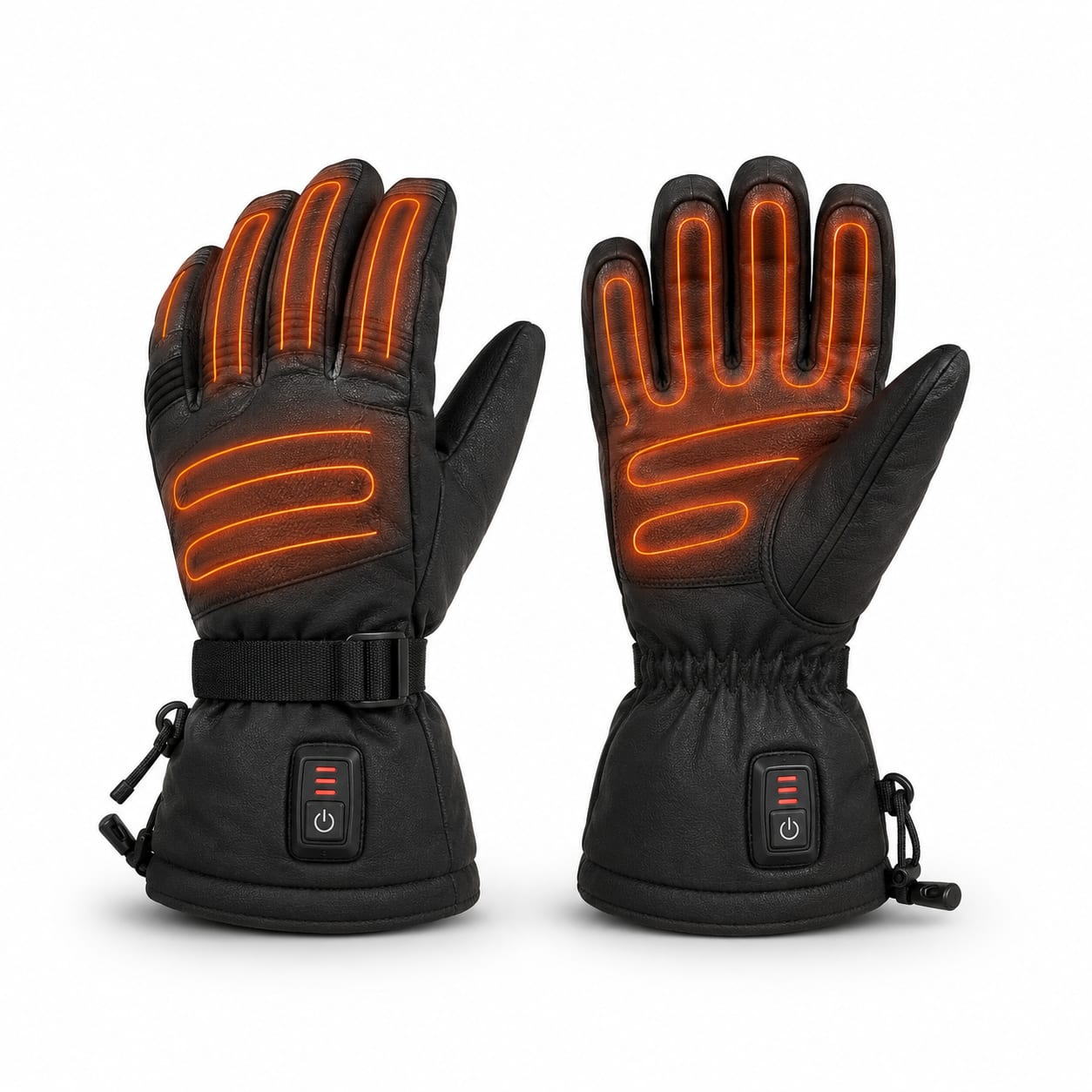
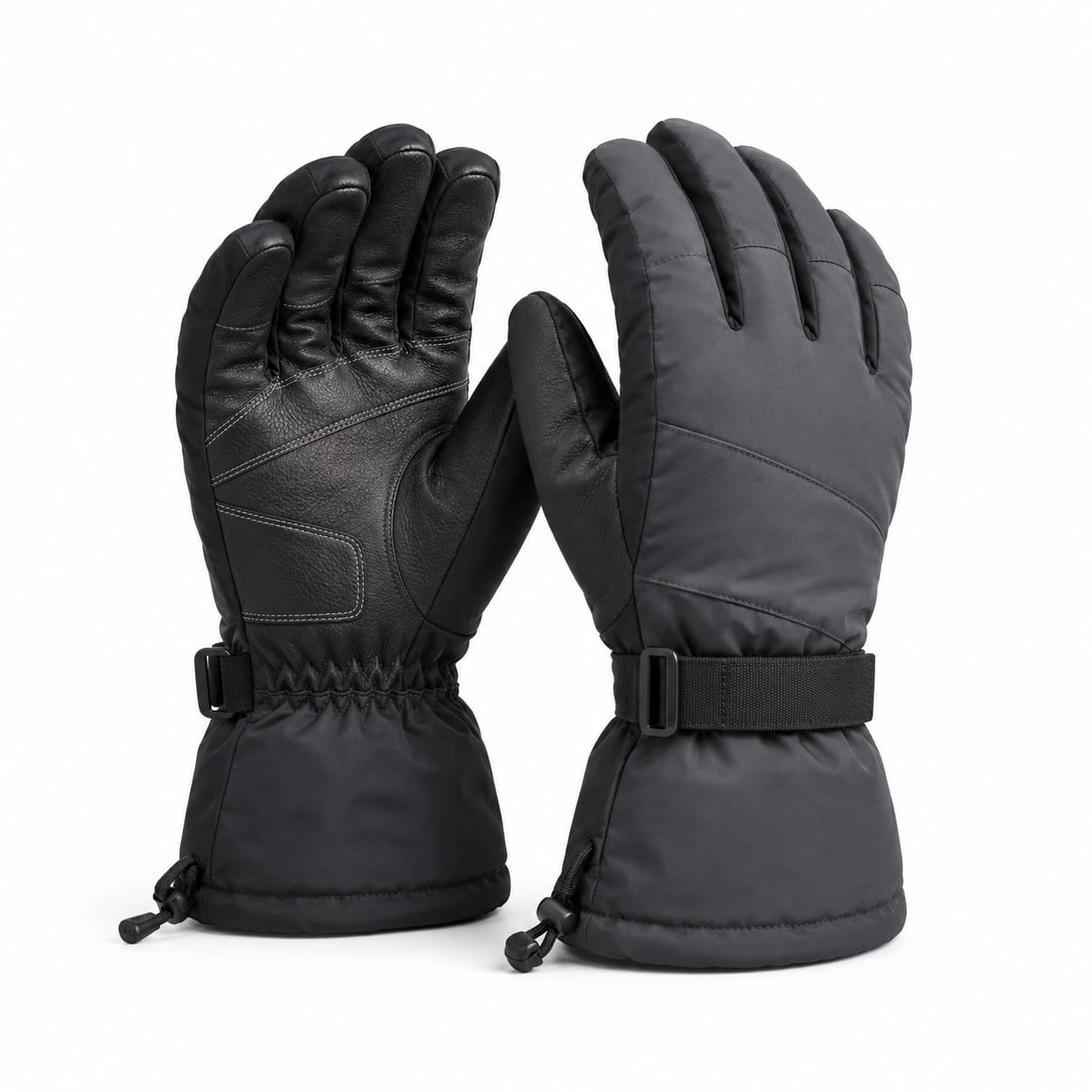
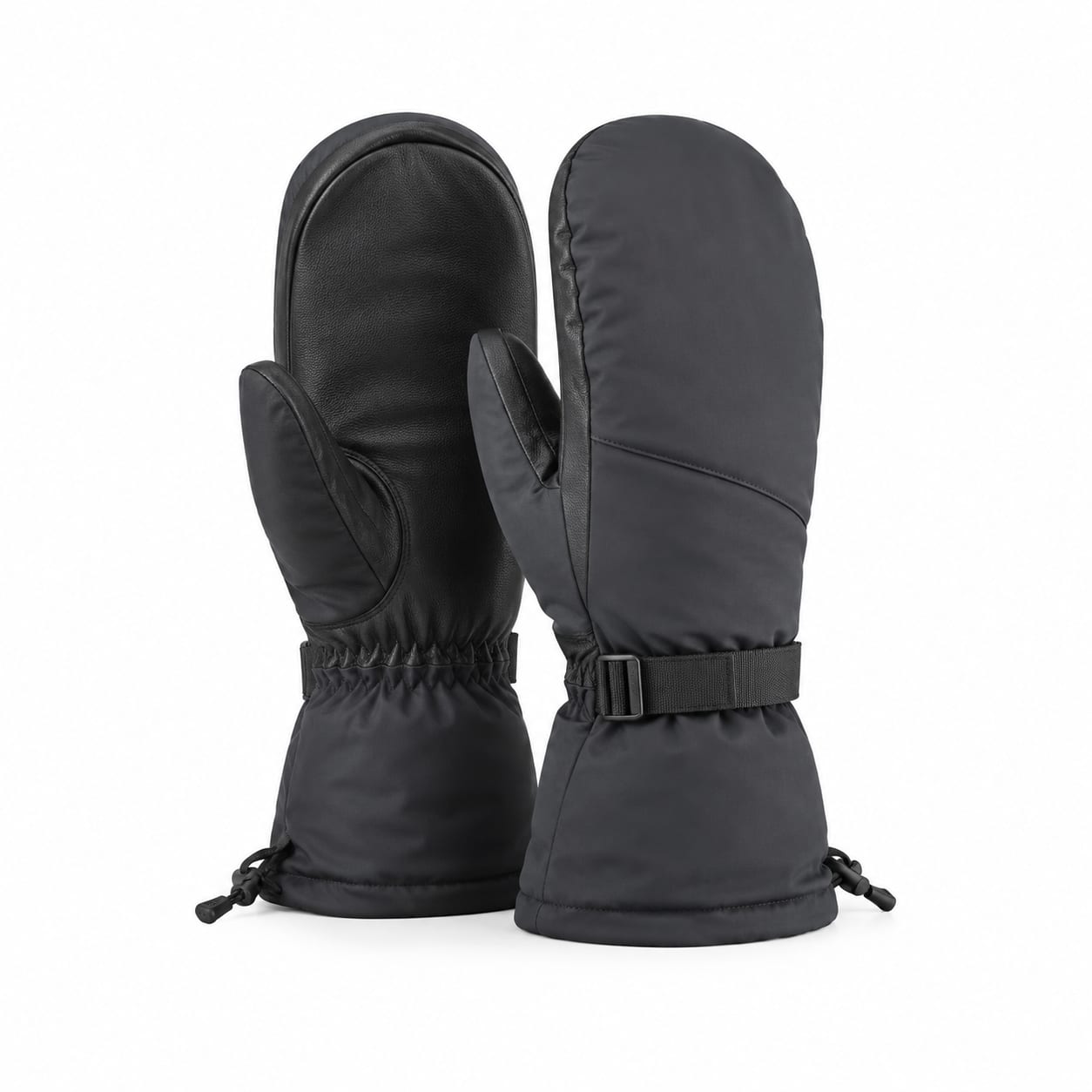
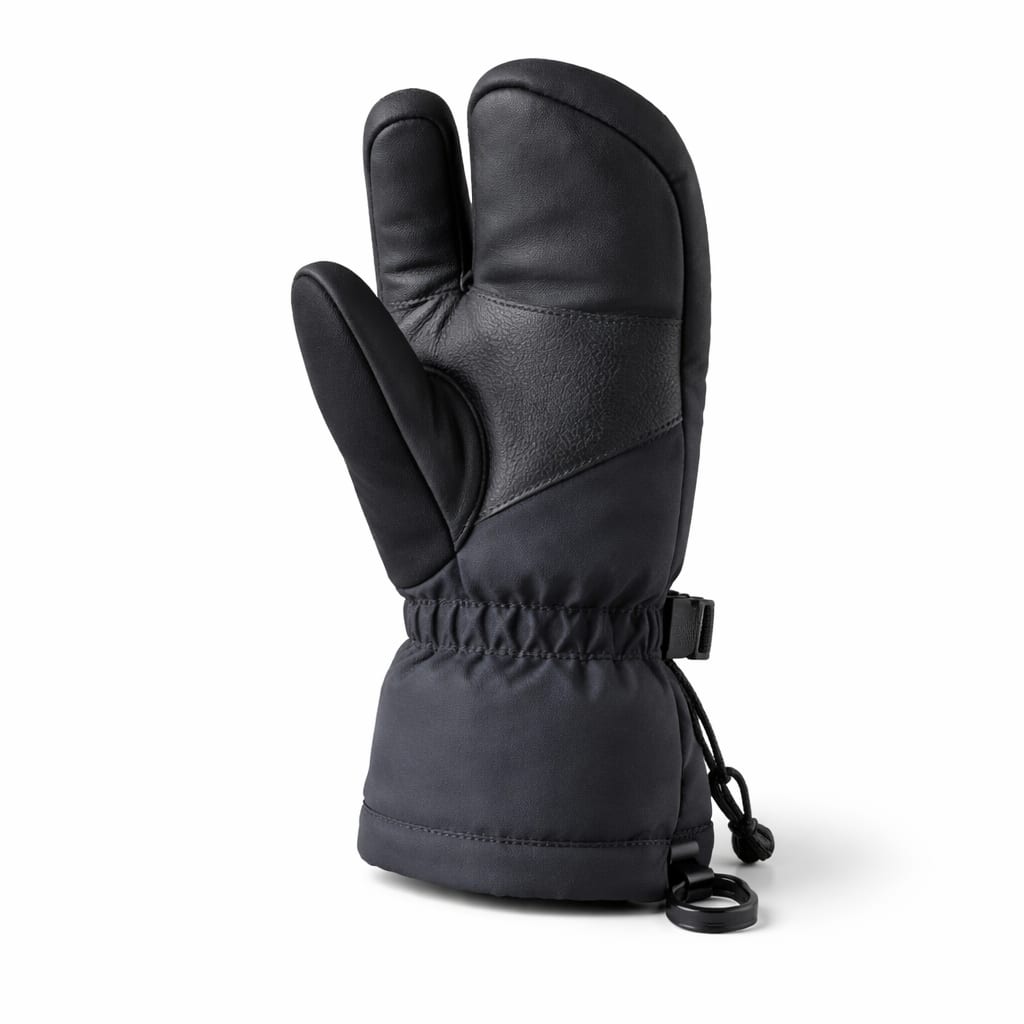
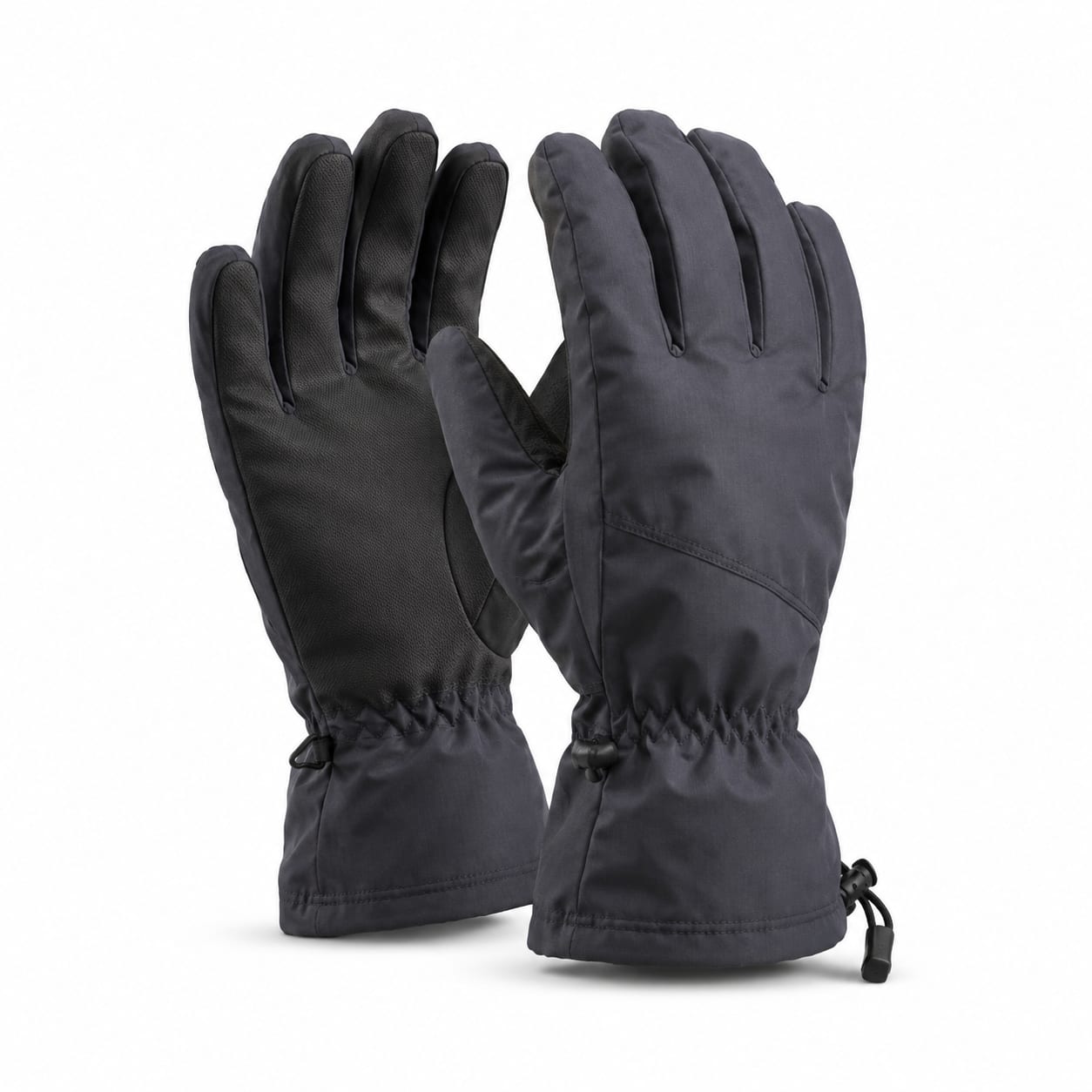
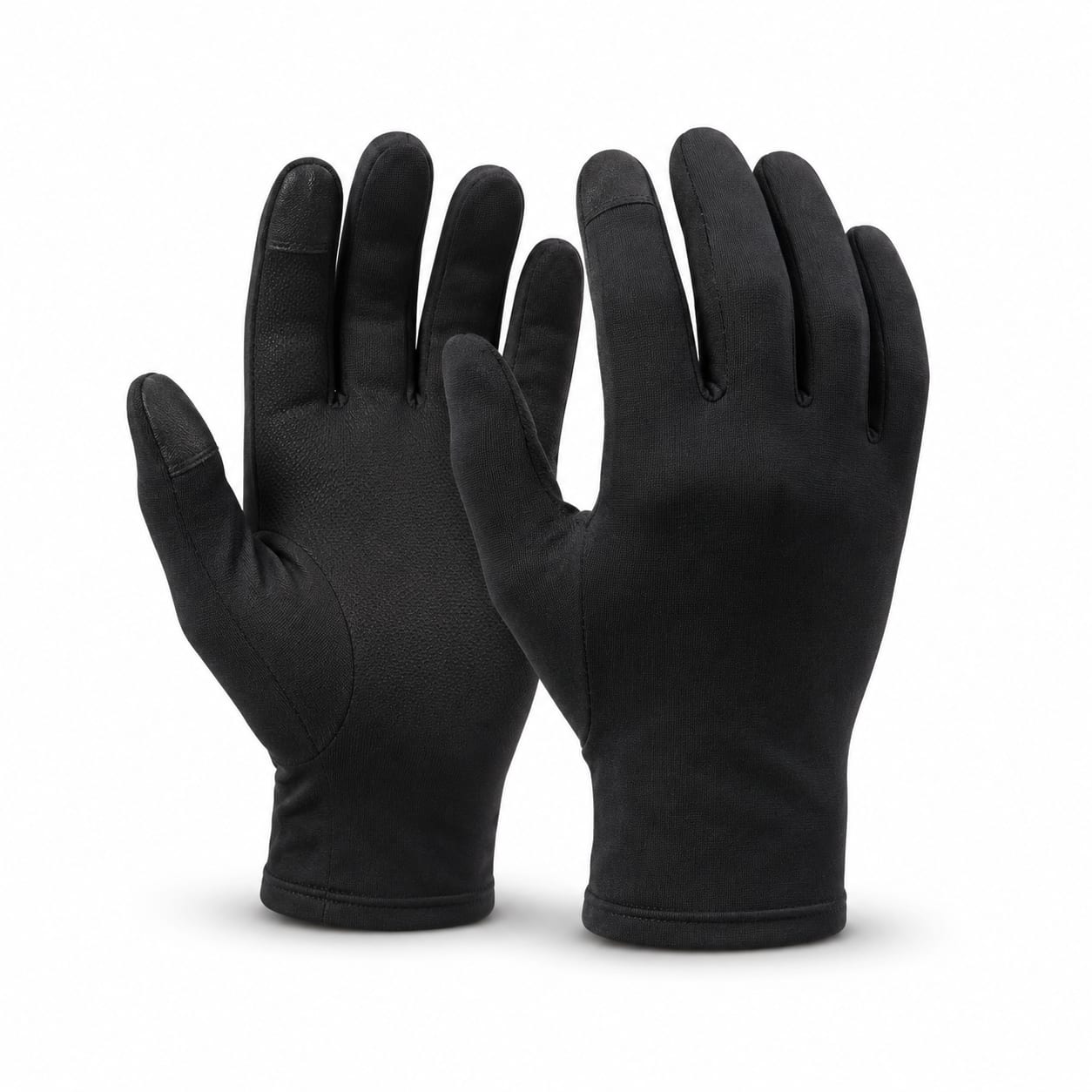
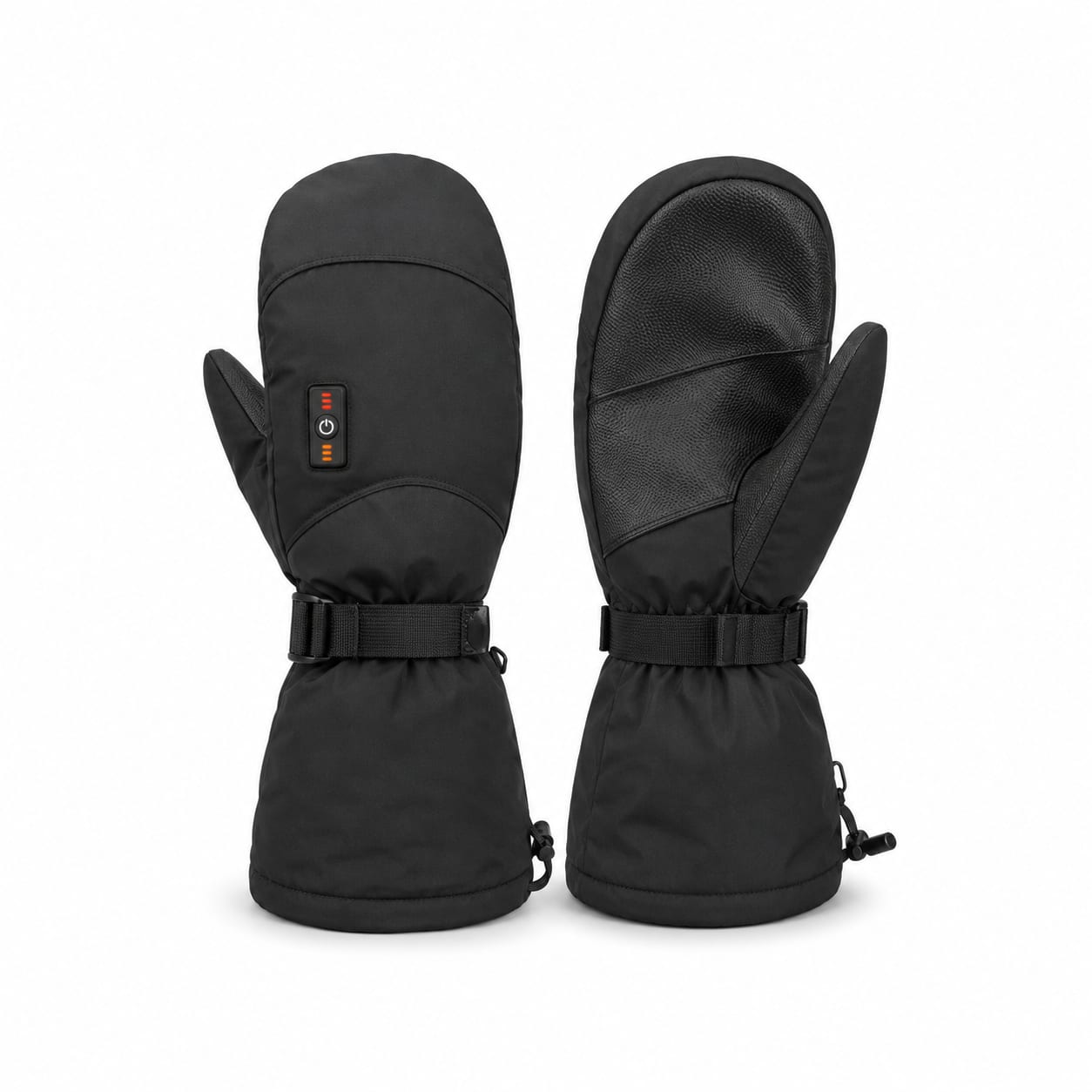
Heated ski gloves represent the convergence of technical outerwear and wearable electronics, offering active warmth generation rather than relying solely on passive insulation. Built around rechargeable lithium-ion batteries—typically 7.4V systems—these gloves embed thin, flexible heating elements across the fingers, fingertips, and back of hand where warmth matters most. Most models offer three heat settings (low, medium, high) controlled by a button on the glove, with runtimes ranging from 2–3 hours on high to 6–10 hours on low. The heating system works in concert with traditional insulation, meaning even when batteries die, you still have functional (if not toasty) gloves. This makes heated gloves a safety net as much as a luxury—critical for backcountry riders who cannot afford numb, non-functional hands in cold environments.
Heated ski gloves have evolved dramatically from their early iterations, which were bulky, unreliable, and offered tepid warmth at best. Modern heated gloves from brands like Hestra, Outdoor Research, Seirus, and Lenz use sophisticated carbon-fiber or micro-wire heating elements that distribute heat evenly across the fingers and back of hand without creating hot spots or uncomfortable pressure points. The batteries have shrunk while capacity has grown, with most current models using slim 7.4V lithium-ion packs that tuck into a dedicated pocket on the cuff, adding minimal bulk while delivering genuine, finger-warming heat.
The ideal user for heated gloves is someone who has tried everything else—thick mittens, chemical warmers, hand exercises—and still ends the day with white, numb fingers. This includes riders with Raynaud's syndrome, poor circulation from age or medical conditions, and those who ski in genuinely extreme environments like interior Canada, the Rockies at altitude, or late-season European glaciers. Heated gloves are also popular among ski professionals—instructors, patrollers, and guides—who spend entire days in the cold and cannot retreat to the lodge to warm up. For these users, heated gloves are not a luxury but a tool that enables them to do their job.
The primary trade-offs are weight, cost, and battery management. Heated gloves typically cost two to four times more than comparable non-heated models, with prices ranging from $200 to $500. The batteries add roughly 100–200 grams per glove, and you must develop the discipline of charging them every night. On multi-day trips without power, you are carrying dead weight after the first day unless you bring spare batteries or a portable charger. Some riders also find the battery pocket on the cuff slightly awkward, though most modern designs integrate it well enough that it becomes unnoticeable after a few runs.
A critical but often overlooked advantage is that heated gloves allow you to wear a thinner, more dexterous glove than you otherwise would need for the same warmth. Without heated gloves, extremely cold conditions demand heavyweight mittens or bulky gloves that sacrifice pole grip and manual dexterity. With active heating, you can run a midweight glove on a low or medium setting and maintain better feel and control. This is particularly valuable for skiers who need fine motor control—adjusting bindings, operating avalanche beacons, or manipulating zippers and buckles in the backcountry.