Kitvore.com

Kitvore.com

Specs that matter. Gear that fits.

Ski Handwear · Subcategory

3-Finger Mittens / Trigger Mitts

Hybrid handwear that groups three fingers for mitten-like warmth while freeing the index finger and thumb for pole grip and dexterity.

3-finger mittens and trigger mitts solve the classic ski handwear dilemma: warmth versus dexterity. By grouping the middle, ring, and pinky fingers together in a shared compartment, these hybrids capture much of the warmth of a full mitten while the separated index finger maintains functional pole grip and enough dexterity to adjust goggles, zippers, and boot buckles without removing your handwear. They are the go-to choice for skiers who suffer from cold hands but refuse to sacrifice pole control.

$55 – $210mid tierintermediateadvancedexpert

Best known for

Balancing mitten warmth with glove-like pole gripKeeping hands warm on long, cold chairlift ridesAllowing goggle and boot adjustments without removalBeing the preferred choice of ski patrollers and guides in cold climates
3-Finger Mittens / Trigger Mitts

Guide

Detailed overview

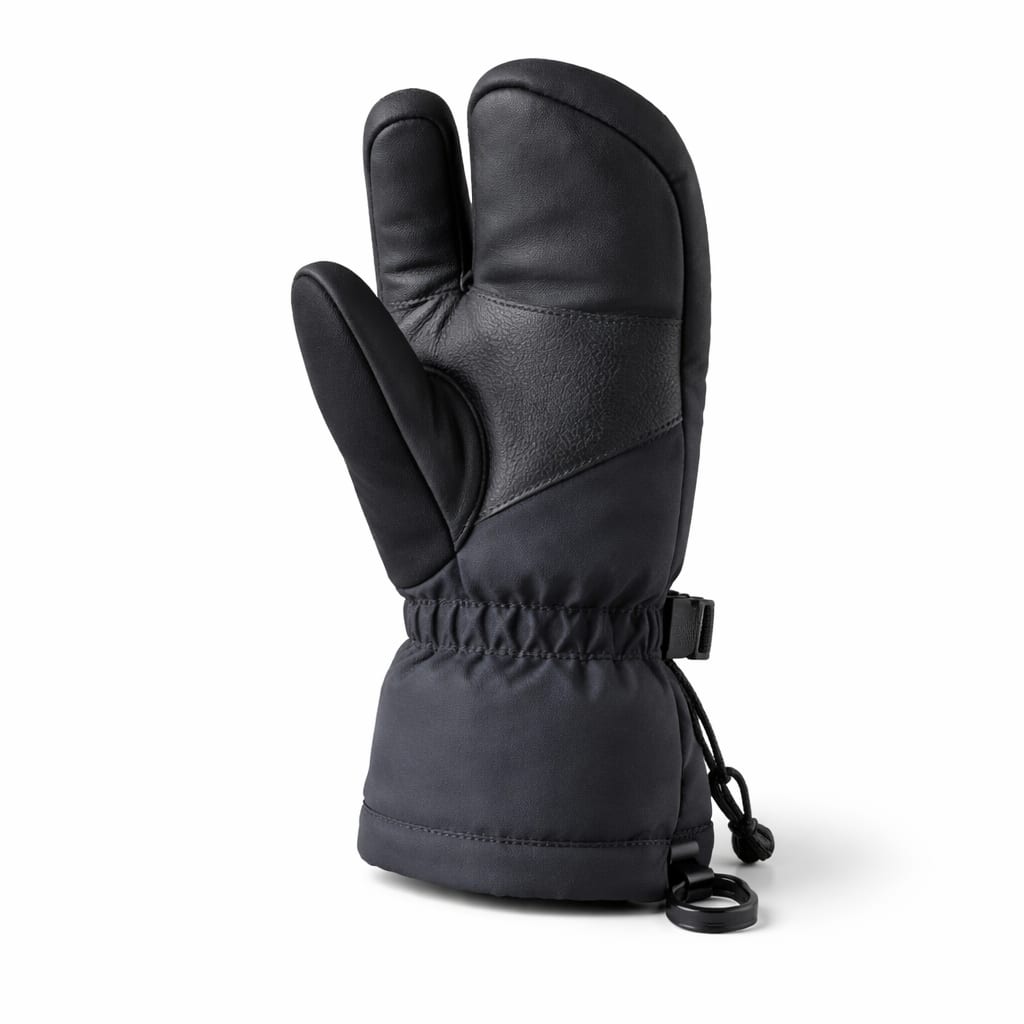
3-finger mittens, also called lobster claw gloves or trigger mitts, are a hybrid handwear design that splits the difference between gloves and mittens. The index finger is isolated in its own compartment while the remaining three fingers share a single chamber, allowing them to benefit from shared body heat. The thumb remains separate as in all ski handwear. This design retains approximately 70–80% of a mitten's warmth advantage over gloves while restoring much of the functional dexterity lost in a full mitten—most critically, the ability to grip a ski pole securely and operate buckles or goggle straps. Trigger mitts are a closely related variant where the index finger pocket is more articulated and the mitten portion is slightly roomier, leaning further toward warmth at the expense of some precision. Both designs are enormously popular among ski professionals, cold-weather resort skiers, and anyone whose hands run cold but who depends on pole use throughout the day.

The fundamental problem 3-finger mittens solve is thermodynamic: in a glove, each finger is surrounded by air and shell material on all sides, creating a high surface-area-to-volume ratio that sheds heat rapidly. In a mitten, fingers press against each other, sharing warmth and reducing exposed surface area. The 3-finger design captures most of this thermal advantage for the three fingers that need it most—the middle, ring, and pinky—while acknowledging that the index finger is the critical digit for pole grip, trigger operation, and fine motor tasks. The result is a handwear option that can keep hands comfortable well below freezing while still allowing skiers to maintain control and handle equipment.

For pole-dependent skiers, the separated index finger is not a luxury but a necessity. Alpine skiers rely on the index finger to wrap around the pole grip and engage the pole strap, actions that are awkward or impossible in a full mitten. The 3-finger design allows a natural pole grip that feels nearly identical to a glove, with the added benefit that the grouped fingers provide a broader, more stable base for the pole to rest against during planting. Many converts report that their pole technique actually improves in 3-finger mittens because the grouped fingers create a firmer, more confident platform.

The warmth advantage is most noticeable on long, cold chairlift rides where hands are stationary and exposed to wind. This is precisely the scenario where gloves fail and mittens shine—and where 3-finger mittens deliver nearly the same benefit. The grouped fingers generate and retain heat collectively, and the reduced seam count compared to gloves means fewer pathways for cold air infiltration. For skiers in the interior ranges of North America, the Alps, or Scandinavia where temperatures regularly drop below -15°C (5°F), 3-finger mittens are often the difference between enjoyable skiing and suffering through the day.

The trade-off is real but manageable. Fine dexterity—typing on a phone, handling small items, or tying knots—is compromised compared to gloves. The index finger operates well, but tasks requiring two coordinated fingers (like pinching or picking up small objects) are awkward. Most skiers adapt quickly, learning to use the index finger and thumb as a functional pair for on-mountain tasks. Goggle adjustments, boot buckle changes, and zipper operations are all feasible without removing the mitt, which is more than can be said for full mittens.

Construction quality matters enormously in this subcategory. The seam between the index finger compartment and the main mitten chamber is a stress point and a potential leak path. Premium models reinforce this area and use well-sealed seams or welded construction. The index finger should fit snugly without excess material at the tip, which would reduce grip precision. Leather palms are common and recommended for their grip and durability, though they require waterproofing treatment. Overall, 3-finger mittens represent one of the most pragmatic choices in ski handwear—a design that prioritizes the realities of cold-weather skiing over theoretical dexterity that gloves promise but rarely deliver when hands are numb.

Quick facts

Primary purpose
Balanced warmth and dexterity combining mitten-style warmth with glove-like pole control
Popular brands
HestraBlack DiamondSwanyDakine
Typical terrain
All-mountainBackcountryNordic tracksCold resort days

What makes it different

Unique finger arrangement provides near-mitten warmth with functional pole grip via isolated index finger

Recommended ranges

How this type usually specs out

Each spec is explained in plain language, then we show what buyers usually look for on this type.

Type

Handwear Type

What it means

The fundamental construction style of the handwear, determining finger separation and overall warmth-to-dexterity ratio.

Typical for this type

Three Finger Or Trigger Mitten

In practice

This subcategory is defined by the 3-finger/trigger mitten construction. The index finger is separated for pole grip and dexterity while the remaining three fingers share a compartment for warmth.

Compared to other types

Warmer than gloves due to grouped fingers sharing heat; more dexterous than full mittens due to the free index finger. Trigger mitt variants lean slightly warmer with less finger separation than 3-finger lobster designs.

Why it matters: This is the core design principle that defines the entire subcategory. The split between isolated index finger and grouped remaining fingers determines the warmth-dexterity balance.

Insulation

Insulation Type

What it means

The primary insulating material used inside the handwear, affecting warmth, packability, moisture resistance, and weight.

Typical for this type

Synthetic For Most Conditions; Down For Extreme Dry Cold

In practice

Synthetic insulation (Primaloft, Thinsulate, Coreloft) dominates this category because it retains warmth when damp from sweat or snow—a common issue given the warmer interior of the grouped finger chamber. Down is available in premium models for extreme dry cold.

Compared to other types

3-finger mittens more commonly use heavyweight synthetic insulation than gloves do, reflecting their cold-weather mission. Down options exist but are less common than in full mittens.

Why it matters: The grouped finger compartment creates a warmer microclimate that can lead to sweating during active skiing. Synthetic insulation handles this moisture cycle better, maintaining warmth on the next cold chairlift ride.

Insulation Weight

Insulation Weight

What it means

The thickness or gram weight of insulation, directly correlating with warmth level. Often described as lightweight, midweight, or heavyweight.

Typical for this type

Midweight (100-200g) For Most Skiers; Heavyweight (200g+) For Extreme Cold Or Cold-Sensitive Riders

In practice

Midweight insulation is the sweet spot for 3-finger mittens, as the grouped finger design already provides a significant warmth boost over gloves. Heavyweight insulation is available for extreme conditions but can cause overheating during active skiing.

Compared to other types

3-finger mittens with midweight insulation often match or exceed the warmth of heavyweight gloves, making them a more dexterous alternative for the same temperature range.

Why it matters: Because the 3-finger design is inherently warmer than a glove, you can often get away with less insulation weight than you'd need in a glove for the same conditions. This helps maintain dexterity in the index finger.

Waterproofing

Waterproof Rating

What it means

The water column rating (mm) of the waterproof membrane or treatment, indicating resistance to water penetration under pressure.

Typical for this type

10000mm minimum; 20000mm+ for coastal/wet climates or deep powder

In practice

10,000mm waterproofing is the standard for quality 3-finger mittens, providing reliable protection for most skiing conditions. The seam between the index finger and main compartment is a vulnerability that makes good waterproofing essential.

Compared to other types

Waterproofing is arguably more critical in 3-finger mittens than in gloves or mittens due to the extra seam. Don't skimp on waterproof rating in this subcategory.

Why it matters: The additional seam between the index finger compartment and the main chamber creates a potential leak point that gloves and mittens don't have. Higher waterproof ratings and quality seam sealing are important to prevent moisture ingress at this junction.

Membrane

Waterproof Membrane

What it means

The specific waterproof-breathable membrane technology used in the handwear construction.

Typical for this type

Gore Tex For Best Reliability; Proprietary For Value

In practice

Gore-Tex is the most common membrane in quality 3-finger mittens, providing proven waterproof-breathable performance. The breathable aspect matters because the grouped fingers generate more heat and moisture than individual finger compartments.

Compared to other types

Breathability matters more in 3-finger mittens than in full mittens because the design is often used by active skiers who generate more hand heat. Gore-Tex Infinium is an emerging option for touring-focused 3-finger models.

Why it matters: Breathability is important in 3-finger mittens because the warm, shared finger compartment can get clammy during active skiing. A breathable membrane helps manage this moisture so it doesn't freeze when you sit still on a chairlift.

Shell Material

Shell Material

What it means

The outer face fabric of the handwear, affecting durability, weather resistance, dexterity, and feel.

Typical for this type

Leather For Best Grip And Durability; Nylon For Lighter Weight And Lower Maintenance

In practice

Leather (especially goatskin) is extremely popular in 3-finger mittens because it provides superior grip for pole use and molds to the hand over time. Nylon is common in more affordable models and offers good durability with less maintenance.

Compared to other types

Leather is more prevalent in 3-finger mittens than in full mittens, reflecting the importance of grip for pole use. Full mittens more commonly use nylon or polyester shells since grip is less of a priority.

Why it matters: Since pole grip is a primary reason skiers choose 3-finger mittens over full mittens, the shell material directly affects the quality of that grip. Leather provides the best tactile feedback and grip for pole handling.

Palm Material

Palm Material

What it means

The material on the palm and fingers that contacts ski poles and surfaces, affecting grip, durability, and feel.

Typical for this type

Leather For Best Pole Grip And Durability; Synthetic Suede For Lower Maintenance

In practice

Leather palms (goatskin, Pittards) dominate the 3-finger mitten category because they provide the best grip on ski poles—the primary functional advantage of this design over full mittens. Synthetic suede is a common alternative for easier care.

Compared to other types

Leather palms are more common and more important in 3-finger mittens than in full mittens, where pole grip is less of a design priority. The leather palm is integral to delivering on the subcategory's core promise.

Why it matters: The entire point of separating the index finger is to maintain pole grip. A leather palm maximizes this advantage with superior tactile feel and grip, especially in cold conditions where synthetic palms can become slippery.

Cuff Style

Cuff Style

What it means

The design of the glove opening and how it interfaces with jacket sleeves, affecting snow seal, warmth, and ease of use.

Typical for this type

Gauntlet For Cold And Powder Conditions; Hybrid Cuff For Versatility

In practice

Gauntlet cuffs are the most common style for 3-finger mittens, reflecting their use in cold, snowy conditions where sealing out powder and wind is critical. The over-cuff design also makes them easier to put on and take off, which matters more when dexterity is limited.

Compared to other types

Gauntlet cuffs are more common in 3-finger mittens than in gloves, aligning with the cold-weather use case. Under-cuff designs exist but are less common and somewhat counter to the subcategory's warmth-first philosophy.

Why it matters: Since 3-finger mittens are typically chosen for cold conditions, the gauntlet cuff complements the warmth mission by sealing out snow and cold air at the wrist. It also makes donning and doffing easier with limited finger dexterity.

Closure

Closure Type

What it means

The mechanism used to secure the glove at the wrist, affecting fit adjustment, ease of use, and snow seal.

Typical for this type

Velcro Strap With Drawcord For Gauntlet Models

In practice

Velcro straps at the wrist combined with drawcord closures on gauntlet cuffs are the standard configuration. The velcro allows easy one-handed adjustment, while the drawcord seals the gauntlet against snow.

Compared to other types

Closure type is particularly important in 3-finger mittens because the limited dexterity makes fiddly closures frustrating. Simple, adjustable closures are preferred over elastic or zip designs.

Why it matters: One-handed operation is important because 3-finger mittens limit the fine motor skills needed to manipulate complex closures. Velcro straps are easy to operate with the mittens on, and drawcords can be cinched with a simple pull.

Liner

Liner Type

What it means

The inner lining or removable liner of the handwear, affecting comfort, moisture management, warmth, and drying capability.

Typical for this type

Removable Fleece For Versatility And Drying; Fixed Fleece For Simplicity

In practice

Removable fleece liners are common in quality 3-finger mittens because they can be pulled out for faster drying overnight—critical for multi-day ski trips where the warm interior can accumulate moisture. Fixed fleece liners are simpler and found in mid-range models.

Compared to other types

Removable liners are more valuable in 3-finger mittens than in gloves because the shared finger compartment retains more moisture. This feature is worth seeking out for multi-day use.

Why it matters: The grouped finger compartment generates more moisture than individual glove fingers. Removable liners allow you to dry the liner separately overnight, preventing the dreaded cold, damp mittens on day two of a trip.

Heated

Heated

What it means

Whether the handwear includes battery-powered heating elements for active warmth generation.

Typical for this type

Non-Heated For Most Riders; Heated For Extreme Cold Or Poor Circulation

Most common pick: False

In practice

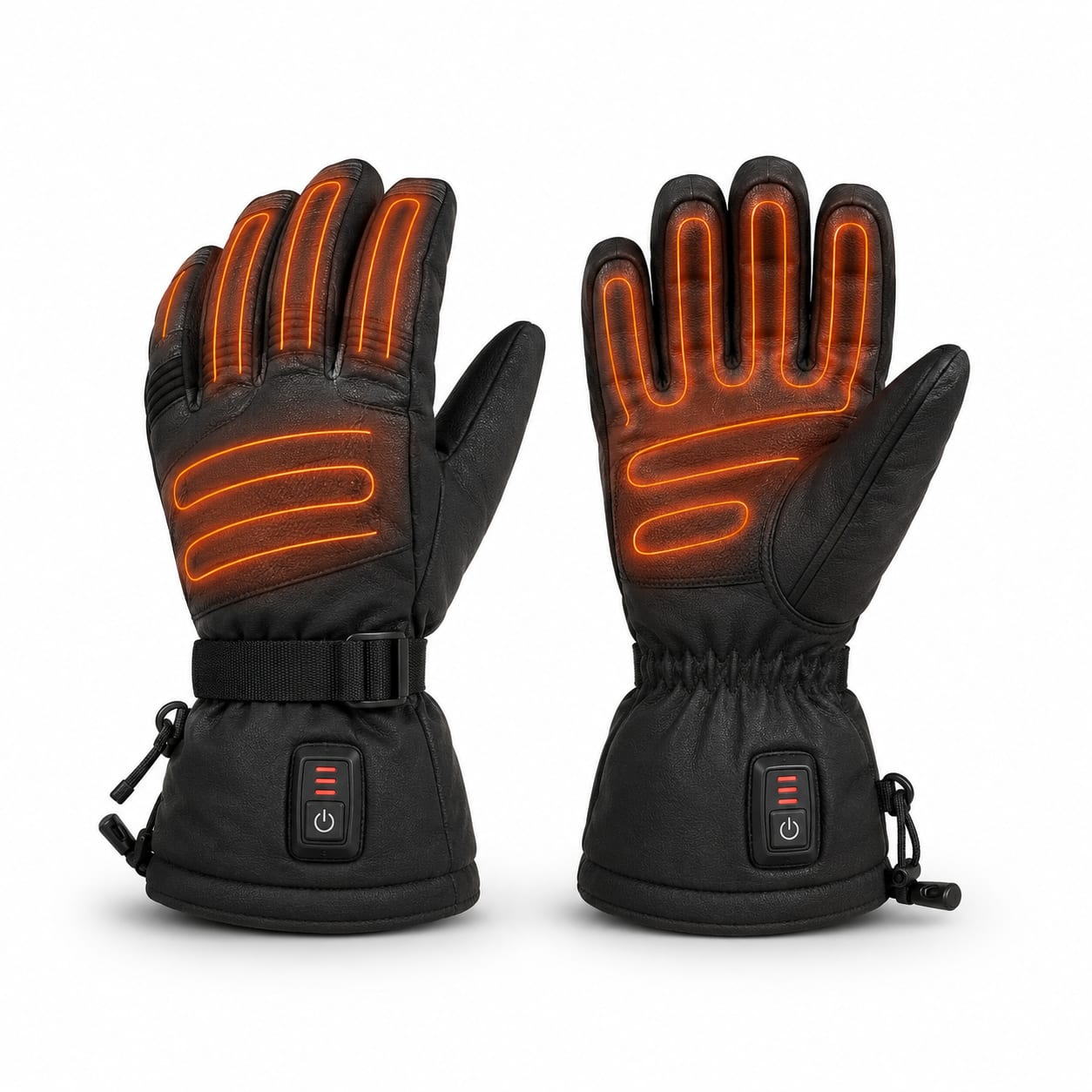
Most 3-finger mittens are non-heated, relying on the inherent warmth advantage of the grouped finger design. Heated versions are available and can be transformative for riders with poor circulation or those skiing in extreme cold below -20°C.

Compared to other types

Heated 3-finger mittens are less common than heated gloves but more effective, as the heating elements warm the grouped finger chamber more efficiently than individual finger compartments.

Why it matters: The 3-finger design already provides significant warmth over gloves, so many skiers find heated versions unnecessary. However, for chronically cold hands, combining the grouped finger design with active heating creates the ultimate cold-weather solution.

Touchscreen

Touchscreen Compatible

What it means

Whether the glove includes conductive material on fingertips allowing smartphone and touchscreen use without removing gloves.

Typical for this type

Touchscreen Compatible On Index Finger And Thumb

Most common pick: True

In practice

Many 3-finger mittens include touchscreen-compatible material on the index finger and thumb—the two digits most likely to be used for phone operation. This is particularly valuable because removing a 3-finger mitten is more cumbersome than removing a glove.

Compared to other types

Touchscreen compatibility is arguably more valuable in 3-finger mittens than in gloves because the hassle of removal is greater. Seek out models with conductivity on both the index finger and thumb.

Why it matters: Since removing a 3-finger mitten is more involved than slipping off a glove (due to the grouped finger compartment), touchscreen compatibility on the index finger and thumb is a genuinely useful feature that reduces the need to expose hands to cold.

Nose Wipe

Nose Wipe Panel

What it means

A soft fabric panel on the thumb or back of hand designed for wiping the nose and face without irritating skin.

Typical for this type

Has Nose Wipe—Strongly Recommended For Cold-Weather Use

Most common pick: True

In practice

Most quality 3-finger mittens include a soft fleece or chamois nose wipe panel on the thumb, reflecting their intended use in cold conditions where runny noses are common. This small feature has an outsized impact on daily comfort.

Compared to other types

Nose wipe panels are more consistently included in 3-finger mittens than in gloves, reflecting the cold-weather mission. This feature should be considered essential rather than optional in this subcategory.

Why it matters: Since 3-finger mittens are chosen for cold conditions, a nose wipe panel is particularly relevant. Wiping your nose against a leather or nylon shell is uncomfortable and can irritate skin over a full day.

Wrist Leash

Wrist Leash

What it means

A loop or cord attached to the glove that goes around the wrist, preventing gloves from falling off or being lost when removed.

Typical for this type

Has Wrist Leash—Strongly Recommended

Most common pick: True

In practice

Wrist leashes are common and strongly recommended on 3-finger mittens. The difficulty of quickly removing and re-donning a 3-finger mitten makes the risk of dropping one off a chairlift more consequential than with gloves.

Compared to other types

Wrist leashes are more important in 3-finger mittens than in gloves because the mittens are harder to don quickly and are typically more expensive. Always use the leashes or add aftermarket ones.

Why it matters: Losing a 3-finger mitten on a chairlift or in deep powder is more than an inconvenience—it can end your ski day. The grouped finger compartment makes these mittens harder to put back on quickly with cold hands, so preventing loss is critical.

Reinforcements

Reinforcement Areas

What it means

Additional material layers in high-wear areas to improve durability where gloves typically wear out first.

Typical for this type

Palm And Thumb Crotch At Minimum; Add Fingertips For Racing Or Heavy Use

Most common pick: Palm, Thumb Crotch

In practice

Palm reinforcement is critical for pole grip durability, and thumb crotch reinforcement addresses the most common failure point in this design—the seam where the index finger compartment meets the main chamber.

Compared to other types

Thumb crotch reinforcement is more important in 3-finger mittens than in any other handwear type because the design creates a structural stress point at the junction of the index finger and main compartment.

Why it matters: The thumb crotch area is under particular stress in 3-finger mittens because the index finger compartment creates a seam junction that doesn't exist in gloves or full mittens. Reinforcement here significantly extends the life of the mitten.

Size

Size / Fit

What it means

The sizing and overall fit profile of the handwear, critical for warmth, dexterity, and comfort. Proper fit ensures insulation works effectively.

Typical for this type

True to Size With Slight Room At Grouped Fingertip Ends; Do Not Size Down

In practice

3-finger mittens should fit snugly in the index finger for pole grip precision, with a small air gap at the tips of the grouped fingers for optimal insulation. Sizing down is a common mistake that restricts circulation to the grouped fingers and causes cold hands.

Compared to other types

Fit is more nuanced in 3-finger mittens than in gloves or mittens because you need two different fit characteristics: snug index finger for grip and slightly roomy grouped chamber for warmth. Try before you buy when possible.

Why it matters: Proper fit is especially critical in 3-finger mittens because the grouped finger compartment needs a small air space for insulation to work, while the index finger needs to be snug for grip. Too tight restricts circulation to the grouped fingers; too loose reduces pole control.

Gender

Gender Target

What it means

The intended gender fit of the handwear, affecting palm width, finger length, and overall proportions.

Typical for this type

Gender-Specific Fit For Best Performance; Unisex Widely Available

In practice

3-finger mittens are widely available in unisex sizing, with an increasing number of women's-specific models that account for narrower palms and different finger proportions. Men's models are the most common.

Compared to other types

Women's-specific 3-finger mittens are less common than women's gloves, so many women end up in unisex models. If available, women's-specific fit is worth seeking out for better index finger precision.

Why it matters: The grouped finger compartment can feel overly roomy for women with narrower hands when wearing unisex models, reducing dexterity in the index finger. Women's-specific models provide a better fit that improves both warmth and pole grip.

Evaluation

Strengths and trade-offs

Pros

What this type does best

Near-mitten warmth with functional pole grip

Critical

The grouped finger chamber captures 70-80% of a mitten's warmth advantage while the separated index finger allows secure, natural pole grip that's impossible in full mittens.

Goggle and equipment adjustments without removal

High

The free index finger and thumb can work together to adjust goggles, change boot buckles, operate zippers, and handle other on-mountain tasks without exposing hands to cold.

Warmer than gloves in the same insulation class

High

Even with identical insulation weight, 3-finger mittens are significantly warmer than gloves because the grouped fingers share body heat and have less surface area exposed to cold.

Better pole technique than full mittens

High

Many skiers find their pole planting improves in 3-finger mittens because the grouped fingers create a broad, stable platform for the pole to rest against, and the index finger maintains strap engagement.

Ideal for long, cold chairlift rides

Medium

The warmth advantage is most pronounced during stationary exposure on lifts, where gloves fail and 3-finger mittens keep hands comfortable through prolonged cold and wind.

Preferred by ski professionals in cold climates

Medium

Ski patrollers, guides, and instructors in cold regions overwhelmingly choose 3-finger mittens because they need both warmth for long exposure and dexterity for equipment handling.

Less finger seam area than gloves

Medium

With fewer individual finger compartments, there are fewer seams that can leak, fail, or let cold air in. This contributes to both warmth and durability.

Cons

Trade-offs to be aware of

Reduced fine dexterity compared to gloves

Moderate

Tasks requiring two coordinated fingers—pinching, picking up small objects, tying knots—are awkward with only the index finger free. Phone typing is slow and error-prone.

Index finger can run colder than grouped fingers

Moderate

The isolated index finger doesn't benefit from shared body heat and can feel noticeably colder than the grouped fingers, especially in extreme cold. This is the fundamental trade-off of the design.

More difficult to put on and take off than gloves

Minor

Getting three fingers aligned into the shared compartment takes more effort than slipping on a glove, especially with cold or wet hands. This makes quick removal for tasks more cumbersome.

Stress point at index finger junction

Moderate

The seam where the index finger compartment meets the main chamber is a structural weak point that doesn't exist in gloves or full mittens. This area is prone to wear and potential leaks if not well-constructed and reinforced.

Limited style options compared to gloves

Minor

Fewer brands make 3-finger mittens than gloves, resulting in fewer style, color, and feature combinations. The selection is growing but still more limited.

Can feel awkward initially for glove converts

Minor

Skiers accustomed to gloves often find the grouped finger sensation strange at first and may need several days to adapt to the different feel and reduced finger independence.

Best for

Terrain

All-mountainBackcountryPowderGroomed runs in cold climates

Snow conditions

Cold temperatures (-10°C and below)Deep powderWindy exposed terrainLong chairlift ridesDry interior snow climates

Skill level

IntermediateAdvancedExpert

Riding style

Alpine skiingFreerideBackcountry touringSki patrol and instruction

Rider profile

Skiers with cold hands who need pole gripSki professionals working long days in cold weatherBackcountry skiers who need dexterity for transceiver operationOlder skiers with reduced circulationResort skiers in interior mountain ranges with bitter cold

Not ideal for

Reasons

Too warm for mild conditions, causing sweaty handsReduced dexterity is a liability for terrain park features and grabsRace coaches and slalom racers may prefer gloves for maximum pole precisionBeginners may find the unfamiliar feel distracting while learning

Terrain

Terrain parksSpring corn snow

Skill level

Beginners who need maximum feel for edge control feedback

Riding style

Park and pipeRace training requiring maximum pole precisionWarm-weather spring skiing

Compare

How it stacks up

This page

3-Finger Mittens / Trigger Mitts

Significantly warmer due to grouped fingers sharing heat; fewer seams mean less cold air infiltration and better durability; preferred in all conditions below -10°C.

Alternative

Insulated Ski Gloves

Full finger independence for maximum dexterity; easier to put on and take off; better for phone use, tying knots, and fine motor tasks; more style options available.

Bottom line

Choose 3-finger mittens if your hands run cold or you ski in temperatures below -10°C. Choose gloves if you prioritize dexterity, ski in mild conditions, or do a lot of terrain park riding.

This page

3-Finger Mittens / Trigger Mitts

Functional pole grip with the separated index finger; ability to adjust goggles and boot buckles without removal; better pole technique with more natural grip position.

Alternative

3-Finger Mittens / Trigger Mitts

Maximum warmth with all four fingers grouped together; simpler construction with fewer failure points; easier to put on with fewer alignment issues; often slightly warmer in extreme cold.

Bottom line

Choose 3-finger mittens if you need pole grip and equipment handling capability in cold conditions. Choose full mittens only if maximum warmth is your absolute priority and you're willing to sacrifice pole control and dexterity.

This page

3-Finger Mittens / Trigger Mitts

Slightly more dexterity and precision in the index finger due to more defined finger compartment; better for tasks requiring index finger accuracy like transceiver operation.

Alternative

Trigger Mittens

Slightly warmer due to more mitten-like construction with less finger separation; the articulated index pocket can feel more natural for pole grip; often simpler construction.

Bottom line

The difference is subtle. Choose 3-finger (lobster) designs if you value index finger precision for equipment handling. Choose trigger mitts if you lean toward maximum warmth with just enough grip for poles.

This page

3-Finger Mittens / Trigger Mitts

No battery management or charging required; lower cost; no added weight from batteries; passive warmth is always available and can't fail due to dead batteries.

Alternative

Heated Gloves

Active heating provides adjustable, on-demand warmth regardless of conditions; can compensate for poor circulation; effective in extreme cold where passive insulation may not suffice.

Bottom line

Choose 3-finger mittens first—they provide substantial warmth passively. Choose heated gloves only if you have chronically cold hands that don't respond to passive insulation, or if you ski in extreme cold below -25°C.

Shopping

Buying tips

  • 1

    Prioritize models with reinforced thumb crotch seams—this junction is the most common failure point in 3-finger mittens and the area most likely to leak.

  • 2

    Choose leather palms for the best pole grip and durability, but budget for and apply waterproofing wax treatment before your first use and periodically thereafter.

  • 3

    If buying online, measure your hand circumference carefully and check the brand's specific size chart. The index finger must fit snugly for grip precision while the grouped chamber needs slight room for insulation.

  • 4

    Removable liners are worth the premium for multi-day trips. The grouped finger compartment retains more moisture than glove fingers, and being able to dry the liner separately overnight prevents damp, cold mittens on day two.

  • 5

    Look for touchscreen compatibility on both the index finger and thumb—not just the index finger. You'll use both for phone operation, and the thumb is often easier to position accurately on a screen.

  • 6

    If your index finger runs cold in 3-finger mittens, consider adding a thin liner glove under the mitten. Some models are designed with enough room for this layering approach.

  • 7

    Gauntlet cuffs are strongly recommended over under-cuff designs for this subcategory, as they complement the cold-weather mission and make donning easier with limited dexterity.

  • 8

    Try them on with your ski pole to test the grip feel before committing. The index finger should wrap naturally around the pole grip without excess material at the tip.

Care

Maintenance notes

  • Treat leather palms and shells with waterproofing wax (like Nikwax or Sno-Seal) before first use and reapply every 10-15 ski days or when water stops beading on the surface.
  • Dry mittens thoroughly between uses—pull out removable liners and open cuffs wide. Never place mittens directly on a heater or radiator, which can damage membranes and melt synthetic materials.
  • Inspect the index finger junction seam regularly for wear, separation, or leaks. This is the most vulnerable point in the construction and should be addressed early with seam sealant if any gaps develop.
  • Hand wash with mild detergent when needed; never machine wash or dry clean, which can damage waterproof membranes and insulation.
  • Store mittens open and dry during the off-season. Avoid compressing insulation for long periods, which can reduce its effectiveness over time.
  • If wrist leashes show wear or fraying, replace them before they fail. Aftermarket leashes are inexpensive insurance against losing an expensive mitten off a chairlift.

Progression

Skill development path

3-finger mittens are best suited for intermediate to advanced skiers who have developed consistent pole technique and understand how to manage their equipment in cold conditions. Beginners may find the grouped finger sensation distracting while they're still learning edge control and balance. As skiers progress and spend more full days on the mountain—especially in cold climates—the warmth advantage of 3-finger mittens becomes increasingly valuable. Expert skiers and professionals who work long days in cold weather often consider 3-finger mittens essential equipment. The adaptation period from gloves typically takes 2-3 full days of skiing, after which most converts report they would not go back to gloves for cold-weather skiing.

FAQ

Common questions

Each question has a dedicated page with a full answer and links to the buying guide.

Are 3-finger mittens warm enough for extreme cold like -30°C?

With heavyweight insulation (200g+), 3-finger mittens can handle temperatures down to -30°C for most people. However, the isolated index finger will feel colder than the grouped fingers in extreme cold. For the coldest conditions, consider a heated 3-finger mitten or adding a thin liner glove for the index finger specifically. The grouped three-finger chamber will remain quite warm even in extreme cold.

Can I operate a avalanche transceiver with 3-finger mittens?

Yes, with practice. The separated index finger and thumb can operate most modern digital transceivers, which are designed for use with gloves. The key is to practice at home before you need to do it in an emergency. Some models have more sensitive buttons than others—test your specific transceiver with your mittens to ensure reliable operation. In a real emergency, you may need to remove a mitten for speed and precision.

What's the difference between 3-finger mittens and trigger mitts?

The terms are often used interchangeably, but technically, 3-finger (or lobster claw) designs have a more defined index finger compartment similar to a glove finger, while trigger mitts have a more mitten-like construction with an articulated index finger pocket that's less separated from the main chamber. Trigger mitts lean slightly warmer with less dexterity; 3-finger designs lean slightly more dexterous with a bit less warmth. In practice, the difference is small and most skiers won't notice a dramatic difference between the two.

Will my index finger be too cold since it's separated?

The index finger will be cooler than the grouped fingers, but most skiers find it acceptable down to about -15°C with midweight insulation. Below that, the index finger can become uncomfortably cold. Solutions include choosing a model with slightly more insulation in the index finger, wearing a thin liner glove underneath, or opting for a heated version. Some skiers periodically tuck their index finger into the grouped chamber during chairlift rides to warm it up.