Kitvore.com

Kitvore.com

Specs that matter. Gear that fits.

Ski Handwear · Subcategory

Ski Mittens

The warmest ski handwear option, grouping all fingers together to share body heat in extreme cold conditions.

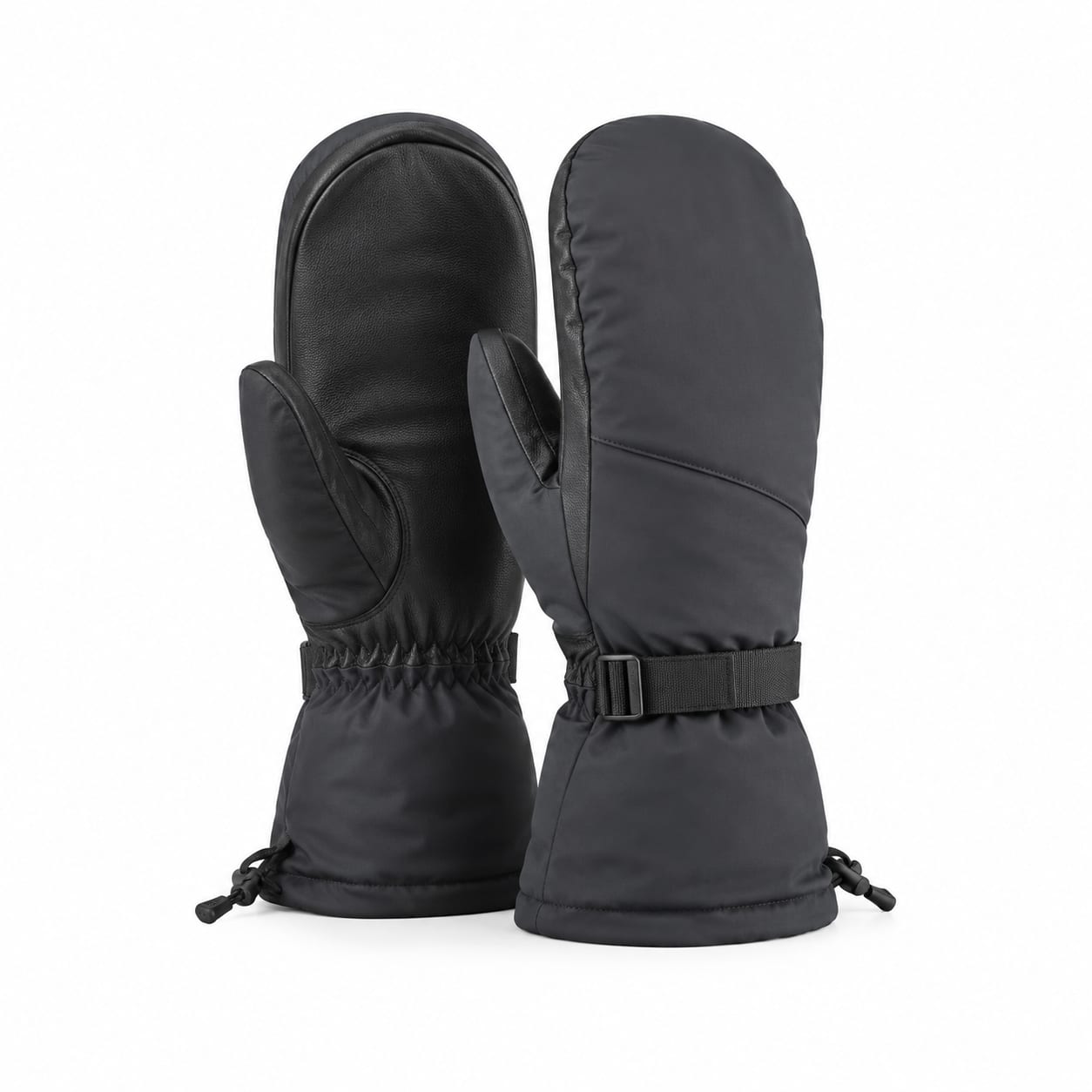
Ski mittens are the definitive choice for maximum warmth on the mountain. By grouping all four fingers into a single compartment, they allow fingers to share body heat, dramatically increasing thermal efficiency compared to gloves. While they sacrifice dexterity and precise pole grip, modern ski mittens offer features like gauntlet cuffs, robust waterproofing, and quality insulation that make them essential gear for cold-sensitive riders, deep-winter conditions, and anyone who has ever suffered from numb hands on a chairlift.

$35 – $200mid tierbeginnerintermediateadvanced

Best known for

Superior warmth in extreme coldFinger-to-finger heat sharing designLong lift ride comfortCold-sensitive rider salvation
Ski Mittens

Guide

Detailed overview

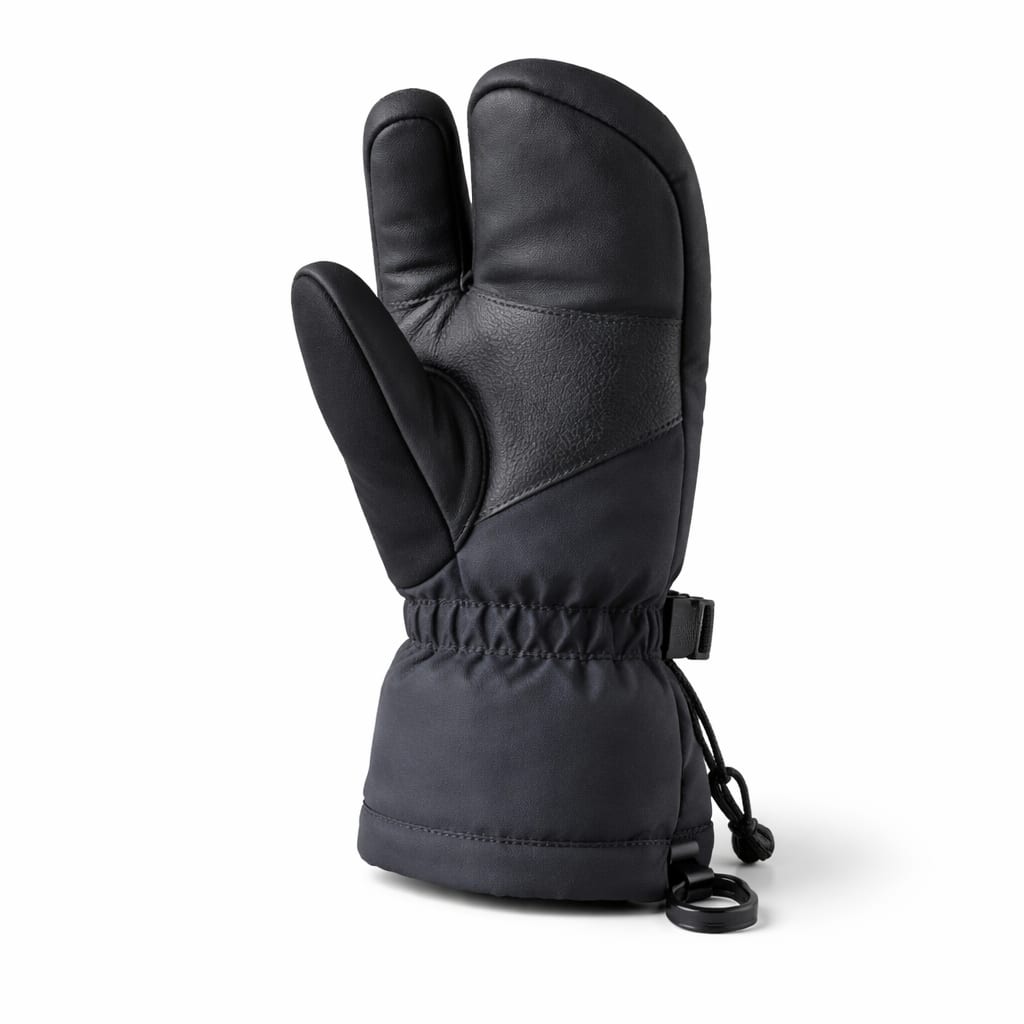
Ski mittens are purpose-built cold-weather handwear that prioritizes thermal retention over finger independence. Unlike gloves, which isolate each finger and increase total surface area for heat loss, mittens group the four fingers together in a single compartment, allowing them to share warmth and reduce exposed surface area. The thumb remains separate for basic grip functionality. This design makes mittens significantly warmer than gloves with equivalent insulation — often 15–25°F warmer in perceived comfort. Ski mittens range from lightweight spring models to heavily insulated expedition-grade designs with thick synthetic or down fill, waterproof membranes, and extended gauntlet cuffs. They are the go-to choice for riders in cold interior climates, high-altitude destinations, and anyone whose hands run cold regardless of activity level.

Ski mittens represent the uncompromising answer to cold hands on the mountain. The fundamental physics are straightforward: by grouping fingers together, mittens reduce the surface-to-volume ratio of each individual finger, minimize heat loss, and allow fingers to share warmth. A hand in a mitten generates and retains heat as a collective unit rather than as five isolated digits struggling independently. This makes mittens dramatically more effective in bitter cold, especially during sedentary moments like long chairlift rides where blood flow to extremities naturally decreases.

The trade-off is dexterity. Mittens make fine motor tasks — adjusting goggles, operating a phone, zipping jackets, manipulating boot buckles — noticeably more difficult. Pole grip changes as well; without individual finger wrapping, pole control relies more on the thumb crotch and palm squeeze. Many mitten wearers adapt quickly, and some find the grip adequate for resort skiing, but racers and pole-dependent technical skiers may find the loss of precision frustrating. This is where hybrid designs like 3-finger and trigger mittens enter the conversation, offering a middle ground.

Modern ski mittens have evolved well beyond simple cold-weather tubes. Premium models feature articulated thumbs for improved grip, pre-curved construction that reduces hand fatigue, and sophisticated layering systems with removable liners for moisture management and quick drying. Waterproof-breathable membranes like Gore-Tex are common, ensuring that the warmth trapped inside doesn't become a soggy problem during high-output skiing. Gauntlet cuffs with drawcord closures seal out deep powder, while wrist leashes prevent catastrophic loss on windy chairlifts. Leather palms provide excellent durability and grip, though they require periodic waterproofing treatment.

For riders with chronically cold hands, poor circulation, or Raynaud's syndrome, mittens are not just a preference — they are essential equipment. The warmth advantage is not marginal; it is transformative. Many cold-sensitive skiers who switched from gloves to mittens report that it changed their entire experience on the mountain, eliminating the misery of numb, painful fingers that cut days short. Heated mittens take this further with battery-powered warmth, but even passive mittens with quality insulation outperform the warmest gloves. If you ski in places like interior British Columbia, the Rockies, northern New England, or anywhere temperatures regularly drop below 15°F, mittens deserve serious consideration as your primary handwear.

Quick facts

Primary purpose
Maximum hand warmth in cold conditions with basic pole-grip functionality
Popular brands
HestraBlack DiamondOutdoor ResearchDakineBurtonArc'teryx
Typical terrain
Cold resort daysAll-mountainBackcountryExtreme cold conditions

What makes it different

Fingers held together in one compartment dramatically increases warmth at the cost of fine motor dexterity

Recommended ranges

How this type usually specs out

Each spec is explained in plain language, then we show what buyers usually look for on this type.

Type

Handwear Type

What it means

The fundamental construction style of the handwear, determining finger separation and overall warmth-to-dexterity ratio.

Typical for this type

Mitten

In practice

Ski mittens by definition use the mitten construction — a single compartment for all four fingers with a separate thumb. This is the defining characteristic that provides their warmth advantage.

Compared to other types

Mittens are significantly warmer than gloves and slightly warmer than 3-finger designs because all four fingers share a single space. They offer less dexterity than gloves and 3-finger designs, and less pole grip precision than trigger mittens.

Why it matters: The mitten design is the entire point of this subcategory. It determines the fundamental warmth-to-dexterity trade-off that makes mittens the warmest handwear option available.

Insulation

Insulation Type

What it means

The primary insulating material used inside the handwear, affecting warmth, packability, moisture resistance, and weight.

Typical for this type

Synthetic Or Down

In practice

Synthetic insulation (Primaloft, Thinsulate) is the most common in ski mittens due to its reliable warmth when damp and easy care. Down insulation appears in premium models for maximum warmth-to-weight in dry cold conditions. Heated mittens are also popular in this category since mitten wearers prioritize warmth above all.

Compared to other types

Mittens more commonly feature heavyweight insulation and down fills compared to gloves, which tend toward lighter insulation. Heated technology is also more prevalent in mittens because warmth-focused riders are the target market.

Why it matters: Because mittens are chosen for extreme cold, insulation type and quality are critical. The wrong insulation in a mitten defeats the purpose of choosing this style.

Insulation Weight

Insulation Weight

What it means

The thickness or gram weight of insulation, directly correlating with warmth level. Often described as lightweight, midweight, or heavyweight.

Typical for this type

Midweight (100-200g) For Versatile Use; Heavyweight (200g+) For Extreme Cold

Most common pick: Midweight to Heavyweight

In practice

Ski mittens typically feature midweight to heavyweight insulation since they are chosen specifically for cold-weather performance. Lightweight mittens exist but are less common and somewhat defeat the purpose of the mitten design.

Compared to other types

Mittens commonly use heavier insulation weights than gloves. A midweight mitten is roughly equivalent in warmth to a heavyweight glove, making mittens the more efficient warmth-per-gram choice.

Why it matters: Insulation weight directly determines the temperature range where mittens perform. Since mittens are already warmer by design, even midweight insulation provides excellent cold-weather performance. Heavyweight insulation in a mitten is the ultimate cold-weather solution.

Waterproofing

Waterproof Rating

What it means

The water column rating (mm) of the waterproof membrane or treatment, indicating resistance to water penetration under pressure.

Typical for this type

10000mm for most conditions; 20000mm+ for coastal/wet climates or deep powder

In practice

Most quality ski mittens feature at least 10,000mm waterproofing. Because mittens are used in cold conditions where snow is often dry, 10,000mm is typically sufficient. Riders in wet coastal climates should opt for 20,000mm+.

Compared to other types

Mittens and gloves have similar waterproofing options, but mittens are more vulnerable to moisture ingress at the larger cuff opening. Gauntlet-style mittens with proper cinching help mitigate this.

Why it matters: Waterproofing is critical in mittens because wet insulation loses effectiveness, and the whole point of mittens is warmth. A wet mitten is worse than a dry glove because the larger compartment holds more moisture against the skin.

Membrane

Waterproof Membrane

What it means

The specific waterproof-breathable membrane technology used in the handwear construction.

Typical for this type

Gore-Tex For Best Reliability; Proprietary Membranes For Good Value

Most common pick: Gore Tex Or Proprietary

In practice

Gore-Tex is common in premium ski mittens and provides proven waterproof-breathable performance. Proprietary membranes offer good value at lower price points. Since mittens trap more warmth and moisture, breathability matters to prevent internal dampness.

Compared to other types

Membrane options are similar across handwear types, but breathability is arguably more important in mittens due to the higher internal temperatures and reduced ventilation compared to gloves.

Why it matters: A quality membrane prevents external moisture from penetrating while allowing sweat vapor to escape. In mittens, where internal temperatures are higher, breathability is important to prevent the clammy feeling that leads to cold hands when activity decreases.

Shell Material

Shell Material

What it means

The outer face fabric of the handwear, affecting durability, weather resistance, dexterity, and feel.

Typical for this type

Nylon For Durability And Value; Leather For Premium Grip And Feel

Most common pick: Nylon Or Leather

In practice

Nylon shells are the most common in ski mittens, offering excellent durability and abrasion resistance. Leather shells appear in premium models and provide superior grip, dexterity within the mitten's limits, and a broken-in custom fit over time.

Compared to other types

Leather is especially popular in mittens compared to gloves because the grip advantage helps compensate for the reduced finger control. Mitten wearers who pole ski often prefer leather for this reason.

Why it matters: Shell material affects durability, grip, and weather resistance. Leather mittens mold to the hand and offer the best pole grip of any mitten, partially offsetting the dexterity disadvantage. Nylon is more weather-resistant out of the box and requires no treatment.

Palm Material

Palm Material

What it means

The material on the palm and fingers that contacts ski poles and surfaces, affecting grip, durability, and feel.

Typical for this type

Leather For Best Grip And Durability; Synthetic Suede For Lower Maintenance

Most common pick: Leather Or Synthetic Suede

In practice

Leather palms (goatskin, Pittards) are common in quality ski mittens because they provide the best grip and tactile feedback — important since mittens already have reduced dexterity. Synthetic suede (Clarino, Amara) is a popular lower-maintenance alternative.

Compared to other types

Palm material choice is more critical in mittens than gloves because the mitten design already compromises grip. A quality leather or synthetic suede palm can make the difference between secure pole control and a frustrating experience.

Why it matters: Palm material directly affects pole grip, which is the primary functional concern with mittens. A grippy palm material partially compensates for the lack of individual finger wrapping, making pole control more manageable.

Cuff Style

Cuff Style

What it means

The design of the glove opening and how it interfaces with jacket sleeves, affecting snow seal, warmth, and ease of use.

Typical for this type

Gauntlet For Cold And Powder Conditions; Under-Cuff For Mild Resort Days

Most common pick: Gauntlet

In practice

Gauntlet cuffs are the most popular style for ski mittens because they provide the best snow seal and warmth retention. The extended cuff goes over the jacket sleeve and cinches tight, preventing cold air and snow from entering. Under-cuff mittens exist for milder conditions or riders who prefer a streamlined look.

Compared to other types

Mittens more commonly feature gauntlet cuffs than gloves because mitten wearers prioritize warmth and weather protection. The gauntlet also makes mittens easier to pull on and off over jacket sleeves, which matters since mittens are removed more frequently for dexterity tasks.

Why it matters: Cuff style determines how well the mitten interfaces with your jacket and how effectively it seals out snow and cold air. For the cold conditions where mittens are typically worn, gauntlet cuffs are strongly recommended.

Closure

Closure Type

What it means

The mechanism used to secure the glove at the wrist, affecting fit adjustment, ease of use, and snow seal.

Typical for this type

Velcro Strap At Wrist Plus Drawcord On Gauntlet For Best Seal

Most common pick: Velcro Strap With Drawcord On Gauntlet Models

In practice

Most ski mittens use a combination of Velcro strap at the wrist for fit adjustment and a drawcord on gauntlet cuffs for snow sealing. This dual-closure system provides the best combination of fit customization and weather protection.

Compared to other types

Mittens more commonly feature drawcord closures than gloves because gauntlet cuffs are more prevalent in the mitten category. The drawcord is essential for sealing the larger gauntlet opening against snow.

Why it matters: Proper closure is essential for mitten performance. A loose closure allows cold air and snow to enter, while a properly cinched closure traps warmth and keeps elements out. The dual-closure system on gauntlet mittens is particularly effective.

Liner

Liner Type

What it means

The inner lining or removable liner of the handwear, affecting comfort, moisture management, warmth, and drying capability.

Typical for this type

Removable Fleece For Multi-Day Trips; Fixed Fleece For Simplicity And Lower Cost

Most common pick: Fixed Fleece Or Removable Fleece

In practice

Fixed fleece liners are common in mid-range mittens and provide simple, reliable comfort. Removable fleece liners are found in premium models and offer the significant advantage of faster drying — important because mittens trap more moisture than gloves and can take a long time to dry overnight on multi-day trips.

Compared to other types

Removable liners are more valuable in mittens than gloves because mittens dry more slowly due to their larger interior volume and heavier insulation. The ability to remove and separately dry a liner can mean the difference between dry and damp hands on day two of a trip.

Why it matters: Liner type affects drying time, which is a real concern with mittens. Because mittens are warmer, hands sweat more, and the larger interior holds more moisture. Removable liners that can be dried separately are a major advantage for multi-day skiing.

Heated

Heated

What it means

Whether the handwear includes battery-powered heating elements for active warmth generation.

Typical for this type

Non-Heated For Most Riders; Heated For Chronically Cold Hands Or Extreme Conditions

Most common pick: False

In practice

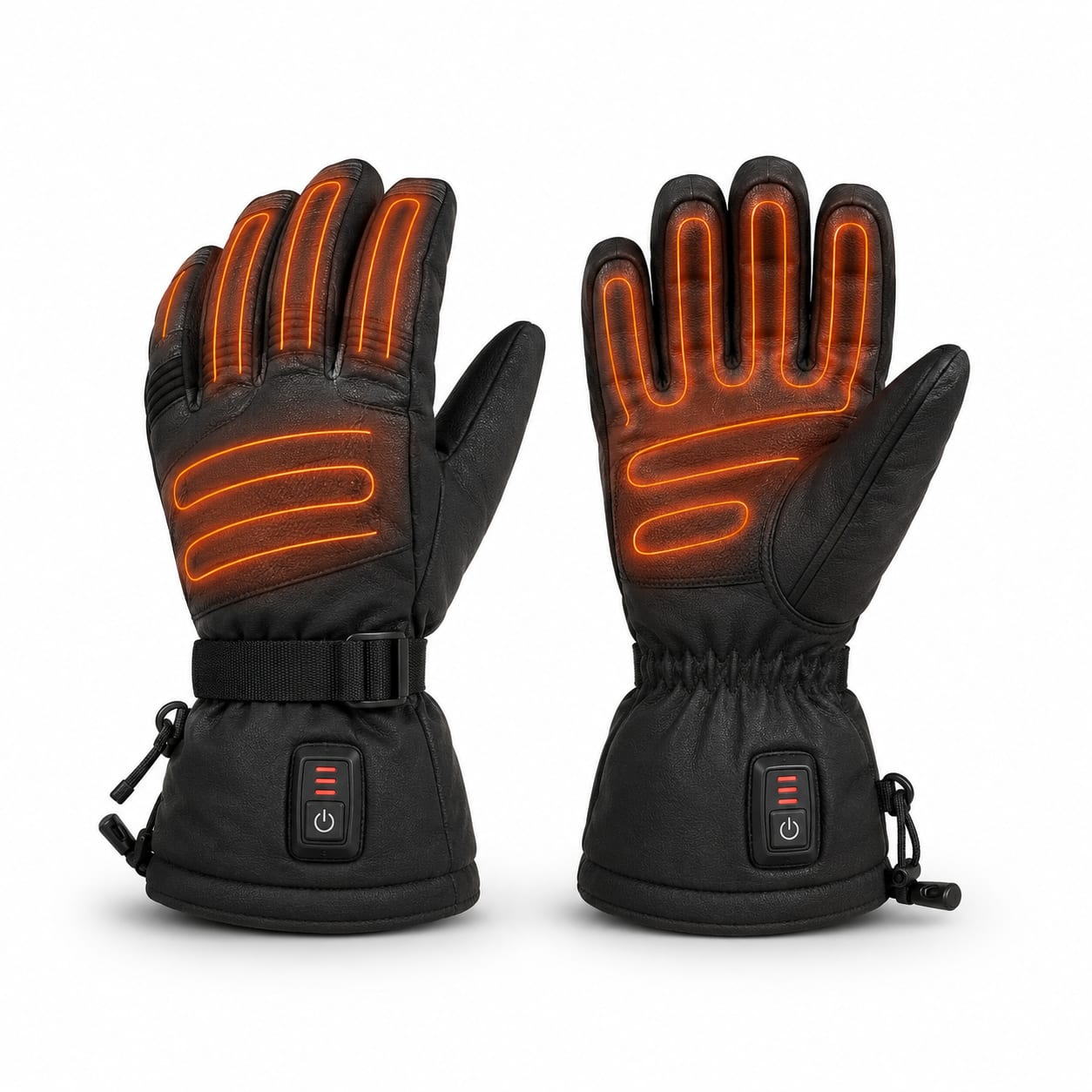
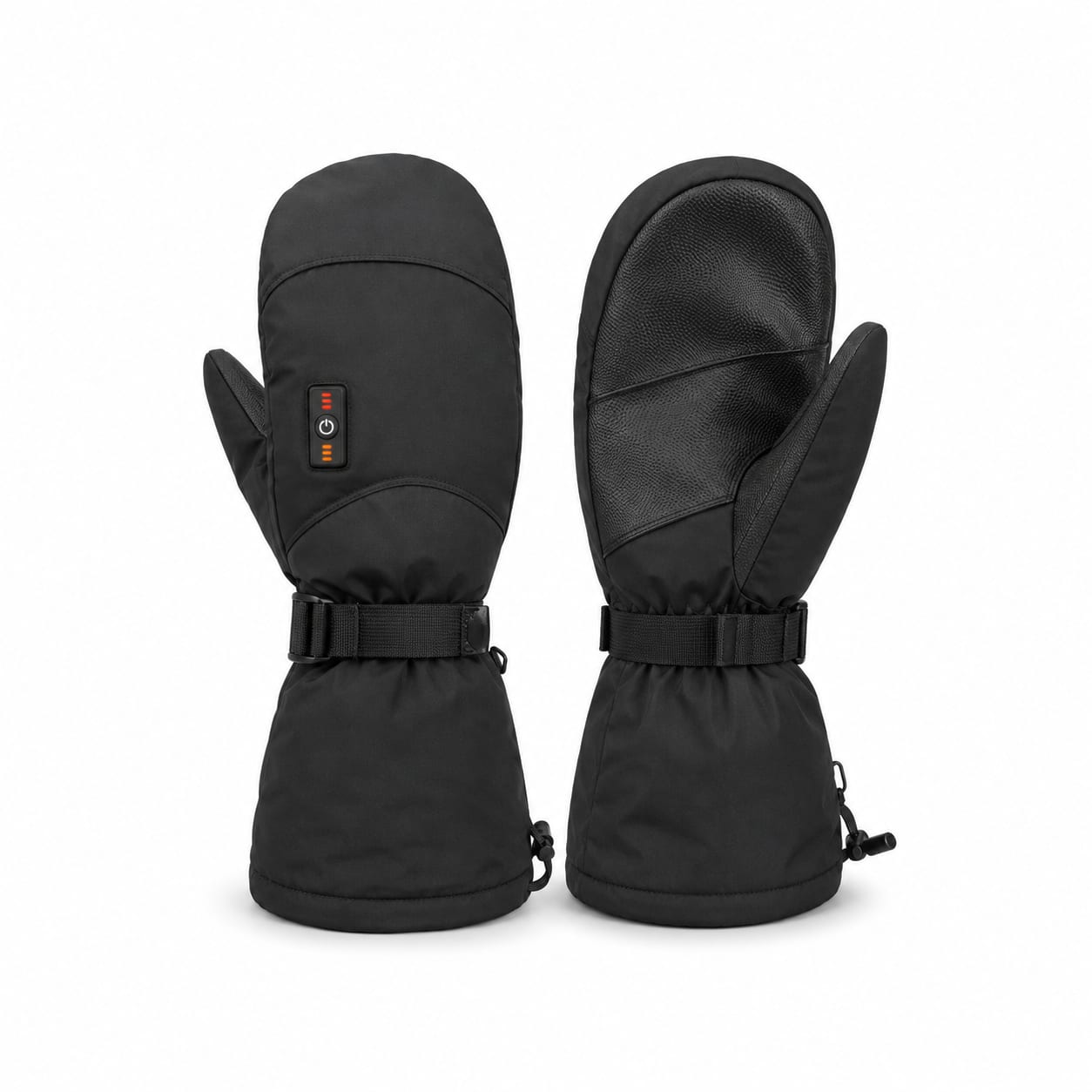
Most ski mittens are non-heated and rely on passive insulation. However, heated mittens are more popular than heated gloves because warmth-focused riders are the primary mitten market. Heated mittens combine the inherent warmth advantage of the mitten design with on-demand battery-powered heat for the ultimate cold-weather solution.

Compared to other types

Heated mittens are more effective than heated gloves because the shared finger compartment distributes heat more efficiently. A heated mitten at medium setting often outperforms a heated glove at high setting.

Why it matters: Heated mittens are the nuclear option for cold hands. They are significantly more effective than heated gloves because the mitten design already retains heat better, and the heating elements warm the entire finger compartment rather than individual fingers.

Touchscreen

Touchscreen Compatible

What it means

Whether the glove includes conductive material on fingertips allowing smartphone and touchscreen use without removing gloves.

Typical for this type

Not A Priority For Most Mitten Wearers; Some Models Include Thumb Conductivity

Most common pick: False

In practice

Most ski mittens are not touchscreen compatible because the finger design makes precise screen interaction difficult even with conductive material. Some models include conductive material on the thumb, which allows basic screen taps but not typing or precise gestures.

Compared to other types

Touchscreen compatibility is less common and less useful in mittens compared to gloves. Gloves with individual finger conductivity allow typing and precise gestures; mittens with thumb-only conductivity allow basic taps at best.

Why it matters: Touchscreen compatibility is less relevant for mittens because the design inherently limits fine finger control. Mitten wearers typically remove their mittens for phone use, making wrist leashes essential.

Nose Wipe

Nose Wipe Panel

What it means

A soft fabric panel on the thumb or back of hand designed for wiping the nose and face without irritating skin.

Typical for this type

Recommended For Cold-Weather Skiing

Most common pick: True

In practice

Most quality ski mittens include a soft fleece or chamois nose wipe panel on the thumb. This feature is especially valued in mittens because the cold conditions that warrant mittens also produce runny noses, and the mitten's larger thumb surface provides a more effective wipe area than gloves.

Compared to other types

Nose wipe panels are equally common in mittens and gloves, but the larger thumb surface on mittens makes them more effective. The feature is arguably more important for mitten wearers who ski in colder conditions.

Why it matters: In the extreme cold where mittens are worn, runny noses are nearly universal. A soft nose wipe panel prevents raw, irritated skin from wiping against abrasive shell fabrics — a small feature with outsized comfort impact.

Wrist Leash

Wrist Leash

What it means

A loop or cord attached to the glove that goes around the wrist, preventing gloves from falling off or being lost when removed.

Typical for this type

Strongly Recommended — Essentially Mandatory For Resort Skiing

Most common pick: True

In practice

Wrist leashes are highly recommended and commonly included on ski mittens. Because mittens are removed more frequently than gloves for tasks requiring dexterity, the risk of dropping them on chairlifts or in powder is higher. A dropped mitten in deep snow can be nearly impossible to find.

Compared to other types

Wrist leashes are more critical for mittens than gloves because mittens are removed more often and are typically more expensive. The inconvenience of dangling leashes is outweighed by the catastrophic cost of losing a mitten on the mountain.

Why it matters: Wrist leashes are arguably more important for mittens than any other handwear type. Mittens are removed frequently for goggle adjustments, phone use, boot buckles, and other tasks. Without leashes, each removal carries significant risk of loss — and losing a mitten in cold weather is a day-ending event.

Reinforcements

Reinforcement Areas

What it means

Additional material layers in high-wear areas to improve durability where gloves typically wear out first.

Typical for this type

Palm And Thumb Crotch Reinforcement For Durability; Add Fingertip Reinforcement For Heavy Use

Most common pick: Palm, Thumb Crotch

In practice

Quality ski mittens commonly feature palm reinforcement for pole grip durability and thumb crotch reinforcement at this high-stress seam. These reinforcements significantly extend mitten life, which matters because mittens are typically a premium investment.

Compared to other types

Mittens benefit from the same reinforcement areas as gloves, but thumb crotch reinforcement is especially important because the larger mitten design puts more stress on this seam during pole grip and hand movement.

Why it matters: Reinforcements protect the areas where mittens wear out fastest. Palm reinforcement combats pole grip abrasion, while thumb crotch reinforcement prevents the most common seam failure. Given that quality mittens are a significant investment, reinforcements that extend lifespan provide strong value.

Size

Size / Fit

What it means

The sizing and overall fit profile of the handwear, critical for warmth, dexterity, and comfort. Proper fit ensures insulation works effectively.

Typical for this type

Measure Hand Circumference; Size For A Small Air Gap At Fingertips For Optimal Insulation

Most common pick: True to Size With Slight Room At Fingertips Preferred

In practice

Proper mitten fit is critical — too tight restricts circulation and causes cold hands despite the mitten's warmth advantage; too loose reduces dexterity further and allows cold air pockets. There should be a small gap at the fingertips for insulation to work effectively. Always try on with any liner you plan to wear.

Compared to other types

Mittens are more forgiving of slight sizing variations than gloves because individual finger fit is not a concern. However, overall volume and thumb length are critical. A mitten that is too short in the thumb severely limits grip and comfort.

Why it matters: Fit is arguably more important in mittens than gloves because the mitten design already limits dexterity. A poorly fitting mitten compounds the dexterity disadvantage while also compromising warmth — the very reason you chose mittens in the first place.

Gender

Gender Target

What it means

The intended gender fit of the handwear, affecting palm width, finger length, and overall proportions.

Typical for this type

Choose Gender-Specific Fit For Best Proportions; Unisex Is Acceptable For Most

Most common pick: Available In Mens, Womens, Unisex, And Youth

In practice

Ski mittens are available across all gender targets. Women's-specific mittens account for narrower palms and different finger-to-palm proportions. Unisex mittens are common and often based on men's proportions with extended sizing down. Youth mittens prioritize ease of use with simple closures and durable construction.

Compared to other types

Gender-specific fit matters less in mittens than gloves because individual finger fit is not a factor. However, palm width and thumb length still affect comfort and grip, so gender-specific models offer a meaningful advantage.

Why it matters: Proper proportions ensure the mitten works as designed. A women's mitten with correct palm width and thumb length provides better grip and warmth than a men's small that is too wide in the palm and too long in the fingers.

Evaluation

Strengths and trade-offs

Pros

What this type does best

Maximum Warmth

Critical

Fingers share body heat in a single compartment, making mittens 15–25°F warmer than equivalent gloves. This is the single most important advantage and the reason mittens exist.

Cold-Weather Salvation

Critical

For riders with poor circulation, Raynaud's syndrome, or chronically cold hands, mittens can transform the skiing experience from miserable to comfortable. Many cold-sensitive riders report that switching to mittens saved their ski seasons.

Comfortable on Long Lift Rides

High

The warmth advantage is most noticeable during sedentary moments like chairlift rides, where blood flow to extremities decreases and gloves allow fingers to cool rapidly while mittens maintain warmth.

Efficient Insulation Use

High

Mittens achieve more warmth per gram of insulation than gloves because the shared finger space retains heat more effectively. This means less bulk for equivalent or greater warmth.

Easy On and Off

Medium

The single-compartment design and typically gauntlet cuff make mittens easier to pull on and off than gloves, which is helpful since they need to be removed more often for dexterity tasks.

Larger Nose Wipe Area

Medium

The bigger thumb surface on mittens provides a more effective nose wipe panel than gloves, which is especially appreciated in the cold conditions where mittens are worn.

Heated Mittens Are More Effective

Medium

When combined with heating elements, mittens distribute warmth more efficiently than heated gloves because the shared compartment allows heat to circulate around all fingers simultaneously.

Cons

Trade-offs to be aware of

Significantly Reduced Dexterity

Significant

The single-compartment design makes fine motor tasks — adjusting goggles, operating phones, zipping jackets, manipulating boot buckles — much more difficult than with gloves. This is the primary trade-off for warmth.

Reduced Pole Grip Precision

Moderate

Without individual finger wrapping, pole control relies on the thumb crotch and palm squeeze rather than a secure finger grip. This is noticeable in technical terrain, quick pole plants, and racing situations.

Frequent Removal Required

Moderate

Because mittens limit dexterity, they must be removed more often for tasks that gloves could handle. This exposes hands to cold and creates risk of loss, making wrist leashes essential.

Slower Drying Time

Moderate

The larger interior volume and heavier insulation mean mittens take significantly longer to dry overnight than gloves. This is a real concern on multi-day trips, making removable liners important.

Overheating in Mild Conditions

Minor

Mittens that are essential at 0°F can cause sweaty, uncomfortable hands at 30°F. The warmth that makes mittens great in extreme cold becomes a liability in variable conditions unless you have a layering system.

Bulky Feel

Minor

Even well-designed mittens feel bulkier than gloves, which some riders find fatiguing or annoying over a full day. The bulk is most noticeable during pole-intensive skiing and when handling gear.

Best for

Terrain

All resort terrain in cold conditionsBackcountry in extreme coldHigh-altitude skiingInterior continental climates

Snow conditions

Below 15°F / -10°CWind chill below 0°FDeep cold powder daysLong chairlift ridesHigh-altitude environments above 8,000 feet

Skill level

Beginner through expert — skill level is less relevant than temperature tolerance

Riding style

Resort cruisingPowder skiingFreeride in cold climatesCasual and social skiing

Rider profile

Riders with chronically cold handsRiders with Raynaud's syndrome or poor circulationSki instructors and guides in cold climatesOlder riders with decreased circulationAnyone who has ever cut a ski day short due to cold handsParents helping kids who need to remove handwear frequently

Not ideal for

Reasons

Dexterity limitations make boot buckle adjustments and gear handling frustratingReduced pole grip precision is a disadvantage in technical terrainOverheating in temperatures above 25°F leads to sweaty hands that freeze when activity decreasesFrequent removal for phone use, photos, or gear adjustment exposes hands to cold

Terrain

Spring corn snow in warm conditionsTerrain parks where pole grip precision matters

Skill level

No skill level exclusion — the decision is condition-driven, not skill-driven

Riding style

Gate racingPark and pipeMogul competitionAny pole-intensive technical skiing in moderate temperatures

Compare

How it stacks up

This page

Ski Mittens

Dramatically warmer — mittens can be 15–25°F warmer than gloves with equivalent insulation. Fingers share heat rather than isolating individually. Better for extreme cold and cold-sensitive riders.

Alternative

Insulated Ski Gloves

Gloves provide far superior dexterity for pole grip, goggle adjustment, boot buckles, phone use, and all fine motor tasks. They are the better choice for moderate temperatures and riders who need hand precision.

Bottom line

Choose mittens if warmth is your primary concern or your hands run cold. Choose gloves if you ski in moderate temperatures, need precise pole control, or prioritize dexterity. Many riders own both and choose based on daily conditions.

This page

Ski Mittens

Mittens are warmer than 3-finger designs because all four fingers share a single compartment rather than splitting into two groups. The warmth difference is noticeable in extreme cold.

Alternative

3-Finger / Lobster Gloves

3-finger designs provide significantly better pole grip and dexterity than mittens by separating the index finger. This allows more secure pole grip, easier goggle adjustment, and better boot buckle handling while retaining most of the warmth advantage over gloves.

Bottom line

Choose mittens for maximum warmth in extreme cold where pole grip is secondary. Choose 3-finger if you need near-mitten warmth with functional pole grip and dexterity for gear adjustments. 3-finger is the best compromise for cold-weather all-mountain skiing.

This page

Ski Mittens

Standard mittens are slightly warmer than trigger mittens because the index finger compartment in trigger designs adds surface area for heat loss. The warmth difference is modest but real in extreme cold.

Alternative

Trigger Mittens

Trigger mittens provide a dedicated index finger for pole grip, offering significantly better pole control than standard mittens while retaining most of the warmth advantage. The index finger also helps with goggle adjustments and basic tasks.

Bottom line

Choose standard mittens for maximum warmth in the coldest conditions where you are willing to sacrifice pole grip. Choose trigger mittens if you pole ski in cold weather and need functional grip — the warmth penalty is small and the grip advantage is significant.

Shopping

Buying tips

  • 1

    Size up slightly if between sizes — a small air gap at the fingertips improves insulation effectiveness, and tight mittens restrict circulation and cause cold hands.

  • 2

    Prioritize removable liners if you ski multi-day trips — mittens dry slowly, and removable liners can be dried separately overnight, ensuring warm, dry hands each morning.

  • 3

    Choose gauntlet cuffs with drawcord closures for the best snow seal — the few extra seconds to cinch the gauntlet over your jacket sleeve are worth the warmth and weather protection.

  • 4

    Leather palms significantly improve pole grip in mittens — if you pole ski, the grip advantage of leather partially compensates for the mitten's reduced finger control.

  • 5

    Always use wrist leashes with mittens — because you will remove them more often than gloves for dexterity tasks, the risk of loss on chairlifts or in powder is real and the consequences are severe.

  • 6

    Consider owning both mittens and gloves — many experienced riders switch between them based on daily conditions. Mittens for cold days, gloves for warm days, and 3-finger for the in-between.

  • 7

    Treat leather mittens with waterproofing wax or nikwax before the season and periodically during — untreated leather absorbs water, gets heavy, and loses insulation effectiveness.

  • 8

    If your hands run cold, try mittens before investing in heated gloves — the warmth advantage of switching from gloves to mittens often eliminates the need for battery-powered heat.

  • 9

    Check the thumb fit carefully — a thumb that is too short restricts grip and causes discomfort, while a thumb that is too long reduces control. Thumb length varies significantly between brands.

Care

Maintenance notes

  • Dry mittens thoroughly after each use — remove removable liners and dry separately. Stuff fixed-liner mittens with newspaper to absorb moisture and speed drying. Never place mittens directly on heaters or radiators, which can damage insulation and membranes.
  • Treat leather palms and shells with waterproofing wax or treatment at the start of each season and reapply when water stops beading on the surface. This maintains water resistance and extends leather life significantly.
  • Wash synthetic mittens according to manufacturer instructions — typically gentle cycle with technical wash, no fabric softener, and air dry. Washing restores DWR coating effectiveness and removes body oils that compromise waterproofing.
  • Inspect seams and reinforcement areas regularly — the thumb crotch is the most common failure point. Catching seam separation early allows for repair before it becomes a blowout.
  • Store mittens open and uncompressed during the off-season — compressed insulation loses loft and warmth over time. Store in a cool, dry place away from direct sunlight.
  • For heated mittens, follow battery storage guidelines — typically store batteries at 50% charge in a cool, dry place. Do not leave batteries in mittens during off-season storage.
  • Replace mittens when palm material wears through, insulation loses loft, or the waterproof membrane fails — these are not repairable failures and indicate the mitten has reached end of life.

Progression

Skill development path

Ski mittens are not tied to skill progression — they are a condition-driven choice. Beginners in cold climates may benefit most from mittens because they spend more time standing still and are less efficient at generating body heat through active skiing. As skills advance, riders may switch to gloves for improved pole technique, but many expert skiers in cold climates continue using mittens throughout their careers. The progression is more about understanding your own cold tolerance and typical skiing conditions than about skill level. Riders who progress to backcountry touring may shift toward 3-finger designs that balance warmth with dexterity for skin adjustments and equipment handling, while resort skiers in cold climates often remain loyal mitten users indefinitely.

FAQ

Common questions

Each question has a dedicated page with a full answer and links to the buying guide.

Can you hold ski poles properly with mittens?

Yes, with some adaptation. Mittens grip poles using the thumb crotch and palm squeeze rather than individual finger wrapping. Most riders adapt within a few runs. Leather palms significantly improve grip security. If precise pole control is critical for your skiing, consider 3-finger or trigger mitten designs that separate the index finger for pole grip while retaining most of the mitten's warmth advantage.

Are mittens too warm for typical resort skiing?

It depends on your location, the temperature, and your personal cold tolerance. In interior continental climates (Colorado, Utah, interior BC, northern New England), mittens are appropriate for most winter days. In coastal or mild climates, mittens may be overkill except for the coldest days. Many riders carry both mittens and gloves and choose based on daily conditions. Midweight insulated mittens cover a wider temperature range than heavyweight models.

How do I handle phone use and goggle adjustments with mittens?

Mittens require removal for most fine motor tasks. This is where wrist leashes become essential — they let you slip the mitten off temporarily without risking loss. For phone use, some mittens include conductive thumb material for basic screen taps, but typing and precise gestures require removal. Practice quick goggle adjustments with mittens on; many riders develop a technique using the thumb and palm edge. On cold days, minimize removal time and get tasks done quickly.

Should I get heated mittens or regular insulated mittens?

Try regular insulated mittens first if you are switching from gloves — the warmth improvement is often dramatic enough that heated mittens are unnecessary. Heated mittens are worth the investment if you have chronically cold hands, Raynaud's syndrome, poor circulation, or ski in extreme cold regularly. They are also excellent for ski professionals who spend long days in cold conditions. The combination of mitten design with active heating is the most effective cold-weather handwear solution available.