
Quality compression shorts with CE-certified pads can meaningfully reduce hip fracture risk, not just bruising. CE Level 2 protectors transmit less than 9 kN of force, and hip fractures typically require 3-10 kN depending on bone density. This means CE Level 2 protectors can reduce force below fracture threshold for many falls. CE Level 1 protectors (under 18 kN) reduce injury severity and may prevent fractures in lower-impact falls. Non-certified pads provide only bruise reduction. For skiers with osteoporosis, CE Level 2 is strongly recommended.
Ski Hip Protectors · Compression Shorts with Hip Pads
Do compression hip shorts actually prevent hip fractures, or just reduce bruising?
Related gear types
If this answer nudged you toward a different style, these guides compare specs and trade-offs.
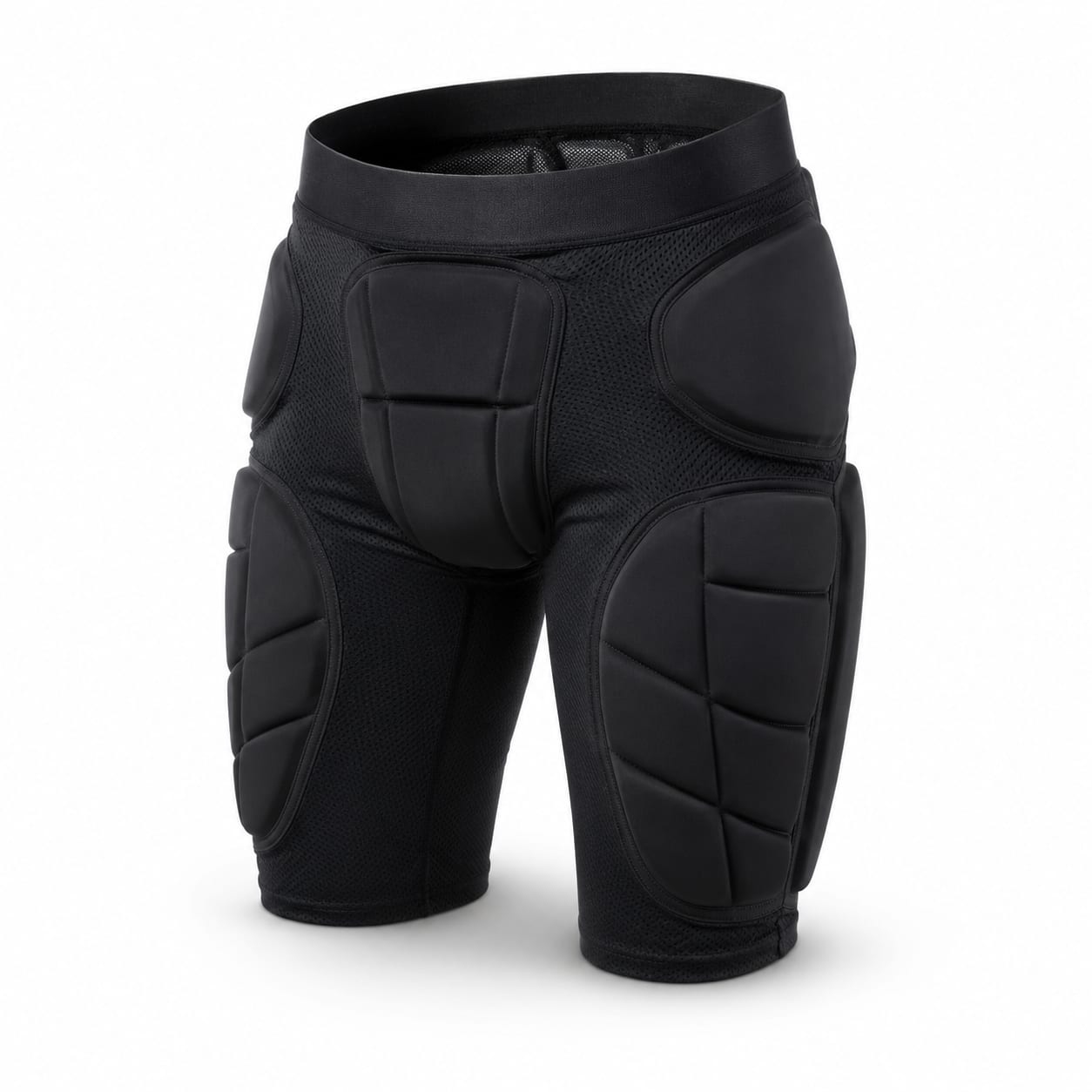
Impact Shorts / Crash Pants
$40 – $180
Full-length padded shorts providing multi-zone protection for hips, tailbone, and thighs.
Multi-zone paddingIntegrated short designRemovable or fixed pads
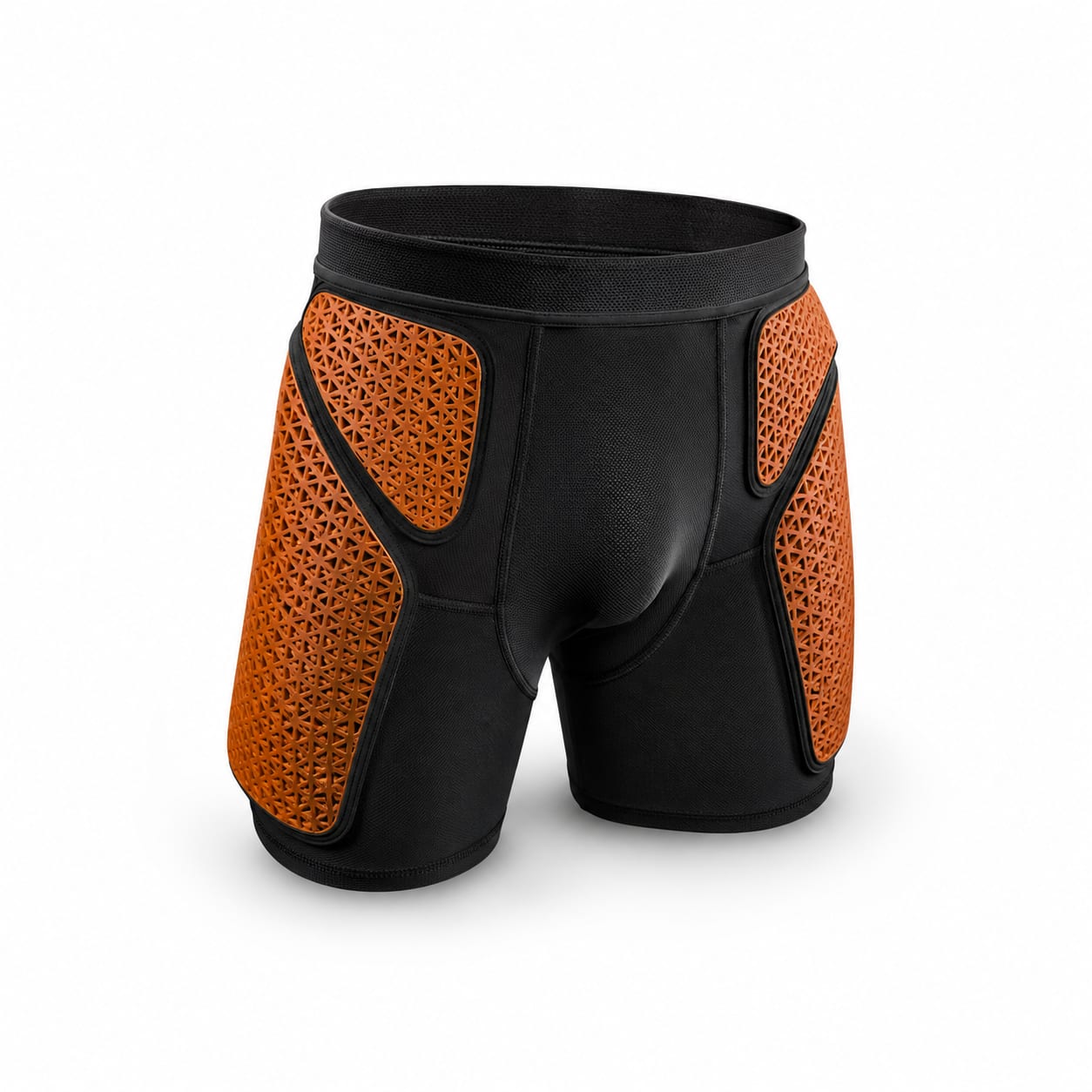
D3O / Smart Material Hip Protectors
$60 – $220
Hip protectors using reactive smart materials that remain flexible and harden instantly on impact.
Non-Newtonian reactive materialFlexible during wearInstant stiffening on impact
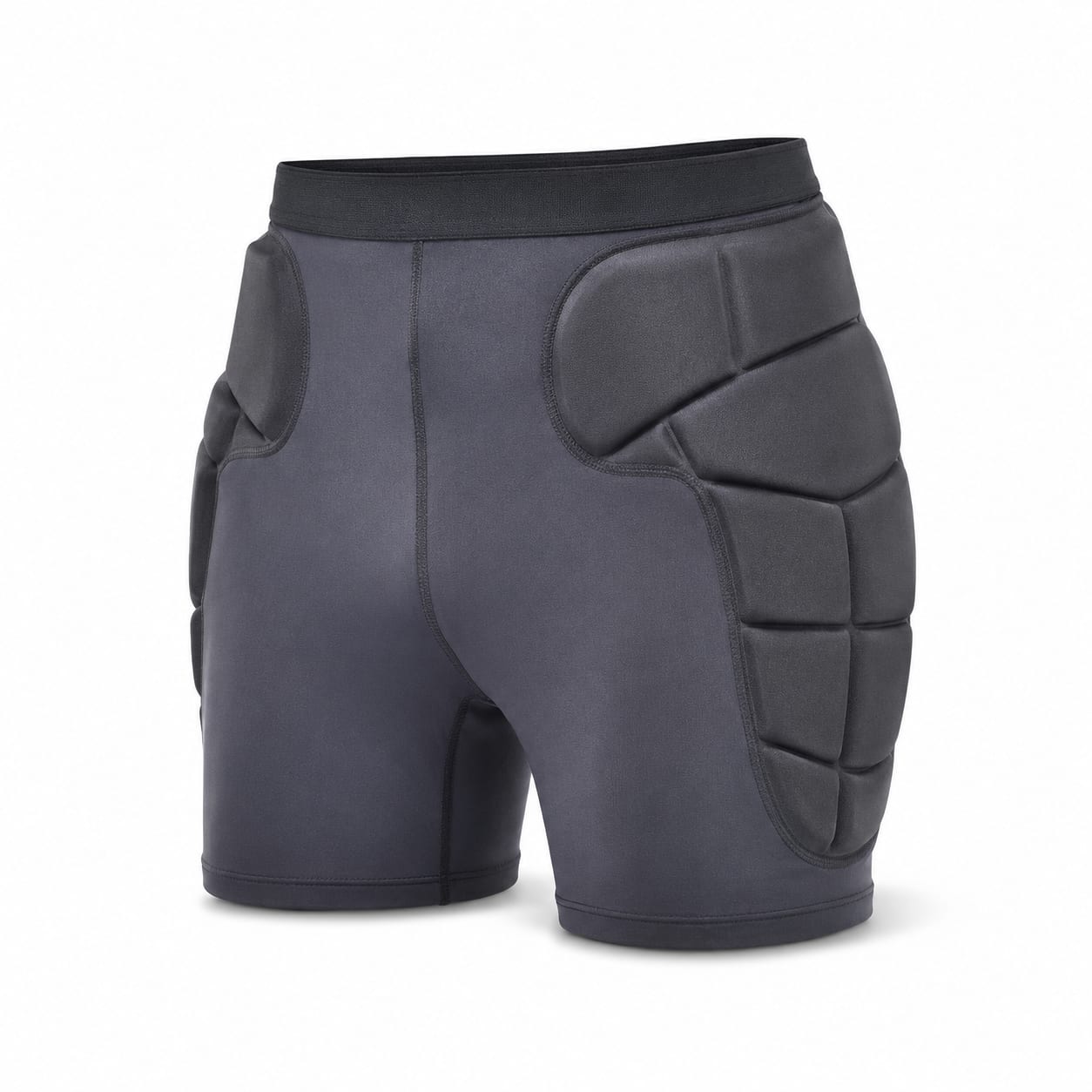
Soft Foam Hip Protectors
$25 – $90
Traditional flexible foam-padded hip protectors prioritizing comfort and everyday wearability.
EVA or PU foam paddingFlexible and comfortableLow profile
More questions
- Can I wear compression hip shorts under my regular ski pants, or do I need special pants?
- How do I know if the pads are positioned correctly on my hips?
- Are D3O and SAS-TEC pads really better than regular foam, or is it just marketing?
- How should I handle bathroom breaks while wearing compression hip shorts?