
The pads should cover the greater trochanter—the bony prominence you can feel on the upper outside of each thigh, roughly at the level of your hip joint crease. When wearing the shorts, press on the pad and you should feel the bony point underneath it. If the pad sits above or inside this point, the sizing or gender fit is wrong. Test pad position in a skiing stance (knees bent, slightly forward lean) since your body position changes when skiing. If pads shift off the greater trochanter when you move, the shorts don't fit correctly.
Ski Hip Protectors · Compression Shorts with Hip Pads
How do I know if the pads are positioned correctly on my hips?
Related gear types
If this answer nudged you toward a different style, these guides compare specs and trade-offs.
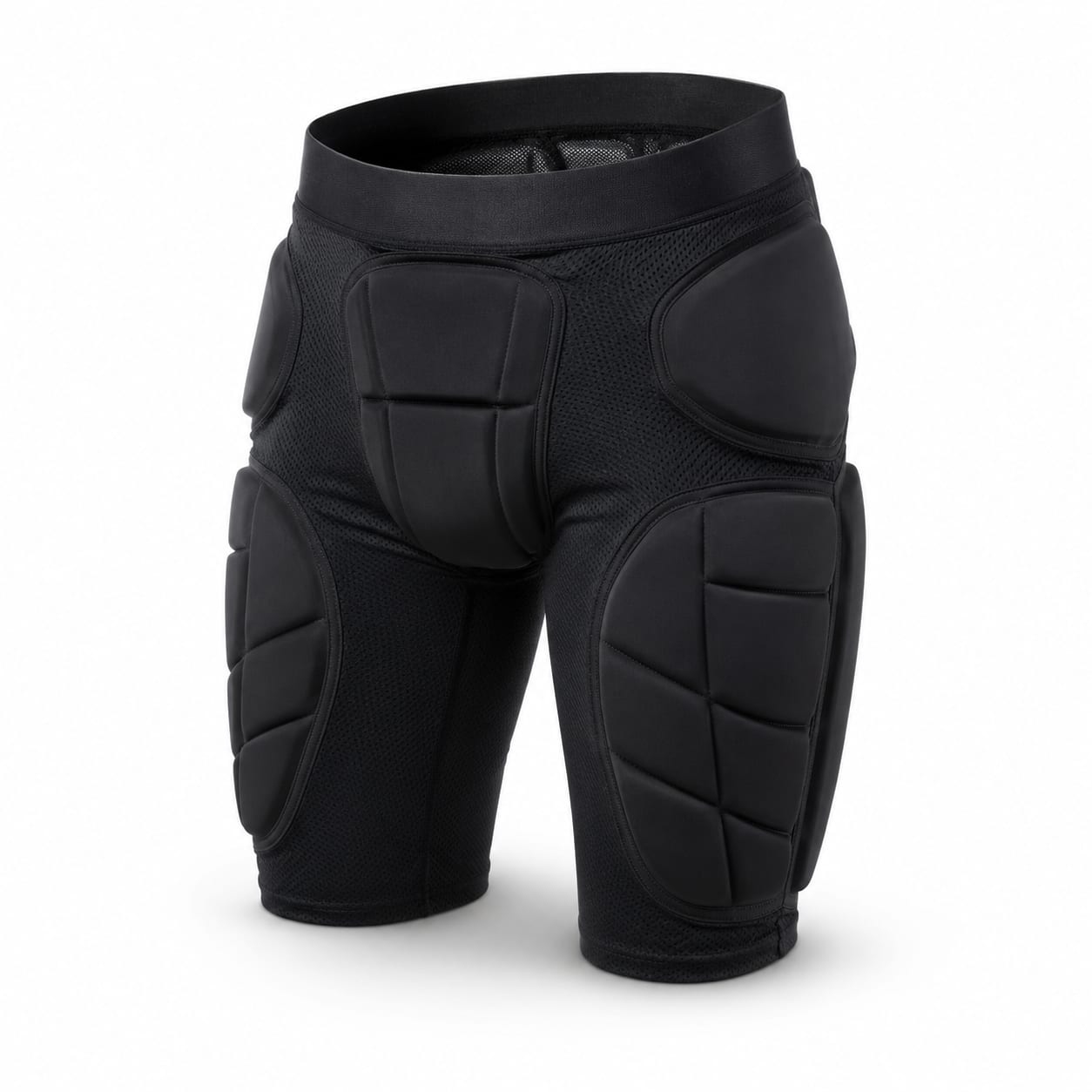
Impact Shorts / Crash Pants
$40 – $180
Full-length padded shorts providing multi-zone protection for hips, tailbone, and thighs.
Multi-zone paddingIntegrated short designRemovable or fixed pads
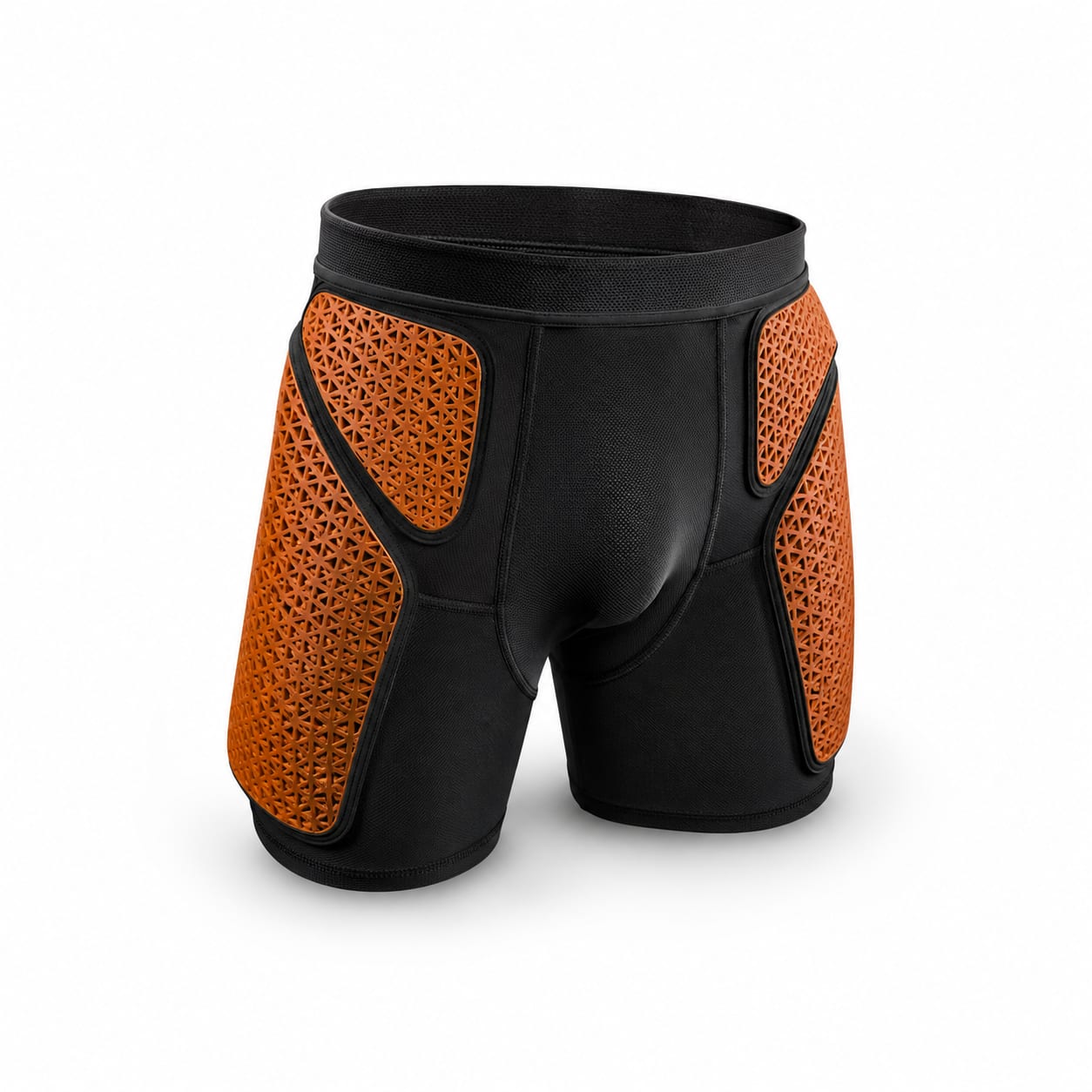
D3O / Smart Material Hip Protectors
$60 – $220
Hip protectors using reactive smart materials that remain flexible and harden instantly on impact.
Non-Newtonian reactive materialFlexible during wearInstant stiffening on impact
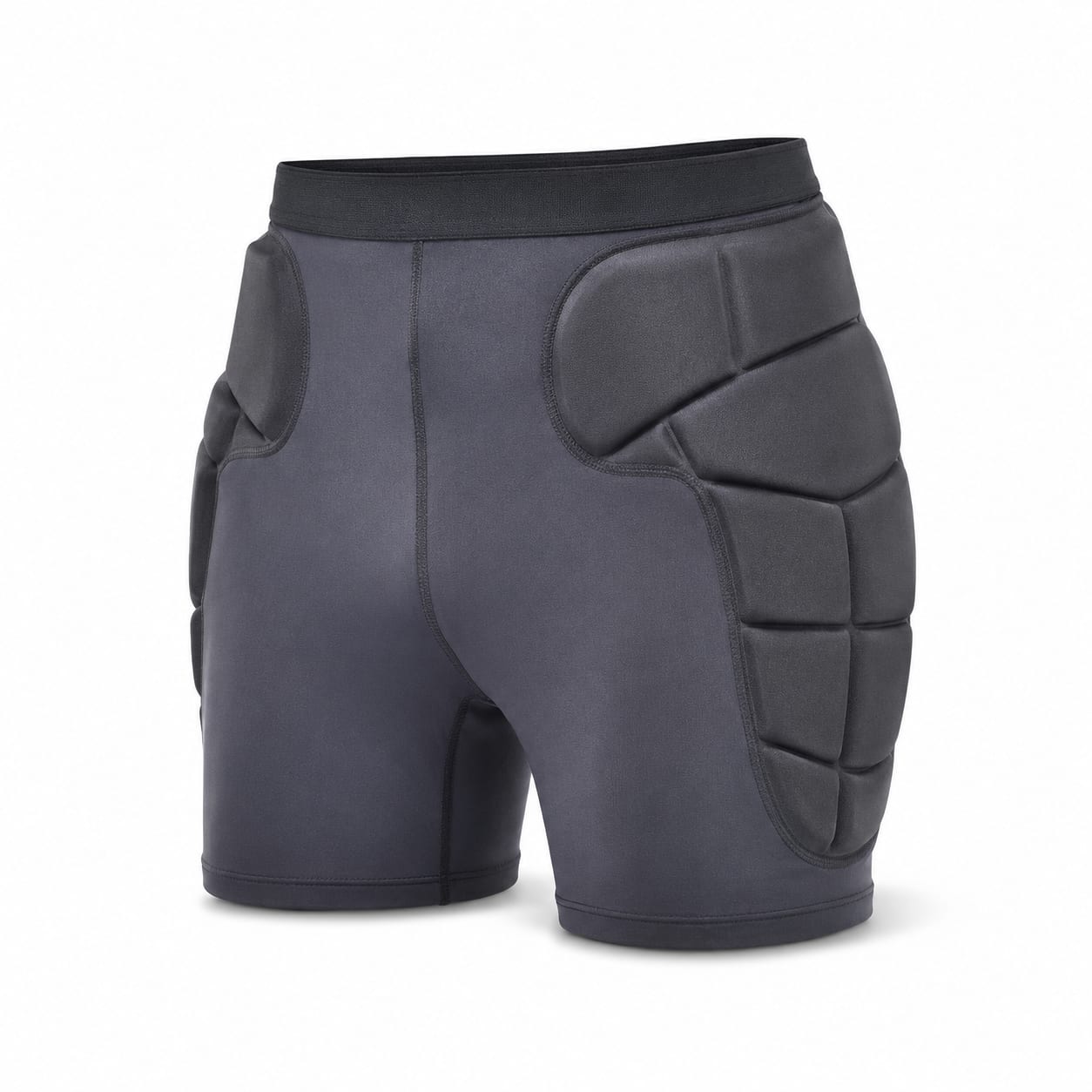
Soft Foam Hip Protectors
$25 – $90
Traditional flexible foam-padded hip protectors prioritizing comfort and everyday wearability.
EVA or PU foam paddingFlexible and comfortableLow profile
More questions
- Can I wear compression hip shorts under my regular ski pants, or do I need special pants?
- Do compression hip shorts actually prevent hip fractures, or just reduce bruising?
- Are D3O and SAS-TEC pads really better than regular foam, or is it just marketing?
- How should I handle bathroom breaks while wearing compression hip shorts?