Kitvore.com

Kitvore.com

Specs that matter. Gear that fits.

Ski Hip Protectors · Subcategory

Youth / Junior Hip Protectors

Sized and proportioned hip protection designed specifically for children and adolescent skiers, ensuring pads stay correctly positioned on smaller, growing bodies.

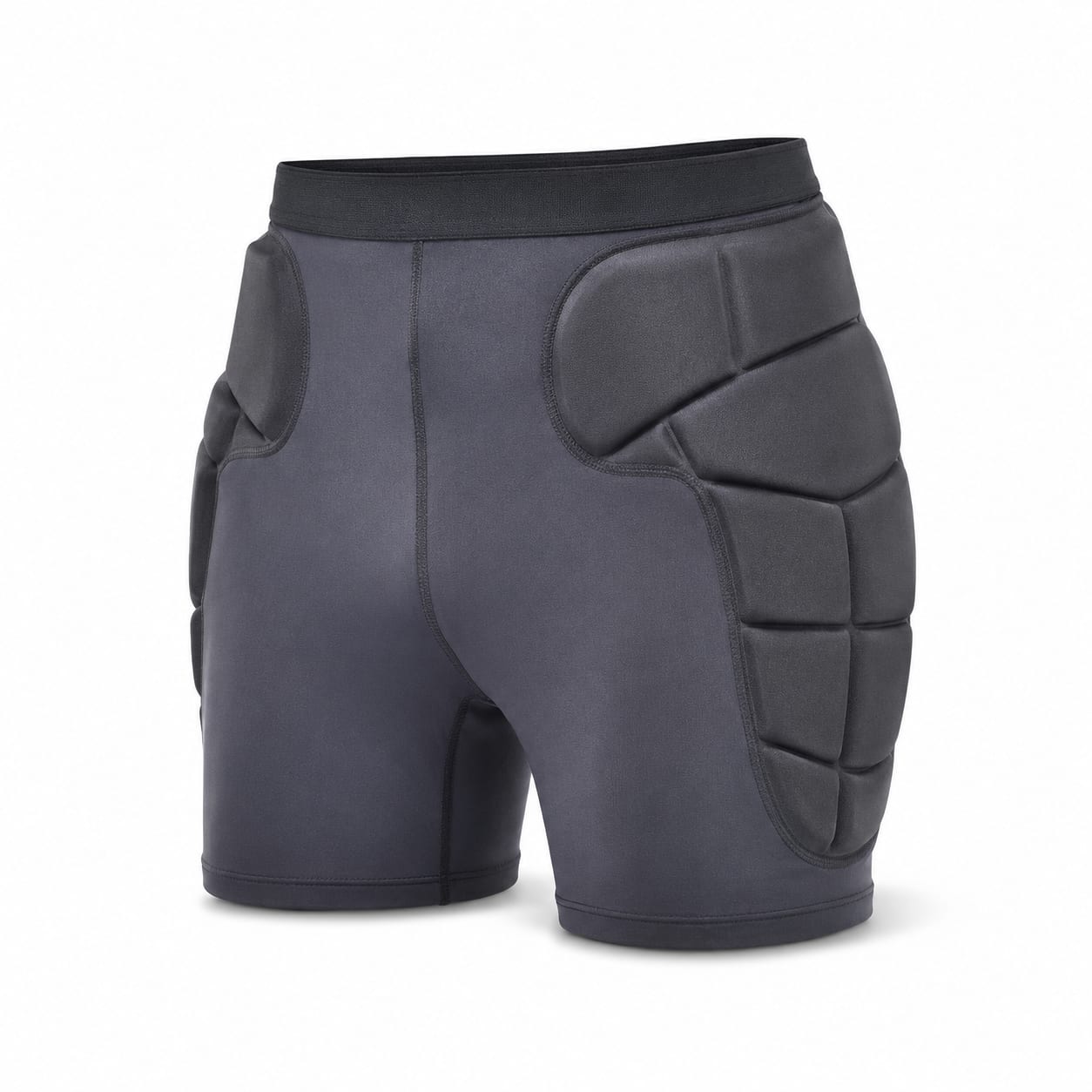
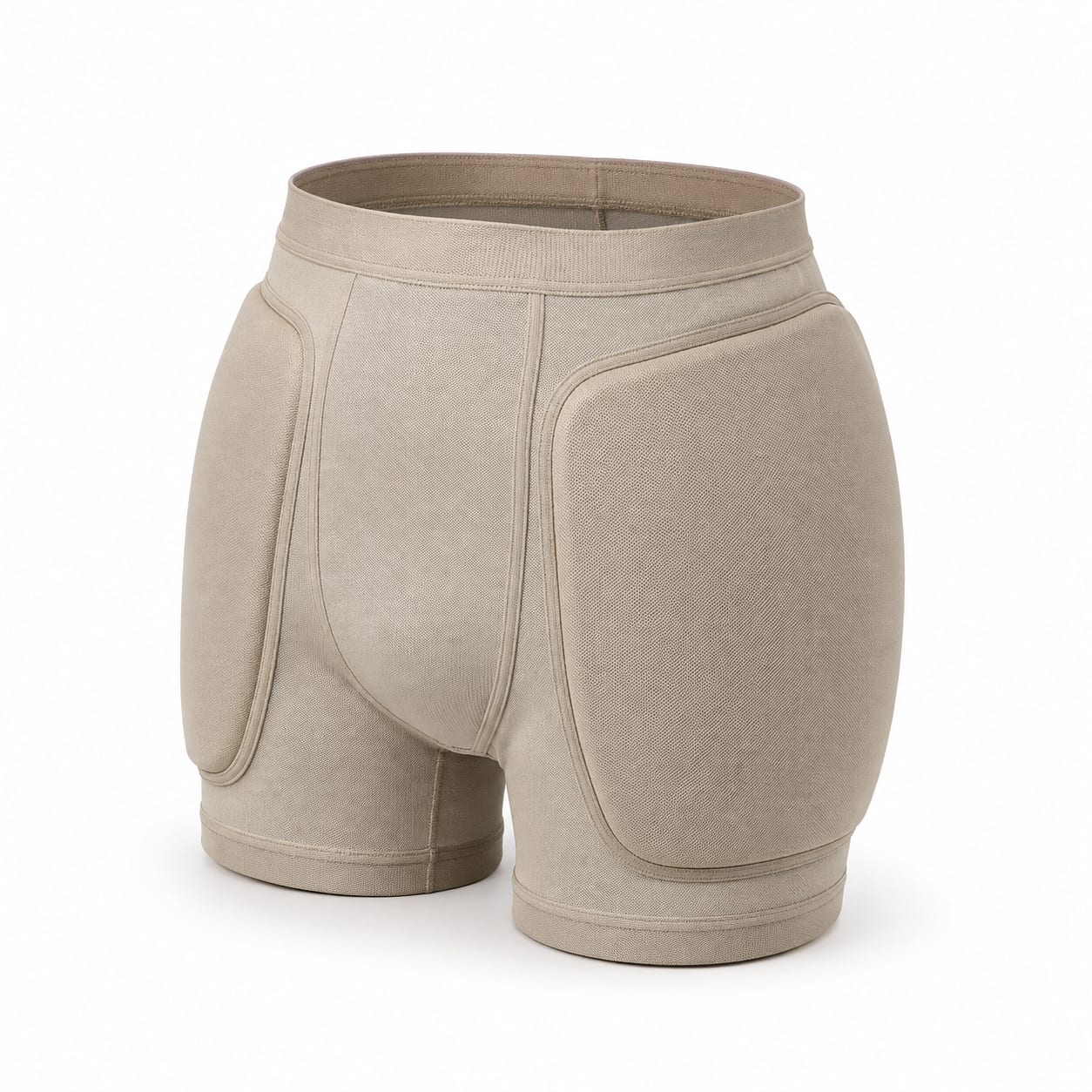
Youth hip protectors are essential safety gear for young skiers whose developing bones are more vulnerable to fracture from falls on hard snow. Unlike adult models scaled down, these protectors are anatomically designed for children's pelvic geometry, with pad placement calibrated for the greater trochanter position on smaller frames. They prioritize comfort and discretion because if a child refuses to wear bulky gear, the protection is worthless. Parents gain peace of mind while kids gain confidence to push their skills without fear of painful hip impacts.

$25 – $90budget tierbeginnerintermediate

Best known for

Anatomically correct pad placement for children's hip geometryLightweight, low-profile designs that kids actually want to wearGrowth-accommodating fit systems for multi-season useMaking ski safety approachable and non-intimidating for young riders
Youth / Junior Hip Protectors

Guide

Detailed overview

Youth and junior hip protectors are impact-absorbing garments specifically engineered for skiers approximately ages 5–16, whose pelvic structure, body proportions, and psychological needs differ significantly from adults. Children's greater trochanters—the primary fracture site these protectors shield—are positioned differently relative to the waist and leg than in adults, meaning a simple size reduction of an adult model will not place pads correctly. Youth-specific designs account for this with narrower pad spacing, shorter rise, and leg openings proportioned for smaller limbs. Beyond anatomy, youth protectors address the practical reality that children are reluctant to wear gear that feels restrictive, looks awkward, or makes them stand out negatively among peers. Manufacturers achieve compliance through thinner smart foams that remain flexible, pull-on compression short designs that feel like normal athletic underwear, and low-profile construction that stays invisible under ski pants. The result is protection that children will actually wear consistently throughout the ski day.

Hip injuries are among the most common and consequential ski injuries for children. Young skiers fall frequently as they learn, and their developing bones—while more flexible than adult bones in some ways—are also less dense and more susceptible to greenstick fractures and growth plate injuries from direct impacts on packed snow or ice. A single hard fall onto the hip can sideline a child for an entire season, making preventive protection a worthwhile investment for any family that skis regularly. Youth hip protectors serve as both a medical safeguard and a psychological tool: children who know they have padding are often willing to attempt more challenging terrain and technique, accelerating their progression.

The critical design challenge for youth hip protectors is achieving correct pad placement on bodies that are not just smaller but proportionally different from adults. Children have relatively wider waists compared to hip width, shorter torsos, and the greater trochanter sits at a different angle. A protector that simply scales down an adult pattern will position pads too far apart, too low, or too high—rendering the protection ineffective at the moment it matters most. Quality youth models are designed from scratch using child-specific anatomical data, ensuring the pad centers over the bony prominence of the hip joint regardless of the child's size within the rated range.

Growth presents a unique challenge unique to this subcategory. Children can grow a full size within a single ski season, and parents naturally want gear that lasts more than one year. Some youth protectors address this with adjustable waistbands, stretch panels that accommodate growth, or size ranges that span two traditional sizes. However, parents must resist the temptation to buy significantly oversized protectors to get extra seasons of use—pads that are too loose will shift off the hip joint during a fall, providing no protection when needed. The safest approach is to buy the correct current size and accept that replacement may be needed as the child grows, viewing it as a cost of participation much like ski boots or outerwear.

Material selection for youth protectors increasingly favors smart foams like D3O and Poron XRD over traditional EVA foam. These materials remain soft and flexible during normal movement—critical for children who are sensitive to anything that feels restrictive—yet harden instantly upon impact to absorb energy. This dual behavior means youth protectors can be thin enough to disappear under ski pants while still delivering certified protection levels. The premium price of smart foam is justified for children because the comfort advantage directly translates to compliance: a protector a child refuses to wear provides zero protection regardless of its impact rating.

Parents should view youth hip protectors as part of a complete safety system alongside helmets and properly fitted boots. While no protective gear eliminates all injury risk, hip protectors meaningfully reduce the severity of the most common fall-related injuries for young skiers. For families investing in ski lessons, race programs, or multi-day trips, the cost of a quality youth hip protector is minor compared to the potential medical expenses and lost ski days from an unprotected fall. The key is selecting a model the child will wear willingly every run, every day—which means prioritizing comfort, fit, and discretion alongside certified protection.

Quick facts

Primary purpose
Age-appropriate hip impact protection for young skiers learning and progressing
Popular brands
DainesePOCAlpinaKomperdellDemon United
Typical terrain
Ski school areasGroomed runsTerrain park

What makes it different

Sized and designed specifically for growing bodies; prioritizes comfort to ensure compliance

Recommended ranges

How this type usually specs out

Each spec is explained in plain language, then we show what buyers usually look for on this type.

Protection Level / Certification

Protection Level / Certification

What it means

The certified level of impact protection, typically based on EN 1621-1 or similar standards, indicating how much force is transmitted through the protector.

Typical for this type

CE Level 1 Minimum; CE Level 2 For Racing Or Children With Medical Conditions

In practice

Most youth hip protectors carry CE Level 1 certification (≤18 kN force transmission), which provides adequate protection for typical recreational falls at children's speeds. CE Level 2 options exist for junior racers or children with bone density concerns but are less common in youth sizing.

Compared to other types

Youth models are more likely to be non-certified than adult models due to fewer testing requirements for children's protective gear in some markets. Parents must be more vigilant about checking for certification compared to buying adult protectors.

Why it matters: Children's bones are still developing and growth plate injuries can have long-term consequences. Certified protection ensures a verified minimum level of impact absorption rather than relying on marketing claims.

Padding Material

Padding Material

What it means

The type of impact-absorbing foam or material used in the protector, which determines flexibility, weight, and impact response behavior.

Typical for this type

D3O Or Poron XRD Preferred For Comfort And Compliance; EVA Acceptable For Budget-Conscious Buyers

Most common pick: D3O Or EVA Foam

In practice

D3O is increasingly common in premium youth protectors because its soft-when-resting, hard-on-impact behavior suits children who reject stiff or bulky gear. EVA foam remains prevalent in budget youth models and provides decent basic protection but feels stiffer and thicker for equivalent performance.

Compared to other types

Youth protectors prioritize smart foams more heavily than adult budget models because the comfort-to-compliance relationship is even more critical for children. Hard shell options are essentially nonexistent in youth-specific lines.

Why it matters: Material choice directly affects whether a child will wear the protector. D3O's flexibility means kids forget they have it on; stiff EVA foam can feel like wearing a diaper and may be rejected after one use.

Construction Type

Construction Type

What it means

The overall design and form factor of the hip protector, affecting how it is worn and what areas it covers.

Typical for this type

Impact Shorts Strongly Recommended; Pad Inserts Acceptable If Compatible Garment Fits Well

Most common pick: Impact Shorts (Full Short)

In practice

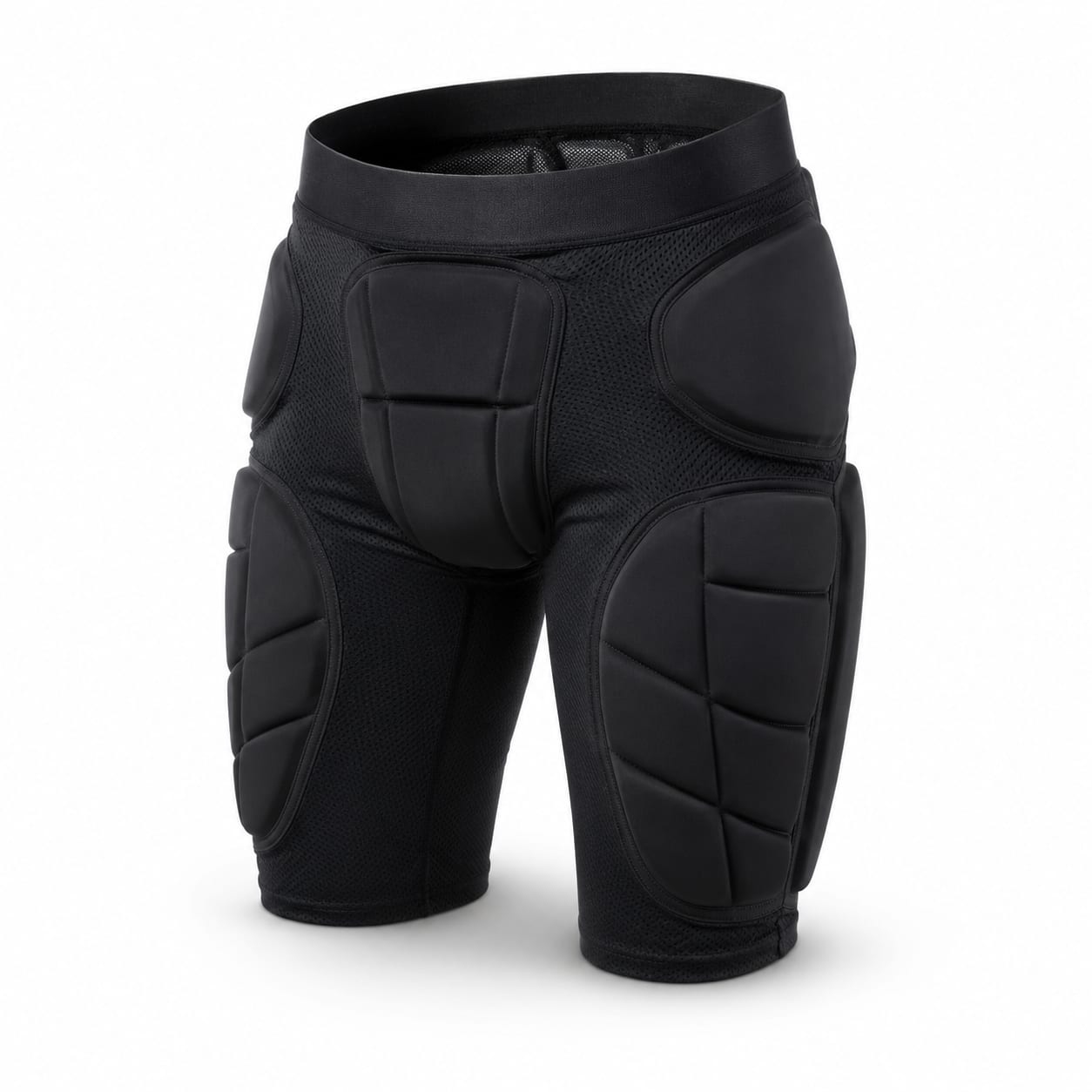
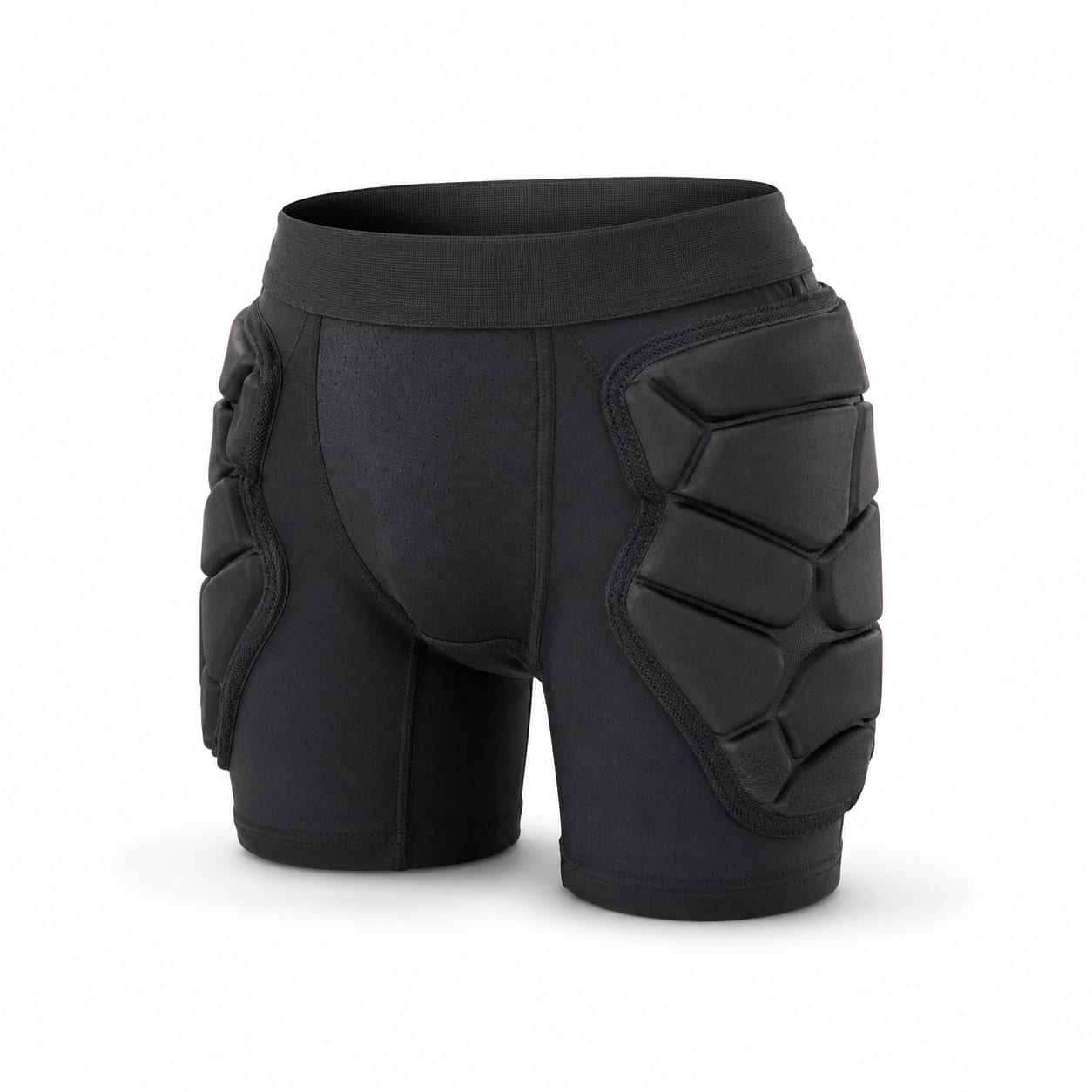
Full impact shorts are the dominant construction for youth protectors because they keep pads securely positioned during the constant movement and tumbling that characterizes children's skiing. The compression short design also provides a familiar underwear-like feel that children accept readily.

Compared to other types

Wrap/belt and strap-on styles are particularly unsuitable for youth because children lack the body awareness to notice and correct pad shifting. Impact shorts are even more strongly preferred for youth than for adults.

Why it matters: Children move more erratically and fall more frequently than adults. A construction type that keeps pads locked in place during chaotic movement is essential—shifting pads provide no protection during a fall.

Size

Size

What it means

The size of the hip protector, typically based on waist or hip circumference, which determines fit and pad positioning.

Typical for this type

Exact Current Size Based On Measured Waist And Hip; Do Not Size Up More Than One Size For Growth

Most common pick: XS–S (youth-specific sizing)

In practice

Youth hip protectors use age-based or measurement-based sizing that differs from adult XS. Typical youth sizes cover waist circumferences of 55–75 cm and hip circumferences of 70–95 cm, often labeled by age ranges (e.g., 6–8 years, 8–10 years, 10–12 years) that vary significantly by brand.

Compared to other types

Youth sizing is less standardized than adult sizing, with greater variation between brands. Age-based sizing is less reliable than measurement-based sizing because children of the same age can vary dramatically in size.

Why it matters: Incorrect sizing is the most common reason youth hip protectors fail to protect. Pads that are too large shift off the hip joint; pads that are too small don't cover the full trochanter. Children's rapid growth means sizing must be verified each season.

Padding Thickness

Padding Thickness

What it means

The thickness of the protective padding at the hip, which affects both the level of protection and the bulk under clothing.

Typical for this type

8–12 mm for smart foams; 10–15 mm for EVA foam

In practice

Youth protectors tend toward thinner padding than adult models because children's lower body weight and speed generate less impact force, and because children are more sensitive to bulk. Smart foam youth pads at 8–10 mm can provide CE Level 1 protection in a nearly invisible package.

Compared to other types

Youth models are typically 2–5 mm thinner than adult equivalents at the same protection level, leveraging children's lower impact forces and the priority on wearability.

Why it matters: Thinner pads are more likely to be worn consistently by image-conscious kids and teens. A thin smart foam pad that is worn every run protects better than a thick EVA pad left in the lodge.

Coverage Area

Coverage Area

What it means

The body areas protected by the hip protector beyond the basic hip joint.

Typical for this type

Hip Joint (Essential) + Tailbone (Strongly Recommended For Beginners); Outer Thigh Optional For Freestyle

Most common pick: Hip Joint + Tailbone

In practice

Most youth impact shorts cover the hip joints and tailbone as standard. Tailbone coverage is especially important for young beginners who frequently fall backward. Outer thigh and side hip coverage are less common in youth models to reduce bulk and improve comfort.

Compared to other types

Youth models more commonly include tailbone protection as standard compared to adult models, reflecting the higher incidence of backward falls among beginner and intermediate children.

Why it matters: Children learning to ski fall backward onto their tailbones frequently. Hip-only protection misses a common and painful injury scenario for this age group. Comprehensive coverage builds confidence during the vulnerable learning phase.

Weight

Weight

What it means

The total weight of the hip protector, affecting comfort and fatigue during a full day of skiing.

Typical for this type

150–280 g; prioritize under 250 g for smaller children

Most common pick: 150–250 g

In practice

Youth hip protectors are lighter than adult models due to smaller size and thinner padding. Most quality youth impact shorts weigh between 150 and 250 g, which is light enough that children do not notice the weight after the first few minutes of wearing.

Compared to other types

Youth protectors are 30–50% lighter than adult equivalents due to smaller surface area and thinner padding, which is appropriate given the lower impact forces in children's falls.

Why it matters: Children have less muscle mass and lower stamina than adults. A heavy protector that an adult would find acceptable can cause fatigue or discomfort for a child on a full ski day, leading to resistance to wearing it.

Breathability

Breathability

What it means

The ability of the protector to allow moisture vapor and heat to escape, preventing overheating and sweat accumulation.

Typical for this type

High Breathability Preferred; Moderate Acceptable For Cold Conditions

Most common pick: Moderate to High

In practice

Children generate significant heat during active skiing and are less able to regulate their comfort through layering adjustments. Youth protectors increasingly feature mesh panels, moisture-wicking fabrics, and ventilation channels to prevent the hot, sweaty feeling that makes kids want to remove protective gear.

Compared to other types

Youth models tend to prioritize breathability more than adult models because children are less tolerant of overheating and less likely to endure discomfort silently.

Why it matters: A child who feels too hot and sweaty in their hip protector will complain, remove it at lunch, and resist putting it back on. Breathability directly affects compliance in youth protection.

Mobility / Range of Motion

Mobility / Range of Motion

What it means

How freely the wearer can move while wearing the protector, affecting skiing technique and comfort.

Typical for this type

Unrestricted Strongly Preferred; Slightly Restricted Acceptable For Older Juniors In Racing

In practice

The best youth hip protectors feel like normal compression shorts and impose no noticeable restriction on movement. This is critical because children are developing their skiing technique and should not have their movement patterns altered by protective gear. Smart foam materials enable unrestricted mobility in most youth models.

Compared to other types

Youth models achieve unrestricted mobility more consistently than adult models because they use thinner, more flexible padding appropriate for lower impact forces.

Why it matters: Restricted movement can interfere with proper skiing technique development in children. It can also make the protector feel like a punishment rather than safety equipment, creating psychological resistance to wearing it.

Layer Compatibility

Layer Compatibility

What it means

How the hip protector is designed to be worn in relation to other layers—under or over base layers and ski pants.

Typical for this type

Base Layer Preferred For Best Pad Positioning; Mid Layer Acceptable With Proper Fit

Most common pick: Base Layer (Next-To-Skin)

In practice

Most youth hip protectors are designed to be worn directly against the skin or over thin underwear, under base layers and ski pants. This next-to-skin placement keeps pads closest to the body for the most secure positioning and least shifting during active play.

Compared to other types

Youth protectors are almost exclusively base layer designs, whereas adult models have more variety including over-pants options. Children need the security of next-to-skin pad placement.

Why it matters: Correct layering ensures pads stay in place. Children are unlikely to notice or report pad shifting, so the most stable layering configuration is essential.

Closure System

Closure System

What it means

How the hip protector secures to the body, affecting ease of use, adjustability, and stability during activity.

Typical for this type

Pull-On Strongly Preferred For Security And Simplicity

Most common pick: Pull-On (Compression Short)

In practice

Pull-on compression short construction is the standard for youth hip protectors. It eliminates the failure points and adjustment needs of Velcro, zippers, or buckles, and provides the most secure pad positioning. Children can manage pull-on shorts independently, which builds self-sufficiency.

Compared to other types

Youth models almost exclusively use pull-on construction, while adult models offer more closure variety. The simplicity and reliability of pull-on is even more important for children than adults.

Why it matters: Velcro and zipper closures can loosen during active skiing, and children lack the awareness to check and readjust. Pull-on shorts maintain consistent compression and pad placement throughout the day without any attention from the child.

Washability

Washability

What it means

How the hip protector can be cleaned, important for hygiene during multi-day ski trips.

Typical for this type

Machine Washable With Removable Pads Strongly Preferred

Most common pick: Machine Washable (Pads Removed)

In practice

Youth protectors need frequent washing because children sweat heavily and may have accidents. The most practical designs have removable pads that allow the short to be machine washed while pads are wiped clean or hand washed. This also extends pad life by avoiding unnecessary washing.

Compared to other types

Washability is even more important for youth models than adult models due to higher frequency of soiling and the reality that parents, not the wearer, manage cleaning.

Why it matters: Parents managing gear for multiple ski days need washability that keeps up with children's hygiene needs. A protector that cannot be properly cleaned between uses becomes a health issue and a source of resistance from children who notice odors.

Gender-Specific Fit

Gender-Specific Fit

What it means

Whether the protector is designed for specific body proportions, as hip shape and pad placement differ between men and women.

Typical for this type

Youth-Specific Fit Essential; Gender-Differentiated Youth Models Beneficial For Older Juniors

In practice

Youth hip protectors are designed for children's body proportions, which differ from adults in torso length, waist-to-hip ratio, and limb proportions. Some brands offer boy-specific and girl-specific youth models for older juniors (10+) where pelvic differences begin to matter, while younger children's models are typically unisex within the youth category.

Compared to other types

Youth is a distinct gender-fit category that does not simply scale down adult unisex or gendered models. The anatomical differences between children and adults are more significant than gender differences within the youth age range.

Why it matters: Using adult small or XS protectors on children results in incorrect pad placement because the proportional differences between children and adults are not just about scale. Youth-specific designs position pads correctly on developing bodies.

Low Profile / Discretion

Low Profile / Discretion

What it means

How visible the protector is under ski clothing, affecting aesthetic preference and willingness to wear.

Typical for this type

Low to Ultra-Low Profile; Standard Profile May Be Acceptable For Younger Children Who Are Less Self-Conscious

Most common pick: Low Profile

In practice

Youth hip protectors increasingly prioritize low-profile design because older children and teenagers are acutely sensitive to looking different from peers. A protector that creates visible lumps under ski pants may be refused or removed when parents aren't watching. Smart foam materials enable thin, discreet pads that remain invisible under normal ski pants.

Compared to other types

Low profile is prioritized more heavily in youth design than in adult models because children's social sensitivity about appearance is a stronger barrier to compliance than adult concerns.

Why it matters: For tweens and teens, the social cost of visible protective gear can outweigh the perceived safety benefit. Low-profile design removes this barrier to consistent wear. Younger children (under 8) are generally less concerned about appearance.

Impact Absorption Rating

Impact Absorption Rating

What it means

The measured force transmission through the protector during standardized impact testing, indicating real protective performance.

Typical for this type

Under 15 KN Preferred; Under 10 KN For Children With Medical Risk Factors

Most common pick: 12–18 kN

In practice

Youth CE Level 1 protectors typically transmit 12–18 kN in standardized testing. Children's lower body weight generates less impact force than adults, so the absolute kN values are somewhat less critical than for adults, but lower transmission is still better. For context, children's bones can fracture at lower force thresholds than adults, making good impact absorption important despite lower fall speeds.

Compared to other types

Youth protectors may have slightly higher kN values than adult models at the same certification level due to thinner padding, but this is appropriate given the lower impact forces in children's falls.

Why it matters: While children fall at lower speeds than adults, their bones are also less dense and more vulnerable. The relationship between impact force and fracture risk is different for children, making verified impact absorption ratings important even for recreational skiing.

Antimicrobial Treatment

Antimicrobial Treatment

What it means

Whether the protector has antimicrobial or odor-control treatment to prevent bacterial growth during multi-day use.

Typical for this type

Antimicrobial Treatment Recommended For Multi-Day Trips

Most common pick: Yes

In practice

Many youth hip protectors include antimicrobial or odor-control treatment because children's protectors are exposed to more sweat and require longer intervals between washes during ski trips. This feature helps prevent the bacterial growth and odor that can make a protector unpleasant to put on for a second or third day.

Compared to other types

Antimicrobial treatment is more commonly included as standard in youth models than adult models, reflecting the higher hygiene demands and lower washing frequency typical of children's gear during trips.

Why it matters: Children are more likely to resist wearing a protector that smells bad, and parents may not have access to laundry facilities during ski vacations. Antimicrobial treatment extends the wearable period between washes.

Durability / Lifespan

Durability / Lifespan

What it means

How long the protector maintains its protective qualities under regular use, as impact foams can degrade over time.

Typical for this type

Moderate Durability Acceptable; Children Typically Outgrow Protectors Before They Wear Out

Most common pick: Moderate Durability (2-3 Seasons)

In practice

Youth hip protectors generally last 2–3 seasons in terms of material durability, but the more common reason for replacement is the child outgrowing the size. Smart foam pads maintain their impact properties well over this timeframe. The fabric and elastic components may show wear earlier due to children's rougher handling during dressing and undressing.

Compared to other types

Durability is less of a concern for youth protectors than adult models because children outgrow them before age-related degradation occurs. The practical lifespan is determined by growth rather than material wear.

Why it matters: Parents should not overspend on maximum durability youth protectors because growth will likely necessitate replacement before material degradation becomes an issue. However, inspecting foam condition annually is still important, especially after major impacts.

Evaluation

Strengths and trade-offs

Pros

What this type does best

Anatomically correct pad placement for developing bodies

Critical

Youth-specific designs position pads over the greater trochanter on children's pelvic structure, unlike scaled-down adult models that place pads incorrectly. This ensures protection where it matters during a fall.

Lightweight and comfortable enough for all-day wear

High

Youth protectors use thinner smart foams and lighter construction that children barely notice after the first few minutes. This comfort translates directly to consistent wear and real-world protection.

Builds confidence to progress skills faster

High

Children who know they have hip padding are willing to attempt more challenging terrain and technique. This psychological benefit accelerates skill development alongside the physical protection.

Low-profile designs avoid social stigma for tweens and teens

High

Modern youth protectors with smart foam are virtually invisible under ski pants, removing the primary reason older children refuse to wear protective gear. Discretion enables compliance.

Tailbone coverage included as standard in most models

Medium

Unlike many adult models, youth impact shorts typically include tailbone padding that protects against the backward falls that are extremely common among beginner and intermediate children.

Simple pull-on design children can manage independently

Medium

Youth protectors use compression short construction that kids can put on and take off without help, building self-sufficiency and eliminating the failure points of adjustable closures.

Machine washable for practical family ski trips

Medium

Removable pad designs allow the short to be machine washed while pads are wiped clean, keeping up with the hygiene demands of active children on multi-day ski vacations.

Cons

Trade-offs to be aware of

Children outgrow sizes quickly, requiring frequent replacement

Significant

Growth spurts can render a properly fitting protector too loose within a single season. Unlike helmets where a slightly loose fit is manageable, hip protectors that are too large allow pads to shift off the hip joint, negating protection.

Youth sizing is poorly standardized across brands

Moderate

Age-based sizing varies dramatically between manufacturers, and measurement-based sizing charts are inconsistent. A size 10–12 in one brand may fit like an 8–10 in another, making online purchasing risky without trying on.

Fewer CE Level 2 options available in youth sizes

Moderate

The youth market has limited selection of high-certification protectors compared to adult models. Parents of junior racers or children with medical conditions may struggle to find CE Level 2 protection in smaller sizes.

Children may remove protectors when parents aren't watching

Moderate

Unlike helmets that are visible, hip protectors can be discreetly removed by a child who finds them uncomfortable or uncool. Parents cannot easily verify compliance throughout the ski day.

Budget youth models often lack certification

Moderate

The lower price segment of youth hip protectors includes many non-certified options that provide basic cushioning but unverified impact protection. Parents may not realize the difference between certified and non-certified pads.

Added warmth under already-insulated youth ski pants

Minor

Impact shorts add an extra layer under ski pants that can cause overheating in spring conditions or for children who run hot. This is a common complaint that can lead to resistance to wearing the protector.

Best for

Terrain

Groomed runsTerrain parksRace coursesIce and hardpackMoguls

Snow conditions

Hardpack and ice (high fracture risk)Packed groomersSpring conditions with firm baseAll winter conditions

Skill level

BeginnerIntermediateAdvanced junior racersFreestyle progression

Riding style

Alpine skiingFreestyle skiingRace trainingAll-mountain skiing

Rider profile

Children learning to ski who fall frequentlyJunior racers in gate trainingKids progressing to terrain parksCautious children who need confidence to try new thingsChildren with previous hip injuriesMulti-day ski trip participants

Not ideal for

Reasons

Children who have outgrown youth sizing need adult models for correct pad placementExtremely hot spring conditions where any extra layer causes overheating and non-complianceSituations where the child has a strong psychological aversion to wearing any protective gear that cannot be overcome through comfort and discretion features

Terrain

Deep powder (lower impact consequences)

Skill level

Expert adult skiers (need adult sizing)

Riding style

Backcountry skiing (children should not be in avy terrain)

Compare

How it stacks up

This page

Youth / Junior Hip Protectors

Correct pad placement on children's pelvic geometry; adult XS or S models position pads too far apart and the rise is too long for children's shorter torsos. Youth models also use lighter, more flexible materials appropriate for children's sensitivity to bulk.

Alternative

Adult Hip Protectors (sized down)

Adult models offer wider selection, more CE Level 2 options, and sometimes lower prices due to broader availability. Older teenagers who are adult-sized can use adult models without compromise.

Bottom line

Always choose youth-specific protectors for children who fit youth sizing. The anatomical correctness of pad placement is non-negotiable for effective protection. Only transition to adult models when the child's measurements genuinely fit adult sizing.

This page

Youth / Junior Hip Protectors

Ski-specific youth protectors are designed for forward-facing stance and the specific fall patterns of skiing, with appropriate emphasis on lateral hip impacts. They tend to be lower-profile since skiers face forward and the sides are more visible.

Alternative

Snowboard-Specific Impact Shorts

Snowboard impact shorts often provide more comprehensive buttocks and tailbone coverage, which benefits the sideways-falling pattern of snowboarding. Some are versatile enough for both sports.

Bottom line

If a child both skis and snowboards, a multi-sport impact short with comprehensive coverage is practical. For ski-only use, ski-specific youth models offer better discretion and appropriate coverage emphasis.

This page

Youth / Junior Hip Protectors

Certified youth hip protectors provide verified, tested impact absorption with known force transmission values. This is critical for children whose developing bones are vulnerable to growth plate injuries that can have permanent consequences.

Alternative

Non-Certified Youth Padded Shorts

Non-certified padded shorts are significantly cheaper, often half the price, and may provide adequate cushioning for low-speed falls. They are widely available in sporting goods stores.

Bottom line

Choose certified protectors for any child skiing regularly. The price difference is modest compared to the potential medical costs and long-term consequences of an inadequately protected hip fracture. Non-certified options are only acceptable for very casual, occasional use at low speeds.

This page

Youth / Junior Hip Protectors

Hip protectors address the most dangerous fall injury for children—hip fractures and growth plate damage—which have more serious long-term consequences than most knee injuries. Hip impacts on hard snow transmit force directly to bone with minimal soft tissue cushioning.

Alternative

Youth Knee/Shin Protectors Only

Knee protectors address more frequent but generally less severe injuries. Some parents prioritize knee protection because knee impacts are more visible and children complain about them more immediately.

Bottom line

Ideally, use both hip and knee protection for comprehensive coverage. If choosing only one, hip protectors address the higher-consequence injury, while knee protectors address the higher-frequency injury. For racing and freestyle, both are essential.

Shopping

Buying tips

  • 1

    Measure your child's waist and hips before ordering—never guess based on age or clothing size. Youth protector sizing varies enormously between brands, and correct pad placement depends on accurate sizing.

  • 2

    Prioritize smart foam materials (D3O, Poron XRD) over EVA foam for youth protectors. The flexibility and comfort advantage directly translates to whether your child will actually wear the protector, which is the only factor that matters for real-world protection.

  • 3

    Buy the correct current size, not a size up for growth. Pads that are too loose shift off the hip joint during falls and provide no protection. Accept that you may need to replace the protector as your child grows—it is a cost of the sport.

  • 4

    Check for CE certification before purchasing. Many budget youth protectors lack formal impact certification, providing unverified cushioning rather than tested protection. Look for EN 1621-1 certification on the product or packaging.

  • 5

    Involve your child in the selection process, especially for older children and teenagers. A protector they help choose is one they will wear. Let them try it on under their ski pants to verify it is invisible and comfortable.

  • 6

    Verify that the protector fits under your child's ski pants with room to move. Bring ski pants to the fitting if possible, or check return policies for online purchases. Some insulated youth ski pants are quite snug and may not accommodate thicker protectors.

  • 7

    Look for models with removable pads for easier washing. Children's protectors need frequent cleaning, and removable pads extend the life of the impact material by avoiding unnecessary machine washing.

  • 8

    Consider buying two protectors for week-long ski trips so one can dry while the other is worn. Youth protectors that are still damp from yesterday's sweat are unpleasant and may be refused.

Care

Maintenance notes

  • Remove pads before washing the short component. Most smart foam pads should be wiped with a damp cloth and air dried—never machine wash or tumble dry the pads themselves.
  • Inspect pads at the start of each season for permanent compression, cracks, or loss of flexibility. Replace any pad that shows visible degradation, as impact absorption is compromised.
  • Allow the protector to air dry fully between ski days. Do not store damp protectors in sealed bags or lockers, as this promotes bacterial growth and material degradation.
  • Check fit at the start of each season and mid-season if your child is in a growth phase. Pads that have shifted position relative to the hip joint due to growth need to be replaced with the next size up.
  • Replace any protector after a major impact event (high-speed crash onto the hip). Smart foams are designed for single major impacts and may be compromised after a significant hit, even if no damage is visible.
  • Store protectors flat or loosely folded during the off-season. Avoid compressing pads under heavy gear, which can cause permanent deformation in some foam types.

Progression

Skill development path

Youth hip protectors are most critical during the beginner and intermediate phases when children fall frequently and are developing the balance and technique to prevent falls. As children advance, the frequency of falls decreases but the speed and consequence of impacts increases—particularly for junior racers and freestyle skiers. For beginners, prioritize comfort and tailbone coverage to build confidence during the vulnerable learning phase. For intermediates progressing to steeper terrain and faster speeds, ensure CE Level 1 certification and verify pad placement is correct as the child grows. For advanced juniors in race training or terrain parks, consider CE Level 2 protectors with comprehensive coverage including outer thighs. The goal at every level is a protector the child wears willingly every run—the best protection is the protection that is actually on the body during a fall.

FAQ

Common questions

Each question has a dedicated page with a full answer and links to the buying guide.

At what age should my child start wearing a hip protector?

There is no minimum age—any child old enough to ski can benefit from hip protection. Children as young as 3–4 learning to ski fall frequently and can injure their hips on hard snow. The key is finding a protector small enough for correct pad placement. Some brands offer sizes for children as young as 4–5 years. If your child is learning to ski, hip protection is worthwhile from the very first day.

Can my child use an adult XS hip protector instead of a youth model?

Generally no. Adult XS protectors are proportioned for small adults, not children. The pad spacing, rise length, and leg openings are designed for adult pelvic geometry, which means pads will not sit correctly over a child's greater trochanter. Even if the waist measurement matches, the pad placement will be wrong. Always choose youth-specific models for children who fit youth sizing.

How do I know if the hip protector fits correctly?

The center of each hip pad should sit directly over the bony prominence at the top of the thigh (the greater trochanter). Have your child put on the protector and stand naturally—feel for the pad position relative to the hip bone. The pad should cover the bone completely and stay in place when your child walks, bends, and does a slight jump. If pads shift significantly during movement, the size is wrong or the design is inadequate.

Will my child actually wear it, or will they take it off when I'm not looking?

This depends heavily on the protector's comfort and discretion. Children rarely remove gear that is comfortable and invisible under their ski pants. Choose a low-profile smart foam protector that your child has tried on and approved. Involve them in the selection process, especially for older children. Avoid bulky, visible protectors that make kids feel self-conscious. If the protector is truly comfortable and discreet, most children forget they are wearing it.