Kitvore.com

Kitvore.com

Specs that matter. Gear that fits.

Ski Knee Pads · Subcategory

Freestyle/Park Knee Pads

High-impact, low-profile knee protection designed specifically for the unique demands of terrain park features, jumps, and rail slides.

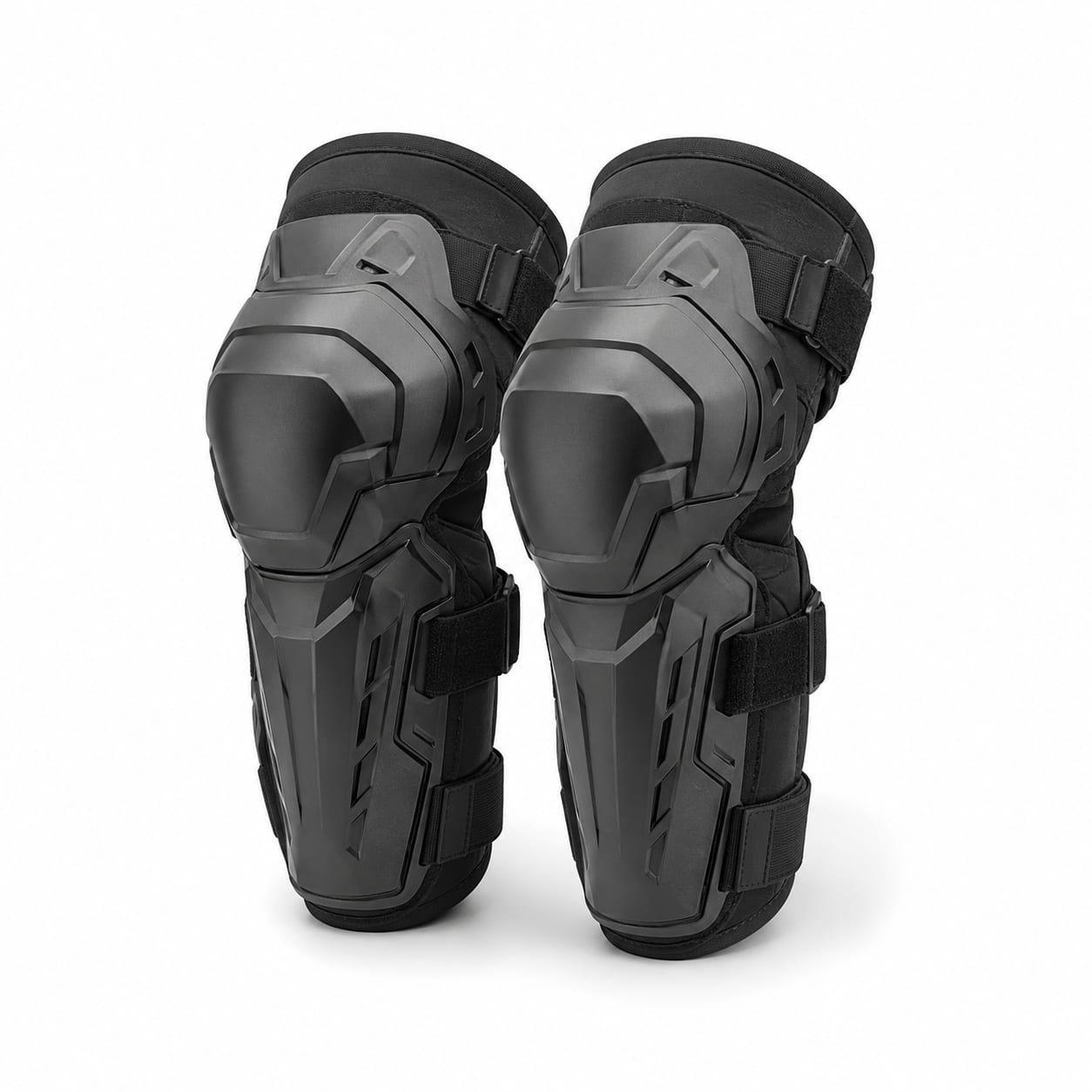
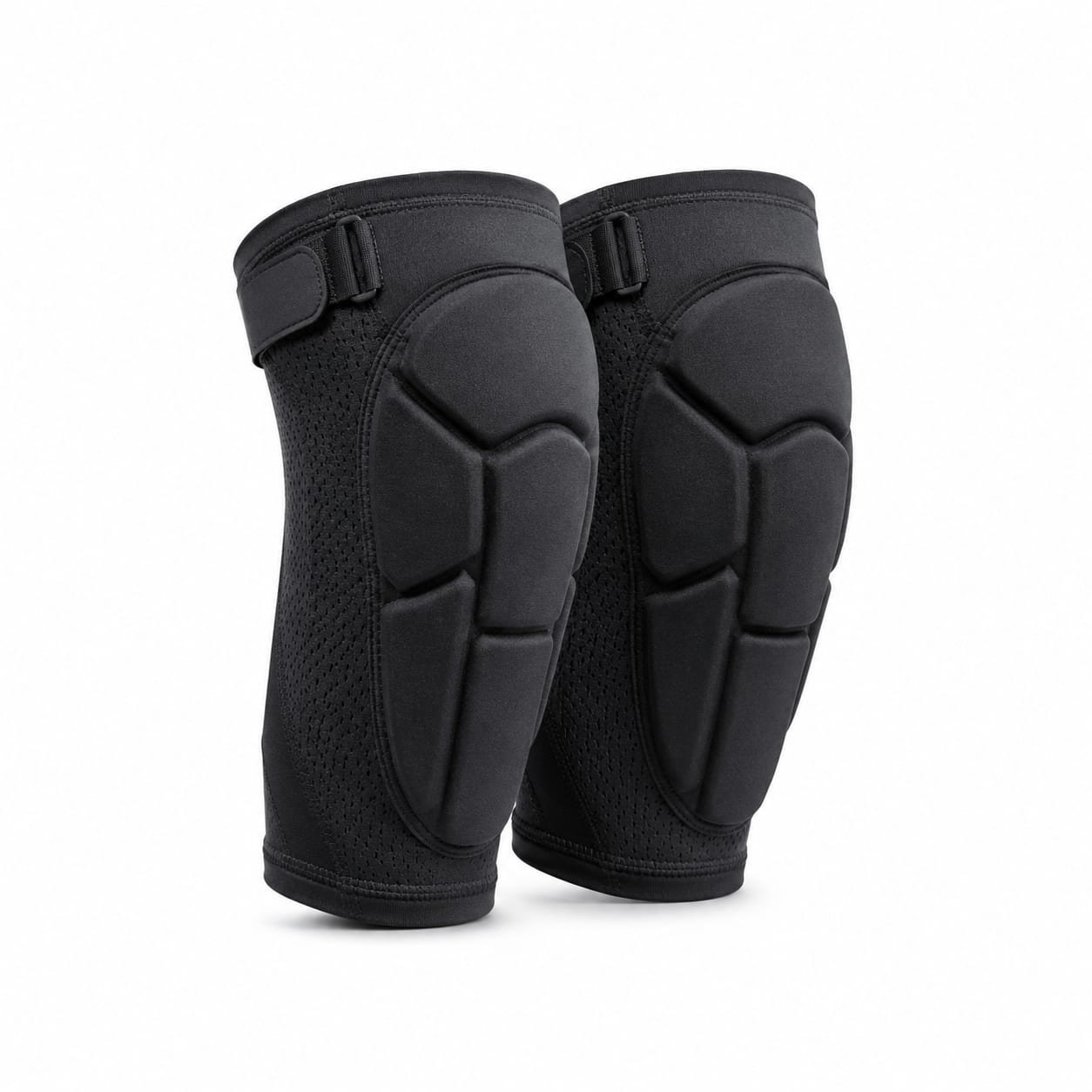
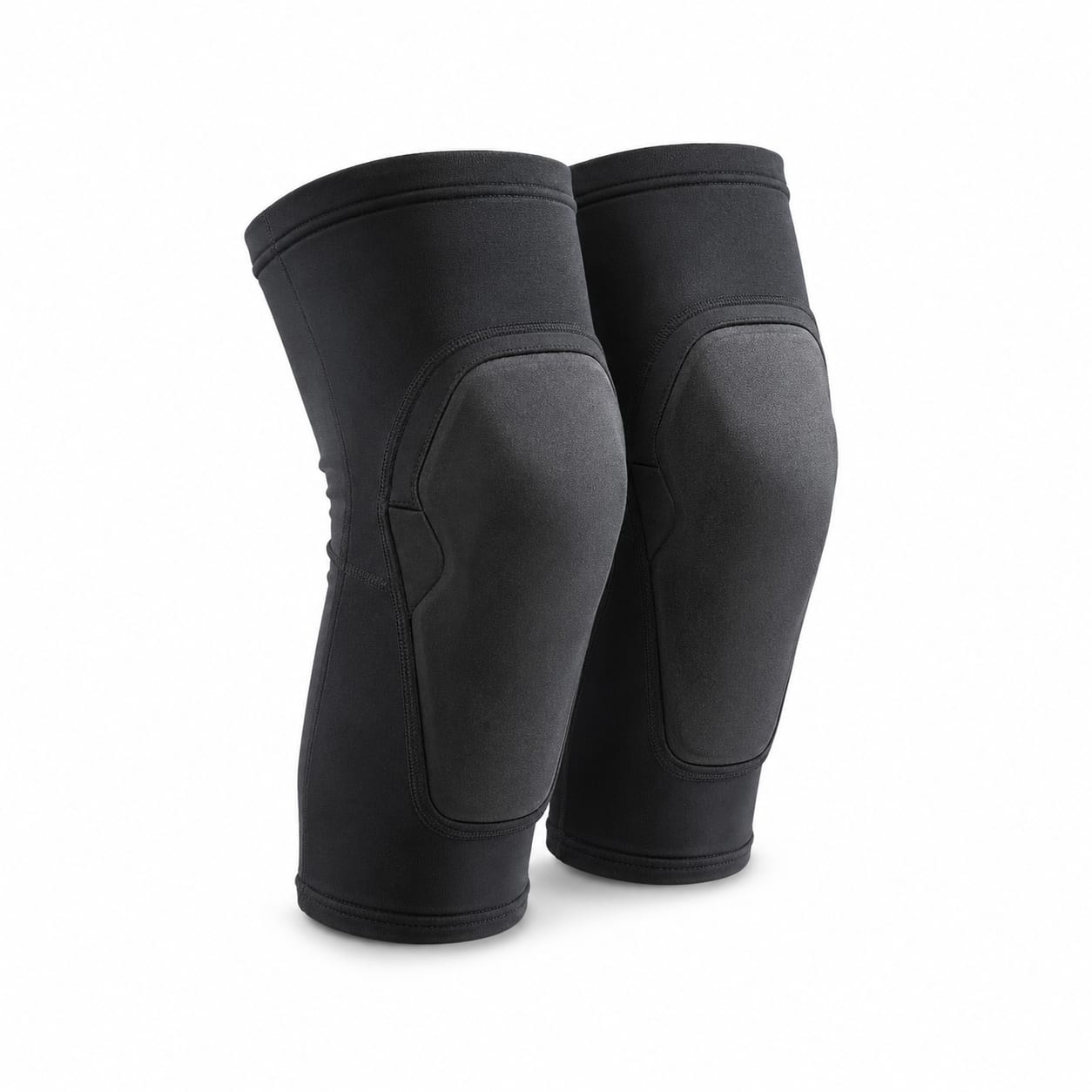
Freestyle/Park Knee Pads are engineered for skiers who spend their days hitting jumps, sliding rails, and mastering tricks in the terrain park. Utilizing advanced smart materials like D3O that remain flexible for unrestricted movement but stiffen on impact, these pads offer critical protection against hard icy landings and metal features without the bulk or snag hazards of traditional hard shells.

$30 – $90mid tierintermediateadvancedexpert

Best known for

Smart impact materials (D3O, Poron XRD)Snag-free soft shell constructionLow-profile fit under snow pantsExtended shin coverage for rail bang
Freestyle/Park Knee Pads

Guide

Detailed overview

Freestyle/Park Knee Pads are specialized protective gear built to withstand the repetitive, high-energy impacts unique to terrain park skiing. Unlike traditional ski pads, they prioritize mobility and a streamlined profile to ensure they don't interfere with tricks, grabs, or rail slides. They typically feature non-Newtonian smart materials that stay soft during flexion but lock up upon impact to absorb energy from big jumps and icy landings.

Terrain park skiing presents a unique set of challenges for protective equipment. Skiers routinely experience high-speed impacts on icy landings, slide across metal rails and boxes, and hike in warm conditions. Freestyle/Park Knee Pads are specifically designed to address these demands, balancing maximum impact absorption with the flexibility needed to execute complex tricks. The cornerstone of this subcategory is the use of rate-sensitive smart materials like D3O and Poron XRD, which allow skiers to move freely but instantly harden upon impact to dissipate energy.

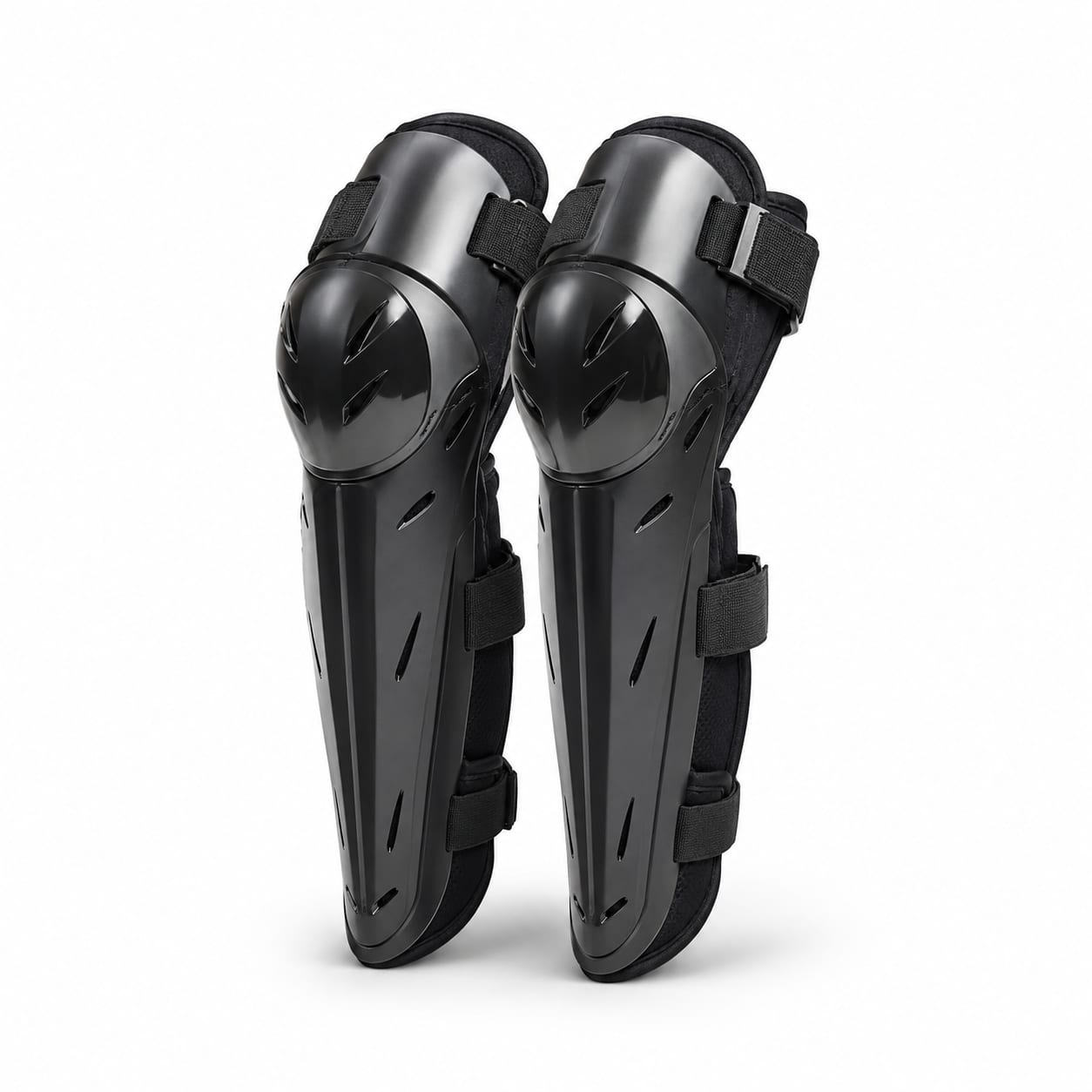
A critical design feature of park knee pads is the soft shell exterior. Hard shell caps, while excellent for distributing force in race applications, are a severe hazard in the park; they can catch on rails and boxes, causing sudden, jarring stops that lead to falls. Soft shells allow skiers to slide smoothly across metal features. Additionally, park pads almost universally extend coverage down the upper shin. 'Shin bang'—the painful bruising of the shin from hitting rails or boot tongues during landings—is a common affliction, making upper shin protection a non-negotiable feature for serious park skiers.

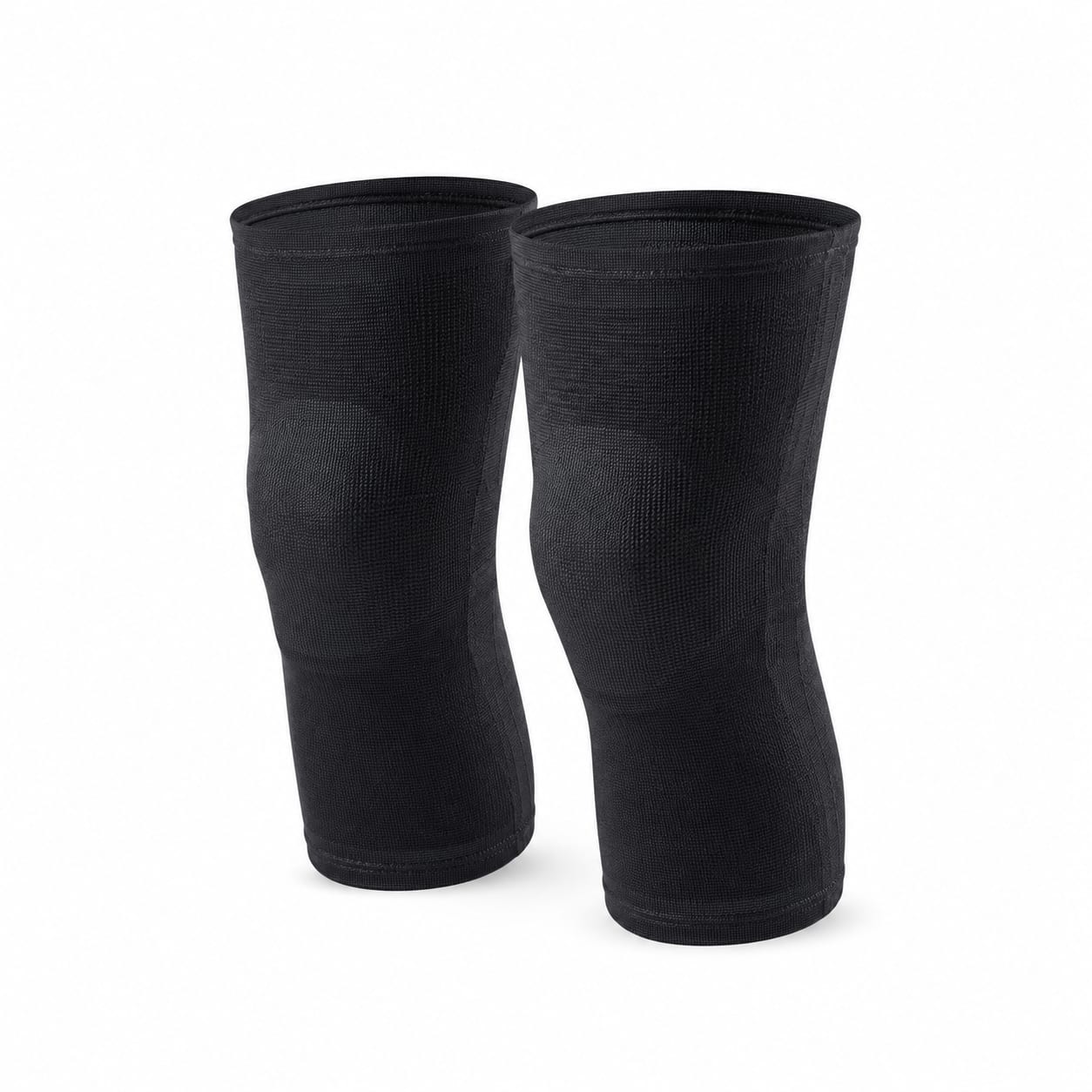
Fit and retention are also paramount. Most freestyle pads utilize a slip-on sleeve design with silicone gripper dots to stay in place. This eliminates the snag hazard of Velcro straps while providing a compressive, second-skin feel that fits discreetly under baggy or slim ski pants. Because park skiing is highly aerobic—especially when hiking the pipe or lapping the park—breathability and moisture management are heavily prioritized to prevent the pads from becoming soggy and cold over the course of a long session.

Ultimately, choosing the right park knee pad comes down to finding the perfect intersection of protection and forgetability. The best pad is one that offers the confidence to commit to big tricks without reminding you it's there on the hike up. By combining advanced impact materials with park-specific coverage and snag-free designs, these pads are an essential piece of armor for any modern freestyle skier.

Quick facts

Primary purpose
Protection during terrain park riding, rail slides, and jump landings
Popular brands
DemonG-FormTriple EightPro-TecPOC
Typical terrain
terrain parkshalfpipesurban featuresrail yards

What makes it different

Cap designed to slide on metal rails and boxes; Extra side padding for rail impact; Often used by skateboard/snowboard crossover brands

Recommended ranges

How this type usually specs out

Each spec is explained in plain language, then we show what buyers usually look for on this type.

Protection Level

Protection Level

What it means

The overall degree of impact protection the knee pad provides, from basic bruise prevention to certified armor-level protection against high-energy impacts.

Typical for this type

Moderate to High

In practice

Park skiing involves high-impact falls on icy landings and hard metal features, requiring substantial impact absorption.

Compared to other types

Higher protection level than recreational pads due to the severity of park impacts, but achieves it through smart materials rather than the rigid armor used in race pads.

Why it matters: Prevents severe bruising, contusions, and joint injuries from the repetitive, high-energy falls typical of learning new tricks.

Padding Material

Padding Material

What it means

The primary impact-absorbing material used in the knee pad construction, which determines how energy from impacts is managed.

Typical for this type

D3o to Poron Xrd

In practice

Non-Newtonian smart materials remain highly flexible for movement but instantly stiffen upon impact to absorb energy.

Compared to other types

More reliant on smart materials than race pads (which use hard plastic caps) or recreational pads (which use basic EVA foam), prioritizing flexibility without sacrificing protection.

Why it matters: Allows for unrestricted trick execution and comfortable hiking while providing hard-shell-like protection when hitting icy landings.

Shell Type

Shell Type

What it means

The external construction type of the knee pad, affecting how it interacts with snow, clothing, and impacts.

Typical for this type

Soft Shell

In practice

Flexible outer layer with no rigid components that won't catch on rails, boxes, or takeoff lips.

Compared to other types

Unlike hard shell race pads, soft shells are mandatory for park skiing safety; hybrid shells are occasionally used but hard shells are a severe snag hazard.

Why it matters: Prevents dangerous snagging on metal park features during rail slides, allowing the skier to slide smoothly even if they kneel on a feature.

CE Certification

CE Certification

What it means

European safety certification level under EN 1621-1 standard for limb protectors, indicating verified impact force transmission levels.

Typical for this type

En 1621 1 Level 1 to None

In practice

Level 1 certification provides verified, lab-tested impact protection without the bulk of Level 2.

Compared to other types

Less likely to be Level 2 than race pads, as Level 2 bulk severely hinders freestyle mobility; many high-end smart material pads opt for no certification to maintain a lower profile.

Why it matters: Ensures the pad actually absorbs a meaningful amount of force in a standardized test, giving skiers confidence in their gear.

Size

Size

What it means

The sizing of the knee pad, typically based on knee circumference and thigh circumference measurements.

Typical for this type

Xs to Xxl

Most common pick: M

In practice

Based on knee circumference; must fit very snugly for slip-on designs to function correctly.

Compared to other types

Fit is even more critical than in strapped alternatives because park slip-ons lack secondary strap retention systems.

Why it matters: A loose slip-on pad will slide down the leg during aggressive movement and crashes, leaving the knee exposed when you need protection most.

Closure Type

Closure Type

What it means

The method used to secure the knee pad to the leg, affecting ease of use, adjustability, and how well the pad stays in position.

Typical for this type

Slip On Sleeve to Hybrid

In practice

Pull-on compression sleeve without external straps that could catch on park features.

Compared to other types

More commonly sleeve-only compared to all-mountain pads which often use Velcro straps for quick on/off over pants.

Why it matters: Provides a streamlined, snag-free profile essential for rail and box tricks, while offering a comfortable, secure feel.

Padding Thickness

Padding Thickness

What it means

The maximum thickness of the protective padding at the knee center, affecting both protection level and bulk under clothing.

Typical for this type

8-15 mm

Most common pick: 12

In practice

Thick enough to absorb big hits but low-profile enough to fit comfortably under typical freestyle snow pants.

Compared to other types

Thinner than race pads but utilizes smarter, more efficient materials than thicker, basic foam recreational pads.

Why it matters: Balances the need for serious impact absorption with the desire for a non-bulky feel that doesn't restrict deep knee flexion for grabs.

Coverage Area

Coverage Area

What it means

The extent of the knee and surrounding area that the pad protects, from minimal kneecap-only coverage to extended protection including shin and thigh.

Typical for this type

Knee And Upper Shin

In practice

Extends down the upper shin to protect against rail and box impacts.

Compared to other types

More shin-focused than race pads which emphasize thigh coverage for gate strikes.

Why it matters: Shin bang from hitting rails, boxes, and boot tongues during landings is extremely common in park skiing; upper shin coverage is critical.

Weight (Per Pair)

Weight (Per Pair)

What it means

The total weight of both knee pads together, affecting fatigue during all-day skiing and the feel of the pads on the legs.

Typical for this type

250-450 g

Most common pick: 350

In practice

Lightweight enough for hiking the park and performing aerial tricks without feeling weighed down.

Compared to other types

Lighter than race pads but slightly heavier than minimal recreational pads due to the density of smart impact materials.

Why it matters: Heavy pads cause leg fatigue during long park sessions and hiking the pipe, and can feel unnatural in the air.

Breathability

Breathability

What it means

How well the knee pad allows moisture and heat to escape, preventing sweat buildup and maintaining comfort during active skiing.

Typical for this type

Medium to High

In practice

Designed with mesh zones and moisture-wicking fabrics for high-output hiking and riding.

Compared to other types

Typically much more breathable than race pads which prioritize insulation and thick, impermeable materials.

Why it matters: Park skiing involves intense bursts of energy and hiking; sweaty pads become uncomfortable, cold on the chairlift, and prone to odor.

Mobility Rating

Mobility Rating

What it means

How freely the knee can bend and move while wearing the pad, critical for skiing technique and comfort.

Typical for this type

Unrestricted to Slight Restriction

In practice

Minimal resistance to bending, allowing for deep knee flexion during grabs, butts, and landings.

Compared to other types

Prioritizes mobility much more than race or freeride pads, which can tolerate moderate to significant restriction.

Why it matters: Restricted movement can ruin the ability to tweak grabs and maintain proper form in the air, directly impacting performance.

Layering Compatibility

Layering Compatibility

What it means

Whether the knee pad is designed to be worn under ski pants, over them, or can work either way.

Typical for this type

Under Layer Only to Both

In practice

Low-profile design meant to be worn under snow pants for a clean look and completely snag-free surface.

Compared to other types

Strongly biased toward under-layer use compared to race pads which are often worn over suits for quick removal.

Why it matters: Wearing pads over pants creates a severe snag hazard on rails and looks unstreamlined, which is unpopular in freestyle culture.

Articulation Design

Articulation Design

What it means

Whether the knee pad features pre-curved or hinged construction that mimics the natural bend of the knee.

Typical for this type

Pre Curved

In practice

Pre-shaped to match the bent knee position typical of a skiing stance.

Compared to other types

More commonly pre-curved than flat recreational pads, but less bulky than hinged race pads.

Why it matters: Prevents the pad from bunching behind the knee during deep landings and carving, which can cause chafing and restrict movement.

Antimicrobial Treatment

Antimicrobial Treatment

What it means

Whether the knee pad interior has antimicrobial treatment to prevent odor-causing bacteria growth from sweat during skiing.

Typical for this type

True

In practice

Treated to prevent odor-causing bacteria from the heavy sweating associated with park sessions.

Compared to other types

More common and important here than in casual pads due to the higher sweat output of freestyle skiing.

Why it matters: Keeps pads from developing severe odors after repeated high-intensity days, extending the life of the sleeve.

Water Resistance

Water Resistance

What it means

How well the knee pad repels water from snow, preventing the padding from absorbing moisture and becoming heavy and cold.

Typical for this type

Water Resistant to Waterproof

In practice

DWR-coated outer fabric that sheds snow melt from sitting on takeoffs, landings, and rails.

Compared to other types

Similar to all-mountain pads, prioritizing a balance of water shedding and breathability, unlike waterproof race pads that trap heat.

Why it matters: Prevents the pad from absorbing water and becoming heavy, cold, and uncomfortable during long park sessions in slushy conditions.

Grip / Anti-Slip System

Grip / Anti-Slip System

What it means

Features that prevent the knee pad from sliding down the leg or rotating out of position during active skiing and falls.

Typical for this type

Silicone Grips to Rubberized Band

In practice

Silicone strips or dots on the interior sleeve that grip base layers to prevent sliding down.

Compared to other types

More critical than in strapped alternatives, serving as the sole anti-migration mechanism in many models.

Why it matters: Since park pads are often strapless slip-ons, silicone grips are the primary mechanism keeping the pad positioned over the knee during violent crashes.

Evaluation

Strengths and trade-offs

Pros

What this type does best

Excellent Impact Absorption for Big Hits

Critical

Smart materials like D3O and Poron XRD provide exceptional energy absorption for high-speed, icy park landings while remaining flexible for normal movement.

Snag-Free Soft Shell Design

Critical

The lack of hard shells or external straps ensures the pads won't catch on rails, boxes, or takeoff lips, preventing dangerous sudden stops during slides.

Unrestricted Mobility for Tricks

High

Low-profile, pre-curved designs allow for deep knee flexion required for grabs, butters, and proper aerial form without bunching or restricting movement.

Critical Shin Coverage

High

Extended upper shin protection guards against the painful 'shin bang' caused by hitting rails, boxes, and boot tongues during harsh landings.

Comfortable Under-Layer Fit

Medium

Streamlined slip-on sleeves fit discreetly under snow pants, offering a secure, chafe-free feel that doesn't interfere with the skier's style or layering system.

Cons

Trade-offs to be aware of

Difficult to Put On Over Boots

Moderate

Slip-on sleeve designs must be pulled up over the foot and ankle, which is very difficult to do over ski boots; they are best put on before putting boots on.

Premium Materials are Expensive

Minor

Pads featuring D3O or Poron XRD technology carry a significant price premium compared to basic EVA foam recreational pads.

Can Slide Down During Violent Crashes

Moderate

Despite silicone grip systems, the lack of rigid straps means very violent, tumbling crashes can occasionally cause the sleeve to migrate down the leg.

High Breathability Can Let Cold Air In

Minor

The mesh and breathable fabrics designed for hiking the park can let frigid air in on extremely cold, windy days, requiring an adjustment in base layering.

Best for

Terrain

Terrain parkHalfpipeUrban featuresRail yards

Snow conditions

Icy landingsSlushy spring parkPacked snow features

Skill level

IntermediateAdvancedExpert

Riding style

FreestyleParkJibbingNew school

Rider profile

Park ratsFreestyle skiersCompetition skiersUrban skiers

Not ideal for

Reasons

Overkill and too expensive for casual skiers who rarely fall hardLacks the hard shell required for gate strikes in slalom/GS racingHigh breathability is not ideal for extremely cold, low-output skiing

Terrain

Gated race coursesExtreme big mountain lines

Skill level

Beginner

Riding style

RaceCasual cruisingNordic

Compare

How it stacks up

This page

Freestyle/Park Knee Pads

Soft shell and strapless design won't snag on rails; much higher mobility for tricks; better breathability for hiking.

Alternative

Race Knee Pads

Hard shells provide superior force distribution for direct gate strikes; often feature higher CE Level 2 certification.

Bottom line

Choose Freestyle/Park pads for terrain park and freestyle skiing; choose Race pads only if you are running gates.

This page

Freestyle/Park Knee Pads

Better shin coverage for rail bang; streamlined slip-on design fits better under pants; smart materials offer higher impact absorption for jumps.

Alternative

All-Mountain Knee Pads

Often feature hybrid closure systems for easier on/off; more versatile for mixed terrain including moguls and trees.

Bottom line

Choose Freestyle/Park pads if you spend the majority of your time in the park; choose All-Mountain pads if you only occasionally hit the park and mostly ski the rest of the mountain.

This page

Freestyle/Park Knee Pads

Vastly superior impact absorption using smart materials; better retention during falls; extended shin coverage.

Alternative

Recreational Knee Pads

Much cheaper; lighter weight; easier to find in generic sporting goods stores.

Bottom line

Choose Freestyle/Park pads if you are hitting jumps over 10 feet or sliding rails; Recreational pads are insufficient for park impacts.

Shopping

Buying tips

  • 1

    Size up if you are between sizes for slip-on sleeves; a slightly looser fit is better than one that restricts circulation or is impossible to pull over your feet.

  • 2

    Prioritize pads with D3O or Poron XRD padding—basic EVA foam does not provide adequate protection for the high-energy impacts seen in the terrain park.

  • 3

    Ensure the pad explicitly includes upper shin coverage; rail bang is a frequent and painful injury that standard knee-only pads do not prevent.

  • 4

    Try the pads on with your actual ski base layers to test the silicone grip system; some grips work better with specific fabrics.

  • 5

    Look for flatlock or seamless interior construction to prevent chafing during the repetitive flexing of hiking and riding.

Care

Maintenance notes

  • Air dry completely after every use; never stuff wet pads into a ski bag as the smart materials and silicone grips will degrade quickly.
  • Hand wash with mild soap and cold water; machine washing or tumble drying will ruin the D3O/Poron XRD impact materials and break down the elastic sleeve.
  • Inspect the silicone grip strips periodically for peeling or loss of tackiness, as this is the primary system keeping your pads in place.
  • Do not leave pads in extreme heat (like a hot car in summer), as this can permanently alter the viscosity and impact performance of smart materials.

Progression

Skill development path

Essential once you start hitting medium and large jumps, and mandatory when learning rail and box slides where shin and knee impacts are guaranteed. Beginner park skiers hitting small ride-on features may start with less, but anyone progressing to jump-on features or jumps over 10 feet needs this level of protection.

FAQ

Common questions

Each question has a dedicated page with a full answer and links to the buying guide.