Kitvore.com

Kitvore.com

Specs that matter. Gear that fits.

Ski Knee Pads · Subcategory

Low-Profile/Stealth Knee Pads

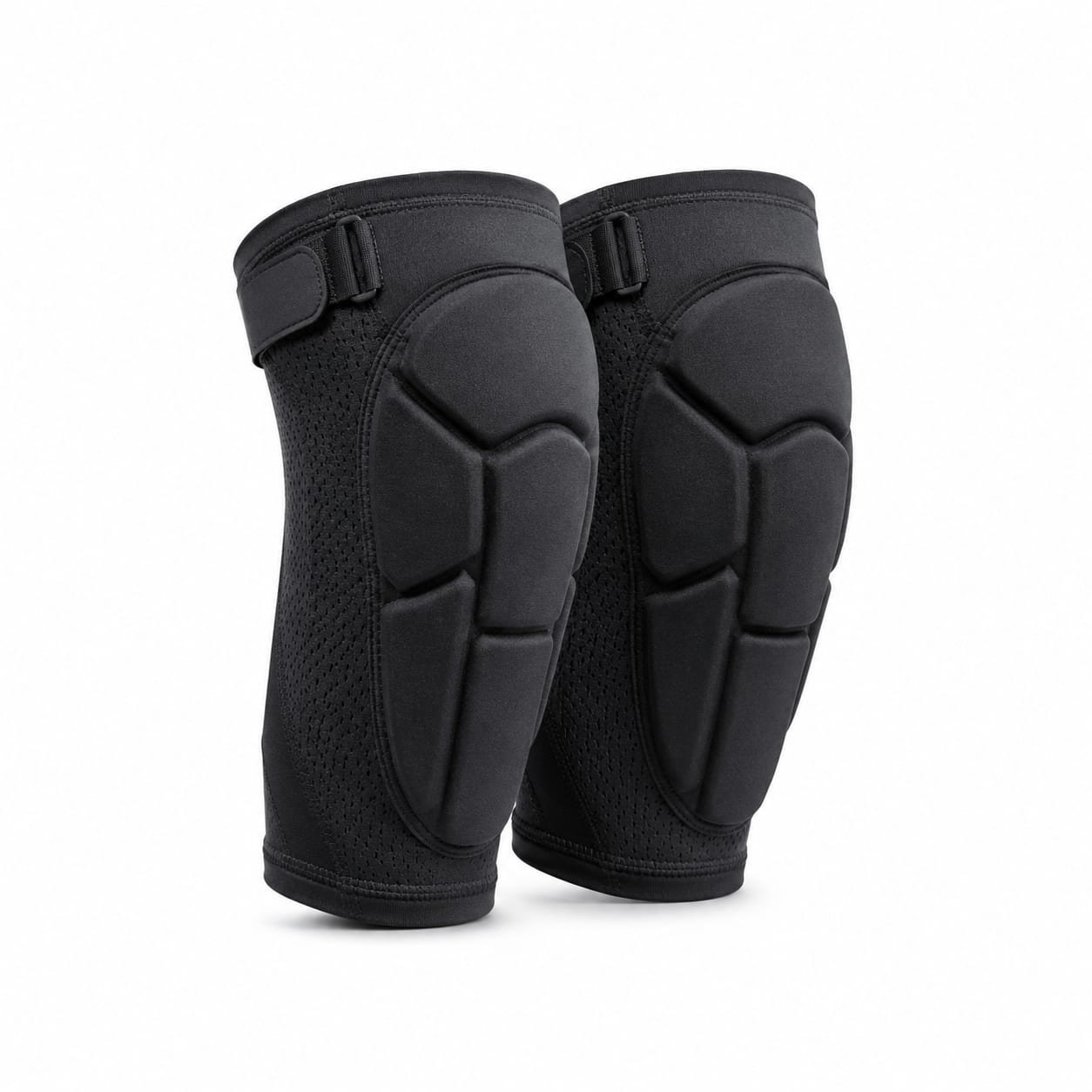
Ultra-slim, under-layer knee pads designed for impact cushioning without the bulk, offering invisible protection under ski pants.

Low-profile stealth knee pads are the go-to choice for skiers who want bruise prevention and basic impact protection without looking or feeling like they are wearing armor. Utilizing advanced smart materials like D3O, these pads slip seamlessly under ski pants, staying invisible while allowing unrestricted mobility for all-day comfort on the slopes.

$35 – $100mid tierbeginnerintermediateadvanced

Best known for

Disappearing under ski pantsUnrestricted mobilityAll-day comfortSmart material impact absorption
Low-Profile/Stealth Knee Pads

Guide

Detailed overview

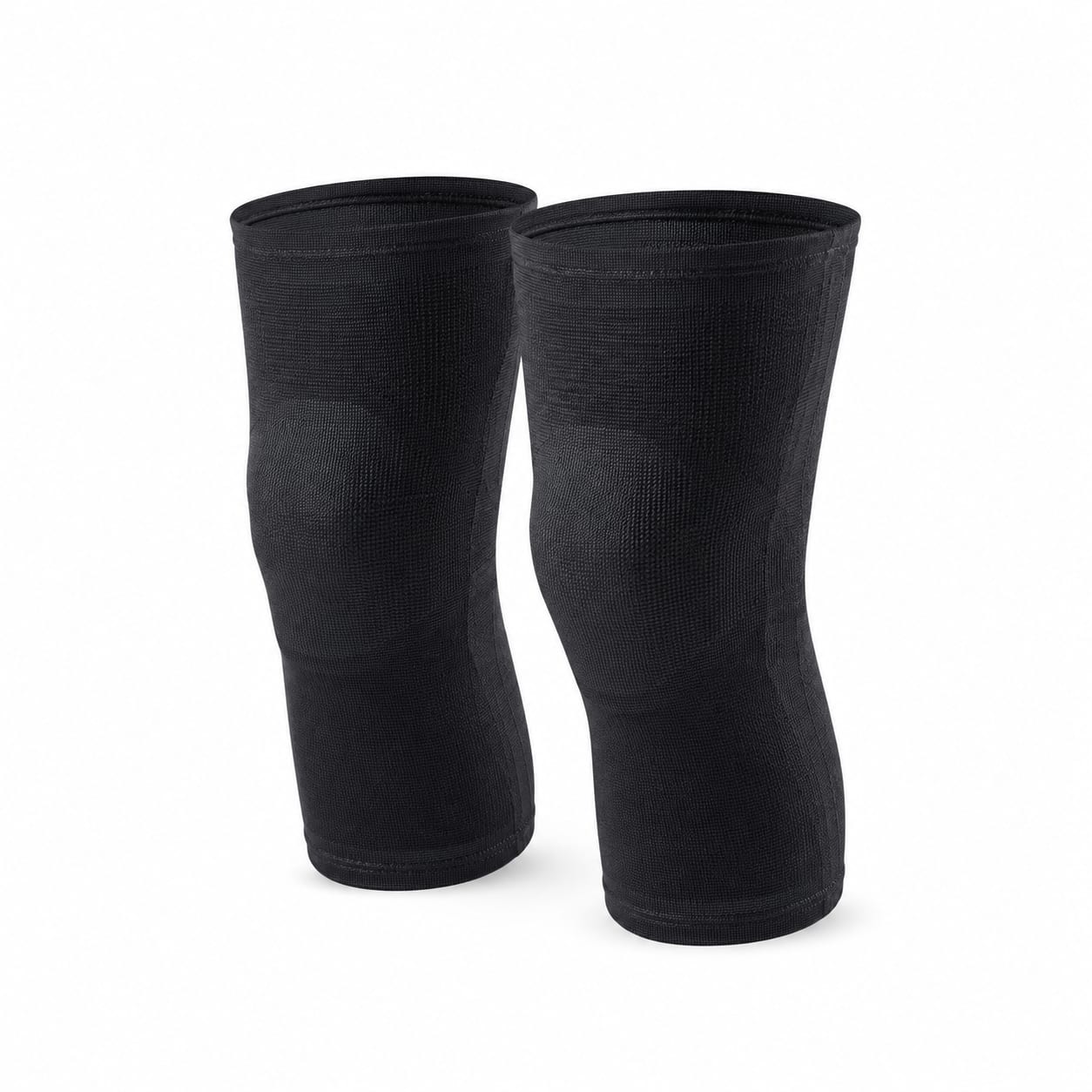
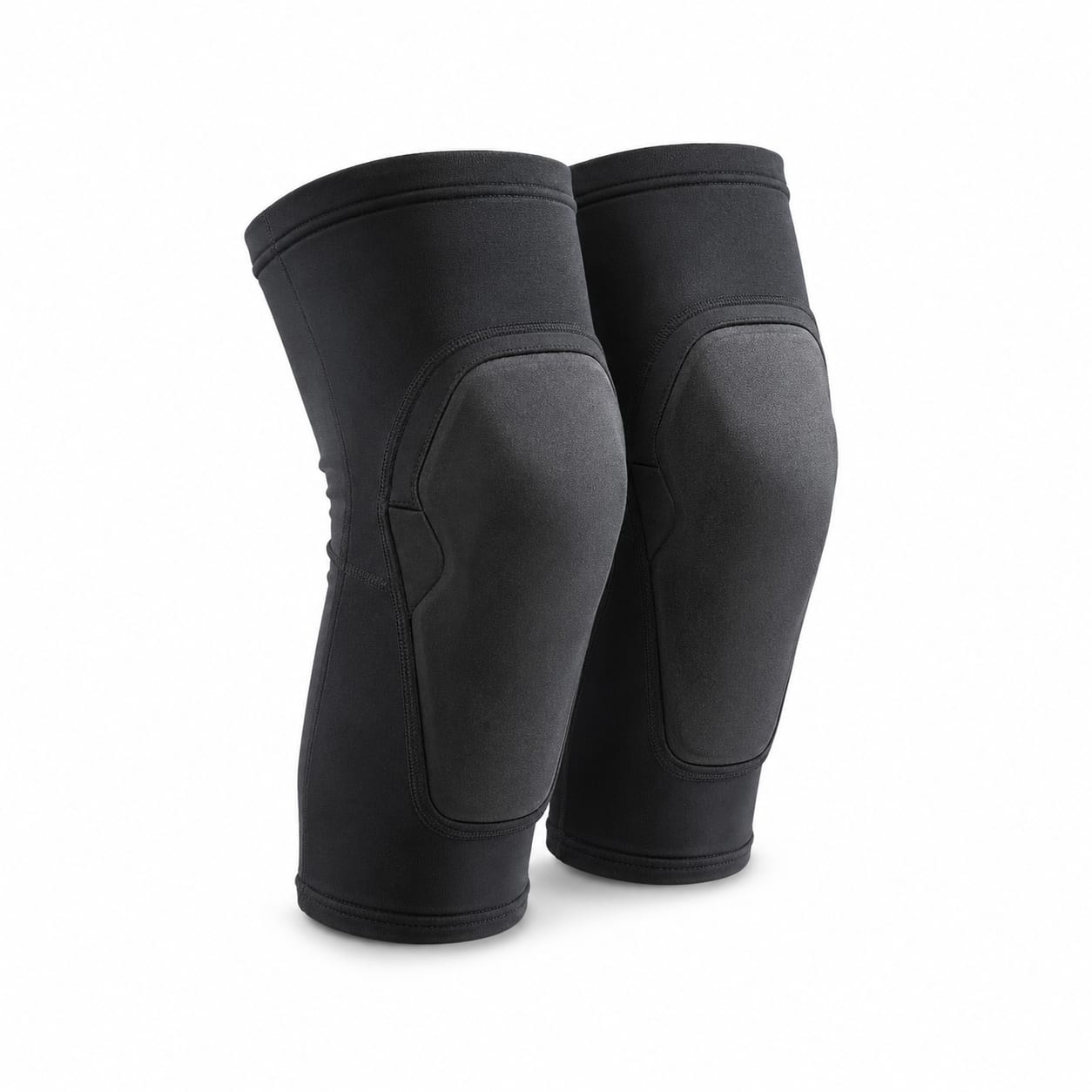
Low-profile stealth knee pads prioritize minimal bulk and maximum comfort, designed specifically to be worn under ski pants without being noticed. Unlike bulky race armor, these pads use thin layers of advanced non-Newtonian materials (like D3O or Poron XRD) or lightweight EVA foam to provide moderate impact absorption. They are ideal for recreational to advanced skiers who want protection against hard snow and minor falls without sacrificing mobility or style. Their slip-on or hybrid sleeve designs ensure a snug fit, while high breathability and antimicrobial treatments keep them comfortable against the skin during long ski days.

Low-profile stealth knee pads fill the gap between wearing no protection at all and suiting up in bulky, restrictive armor. For many skiers, the thought of wearing hard-shell knee pads is unappealing due to the discomfort, restricted movement, and bulky appearance. Stealth pads solve this by utilizing cutting-edge smart materials that remain soft and flexible during normal movement but instantly stiffen upon impact to absorb energy. This means you can ski naturally, without even noticing you are wearing pads, until the moment you need them.

The primary advantage of this subcategory is layering compatibility. Designed to be worn directly against the skin or over a thin base layer, these pads disappear under even fitted ski pants. This provides a psychological boost—knowing you have protection without advertising it—and eliminates the hassle of strapping pads over your pants. The slip-on sleeve design, often paired with silicone grip strips, keeps the pad securely in place without the need for bulky Velcro straps that can chafe or catch on clothing.

However, the low-profile design comes with inherent trade-offs. The thin padding that makes these pads so comfortable also limits their protective capabilities. While they excel at preventing bruises and cushioning minor falls on hard-packed snow, they do not offer the force distribution of a hard shell or the thick, multi-layer absorption of race-grade pads. They are not suitable for gate training or high-speed freeride lines where severe impacts are a real possibility.

Ultimately, low-profile stealth knee pads are about increasing confidence and longevity on the mountain. If you find yourself avoiding certain runs because the snow is firm, or if your knees ache after a day of mogul skiing, these pads can be a game-changer. They offer just enough protection to take the edge off common impacts, allowing you to ski harder and longer without paying the price the next day.

Quick facts

Primary purpose
Discreet, everyday impact protection that is invisible under clothing
Popular brands
G-FormSlytechDemonPOCCrash Pads
Typical terrain
groomed runsall-mountainany recreational terrain

What makes it different

Virtually invisible under ski pants; Often integrated into compression shorts or base layer bottoms; Prioritizes comfort and discretion over maximum protection

Recommended ranges

How this type usually specs out

Each spec is explained in plain language, then we show what buyers usually look for on this type.

Protection Level

Protection Level

What it means

The overall degree of impact protection the knee pad provides, from basic bruise prevention to certified armor-level protection against high-energy impacts.

Typical for this type

Light to Moderate

In practice

Prioritizes mobility and low bulk over heavy impact absorption, typically using thin smart materials.

Compared to other types

Lower protection than race or high-impact pads, but much less bulky and restrictive.

Why it matters: Ensures the pad remains comfortable and unnoticeable under layers while still offering basic bruise prevention.

Padding Material

Padding Material

What it means

The primary impact-absorbing material used in the knee pad construction, which determines how energy from impacts is managed.

Typical for this type

D3o, Poron Xrd, Eva Foam

In practice

Smart materials like D3O or Poron XRD offer the best protection-to-thickness ratio, remaining flexible until impact.

Compared to other types

Uses advanced smart materials rather than the thick multi-density foams or hard plastics found in freeride/race pads.

Why it matters: Allows for a slim profile without completely sacrificing impact absorption capabilities.

Shell Type

Shell Type

What it means

The external construction type of the knee pad, affecting how it interacts with snow, clothing, and impacts.

Typical for this type

Soft Shell

In practice

No rigid external components to maintain flexibility and a low profile.

Compared to other types

Lacks the impact distribution of hard or hybrid shells but is far more comfortable and discreet for all-day wear.

Why it matters: Ensures the pad conforms to the knee and doesn't create pressure points or visible lines under tight ski pants.

CE Certification

CE Certification

What it means

European safety certification level under EN 1621-1 standard for limb protectors, indicating verified impact force transmission levels.

Typical for this type

None to En 1621 1 Level 1

In practice

Many low-profile pads forgo certification to maintain a slim design, though some premium models achieve Level 1.

Compared to other types

Less likely to be certified compared to bulky race pads which often feature Level 2 certification.

Why it matters: Uncertified pads may still offer good everyday protection but aren't verified for high-energy impacts.

Size

Size

What it means

The sizing of the knee pad, typically based on knee circumference and thigh circumference measurements.

Typical for this type

Xs to Xxl

Most common pick: M

In practice

Sizing is critical for slip-on or low-profile pads to ensure they stay in place without slipping.

Compared to other types

Fit must be more precise than over-layer pads since there are fewer adjustment options like straps.

Why it matters: A proper fit prevents the pad from sliding down during activity, which is a common issue with compression sleeves.

Closure Type

Closure Type

What it means

The method used to secure the knee pad to the leg, affecting ease of use, adjustability, and how well the pad stays in position.

Typical for this type

Slip On Sleeve, Hybrid

In practice

Compression sleeves provide the cleanest low-profile look, sometimes with a light strap for extra security.

Compared to other types

More streamlined than Velcro or buckle systems but relies heavily on exact sizing and compression fit.

Why it matters: Eliminates bulky straps that can be felt through ski pants or cause chafing.

Padding Thickness

Padding Thickness

What it means

The maximum thickness of the protective padding at the knee center, affecting both protection level and bulk under clothing.

Typical for this type

5 to 10

Most common pick: 8

In practice

Thin enough to disappear under clothing but thick enough to cushion minor impacts.

Compared to other types

Significantly thinner than all-mountain or race pads which typically range from 15-30mm.

Why it matters: Determines whether the pad can be worn stealthily under fitted ski pants without looking bulky.

Coverage Area

Coverage Area

What it means

The extent of the knee and surrounding area that the pad protects, from minimal kneecap-only coverage to extended protection including shin and thigh.

Typical for this type

Knee Only, Knee And Upper Shin

In practice

Focuses protection on the kneecap to minimize bulk and material around the joint.

Compared to other types

Less coverage than extended pads, sacrificing shin and thigh protection for a minimalist, comfortable design.

Why it matters: Reduces fabric bunching behind the knee for better comfort and mobility.

Weight (Per Pair)

Weight (Per Pair)

What it means

The total weight of both knee pads together, affecting fatigue during all-day skiing and the feel of the pads on the legs.

Typical for this type

150 to 300

Most common pick: 220

In practice

Extremely lightweight to prevent leg fatigue and feel invisible during wear.

Compared to other types

Much lighter than hybrid or hard-shell alternatives which often exceed 500g per pair.

Why it matters: Heavy pads defeat the purpose of a stealth, comfortable setup and can cause fatigue.

Breathability

Breathability

What it means

How well the knee pad allows moisture and heat to escape, preventing sweat buildup and maintaining comfort during active skiing.

Typical for this type

Medium to High

In practice

Often features moisture-wicking fabrics and mesh to manage sweat since they are worn against the skin.

Compared to other types

Generally more breathable than thick, multi-layered protective pads that trap heat.

Why it matters: Prevents clamminess and discomfort during high-output skiing.

Mobility Rating

Mobility Rating

What it means

How freely the knee can bend and move while wearing the pad, critical for skiing technique and comfort.

Typical for this type

Unrestricted to Slight Restriction

In practice

Designed to move naturally with the knee without impeding flexion.

Compared to other types

Superior mobility compared to any other subcategory, which often feature moderate to significant restriction.

Why it matters: Allows for normal skiing technique without feeling encumbered, crucial for all-day wear.

Layering Compatibility

Layering Compatibility

What it means

Whether the knee pad is designed to be worn under ski pants, over them, or can work either way.

Typical for this type

Under Layer Only, Both

In practice

Specifically engineered to fit smoothly beneath ski pants without visible lines or bunching.

Compared to other types

Unlike over-layer pads, these are optimized for a next-to-skin or base-layer fit rather than strapping over pants.

Why it matters: Provides a clean aesthetic and keeps pads securely positioned against the body.

Articulation Design

Articulation Design

What it means

Whether the knee pad features pre-curved or hinged construction that mimics the natural bend of the knee.

Typical for this type

Pre Curved, Flat Unarticulated

In practice

Pre-curving the pad reduces bunching behind the knee when in a skiing stance.

Compared to other types

More refined articulation than flat pads, though not as complex or bulky as hinged race pads.

Why it matters: Prevents chafing and maintains comfort during deep knee bends.

Antimicrobial Treatment

Antimicrobial Treatment

What it means

Whether the knee pad interior has antimicrobial treatment to prevent odor-causing bacteria growth from sweat during skiing.

Typical for this type

True

In practice

Common feature since these pads are worn directly against the skin and absorb sweat.

Compared to other types

More critical here than in over-layer pads that don't contact skin directly.

Why it matters: Controls odor and bacterial growth over multi-day ski trips without washing.

Water Resistance

Water Resistance

What it means

How well the knee pad repels water from snow, preventing the padding from absorbing moisture and becoming heavy and cold.

Typical for this type

Water Resistant

In practice

Outer fabric is usually treated to shed snow melt, while inner wicks moisture.

Compared to other types

Similar to other pads, but quick-drying properties are emphasized for next-to-skin comfort.

Why it matters: Prevents the pad from becoming soggy and heavy if snow gets under your pants.

Grip / Anti-Slip System

Grip / Anti-Slip System

What it means

Features that prevent the knee pad from sliding down the leg or rotating out of position during active skiing and falls.

Typical for this type

Silicone Grips

In practice

Silicone strips on the interior hem keep the sleeve from sliding down the leg.

Compared to other types

More subtle than rubberized bands, providing necessary grip without adding bulk.

Why it matters: Crucial for slip-on pads to maintain positioning without the need for tight, uncomfortable straps.

Evaluation

Strengths and trade-offs

Pros

What this type does best

Invisible Under Clothing

Critical

Slim design fits seamlessly under ski pants without creating unsightly bulges or requiring wider pant legs.

Unrestricted Mobility

Critical

Soft shell construction and thin padding allow for a full range of motion, feeling like a second skin rather than restrictive armor.

All-Day Comfort

High

Breathable, moisture-wicking materials and lack of rigid components prevent chafing and overheating during long ski days.

Lightweight

High

Minimal material usage means you barely notice the weight, reducing leg fatigue on the mountain.

Smart Material Protection

High

Non-Newtonian materials like D3O offer impressive impact absorption relative to their incredibly thin profile.

Cons

Trade-offs to be aware of

Limited Impact Protection

Significant

Not rated for high-energy impacts; will bottom out in severe crashes compared to thick foam or hard shell pads.

Can Slide Down

Moderate

Slip-on sleeves can sometimes migrate down the leg during aggressive skiing or if the fit isn't perfect.

Not Race Legal

Moderate

Lack the CE Level 2 certification and hard shells required for gate training and FIS racing.

Durability Concerns

Minor

Thin outer fabrics can wear through faster than heavy-duty race pads, especially if worn over shifting base layers.

Best for

Terrain

GroomersMogulsLight treesPark

Snow conditions

HardpackIceSpring corn

Skill level

IntermediateAdvanced

Riding style

All-mountainFreestyleCarving

Rider profile

Skiers who dislike bulky gearInstructors on their feet all daySkiers with mild knee issues seeking cushioning

Not ideal for

Reasons

Insufficient impact absorption for high-speed or gate crashesLacks the hard shell needed to deflect ski poles and gatesBeginners often fall harder and may need more robust protection

Terrain

Steep big mountainRace courses

Skill level

BeginnerExpert

Riding style

Gate trainingExtreme freeride

Compare

How it stacks up

This page

Low-Profile/Stealth Knee Pads

Far more comfortable, completely invisible under clothing, and allows unrestricted movement.

Alternative

Race/Hard Shell Knee Pads

Superior impact distribution, CE Level 2 certified, and slides on snow to prevent digging in during high-speed crashes.

Bottom line

Choose stealth pads for general skiing and comfort; choose race pads if you are hitting gates or charging extreme lines.

This page

Low-Profile/Stealth Knee Pads

Lower profile, lighter weight, and better suited for wearing under fitted ski pants without looking bulky.

Alternative

All-Mountain/Freeride Knee Pads

Higher protection level with thicker multi-density foam and often better coverage of the shin and thigh.

Bottom line

Choose stealth pads if you prioritize comfort and a streamlined look; choose all-mountain pads for a better balance of protection for aggressive off-piste skiing.

Shopping

Buying tips

  • 1

    Measure your leg precisely: Since slip-on sleeves rely on compression, sizing is critical. Measure your thigh above the knee and your calf below the knee with a slight bend.

  • 2

    Look for silicone grips: A silicone strip around the top and bottom hems is essential to keep the pad from sliding down inside your pants.

  • 3

    Prioritize smart materials: Pads using D3O or Poron XRD will offer significantly better impact absorption for the same thickness compared to standard EVA foam.

  • 4

    Check the behind-the-knee seam: Ensure the design doesn't have thick seams that will chafe in the crease of your knee when bending into a tuck.

  • 5

    Try them on with your ski pants: Make sure the pads fit comfortably under your actual ski gear without restricting circulation or causing pants to fit too tightly.

Care

Maintenance notes

  • Air dry completely after each use: Do not stuff wet pads into a ski bag, as the smart materials and foam can degrade and harbor bacteria.
  • Hand wash with mild soap: Machine washing can damage the smart materials (like D3O) and break down the silicone grips.
  • Avoid fabric softeners: These can clog the moisture-wicking properties of the sleeve materials.
  • Inspect for delamination: Check that the padding is not separating from the sleeve fabric, which can cause bunching and reduce effectiveness.

Progression

Skill development path

Low-profile stealth pads are excellent for intermediate skiers pushing into more challenging terrain where falls become more consequential, or for older skiers looking to protect aging joints from hard snow impacts. They provide the confidence to attempt new skills without the encumbrance of heavy armor, though as skiers progress to racing or extreme big mountain lines, they should transition to higher-certification pads.

FAQ

Common questions

Each question has a dedicated page with a full answer and links to the buying guide.