Kitvore.com

Kitvore.com

Specs that matter. Gear that fits.

Ski Knee Pads · Subcategory

Integrated Protection Shorts

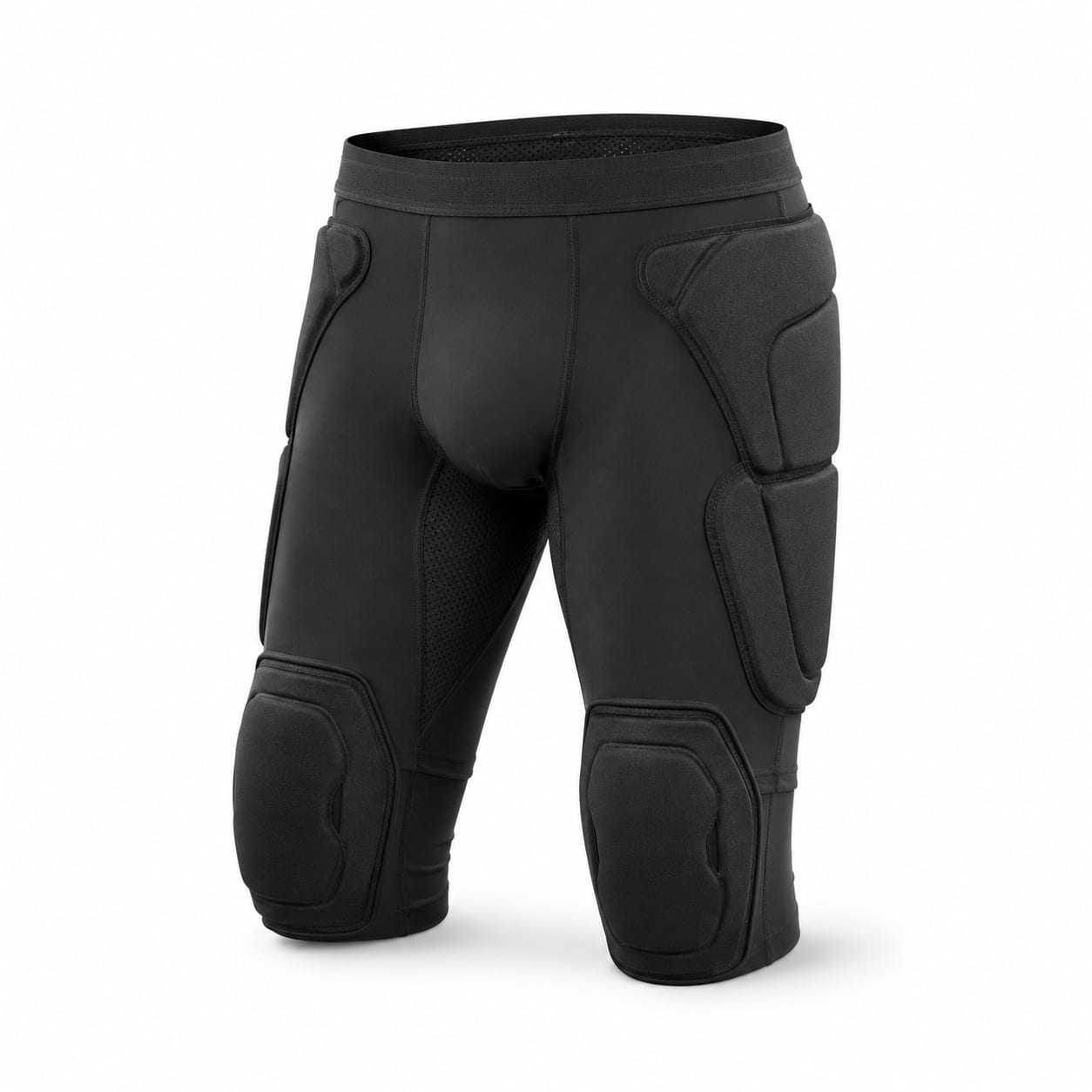
Full lower-body impact protection shorts with built-in knee pads, hip guards, and tailbone padding in a single pull-on garment.

Integrated protection shorts combine knee pads, hip guards, thigh padding, and tailbone protection into one seamless compression short, eliminating the need for separate protective gear and ensuring everything stays perfectly positioned during aggressive skiing.

$50 – $180mid tierintermediateadvancedexpert

Best known for

All-in-one lower body protectionNo pad migration during fallsCompression fit that stays in place all daySimplified gear setup with fewer separate pieces
Integrated Protection Shorts

Guide

Detailed overview

Integrated protection shorts are comprehensive protective garments that incorporate knee padding into a full compression short design, along with built-in hip, thigh, and tailbone guards. Unlike standalone knee pads that strap or slide onto the leg, these shorts position all protective elements within a single stretchy base layer that pulls on like underwear. This design ensures that knee pads cannot rotate, slide down, or shift out of position during aggressive skiing or high-impact falls, which is one of the most common problems with separate knee pad systems. The integrated approach means the knee padding is anchored to the short's fabric structure, which itself is held in place by the full circumference of the waistband and the compression fit around the thighs and hips. This makes them particularly popular among freeskiers, park riders, and all-mountain skiers who want reliable protection without the hassle of adjusting multiple separate pieces of gear throughout the day. The trade-off is that they are warmer and bulkier than standalone knee pads, and they require removing boots and pants to put on or take off during the ski day.

Integrated protection shorts represent the most comprehensive approach to lower body ski protection available today. By embedding knee pads into a full compression short alongside hip, tailbone, and thigh guards, these garments solve the single biggest complaint about standalone knee pads: they never stay where they should. When you crash hard or ski aggressively, separate knee pads inevitably rotate, slide down, or bunch up, leaving your kneecap exposed at the exact moment you need protection most. The integrated short design anchors knee padding to a garment that wraps your entire lower torso and upper legs, making pad displacement virtually impossible.

The knee protection in integrated shorts typically uses the same advanced materials found in premium standalone pads, including D3O smart material, Poron XRD, or multi-density foam configurations. The knee pads are pre-positioned within the short's fabric map, often with slight articulation that accounts for the natural bend of the leg while skiing. Because the shorts cover such a large area, manufacturers can engineer the knee padding to transition smoothly into thigh and hip protection, eliminating gaps that occur when wearing separate pieces that shift independently. This continuous coverage zone is especially valuable in sideways or twisting falls where impact forces can affect multiple body areas simultaneously.

The primary consideration with integrated protection shorts is thermoregulation. The full-short design covers significantly more skin surface area than standalone knee pads, which means more retained body heat and potentially more sweating during high-output skiing. Modern designs address this with moisture-wicking compression fabrics, mesh ventilation zones in non-impact areas, and breathable padding materials. However, skiers who run hot or who ski primarily in spring conditions may find integrated shorts too warm compared to minimal standalone knee pads. Layering strategy becomes important: integrated shorts are designed to be worn as a base layer directly against the skin or over a thin compression undergarment, with ski pants as the outer layer.

Sizing is critical with integrated shorts because the garment must fit snugly at the waist, hips, thighs, and knees simultaneously. A short that fits the waist may be too tight or too loose at the knee, or vice versa. This makes trying on multiple sizes more important than with standalone pads, and some body types may struggle to find a perfect fit across all contact points. Despite these considerations, the peace of mind from knowing your protection will be exactly where it should be during a crash makes integrated shorts the preferred choice for many serious freeskiers, park riders, and all-mountain skiers who prioritize reliable coverage over minimal weight and maximum breathability.

Quick facts

Primary purpose
Full lower-body impact protection in a single integrated garment
Popular brands
DainesePOCDemonCrash PadsSlytech
Typical terrain
all-mountainterrain parksbackcountrysteep terrain

What makes it different

Only subcategory combining knee protection with other lower-body padding; Eliminates pad migration and strap discomfort; Functions as a base layer garment

Recommended ranges

How this type usually specs out

Each spec is explained in plain language, then we show what buyers usually look for on this type.

Protection Level

Protection Level

What it means

The overall degree of impact protection the knee pad provides, from basic bruise prevention to certified armor-level protection against high-energy impacts.

Typical for this type

Moderate to High

In practice

Integrated shorts typically offer moderate protection across all covered areas, with some models reaching high protection levels at the knee and hip zones. The multi-zone design means protection is distributed across the entire lower body rather than maximized at one point.

Compared to other types

More comprehensive than standalone knee pads or knee-only sleeves since protection extends to hips, tailbone, and thighs, but individual zone protection may be slightly less than dedicated single-joint protectors.

Why it matters: Because these shorts protect multiple body areas, the overall protection level must balance coverage breadth with wearability. Too much padding everywhere makes the garment unwearable; too little defeats the purpose of integrated protection.

Padding Material

Padding Material

What it means

The primary impact-absorbing material used in the knee pad construction, which determines how energy from impacts is managed.

Typical for this type

D3o Or Poron Xrd

In practice

Premium integrated shorts overwhelmingly use D3O or Poron XRD smart materials because they remain flexible during movement but stiffen on impact. This is critical in a garment covering multiple joints that all need to move freely. Multi-density foam is common in mid-range models.

Compared to other types

More reliant on smart materials like D3O than standalone hard-shell knee pads, because the multi-joint coverage demands flexibility at every protected zone simultaneously.

Why it matters: Since the shorts cover the knees, hips, and tailbone simultaneously, flexible smart materials are essential to allow natural movement across all joints while still providing meaningful impact absorption.

Shell Type

Shell Type

What it means

The external construction type of the knee pad, affecting how it interacts with snow, clothing, and impacts.

Typical for this type

Soft Shell Or Hybrid

In practice

Most integrated shorts use soft shell construction because rigid hard shells at multiple body zones would make the garment impossible to put on and severely restrict movement. Hybrid models may have semi-rigid inserts at the hip or knee only.

Compared to other types

Unlike standalone race knee pads that commonly use hard shells, integrated shorts almost exclusively use soft or hybrid shells to maintain mobility across all covered joints.

Why it matters: The full-short design requires flexibility across the hips, thighs, and knees simultaneously. Hard shell components at multiple locations would create binding points and make the garment unwearable.

CE Certification

CE Certification

What it means

European safety certification level under EN 1621-1 standard for limb protectors, indicating verified impact force transmission levels.

Typical for this type

En 1621 1 Level 1 to En 1621 1 Level 2

In practice

Quality integrated shorts typically carry EN 1621-1 Level 1 certification for the knee and hip zones. Level 2 is less common due to the bulk it would add across multiple protection zones. Non-certified models should be approached with caution.

Compared to other types

Similar certification levels to standalone moderate-protection knee pads, but the certification applies to multiple body zones within the same garment rather than just the knee.

Why it matters: CE certification verifies that the protection claims are real and tested. With multiple zones covered, you want assurance that each area meets a minimum verified standard, not just manufacturer claims.

Size

Size

What it means

The sizing of the knee pad, typically based on knee circumference and thigh circumference measurements.

Typical for this type

S to Xl

Most common pick: M

In practice

Sizing is based on waist circumference, hip measurement, and thigh circumference rather than just knee measurement. The garment must fit snugly at all points simultaneously. Most brands offer XS through XXL, but finding the right size is more challenging than with standalone knee pads.

Compared to other types

More complex sizing than standalone knee pads, which only need to fit the knee and thigh. Integrated shorts require accurate measurements at multiple body points, and some body proportions may not align well with any single size.

Why it matters: Because the shorts must fit the waist, hips, thighs, and knees all at once, a size that works at the waist may not position the knee pads correctly. Proper sizing is the single most important factor for integrated shorts performance.

Closure Type

Closure Type

What it means

The method used to secure the knee pad to the leg, affecting ease of use, adjustability, and how well the pad stays in position.

Typical for this type

Slip On Sleeve

In practice

Integrated protection shorts are exclusively pull-on garments with no straps or buckles. The waistband and compression fit secure the entire system. Some models add a silicone waistband gripper to prevent the shorts from sliding down.

Compared to other types

Unlike standalone knee pads that offer strap, buckle, or hybrid closure options, integrated shorts rely entirely on their compression fit and waistband, which is both their greatest strength (no straps to adjust) and potential weakness (must be sized perfectly).

Why it matters: The slip-on design is fundamental to the integrated concept. Straps at multiple points would create pressure points and discomfort. The compression fit must be sufficient to hold everything in place without additional closures.

Padding Thickness

Padding Thickness

What it means

The maximum thickness of the protective padding at the knee center, affecting both protection level and bulk under clothing.

Typical for this type

8-15 mm

Most common pick: 10 mm

In practice

Knee padding in integrated shorts typically ranges from 8-15mm thick. Thinner than standalone race pads but sufficient for most freeride and all-mountain impacts. Hip and tailbone pads are usually 8-12mm. The total garment must remain low-profile enough to fit under ski pants.

Compared to other types

Generally thinner at the knee than dedicated high-protection knee pads (which can reach 25-30mm), because the multi-zone design requires keeping the overall garment profile manageable.

Why it matters: Since padding covers multiple zones, cumulative thickness affects whether ski pants will fit over the shorts. Each zone must be thick enough to protect but thin enough that the combined garment remains wearable.

Coverage Area

Coverage Area

What it means

The extent of the knee and surrounding area that the pad protects, from minimal kneecap-only coverage to extended protection including shin and thigh.

Typical for this type

Knee And Upper Shin to Extended Knee Shin Thigh

In practice

By definition, integrated protection shorts provide extended coverage from the waist down to the upper shin or mid-shin, including hips, tailbone, thighs, and knees. The knee zone typically extends from mid-thigh to upper shin as part of the continuous short design.

Compared to other types

Far more coverage than any standalone knee pad subcategory. Integrated shorts protect the entire lower body from waist to shin in one garment, versus knee-only or knee-plus-shin coverage from separate pads.

Why it matters: The extended coverage is the primary reason to choose integrated shorts over separate pads. Falls rarely impact just the knee, and the connected coverage ensures no gaps between protected zones.

Weight (Per Pair)

Weight (Per Pair)

What it means

The total weight of both knee pads together, affecting fatigue during all-day skiing and the feel of the pads on the legs.

Typical for this type

450-850 g

Most common pick: 650 g

In practice

Integrated shorts weigh significantly more than standalone knee pads due to the full-short construction with multiple protection zones. Typical weights range from 450g for lightweight models to 850g for heavily padded versions. The weight is distributed across the entire lower body rather than concentrated at the knee.

Compared to other types

Substantially heavier than standalone knee pads (which typically weigh 150-400g per pair), but the weight includes hip, tailbone, and thigh protection that would require additional separate garments otherwise.

Why it matters: The additional weight is the trade-off for comprehensive protection. While heavier than standalone knee pads, the weight is well-distributed and most skiers stop noticing it after a few runs. However, it can contribute to fatigue on very long days.

Breathability

Breathability

What it means

How well the knee pad allows moisture and heat to escape, preventing sweat buildup and maintaining comfort during active skiing.

Typical for this type

Medium to High

In practice

Most integrated shorts offer medium breathability. The full-short design covers more skin surface than standalone pads, which inherently reduces ventilation. Quality models use moisture-wicking fabrics and mesh zones in non-impact areas, but the padding zones themselves cannot be fully breathable.

Compared to other types

Less breathable than standalone knee pads due to the full-short coverage area. Standalone pads leave most of the leg exposed, while integrated shorts cover the entire lower torso and upper legs.

Why it matters: Heat management is the most common complaint about integrated shorts. The large coverage area traps more body heat than standalone knee pads, making breathability a key differentiator between comfortable and unbearable models.

Mobility Rating

Mobility Rating

What it means

How freely the knee can bend and move while wearing the pad, critical for skiing technique and comfort.

Typical for this type

Slight Restriction to Moderate Restriction

In practice

Well-designed integrated shorts with smart materials provide only slight restriction since the padding flexes with movement. However, the compression fit and multi-zone coverage create more awareness of the garment than standalone pads. Deep squats and high knee bends may feel slightly constrained.

Compared to other types

Slightly more restrictive than standalone soft-shell knee pads because the garment covers and compresses the hips and thighs in addition to the knees, but less restrictive than standalone hard-shell race pads.

Why it matters: Skiing requires free hip and knee movement. Since integrated shorts cover both joints plus the thighs, any restriction compounds across multiple body zones. Quality materials and articulation are essential to maintain skiing performance.

Layering Compatibility

Layering Compatibility

What it means

Whether the knee pad is designed to be worn under ski pants, over them, or can work either way.

Typical for this type

Under Layer Only

In practice

Integrated protection shorts are designed exclusively as a base layer worn directly against the skin or over a thin compression undergarment, always under ski pants. The compression fit and waistband require direct body contact to function properly.

Compared to other types

Less versatile than standalone knee pads, many of which can be worn over or under layers. Integrated shorts are locked into under-layer use, which limits flexibility but ensures consistent positioning.

Why it matters: The under-layer-only design means you must remove ski pants and boots to take the shorts off during the day. This is a significant consideration for comfort during lunch breaks or warming hut stops.

Articulation Design

Articulation Design

What it means

Whether the knee pad features pre-curved or hinged construction that mimics the natural bend of the knee.

Typical for this type

Pre Curved

In practice

Quality integrated shorts feature pre-curved knee zones that match the natural bent-leg skiing position. The hip zone typically has gusseted construction for hip flexion. Flat/unarticulated models exist at lower price points but tend to bunch at the knees and hips during deep flexion.

Compared to other types

More complex articulation needs than standalone knee pads because the garment must articulate at both the hip and knee simultaneously without bunching at either joint.

Why it matters: With multiple joints covered, articulation is critical. Bunching behind the knee or at the hip crease causes discomfort and chafing during all-day skiing. Pre-curved construction prevents these hot spots.

Antimicrobial Treatment

Antimicrobial Treatment

What it means

Whether the knee pad interior has antimicrobial treatment to prevent odor-causing bacteria growth from sweat during skiing.

Typical for this type

True Preferred

In practice

Most quality integrated shorts include antimicrobial treatment because the large surface area in direct skin contact creates significant sweat exposure during active skiing. This treatment helps prevent odor buildup over multi-day ski trips.

Compared to other types

More critical than with standalone knee pads due to the much larger skin contact area. While optional for small knee pads, antimicrobial treatment should be considered essential for integrated shorts.

Why it matters: The full-short design covers far more skin than standalone knee pads, meaning more sweat absorption and greater potential for odor. Antimicrobial treatment is more important here than with any other knee pad subcategory.

Water Resistance

Water Resistance

What it means

How well the knee pad repels water from snow, preventing the padding from absorbing moisture and becoming heavy and cold.

Typical for this type

Water Resistant to Waterproof

In practice

Integrated shorts typically feature water-resistant outer fabrics with DWR coating to shed snow melt. Since they're worn under ski pants, direct snow contact is limited, but moisture from sweat and snow that enters at the knee or waistband can saturate the padding. Waterproof models exist but sacrifice breathability.

Compared to other types

Water resistance is somewhat less critical than for over-layer standalone pads since integrated shorts are protected by ski pants, but still important for moisture management from both external snow and internal sweat.

Why it matters: Wet padding against a large area of skin is not just uncomfortable but can lead to rapid cooling on chairlifts. Water resistance helps the shorts maintain their protective properties and comfort throughout the day.

Grip / Anti-Slip System

Grip / Anti-Slip System

What it means

Features that prevent the knee pad from sliding down the leg or rotating out of position during active skiing and falls.

Typical for this type

Silicone Grips Or Rubberized Band

In practice

Integrated shorts use silicone grip strips at the waistband interior to prevent the shorts from sliding down, and some add silicone grips at the thigh cuffs. The compression fit itself provides significant anti-slip security, but grip systems ensure the waistband stays positioned during aggressive skiing.

Compared to other types

The grip system serves a different purpose than on standalone knee pads. Instead of preventing knee pad rotation, the primary concern is preventing the entire garment from sliding down, which would misalign all protection zones simultaneously.

Why it matters: If the waistband slides down, all the protection zones shift out of position. The waistband grip is the anchor for the entire protective system, making it arguably more important than grip systems on standalone knee pads.

Evaluation

Strengths and trade-offs

Pros

What this type does best

Zero pad migration during falls

Critical

The integrated short design makes it virtually impossible for knee pads to rotate or slide out of position during a crash, ensuring protection is exactly where you need it at the moment of impact.

Multi-zone protection in one garment

Critical

Protects knees, hips, tailbone, and thighs simultaneously without needing to buy, position, and adjust multiple separate protective pieces. No gaps between protection zones.

Simplified gear setup

High

One garment replaces separate knee pads, hip pads, and tailbone pads. Faster to put on, fewer items to remember, and no compatibility issues between different brands of separate pads.

Consistent positioning all day

High

Unlike strap-on knee pads that need periodic adjustment, integrated shorts maintain their position from first chair to last run without any readjustment needed.

No strap pressure points

Medium

Eliminates the discomfort from knee pad straps that can dig into the back of the knee or create pressure points behind the thigh during long days of skiing.

Compression benefits

Medium

The compression fit provides muscle support for the thighs and glutes, which can reduce fatigue and improve recovery during and after skiing.

Hidden under ski pants

Medium

Worn as a base layer, integrated shorts are completely invisible under ski pants, avoiding the bulky look of over-pants knee pads while providing more comprehensive protection.

Cons

Trade-offs to be aware of

Difficult to remove during the day

Significant

Taking off integrated shorts requires removing ski pants and boots, making mid-day removal impractical. If the shorts become uncomfortable, you are committed for the entire ski day.

Hot and less breathable than separate pads

Significant

The full-short design covers much more skin surface than standalone knee pads, trapping more body heat and causing more sweating, especially during spring skiing or high-output touring.

Challenging sizing across multiple body zones

Moderate

The shorts must fit the waist, hips, thighs, and knees simultaneously. Body proportions that don't match the manufacturer's assumptions can result in knee pads that don't align correctly even when the waist fits.

Heavier than standalone knee pads

Moderate

At 450-850g per pair, integrated shorts are significantly heavier than standalone knee pads. The weight is distributed but still contributes to fatigue on very long ski days.

Higher cost than single-purpose pads

Minor

Quality integrated shorts cost more than standalone knee pads because they include multiple protection zones. However, they may cost less than buying separate knee, hip, and tailbone pads individually.

Washing and drying takes longer

Minor

The full garment with multiple padding zones takes longer to wash and especially to dry than simple knee pads, which matters during multi-day ski trips with limited drying facilities.

Best for

Terrain

Terrain parkFreeride zonesMogul fieldsGladed runsSteep and deep powderAll-mountain

Snow conditions

Hardpack and icePowderVariable snowSpring conditions with firm base

Skill level

IntermediateAdvancedExpert

Riding style

FreeskiingPark and pipeBig mountainAll-mountain freerideMogul skiing

Rider profile

Park riders hitting rails and jumpsFreeskiers charging steep terrainSkiers recovering from previous knee or hip injuriesAll-mountain skiers who want set-and-forget protectionSki instructors who fall repeatedly demonstrating techniques

Not ideal for

Reasons

Too warm and restrictive for casual groomed-run skiing where minimal protection sufficesNot certified for FIS racing where specific armor standards applyBeginners may find the full-short design intimidating and unnecessary for their typical fall scenariosSkiers who only need knee protection will find the hip and tailbone padding unnecessary bulk

Terrain

Groomed cruising runs onlyFlat Nordic trails

Skill level

Beginner

Riding style

Casual groomed-run skiingNordic skiingSki racing (needs dedicated race armor)

Compare

How it stacks up

This page

Integrated Protection Shorts

Multi-zone protection that never shifts out of position; no strap adjustments needed; protects hips and tailbone in addition to knees.

Alternative

Standalone Soft-Shell Knee Pads

Lighter weight, better breathability, easier to put on and remove mid-day, and less expensive if you only need knee protection.

Bottom line

Choose integrated shorts if you want comprehensive lower body protection or have experienced pad migration issues. Choose standalone soft-shell pads if you only need knee protection and prioritize breathability and easy on/off.

This page

Integrated Protection Shorts

Far more comfortable for all-day wear; protects multiple body zones; no rigid components that can break or crack; works as a base layer under clothing.

Alternative

Standalone Hard-Shell Knee Pads

Superior impact force distribution from the hard shell; slides on snow and ice rather than catching; required for gate training and FIS racing; typically higher CE certification levels.

Bottom line

Choose integrated shorts for freeride, park, and all-mountain skiing where comfort and multi-zone protection matter. Choose hard-shell pads for race training where maximum impact distribution and CE Level 2 certification are required.

This page

Integrated Protection Shorts

Dramatically more protection across multiple zones; padding is far more substantial; suitable for real impacts rather than just comfort; stays positioned during aggressive skiing.

Alternative

Knee-Only Compression Sleeves

Much lighter, cooler, and less expensive; ideal for skiers who want minimal knee cushioning without the commitment of full protection shorts; easy to wear under any pants.

Bottom line

Choose integrated shorts for any skiing where real falls are expected. Choose knee sleeves only for mild comfort needs or very casual skiing where impact protection is not a serious concern.

This page

Integrated Protection Shorts

No compatibility issues between separate pieces; no overlapping straps or conflicting fit; one garment to put on instead of multiple; no gaps between protection zones; typically less expensive than buying quality separate pieces.

Alternative

Separate Knee Pads + Separate Hip Pads

Can mix and match protection levels at each body zone; easier to replace one worn-out piece; can remove just the knee pads while keeping hip protection; more sizing flexibility at each zone.

Bottom line

Choose integrated shorts for simplicity and guaranteed zone alignment. Choose separate pieces if you need different protection levels at different body zones or want the flexibility to mix and match gear.

Shopping

Buying tips

  • 1

    Measure your waist, hip, and thigh circumference before ordering and compare to the specific brand's size chart. Sizing varies dramatically between manufacturers, and the shorts must fit all zones simultaneously.

  • 2

    Try on the shorts with a slight knee bend to verify the knee pads align with your kneecap. If the pads sit too high or too low in your natural skiing position, try a different size or brand.

  • 3

    Prioritize models with D3O or Poron XRD padding for the best balance of flexibility and impact protection. EVA foam versions are cheaper but offer noticeably less protection for the same thickness.

  • 4

    Check for mesh ventilation zones in non-impact areas like the inner thigh and lower back. These make a significant comfort difference on warm days.

  • 5

    Look for a wide waistband with silicone grip strips. A narrow or non-gripped waistband will slide down during aggressive skiing, misaligning all protection zones.

  • 6

    Consider antimicrobial treatment as essential rather than optional. The large skin contact area makes odor control a real concern, especially on multi-day trips.

  • 7

    If possible, try the shorts on under your actual ski pants before committing. Some combinations of thick shorts and slim-fit ski pants create uncomfortable compression.

  • 8

    Read reviews specifically from skiers with similar body types. Integrated shorts that fit athletic builds may not fit slender builds well, and vice versa.

Care

Maintenance notes

  • Hand wash in cold water with mild detergent after every 2-3 days of skiing. Machine washing can deform the padding and reduce its impact-absorbing properties.
  • Never machine dry integrated shorts. Hang dry away from direct heat sources. D3O and similar smart materials can be damaged by high heat.
  • Inspect padding zones regularly for compression set, where the foam or smart material has permanently compressed and no longer provides full impact absorption. Replace if padding feels noticeably thinner than when new.
  • Check silicone grip strips on the waistband for wear. Once the grips wear smooth, the shorts will start sliding down during activity.
  • Store flat or hung up rather than folded tightly, which can create permanent creases in the padding that reduce protection.
  • If the shorts develop persistent odor despite antimicrobial treatment, soak in a vinegar-water solution (1:4 ratio) for 30 minutes before washing to kill odor-causing bacteria.

Progression

Skill development path

Integrated protection shorts are most valuable for intermediate to advanced skiers who are pushing into terrain where falls are likely and potentially consequential. Beginners typically fall at lower speeds and in more predictable ways, making standalone knee pads or even simple knee sleeves sufficient. As skiers progress to steeper terrain, faster speeds, and features like jumps and cliffs, the probability and severity of falls increases dramatically, and the multi-zone protection of integrated shorts becomes increasingly worthwhile. Expert freeskiers and park riders often consider integrated shorts essential gear because they routinely fall in ways that impact multiple body zones simultaneously. The psychological benefit of knowing comprehensive protection is in place and properly positioned can also help skiers commit to challenging lines and features with greater confidence.

FAQ

Common questions

Each question has a dedicated page with a full answer and links to the buying guide.

Can I wear integrated protection shorts over my base layer?

Yes, you can wear them over a thin compression base layer, and many skiers prefer this for hygiene and comfort reasons. Avoid wearing them over thick mid-layers, as this prevents the compression fit from working properly and can cause the protection zones to shift out of alignment. The shorts should always be the outermost layer before your ski pants.

Will integrated shorts fit under my slim-fit ski pants?

It depends on the specific shorts and pants combination. Most integrated shorts add 10-20mm of bulk at the knee and hip zones. Slim-fit ski pants may feel tight over this, especially at the knee when bent. If you wear slim-fit pants, look for low-profile integrated shorts with thinner smart-material padding rather than bulkier foam designs, or consider sizing up your ski pants.

Are integrated shorts too hot for spring skiing?

They can be. The full-short design traps more heat than standalone knee pads, which becomes noticeable in warm spring conditions. If you primarily ski in spring or warm conditions, look for models with extensive mesh ventilation zones, or consider switching to standalone knee pads during the warmer months. Some skiers use integrated shorts in winter and switch to separate pads in spring.

How do I know if the knee pads are positioned correctly?

Put the shorts on and stand in a slight skiing stance with knees slightly bent. The center of the knee padding should sit directly over your kneecap. Walk around and do a few deep knee bends. The padding should stay centered on the kneecap throughout the movement without riding up or shifting down. If it doesn't align, try a different size or brand.