
Two-section poles have one adjustment point and are simpler, lighter, and generally more reliable. They collapse to roughly 55–65% of their extended length. Three-section poles have two adjustment points, offering a wider total adjustment range and packing down shorter (45–55 cm), but they're heavier and have an additional potential failure point. Most touring skiers prefer two-section poles for their reliability; three-section poles are better for travel or ski mountaineering where packed length matters most.
Ski Poles · Adjustable/Telescoping Ski Poles
What's the difference between two-section and three-section telescoping poles?
Related gear types
If this answer nudged you toward a different style, these guides compare specs and trade-offs.
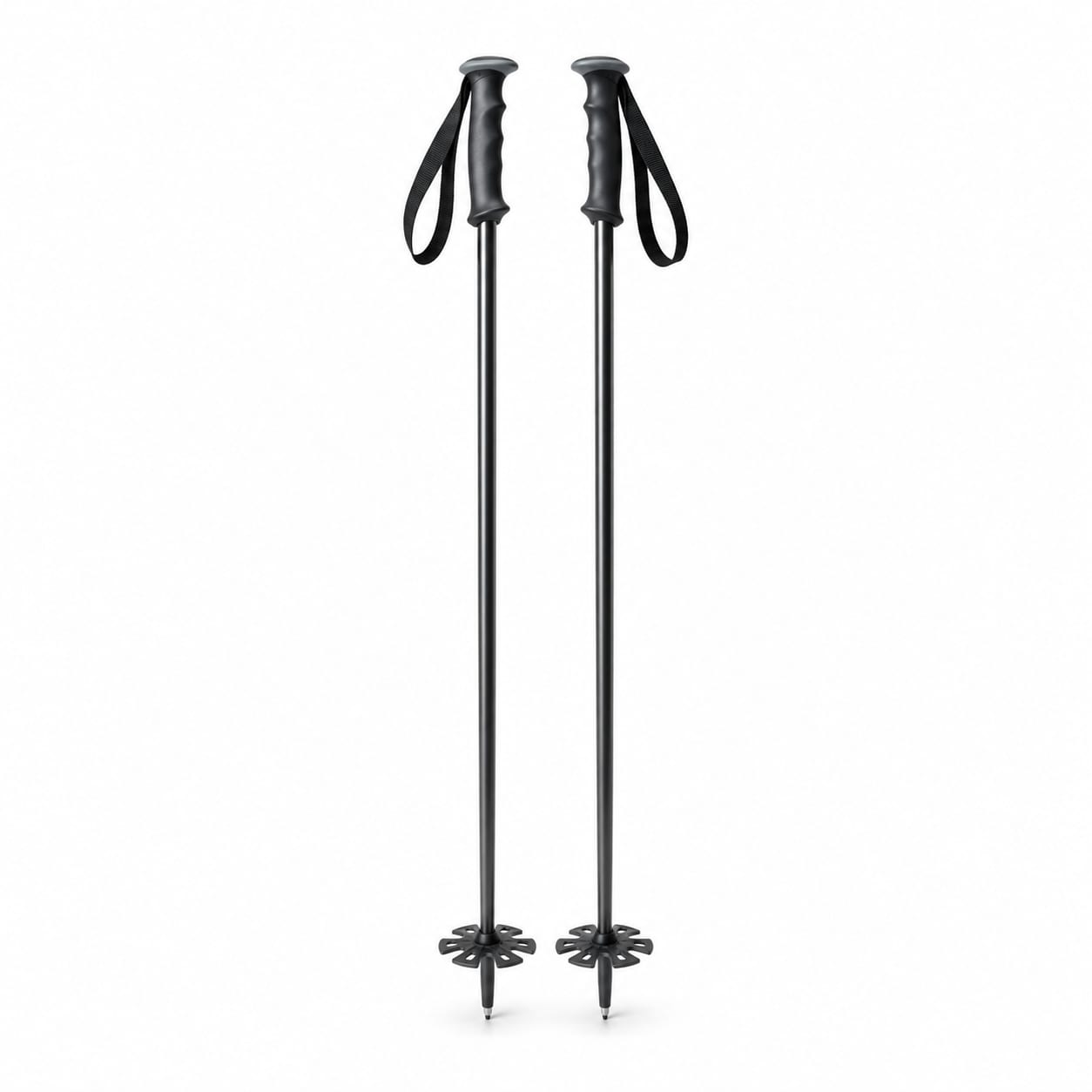
Alpine Ski Poles
$25 – $180
Standard fixed-length poles designed for resort downhill skiing and general on-piste use.
Fixed lengthStraight shaftStandard basket (50-60mm)
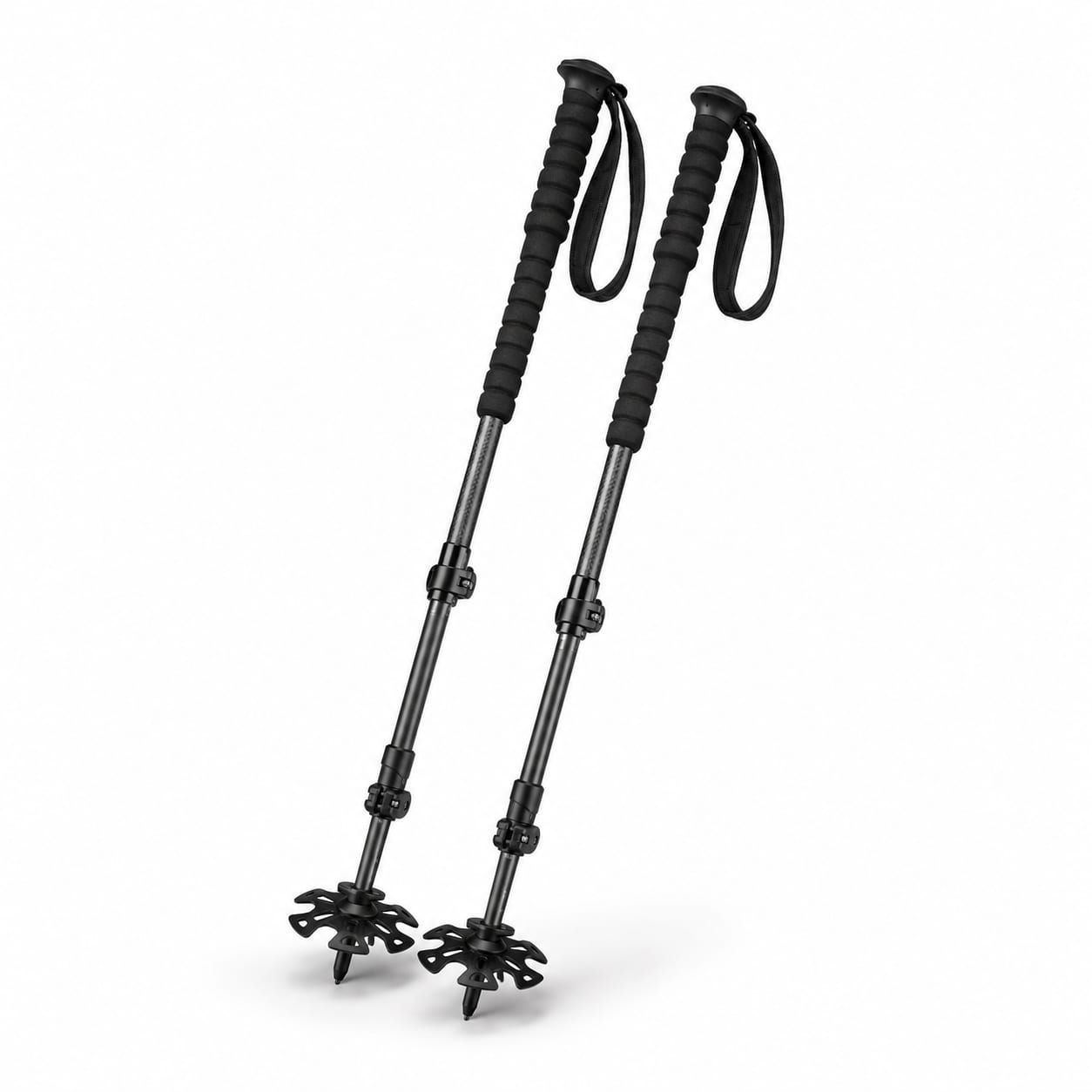
Backcountry/Touring Poles
$60 – $280
Adjustable-length poles designed for uphill skinning and downhill skiing in backcountry terrain.
Adjustable length (2-section or 3-section)Extended gripsPowder baskets
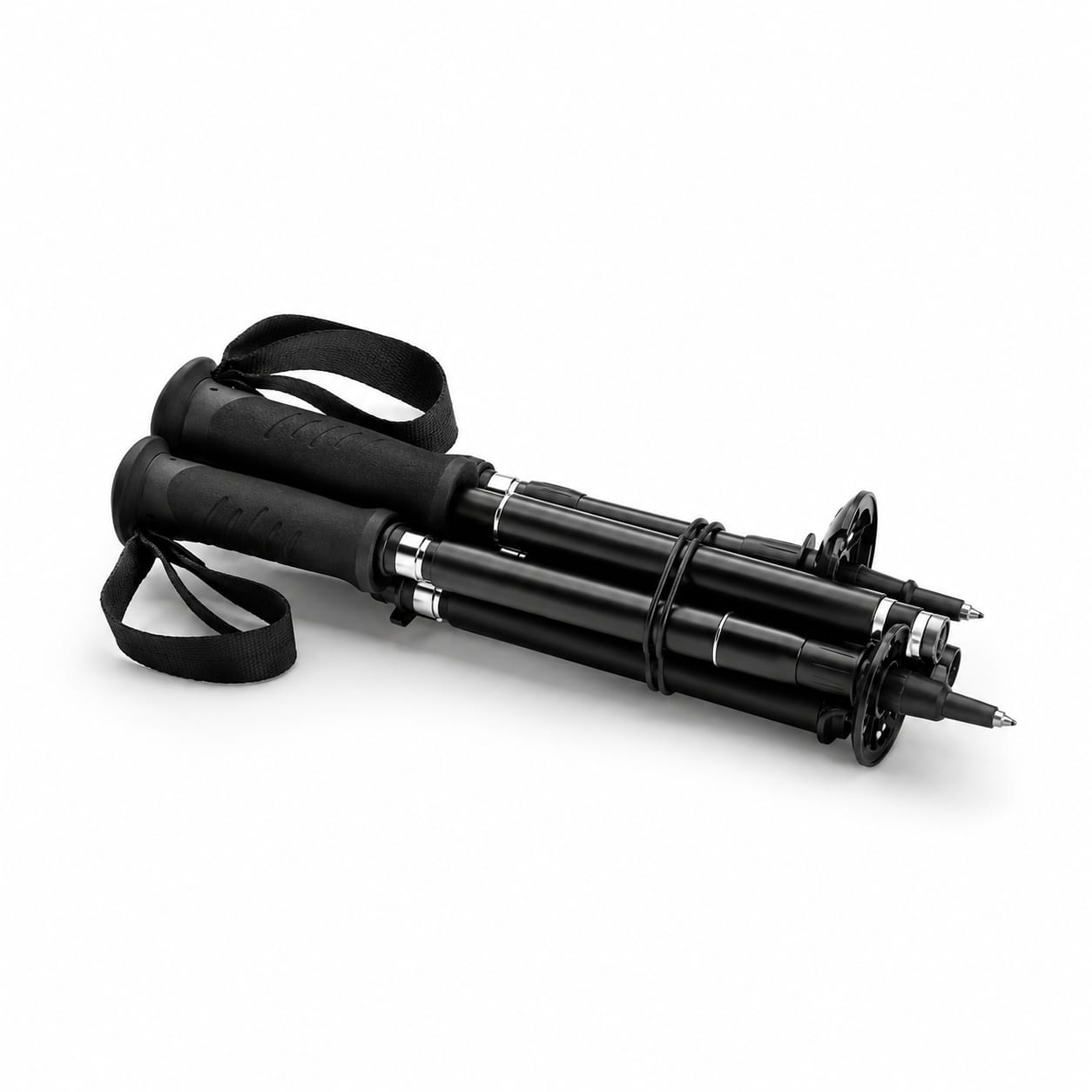
Folding Ski Poles
$80 – $300
Compact poles that fold into short sections for easy packing in ski mountaineering and travel.
Folding sections (3-5 pieces)Internal cord systemUltra-compact packed size
More questions
- How much should I lengthen my poles for uphill skinning versus downhill skiing?
- Do adjustable poles ever collapse unexpectedly while skiing?
- Are adjustable poles worth it if I only ski at resorts?
- Can I use my adjustable ski poles for summer hiking and trekking?