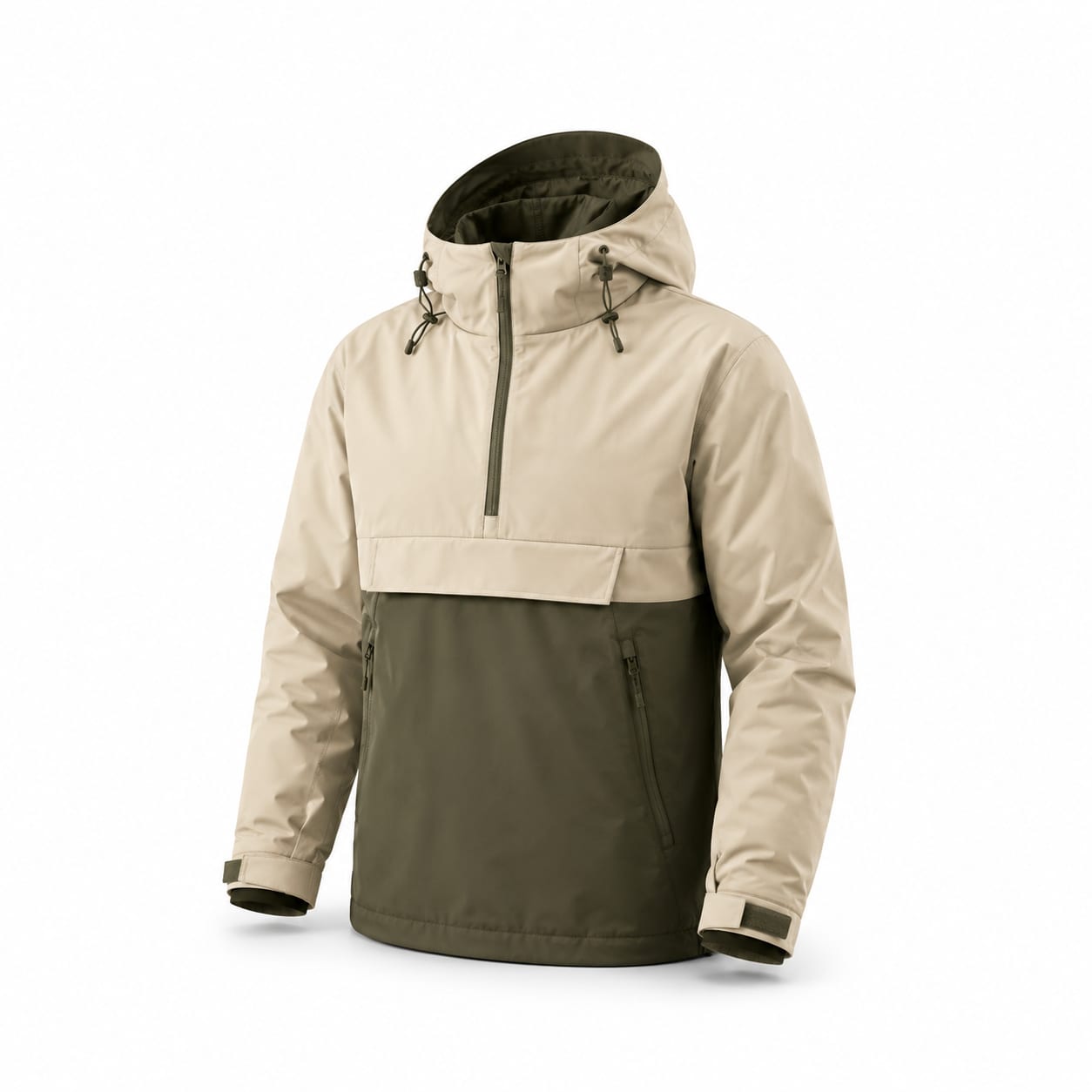
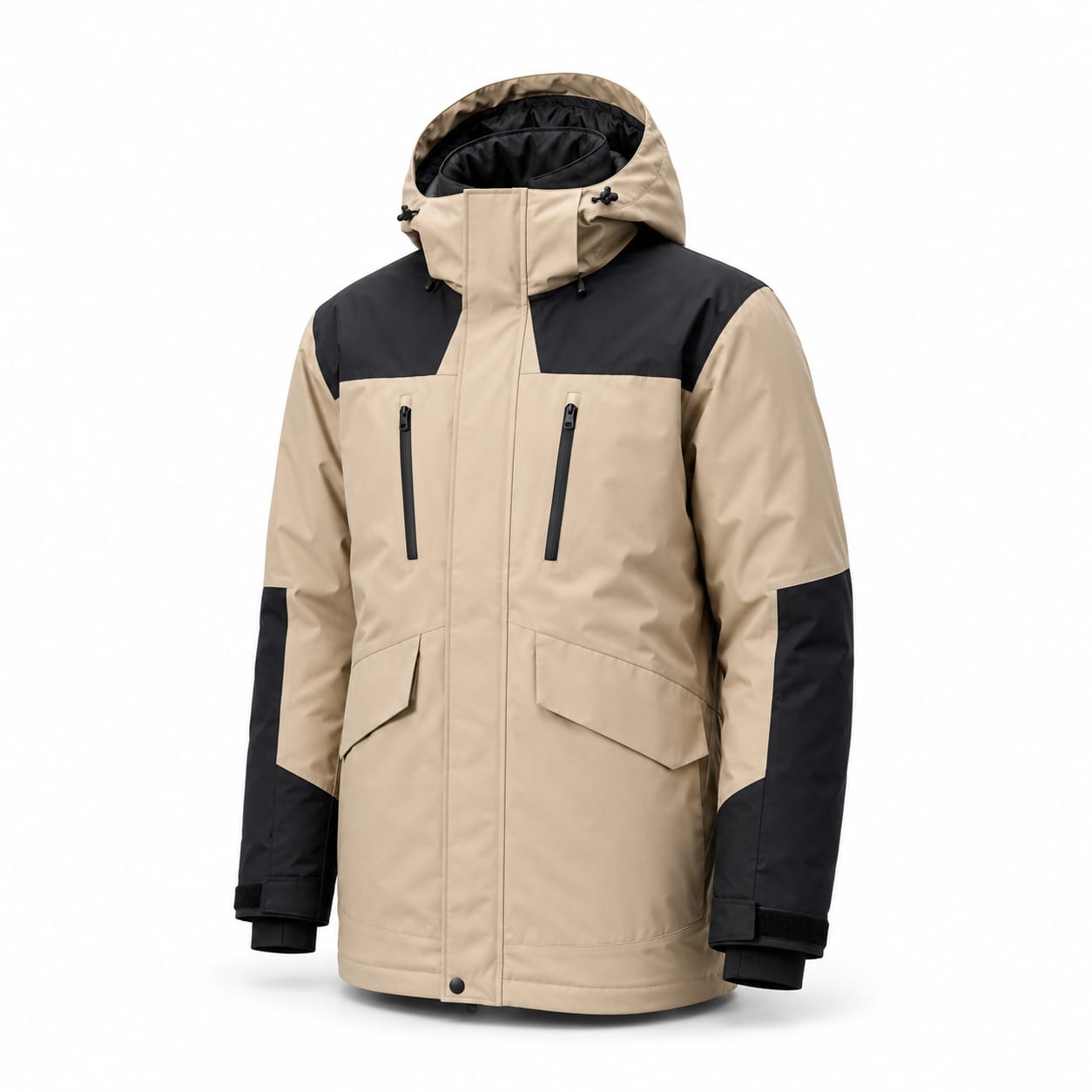
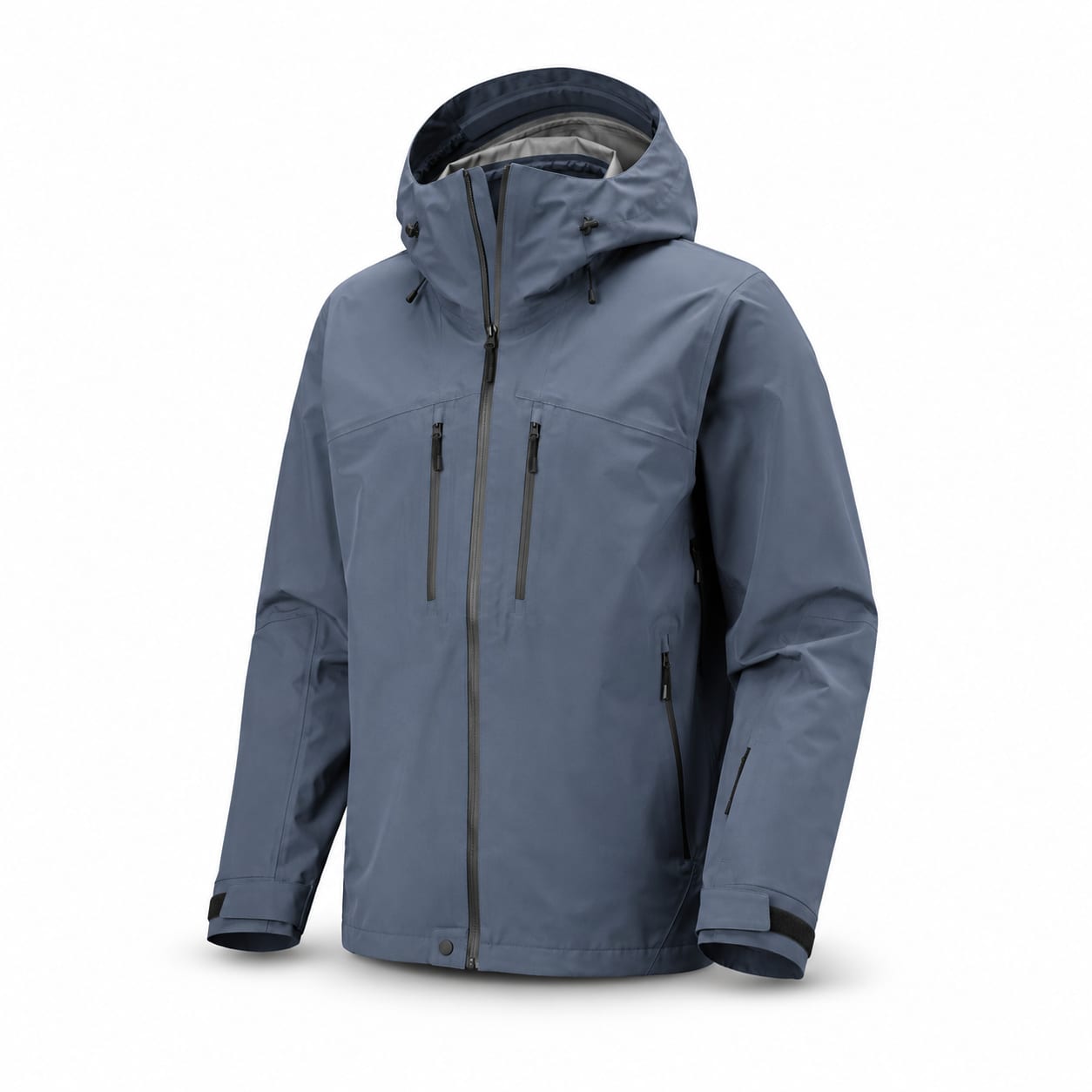
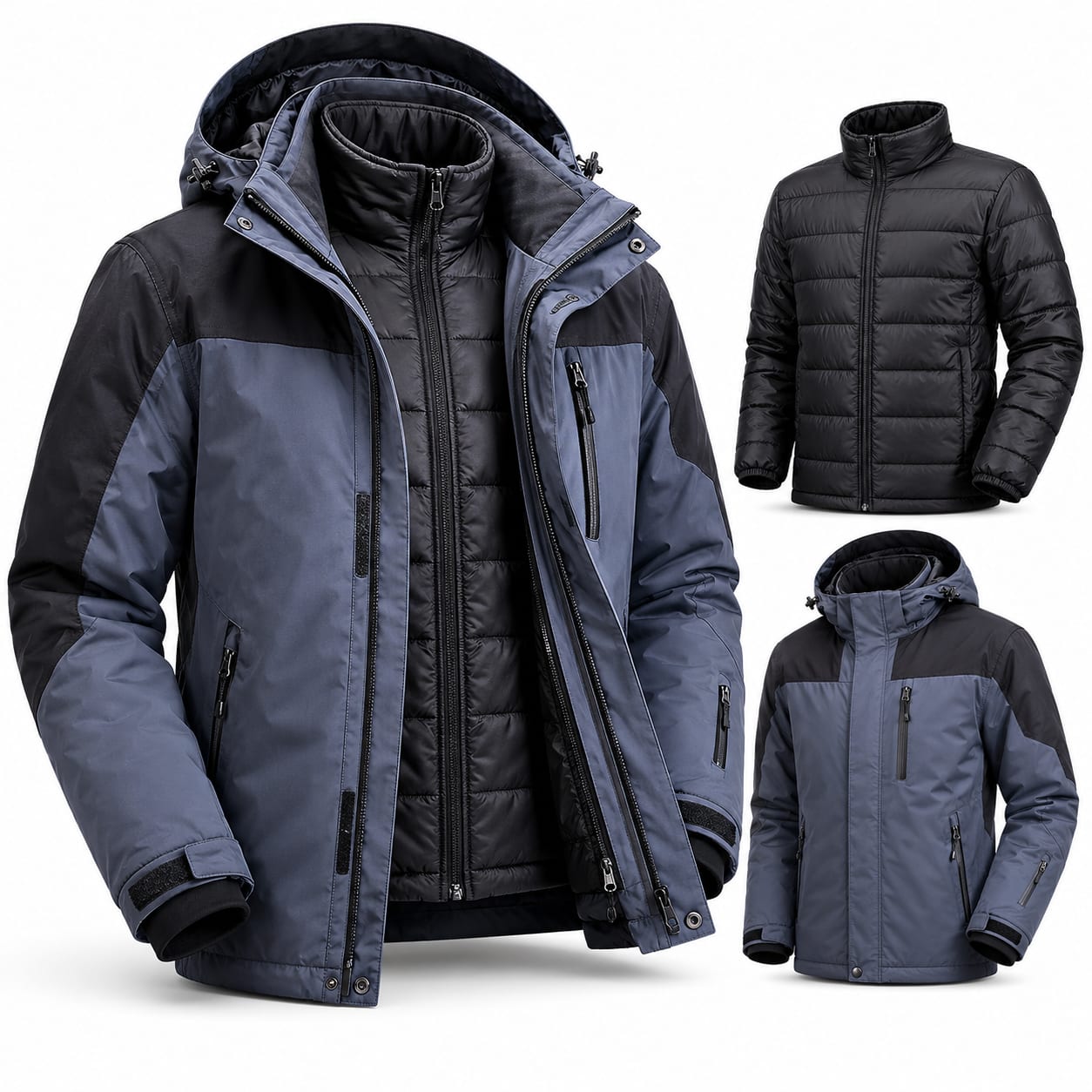
The anorak or pullover snow jacket is a distinct subcategory of snow outerwear characterized by its lack of a full-length front zipper. Instead, entry is through a half-zip, quarter-zip, or overhead pullover opening, often accompanied by an oversized kangaroo pocket on the front. This design traces its roots to traditional Arctic anoraks worn by indigenous peoples and was later adopted and popularized by snowboard culture in the 1990s and 2000s as a counterpoint to mainstream ski styling. Modern anorak snow jackets range from lightweight spring shells to fully featured technical pieces with 20,000mm waterproofing, helmet-compatible hoods, and powder skirts. The pullover construction inherently reduces the number of seams and zipper tracks on the front of the jacket, which can improve water resistance in the chest and stomach area — a real benefit in deep powder or wet snow. The kangaroo pocket provides generous, easily accessible storage and hand warmth, though it can interfere with a backpack hip belt. The trade-off is clear: you sacrifice the instant ventilation and easy on-off of a full front zip, but you gain a cleaner look, fewer failure points, and a style identity that is unmistakably rooted in snowboard and freestyle culture.
Anorak snow jackets occupy a unique space in the outerwear landscape, sitting at the intersection of technical performance and cultural identity. The pullover design is not merely aesthetic — it offers a tangible functional advantage by eliminating the longest seam and zipper on the jacket, which is the most vulnerable point for water ingress. In deep powder, where snow constantly blasts the front of your body, a sealed front panel means one less pathway for moisture to reach your mid-layers. This is why anoraks have remained popular in regions like Japan and the Pacific Northwest, where riders face consistently deep, wet snow conditions.
The signature kangaroo pocket is both the anorak's greatest convenience and its most polarizing feature. The oversized front pouch provides ample storage for goggles, gloves, snacks, or a beanie, and it doubles as a hand warmer when you're sitting on the chairlift. However, the pocket sits exactly where a backpack hip belt rests, which can make it awkward or inaccessible when touring or hiking. Riders who frequently wear backpacks should consider whether the pocket placement works with their typical setup. Some modern anoraks address this by adding side-entry zippers to the kangaroo pocket or supplementing with chest pockets that remain accessible under pack straps.
Ventilation is the most significant practical consideration with anorak jackets. Without a full front zipper, you cannot simply unzip to dump heat instantly. Pit zips become even more critical on an anorak than on a full-zip jacket, and riders who run hot or who ride in variable spring conditions should prioritize models with generous underarm vents. Some anoraks add chest vents or mesh-backed side zippers to compensate for the lack of a front opening. The half-zip itself does provide some ventilation at the collar, but it is not equivalent to a full front zip for temperature regulation. This makes anoraks best suited for consistent cold conditions where you want to trap heat, rather than highly variable temperatures where you need rapid cooling.
Putting on and taking off an anorak requires more effort than a full-zip jacket, especially with a helmet on. This is a practical reality that matters at the start and end of the day, during lunch breaks, and when adjusting layers. The overhead entry also means you need to be more careful about pulling the jacket over a sweaty base layer without disturbing your goggle strap or beanie. Some riders find this manageable; others find it annoying enough to avoid anoraks entirely. It is worth trying on an anorak before committing, especially if you have limited shoulder mobility or prefer to make frequent layering adjustments throughout the day.
Despite these trade-offs, the anorak remains one of the most stylistically distinctive pieces of snow outerwear. For riders who prioritize individual expression on the hill, the anorak's unique silhouette and cultural cachet are significant draws. Leading brands like Burton, Volcom, 686, and Picture Organic continue to invest in anorak designs, offering options from budget-friendly entry-level pieces to premium GORE-TEX constructions. The best anoraks for 2024 and beyond prove that you do not have to sacrifice technical performance for style — you just have to accept a different set of trade-offs and choose accordingly.