Kitvore.com

Kitvore.com

Specs that matter. Gear that fits.

Snow Jacket · Subcategory

Freestyle / Snowboard-Specific Jacket

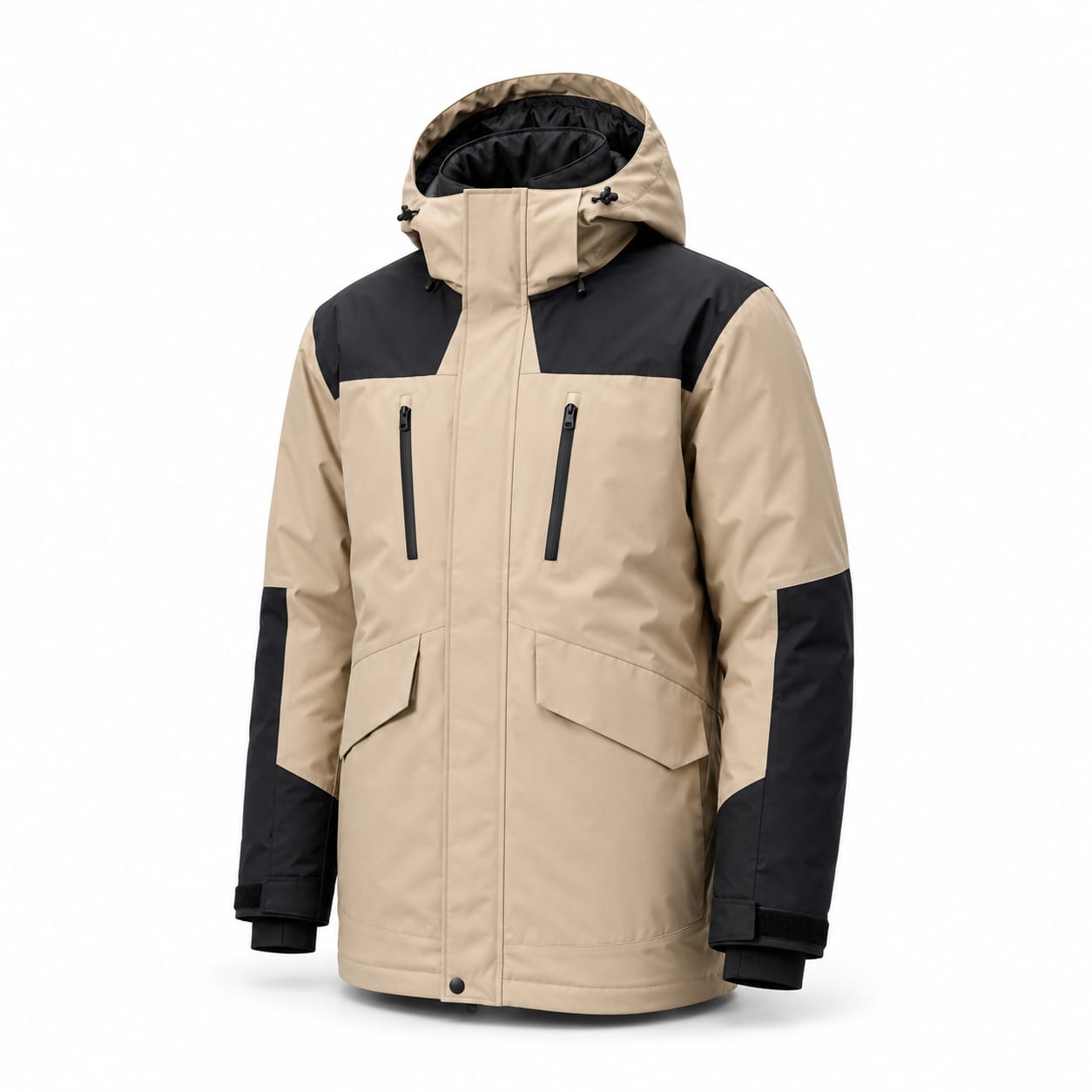
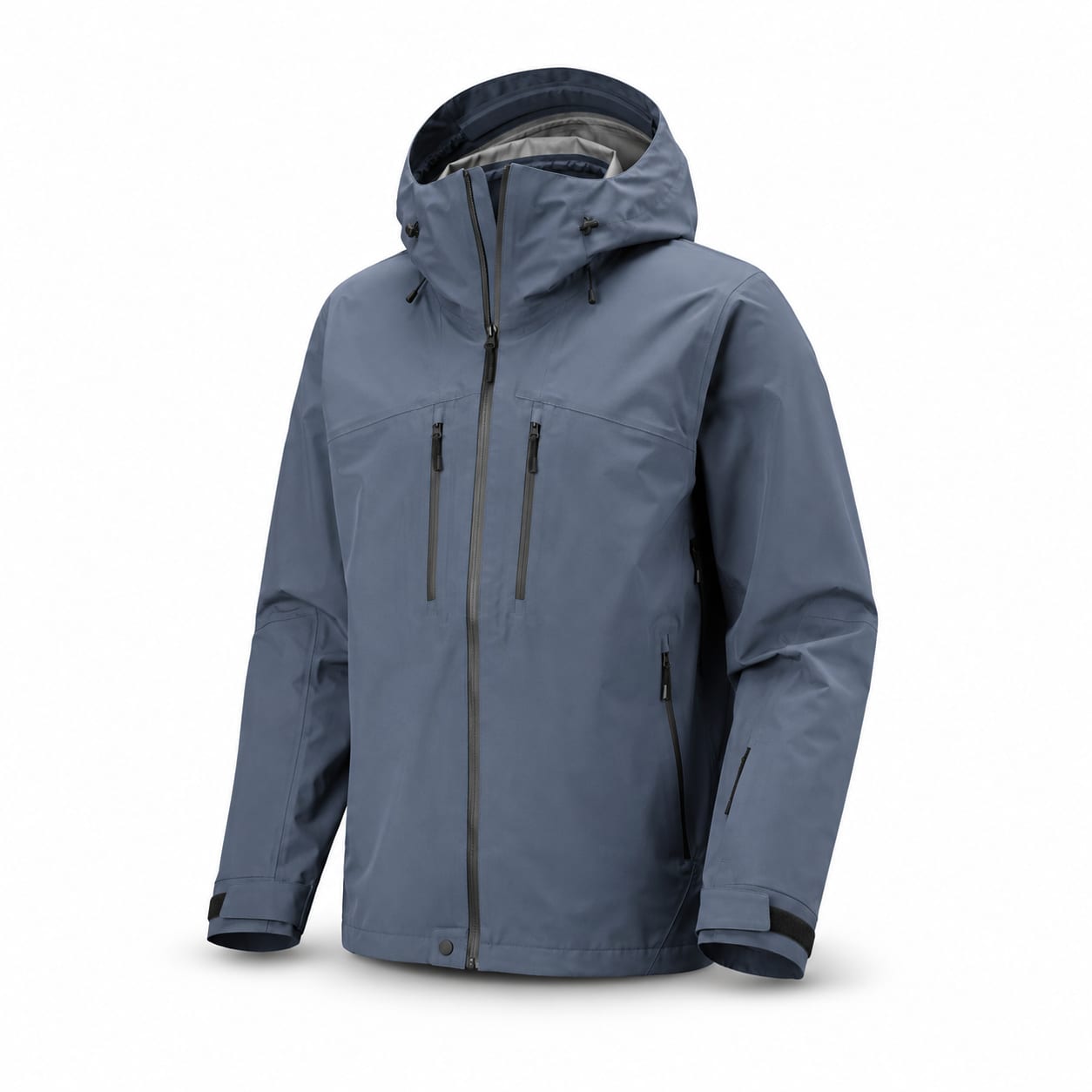
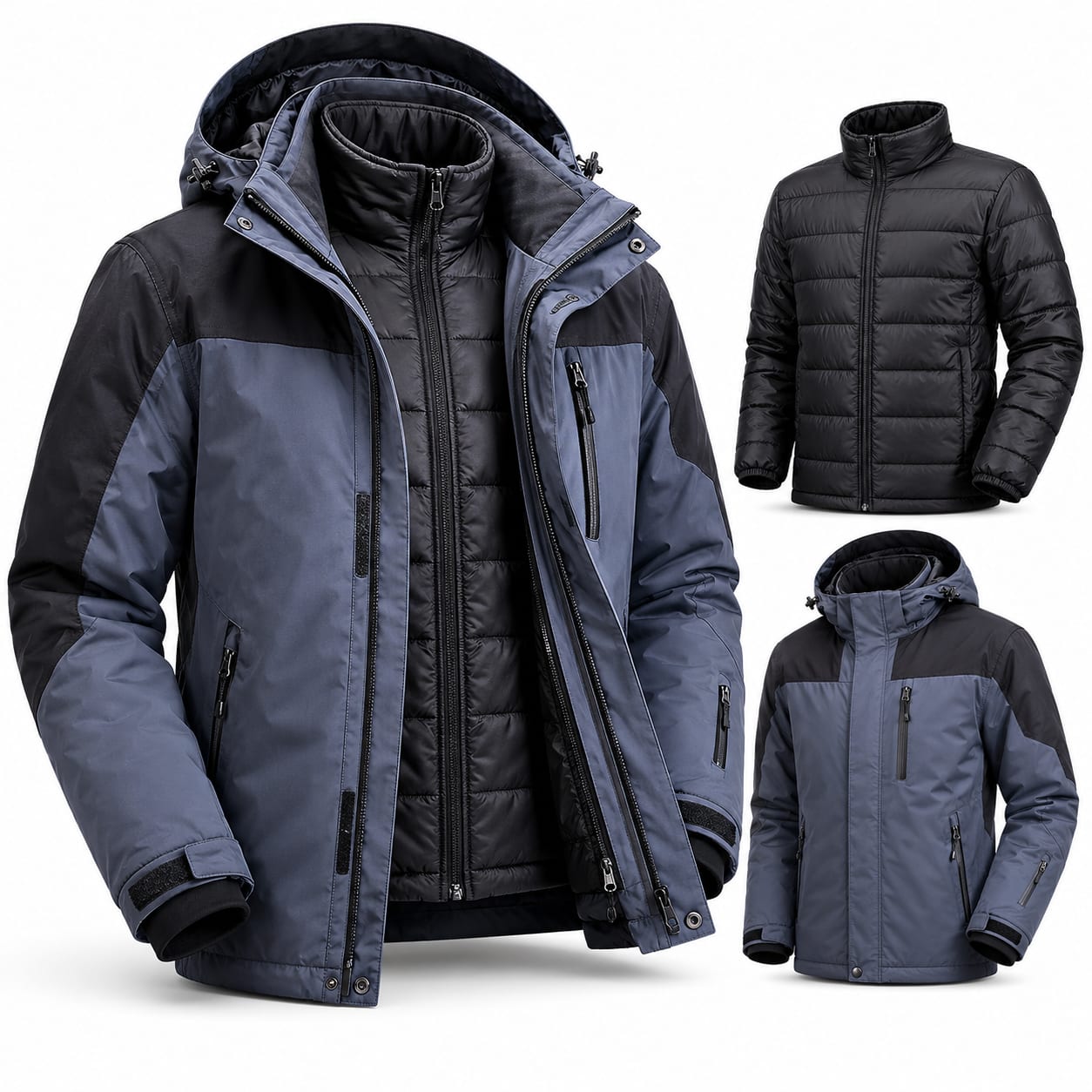
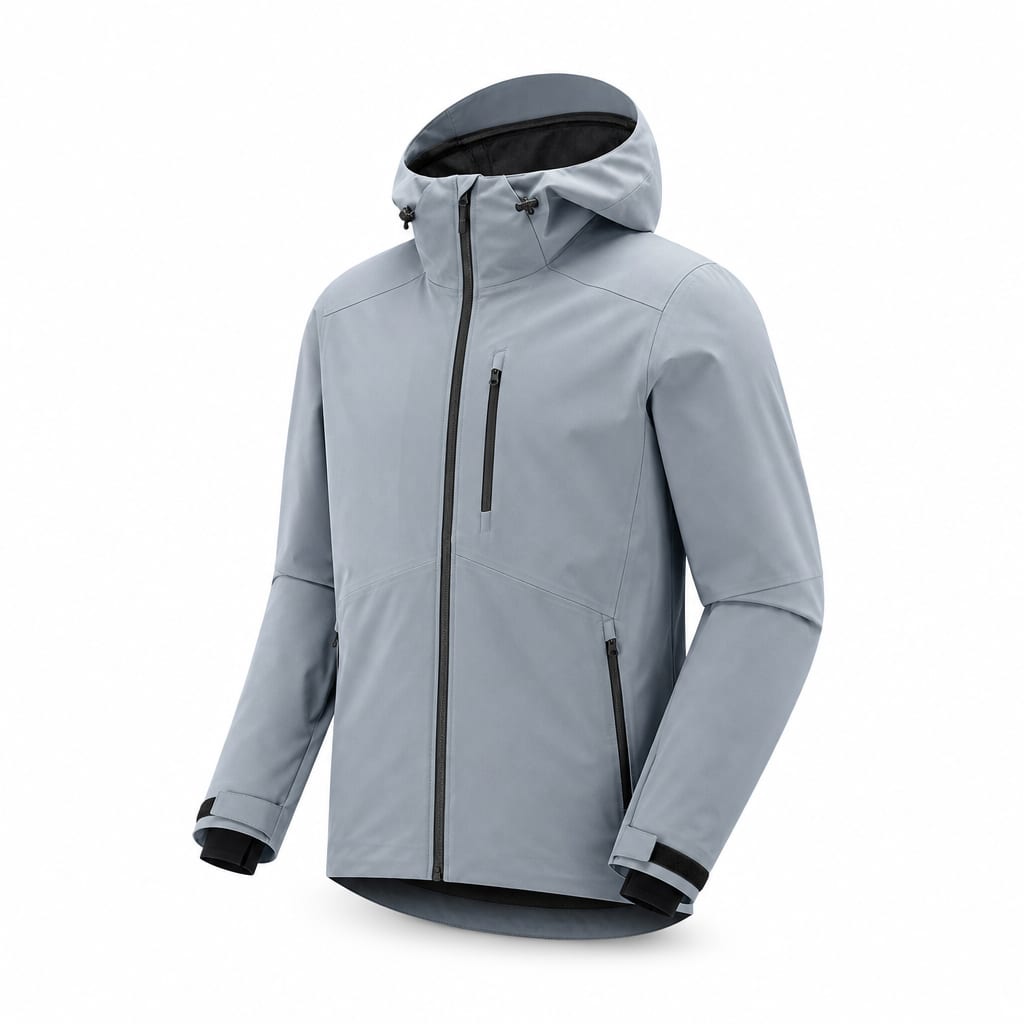
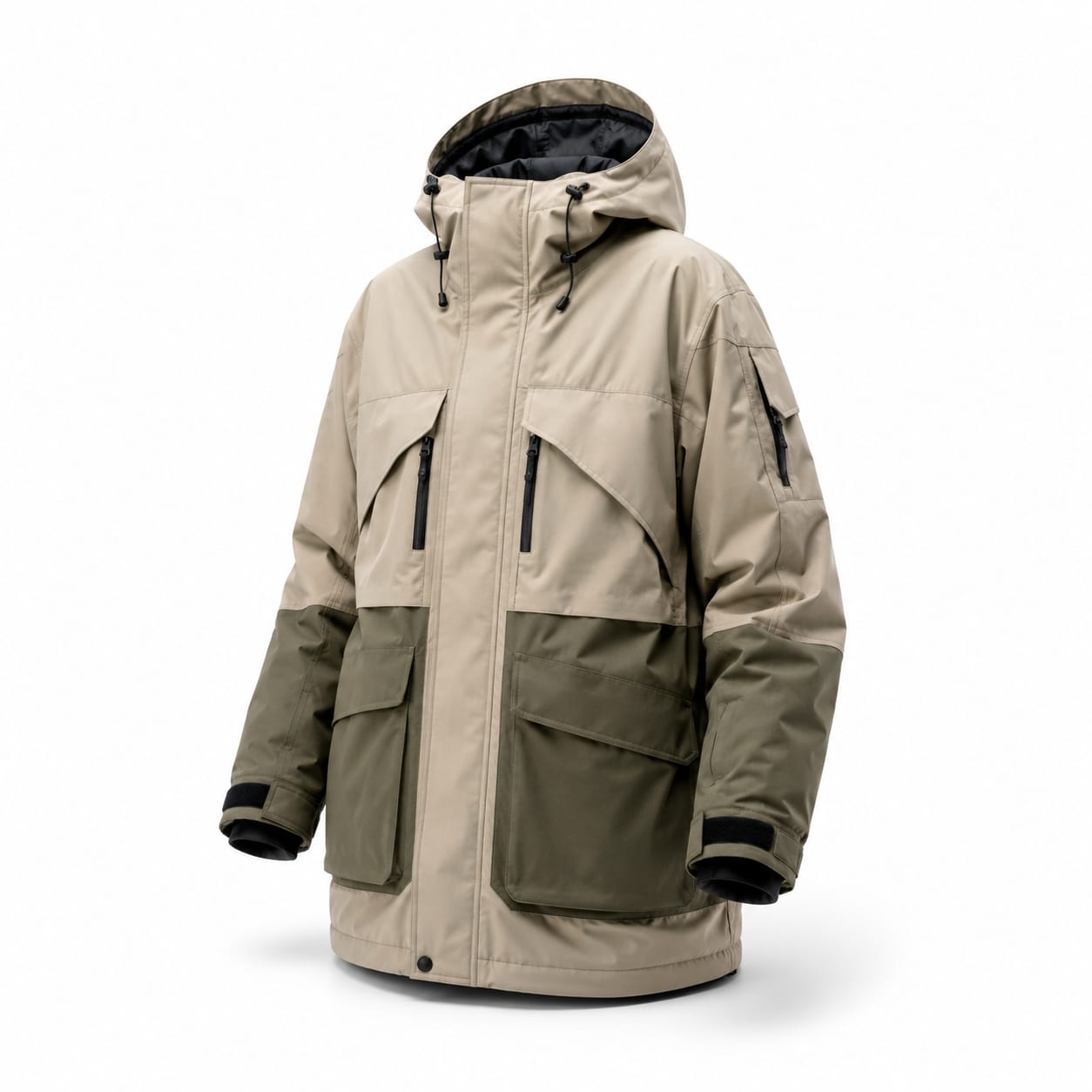
A relaxed-fit, style-driven snow jacket built for maximum mobility in the park, pipe, and street features.

Freestyle snowboard jackets prioritize freedom of movement, bold aesthetics, and everyday ride comfort over extreme weather protection. With their signature relaxed or oversized fit, longer hem, and extra insulation for sitting on snow, they are the go-to choice for park riders, urban shredders, and anyone who values snowboard culture styling both on and off the hill.

$150 – $550mid tierintermediateadvancedexpert

Best known for

Relaxed and oversized fits that never restrict movementBold colorways and street-inspired aestheticsExtra length for coverage and styleGenerous insulation for sitting on cold features and snow
Freestyle / Snowboard-Specific Jacket

Guide

Detailed overview

Freestyle snowboard jackets are designed around the specific demands of park, pipe, and urban riding where unrestricted mobility is paramount. Unlike technical alpine shells that prioritize a trim silhouette and maximum weather sealing, freestyle jackets embrace a looser cut that accommodates the full range of motion needed for grabs, spins, and rail slides. The relaxed or oversized fit also reflects deep roots in snowboard and street culture, making these jackets equally at home in the lodge or downtown after a session. Most freestyle jackets feature light-to-mid insulation because park riders spend considerable time sitting on cold snow, waiting for features, or hiking lips. Waterproof ratings tend to land in the 10,000–15,000mm range—adequate for resort snowfall without the premium price of backcountry-grade membranes. Pit zips and mesh-lined vents are common to manage heat during hike sessions. The longer hem, often extending past the hips, provides extra coverage when bending and sitting, while wrist gaiters with thumbholes keep sleeves from riding up during tricks. A lift pass pocket on the sleeve and internal mesh dump pockets for goggles round out the feature set. These jackets are not the lightest or most breathable options, but for dedicated park and freestyle riders, the combination of mobility, style, and practical warmth is unmatched.

Freestyle snowboard jackets occupy a unique space in snow outerwear where function and culture intersect. The defining characteristic is fit: relaxed and oversized silhouettes allow riders to move without restriction, whether winding up for a 720 off the kicker or tweaking a method grab. This generous cut also accommodates varying layering underneath, from a simple hoodie on warm spring days to a full mid-layer system in midwinter. The extra length—often falling well past the hips—serves dual purposes. It provides additional coverage when sitting on cold chairlifts or snow, and it delivers the draped aesthetic that has been central to snowboard style since the 1990s.

Insulation in freestyle jackets typically ranges from 40g to 100g, striking a balance between warmth for stationary moments and breathability for high-output hiking. Park riders spend significant time standing around waiting for their turn, sitting on snow to watch friends hit features, or hiking the same rail for an hour. A shell-only jacket would leave them cold during these low-activity periods, while heavy insulation would cause overheating during exertion. Many freestyle jackets use body-mapped insulation with more warmth in the seat and core and less in the sleeves for better mobility.

Waterproofing in this category generally lands between 10,000mm and 15,000mm, which handles most resort conditions without the cost premium of 20,000mm+ backcountry membranes. Critically taped seams are common, protecting the shoulders and hood while keeping the price accessible. Proprietary membranes from brands like Burton, Volcom, and 686 offer solid performance at this tier, often with unique features like jacket-to-pant interface systems that create a complete snow seal. Ventilation is essential because hike sessions in the park generate significant heat, and full-length mesh-lined pit zips are standard.

The aesthetic dimension cannot be overstated. Freestyle jackets are where snowboard brands showcase their most creative designs—bold color blocking, oversized logos, collaborative artist series, and limited drops that sell out in hours. This cultural currency matters to the target rider, who often values the jacket's look as much as its technical performance. The result is a category where style and substance coexist, and the best jackets deliver both without compromise.

Quick facts

Primary purpose
Provide weather protection and style optimized for snowboard-specific movements and park riding
Popular brands
BurtonVolcom686RideDCThirtyTwo
Typical terrain
ParkPipeResortUrban

What makes it different

Longer length; looser fit; snowboard-specific ergonomics; streetwear-influenced design; often bolder styling

Recommended ranges

How this type usually specs out

Each spec is explained in plain language, then we show what buyers usually look for on this type.

Waterproof Rating

Waterproof Rating

What it means

The hydrostatic head rating measuring how much water pressure the fabric can resist before leaking, expressed in millimeters. Higher numbers indicate better waterproofing.

Typical for this type

10000–15000 mm

Most common pick: 10000 mm

In practice

Most freestyle jackets use 10K–15K waterproofing, which handles typical resort snowfall and park conditions without the cost of backcountry-grade membranes.

Compared to other types

Lower than backcountry touring shells (20K+) which need extreme protection, but comparable to all-mountain resort jackets. Higher than budget casual jackets that may only offer 5K.

Why it matters: Park riders encounter snow, slush, and spray from features but rarely face the sustained downpours or multi-hour storms that demand 20K+ ratings. 10K is the minimum for staying dry on a normal resort day.

Breathability Rating

Breathability Rating

What it means

Measures how much water vapor (sweat) can pass through the fabric over 24 hours, expressed in g/m². Higher numbers mean better moisture management and less clamminess during exertion.

Typical for this type

8000–15000 g/m²/24hr

Most common pick: 8000 g/m²/24hr

In practice

Freestyle jackets prioritize insulation over maximum breathability, but 8K–15K is typical. Hike sessions in the park generate real heat, so breathability still matters.

Compared to other types

Lower than backcountry touring shells (15K–25K+) which are designed for sustained uphill travel. Comparable to resort skiing jackets. Higher than heavily insulated cold-weather jackets where warmth is prioritized over moisture management.

Why it matters: Even with pit zips, the fabric itself needs to manage moisture during high-exertion hiking. Low breathability leads to internal clamminess that freezes when you stop to wait for your turn.

Insulation Type

Insulation Type

What it means

The primary insulation material used in the jacket, which determines warmth-to-weight ratio, packability, and performance when wet.

Typical for this type

Synthetic Or Hybrid

In practice

Synthetic insulation dominates freestyle jackets because it retains warmth when damp from sitting on snow and is affordable at the typical price point. Hybrid body-mapped designs are increasingly common.

Compared to other types

Unlike backcountry shells which use no insulation (none_shell), freestyle jackets almost always include some insulation. Unlike premium alpine jackets that may use down for warmth-to-weight, freestyle jackets favor synthetic for wet-sitting durability and cost.

Why it matters: Park riders sit on wet snow regularly. Synthetic insulation keeps warming even when the seat area gets damp, unlike untreated down which clumps and loses loft.

Insulation Weight

Insulation Weight

What it means

The amount of insulation in the jacket, measured in grams. Higher numbers indicate more warmth but also more bulk. Often given as body/sleeve (e.g., 80g/60g).

Typical for this type

40–100g (body), 30–60g (sleeves)

Most common pick: 60g body / 40g sleeves

In practice

Light-to-mid insulation is standard. Body-mapped designs often place more insulation in the torso and seat, less in the sleeves for arm mobility during tricks.

Compared to other types

More insulation than backcountry shells (0g) and comparable to resort skiing jackets. Less than extreme cold-weather jackets (120g+) designed for low-activity resort riding in deep winter.

Why it matters: Too much insulation causes overheating during hike sessions. Too little leaves you cold while waiting on feature lips or sitting on chairlifts. The 60/40 body-sleeve split is the sweet spot for most conditions.

Jacket Fit

Jacket Fit

What it means

The overall cut and silhouette of the jacket, affecting layering capacity, mobility, and style.

Typical for this type

Relaxed Or Oversized

In practice

Relaxed fit is the standard for freestyle jackets, providing unrestricted movement for tricks and a signature snowboard aesthetic. Oversized is popular for park and urban riders seeking maximum style and mobility.

Compared to other types

Significantly looser than resort skiing jackets (slim or regular) and backcountry shells (regular or slim). The relaxed/oversized fit is a defining differentiator of the freestyle subcategory.

Why it matters: A trim fit restricts the range of motion needed for grabs, rotations, and rail slides. The relaxed cut also accommodates a hoodie or mid-layer underneath, which is the standard layering approach for freestyle riders.

Seam Sealing

Seam Sealing

What it means

The method used to seal stitched seams, which are the weakest points for water entry. Critical for actual waterproof performance beyond the fabric rating.

Typical for this type

Critically Taped Or Fully Taped

In practice

Critically taped seams are the most common, protecting shoulders, hood, and chest while keeping costs down. Fully taped options exist at higher price points.

Compared to other types

Less comprehensive than backcountry shells (fully_taped or welded) which need maximum protection. Comparable to most resort jackets. More protection than budget casual jackets which may have minimal taping.

Why it matters: Park riders encounter spray from features and slushy landings but rarely face sustained rain. Critical taping handles most conditions; fully taped is worth it if you also ride deep powder.

Hood Type

Hood Type

What it means

The style and functionality of the jacket's hood, including whether it accommodates a helmet and how it adjusts.

Typical for this type

Helmet Compatible Fixed Or Helmet Compatible Detachable

In practice

A fixed helmet-compatible hood is standard. It accommodates the helmet most park riders wear and provides full weather protection in one package.

Compared to other types

Same as most technical riding jackets. Detachable hoods are slightly more common in freestyle than in backcountry shells because park riders value the option to strip down for spring sessions.

Why it matters: Most freestyle riders wear helmets, especially in the park where impact risk is high. The hood needs to fit over the helmet for storm days and adjust down for sunny sessions.

Ventilation

Ventilation

What it means

The type and location of zippered vents that allow rapid heat and moisture release during high-exertion activities without fully unzipping the jacket.

Typical for this type

Pit Zips With Mesh Lined Vents

Most common pick: Pit Zips, Mesh Lined Vents

In practice

Full-length mesh-lined pit zips are the standard. Mesh lining prevents snow ingress during falls in the park, while the underarm placement allows one-handed operation.

Compared to other types

Similar to all-mountain and resort jackets. Less venting than backcountry touring shells which may add chest or back vents. More practical than casual fashion jackets that may lack vents entirely.

Why it matters: Hiking park features generates significant heat. Mesh-lined pit zips dump heat fast without letting snow in when you slam and slide through slush. This combination is essential for temperature regulation.

Powder Skirt

Powder Skirt

What it means

An elasticized or snap-closure band around the inside hem of the jacket that seals against the waist to prevent snow from entering from below, especially during falls in deep snow.

Typical for this type

Detachable Or Fixed

In practice

Detachable powder skirts are increasingly popular because they offer the snow seal for powder days and can be removed for spring park sessions when extra ventilation matters more.

Compared to other types

More likely to be detachable than backcountry shells (usually fixed for maximum seal) because freestyle riders encounter a wider range of conditions from midwinter storms to warm spring days. Some park-focused jackets skip the skirt entirely for weight savings.

Why it matters: Park riders fall frequently, and without a powder skirt, snow pushes up under the jacket on every slam. But in spring, the skirt traps heat. Detachable gives the best of both worlds.

Wrist Seals / Cuffs

Wrist Seals / Cuffs

What it means

The closure system at the jacket cuffs that seals around the wrists to prevent cold air, snow, and water from entering the sleeves.

Typical for this type

Velcro Cuff With Inner Gaiter

In practice

Velcro cuffs with inner gaiters and thumbholes are standard on quality freestyle jackets. The thumbhole gaiter keeps sleeves from riding up during grabs and rotations.

Compared to other types

Inner gaiters with thumbholes are especially valued in freestyle compared to other subcategories because of the constant arm extension during tricks. Resort and backcountry riders also benefit but the feature is most critical for park riding.

Why it matters: When you're reaching for a grab or winding up for a spin, sleeves that ride up expose your wrists to cold and snow. The thumbhole gaiter is a must-have feature that keeps the sleeve anchored in place.

Membrane Technology

Membrane Technology

What it means

The specific waterproof-breathable membrane or coating technology used in the jacket's construction. This is the core technology that determines real-world performance.

Typical for this type

Proprietary Membrane Or Gore Tex

In practice

Proprietary membranes from snowboard brands (Burton Dryride, Volcom Zip Tech, 686 Smarty) dominate this category, offering solid 10K–15K performance at accessible prices. GORE-TEX appears on premium models.

Compared to other types

Less likely to feature GORE-TEX Pro than backcountry shells where maximum breathability justifies the cost. More likely to use proprietary membranes than resort skiing jackets which span a wider range. DWR-only coatings are rare in this category.

Why it matters: Proprietary membranes from established snowboard brands are proven performers at the 10K–15K level and often include brand-specific features like jacket-to-pant interfaces. GORE-TEX is worth the upgrade if you ride in wet climates.

Pocket Configuration

Pocket Configuration

What it means

The types, positions, and features of pockets on the jacket. Affects storage, convenience, and access to essentials while riding.

Typical for this type

Hand Warmer, Lift Pass, Internal Mesh, Chest Pocket

In practice

A full pocket suite is standard: hand warmers for lift rides, a sleeve lift pass pocket for RFID scanning, internal mesh dump pockets for goggles and gloves, and chest pockets for phone and small items.

Compared to other types

Similar to resort skiing jackets. Internal mesh dump pockets are especially valued in freestyle for quick goggle stashing. Less emphasis on internal media pockets since wireless earbuds have made headphone ports less relevant. Backcountry shells may skip the lift pass pocket.

Why it matters: Park riders need quick access to essentials. The lift pass pocket is essential for resort access. Internal mesh pockets let you stash goggles during lunch without scratching lenses. Hand warmers are critical for cold chairlift rides.

Jacket Length

Jacket Length

What it means

The overall length of the jacket, affecting coverage, snow protection, and style. Measured from center back collar to hem.

Typical for this type

Long Or Regular

In practice

Long/extended length is the most popular choice, providing extra coverage when sitting on features and the draped aesthetic central to snowboard style. Regular length is available for riders who prefer less bulk.

Compared to other types

Significantly longer than resort skiing jackets (regular) and backcountry shells (regular or cropped). The long/extended length is a defining characteristic of freestyle snowboard jackets and one of the most visible differences from ski-oriented outerwear.

Why it matters: The longer hem keeps snow off your lower back and seat when bending for grabs or sitting on cold features. It also delivers the signature snowboard silhouette that most freestyle riders want.

RECCO Reflector

RECCO Reflector

What it means

A passive rescue reflector embedded in the jacket that can be detected by RECCO detector equipment used by ski patrol and search and rescue teams.

Typical for this type

True Preferred

In practice

Most mid-range and premium freestyle jackets include a RECCO reflector. It is increasingly standard even on park-focused models because riders often venture into sidecountry terrain.

Compared to other types

Comparable to all-mountain and resort jackets. Backcountry shells almost always include RECCO. Budget casual jackets are less likely to have it. The reflector is increasingly expected across all categories at mid-range price points and above.

Why it matters: Even park-focused riders may duck into sidecountry or gladed terrain. RECCO is a passive safety backup that adds no weight or maintenance. It does not replace a beacon but aids rescue detection.

Primary Activity / Use Case

Primary Activity / Use Case

What it means

The intended riding activity or environment the jacket is optimized for. Jackets designed for different activities prioritize different features and performance characteristics.

Typical for this type

Freestyle Park, Resort Snowboarding

In practice

Freestyle jackets are optimized for park, pipe, and urban riding with secondary use for general resort snowboarding. The fit, insulation, and features all serve the freestyle use case first.

Compared to other types

More specialized than all-mountain jackets which try to do everything. Less technical than backcountry touring shells which prioritize breathability and weight. More mobility-focused than resort skiing jackets which prioritize a trim fit and weather protection.

Why it matters: A jacket designed for freestyle will have the right balance of mobility, warmth for stationary periods, and style. Using it for its intended purpose means the features align with your actual needs on the hill.

Fabric Denier / Durability

Fabric Denier / Durability

What it means

The thickness and durability of the outer face fabric, measured in denier. Higher denier fabrics are more abrasion-resistant and durable but heavier and less packable.

Typical for this type

50–100 denier

Most common pick: 70 denier

In practice

Freestyle jackets typically use 50–100 denier fabrics, with reinforced panels in high-wear areas. The moderate denier balances durability for rail slides and feature contact with reasonable weight.

Compared to other types

Higher denier than backcountry touring shells (10–40 denier) which prioritize weight savings. Comparable to resort skiing jackets. Lower than heavy-duty freeride jackets (100–150 denier) designed for tree and rock contact.

Why it matters: Park riders regularly contact rails, boxes, and snow features that abrade the fabric. A higher denier in high-wear areas (hem, cuffs, seat) extends jacket life. Too low and you'll tear it on the first rail; too high and it's unnecessarily heavy.

Evaluation

Strengths and trade-offs

Pros

What this type does best

Unrestricted mobility for tricks and grabs

Critical

The relaxed or oversized fit allows full range of motion for spins, grabs, and rail slides without the jacket pulling or restricting movement at any point in the trick.

Authentic snowboard style and aesthetics

High

Freestyle jackets feature the bold colorways, oversized silhouettes, and street-inspired designs that define snowboard culture. They look as good in the lodge and downtown as they do on the hill.

Warmth for stationary periods

High

Built-in insulation keeps you warm while waiting for your turn at a feature, sitting on cold snow to watch friends, or riding windblown chairlifts. No need to add a mid-layer on most days.

Extra length for coverage and comfort

High

The extended hem covers your lower back and seat when bending for grabs or sitting on features. It also keeps cold chairlift seats from chilling your core.

Thumbhole wrist gaiters keep sleeves anchored

Medium

Inner gaiters with thumbholes prevent sleeves from riding up during tricks, keeping wrists covered and snow out. Once you ride with them, you will not want to go back.

Versatile for resort and park in one package

Medium

A good freestyle jacket handles park sessions and all-mountain resort riding equally well. The insulation, venting, and weather protection cover the full range of resort conditions.

Jacket-to-pant interface systems

Medium

Many snowboard brands include snap or zip systems that connect the jacket to compatible snow pants, creating a complete snow seal that prevents powder from entering during falls.

Cons

Trade-offs to be aware of

Too warm for high-exertion touring and hiking

Significant

The insulation that keeps you warm while waiting makes you overheat during sustained uphill travel. Freestyle jackets are not suitable for backcountry touring without aggressive venting.

Baggy fit can catch wind and allow snow entry

Moderate

The relaxed silhouette that enables mobility also creates openings for wind and snow. In deep powder or high winds, the loose fit compromises the weather seal compared to trimmer designs.

Heavier than technical shells

Moderate

Built-in insulation and heavier denier fabrics make freestyle jackets noticeably heavier than backcountry shells. The weight is noticeable on long hike sessions and during travel.

Style trends can date quickly

Minor

Bold colorways and oversized logos that look fresh this season may feel dated next year. Freestyle jackets are more susceptible to trend cycles than understated technical shells.

Lower waterproof ratings than backcountry shells

Moderate

Most freestyle jackets top out at 15K waterproofing with critically taped seams, which is adequate but not sufficient for sustained heavy precipitation or deep wet coastal snow.

Best for

Terrain

Terrain parkHalfpipeUrban features and street spotsResort groomersSidecountry hits and natural features

Snow conditions

Resort snowfallSpring slushCold park sessionsMixed resort conditions

Skill level

IntermediateAdvancedExpert

Riding style

FreestylePark ridingJibbingAll-mountain freestyleUrban snowboarding

Rider profile

Dedicated park riders who hike features dailyFreestyle-focused snowboarders who value styleAll-mountain riders who spend significant time in the parkSnowboarders who want one jacket for riding and aprèsRiders who prioritize mobility over maximum weather protection

Not ideal for

Reasons

Insulation causes overheating during sustained uphill travelRelaxed fit compromises weather seal in extreme conditionsHeavier weight is a disadvantage for long toursLower waterproof ratings insufficient for sustained wet stormsLack of backcountry-specific features like skin storage or beacon pockets

Terrain

Deep backcountryGlaciated terrainMulti-day touring routes

Skill level

Beginners who fall constantly and need maximum weather sealing

Riding style

Backcountry touringSplitboardingSkimo racingAlpine ski racing

Compare

How it stacks up

This page

Freestyle / Snowboard-Specific Jacket

Built-in warmth for stationary periods, bolder style, more affordable, better for resort and park use where you sit and wait frequently.

Alternative

Backcountry Touring Shell

Far superior breathability and lighter weight for uphill travel, higher waterproof ratings, fully seam-sealed, packable, designed for safety in avalanche terrain.

Bottom line

Choose freestyle if you ride resort and park. Choose a touring shell if you regularly skin or hike for turns. They serve fundamentally different activities.

This page

Freestyle / Snowboard-Specific Jacket

More mobility from the relaxed fit, more style options, longer length for coverage, thumbhole gaiters for trick-specific needs, stronger snowboard culture aesthetic.

Alternative

All-Mountain Resort Jacket

Trimmer fit provides better weather seal, more versatile look that transitions to skiing, often available in both slim and regular fits, may offer higher waterproof ratings at similar prices.

Bottom line

Choose freestyle if you snowboard and spend time in the park. Choose all-mountain if you split time between skiing and snowboarding or prefer a more streamlined look.

This page

Freestyle / Snowboard-Specific Jacket

Lighter and more breathable, better for active riding and hike sessions, less bulky, more style options, more versatile across the season.

Alternative

Heavily Insulated Cold-Weather Jacket

Significantly warmer for extreme cold days, better for low-activity resort riding in deep winter, often less expensive due to simpler construction.

Bottom line

Choose freestyle for active riding and park sessions. Choose heavily insulated if you run cold, ride only in deep winter, and spend most of your time on chairlifts rather than hiking features.

This page

Freestyle / Snowboard-Specific Jacket

Better technical performance with proper waterproofing, seam sealing, and venting. More durable construction for actual riding. Features like powder skirts and wrist gaiters that matter on snow.

Alternative

Casual / Fashion Snow Jacket

Lower price point, more lifestyle-oriented designs, lighter weight for around-town use, may be more fashionable for non-riding contexts.

Bottom line

Choose freestyle for actual riding. Casual fashion jackets cut corners on weather protection and durability that matter on the hill. The price difference is worth the performance gap.

Shopping

Buying tips

  • 1

    Size up if you want the authentic oversized park look, but try it on with your typical mid-layer or hoodie underneath to ensure the fit works across your full layering range.

  • 2

    Prioritize mesh-lined pit zips—hiking park features generates serious heat and you need to dump it fast without letting snow in when you fall.

  • 3

    Check for a jacket-to-pant interface system if you own or plan to buy compatible snow pants from the same brand. It creates a complete snow seal that is invaluable on deep days.

  • 4

    Look for body-mapped insulation with more warmth in the seat and core and less in the sleeves. This keeps you warm while sitting without restricting arm mobility for tricks.

  • 5

    Verify the lift pass pocket works with your home resort's RFID system. Most sleeve pockets are universal but some recessed designs can interfere with scanning.

  • 6

    If you ride in wet coastal climates like the Pacific Northwest, consider upgrading to a GORE-TEX model despite the higher price. The 10K proprietary membranes that work fine in dry climates will soak through in sustained coastal precipitation.

  • 7

    Test the hood adjustment range with your helmet on. Some helmet-compatible hoods only adjust well with certain helmet shapes and sizes.

  • 8

    Consider a detachable powder skirt if you ride both midwinter powder and spring park days. Fixed skirts trap unwanted heat in warm conditions.

Care

Maintenance notes

  • Wash with technical fabric cleaner like Nikwax Tech Wash, never regular detergent which strips DWR coating and clogs membrane pores.
  • Tumble dry on low heat after washing to reactivate DWR coating. Check the care label—most technical jackets benefit from periodic low-heat drying.
  • Reapply DWR treatment when water stops beading on the fabric surface. This typically happens after 10–20 wash cycles or a full season of regular use.
  • Store hung up in a dry place, never compressed in a stuff sack for extended periods which can damage insulation loft and membrane structure.
  • Clean pit zippers regularly with a soft brush to prevent salt and grit buildup that causes zipper failure.
  • Patch small tears immediately with gear repair tape. Park riding is hard on fabric and small cuts from rail edges and ski edges expand quickly if left unrepaired.
  • Remove the powder skirt before washing if it is detachable, and wash it separately to prevent the elastic from degrading.

Progression

Skill development path

Freestyle jackets serve riders from intermediate through expert level. Intermediate riders benefit from the insulation and forgiving fit as they learn park basics and fall frequently. Advanced riders appreciate the mobility for progressing to larger features and more technical tricks. Expert riders choose freestyle jackets for the unrestricted movement needed at the highest levels of park and pipe competition. Beginners may find the relaxed fit allows too much snow entry during frequent falls and might be better served by a more fitted all-mountain jacket until their fall frequency decreases.

FAQ

Common questions

Each question has a dedicated page with a full answer and links to the buying guide.

Do I need a freestyle-specific jacket if I just ride the park occasionally?

Not necessarily. An all-mountain jacket with a regular or relaxed fit will work fine for occasional park sessions. The freestyle-specific jacket becomes worthwhile when you spend most of your time in the park, value the oversized aesthetic, or find that a trimmer jacket restricts your movement during tricks. The thumbhole gaiters and extra length are the features you will notice most compared to a standard resort jacket.

Why do freestyle jackets have lower waterproof ratings than backcountry shells?

Park riders typically encounter resort snowfall and slush rather than sustained rain or multi-hour storms. The 10K–15K waterproof range handles these conditions well at a much lower price point than 20K+ backcountry membranes. The tradeoff is cost savings and breathability gains versus extreme weather protection. If you ride in wet coastal climates, consider upgrading to a GORE-TEX model.

Should I size up for the oversized look?

Many freestyle jackets already come in relaxed or oversized fits, so sizing up from your normal size may result in an excessively baggy jacket that lets in cold air and snow. Try your normal size first with your typical mid-layer underneath. If you want an even looser look, go one size up but be aware that the weather seal and mobility benefits diminish when the fit is too extreme.

Can I use a freestyle jacket for backcountry touring?

It is not ideal. The built-in insulation will cause you to overheat during uphill travel, and the lower breathability rating means sweat will accumulate and freeze when you stop. The heavier weight is also a disadvantage for long tours. If you occasionally tour, look for a freestyle jacket with a detachable powder skirt and full-length pit zips, and rely on aggressive venting. For regular touring, a dedicated shell is the right tool.