Kitvore.com

Kitvore.com

Specs that matter. Gear that fits.

Snow Pants · Subcategory

Cargo Snow Pants

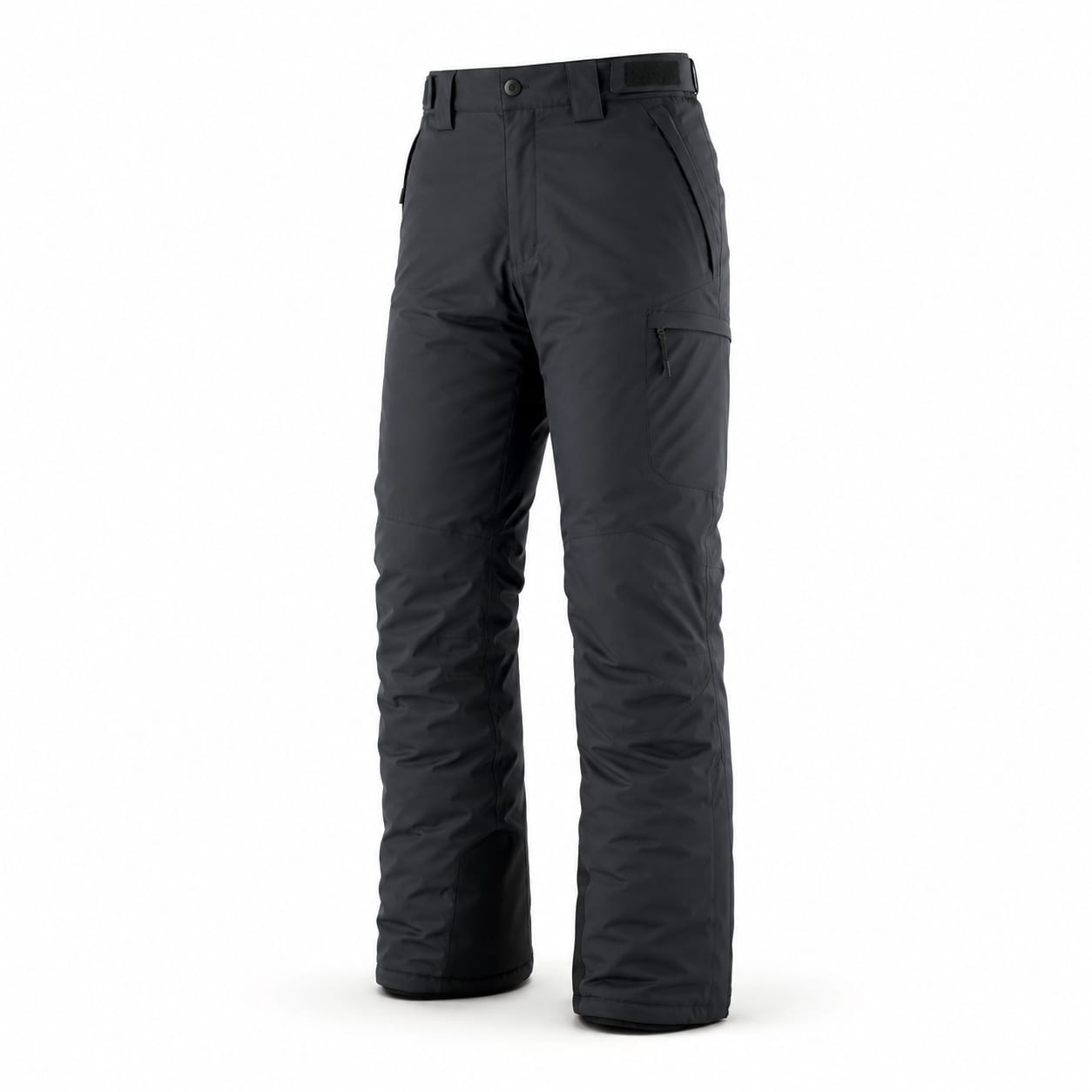
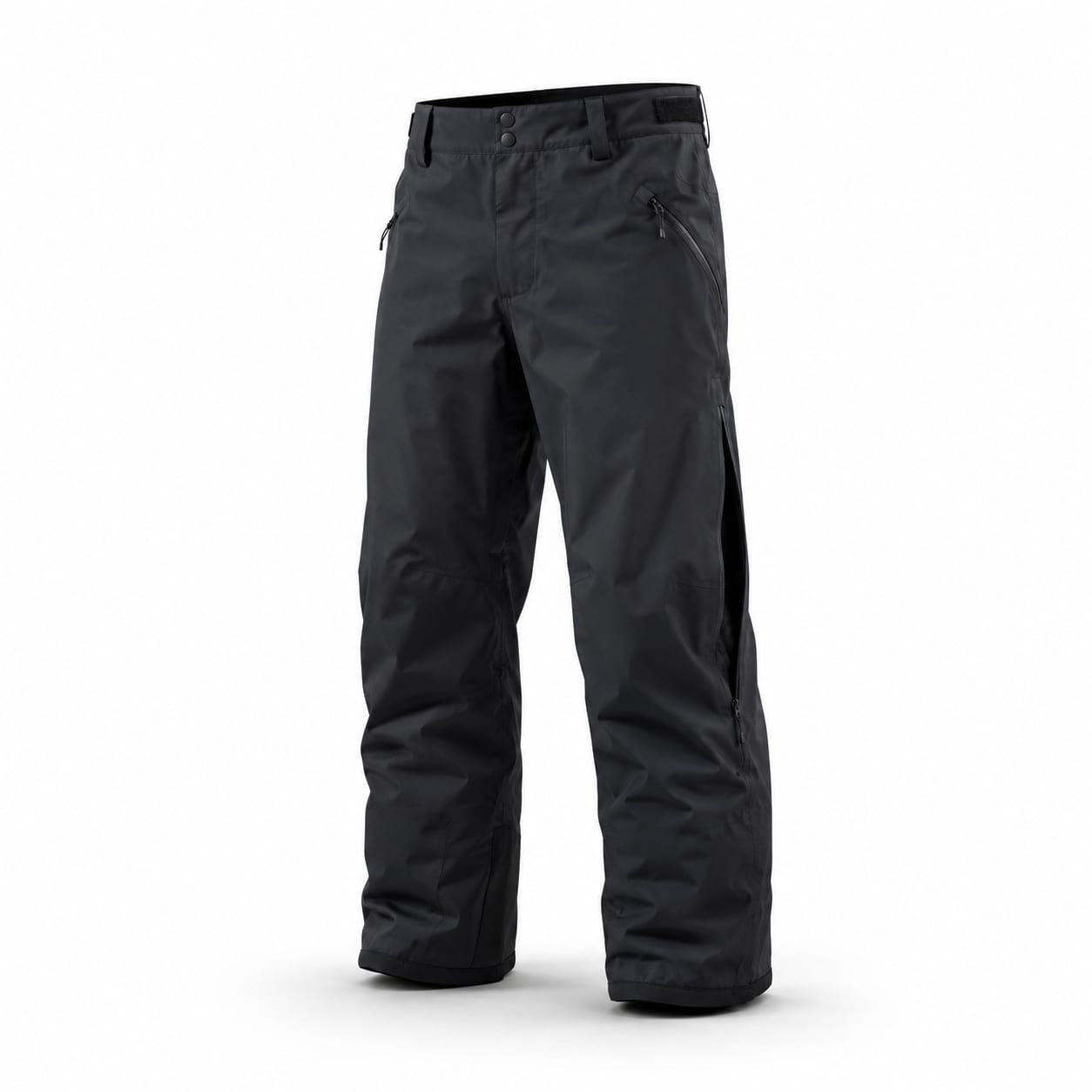
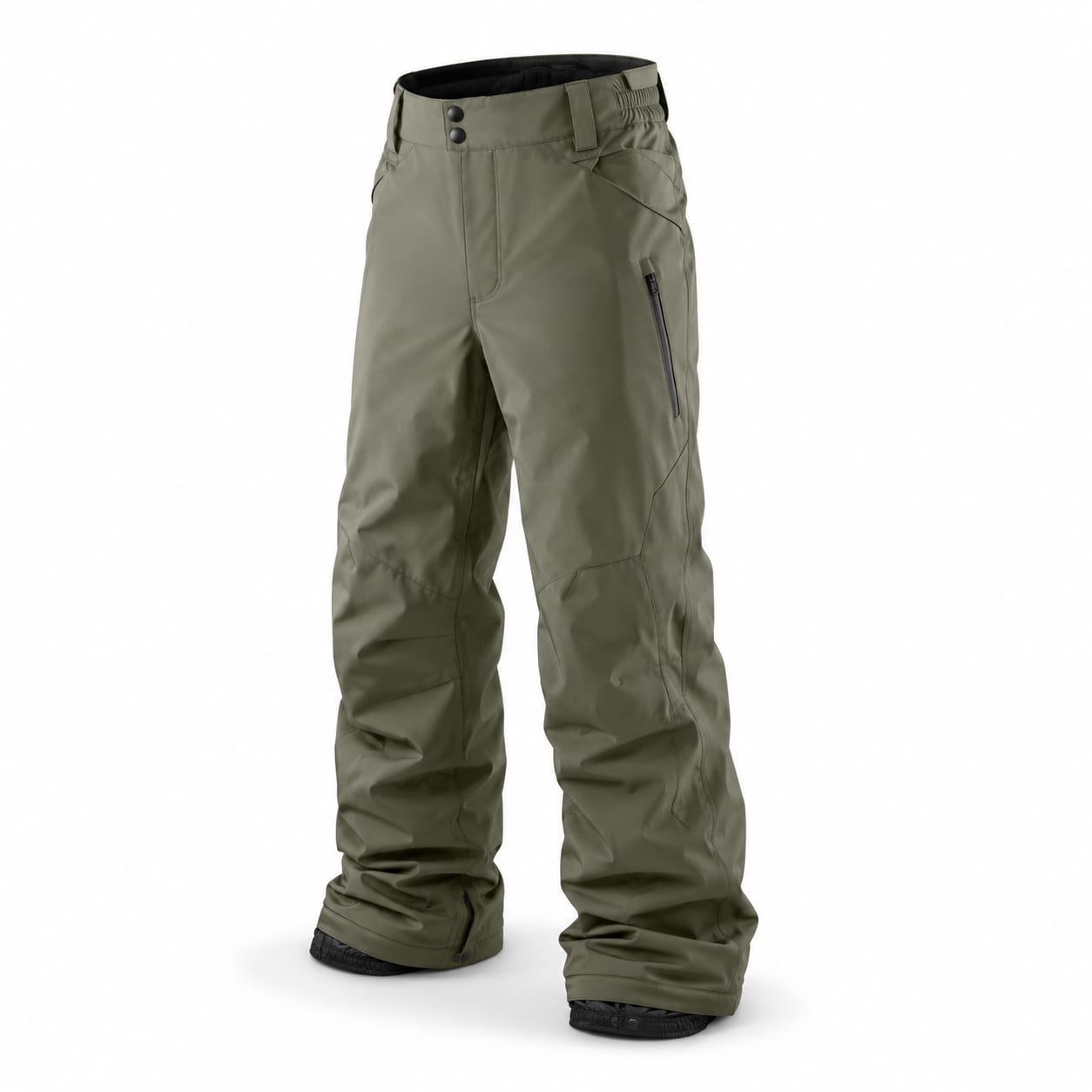
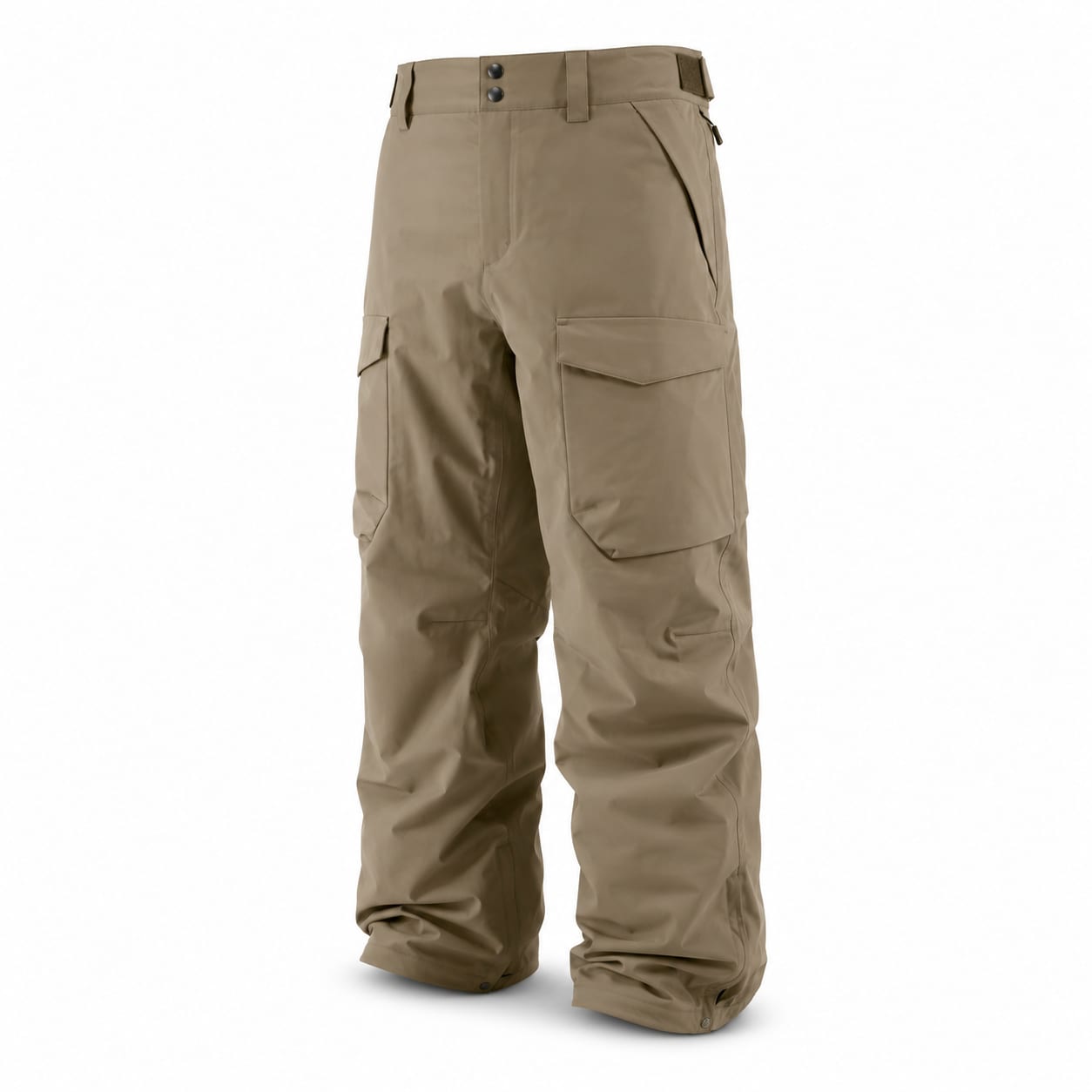
Snow pants with oversized thigh-mounted cargo pockets built for riders who carry more and ride hard.

Cargo snow pants combine maximum storage capacity with classic freestyle style, featuring large thigh pockets for tools, snacks, and essentials. They're the go-to choice for riders who want everything within reach without wearing a backpack, from park rats to backcountry explorers to resort riders who like to be prepared.

$70 – $300mid tierbeginnerintermediateadvanced

Best known for

Large thigh-mounted cargo pocketsFreestyle and snowboard culture aestheticExceptional on-mountain storage capacityRelaxed, roomy fit for layering and mobility
Cargo Snow Pants

Guide

Detailed overview

Cargo snow pants are defined by their signature thigh-mounted cargo pockets, which set them apart from all other snow pant styles. These oversized pockets with flap or zip closures provide accessible storage for trail maps, snacks, tools, extra layers, and personal items without the need for a backpack. The cargo design is deeply rooted in snowboard and freestyle culture, where the relaxed silhouette and utilitarian look are as much a style statement as a functional choice. While the pockets are the defining feature, cargo snow pants typically come in relaxed or baggy fits to maintain proportion and allow unrestricted movement. The extra fabric and pocket bulk is a trade-off riders accept for the convenience and aesthetic. Modern cargo pants have evolved significantly—today's versions feature streamlined pocket designs, waterproof zippers, and more tailored cuts that reduce the parachute effect of older styles. They remain one of the most popular snow pant categories, especially among snowboarders, freeskiers, and riders who spend full days on the mountain and need to carry gear without the hassle of a pack.

Cargo snow pants occupy a unique space in winter sports outerwear where function meets culture. The defining cargo pockets originated from military-inspired utility design, but they were adopted and popularized by the snowboard community in the late 1990s and early 2000s. What started as a practical way to carry tools and supplies became an iconic style that transcended its utilitarian roots. Today, cargo snow pants are worn by everyone from park riders hitting rails to backcountry guides who need accessible storage for safety equipment.

The storage advantage of cargo pants cannot be overstated for full-day resort riding. Standard hand-warmer pockets fill quickly with a phone, pass, and gloves, leaving no room for snacks, a multi-tool, spare goggle lens, or an extra layer. Cargo pockets solve this by adding substantial thigh-mounted storage that's accessible while seated on a chairlift or standing in the lift line. The key is pocket placement and closure design—well-designed cargo pockets sit slightly forward on the thigh for easy access and use waterproof zippers or secure flap closures to keep contents dry and secure during falls.

The trade-off with cargo pants is bulk and weight. Those large pockets add fabric, zippers, and hardware that increase the overall weight of the garment. In windy conditions, empty cargo pockets can catch air and flap, and fully loaded pockets can feel heavy and swing during aggressive riding. This is why many modern cargo pants feature streamlined, low-profile pocket designs that sit closer to the leg. Some brands offer zip-off cargo pockets for riders who want the option to strip down for touring or warm spring days. The fit of cargo pants is typically relaxed or baggy, which accommodates the pocket volume and maintains the classic silhouette, but this can mean more fabric to manage in deep powder or high-speed riding.

When shopping for cargo snow pants, prioritize pocket closure quality and waterproofing over pocket count. Two well-designed, waterproof-zippered cargo pockets are more useful than four flap-closure pockets that let in moisture. Look for mesh-lined inner thigh vents to compensate for the slightly reduced breathability that comes with extra pocket layers. Reinforced cuffs are essential since the relaxed fit tends to drag more. And consider whether you truly need cargo storage—if you ride with a backpack, the pockets may be redundant bulk. But for riders who prefer to travel light and keep essentials on their person, cargo snow pants remain the most practical and stylish choice on the mountain.

Quick facts

Primary purpose
Provide ample on-mountain storage through large cargo pockets while maintaining weather protection
Popular brands
BurtonVolcom686DCRideQuiksilver
Typical terrain
terrain parksresort runsbackcountry laps

What makes it different

Signature cargo pockets provide more storage than any other snow pant style; strongly associated with snowboard culture

Recommended ranges

How this type usually specs out

Each spec is explained in plain language, then we show what buyers usually look for on this type.

Insulation Type

Insulation Type

What it means

The type of insulation used in the pants, determining warmth, packability, and moisture management.

Typical for this type

Shell No Insulation to Synthetic Insulation

In practice

Cargo snow pants most commonly use synthetic insulation (40-60g) for all-around resort warmth, or shell construction for riders who prefer layering. The relaxed fit of cargo pants accommodates base and mid-layers easily, making shell versions very practical.

Compared to other types

Cargo pants more commonly use synthetic insulation than slim-fit or technical pants because the relaxed fit hides bulk better. Shell cargo pants are popular among freestyle riders who generate heat through activity.

Why it matters: Insulation choice affects how you layer and how warm you stay. Cargo pants' roomy fit makes them versatile for any insulation type, but the extra fabric and pockets mean insulated versions can feel bulky if over-layered.

Waterproof Rating

Waterproof Rating

What it means

The water column rating (mm) indicating how much water pressure the fabric can withstand before leaking. Higher numbers mean better waterproofing.

Typical for this type

10000-20000 mm

In practice

Most quality cargo snow pants fall in the 10,000-20,000mm range. The cargo pockets add seams and zipper penetrations that can be vulnerability points, so a solid waterproof rating with good seam sealing is important.

Compared to other types

Cargo pants need more attention to waterproofing at pocket seams compared to simpler pant designs. The multiple zipper entries and pocket flaps create more potential leak points than minimalist snow pants.

Why it matters: Cargo pockets introduce additional seams and zipper entries where water can penetrate. Higher waterproof ratings and quality seam sealing around pocket openings are critical for keeping stored items and the rider dry.

Breathability Rating

Breathability Rating

What it means

The moisture vapor transmission rate (g/m²/24hr) measuring how much sweat vapor can escape through the fabric. Higher numbers mean better breathability.

Typical for this type

8000-15000 g/m²/24hr

Most common pick: 10000

In practice

Cargo snow pants typically offer moderate breathability in the 8,000-15,000 g/m² range. The extra pocket layers and slightly heavier construction can reduce effective breathability compared to minimalist designs.

Compared to other types

Cargo pants tend to have slightly lower effective breathability than streamlined technical pants due to the extra pocket fabric layers. This makes venting features even more important for cargo pant wearers.

Why it matters: The additional fabric layers from cargo pockets can trap heat and moisture. Adequate breathability plus well-designed vents are essential to prevent the interior from becoming clammy during active riding.

Fit Type

Fit Type

What it means

The overall cut and silhouette of the pants, affecting style, mobility, layering capacity, and snow protection.

Typical for this type

Relaxed to Baggy

In practice

Cargo snow pants are overwhelmingly designed in relaxed or baggy fits. The cargo pockets need room to sit properly on the thigh without compression, and the relaxed silhouette is part of the classic cargo aesthetic rooted in freestyle culture.

Compared to other types

Unlike slim or regular-fit pants where cargo pockets would look and feel awkward, cargo pants are designed from the ground up with a roomier cut that integrates the pockets naturally into the silhouette.

Why it matters: Fit determines whether cargo pockets lay flat and function properly. Too slim and the pockets bulge awkwardly and compress contents; too baggy and the pockets catch wind and drag. Relaxed fit is the sweet spot for most riders.

Style Type

Style Type

What it means

Whether the pants are standard waist-height or bib-style with shoulder straps and extended coverage.

Typical for this type

Pants Or Bib

In practice

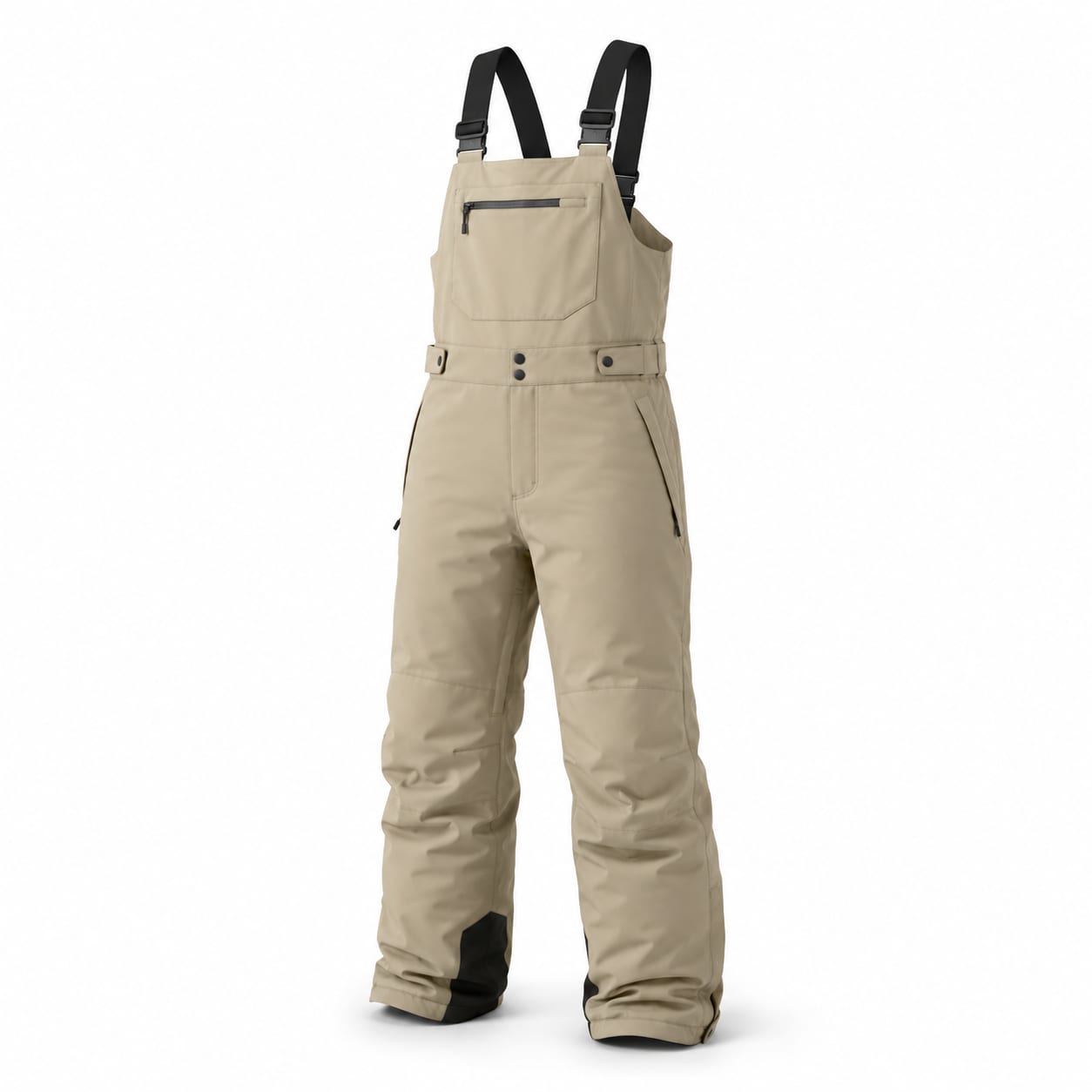
Cargo snow pants are available in both standard waist and bib styles. Standard pants are more common and maintain the classic cargo look, but cargo bibs are gaining popularity for their superior snow protection and additional chest pocket storage.

Compared to other types

Cargo bibs combine the storage advantages of cargo pockets with the snow-sealing benefits of bibs, making them one of the most storage-capable pant styles available. Standard cargo pants remain the more popular and accessible choice.

Why it matters: Standard cargo pants offer the traditional look and easier on/off convenience. Cargo bibs add chest storage and snow protection but change the aesthetic and add complexity. Both work well with cargo pocket designs.

Insulation Weight

Insulation Weight

What it means

The amount of insulation in grams, directly correlating to warmth level. Higher grams mean more warmth but more bulk.

Typical for this type

0-60 g

Most common pick: 40

In practice

Cargo snow pants typically use 40-60g synthetic insulation for resort warmth, or 0g (shell) for riders who layer. The relaxed fit accommodates mid-layers easily, so even shell cargo pants can be warm with proper layering underneath.

Compared to other types

Cargo pants can handle slightly more insulation without feeling restrictive compared to slim-fit pants, but excessive insulation combined with cargo pocket bulk can create an uncomfortably stiff and heavy garment.

Why it matters: Insulation weight determines warmth without layering. Since cargo pants already have more fabric bulk from pockets, choosing the right insulation weight prevents the pants from feeling overly heavy and stiff.

Ventilation System

Ventilation System

What it means

The type and placement of zippered vents that allow rapid temperature regulation during high-output activities.

Typical for this type

Inner Thigh Or Mesh Lined Vents

In practice

Mesh-lined inner thigh vents are the most common and effective ventilation for cargo snow pants. The mesh prevents snow from entering through the vents during falls, which is especially important given the relaxed fit's tendency to catch powder.

Compared to other types

Ventilation is arguably more important for cargo pants than streamlined styles because the additional pocket fabric reduces effective breathability. Riders who choose cargo pants should prioritize quality vent design.

Why it matters: Cargo pants' extra fabric and pocket layers can trap heat. Effective ventilation is crucial for temperature regulation, and mesh-lined vents allow airflow while keeping snow out during the falls that come with freestyle riding.

Seam Sealing

Seam Sealing

What it means

The method and extent of seam sealing, which is critical for preventing water entry at stitched seams.

Typical for this type

Fully Taped (Preferred) Or Critically Taped

In practice

Fully taped seams are strongly recommended for cargo snow pants because the additional pocket seams and zipper entries create more potential leak points. Every cargo pocket adds seams that need sealing.

Compared to other types

Cargo pants have significantly more seam footage than minimalist pants due to pocket construction. This makes full seam sealing more important for cargo pants than for simpler designs with fewer seams.

Why it matters: Cargo pockets introduce extra seams and zipper penetrations that are vulnerable to water entry. Fully taped seams ensure these additional vulnerability points are sealed, keeping both the rider and stored items dry.

Snow Gaiters

Snow Gaiters

What it means

Built-in elastic or adjustable cuffs at the pant leg bottom that seal around boots to prevent snow entry.

Typical for this type

Adjustable Gaiter Or Elastic Gaiter

In practice

Adjustable gaiters with snap or hook closures are ideal for cargo snow pants. The relaxed fit tends to ride up more in deep snow, making a secure gaiter seal essential for keeping powder out of boots.

Compared to other types

Cargo pants benefit more from robust gaiters than slim-fit pants because the relaxed leg opening creates a larger gap that snow can exploit. Adjustable gaiters compensate for this with a more secure boot seal.

Why it matters: The looser fit of cargo pants means more opportunity for snow to enter at the cuff. Adjustable gaiters provide a customizable, secure seal that stays in place during aggressive riding and deep powder encounters.

Reinforcement Panels

Reinforcement Panels

What it means

Extra-durable fabric panels at high-wear areas like cuffs, hems, and inner legs to prevent damage from edges, boots, and abrasion.

Typical for this type

Cuff Reinforcement to Scuff Guard

In practice

Cuff reinforcement is standard on quality cargo snow pants, and full scuff guards are common on premium models. The relaxed fit means cuffs are more likely to drag and contact ski or board edges.

Compared to other types

Cargo pants typically need more robust reinforcement than slim-fit pants because the looser cuff drags more and is more exposed to edge contact. Full scuff guards are a worthwhile upgrade for aggressive cargo pant wearers.

Why it matters: Cargo pants' relaxed fit causes the cuffs to sit lower and wider, increasing contact with boots, bindings, and edges. Reinforcement panels prevent the premature wear that would otherwise destroy the cuff area quickly.

Waist Adjustment

Waist Adjustment

What it means

The mechanism for adjusting waist fit without a belt, ensuring secure fit and snow seal at the waist.

Typical for this type

Velcro Side Tabs Or Buckle Side Tabs

In practice

Velcro side tabs are the most common waist adjustment on cargo snow pants, offering quick on-the-fly adjustment over varying layer thicknesses. Buckle side tabs are found on premium models for greater durability.

Compared to other types

Waist adjustment is particularly important for cargo pants because the relaxed fit can feel loose at the waist without proper adjustment. The side tabs also help integrate the pants with a jacket for a complete snow seal.

Why it matters: Cargo pants are often worn with varying layer thicknesses depending on conditions. Side tab adjustment allows the waist to be dialed in whether you're wearing a thin base layer or a thick mid-layer, maintaining a secure snow seal.

Pocket Configuration

Pocket Configuration

What it means

The number, type, and placement of pockets for storing essentials like pass, phone, snacks, and tools.

Typical for this type

Cargo Pockets + Hand Warmer + Pass Pocket (Minimum)

Most common pick: Cargo Pockets, Hand Warmer, Pass Pocket

In practice

Cargo snow pants feature large thigh-mounted cargo pockets as their defining element, plus standard hand-warmer pockets and typically an RFID pass pocket on the lower left leg. Premium models may add additional zippered pockets on the cargo flaps or internal organization within the cargo pockets.

Compared to other types

Cargo pants offer significantly more storage capacity than any other snow pant style. The thigh-mounted pockets are accessible while seated on a chairlift and can hold items that would otherwise require a backpack or locker.

Why it matters: The pocket configuration is the entire reason to choose cargo pants over other styles. The cargo pockets provide accessible storage for tools, snacks, layers, and personal items that hand-warmer pockets alone cannot accommodate.

Shell Material

Shell Material

What it means

The primary outer fabric type, affecting durability, weight, stretch, noise, and overall feel.

Typical for this type

Nylon Or Stretch Fabric

In practice

Nylon is the most common shell material for cargo snow pants, offering the durability needed to withstand the extra wear that pocket edges and flaps experience. Stretch nylon blends are increasingly popular for freestyle-oriented cargo pants that prioritize mobility.

Compared to other types

Cargo pants benefit from slightly higher-denier nylon than lightweight technical pants because the pocket construction adds stress points and the relaxed fit increases contact with surfaces. Stretch fabrics are popular for freestyle cargo pants.

Why it matters: The shell material must be durable enough to handle the stress of loaded cargo pockets and the abrasion that comes with a relaxed fit. Nylon provides the best balance of durability, weight, and waterproofing for cargo pant construction.

Articulation

Articulation

What it means

Pre-shaped or articulated knees and hips designed to match the natural riding position, reducing fabric bunching and improving mobility.

Typical for this type

Articulated Knees to Fully Articulated

In practice

Articulated knees are common on mid-range and premium cargo snow pants, and fully articulated construction is found on high-end models. The relaxed fit already provides mobility, but articulation reduces fabric bunching behind the knees during the bent-knee riding position.

Compared to other types

Articulation is somewhat less critical for cargo pants than for slim-fit styles because the relaxed fit already provides ample room. However, articulated cargo pants offer the best of both worlds: storage capacity without mobility compromise.

Why it matters: Even with a relaxed fit, articulation prevents the fabric from bunching uncomfortably behind the knees when riding. This is especially noticeable on long days and during aggressive riding where knee flex is constant.

DWR Coating

DWR Coating

What it means

Durable Water Repellent treatment on the outer fabric that causes water to bead up and roll off rather than soaking into the face fabric.

Typical for this type

True (Essential)

In practice

DWR coating is standard and essential on cargo snow pants. The extra fabric surface area from cargo pockets means more area that can wet out and absorb water, making DWR treatment particularly important for maintaining performance.

Compared to other types

DWR maintenance is more important for cargo pants than simpler designs because there is more fabric surface area to maintain. Riders should be diligent about reapplying DWR treatment to keep cargo pockets from becoming waterlogged.

Why it matters: Cargo pockets add fabric surface area that can absorb water if the DWR coating fails. When the face fabric wets out, breathability drops dramatically and the pants become heavy and cold. Regular DWR maintenance is crucial for cargo pants.

Inseam Length

Inseam Length

What it means

The measurement from the crotch seam to the bottom of the pant leg, determining proper length and coverage.

Typical for this type

30-34 inches

Most common pick: 32

In practice

Cargo snow pants typically come in regular inseam lengths around 30-34 inches, with many brands offering short and long options. The relaxed fit means pants may appear longer than the stated inseam due to the lower crotch position.

Compared to other types

Cargo pants' relaxed fit often includes a slightly lower crotch, which can make the effective inseam feel shorter than measured. Riders switching from regular-fit to cargo pants may need to size up in inseam length to maintain proper boot coverage.

Why it matters: Proper inseam length ensures the cuffs cover the boots completely without excessive dragging. Cargo pants' relaxed fit can make them appear longer, so riders should try them on with boots to verify proper length.

Evaluation

Strengths and trade-offs

Pros

What this type does best

Maximum On-Mountain Storage

Critical

Cargo pockets provide accessible storage for tools, snacks, extra layers, and personal items that standard pockets simply cannot hold. This eliminates the need for a backpack on most resort days.

Lift-Friendly Access

High

Thigh-mounted cargo pockets are easily accessible while seated on a chairlift, allowing you to grab snacks, your phone, or a trail map without awkward reaching or removing a backpack.

Layering-Friendly Fit

High

The relaxed fit of cargo pants accommodates thick base and mid-layers comfortably, making them versatile across a wide temperature range without feeling restrictive.

Freestyle Mobility

High

The roomy cut provides unrestricted movement for park riding, hiking, and aggressive freestyle maneuvers. There's no fabric pulling or restriction at the hips and knees.

Classic Style

Medium

Cargo pants are an iconic part of snowboard and freestyle culture. The relaxed silhouette with visible thigh pockets is a timeless mountain look that remains popular season after season.

Versatile Temperature Range

Medium

The roomy fit allows for easy layering adjustments, making cargo pants work from bitter cold days with thick mid-layers to spring sessions with just a base layer underneath.

Cons

Trade-offs to be aware of

Added Bulk and Weight

Moderate

Cargo pockets add fabric, zippers, and hardware that increase overall weight. Fully loaded pockets can feel heavy and swing during aggressive riding, and empty pockets can catch wind.

Reduced Effective Breathability

Moderate

The extra pocket fabric layers trap heat and moisture more than streamlined designs. Cargo pants can feel warmer and less breathable than minimalist pants with the same membrane rating.

More Vulnerable Seam Points

Moderate

Each cargo pocket adds seams and zipper entries that are potential leak points. Even with seam sealing, the additional penetrations increase the risk of water entry compared to simpler designs.

Wind Catching in Loose Fit

Minor

The relaxed fit and cargo pockets can catch wind, especially on exposed lifts and at high speeds. Empty cargo pockets may flap noisily and create drag.

Not Ideal for Touring

Significant

The extra weight and bulk make cargo pants less suitable for backcountry touring where every ounce matters and streamlined movement is preferred. Loaded pockets can also interfere with harnesses.

Best for

Terrain

ResortTerrain parkSidecountryGladed runs

Snow conditions

All winter conditionsPowder daysVariable conditions requiring extra gear

Skill level

IntermediateAdvancedExpert

Riding style

FreestyleAll-mountain freestylePark and pipeCasual resort cruising

Rider profile

Riders who carry lots of gearFreestyle ridersFull-day resort riders who don't use backpacksSnowboarders who prefer classic styleParents carrying extra supplies for kids

Not ideal for

Reasons

Extra bulk and weight are penalties during long toursCargo pockets can interfere with climbing harnessesLoose fit creates drag at high speedsBeginners may not need the storage capacity and can save money with simpler designs

Terrain

Long backcountry toursSteep mountaineering approaches

Skill level

Beginners who may not need the storage

Riding style

RaceHigh-speed carvingLightweight backcountry touring

Compare

How it stacks up

This page

Cargo Snow Pants

Far superior storage capacity and layering room. Cargo pockets hold items that slim pants cannot. The relaxed fit is more comfortable for all-day wear and accommodates thick layers easily.

Alternative

Slim-Fit Snow Pants

Slim-fit pants are lighter, more streamlined, and create less wind drag. They look more tailored and work better for high-speed riding and racing where aerodynamics matter.

Bottom line

Choose cargo pants if you value storage and comfort over a streamlined look. Choose slim-fit if you prioritize low weight, speed, and a modern tailored aesthetic.

This page

Cargo Snow Pants

More storage, more comfortable relaxed fit, and better suited for freestyle riding. Cargo pants are also typically less expensive than premium technical shells.

Alternative

Technical Shell Pants

Technical shells are lighter, more breathable, and better suited for backcountry touring. They pack smaller and perform better in high-output activities where every ounce matters.

Bottom line

Choose cargo pants for resort and freestyle riding where storage and style matter. Choose technical shells for backcountry touring and high-output activities where weight and breathability are priorities.

This page

Cargo Snow Pants

Easier on/off convenience, lighter weight, and simpler bathroom access. Standard cargo pants are also typically less expensive than cargo bibs.

Alternative

Bib Snow Pants

Bibs provide superior snow protection at the waist, core warmth from chest coverage, and additional chest pocket storage. They eliminate the gap between pants and jacket completely.

Bottom line

Choose standard cargo pants if you prefer simplicity and easy on/off. Choose cargo bibs if you ride deep powder frequently or want maximum snow protection and additional chest storage.

This page

Cargo Snow Pants

Significantly more storage capacity. Cargo pockets provide accessible storage that standard insulated pants lack. The relaxed fit also accommodates layering better than many insulated pants.

Alternative

Insulated Resort Pants (Non-Cargo)

Non-cargo insulated pants are often lighter and less bulky since they don't have the extra pocket fabric. They can have a cleaner look and slightly better breathability.

Bottom line

Choose cargo pants if you need on-mountain storage and prefer the style. Choose non-cargo insulated pants if you want a cleaner look and slightly lighter weight without the storage emphasis.

Shopping

Buying tips

  • 1

    Prioritize waterproof zippers on cargo pockets—flap closures alone can let in moisture during wet snow and falls. Waterproof zippers keep your stored items dry.

  • 2

    Check pocket placement by sitting in a chair or simulating a chairlift position. Pockets that are too far back on the thigh are hard to access while seated on a lift.

  • 3

    Look for internal organization within cargo pockets—small internal zip or mesh pockets keep small items from rattling around and make it easier to find what you need quickly.

  • 4

    Consider whether you actually need cargo storage. If you ride with a backpack, the extra pocket bulk may be redundant. Cargo pants shine for riders who prefer to travel without a pack.

  • 5

    Try cargo pants on with your typical riding layers. The relaxed fit should accommodate your layering system without feeling excessively baggy or restrictive at the waist.

  • 6

    Pay attention to pocket volume versus pocket profile. Low-profile cargo pockets with good internal volume are better than bulky external pockets that catch wind and look awkward.

  • 7

    If you ride in wet coastal climates, insist on fully taped seams. The extra pocket seams on cargo pants are vulnerability points that need proper sealing.

  • 8

    Consider cargo pants with zip-off or removable cargo pockets if you sometimes want a streamlined look for touring or spring riding.

Care

Maintenance notes

  • Reapply DWR coating more frequently than on simpler pants—the extra fabric surface area of cargo pockets wets out faster and needs regular treatment to maintain water beading.
  • Clean cargo pocket zippers regularly with a soft brush to remove ice, dirt, and debris. Pocket zippers see more use and exposure than main zippers and can fail if neglected.
  • Empty all pockets before washing. Items left in cargo pockets can damage the wash drum and the pocket interiors during machine washing.
  • Use technical wash products designed for waterproof-breathable fabrics. Regular detergent strips DWR coating and can clog the breathable membrane, especially in the pocket areas.
  • Inspect pocket seam sealing annually. The extra seams on cargo pockets are stress points that can delaminate over time. Re-seal any failing seams with seam sealer to maintain waterproofing.
  • Store cargo pants with pockets emptied and zippers partially open to prevent zipper corrosion and maintain pocket shape over the off-season.

Progression

Skill development path

Cargo snow pants are suitable for intermediate through expert riders. Beginners may not yet need the storage capacity and can start with simpler, less expensive pants. As riders progress to full-day sessions, start carrying more gear (tools, snacks, extra lenses), and develop their riding style, cargo pants become increasingly practical. Advanced freestyle riders often prefer cargo pants for the mobility and storage. Expert riders who venture into the backcountry may transition to technical shells for touring but keep cargo pants for resort days. The key progression point is when you find yourself wishing you had more pocket space on the mountain—that's when cargo pants become the right choice.

FAQ

Common questions

Each question has a dedicated page with a full answer and links to the buying guide.

Do cargo pockets actually keep things dry in the snow?

Quality cargo pockets with waterproof zippers and proper seam sealing keep contents dry in most conditions. Flap-closure pockets without waterproof zippers are vulnerable to moisture entry during falls and wet snow. For maximum protection, look for cargo pockets with waterproof zippers, storm flaps over the zippers, and fully taped pocket seams. Storing electronics in internal zip pockets within the cargo pocket adds an extra layer of protection.

Are cargo snow pants too baggy for skiing?

Not anymore. While cargo pants originated in snowboard culture with very baggy fits, modern cargo ski pants come in a range of fits from relaxed to baggy. Many brands now offer cargo pants with a more tailored relaxed fit that works well for skiing without the excessive bulk. The key is finding a fit that provides storage and mobility without so much fabric that it catches wind or drags. Try on several brands to find the right balance of style and function for your preference.

Will loaded cargo pockets be uncomfortable on chairlifts?

Properly designed cargo pockets sit on the outer thigh and shouldn't cause discomfort on chairlifts. However, overloading pockets with heavy or sharp items can create pressure points when seated. Distribute weight evenly between both cargo pockets, and avoid placing hard items like tools directly against your thigh—use the internal organization pockets if available. Most riders find cargo pockets comfortable as long as they're not packed to capacity with heavy items.

Can I use cargo snow pants for backcountry touring?

Cargo snow pants can work for sidecountry and short tours, but they're not ideal for long backcountry outings. The extra weight, reduced breathability from pocket layers, and potential interference with climbing harnesses make technical shell pants a better choice for serious touring. If you do tour in cargo pants, choose a shell version without insulation and keep the cargo pockets relatively empty to minimize weight and bulk. Some riders use cargo pants for the approach and carry a lighter shell for the descent.