Binding Entry Type
Binding Type
What it means
The mechanism by which the rider's boot is secured into the binding, affecting convenience, response, and compatibility with specific boot models.
Typical for this type
Splitboard
In practice
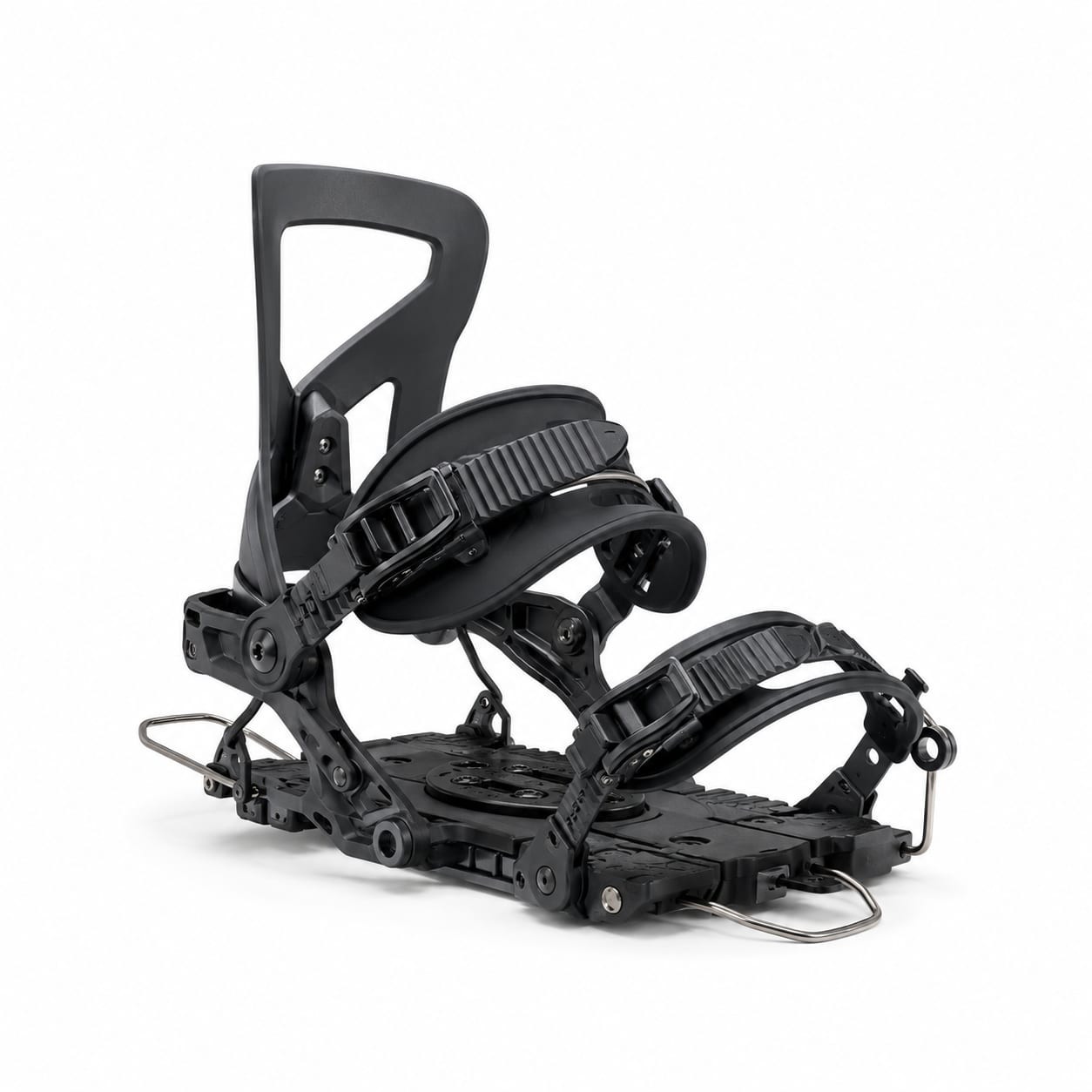
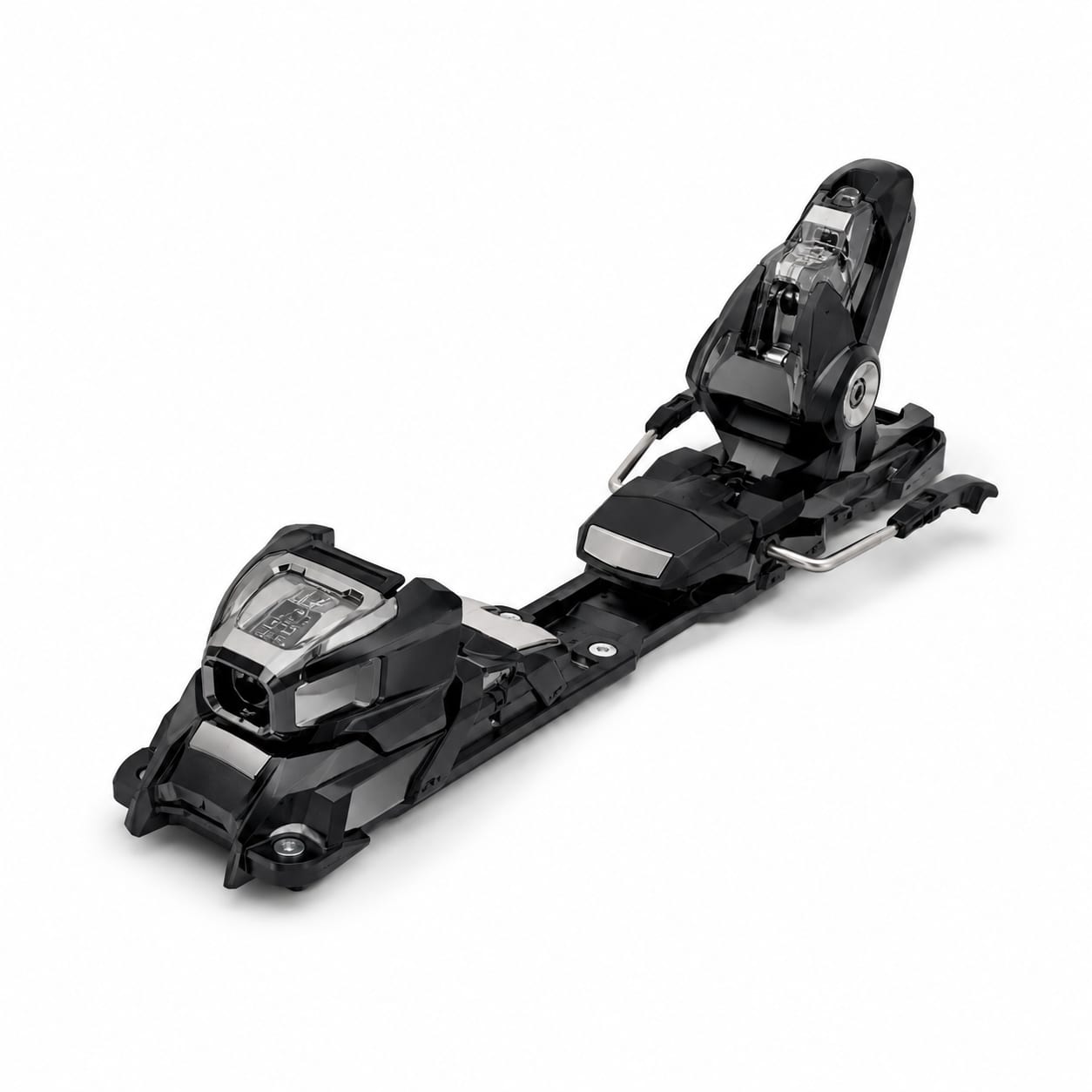
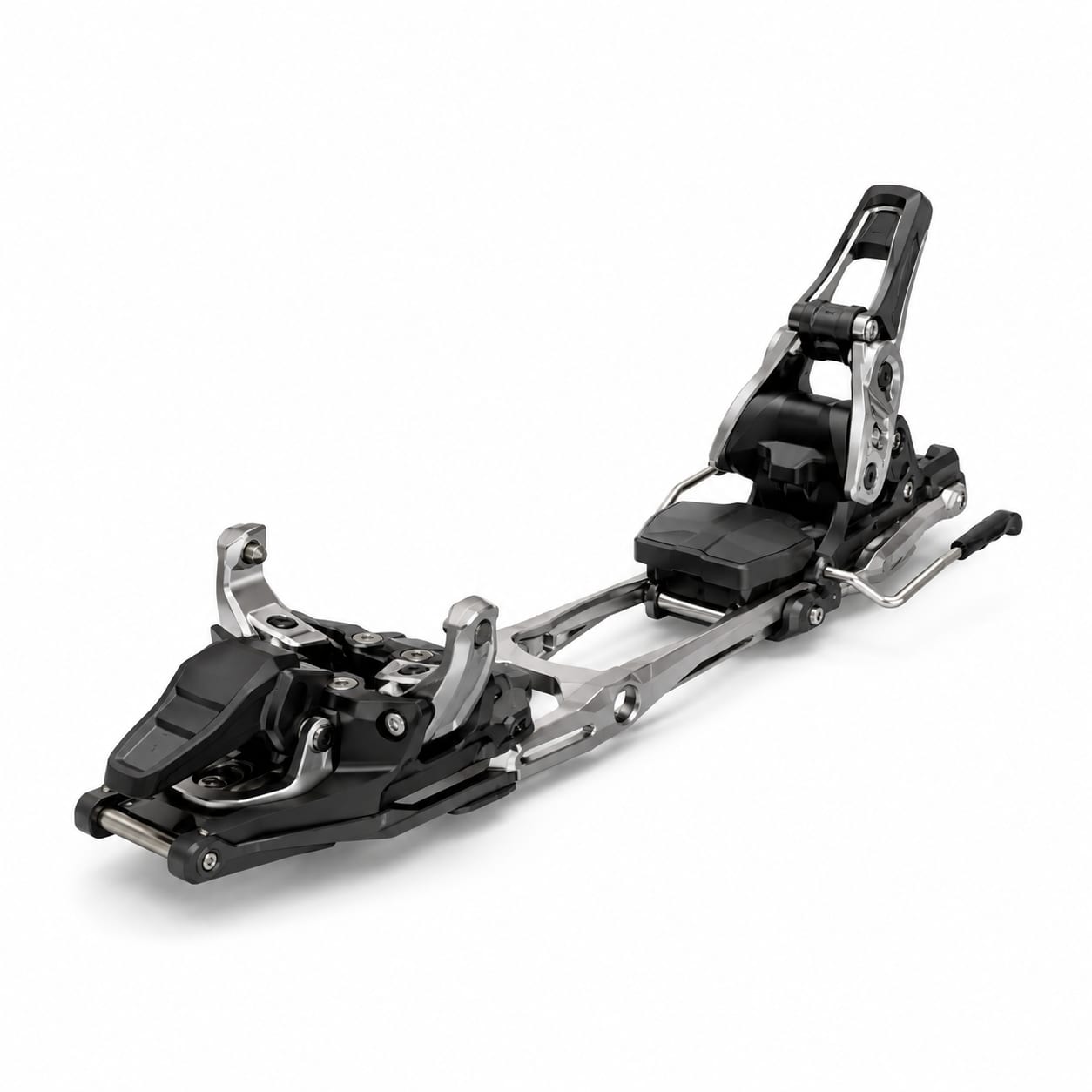
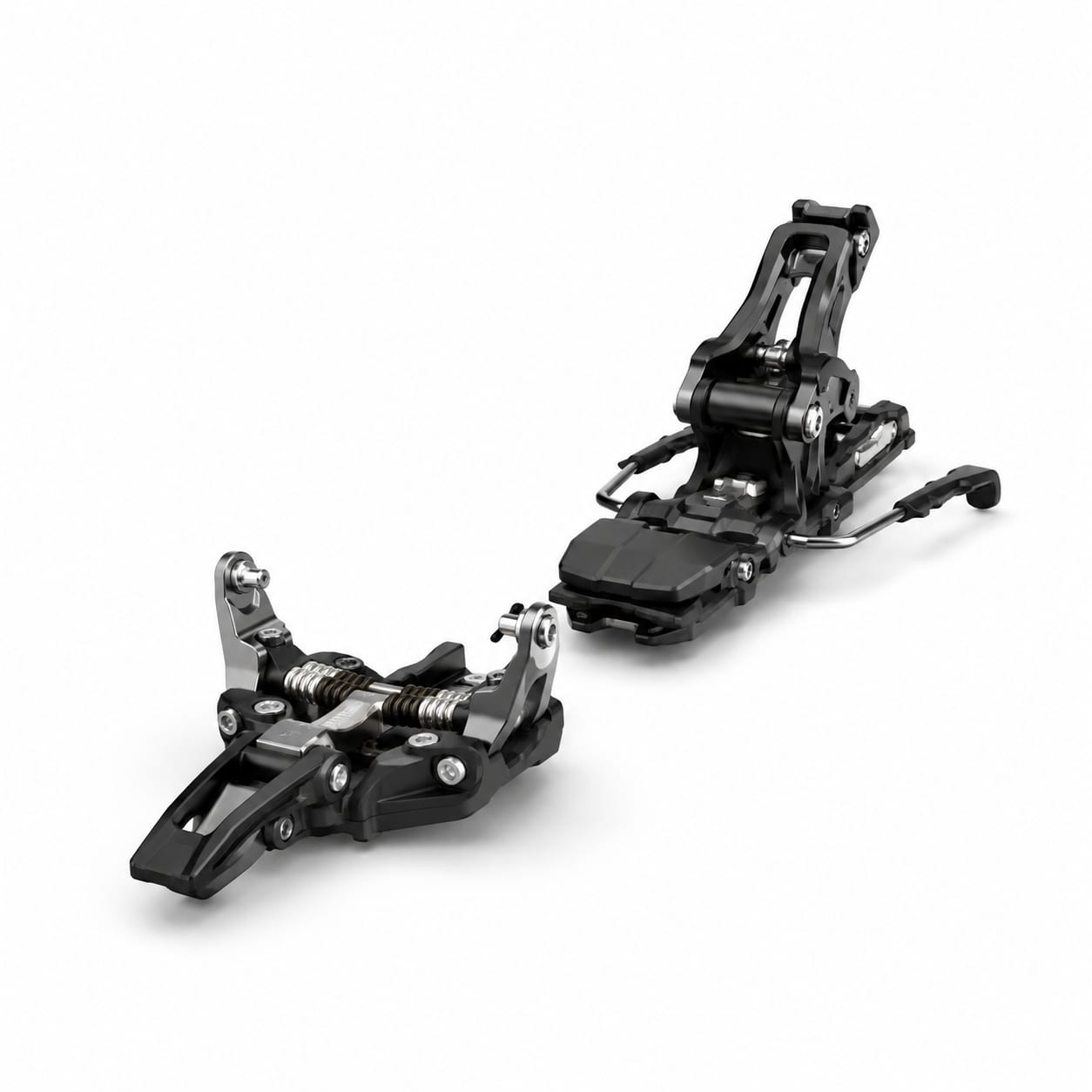
Splitboard bindings are their own binding type category, defined by the ability to detach from the board and convert between ride and walk modes. They use puck or pin interfaces rather than fixed mounting hardware.
Compared to other types
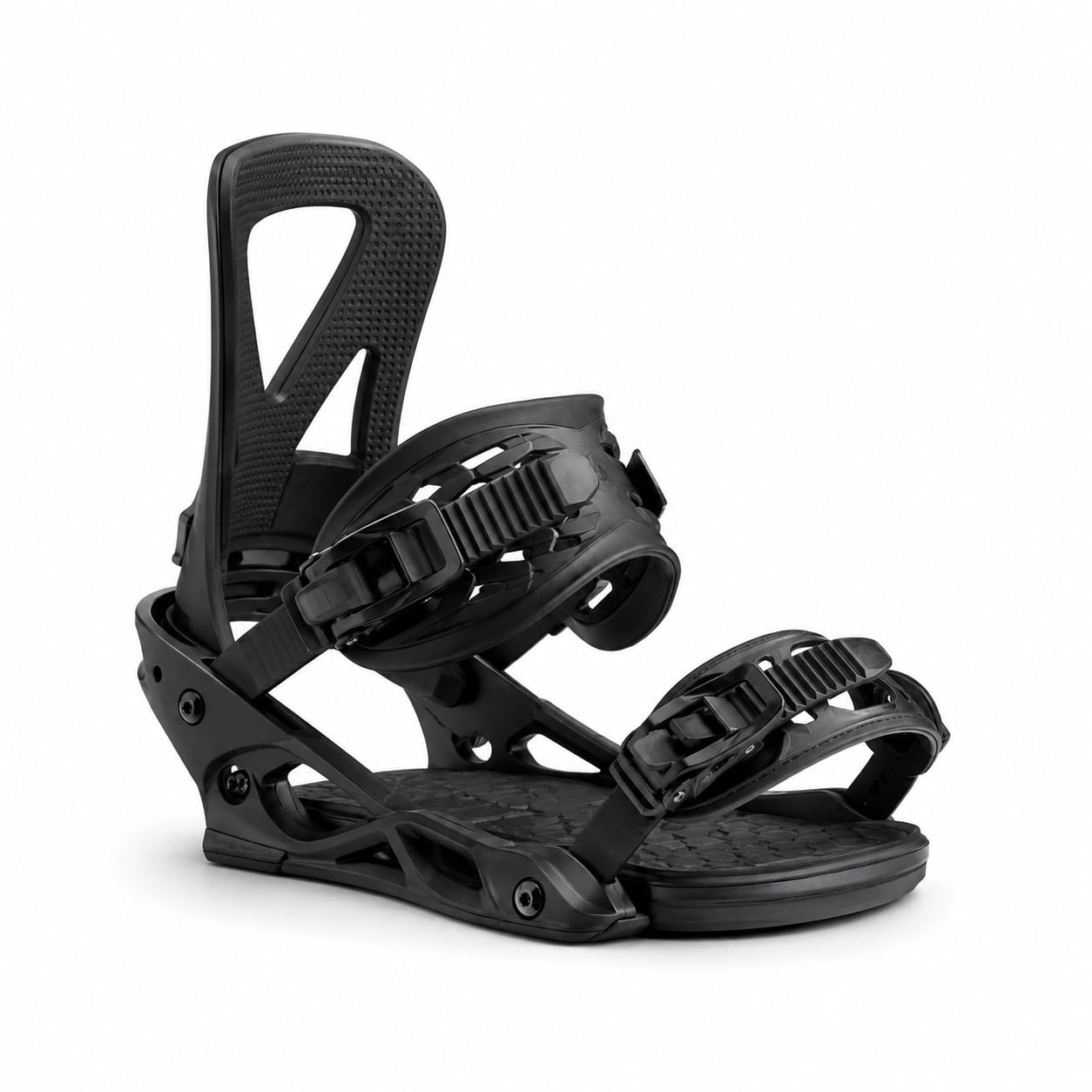
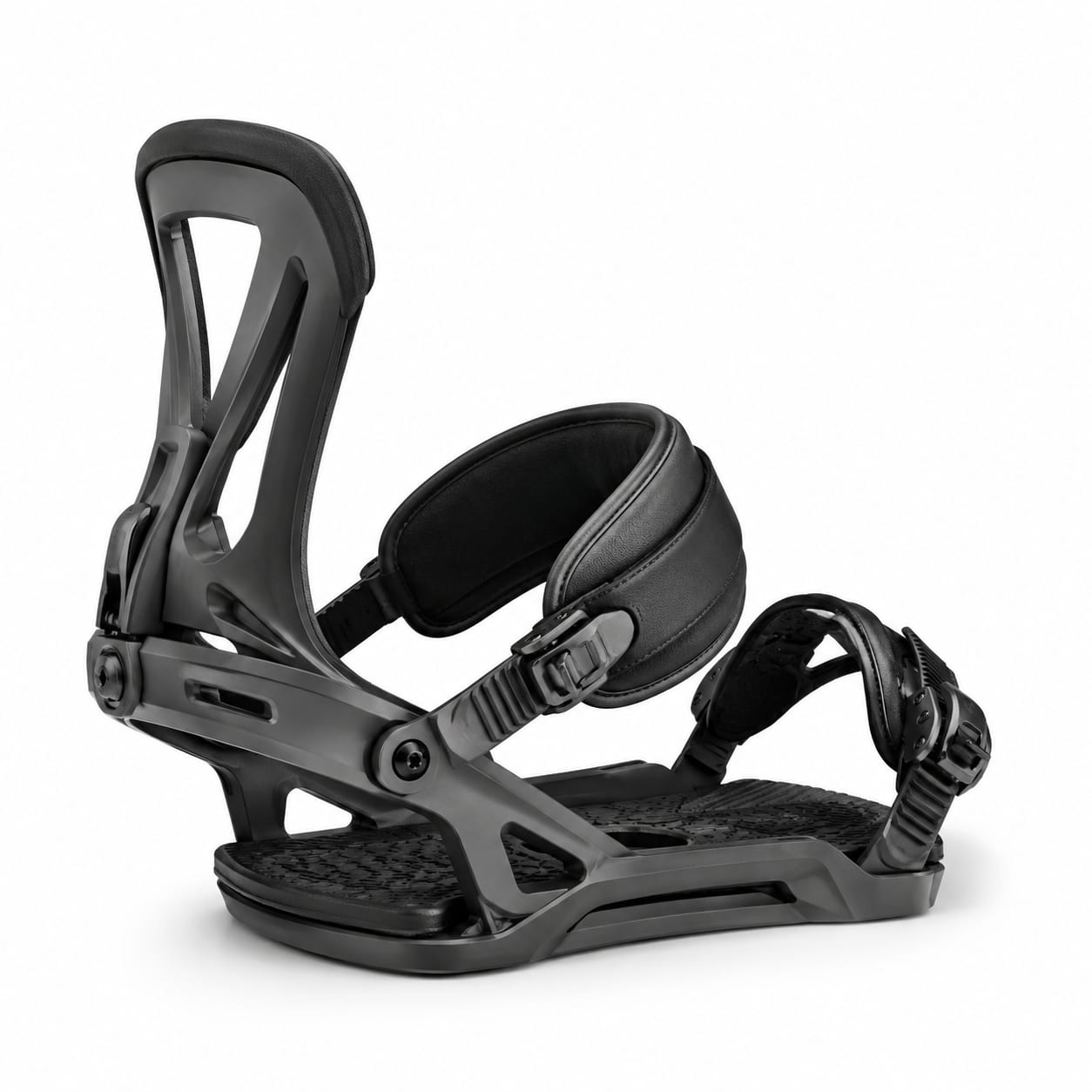
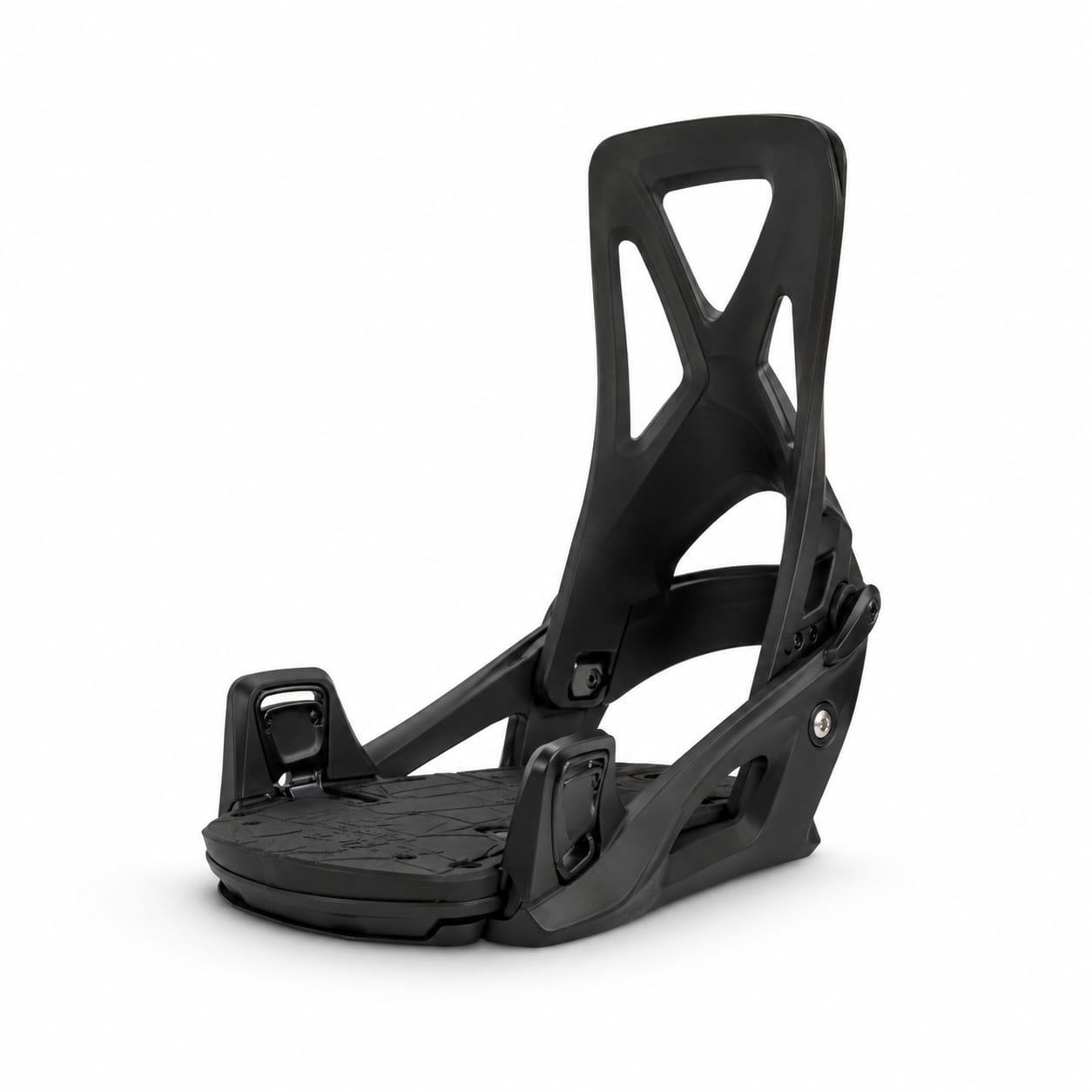
Unlike strap, rear-entry, or step-on bindings that are permanently mounted, splitboard bindings must detach and reattach during transitions. This adds complexity and weight but enables uphill travel. Some splitboard bindings use traditional strap entry (ankle and toe straps with ratchets), while others use speed-entry or proprietary systems for faster transitions in cold conditions.
Why it matters: The splitboard binding type is essential for backcountry touring—it enables the dual-mode functionality that no other binding type can provide. Using standard bindings on a splitboard would prevent touring entirely.
Flex Stiffness
Flex Rating
What it means
How stiff or soft the binding feels, affecting responsiveness, comfort, and the type of riding it supports. Typically rated on a 1-10 scale by manufacturers.
Typical for this type
5-9
Most common pick: 6-8
In practice
Splitboard bindings tend toward medium-stiff to stiff flex ratings. The backcountry terrain they're designed for—steep, variable, often untracked—demands reliable edge control and response. Softer flexes are less common because they compromise the precision needed in challenging conditions.
Compared to other types
Splitboard bindings are generally stiffer than park/freestyle bindings (1-4) and comparable to freeride bindings (7-9). This reflects their backcountry focus where response and reliability outweigh playfulness. Riders who prefer a surfier feel in powder may opt for medium flex (5-6) splitboard bindings.
Why it matters: Flex rating affects both uphill and downhill performance. Stiffer bindings provide better edge-to-edge response for technical descents and more stable heel-side holds on steep traverses. However, very stiff bindings can fatigue riders on long tours and feel unforgiving in mixed conditions.
Mounting Pattern Compatibility
Mounting System
What it means
The bolt pattern and disc system the binding uses to attach to the snowboard. Must be compatible with the board's insert pattern.
Typical for this type
Puck System Or Karakoram Proprietary
Most common pick: 4x4, 2x4 (via pucks)
In practice
Splitboard bindings mount to the splitboard via an interface system, not directly to inserts. The dominant system uses pucks (small sliding plates) that bolt to the board's inserts in a 4x4 or 2x4 pattern, and the binding then slides onto the pucks. Karakoram uses its own integrated clip system that replaces pucks entirely.
Compared to other types
All other binding subcategories mount directly to board inserts. Splitboard bindings are unique in using an intermediate interface (pucks or clips) that enables removal and repositioning. This adds stack height and a small amount of potential flex compared to direct mounting, though modern systems minimize this.
Why it matters: The mounting system determines compatibility with your splitboard, transition speed, and ride quality. Puck systems are the most universal and allow you to swap bindings between splitboards. Karakoram's system offers superior board joining but locks you into their ecosystem.
What it means
The frame size of the binding, which must correspond to the rider's boot size for proper fit, support, and safety.
Typical for this type
Match Boot Size Per Manufacturer Chart
Most common pick: M Or L
In practice
Splitboard bindings follow the same sizing conventions as standard bindings (XS through XL), but proper fit is even more critical because backcountry missions often involve long days and varied conditions. An improperly sized binding can cause hot spots, reduced control, or difficulty with transitions.
Compared to other types
Sizing principles are identical to other binding subcategories. However, splitboard riders should pay extra attention to boot compatibility since some touring-specific boots have different shell shapes that may interact differently with splitboard binding heel cups and straps.
Why it matters: Correct sizing ensures the boot sits properly in the heel cup, straps engage correctly, and there's no toe or heel drag. In the backcountry, discomfort from poor fit is magnified by long days and limited options to adjust.
Baseplate Material
Baseplate Material
What it means
The primary material composing the baseplate, which affects weight, responsiveness, vibration dampening, and durability.
Typical for this type
Nylon Composite For Durability; Multi-Material For Balanced Performance; Carbon Fiber For Weight Savings
Most common pick: Nylon Composite Or Multi Material
In practice
Most splitboard bindings use glass-filled nylon composite baseplates for their proven durability and vibration absorption. Multi-material designs with aluminum heel cups and composite footbeds are increasingly popular for better response. Carbon fiber appears in premium models for weight savings.
Compared to other types
Splitboard bindings favor composite and multi-material baseplates more heavily than freeride bindings, which often use aluminum. The weight savings and vibration absorption of composites are more valued in the backcountry. Carbon fiber is more common in splitboard bindings than in other subcategories because the weight savings are worth the cost for touring.
Why it matters: Baseplate material affects both weight and ride feel. In the backcountry, weight matters more than at the resort—every gram carried uphill adds fatigue. However, durability is also critical since equipment failure miles from the road is a serious problem. Composite baseplates offer the best balance for most riders.
Highback Material
Highback Material
What it means
Material composition of the highback, which affects heel-side response, lateral mobility, and weight.
Typical for this type
Nylon Composite For Most Riders; Multi-Material For Aggressive Riders; Carbon Fiber For Weight Savings
Most common pick: Nylon Composite
In practice
Nylon composite highbacks dominate splitboard bindings for their balance of response, durability, and weight. Some premium models use multi-material designs with a stiff spine and flexible outer frame. Carbon fiber highbacks appear in top-tier models focused on weight reduction.
Compared to other types
Splitboard bindings almost exclusively use composite or multi-material highbacks. Aluminum highbacks, found in some race/alpine bindings, are essentially nonexistent in splitboard bindings due to weight and the harsh feel being undesirable for backcountry use.
Why it matters: Highback material affects heel-side response on descents and comfort on long tours. Stiffer highbacks provide more direct power transfer for technical riding but can cause calf fatigue during long tour modes if the forward lean isn't adjusted properly.
Canted Footbed
Canted Footbed
What it means
Whether the binding footbed is angled outward (canted) to align the rider's knees and legs in a more natural stance, reducing fatigue and improving leverage.
Typical for this type
Canted (2.5°-4°) Recommended
Most common pick: True
In practice
Most modern splitboard bindings include canted footbeds, typically 2.5° to 4°. Canted footbeds are particularly valuable for splitboarders who often run wider stances for stability in variable snow and benefit from the reduced knee strain during long tour days.
Compared to other types
Canted footbeds are equally valuable across binding subcategories but are especially recommended for splitboard bindings due to the long days and wider stances common in backcountry riding. Most mid-to-high-end splitboard bindings now include canting as standard.
Why it matters: Canting reduces knee fatigue on long days and improves edge power—both critical for backcountry riding. The cumulative effect of reduced joint strain over a full tour day is significant, and canted footbeds can make the difference between ending the day comfortably or with aching knees.
Dampening / Cushioning
Cushioning System
What it means
The type and amount of shock-absorbing material between the baseplate and the rider's foot, affecting impact absorption, vibration dampening, and comfort.
Typical for this type
EVA Foam For Weight Savings; Multi-Density For Comfort On Long Days
Most common pick: Eva Foam Or Multi Density Foam
In practice
EVA foam is the most common cushioning in splitboard bindings due to its light weight and adequate performance. Multi-density foam appears in higher-end models for better impact absorption without significant weight penalty. Gel and air systems are rare in splitboard bindings because the added weight is hard to justify for touring.
Compared to other types
Splitboard bindings prioritize lighter cushioning systems (EVA foam) more than freeride or all-mountain bindings, which more commonly feature gel or air systems. The weight penalty of premium cushioning is harder to justify when every gram matters on the ascent.
Why it matters: Cushioning affects comfort on long days and impact absorption on variable backcountry snow. However, splitboarders must balance cushioning against weight—every gram of dampening material is carried uphill. EVA foam offers the best weight-to-comfort ratio for most riders.
Ankle Strap Design
Ankle Strap Type
What it means
The design and construction of the ankle strap, which is the primary retention mechanism affecting comfort, hold, and pressure distribution.
Typical for this type
Asymmetrical For Comfort; Grip Tech For Secure Hold In Variable Conditions
Most common pick: Asymmetrical Or Grip Tech
In practice
Asymmetrical straps are popular in splitboard bindings for their comfort on long days and reduced pressure points. Grip tech straps appeal to aggressive backcountry riders who need secure boot hold in variable snow conditions. Some splitboard-specific models feature straps designed for easy operation with gloves in cold conditions.
Compared to other types
Splitboard bindings favor asymmetrical and grip tech straps over minimal straps (too little cushioning for long days) and standard padded straps (less refined). The emphasis on glove-friendly operation and quick transitions is unique to this subcategory.
Why it matters: In the backcountry, you're strapping in and out more frequently (sometimes multiple times per run for transitions) and often doing so with cold, gloved hands. Strap design that's easy to operate and comfortable for long days is more important than in resort riding.
Toe Strap Design
Toe Strap Type
What it means
The design of the toe strap, which secures the front of the boot and affects both hold and toe drag management.
Typical for this type
Cap Style Recommended
Most common pick: Cap
In practice
Cap-style toe straps are standard on splitboard bindings, providing secure hold with minimal pressure and reduced toe drag. The cap design is especially valuable in backcountry riding where secure boot retention is critical in variable snow conditions.
Compared to other types
Cap-style toe straps are equally dominant across all binding subcategories. There's no significant difference in toe strap preference for splitboard bindings versus other types, though some splitboard models design their toe straps for easier operation with gloves.
Why it matters: Cap straps pull the heel into the heel cup more effectively than over-the-top designs, ensuring a secure fit. This is particularly important in backcountry conditions where boot shift within the binding can compromise control on variable snow.
Highback Forward Lean
Forward Lean
What it means
The angle at which the highback tilts forward toward the rider's calf, affecting heel-edge responsiveness, knee positioning, and riding posture.
Typical for this type
10-20° (adjust for terrain and preference)
Most common pick: 12-18°
In practice
Splitboard bindings typically run moderate to high forward lean (12-18°) to support the aggressive, bent-knee stance needed for technical backcountry descents. Many riders adjust forward lean between tour mode (less lean for comfort) and ride mode (more lean for response).
Compared to other types
Splitboard bindings tend to run slightly more forward lean than all-mountain bindings (8-15°) and similar to freeride bindings (12-20°). The ability to quickly adjust forward lean between tour and ride modes is a feature more valued in splitboard bindings than in any other subcategory.
Why it matters: Forward lean affects both touring comfort and riding performance. More lean improves heel-edge response for steep descents but can cause calf fatigue during long tours. Some splitboard bindings allow quick forward lean adjustment, which is valuable for riders who want different settings for uphill and downhill.
Weight (Pair)
Weight Per Pair
What it means
The combined weight of both bindings, affecting overall setup weight and fatigue on long days or hiking.
Typical for this type
1200-1600g (lighter is better for touring but consider durability trade-offs)
Most common pick: 1400g
In practice
Splitboard bindings typically weigh 1200-1800g per pair, significantly heavier than comparable resort bindings due to the touring mechanism, heel risers, pivot hardware, and interface system. The lightest models approach 1200g, while feature-rich or budget models can exceed 1700g.
Compared to other types
Splitboard bindings are the heaviest binding subcategory, typically 200-500g heavier per pair than comparable resort bindings. This weight penalty comes from the touring mechanism that defines the category. The lightest splitboard bindings approach the weight of average resort bindings, while the heaviest exceed 1800g.
Why it matters: Weight is arguably the most important differentiator within splitboard bindings. Every gram carried uphill adds fatigue over thousands of steps. However, extremely light bindings may sacrifice durability, cushioning, or features. The sweet spot for most riders is 1300-1500g per pair, balancing weight with performance and durability.
Ratchet Mechanism
Ratchet Type
What it means
The type and material of the ratchets used to tighten straps, affecting ease of use, durability, and smoothness of operation.
Typical for this type
Aluminum For Durability And Smooth Operation In Cold Conditions
Most common pick: Aluminum
In practice
Aluminum ratchets are preferred for splitboard bindings due to their durability and reliable operation in cold, icy conditions. Composite ratchets can become brittle or ice up more easily in backcountry conditions. Magnesium ratchets appear on some premium models for weight savings.
Compared to other types
Splitboard bindings more strongly favor aluminum ratchets over composite compared to other subcategories. The harsh conditions and critical nature of transitions in the backcountry make reliable ratchet operation more important. Magnesium ratchets are more common in splitboard bindings than in other subcategories due to the weight savings they offer.
Why it matters: Reliable ratchet operation is critical in the backcountry where cold temperatures, ice buildup, and the need for frequent transitions (sometimes with gloved hands) make smooth ratcheting essential. A frozen or stripped ratchet miles from the trailhead is a serious problem.
Response Level
Response Rating
What it means
How quickly and directly the binding transfers rider input to the board edge, influenced by the combined effect of flex, materials, and construction design.
Typical for this type
5-9
Most common pick: 6-8
In practice
Splitboard bindings typically offer medium to high response ratings. The backcountry terrain they're designed for—steep, variable, often untracked—requires reliable edge engagement. However, the puck interface system can introduce a slight reduction in direct feel compared to hard-mounted resort bindings.
Compared to other types
Splitboard bindings offer similar response ratings to freeride bindings (7-9) but may feel slightly less direct than hard-mounted resort bindings due to the puck interface. This gap has narrowed significantly in recent generations. Riders transitioning from resort to splitboard bindings may notice a small difference initially but typically adapt quickly.
Why it matters: Response affects confidence and control on technical descents. In the backcountry, consequences of lost edge hold can be severe. Higher response ratings help ensure immediate edge engagement when you need it. The Karakoram system's active joining can improve response by reducing seam flex.
Optimized Riding Style
Riding Style
What it means
The primary riding style(s) the binding is designed for, which informs its flex, response, and feature set.
Typical for this type
Splitboard/Touring Primary; Freeride For Descent Performance
Most common pick: Splitboard Touring, Freeride
In practice
Splitboard bindings are inherently designed for the splitboard/touring style, but their descent performance characteristics align most closely with freeride bindings—stiff, responsive, and built for variable backcountry conditions. Some models bridge toward all-mountain for riders who want more versatility.
Compared to other types
Splitboard bindings are the only subcategory designed for splitboard_touring. Their descent performance most closely mirrors freeride bindings, with some models offering all-mountain versatility. They are not designed for park/freestyle or dedicated powder surfing, though they can handle powder naturally as part of backcountry riding.
Why it matters: The riding style designation reflects the binding's intended use and performance characteristics. Splitboard bindings must excel at touring efficiency (lightweight, good pivot, effective heel risers) AND downhill performance (response, hold, durability). The best models balance both without compromising either.
Baseplate Design
Baseplate Construction
What it means
The structural design philosophy of the baseplate, affecting board feel, dampening, and how the binding interfaces with the snowboard.
Typical for this type
Full Contact For Maximum Response; Minimized Contact For Weight Savings
Most common pick: Full Contact
In practice
Full contact baseplates are common in splitboard bindings to maximize power transfer through the puck interface. Since the puck system already introduces a slight reduction in direct feel compared to hard mounting, a full contact baseplate helps compensate. Some lighter models use minimized contact designs for weight savings.
Compared to other types
Splitboard bindings more commonly use full contact baseplates than freestyle or all-mountain bindings, which favor minimized contact for board feel. EST construction is not applicable to splitboard bindings since they don't mount to Burton Channel boards in the traditional sense (Burton splitboards use pucks).
Why it matters: Baseplate construction interacts with the mounting interface to determine overall ride feel. Full contact designs help ensure that the power transfer lost at the puck interface is minimized at the binding level. This is a subtle but meaningful factor for aggressive riders who demand maximum response.
Strap Durability Rating
Ladder Strap Durability
What it means
The expected durability of the strap ladders (the toothed strips that feed through ratchets), which are the most common wear item on bindings.
Typical for this type
Reinforced Or Toolless Replaceable Recommended
Most common pick: Reinforced
In practice
Splitboard bindings benefit from reinforced ladder straps due to the harsh conditions and frequent use in backcountry riding. Cold temperatures make straps more brittle, and the inability to easily replace a failed strap in the backcountry makes durability paramount. Toolless replaceable straps are increasingly popular for field serviceability.
Compared to other types
Splitboard bindings place a higher premium on ladder strap durability than resort bindings because failures are more consequential in the backcountry. Toolless replaceable straps are more common and more valued in splitboard bindings than in any other subcategory for this reason.
Why it matters: A broken ladder strap in the backcountry can end your day or create a dangerous situation. Reinforced straps resist the wear and cold-induced brittleness that can cause failures. Toolless replaceable straps allow field repairs without carrying tools, which is a significant advantage on multi-day tours.