Kitvore.com

Kitvore.com

Specs that matter. Gear that fits.

Snowboard Boots · Subcategory

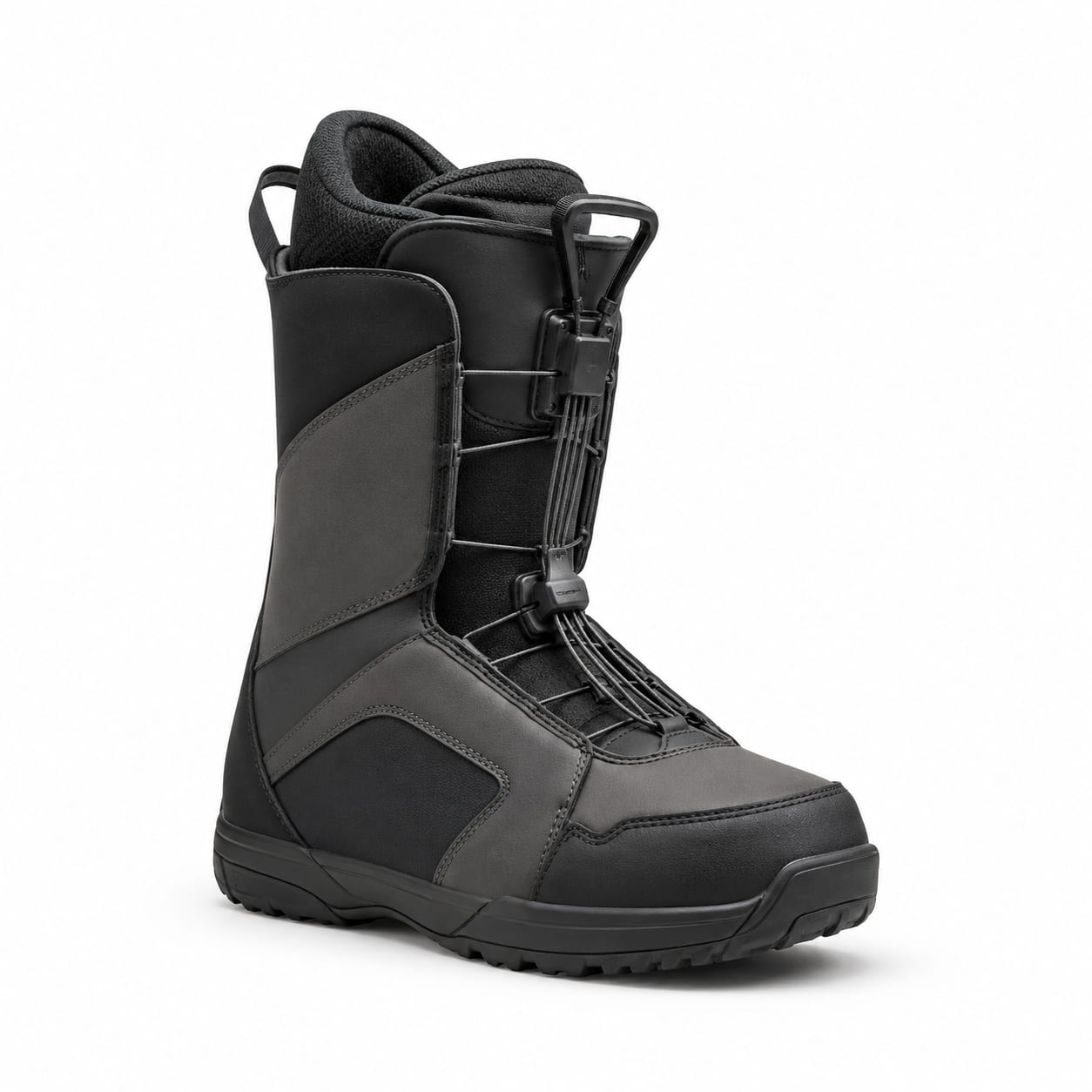
Speed Lacing Snowboard Boots

Quick-pull lacing system for fast, convenient entry and exit with moderate zonal adjustability.

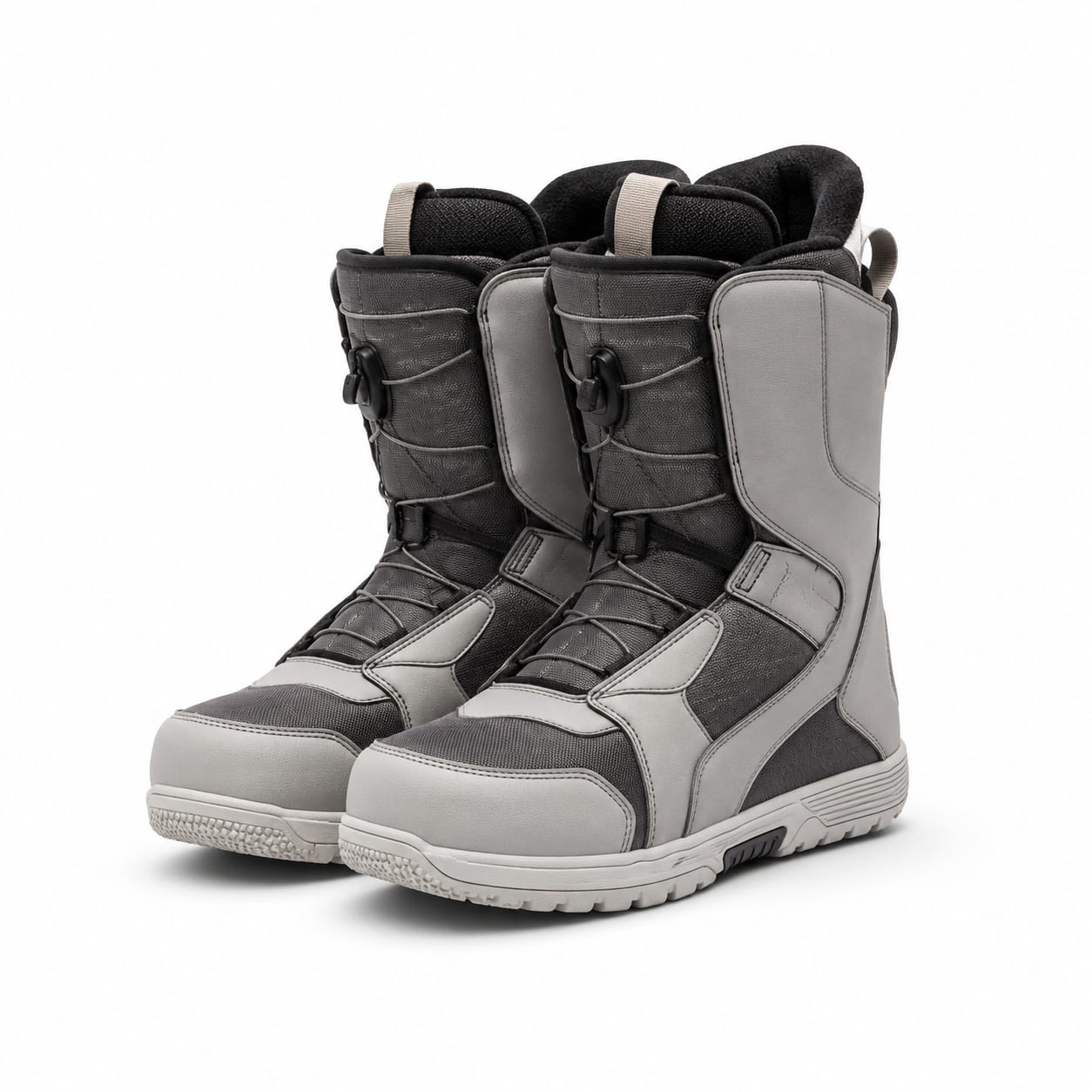
Speed lacing snowboard boots use a durable pull-cord system with a locking mechanism to get you on the hill faster. They offer a great balance of convenience and zonal adjustability, allowing you to tighten the lower and upper zones independently. Unlike BOA dials, speed laces are less prone to catastrophic failure and can be easily repaired or replaced in the field, making them a reliable choice for all-mountain and freeride riders.

$130 – $400mid tierbeginnerintermediateadvanced

Best known for

Quick entry and exitField-repairable lacingModerate zonal adjustmentReliable security
Speed Lacing Snowboard Boots

Guide

Detailed overview

Speed lacing snowboard boots feature a pull-cord lacing system that uses strong, low-friction cables routed through durable lace guides. By pulling the cords and engaging the locking mechanism, riders can quickly and evenly tighten their boots with minimal effort. Most speed lace systems split the lacing into two zones (upper and lower), allowing riders to customize the tension in the ankle and forefoot independently. This system is highly valued for its speed and reliability—unlike dial-based systems, if a speed lace breaks, it can often be tied off or replaced with standard paracord in a pinch, saving your riding day.

Speed lacing systems have been a staple in snowboard boots for decades, offering a compelling middle ground between traditional laces and modern BOA dials. The system relies on hardened cables or tough cordage threaded through smooth lace guides, terminating in a locking cleat at the top of the tongue. When you pull the cords, the low-friction guides distribute tension evenly across the foot, and the cleat holds the tension firmly in place with a simple click.

The primary advantage of speed lacing over single-dial BOA systems is zonal adjustability. Most speed lace boots feature two separate pull handles—one for the lower forefoot zone and one for the upper ankle zone. This allows riders to crank down the ankle for heel lock while keeping the forefoot at a more comfortable, less restrictive tension. It is a highly effective way to eliminate heel lift without causing foot cramps.

Where speed lacing truly shines is reliability and field repairability. A broken BOA dial or cable often renders the boot nearly unusable until a replacement part is installed, which can ruin a multi-day trip. If a speed lace cord snaps, you can often tie the broken ends together or thread a replacement cord (even heavy-duty paracord) through the guides to get back to riding in minutes. The locking mechanisms are simple and rarely fail, even in freezing, wet conditions.

However, speed lacing is not without its drawbacks. The system does not offer the infinite micro-adjustability of a dial; you pull to tighten and release the lock to loosen, making fine-tuning a bit less precise. Additionally, the cords can sometimes slip slightly over the course of a long, aggressive day on the mountain, requiring a quick re-tighten after lunch. The dangling lace ends also need to be securely tucked into the provided lace pockets to prevent them from catching on bindings or tree branches.

Overall, speed lacing boots are an excellent choice for riders who value quick transitions, zonal customization, and the peace of mind that comes with a system they can fix on the fly. They are favored by all-mountain riders, freeriders, and anyone who has ever been stranded by a broken BOA dial in the backcountry.

Quick facts

Primary purpose
Faster entry and exit than traditional laces with zone-specific adjustment
Popular brands
BurtonSalomonThirtyTwoK2
Typical terrain
all terrain

What makes it different

Pull-handle lacing that tightens in one motion; typically offers upper and lower zone control; simpler mechanism than BOA with less risk of dial breakage; often found at lower price points than BOA-equipped boots

Recommended ranges

How this type usually specs out

Each spec is explained in plain language, then we show what buyers usually look for on this type.

Stiffness / Flex

Flex Rating

What it means

How resistant the boot is to forward flexion. Softer boots allow more ankle mobility and are forgiving; stiffer boots deliver precise power transfer and edge control.

Typical for this type

Medium Soft to Medium Stiff

In practice

Speed lacing is versatile and found across all flex profiles, but is most common in medium to medium-stiff all-mountain and freeride boots where zonal tensioning is highly valued.

Compared to other types

Unlike BOA boots which lean heavily into freestyle (soft) or freeride (stiff), speed lace boots are most heavily represented in the all-mountain medium flex category.

Why it matters: A medium to medium-stiff flex pairs well with speed lacing because the pull-cord system can effectively secure the ankle in a responsive boot, maximizing edge control.

Lacing System

Lacing System

What it means

The mechanism used to tighten and secure the boot. Affects speed, adjustability, reliability, and how evenly pressure is distributed across the foot.

Typical for this type

Speed Lace

In practice

This subcategory is defined by its speed lace system, utilizing pull-cords and a locking cleat for rapid tightening.

Compared to other types

Faster than traditional laces and more field-repairable than BOA systems, but offers less micro-adjustability than dials and less infinite customization than standard laces.

Why it matters: The lacing system dictates how quickly you can get your boots on, how easily you can adjust them, and how reliably they perform in cold conditions.

Width / Last

Last Width

What it means

The internal volume and width of the boot shell, determining how snugly the boot fits across the forefoot and midfoot. Measured by the 'last'—the foot mold the boot is built around.

Typical for this type

Narrow to Wide

Most common pick: Standard

In practice

Speed lace boots are available in all widths, though the even pull of the cables can be particularly beneficial for standard and narrow feet to achieve uniform pressure.

Compared to other types

Similar availability to BOA and traditional lace boots, though some highly specialized wide or narrow models may only be offered in BOA configurations by certain brands.

Why it matters: Getting the right width is critical; speed lacing can help dial in the tension, but it cannot overcome a shell that is fundamentally too narrow or wide.

Boot Size (Mondo)

Mondo Size

What it means

The length of the boot's internal footbed measured in centimeters (Mondo point sizing). This is the most accurate sizing standard for snowboard boots.

Typical for this type

21.0 to 31.5

Most common pick: 26.0

In practice

Speed lace boots follow standard Mondo sizing. The pull-cord system does not affect the available size range.

Compared to other types

Identical size ranges to other lacing subcategories.

Why it matters: Proper Mondo sizing is the foundation of boot fit; the speed lace system is only effective if the boot is the correct length to begin with.

Liner Type

Liner Type

What it means

The internal boot structure that provides cushioning, insulation, and fit. Liner type affects heat retention, moldability, and long-term fit quality.

Typical for this type

Heat Moldable to Intuition

In practice

Most speed lace boots feature heat-moldable or Intuition liners, as the zonal lacing works best when paired with a liner that can conform precisely to the foot.

Compared to other types

Liner quality is comparable to equivalently priced BOA boots, and generally superior to entry-level traditional lace boots.

Why it matters: A premium liner enhances the fit benefits of the speed lace system, locking the heel in place when the upper zone is tightened.

Heel Hold / Heel Lock

Heel Hold Technology

What it means

Design features that prevent the heel from lifting inside the boot during turns. Heel lift reduces edge control and causes fatigue. Includes internal harness systems, ankle pockets, and liner construction.

Typical for this type

Internal Harness to Contoured Heel Pocket

In practice

Speed lace systems often integrate directly with an internal ankle harness; pulling the upper lace cord tightens the harness around the ankle to lock the heel down.

Compared to other types

Often provides better integrated heel hold than single BOA systems, and comparable to double BOA setups.

Why it matters: This integration is one of the biggest advantages of speed lacing, providing excellent heel hold without needing to over-tighten the lower foot.

Outsole / Traction

Outsole Type

What it means

The bottom of the boot that contacts the ground when walking and the binding baseplate when riding. Affects grip, cushioning, durability, and weight.

Typical for this type

Eva Midsole to Rubber Lugged

In practice

Speed lace boots are commonly found with EVA midsoles for all-mountain resort riding, though lugged rubber outsoles are also prevalent in freeride models.

Compared to other types

Similar outsole options to BOA and traditional lace boots at equivalent price points.

Why it matters: The outsole affects grip and cushioning; speed lacing does not dictate outsole choice, so riders can select based on their terrain preferences.

Insulation / Warmth

Insulation Rating

What it means

How effectively the boot retains heat. Determined by liner material, insulation type, and shell construction. Critical for riders in cold climates or with poor circulation.

Typical for this type

Standard to Heavy

In practice

Standard insulation is most common, providing a good balance for typical winter conditions.

Compared to other types

Insulation is on par with other lacing systems. Some riders find they can tighten speed laces more effectively, which can improve circulation and warmth compared to loose traditional laces.

Why it matters: Proper insulation keeps feet warm; the speed lace system does not compromise the boot's thermal properties.

Walk Mode / Touring

Walk Mode

What it means

A mechanism that unlocks the boot's upper cuff from the lower shell, allowing a natural walking stride for touring and splitboarding. Sometimes called 'ride/hike mode' or 'touring mode'.

Typical for this type

False

In practice

The vast majority of speed lace boots do not feature a walk mode, as this system is primarily geared toward resort riding.

Compared to other types

Walk mode is significantly less common in speed lace boots compared to high-end BOA or hybrid boots designed for the backcountry.

Why it matters: If you are a splitboarder, you will likely need to look at specialized boots with BOA or hybrid lacing systems that incorporate a walk mechanism.

Weight (per boot)

Boot Weight

What it means

The weight of a single boot, typically measured in grams or pounds. Lighter boots reduce fatigue but may sacrifice durability and dampening.

Typical for this type

850g to 1100g

Most common pick: 950g

In practice

Speed lace hardware (cleats and cords) is very lightweight, keeping these boots competitive in weight, typically falling right in the middle of the average range.

Compared to other types

Generally lighter than double or triple BOA boots, and comparable to traditional lace boots.

Why it matters: Lighter boots reduce fatigue; speed lace systems add minimal weight compared to the heavy dials and cables of BOA systems.

Footbed / Insole

Footbed / Insole

What it means

The removable insole inside the liner that provides arch support, cushioning, and alignment. Stock footbeds are often minimal; many riders upgrade to aftermarket options.

Typical for this type

Molded Arch to Custom Aftermarket

In practice

Mid-range speed lace boots typically come with pre-molded arch support footbeds, which are adequate but benefit greatly from an upgrade.

Compared to other types

Stock footbed quality is identical to other boots in the same price tier, regardless of lacing system.

Why it matters: A good footbed maximizes the fit benefits of the zonal speed lacing by properly aligning the foot inside the liner.

Shell Construction

Shell Construction

What it means

The outer boot's material and build method. Affects durability, weight, water resistance, and how the boot flexes over time.

Typical for this type

Injected Tpu to Composite

In practice

Injected TPU is the most common shell material for speed lace boots, providing consistent flex and durability.

Compared to other types

Shell materials are consistent across lacing types; the only difference is the integration points for the lace cleats versus BOA dials.

Why it matters: A durable shell ensures the lace guides remain securely anchored over years of heavy tension.

Impact Protection / Dampening

Impact Absorption

What it means

The boot's ability to absorb shock from flat landings, choppy terrain, and drops. Determined by midsole material, heel cushioning technology, and liner density.

Typical for this type

Standard Dampening to Enhanced Impact

In practice

Most speed lace boots feature standard EVA dampening, suitable for typical all-mountain riding.

Compared to other types

Impact absorption is dictated by the boot's price and purpose, not the lacing system, making it identical to comparable BOA or lace models.

Why it matters: Proper shock absorption reduces fatigue; the lacing system does not affect the dampening technology used in the midsole.

Optimized Riding Style

Riding Style

What it means

The primary riding discipline the boot is designed for. While any boot can be used anywhere, boots optimized for a specific style will perform best in that context.

Typical for this type

All Mountain to Freeride

In practice

Speed lacing is highly popular among all-mountain and freeride riders who need quick transitions and secure zonal hold for varied terrain.

Compared to other types

Less common in pure freestyle/park boots where single BOA dominates for ultra-fast adjustments, and less common in splitboarding where walk mode is required.

Why it matters: Matching the boot to your riding style ensures the flex and features support your needs; speed lacing excels where quick, secure tightening is paramount.

Waterproofing / Weather Resistance

Waterproofing

What it means

How well the boot prevents water and snow from penetrating to the foot and liner. Determined by shell treatment, seam sealing, and internal waterproof membranes.

Typical for this type

Water Resistant to Waterproof Membrane

In practice

Most speed lace boots feature water-resistant treatments, with some higher-end models including waterproof membranes.

Compared to other types

Waterproofing is generally on par with BOA boots, though traditional lace boots with fully gusseted tongues can sometimes offer slightly better water shedding at the lace line.

Why it matters: Keeping water out is critical; the lace cleat area can be a potential entry point for moisture, so good waterproofing is essential.

Forward Lean Angle

Forward Lean

What it means

The angle the boot's upper cuff is tilted forward relative to vertical. Affects default riding stance, knee bend, and how aggressively the rider is positioned over the board.

Typical for this type

12 to 18 degrees

Most common pick: 15

In practice

A standard forward lean of around 15 degrees is typical, providing an aggressive enough stance for all-mountain riding without causing fatigue.

Compared to other types

Forward lean ranges are consistent across all lacing subcategories.

Why it matters: Forward lean affects riding posture; speed lace boots generally do not feature adjustable lean, relying on the binding highback for fine-tuning.

Evaluation

Strengths and trade-offs

Pros

What this type does best

Fast and Convenient

Critical

Pull the cords and you are ready to ride in seconds. Much faster than traditional laces, especially with gloves on.

Field-Repairable

High

If a cord breaks, you can tie it off or replace it with paracord in minutes. Unlike a broken BOA dial, a speed lace failure doesn't end your day.

Zonal Adjustability

High

Most systems feature separate upper and lower zones, allowing you to crank down your ankle for heel hold while keeping your forefoot comfortable.

Even Pressure Distribution

Medium

The low-friction lace guides pull tension evenly across the top of the foot, reducing pressure points and hot spots compared to traditional laces.

No Frozen Dials

High

The simple locking cleat mechanism is highly resistant to freezing and jamming in icy conditions, a notable advantage over some BOA dials.

Cons

Trade-offs to be aware of

Potential for Slippage

Moderate

The locking cleats can occasionally allow the cords to slip slightly over the course of a long, aggressive day, requiring periodic re-tightening.

Less Micro-Adjustability

Moderate

You cannot fine-tune the tension with the same precision as a BOA dial. It is a pull-to-tighten system, making small adjustments trickier.

Dangling Lace Ends

Minor

The excess cord must be securely tucked into a pocket on the tongue; if left loose, it can catch on bindings, chairlifts, or tree branches.

Cord Fraying

Minor

Over time, the cords can fray at the locking mechanism or lace guides, which can eventually lead to breakage if not monitored.

Best for

Terrain

All-mountainGroomersSidecountryTrees

Snow conditions

ColdVariablePowder

Skill level

IntermediateAdvanced

Riding style

All-mountainFreeride

Rider profile

Riders who value speed and reliabilityRiders who have experienced BOA failuresRiders seeking zonal adjustment without the cost of double BOA

Not ideal for

Reasons

Lack of walk mode options in speed lace modelsPark riders who prefer ultra-fine micro-adjustments on the liftRiders who dislike managing loose lace ends

Riding style

Backcountry/Splitboard

Compare

How it stacks up

This page

Speed Lacing Snowboard Boots

Superior zonal adjustability (upper/lower zones) and much easier field repairability.

Alternative

BOA Snowboard Boots

Simpler operation with no loose laces to tuck, and infinite micro-adjustability with the dial.

Bottom line

Choose speed lace if you want zonal control and reliability; choose single BOA if you prioritize ultimate simplicity and a clean look.

This page

Speed Lacing Snowboard Boots

Lower cost, lighter weight, and the peace of mind of field repairability.

Alternative

BOA Snowboard Boots

More precise micro-adjustability in both zones and no loose lace ends to manage.

Bottom line

Choose double BOA if you have the budget and want precise tuning; choose speed lace if you want a reliable, field-serviceable system.

This page

Speed Lacing Snowboard Boots

Significantly faster entry and exit, and more even pressure distribution across the top of the foot.

Alternative

Traditional Lace Snowboard Boots

Maximum customizability per eyelet, infinite micro-adjustment, and the most durable lacing system available.

Bottom line

Choose traditional laces if you are meticulous about fit and don't mind the time; choose speed lace for convenience without sacrificing too much adjustability.

Shopping

Buying tips

  • 1

    Look for boots with separate upper and lower lace zones to get the most out of the speed lace system's adjustability.

  • 2

    Test the locking mechanism in the store: pull the cords tight and flex forward hard to ensure the cleat holds without slipping.

  • 3

    Always check that the lace pocket on the tongue is large enough to securely stash the excess cord.

  • 4

    Throw a few feet of heavy-duty paracord in your snowboard bag; it could save your trip if a cord snaps.

  • 5

    When trying them on, flex forward into the boot before locking the upper zone to ensure your heel is fully seated.

Care

Maintenance notes

  • Periodically inspect the cords for fraying near the locking cleat and lace guides, and replace them before they break.
  • Keep the locking mechanism clear of ice and debris; a small brush can help clear the cleat on cold mornings.
  • If the cords start to drag or feel sticky, apply a small amount of silicone lubricant to the lace guides.
  • Always tuck the loose ends into the lace pocket to prevent them from getting snagged and damaged.
  • Remove the liners after every riding day to dry them out, which also helps prevent the lace hardware from corroding.

Progression

Skill development path

Speed lacing boots are excellent for intermediate riders who are learning how to properly dial in their boot fit, as the zonal system makes it easy to understand the difference between forefoot and ankle tension. As riders advance into aggressive all-mountain or freeride terrain, the quick, secure heel lock provided by the upper lace zone becomes increasingly valuable for high-speed performance.

FAQ

Common questions

Each question has a dedicated page with a full answer and links to the buying guide.