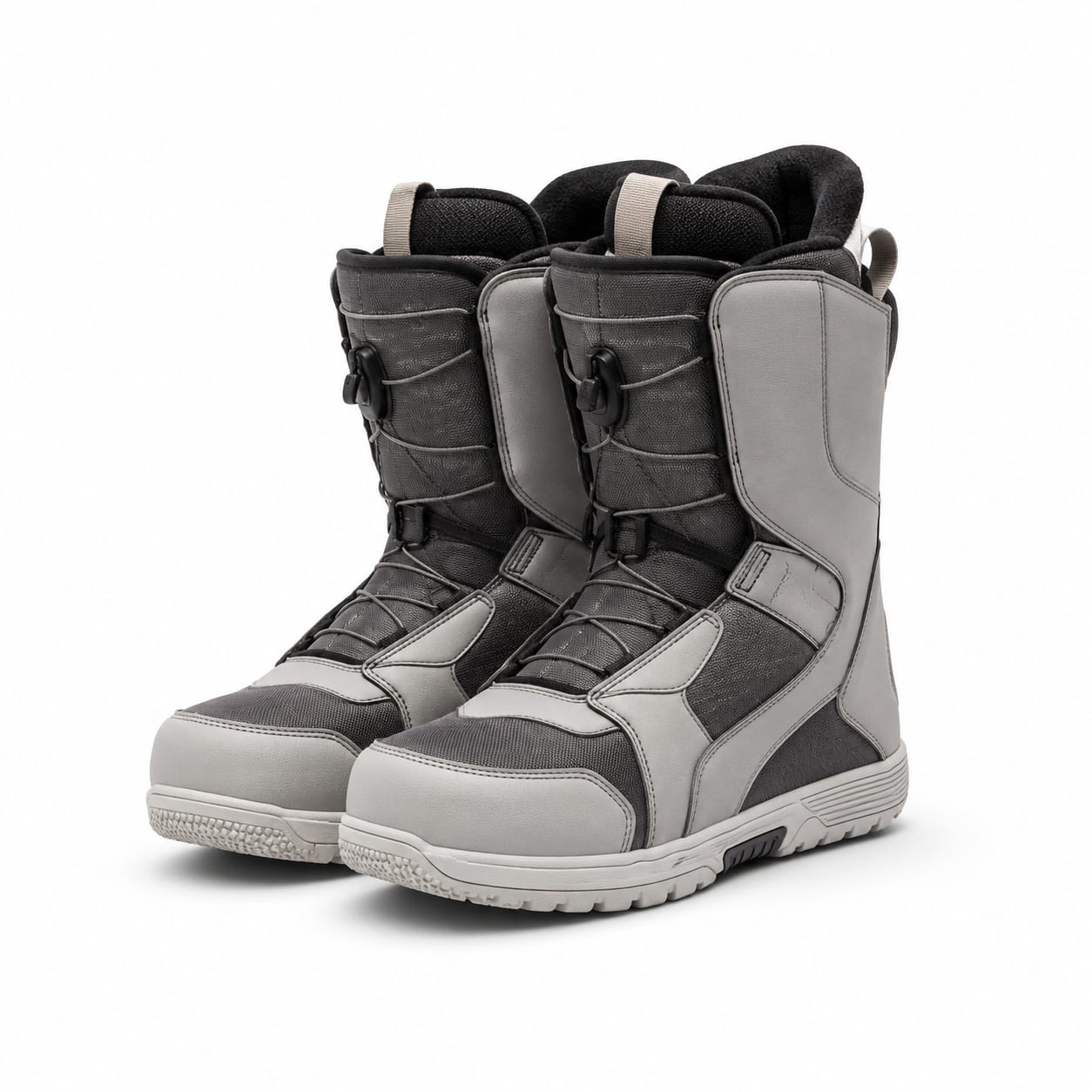
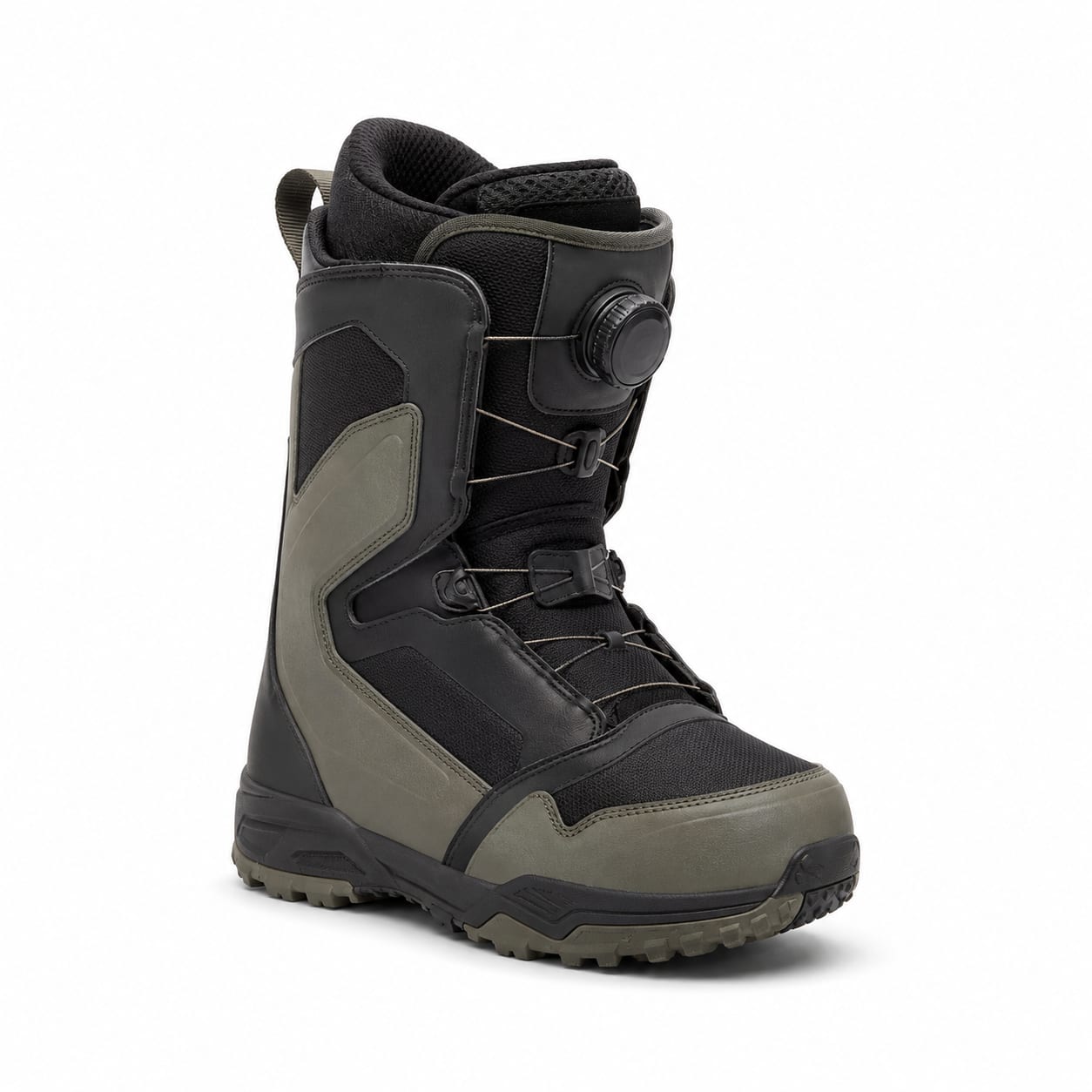
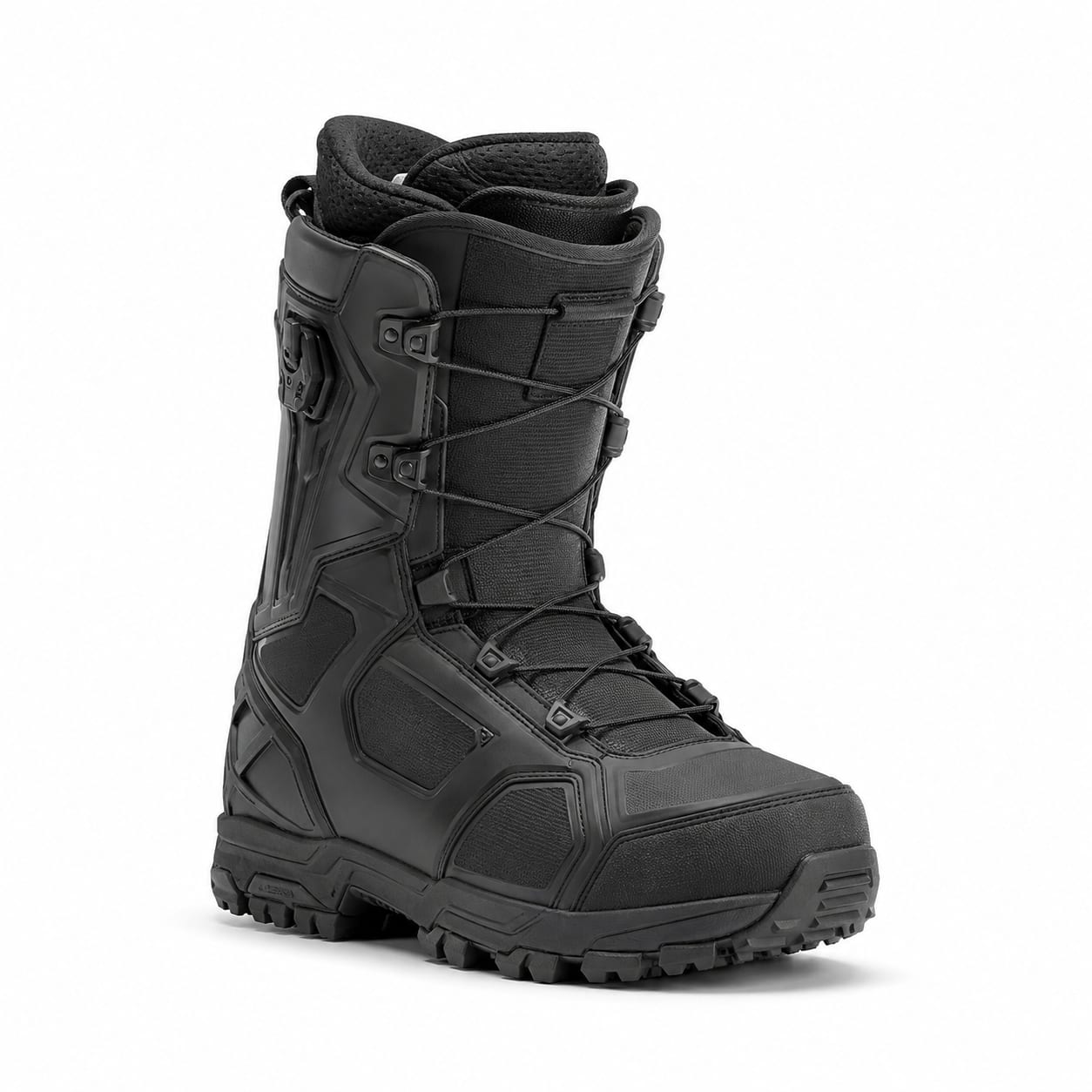
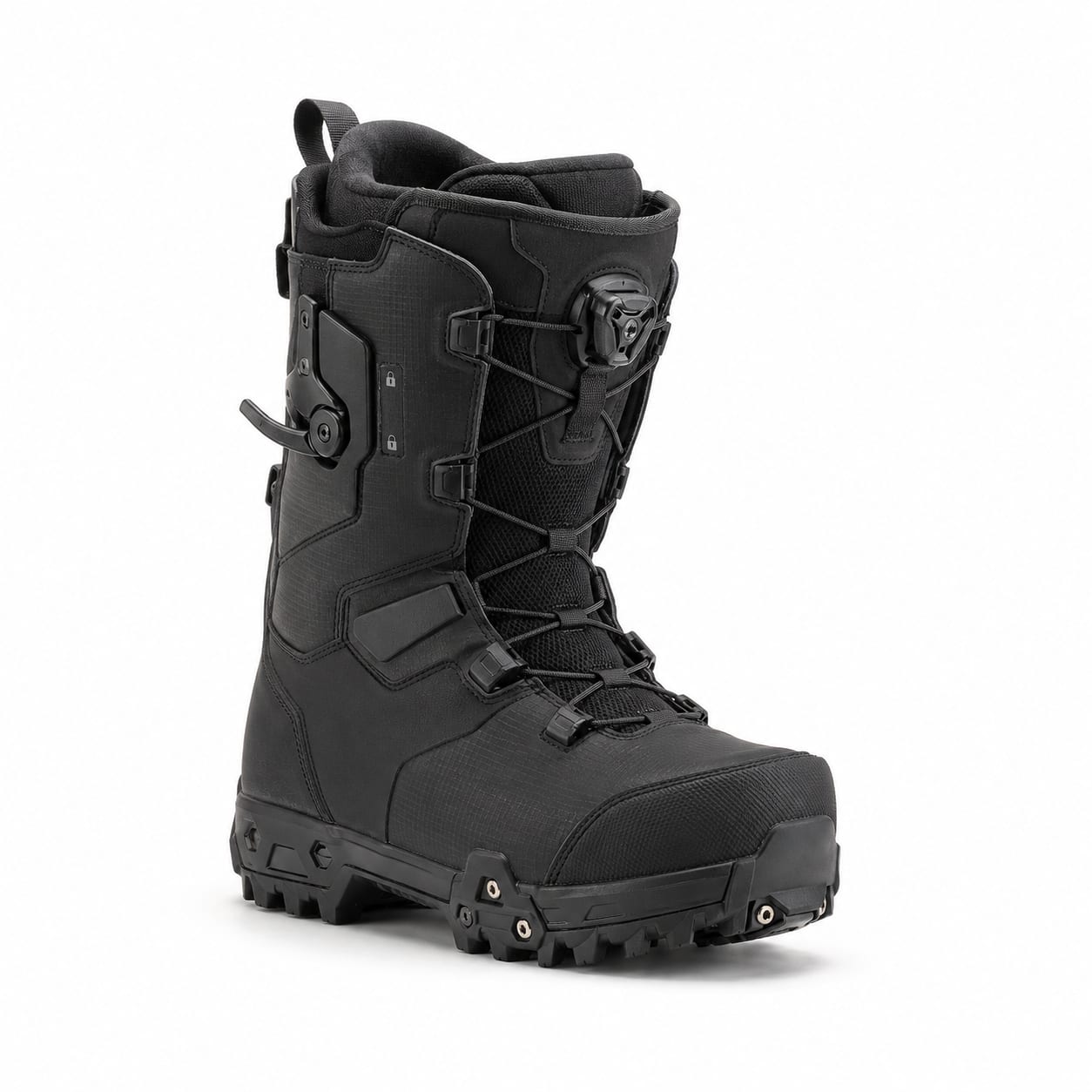
Freestyle snowboard boots are designed specifically for terrain park, halfpipe, and street riding where mobility, forgiveness, and impact protection matter more than razor-sharp edge control. Characterized by soft to medium-soft flex ratings (typically 1–5 on a 10-point scale), these boots allow riders to press, butter, and tweak grabs with minimal resistance from their footwear. The softer flex also makes them more forgiving on imperfect landings, reducing the likelihood of catching an edge when slightly off-balance.
Weight is a critical consideration for freestyle boots. Every gram matters when spinning 540s or hiking back to the park feature, so manufacturers use lightweight synthetic materials, minimal outsole tread, and streamlined constructions. Impact absorption technology is another hallmark—features like Burton's ReBounce, ThirtyTwo's STI Evolution foam, and specialized heel cushioning units help protect joints from the repeated pounding of hard park landings.
While optimized for park riding, freestyle boots are surprisingly versatile. Many all-mountain freestyle riders use them across the entire resort, appreciating their comfortable flex and playful feel on groomers, in trees, and through soft snow. However, they reach their limits in steep, aggressive freeride terrain where precise edge-to-edge power transfer is essential, and at high speeds where their soft flex can feel unstable.
Choosing the right freestyle snowboard boot comes down to understanding how flex, weight, and impact protection interact with your riding. The soft flex that defines this category is not a sign of low quality—it is an intentional design choice that enables the ankle articulation needed for stylish grabs, deep presses, and smooth butters. Riders who try to perform these tricks in stiffer boots often find themselves fighting their equipment, resulting in locked-out ankles and less expressive riding.
Impact absorption deserves special attention for park riders. Landing flat from a 40-foot kicker sends forces through the feet, ankles, knees, and spine. Freestyle boots address this with dedicated cushioning systems in the heel and midsole that compress on impact, dissipating energy before it reaches the joints. This technology degrades over time as foam compresses, which is why serious park riders often replace their boots every 1–2 seasons—well before the shell shows visible wear.
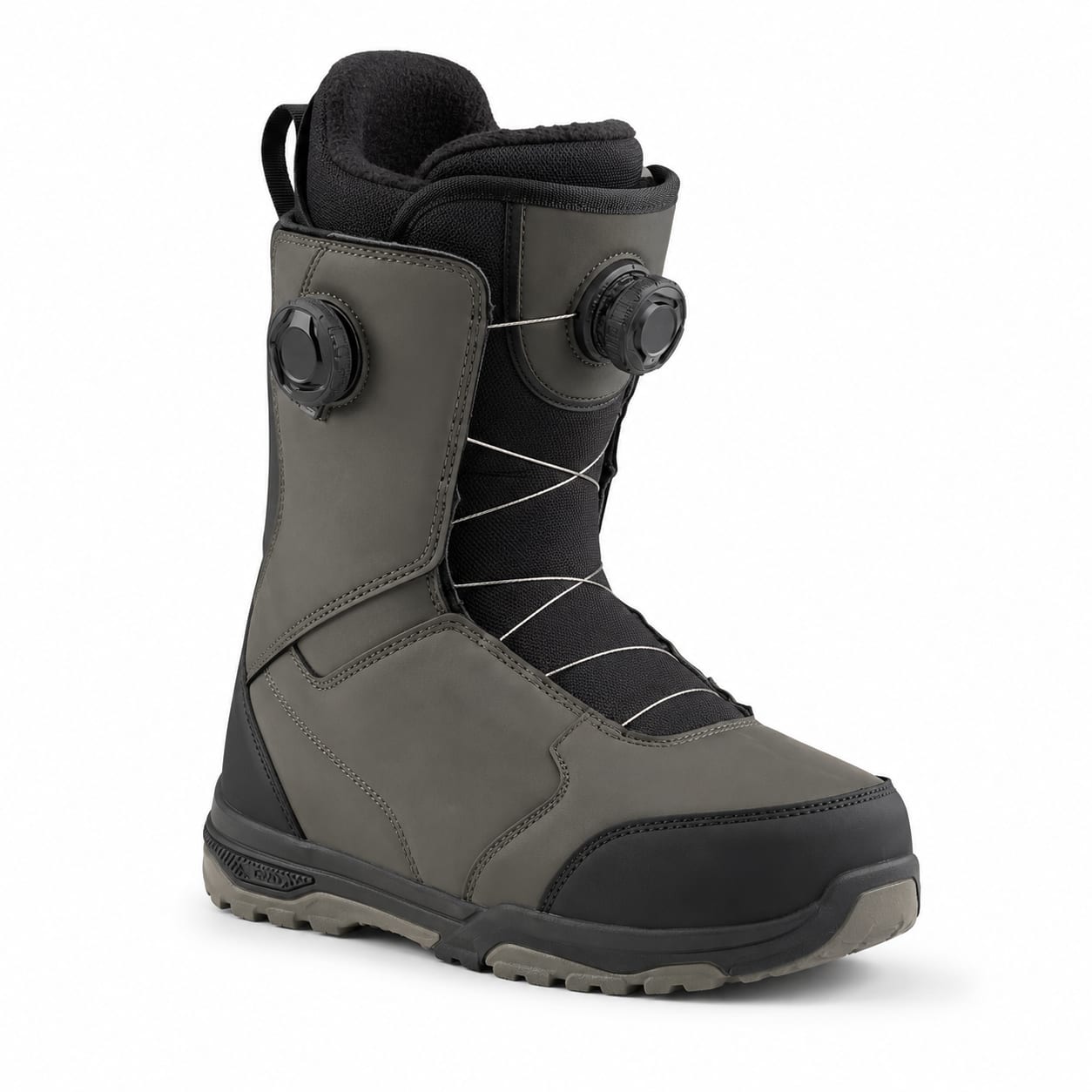
Lacing system choice is particularly personal for freestyle riders. Traditional laces remain popular because they allow infinite zonal adjustability—looser around the toes for circulation, tighter across the midfoot for heel lock, and customizable ankle tension for the desired flex feel. However, double BOA systems have gained significant traction because they let riders quickly adjust tension between laps, which matters when feet swell or when switching from warm-up laps to hitting the big line. The hybrid approach (BOA upper, lace lower) is increasingly common in freestyle models and may offer the best of both worlds.
Fit is paramount and even more nuanced for freestyle boots than other categories. Because the flex is soft, there is less structural support to compensate for a poor fit. Heel lift is the enemy—if your heel rises more than a few millimeters during a press or landing, you lose control and risk injury. Freestyle riders should prioritize boots with strong heel hold features (internal harnesses or well-contoured heel pockets) and be prepared to size down slightly, accounting for 0.5–1 size of pack-out over the first 10–15 days of riding.
Finally, consider the outsole carefully. Low-profile soles maximize board feel for rail riders who need to sense the feature beneath their feet, but they offer minimal traction for hiking and virtually no cushioning on rocky traverses. EVA cushioned outsoles strike a better balance for all-mountain freestyle riders who hit the park but also explore the rest of the mountain. If you hike to street spots or backcountry kickers, look for models with rubber lugged outsoles—the weight penalty is worth the safety and traction on icy approaches.