Kitvore.com

Kitvore.com

Specs that matter. Gear that fits.

Snowboard Boots · Subcategory

All-Mountain Snowboard Boots

The versatile daily driver designed to handle any terrain the resort throws at you.

All-mountain snowboard boots are the quintessential quiver-killer footwear, offering a balanced blend of flex, response, and comfort. Whether you are carving groomers, dipping into the trees, or lapping the park, these boots provide the adaptability needed for a full day of varied riding without sacrificing performance in any single discipline.

$150 – $450mid tierbeginnerintermediateadvanced

Best known for

Versatility across terrainBalanced flex profileAll-day comfortWide availability of features
All-Mountain Snowboard Boots

Guide

Detailed overview

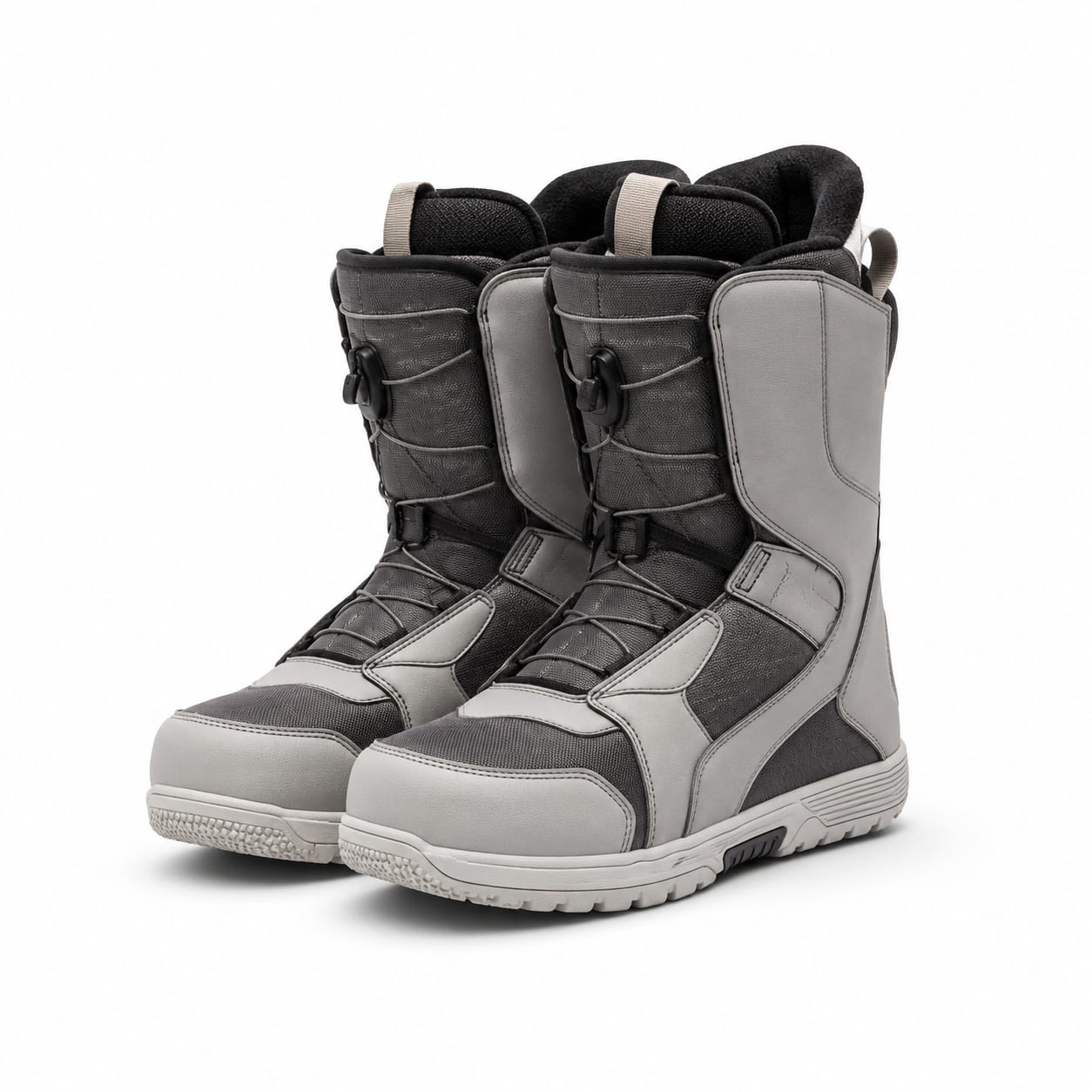
All-mountain snowboard boots are designed to be the jack-of-all-trades in the snowboarding world. They feature a medium flex that provides enough responsiveness for carving and off-piste exploration while remaining forgiving enough for casual park laps and bumps. Built with a focus on all-day comfort and reliable performance, these boots typically incorporate heat-moldable liners, dual-zone lacing systems, and moderate dampening to absorb chatter. They are the go-to choice for riders who want one boot to do it all without specializing too heavily in one direction.

All-mountain snowboard boots occupy the sweet spot in the flex spectrum, typically ranging from medium-soft to medium-stiff. This balanced flex profile allows riders to initiate turns quickly and feel the board beneath their feet while still providing enough give to absorb unpredictable terrain and land jumps comfortably. Unlike stiff freeride boots that demand constant attention or soft park boots that lack edge-to-edge precision at speed, all-mountain boots strike a harmonious balance that suits the ever-changing conditions of resort riding.

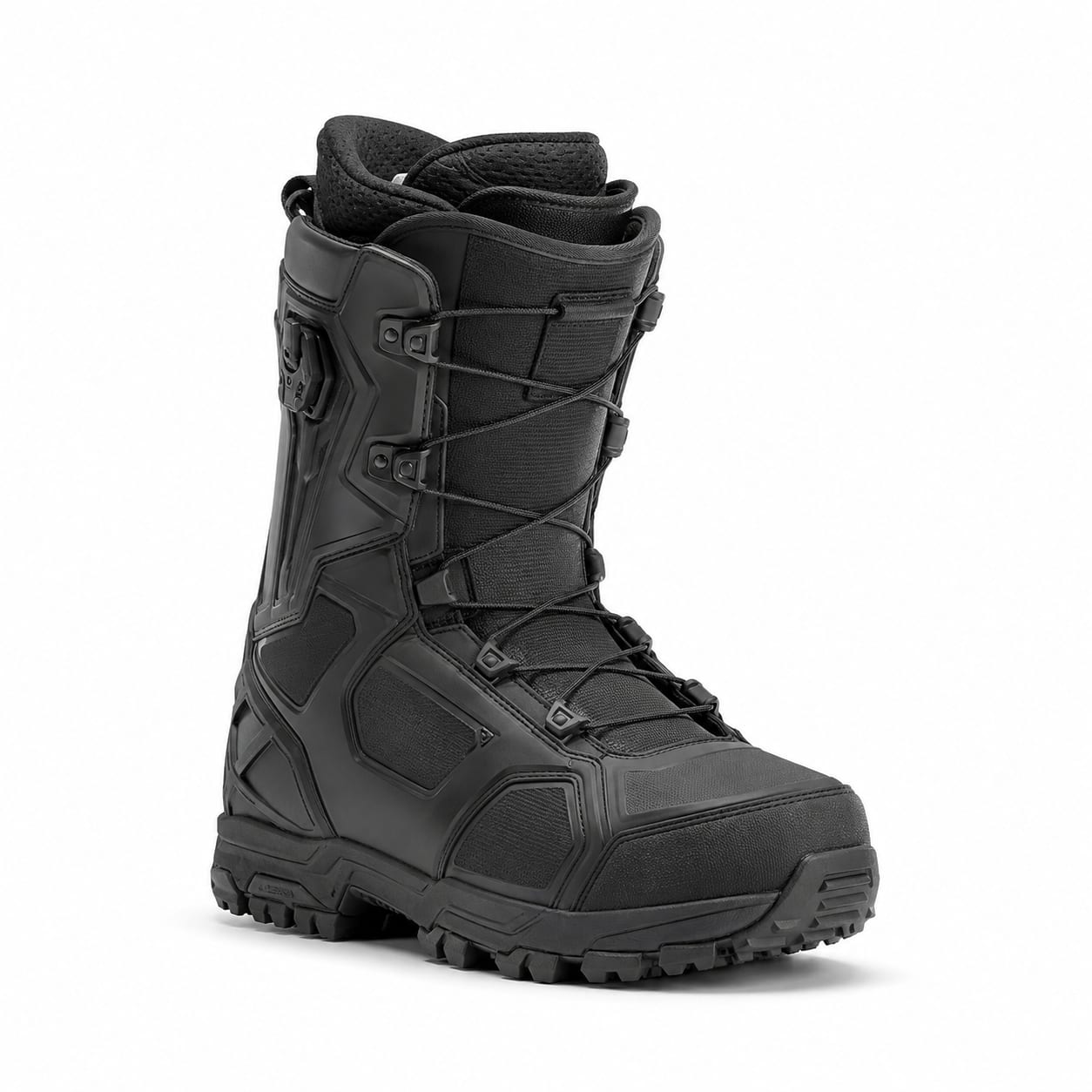
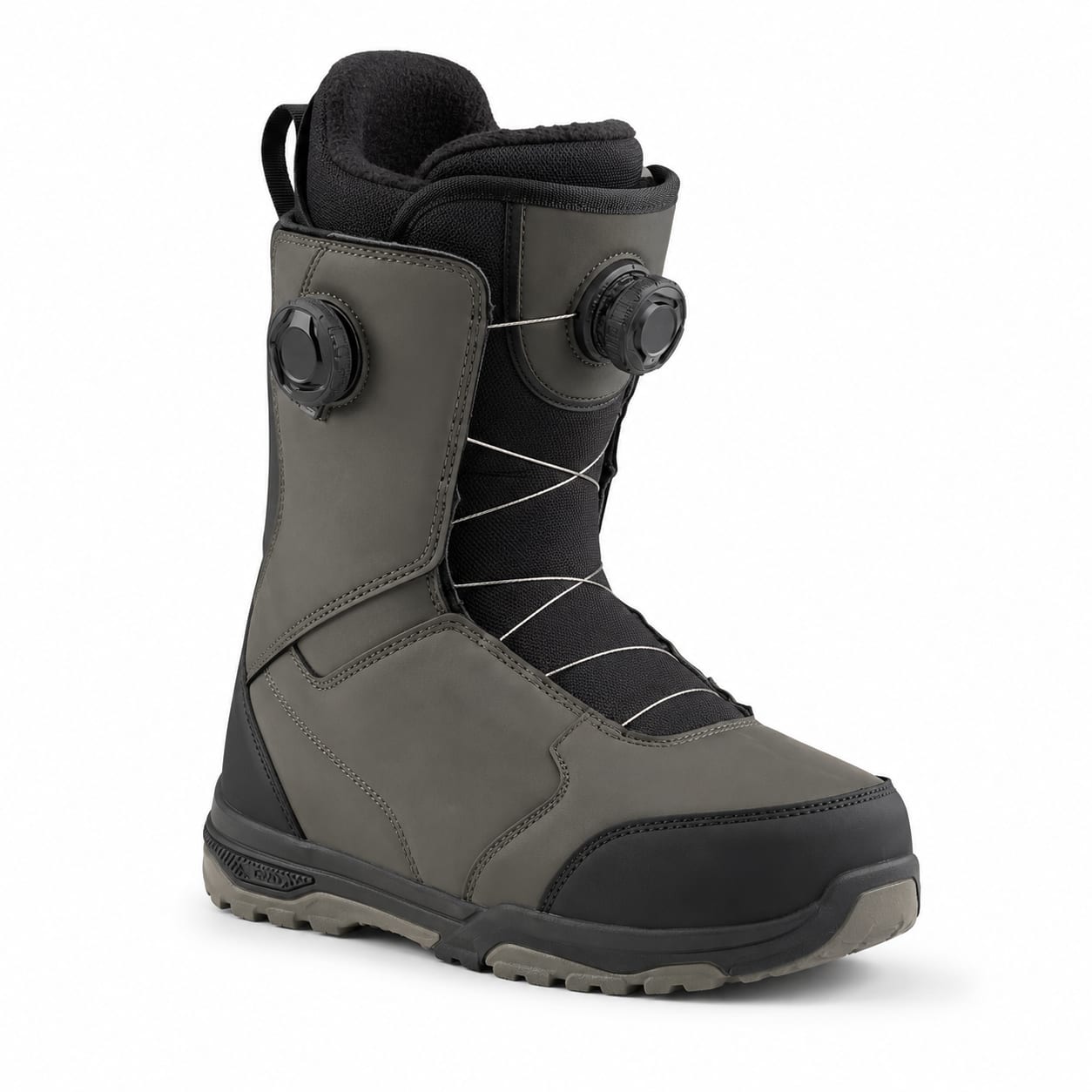
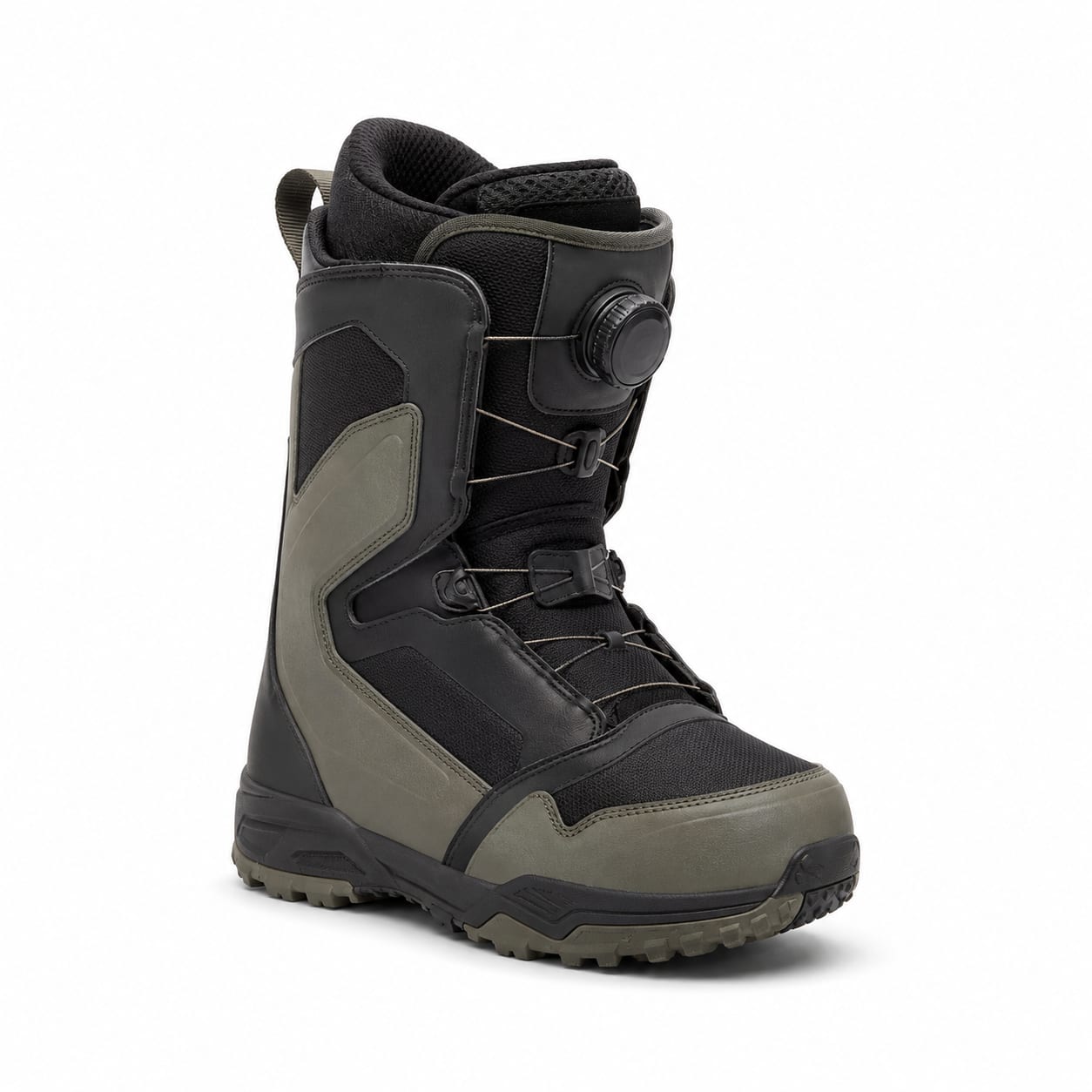
Feature sets in this category are incredibly diverse, giving riders the freedom to choose exactly how they want their boots to perform. Double BOA and hybrid lacing systems are extremely popular here, offering the zonal adjustability needed to fine-tune fit for different parts of the mountain. Liners are almost universally heat-moldable at this tier, with premium options featuring Intuition foam for superior customization and longevity. Outsoles typically blend EVA cushioning with rubber tread patches, providing enough grip for short hikes without the weight penalty of full lugged soles.

The true value of an all-mountain boot lies in its adaptability. On a single day, a rider might transition from icy morning groomers to soft afternoon bumps, finishing with a few park laps. An all-mountain boot handles this variety effortlessly. The heel hold is generally robust enough for aggressive carving, while the flex remains playful enough for butters and side hits. This eliminates the need to compromise or own multiple setups for a typical resort day.

When selecting an all-mountain boot, prioritize fit above all else. Because these boots are designed for varied use, they need to be comfortable for long days while locking down the heel for technical sections. Look for a snug fit that allows toes to just brush the front when standing straight, pulling back slightly when the knees are bent in a riding stance. Upgrading the stock footbed to a supportive aftermarket option is highly recommended, as it dramatically improves alignment, reduces fatigue, and enhances the overall performance of the boot across all terrain.

Quick facts

Primary purpose
Versatile performance across all terrain types and snow conditions
Popular brands
BurtonThirtyTwoVansDCRideK2
Typical terrain
groomed runsmixed terrainlight powdertreesmoguls

What makes it different

Balanced flex profile that doesn't excel in any single discipline but performs adequately everywhere; often available in the widest range of closure systems and fits

Recommended ranges

How this type usually specs out

Each spec is explained in plain language, then we show what buyers usually look for on this type.

Stiffness / Flex

Flex Rating

What it means

How resistant the boot is to forward flexion. Softer boots allow more ankle mobility and are forgiving; stiffer boots deliver precise power transfer and edge control.

Typical for this type

Medium Soft to Medium Stiff

In practice

All-mountain boots typically feature a medium flex (5-6 on a 10 scale), providing a balance of response and forgiveness.

Compared to other types

Softer than freeride boots which prioritize power transfer, but stiffer than freestyle boots which prioritize ankle mobility.

Why it matters: A medium flex allows for quick edge-to-edge transitions on groomers while remaining playful enough for side hits and variable snow off-piste.

Lacing System

Lacing System

What it means

The mechanism used to tighten and secure the boot. Affects speed, adjustability, reliability, and how evenly pressure is distributed across the foot.

Typical for this type

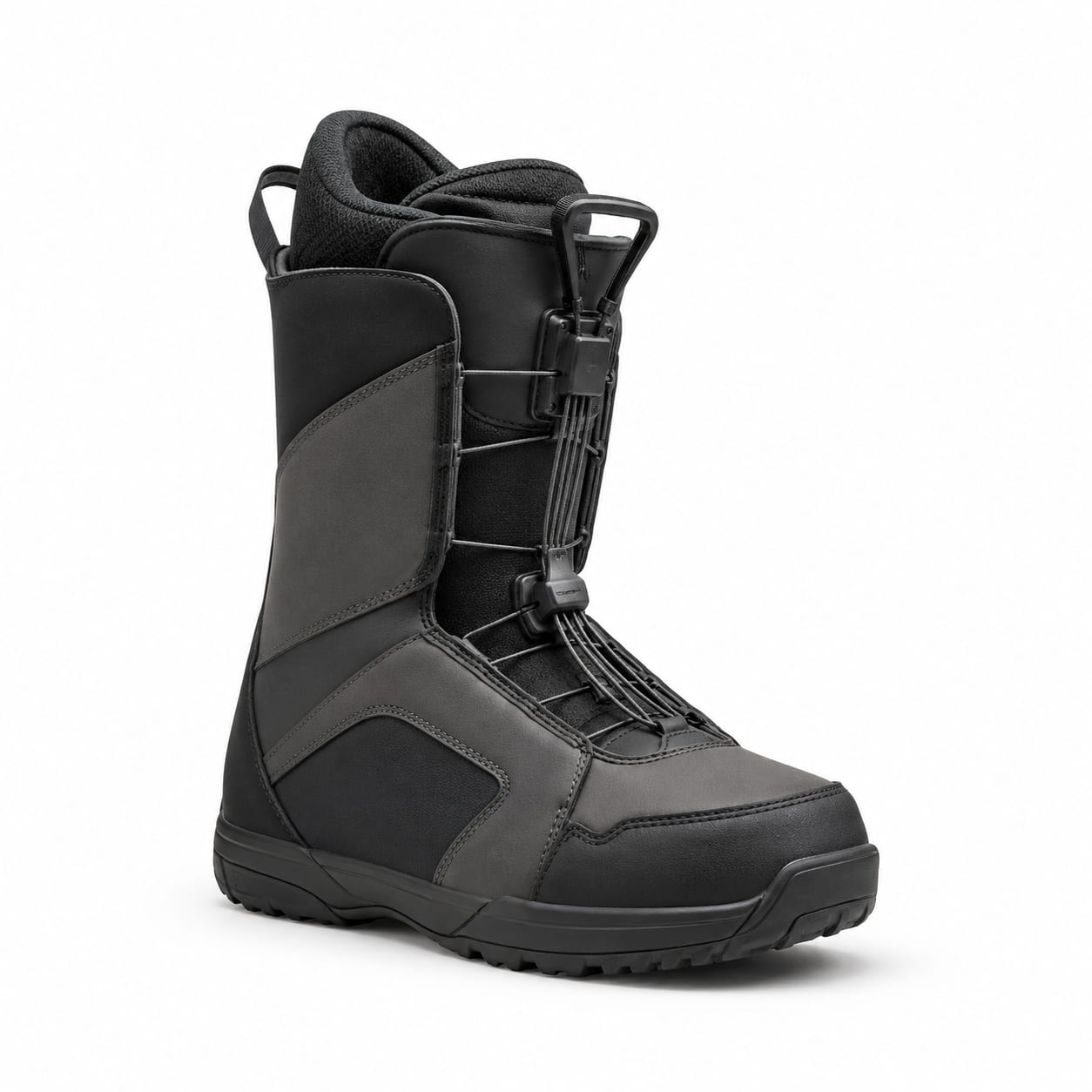
Boa Double, Hybrid, Speed Lace

In practice

Double BOA and hybrid systems are most common, allowing riders to adjust lower and upper zones independently for varied terrain needs.

Compared to other types

Freestyle boots often use single BOA or traditional lace for simplicity; freeride boots lean toward double BOA or triple BOA for maximum lockdown.

Why it matters: Zonal adjustability lets you tighten the lower zone for heel hold on carves while keeping the upper zone slightly looser for comfort and mobility.

Width / Last

Last Width

What it means

The internal volume and width of the boot shell, determining how snugly the boot fits across the forefoot and midfoot. Measured by the 'last'—the foot mold the boot is built around.

Typical for this type

Narrow, Standard, Wide (Match to Foot Shape)

In practice

Available in standard widths most commonly, with many brands offering wide versions of popular all-mountain models.

Compared to other types

Similar availability to freestyle; freeride boots sometimes run narrower for a performance fit.

Why it matters: Proper width ensures comfort for full-day riding and prevents numbness without allowing heel lift.

Boot Size (Mondo)

Mondo Size

What it means

The length of the boot's internal footbed measured in centimeters (Mondo point sizing). This is the most accurate sizing standard for snowboard boots.

Typical for this type

21–31.5 cm

Most common pick: Varies By Individual

In practice

All-mountain boots follow standard Mondo sizing. A snug fit is critical as the liner will pack out 0.5 to 1 full size over time.

Compared to other types

Sizing principles are the same across subcategories, but all-mountain riders should be especially wary of sizing up too much, as it compromises versatility.

Why it matters: A precise Mondo fit ensures the responsiveness needed for all-mountain riding while preventing toe drag or heel lift.

Liner Type

Liner Type

What it means

The internal boot structure that provides cushioning, insulation, and fit. Liner type affects heat retention, moldability, and long-term fit quality.

Typical for this type

Heat Moldable, Intuition

In practice

Heat-moldable liners are standard in mid-to-high-end all-mountain boots, offering a custom fit out of the box.

Compared to other types

Freestyle boots may use standard removable liners to save weight; freeride boots frequently use premium Intuition foam for maximum support.

Why it matters: A molded liner reduces break-in time, improves heel hold, and enhances overall comfort for long resort days.

Heel Hold / Heel Lock

Heel Hold Technology

What it means

Design features that prevent the heel from lifting inside the boot during turns. Heel lift reduces edge control and causes fatigue. Includes internal harness systems, ankle pockets, and liner construction.

Typical for this type

Contoured Heel Pocket, Internal Harness

In practice

Most use anatomically contoured heel pockets, often supplemented by J-bars or harness systems in higher-end models.

Compared to other types

More robust than basic freestyle heel hold, but may lack the heavy-duty internal harnesses found in pure freeride boots.

Why it matters: Strong heel hold is essential for transitioning between riding styles quickly and maintaining edge control on varied terrain.

Outsole / Traction

Outsole Type

What it means

The bottom of the boot that contacts the ground when walking and the binding baseplate when riding. Affects grip, cushioning, durability, and weight.

Typical for this type

Eva Midsole, Rubber Lugged

In practice

EVA cushioned outsoles with rubber tread patches are standard, offering a blend of board feel, dampening, and light traction.

Compared to other types

More cushioning and traction than low-profile park soles, but lighter and less aggressive than Vibram freeride soles.

Why it matters: Provides enough cushioning for flat landings and enough grip for short hikes to side-country stashes.

Insulation / Warmth

Insulation Rating

What it means

How effectively the boot retains heat. Determined by liner material, insulation type, and shell construction. Critical for riders in cold climates or with poor circulation.

Typical for this type

Standard

In practice

Standard insulation balances warmth and breathability for typical winter temperatures (15°F to 32°F).

Compared to other types

More insulation than lightweight freestyle boots, less bulk than heavily insulated freeride or backcountry boots.

Why it matters: Keeps feet warm on cold chairlift rides without causing overheating during high-output riding.

Walk Mode / Touring

Walk Mode

What it means

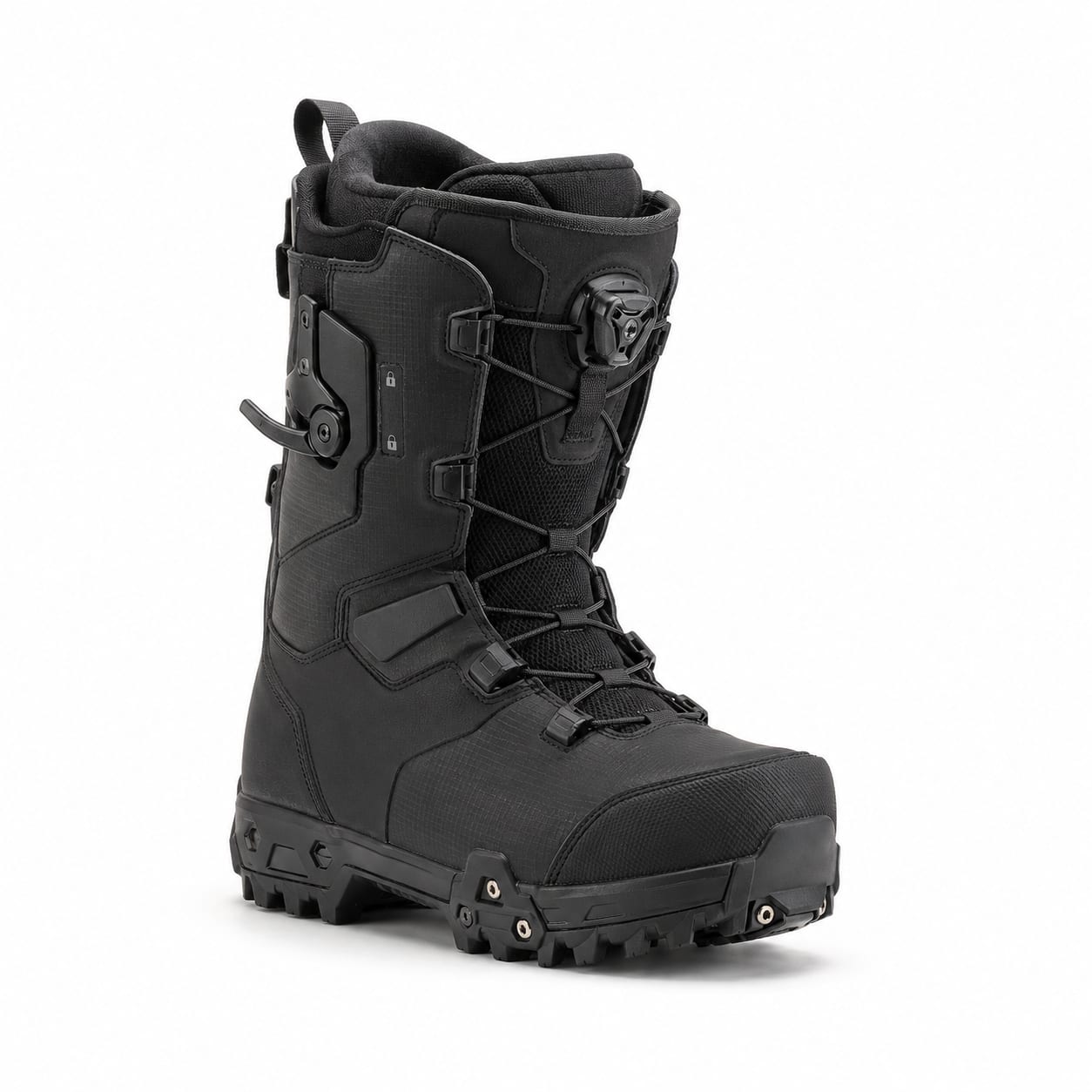
A mechanism that unlocks the boot's upper cuff from the lower shell, allowing a natural walking stride for touring and splitboarding. Sometimes called 'ride/hike mode' or 'touring mode'.

Typical for this type

False

In practice

The vast majority of all-mountain boots do not feature a walk/hike mode, prioritizing simplicity and weight savings.

Compared to other types

Splitboard boots feature walk mode; freestyle and traditional freeride boots typically do not.

Why it matters: Lack of walk mode keeps the boot lighter and eliminates a potential failure point for resort-only riders.

Weight (per boot)

Boot Weight

What it means

The weight of a single boot, typically measured in grams or pounds. Lighter boots reduce fatigue but may sacrifice durability and dampening.

Typical for this type

900–1100g

Most common pick: 950g

In practice

All-mountain boots fall in the middle of the weight spectrum, balancing durable construction with manageable heft.

Compared to other types

Heavier than minimalist freestyle boots, but lighter than burly freeride or walk-mode equipped splitboard boots.

Why it matters: Light enough to prevent fatigue during long days and park laps, but substantial enough to dampen vibrations at speed.

Footbed / Insole

Footbed / Insole

What it means

The removable insole inside the liner that provides arch support, cushioning, and alignment. Stock footbeds are often minimal; many riders upgrade to aftermarket options.

Typical for this type

Molded Arch, Ortholite

In practice

Mid-range all-mountain boots typically come with pre-molded arch support footbeds.

Compared to other types

Similar to freestyle and freeride boots at equivalent price points; aftermarket upgrades are universally recommended.

Why it matters: Better than basic die-cut foam, but upgrading to an aftermarket footbed is still the best way to enhance all-day comfort and performance.

Shell Construction

Shell Construction

What it means

The outer boot's material and build method. Affects durability, weight, water resistance, and how the boot flexes over time.

Typical for this type

Injected Tpu, Composite

In practice

Injected TPU shells are standard, offering consistent flex across temperatures and high durability.

Compared to other types

Freestyle boots often use synthetic leather for a softer feel; high-end freeride boots use composite for zoned stiffness.

Why it matters: Ensures the boot flexes the same on icy sub-zero mornings as it does on warm spring afternoons.

Impact Protection / Dampening

Impact Absorption

What it means

The boot's ability to absorb shock from flat landings, choppy terrain, and drops. Determined by midsole material, heel cushioning technology, and liner density.

Typical for this type

Standard Dampening, Enhanced Impact

In practice

Standard EVA dampening handles typical resort chatter and small drops effectively.

Compared to other types

More dampening than minimal freestyle setups, but less than enhanced impact systems designed for massive park jumps or extreme freeride.

Why it matters: Reduces leg fatigue on long, bumpy runs without isolating the rider from board feel.

Optimized Riding Style

Riding Style

What it means

The primary riding discipline the boot is designed for. While any boot can be used anywhere, boots optimized for a specific style will perform best in that context.

Typical for this type

All Mountain

In practice

Specifically optimized for all-mountain riding, meaning they handle groomers, trees, moguls, and light park usage equally well.

Compared to other types

The most versatile category; freestyle, freeride, and splitboard boots are all optimized for their specific niches.

Why it matters: Ensures the boot's flex, lacing, and construction are tuned for varied terrain rather than a single specialty.

Waterproofing / Weather Resistance

Waterproofing

What it means

How well the boot prevents water and snow from penetrating to the foot and liner. Determined by shell treatment, seam sealing, and internal waterproof membranes.

Typical for this type

Water Resistant, Waterproof Membrane

In practice

Water-resistant treatments are standard, keeping feet dry in typical snow conditions.

Compared to other types

Similar to freestyle boots; freeride and splitboard boots more frequently feature waterproof membranes for harsh, wet conditions.

Why it matters: Adequate for most resort days, though deep powder or wet conditions can eventually penetrate.

Forward Lean Angle

Forward Lean

What it means

The angle the boot's upper cuff is tilted forward relative to vertical. Affects default riding stance, knee bend, and how aggressively the rider is positioned over the board.

Typical for this type

12–18 degrees

Most common pick: 15 degrees

In practice

A moderate forward lean that encourages a slightly aggressive, athletic stance without forcing the rider into an uncomfortable position.

Compared to other types

More lean than freestyle boots (which favor upright postures for pressing), but less than freeride boots (which demand aggressive forward positioning).

Why it matters: Facilitates knee bend and edge engagement for carving, while still allowing a relaxed posture for cruising.

Evaluation

Strengths and trade-offs

Pros

What this type does best

Versatile Performance

Critical

Handles groomers, trees, bumps, and park features competently in a single package, making it the ultimate resort daily driver.

Balanced Flex Profile

High

Medium flex provides enough response for carving and speed while remaining forgiving enough for jumps and uneven terrain.

Wide Feature Selection

High

The most popular category, meaning brands offer a massive variety of lacing systems, widths, and liners to choose from.

All-Day Comfort

High

Designed with long resort days in mind, balancing support with cushioning and heat-moldable liners to reduce fatigue.

Excellent for Progression

Medium

The forgiving yet responsive nature helps intermediate riders advance their skills across different terrains without holding them back.

Cons

Trade-offs to be aware of

Not Specialized

Moderate

Jack of all trades but master of none; dedicated park riders or extreme freeriders will find them lacking at the highest levels of their specific discipline.

May Lack Extreme Response

Moderate

Advanced riders charging steep, technical lines at high speeds may find the flex too soft for instant edge engagement.

Walk Mode Rarely Included

Minor

Most all-mountain boots lack a walk mode, making them less suitable for riders who frequently hike or splitboard.

Best for

Terrain

GroomersMogulsTreesSide hitsSmall to medium park features

Snow conditions

Packed powderGroomersMixed conditions

Skill level

IntermediateAdvanced

Riding style

All-mountainResort freestyleLight freeride

Rider profile

Resort daily driversOne-boot quiver ridersProgressing intermediates

Not ideal for

Reasons

Lacks the extreme stiffness needed for high-speed big mountain linesToo restrictive for dedicated park riders wanting maximum ankle mobilityAbsence of walk mode makes them inefficient for touring

Terrain

Big mountain linesSteep technical backcountryDedicated street spots

Skill level

Beginners (certain stiff models may be too responsive)Expert freeriders

Riding style

Dedicated park/streetExtreme freerideSplitboarding

Compare

How it stacks up

This page

All-Mountain Snowboard Boots

More response and support for carving and riding varied terrain at speed; better dampening for choppy snow.

Alternative

Freestyle Snowboard Boots

Softer flex provides maximum ankle mobility for presses, butters, and rail tricks; lighter weight for spinning.

Bottom line

Choose all-mountain if you ride the whole resort; choose freestyle if you spend over 70% of your time in the terrain park.

This page

All-Mountain Snowboard Boots

More comfortable and forgiving for long days; playful flex for side hits and casual park laps.

Alternative

Freeride Snowboard Boots

Maximum power transfer and stiffness for instant edge engagement on steep, fast lines; premium liners and lugged soles.

Bottom line

Choose all-mountain for versatile resort riding; choose freeride if you prioritize charging steep, technical lines at high speeds.

This page

All-Mountain Snowboard Boots

Lighter weight, simpler construction, and often lower price due to lacking a walk mode mechanism.

Alternative

Splitboard / Backcountry Snowboard Boots

Walk mode allows natural stride for efficient touring; lugged soles and waterproofing handle harsh backcountry conditions.

Bottom line

Choose all-mountain for lift-accessed riding; choose splitboard boots only if you regularly earn your turns in the backcountry.

Shopping

Buying tips

  • 1

    Prioritize fit over features; a well-fitting boot with basic lacing will outperform a poorly fitting double BOA boot.

  • 2

    Look for a medium flex (5-7 on a 10 scale) for the best all-mountain versatility.

  • 3

    Consider a hybrid lacing system (BOA + Lace) for the best blend of upper-zone convenience and lower-zone customization.

  • 4

    Always get heat-moldable liners molded at the shop when purchasing to reduce break-in time and improve heel hold.

  • 5

    Size down slightly to account for pack-out; your toes should just brush the front of the boot when standing straight.

  • 6

    Upgrade the stock footbed immediately—aftermarket footbeds drastically improve the fit and performance of all-mountain boots.

Care

Maintenance notes

  • Remove and dry liners after every riding day to prevent odor and material breakdown.
  • Inspect lacing systems, especially BOA cables, for fraying or wear before the season starts.
  • Treat the outer shell with a waterproofing spray annually to maintain water resistance.
  • Replace stock footbeds with aftermarket options for better support and longevity.
  • Tighten any loose screws on BOA dials promptly to prevent stripping or loss.

Progression

Skill development path

All-mountain boots are excellent for intermediate riders looking to progress across the whole mountain. The medium flex provides enough feedback to learn proper edge control while remaining forgiving enough to not punish minor mistakes. As skills advance, riders can opt for stiffer all-mountain models to push into more aggressive terrain without losing the versatility needed for general resort riding.

FAQ

Common questions

Each question has a dedicated page with a full answer and links to the buying guide.