Stiffness / Flex
Flex Rating
What it means
How resistant the boot is to forward flexion. Softer boots allow more ankle mobility and are forgiving; stiffer boots deliver precise power transfer and edge control.
Typical for this type
Medium to Stiff
Most common pick: Medium Stiff
In practice
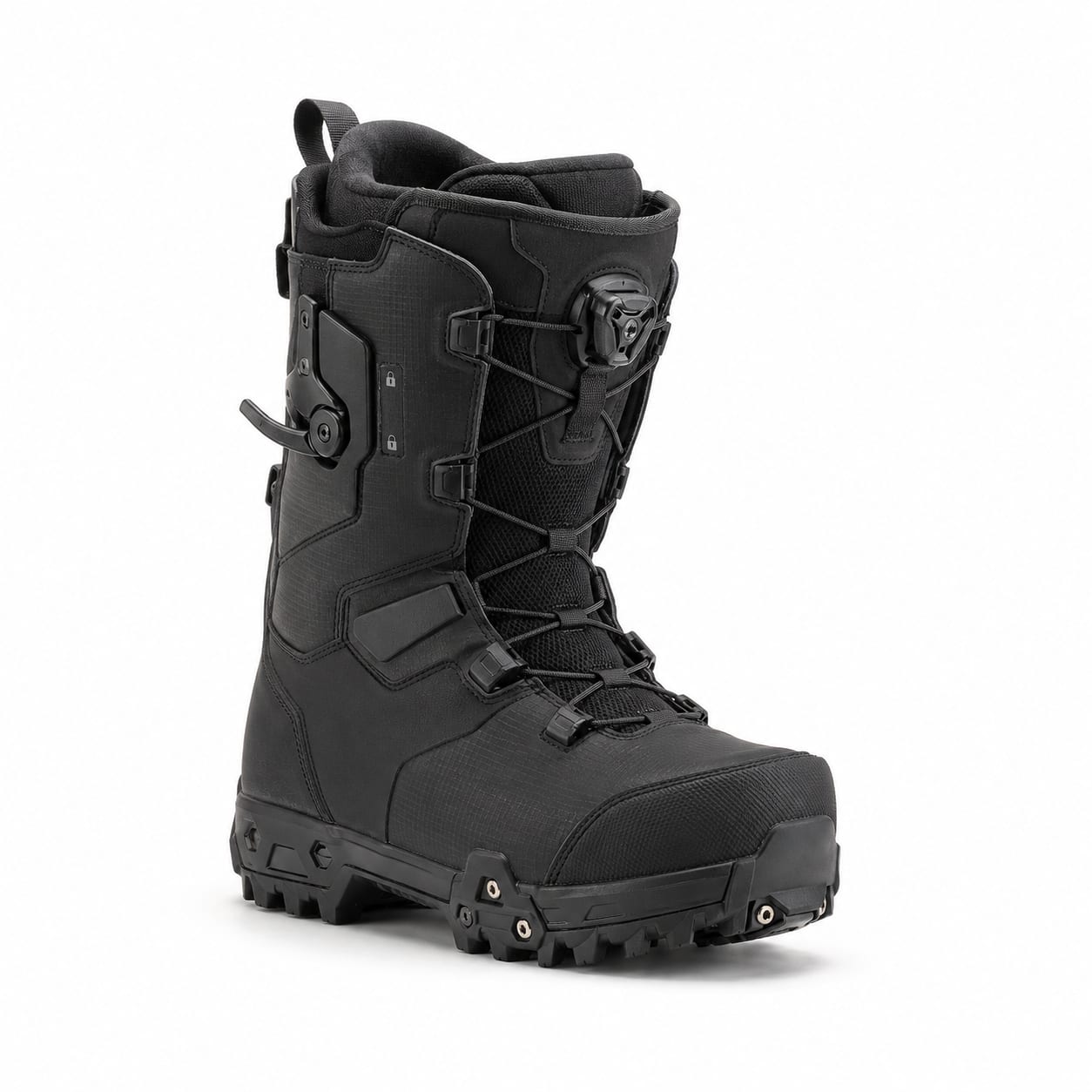
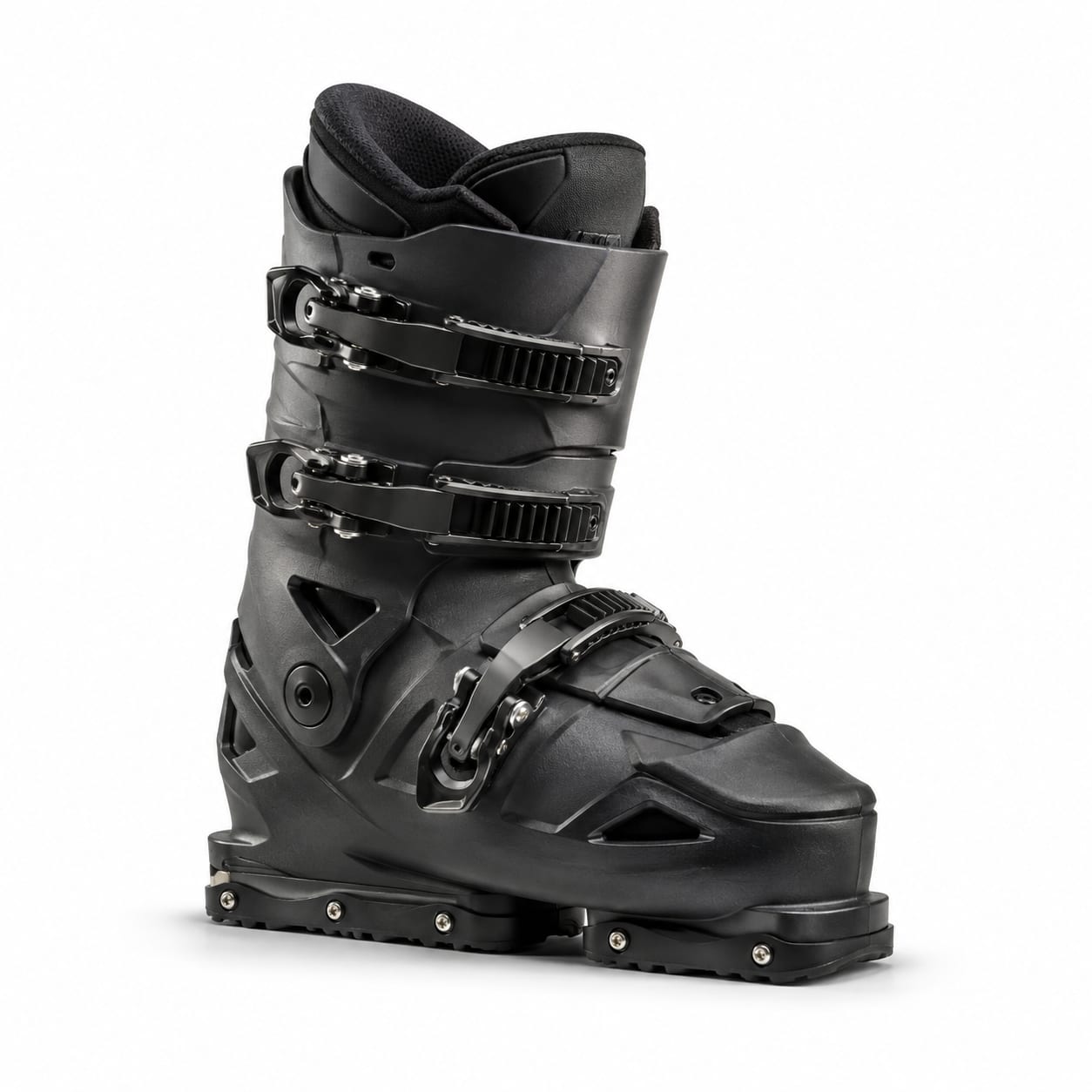
Step-On boots typically lean towards medium-stiff to stiff flexes to ensure the cleats remain securely engaged and power transfer is direct.
Compared to other types
Generally stiffer than typical freestyle boots, as the system requires a certain rigidity to function optimally and maintain the mechanical connection.
Why it matters: A stiffer flex prevents the boot from bending away from the binding interface, ensuring consistent edge hold and cleat engagement.
Lacing System
Lacing System
What it means
The mechanism used to tighten and secure the boot. Affects speed, adjustability, reliability, and how evenly pressure is distributed across the foot.
Typical for this type
Boa Double Or Boa Single
In practice
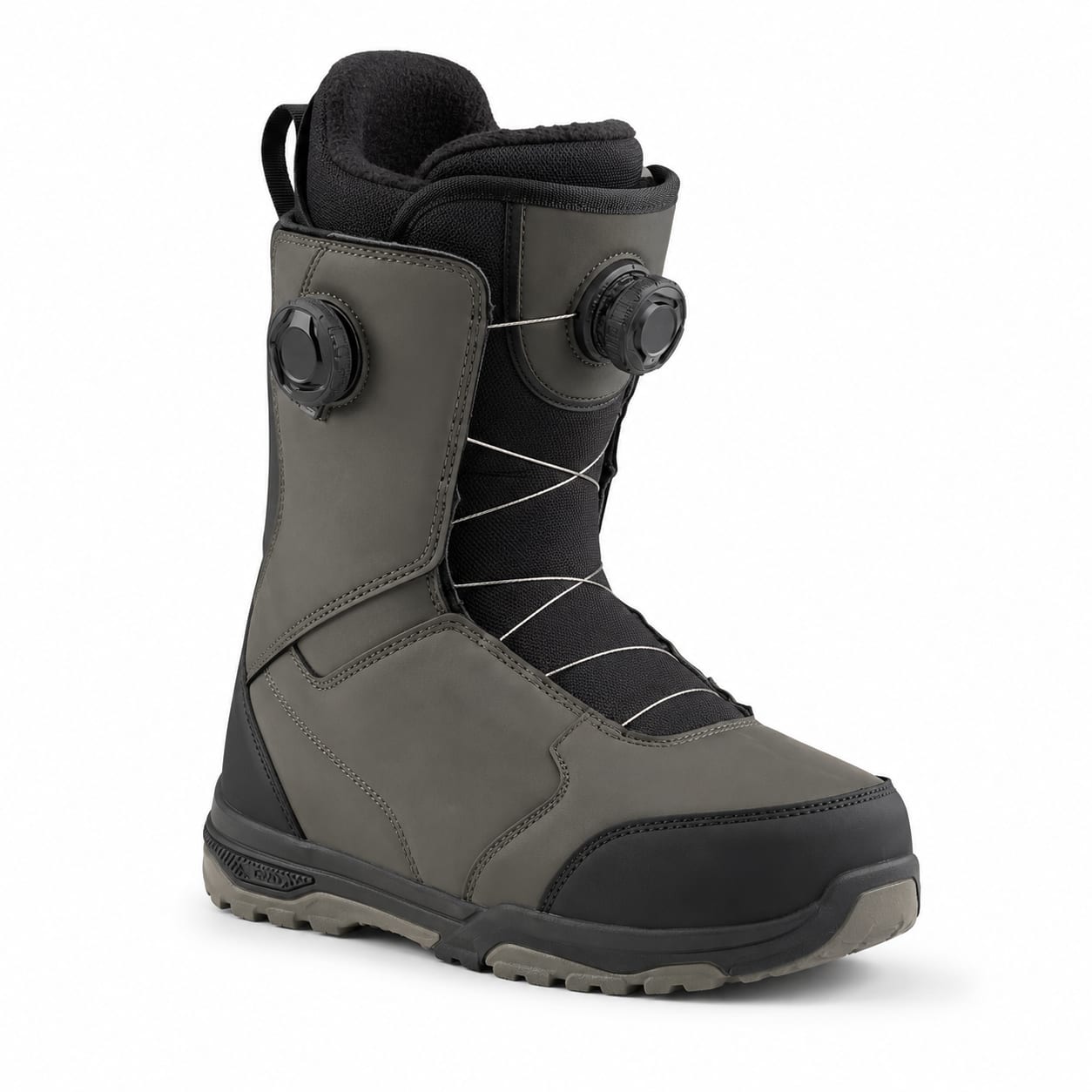
Most Step-On boots use BOA systems, predominantly Double BOA, to provide quick, zonal adjustability that works in tandem with the step-in convenience.
Compared to other types
Heavily favors BOA systems for speed, aligning with the quick-entry philosophy of the Step-On system, whereas traditional boots have a more even distribution of lacing types.
Why it matters: Since the Step-On system eliminates binding straps, achieving a precise and secure fit via the boot's lacing is critical to prevent heel lift inside the boot.
What it means
The internal volume and width of the boot shell, determining how snugly the boot fits across the forefoot and midfoot. Measured by the 'last'—the foot mold the boot is built around.
Typical for this type
Narrow to Standard
In practice
Available in standard and wide lasts, but a snugger fit is highly recommended to prevent heel lift which compromises the Step-On connection.
Compared to other types
Similar width options to other boots, but the penalty for a loose fit is much higher due to the strap-free binding interface.
Why it matters: Heel lift inside the boot is the enemy of the Step-On system; if the heel lifts, the rider loses the direct connection to the binding's heel edge.
Boot Size (Mondo)
Mondo Size
What it means
The length of the boot's internal footbed measured in centimeters (Mondo point sizing). This is the most accurate sizing standard for snowboard boots.
Typical for this type
21.0 - 31.5
Most common pick: 26.0
In practice
Standard mondo sizing applies, but precise sizing is crucial for Step-On boots.
Compared to other types
Sizing is less forgiving than with traditional boots; a slightly loose boot cannot be compensated for by overtightening binding straps.
Why it matters: Because there are no binding straps to clamp the foot down, the boot itself must do all the work of holding the foot securely, making exact sizing paramount.
What it means
The internal boot structure that provides cushioning, insulation, and fit. Liner type affects heat retention, moldability, and long-term fit quality.
Typical for this type
Heat Moldable Or Intuition
In practice
Step-On boots almost exclusively feature heat-moldable or premium liners to ensure a custom, locked-in fit right out of the box.
Compared to other types
Skews heavily towards premium, moldable liners compared to entry-level traditional boots, as the system demands excellent internal heel hold.
Why it matters: A moldable liner fills the voids around the ankle and heel, eliminating the micro-movements that would otherwise disengage the rider's feel from the Step-On binding.
Heel Hold / Heel Lock
Heel Hold Technology
What it means
Design features that prevent the heel from lifting inside the boot during turns. Heel lift reduces edge control and causes fatigue. Includes internal harness systems, ankle pockets, and liner construction.
Typical for this type
Internal Harness Or Contoured Heel Pocket
In practice
Step-On boots require top-tier heel hold, often utilizing internal ankle harnesses or highly engineered heel pockets to lock the foot down.
Compared to other types
Heel hold is significantly more critical and typically more robust in Step-On boots than in traditional strap-binding boots.
Why it matters: The Step-On binding connects to the boot's sole; if the foot lifts inside the boot, the rider's input is delayed or lost entirely before reaching the binding.
Outsole / Traction
Outsole Type
What it means
The bottom of the boot that contacts the ground when walking and the binding baseplate when riding. Affects grip, cushioning, durability, and weight.
Typical for this type
Eva Midsole Or Rubber Lugged
In practice
The outsole must integrate the metal/plastic toe and heel cleats while providing traction for walking.
Compared to other types
Unlike traditional boots, Step-On outsoles have fixed mounting points for cleats, limiting design flexibility but ensuring a direct interface.
Why it matters: The outsole design is dictated by the Step-On cleat integration, requiring specific material placement to secure the cleats and maintain durability.
Insulation / Warmth
Insulation Rating
What it means
How effectively the boot retains heat. Determined by liner material, insulation type, and shell construction. Critical for riders in cold climates or with poor circulation.
Typical for this type
Standard
In practice
Standard insulation is typical, balancing warmth with the precise fit needed for the system.
Compared to other types
Similar to other all-mountain boots, though over-insulation is avoided to maintain the snug fit required for the step-in mechanism.
Why it matters: Excessive insulation can pack out and create heel lift, while too little makes for cold feet; standard hits the sweet spot.
Walk Mode / Touring
Walk Mode
What it means
A mechanism that unlocks the boot's upper cuff from the lower shell, allowing a natural walking stride for touring and splitboarding. Sometimes called 'ride/hike mode' or 'touring mode'.
Typical for this type
False
In practice
Currently, Step-On compatible boots do not feature walk modes, as the cleat integration and required stiffness conflict with the walk-mode mechanism.
Compared to other types
Lacks the walk mode options found in some high-end traditional and splitboard-specific boots.
Why it matters: Step-On is primarily a resort convenience system; splitboarders will need to look at traditional boot and binding setups or alternative touring systems.
Weight (per boot)
Boot Weight
What it means
The weight of a single boot, typically measured in grams or pounds. Lighter boots reduce fatigue but may sacrifice durability and dampening.
Typical for this type
850g - 1150g
Most common pick: 950g
In practice
Step-On boots tend to be slightly heavier due to the integrated metal/plastic heel and toe cleats and the reinforced sole structure.
Compared to other types
Typically 50-100g heavier per boot than equivalent traditional boots due to the integrated Step-On hardware.
Why it matters: The added weight of the cleats is the trade-off for the strap-free convenience, though it rarely impacts on-snow performance significantly.
Footbed / Insole
Footbed / Insole
What it means
The removable insole inside the liner that provides arch support, cushioning, and alignment. Stock footbeds are often minimal; many riders upgrade to aftermarket options.
Typical for this type
Molded Arch Or Custom Aftermarket
In practice
Step-On boots usually come with decent pre-molded arch support, but custom aftermarket footbeds are highly recommended to maximize heel lock.
Compared to other types
Similar stock footbeds to other mid-to-high-end boots, but the performance benefit of an upgrade is magnified by the Step-On system.
Why it matters: A good footbed prevents the arch from collapsing, which pushes the foot back into the heel pocket and improves the Step-On connection.
Shell Construction
Shell Construction
What it means
The outer boot's material and build method. Affects durability, weight, water resistance, and how the boot flexes over time.
Typical for this type
Composite Or Injected Tpu
In practice
Composite constructions are common to accommodate the cleat mounting points and provide zoned flex around a rigid sole chassis.
Compared to other types
Requires a more rigid lower shell structure than traditional boots to anchor the Step-On cleats effectively.
Why it matters: The shell must securely hold the cleats while allowing the upper to flex naturally without disengaging the connection.
Impact Protection / Dampening
Impact Absorption
What it means
The boot's ability to absorb shock from flat landings, choppy terrain, and drops. Determined by midsole material, heel cushioning technology, and liner density.
Typical for this type
Standard Dampening
In practice
Standard dampening is typical, though the rigid cleat interface can transmit slightly more vibration on flat landings.
Compared to other types
May feel slightly harsher on flat landings compared to traditional strap bindings which have some inherent give.
Why it matters: The direct connection means less rubber and strap material to absorb chatter, making the boot's internal dampening important.
Optimized Riding Style
Riding Style
What it means
The primary riding discipline the boot is designed for. While any boot can be used anywhere, boots optimized for a specific style will perform best in that context.
Typical for this type
All Mountain, Freeride
In practice
Step-On boots are primarily designed for all-mountain and freeride riding, where quick transitions and responsive edge control are prized.
Compared to other types
Less focused on pure freestyle/park compared to the general boot market, leaning more towards all-mountain efficiency.
Why it matters: The system excels at providing immediate response for carving and cruising, though freestyle options exist.
Waterproofing / Weather Resistance
Waterproofing
What it means
How well the boot prevents water and snow from penetrating to the foot and liner. Determined by shell treatment, seam sealing, and internal waterproof membranes.
Typical for this type
Water Resistant Or Waterproof Membrane
In practice
Most feature water-resistant treatments, with some high-end models offering waterproof membranes like Gore-Tex.
Compared to other types
Similar waterproofing technologies to traditional boots, with extra attention paid to sealing the cleat integration points.
Why it matters: Keeping feet dry is essential, and the cleat cutouts in the sole require careful sealing to prevent water ingress.
Forward Lean Angle
Forward Lean
What it means
The angle the boot's upper cuff is tilted forward relative to vertical. Affects default riding stance, knee bend, and how aggressively the rider is positioned over the board.
Typical for this type
12 - 18 degrees
Most common pick: 15
In practice
A moderate forward lean is built into Step-On boots to promote an athletic stance and ensure the heel stays pressed into the cleat.
Compared to other types
Similar forward lean angles to traditional boots, though the riding position feels slightly more locked in due to the rigid interface.
Why it matters: Proper forward lean keeps the rider's weight centered and the heel engaged with the binding's heel loop.