Kitvore.com

Kitvore.com

Specs that matter. Gear that fits.

Snowboard · Subcategory

Youth Snowboard

Specially sized and softened snowboards designed for children and young teens learning to ride.

Youth snowboards are purpose-built for lighter, smaller riders—typically ages 3 to 14. With shorter lengths, narrower waists, softer flex patterns, and forgiving profiles, they make learning easier and more fun. Unlike simply shrinking an adult board, youth models feature construction and materials tuned for the weight and strength of growing riders, ensuring proper flex response and edge control at lower speeds.

$150 – $400budget tierbeginnerintermediate

Best known for

Forgiving, catch-free riding for beginnersProperly scaled sizing for children's height and weightSoft flex that responds to lighter ridersLow-maintenance construction parents appreciateAffordable entry points for growing kids
Youth Snowboard

Guide

Detailed overview

Youth snowboards are engineered specifically for children and young teenagers, typically ranging from about 3 to 14 years old. Unlike adult boards simply cut down to a smaller size, true youth boards feature construction tailored to the biomechanics and weight of young riders. The core materials, fiberglass layups, and overall flex patterns are calibrated so that a 30 kg child can actually bend the board into a turn, press it on a box, or feel the pop off a small jump. This is critical—a board that is too stiff for its rider is not just harder to learn on; it can actively hinder skill development and reduce the fun factor that keeps kids engaged in the sport. Youth boards typically range from 90 cm for the smallest toddlers up to about 145 cm for early teens, with waist widths scaled down to match youth boot sizes (roughly Euro 22–37). The most common camber profiles are flat, rocker, or hybrid camber, all chosen for their forgiving, catch-free characteristics that reduce the dreaded edge-catch slam. Shapes skew heavily toward true twin, allowing kids to learn switch naturally and ride the park as they progress. Extruded bases dominate the category for their low maintenance and easy repair—important when boards are regularly dragged across parking lots and leaned against lodge walls.

Choosing the right youth snowboard is one of the most impactful decisions a parent can make for a child's experience on the mountain. A board that is too long, too stiff, or too wide will fight the rider at every turn, turning what should be an exciting adventure into a frustrating ordeal. Conversely, a properly sized youth board with a soft, forgiving flex allows even the smallest riders to initiate turns, control speed, and build confidence from day one. The single most important sizing factor is weight—always consult the manufacturer's recommended weight range for a given board length before purchasing. A common mistake is buying a board that a child will 'grow into,' but an oversized board delays skill progression and increases the risk of injury from loss of control.

Youth snowboard construction has improved dramatically over the past decade. Early kids' boards were often just adult designs with less fiberglass, resulting in dead-feeling boards with no pop. Modern youth boards from reputable brands feature properly scaled wood cores (often poplar or poplar-blend), targeted fiberglass layups, and even youth-specific sidecut geometries that create natural turning arcs at lower speeds. Some premium youth models incorporate the same technologies found in adult boards—sintered bases, hybrid camber profiles, and even edge tech—just tuned for lighter riders. The result is that kids on modern youth boards can develop real technique rather than just surviving the descent.

The typical progression for young riders starts with a flat or rocker-profile board in the 90–110 cm range for ages 3–7, moves to a hybrid camber or flat board in the 110–130 cm range for ages 7–11, and transitions to a more performance-oriented hybrid camber or even camber board in the 130–145 cm range for ages 11–14. At the upper end of youth sizing, many riders can move into small adult boards, especially if they are heavier or more aggressive. The transition point varies—some 12-year-olds still benefit from youth-specific flex, while others are ready for a soft adult all-mountain board.

Durability and value are key considerations for parents. Kids outgrow boards quickly, and youth boards are often handed down to siblings or resold. Extruded bases are the standard for good reason—they require minimal maintenance and are easy to repair when (not if) they get gouged. Top sheets on youth boards tend to be simpler, reducing cost without affecting performance. Many brands offer multi-year warranty coverage on youth boards, reflecting their understanding that these boards will see hard use. When budgeting, factor in that a child may need a new board every 1–2 seasons during growth spurts, and consider resale value when selecting a brand and model.

Finally, resist the temptation to buy a specialized board for a young rider. An all-mountain twin with a forgiving profile is the ideal quiver-of-one for 95% of youth riders. Even kids who show early interest in the park or powder will benefit more from a versatile board that lets them explore the whole mountain. Specialization can come later, once the rider has developed clear preferences and the skills to take advantage of terrain-specific designs. The best youth board is the one that gets the kid on the hill, having fun, and wanting to come back for more.

Quick facts

Primary purpose
Introducing children and young teens to snowboarding with appropriate sizing and flex
Popular brands
BurtonK2RideSalomonRossignolNitro
Typical terrain
Groomed beginner runsResort greens and bluesLearning areas

What makes it different

Specifically scaled for lighter riders with flex patterns that allow progression rather than adult boards cut down to size

Recommended ranges

How this type usually specs out

Each spec is explained in plain language, then we show what buyers usually look for on this type.

Length

Board Length

What it means

The total length of the snowboard measured in centimeters from tip to tail. The primary sizing dimension affecting stability, float, and maneuverability.

Typical for this type

90–145 cm

Most common pick: 110 cm

In practice

Youth boards span from roughly 90 cm for the smallest riders (ages 3–5) up to 145 cm for early teens. The most common sizes fall between 105–125 cm for the core 6–10 age group. Length should be chosen based on weight first, height second—a board reaching between the chest and chin when stood on end is a reasonable starting point for beginners.

Compared to other types

Youth boards are significantly shorter than adult all-mountain boards (typically 145–165 cm) and even shorter than women's boards (typically 138–155 cm). The shorter length is essential for matching the lower weight and smaller stance of young riders.

Why it matters: A board that is too long is the number one mistake in youth snowboarding. Oversized boards are harder to turn, harder to control, and more likely to cause edge catches. A properly sized board allows the child to initiate turns with minimal effort and build confidence quickly.

Waist Width

Waist Width

What it means

The narrowest point of the snowboard's running surface, measured in millimeters. Determines boot-to-edge leverage and toe drag risk.

Typical for this type

200–240 mm

Most common pick: 220 mm

In practice

Youth boards feature narrower waists than adult boards to match the smaller boot sizes worn by children (typically Euro 22–37 / US kids 1–6). Waist widths generally range from about 200 mm on the smallest boards to 240 mm on the largest youth models. Proper width ensures boot-to-edge leverage without excessive toe or heel overhang.

Compared to other types

Youth board waist widths are 15–40 mm narrower than standard adult boards (typically 245–260 mm) and even narrower than women's boards (235–250 mm). This scaling is essential for proper edge control with youth-sized boots.

Why it matters: If the waist is too wide for the child's boots, they will struggle to engage edges and initiate turns—a common problem when kids ride hand-me-down adult boards. If too narrow, toe and heel drag becomes an issue, especially as kids grow into larger boot sizes.

Profile

Camber Profile

What it means

The longitudinal curvature of the snowboard when laid flat. The single most influential design element on how a board feels and performs.

Typical for this type

Rocker, Flat, Or Hybrid Camber

In practice

The most common profiles for youth boards are flat (zero camber) and rocker (reverse camber), both chosen for their forgiving, catch-free characteristics. Hybrid camber (camber between the feet with rocker at the tips) is increasingly popular in mid-range and premium youth boards, offering a balance of forgiveness and edge hold. Full camber is rare in youth boards and generally not recommended for beginners.

Compared to other types

Youth boards favor rocker and flat profiles far more than adult all-mountain boards, which predominantly use hybrid camber or camber. This reflects the priority of forgiveness over performance for developing riders.

Why it matters: Catch-free profiles dramatically reduce the frequency of edge-catch falls, which are the number one confidence killer for young beginners. Rocker and flat profiles allow the board to pivot easily and forgive sloppy edge control, letting kids focus on balance and turning rather than fighting edge catches.

Shape

Shape

What it means

The outline symmetry of the snowboard. Determines stance positioning, switch capability, and intended riding direction.

Typical for this type

True Twin Or Directional Twin

In practice

The vast majority of youth boards are true twin—fully symmetrical tip and tail with a centered stance. This allows kids to learn to ride switch naturally and makes the board feel identical in either direction. Directional twin shapes appear in some youth all-mountain models, offering a slight setback for better soft-snow performance while maintaining reasonable switch capability.

Compared to other types

Youth boards are more likely to be true twin than adult all-mountain boards, which often use directional twin. Directional and tapered directional shapes are essentially nonexistent in youth categories, as young riders benefit from versatility over specialization.

Why it matters: True twin shapes are ideal for young riders because they simplify the learning process—there is no 'wrong' direction on the board. This is especially important for beginners who may accidentally land switch or ride the board backwards. Symmetry also encourages natural switch riding development.

Flex

Flex Rating

What it means

The stiffness of the snowboard, typically rated on a 1–10 scale. Affects responsiveness, stability, and ease of turning.

Typical for this type

1–3

Most common pick: 2

In practice

Youth boards are uniformly soft-flexing, typically rated 1–3 on a 10-point scale. This softness is not a cost-cutting measure—it is essential engineering. A child weighing 25–45 kg simply cannot flex a medium or stiff board designed for a 65–90 kg adult. The soft flex allows young riders to initiate turns, press on features, and feel the board respond to their input.

Compared to other types

Youth boards are significantly softer than adult all-mountain boards (typically flex 4–6) and even softer than adult freestyle boards (typically flex 3–5). This is a functional necessity, not a quality difference—some premium youth boards are among the most carefully engineered products in the sport.

Why it matters: Flex that is too stiff for the rider's weight is the single biggest performance killer for youth snowboarders. A stiff board will feel dead underfoot, refuse to turn, and fail to provide the feedback that helps riders improve. Soft flex ensures the board works with the child, not against them.

Sidecut Radius

Sidecut Radius

What it means

The radius of the imaginary circle formed by the board's edge curve. Determines the natural turning radius of the board.

Typical for this type

5.0–7.0 m

Most common pick: 5.5 m

In practice

Youth boards feature tighter sidecut radii than adult boards, typically in the 5.0–7.0 m range. This creates a natural turning arc that matches the lower speeds and shorter effective edges of youth boards. Tighter sidecuts allow kids to make complete turns at lower speeds, which is essential for speed control and confidence on beginner terrain.

Compared to other types

Youth board sidecut radii are 2–4 meters tighter than adult all-mountain boards (typically 7–9 m), reflecting the shorter board lengths and lower riding speeds of young riders.

Why it matters: A sidecut radius that is too large for the board length and rider speed will produce incomplete, skidded turns and make it difficult for young riders to control their speed. Tighter sidecuts help kids link turns at the lower speeds typical of learning, building rhythm and control.

Effective Edge

Effective Edge Length

What it means

The length of the edge that actually contacts the snow during a turn, measured in centimeters. Excludes the tip and tail kick areas.

Typical for this type

70–115 cm

Most common pick: 85 cm

In practice

Effective edge lengths on youth boards range from about 70 cm on the smallest models to 115 cm on the largest. This is a direct function of board length and camber profile—shorter boards with rocker profiles have the shortest effective edges. For most youth riders, the reduced effective edge is actually beneficial, as it makes the board easier to pivot and maneuver.

Compared to other types

Youth board effective edges are 30–60 cm shorter than adult all-mountain boards (typically 115–150 cm), which is proportional to their shorter overall lengths and appropriate for the lower speeds and softer snow conditions typical of beginner terrain.

Why it matters: Shorter effective edges are more forgiving and easier to control at low speeds, which is ideal for young beginners. As riders progress and start carving at higher speeds, they may benefit from longer effective edges for improved edge hold, but this is rarely a limiting factor for the typical youth rider.

Stance Setback

Stance Setback

What it means

How far back from the board's center the reference stance position is placed, measured in millimeters. Affects float and directional performance.

Typical for this type

0–10 mm

In practice

Most youth boards feature a centered stance (0 mm setback) to support switch riding and symmetric performance. Some youth all-mountain models have a very slight setback of 5–10 mm for marginally better float in soft snow, but this is minimal compared to adult freeride boards. The priority for youth boards is versatility and ease of riding in both directions.

Compared to other types

Youth boards have less stance setback than adult all-mountain boards (typically 10–20 mm) and far less than freeride boards (25–40 mm). This reflects the emphasis on versatility and switch capability over directional performance.

Why it matters: A centered stance ensures the board performs identically in both directions, simplifying the learning process for beginners. Young riders who accidentally end up riding switch (or who are learning switch) benefit from the predictable, symmetrical feel of a centered stance.

Rider Weight Range

Recommended Rider Weight Range

What it means

The manufacturer's recommended rider weight range for optimal board performance. The most important sizing factor beyond board length.

Typical for this type

15–55 kg

Most common pick: 25–40 kg

In practice

Youth boards cover a wide weight range from about 15 kg for the smallest toddler boards up to 55 kg for the largest youth models. Each specific board length has a narrower recommended weight range, typically spanning about 10–15 kg. Always check the manufacturer's weight recommendation for the specific size being considered—this is more important than any other sizing metric.

Compared to other types

Youth board weight ranges are dramatically lower than adult boards (typically 55–100+ kg), reflecting the smaller body mass of young riders. The weight ranges are also narrower per size, as small weight differences have a larger proportional impact on board performance for lighter riders.

Why it matters: Weight is the single most critical sizing factor for youth boards. A child who is too light for a given board will be unable to flex it into a turn, while a child who is too heavy will overpower the board, causing instability and poor performance. Always prioritize weight range over age or height when selecting a youth board size.

Terrain / Riding Style

Terrain Type

What it means

The primary terrain and riding style the board is designed for. The most fundamental categorization used by brands and retailers.

Typical for this type

All Mountain, Freestyle

In practice

The vast majority of youth boards are categorized as all-mountain, designed to handle the full variety of terrain a young rider will encounter at a resort—groomed runs, beginner parks, soft snow, and tree runs. Some youth-specific freestyle models exist for kids who are already hitting park features regularly. Specialized freeride or powder youth boards are extremely rare, as young riders benefit far more from versatility than specialization.

Compared to other types

Youth boards are more uniformly all-mountain than adult boards, where categories like freeride, powder, and carving have significant representation. This reflects the developmental priority of versatility and exploration over specialization.

Why it matters: An all-mountain youth board allows a child to explore the whole mountain without being limited by their equipment. Since most young riders are still discovering what they enjoy, a versatile board that handles groomers, park, and soft snow is the best choice for skill development and fun.

Ability Level

Ability Level

What it means

The rider skill level the board is designed and optimized for.

Typical for this type

Beginner, Intermediate

In practice

Most youth boards are designed for beginner to intermediate riders, reflecting the reality that the majority of young snowboarders are still developing their skills. Beginner-oriented youth boards feature softer flex, catch-free profiles, and forgiving shapes. Some brands offer intermediate-level youth boards with slightly stiffer flex and more responsive profiles for kids who have progressed beyond the basics. Advanced and expert youth boards are essentially nonexistent—skilled young teens typically transition to small adult boards.

Compared to other types

Youth boards skew much more toward beginner ability levels than adult boards, which span the full range from beginner to expert. This is appropriate given the developmental stage of most young riders, but it also means that progressing youth riders may need to transition to adult boards earlier than expected.

Why it matters: Matching the board's ability level to the rider ensures the board provides appropriate feedback and forgiveness. A board that is too demanding will slow progression and reduce confidence; a board that is too basic may be outgrown quickly but is preferable to one that fights the rider.

Core Material

Core Material

What it means

The primary wood or composite material forming the board's internal structure. Affects weight, flex, pop, and dampening.

Typical for this type

Poplar, Asp Enhanced

In practice

Poplar is the most common core material in youth boards, offering a good balance of weight, flex, and cost. Some premium youth models use aspen or aspen-enhanced cores with targeted stringers for improved pop and response. Foam and composite cores appear in the cheapest youth boards but generally provide inferior feel and durability. Paulownia and bamboo are rare in youth boards due to cost, though they may appear in premium models where weight savings are prioritized.

Compared to other types

Youth boards are less likely to feature premium core materials like paulownia or bamboo compared to adult boards, where weight savings and performance optimization justify the added cost. However, the gap is narrowing as brands invest more in youth-specific engineering.

Why it matters: Core material affects the board's weight, flex consistency, and longevity. For youth boards, the priority is a core that provides consistent flex at low weights and survives the rough handling that kids' equipment inevitably receives. Poplar delivers this reliably at a reasonable cost.

Base Material

Base Material

What it means

The material on the board's running surface that contacts the snow. Affects speed, durability, and maintenance requirements.

Typical for this type

Extruded, Sintered

In practice

Extruded bases dominate the youth category due to their low maintenance, easy repair, and adequate speed for beginner and intermediate riders. Sintered bases appear on some mid-range and premium youth models, offering improved speed and durability for kids who are riding faster and more aggressively. The speed difference between extruded and sintered bases is less noticeable at the lower speeds typical of youth riding, making extruded a practical and cost-effective choice for most families.

Compared to other types

Youth boards use extruded bases far more frequently than adult boards, where sintered bases are the norm. This reflects the lower speed requirements and maintenance expectations for youth equipment, as well as cost considerations for boards that will be outgrown quickly.

Why it matters: For most youth riders, an extruded base is the right choice—it requires no waxing to perform adequately, is easy to repair when gouged, and keeps the overall cost down. Sintered bases are worth considering only for kids who are riding fast enough to notice the speed difference and whose parents are willing to maintain regular waxing.

Nose/Tail Shape

Nose and Tail Shape

What it means

The geometric shape of the board's tip and tail, affecting float, plow-through, and swing weight.

Typical for this type

Blunt, Pointed

In practice

Blunt nose and tail shapes are common on youth boards, particularly freestyle-oriented models, as they reduce swing weight for easier spins and are more durable for park impacts. Pointed shapes appear on all-mountain youth boards, offering slightly better snow displacement and a more traditional look. The practical difference for most youth riders is minimal—both shapes work well for learning and general riding.

Compared to other types

Youth boards are more likely to feature blunt shapes than adult all-mountain boards, reflecting the freestyle-friendly design philosophy and the practical benefit of reduced swing weight for smaller riders.

Why it matters: Nose and tail shape is a low-priority consideration for youth boards. Blunt shapes offer marginally better durability and lower swing weight, while pointed shapes offer marginally better float in soft snow. Neither will significantly impact a young rider's experience compared to proper sizing, flex, and profile.

Taper

Taper

What it means

The difference between the nose width and tail width of the board, measured in millimeters. Greater taper enhances powder float.

Typical for this type

0–2 mm

Most common pick: 0 mm

In practice

Youth boards are almost exclusively symmetrical with 0 mm taper, consistent with their true twin shapes and centered stances. A very small number of youth all-mountain models may have 1–2 mm of taper for marginally better soft-snow performance, but this is negligible. Taper is essentially irrelevant in the youth category, as the priority is symmetric, versatile performance.

Compared to other types

Youth boards have essentially no taper, unlike adult freeride boards (6–15 mm) and powder boards (16+ mm). This reflects the emphasis on twin-like versatility over directional float.

Why it matters: Zero taper ensures the board rides identically in both directions, which is ideal for young riders learning switch and developing all-mountain skills. Taper would add unnecessary complexity and reduce switch capability without meaningful benefit for the typical youth rider.

Insert Pattern

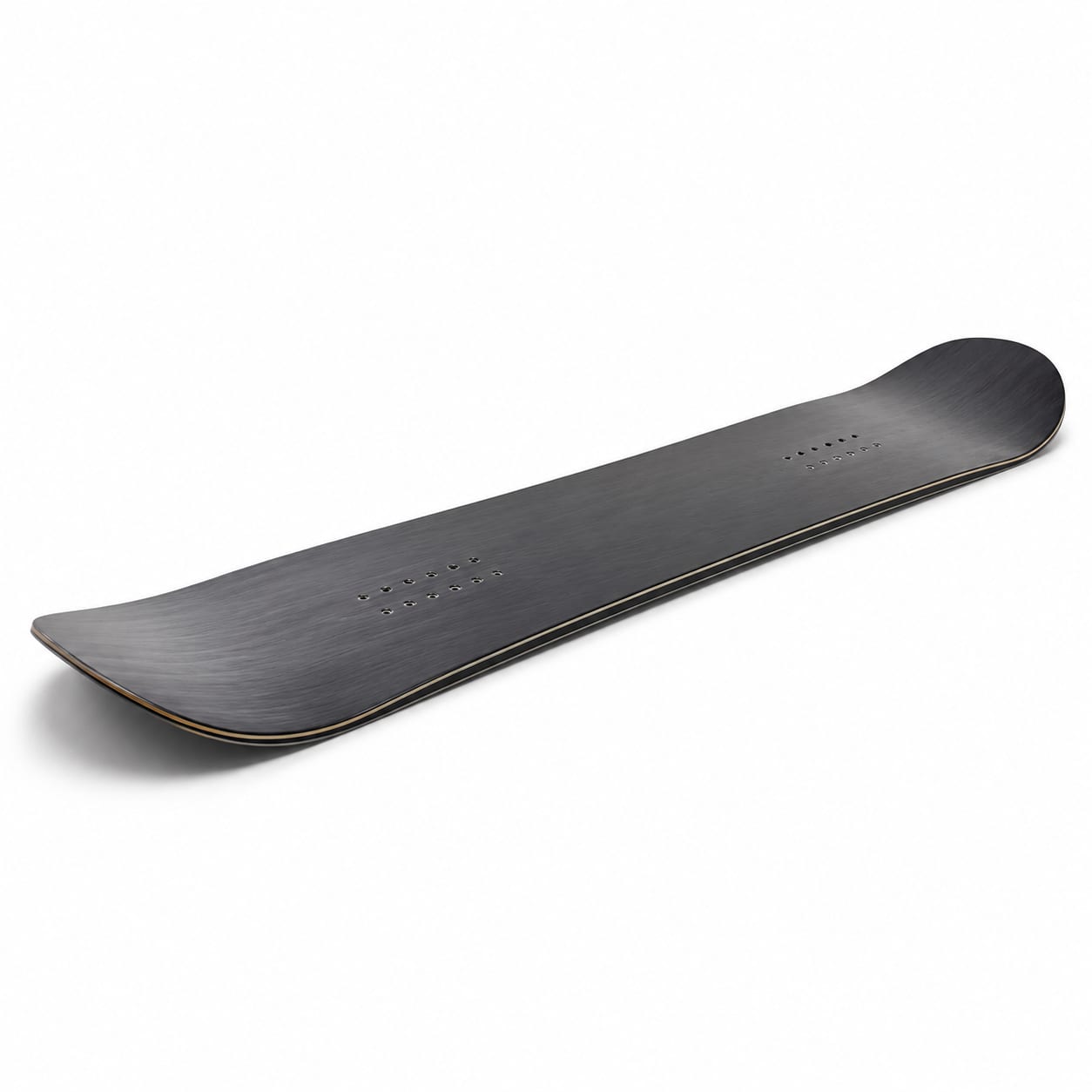
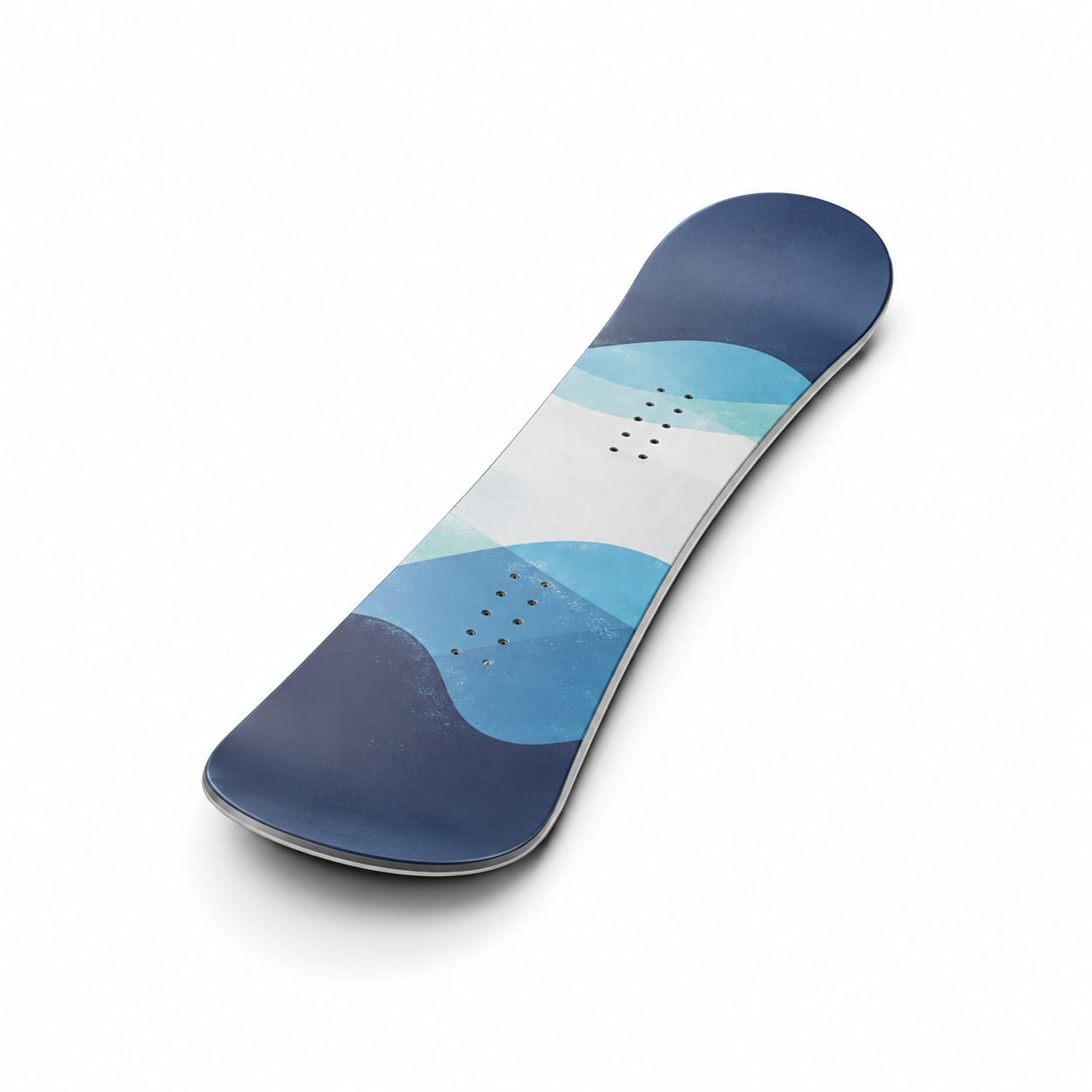
Insert Pattern

What it means

The bolt hole pattern on the board for mounting bindings. Determines binding compatibility and stance adjustability.

Typical for this type

4x4, 2x4

In practice

4x4 insert patterns are the most common on youth boards, providing good stance adjustability and universal binding compatibility. 2x4 patterns appear on some models, offering finer stance width adjustment. Burton's Channel system appears on Burton youth boards, requiring compatible bindings or adapter discs. 3D patterns are found on older Burton youth boards but are being phased out.

Compared to other types

Youth boards use the same insert patterns as adult boards, with 4x4 being the most common. The Channel system is proportionally less common in youth boards than in Burton's adult lineup, as families often mix and match brands for cost reasons.

Why it matters: Insert pattern determines binding compatibility and stance adjustability. For families with existing bindings, ensuring compatibility with the new youth board is essential. The 4x4 pattern offers the broadest compatibility with non-Burton bindings, while the Channel system provides the most adjustability but requires compatible bindings.

Evaluation

Strengths and trade-offs

Pros

What this type does best

Properly scaled flex for lightweight riders

Critical

Youth boards are engineered so that children can actually flex the board into a turn, press, or carve. This means real skill development rather than just surviving the run on an overly stiff board.

Catch-free profiles reduce painful falls

Critical

Rocker and flat profiles minimize edge catches, which are the most common and discouraging type of fall for beginners. Fewer edge catches means more fun and faster progression.

Affordable entry point to the sport

High

Youth boards are significantly less expensive than adult boards, making it more feasible for families to get kids started. The lower cost also softens the blow when a growth spurt renders the board too small.

Low maintenance construction

High

Extruded bases and simplified top sheets reduce the maintenance burden for busy parents. No regular waxing required, and minor damage is easy and cheap to repair.

Twin shapes encourage natural switch development

Medium

True twin shapes allow kids to ride and land in either direction without penalty, making switch riding a natural part of their development rather than an advanced skill learned later.

Tighter sidecuts for low-speed turning

Medium

Youth-specific sidecut radii create complete turning arcs at the lower speeds typical of learning, helping kids control speed through turn shape rather than skidding.

Good resale and hand-me-down value

Medium

Quality youth boards from reputable brands hold their value well in the secondhand market and can be passed down to siblings, offsetting the cost of frequent size upgrades.

Cons

Trade-offs to be aware of

Rapidly outgrown during growth spurts

Significant

Children can outgrow a youth board in as little as one season, requiring frequent replacements. This makes the total cost of youth snowboarding higher than the per-board price suggests.

Limited performance ceiling

Moderate

The soft flex and forgiving profiles that make youth boards great for learning also limit their performance for advanced young riders. Progressing riders may need to upgrade to adult boards before they physically need the larger size.

Narrow selection compared to adult categories

Moderate

The youth category has far fewer models and technologies available compared to adult boards. Riders with specific needs or preferences may find the options limited, especially at the upper end of youth sizing.

Inconsistent sizing across brands

Moderate

Weight ranges and flex ratings vary significantly between brands, making it difficult to compare sizes across models. A 110 cm board from one brand may suit a very different rider than a 110 cm board from another.

Budget models can feel dead underfoot

Minor

The cheapest youth boards use low-quality cores and minimal fiberglass, resulting in boards that lack pop, feel unresponsive, and provide poor feedback to the rider. This can hinder progression for kids who are ready to advance.

Best for

Terrain

Groomed beginner and intermediate runsTerrain parks with small and medium featuresSoft snow and light powderTree runs and gentle gladesResort-wide all-mountain riding

Snow conditions

Groomed snowSoft packLight powder (up to 20 cm)Spring conditions

Skill level

First-time ridersBeginners (first 1–3 seasons)Intermediates developing carving and park skills

Riding style

All-mountain cruisingFreestyle progressionPark and pipe introductionGeneral resort exploration

Rider profile

Children ages 3–14 learning to rideYoung riders progressing from beginner to intermediateKids who want to explore the whole mountainYoung park riders hitting their first featuresFamilies seeking affordable, low-maintenance equipment

Not ideal for

Reasons

Soft flex cannot handle high-speed stability demandsShort effective edge lacks grip on steep, icy terrainTwin shapes and zero taper provide insufficient powder floatYouth construction may not withstand the forces of aggressive ridingAdvanced young riders need the performance ceiling of adult boards

Terrain

Steep, technical freeride terrainDeep powder (30+ cm)Backcountry and sidecountryHigh-speed groomer carving

Skill level

Advanced youth riders who have outgrown youth flexExpert riders requiring high-performance equipment

Riding style

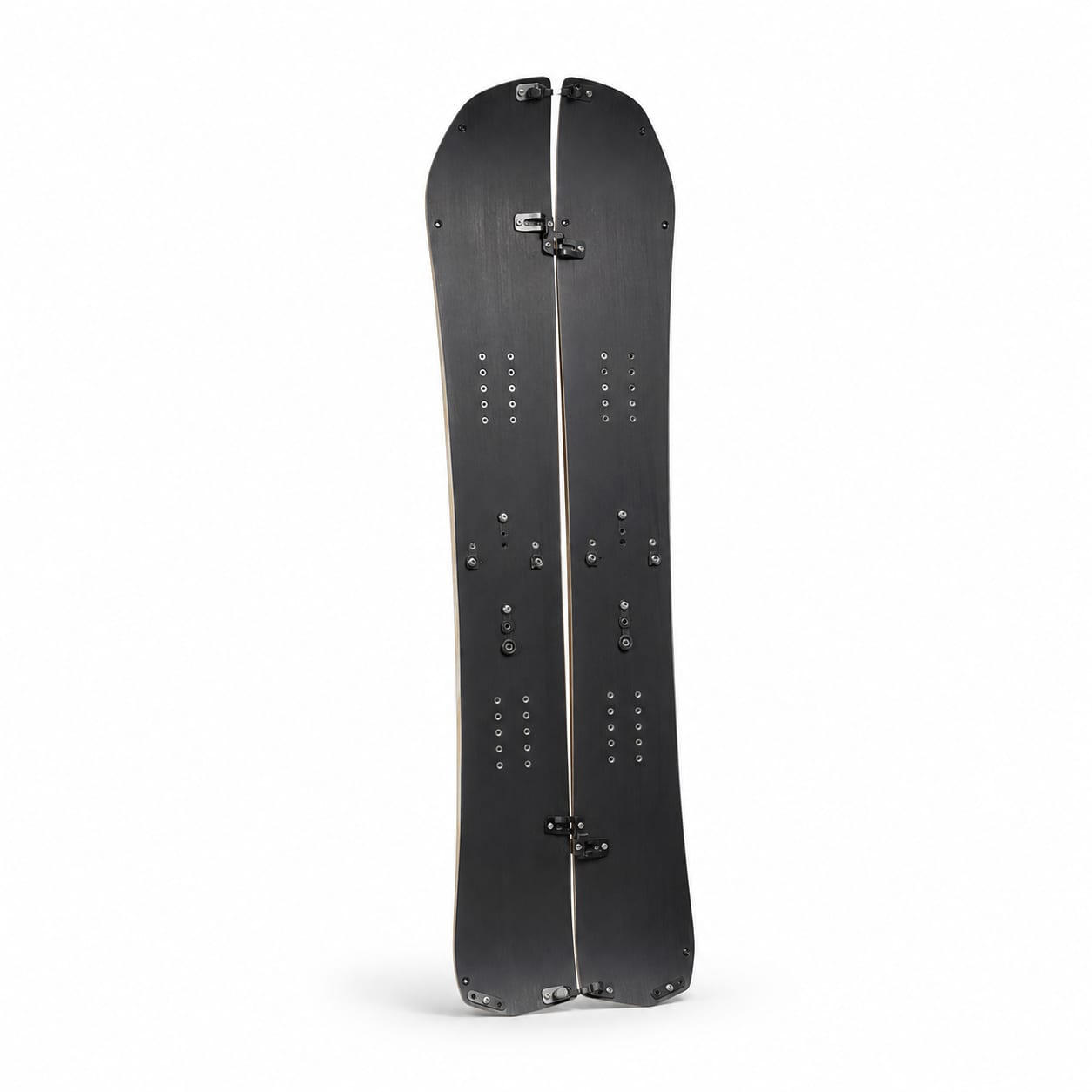
Aggressive freeride and big mountainHigh-speed carving and alpineBackcountry touring (splitboarding)Street and urban riding

Compare

How it stacks up

This page

Youth Snowboard

Youth boards offer properly scaled sizing for children who are too small for even the shortest women's boards. The flex is specifically calibrated for lighter riders, and the narrower waists match youth boot sizes. More affordable than women's boards.

Alternative

Women's Snowboard

Women's boards offer higher performance ceilings, more model variety, and advanced technologies. Suitable for young teens who have outgrown youth sizing but still benefit from softer flex patterns.

Bottom line

Choose youth boards for riders under about 145 cm and 50 kg. Transition to women's boards when the rider's weight exceeds youth board ranges or when they need more performance than youth boards can provide.

This page

Youth Snowboard

Youth boards are properly sized and flexed for children, making them actually rideable. An adult all-mountain board in a small size will still be too stiff and too wide for most kids, hindering their ability to turn and progress.

Alternative

All-Mountain Snowboard

Adult all-mountain boards offer vastly more model options, technology features, and performance potential. For larger teens (55+ kg), a soft adult board may provide better long-term value and performance.

Bottom line

Stick with youth boards until the rider's weight and boot size exceed youth ranges. The transition to adult boards typically happens around age 12–14, depending on the individual's size and ability.

This page

Youth Snowboard

Youth boards are more affordable and appropriately sized for young park riders. The soft flex is actually ideal for park progression, and the twin shapes support switch riding development. No need to pay adult prices for a park board that will be outgrown in a season.

Alternative

Freestyle Snowboard

Adult freestyle boards offer more durable construction for heavy rail and jump impacts, more responsive pop, and features like reinforced edges and impact bases. Advanced young park riders may benefit from these features.

Bottom line

Start with youth boards for park riding. Only move to adult freestyle boards when the rider is hitting large features regularly and has outgrown youth sizing. Most young park riders progress well on youth twins.

This page

Youth Snowboard

Youth boards are specifically engineered for children's weight and biomechanics, not just softened adult boards. The sizing, flex, width, and sidecut are all optimized for young riders, providing a better learning experience than an adult beginner board that happens to come in a small size.

Alternative

Beginner Snowboard (Adult)

Adult beginner boards may offer more features and slightly better construction quality at the same price point, as they benefit from economies of scale in manufacturing.

Bottom line

Always choose a youth-specific board for children over an adult beginner board in a small size. The youth-specific engineering is worth more than any marginal construction advantage of an adult board.

Shopping

Buying tips

  • 1

    Always prioritize the manufacturer's recommended weight range over age, height, or any other metric. Weight determines whether the rider can actually flex and control the board.

  • 2

    Resist the urge to 'size up so they can grow into it.' An oversized board will slow or stall skill progression and can be dangerous. Buy the right size now and accept that you may need to replace it sooner.

  • 3

    Check boot size carefully before purchasing. Kids' feet grow fast, and a growth spurt in boot size can suddenly cause toe drag on a narrow youth board. If the child is between boot sizes, consider a slightly wider youth model.

  • 4

    Consider buying used or previous-season models from reputable brands. Youth boards are outgrown before they are worn out, so the secondhand market is full of quality options at significant discounts.

  • 5

    If you have multiple children, buy quality youth boards from major brands—they hold up better for hand-me-down use and retain resale value. The cheapest boards often fail after one rider.

  • 6

    For first-time riders ages 3–6, consider a board with a built-in handle or edgeless design (like Burton's Riglet boards) to make the very first experiences fun and catch-free before moving to a traditional youth board.

  • 7

    Match the camber profile to the child's ability: rocker for absolute beginners, flat for progressing beginners, hybrid camber for intermediates who want more edge hold and pop.

  • 8

    Factor in the total cost of ownership: board, bindings, boots, helmet, and outerwear. Kids need all of it, and they outgrow everything. Budget for the full package, not just the board.

Care

Maintenance notes

  • Extruded bases on youth boards rarely need waxing, but a hot wax at the start of each season will improve speed and protect the base. This is especially helpful on flat traverses where kids struggle with momentum.
  • Check edge sharpness before each season. Youth boards typically have less edge material than adult boards, and dull edges make it harder for kids to control speed on firm snow. A quick tune-up at a shop costs $15–25 and makes a noticeable difference.
  • Inspect binding screws before each trip. Kids' equipment takes a beating, and loose binding screws are a common and dangerous issue. Carry a snowboard tool and check before every session.
  • Dry the board after each use to prevent rust on edges. This is especially important for youth boards, which are often left wet in car trunks or garages.
  • Store the board flat in a cool, dry place during the off-season. Avoid leaning it against a radiator or in direct sunlight, which can delaminate the top sheet and dry out the base.
  • Minor base gouges on extruded bases can be repaired with a simple P-tex candle—no need for professional repair unless the damage is deep or near the edge.
  • If passing a board down to a sibling, have a shop check the binding inserts and edge integrity before the new rider uses it. Youth boards that have seen heavy use may have stripped inserts or damaged edges.

Progression

Skill development path

Youth snowboards are designed to support riders from their very first turns through confident intermediate all-mountain riding. The progression typically starts with side-slipping and falling leaf on gentle green runs, advances to linked turns on blue groomers, and culminates with confident carving, switch riding, and entry-level park features. The forgiving nature of youth boards—soft flex, catch-free profiles, and twin shapes—accelerates this progression by reducing the penalty for mistakes and encouraging experimentation. As young riders develop stronger edge control and start riding faster and more aggressively, they may begin to outperform their youth board, particularly in edge hold at speed and pop off jumps. This is the signal that it is time to consider transitioning to a more performance-oriented board, which may be a higher-end youth model or a soft adult board depending on the rider's size. The key principle is that the board should never be the limiting factor in a young rider's progression—if the child is riding well and the board feels stable and responsive, it is the right board regardless of what category it falls into.

FAQ

Common questions

Each question has a dedicated page with a full answer and links to the buying guide.

What size youth snowboard does my child need?

The most important factor is weight—always check the manufacturer's recommended weight range for each board length. As a rough guide, the board should reach between the child's chest and chin when stood on end. For a 25 kg child, expect a board around 105–110 cm; for a 35 kg child, 115–120 cm; for a 45 kg child, 125–135 cm. Weight is more reliable than height because it determines whether the rider can actually flex the board.

Should I buy a youth board my child can grow into?

No. This is the most common and harmful mistake in youth snowboard purchasing. A board that is too long or too stiff will be difficult to turn, hard to control, and more likely to cause edge catches. It will slow or stall your child's progression and reduce their enjoyment. Buy the board that fits now, not the one that will fit next year. The cost of replacing a board when it is outgrown is far less than the cost of a child who quits the sport because their equipment fights them.

When should my child transition from a youth board to an adult board?

The transition typically happens when the rider's weight exceeds the maximum recommended range for youth boards (usually around 50–55 kg) or when their boot size exceeds what youth board waist widths can accommodate (roughly US men's size 8 / Euro 41). Some advanced young riders may also benefit from transitioning earlier if they need more performance than youth boards can provide. In general, if the child is riding well and the youth board still fits their weight range, there is no rush to move to an adult board.

Are expensive youth boards worth it, or should I buy the cheapest option?

There is a middle ground. The absolute cheapest youth boards often use foam cores and minimal construction, resulting in boards that feel dead and unresponsive. Mid-range youth boards from reputable brands (typically $150–250) use proper wood cores and quality construction that provides real performance and durability. Premium youth boards ($250+) offer additional technologies like sintered bases and hybrid camber profiles, which are nice but not essential for most young riders. For most families, a mid-range board from a known brand is the sweet spot.