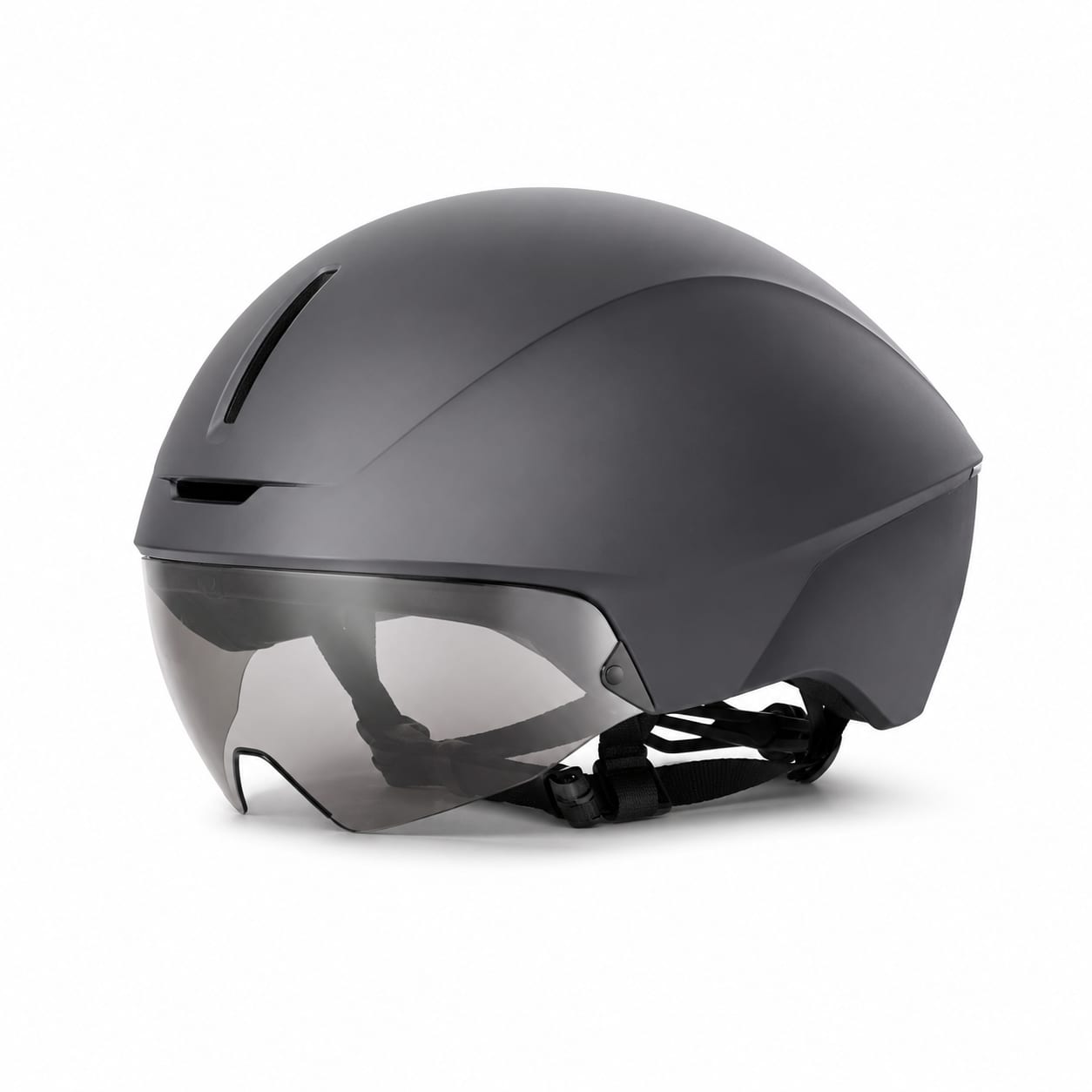
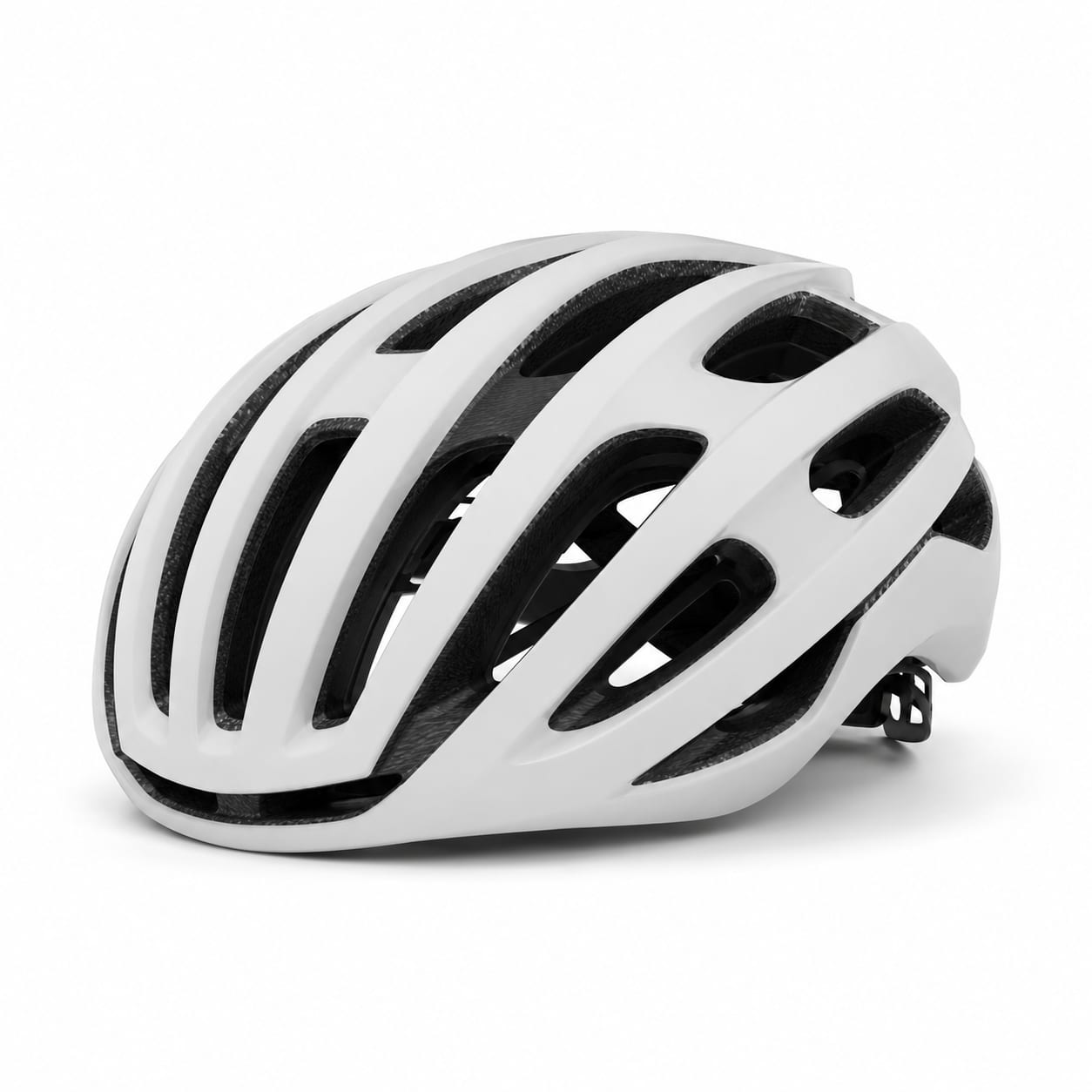
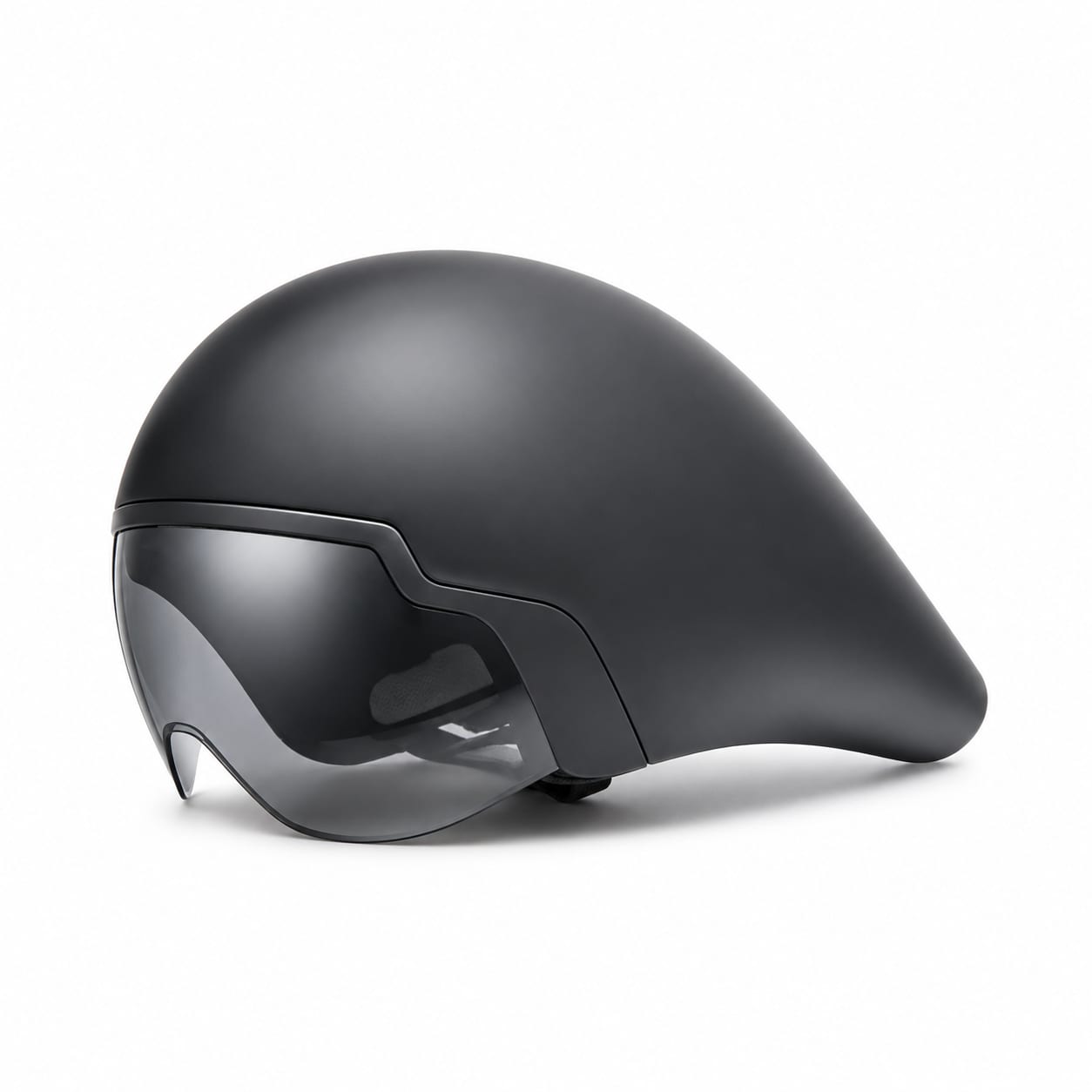
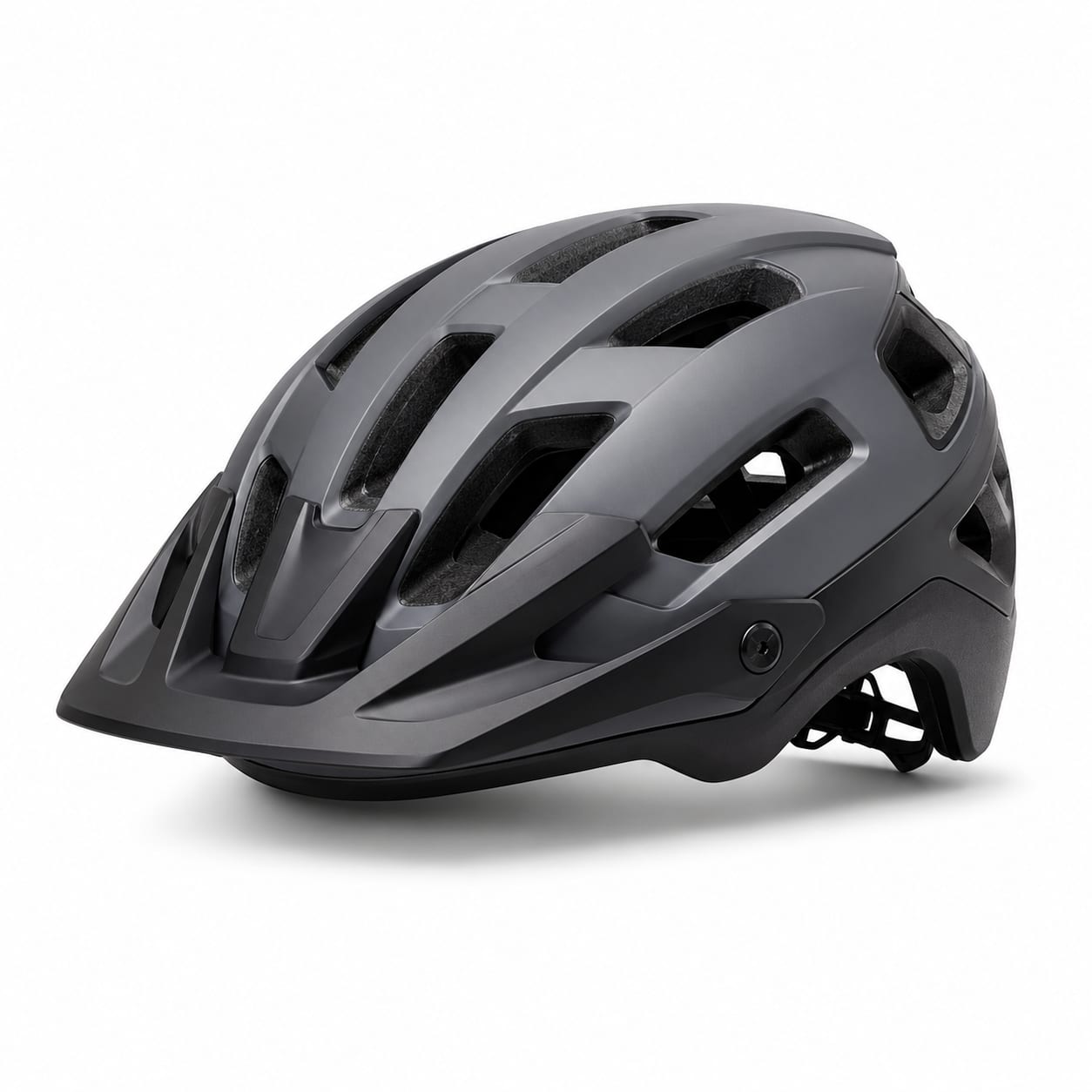
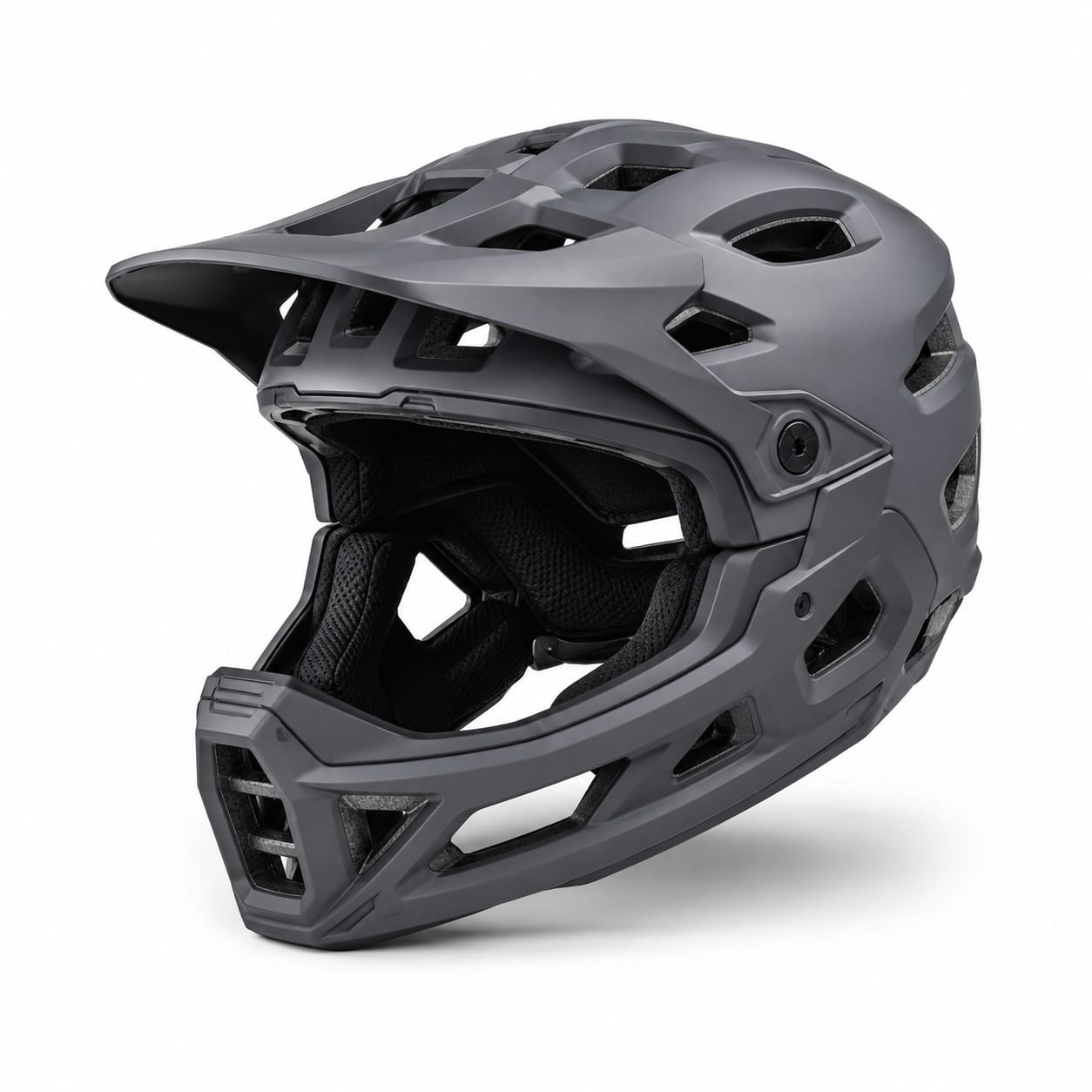
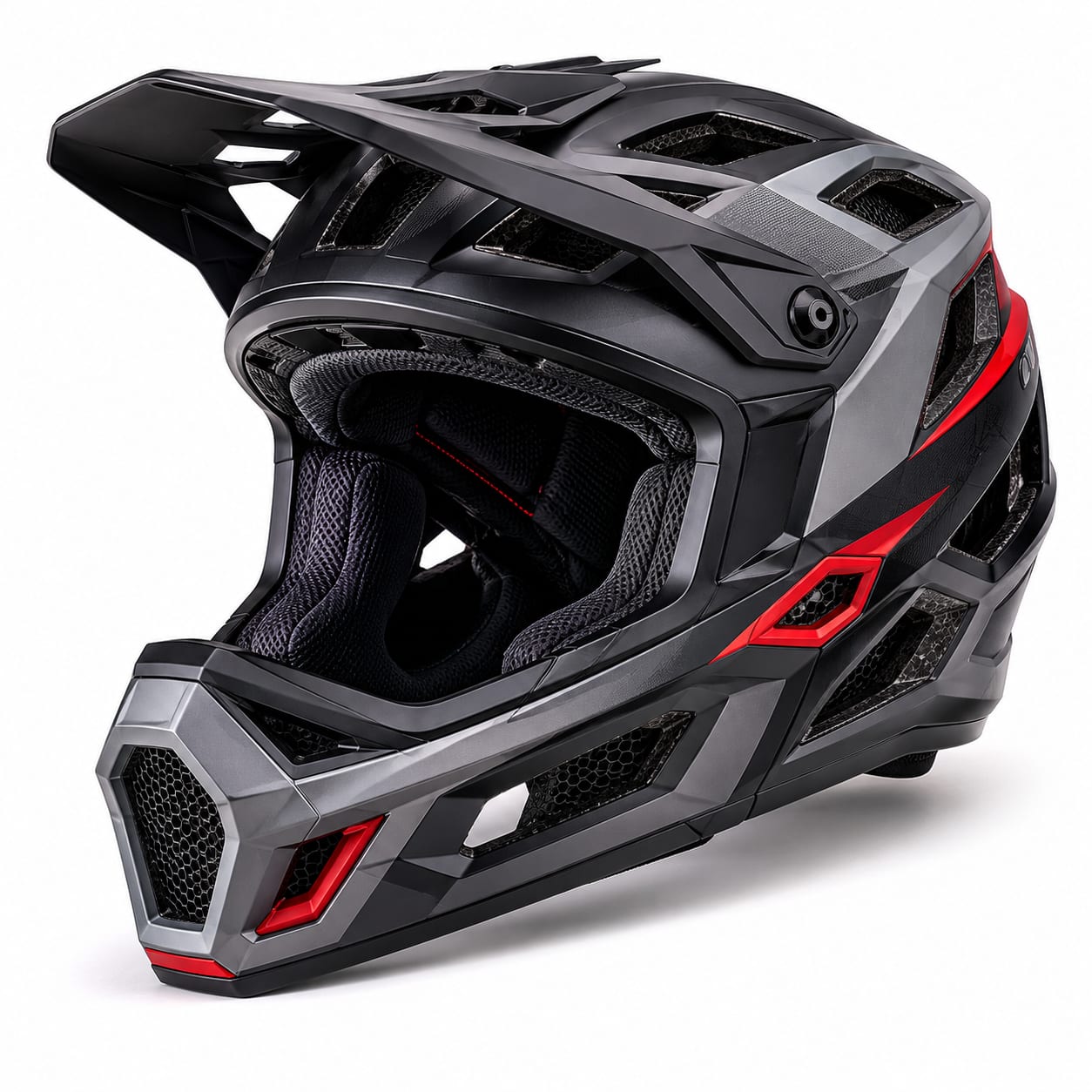
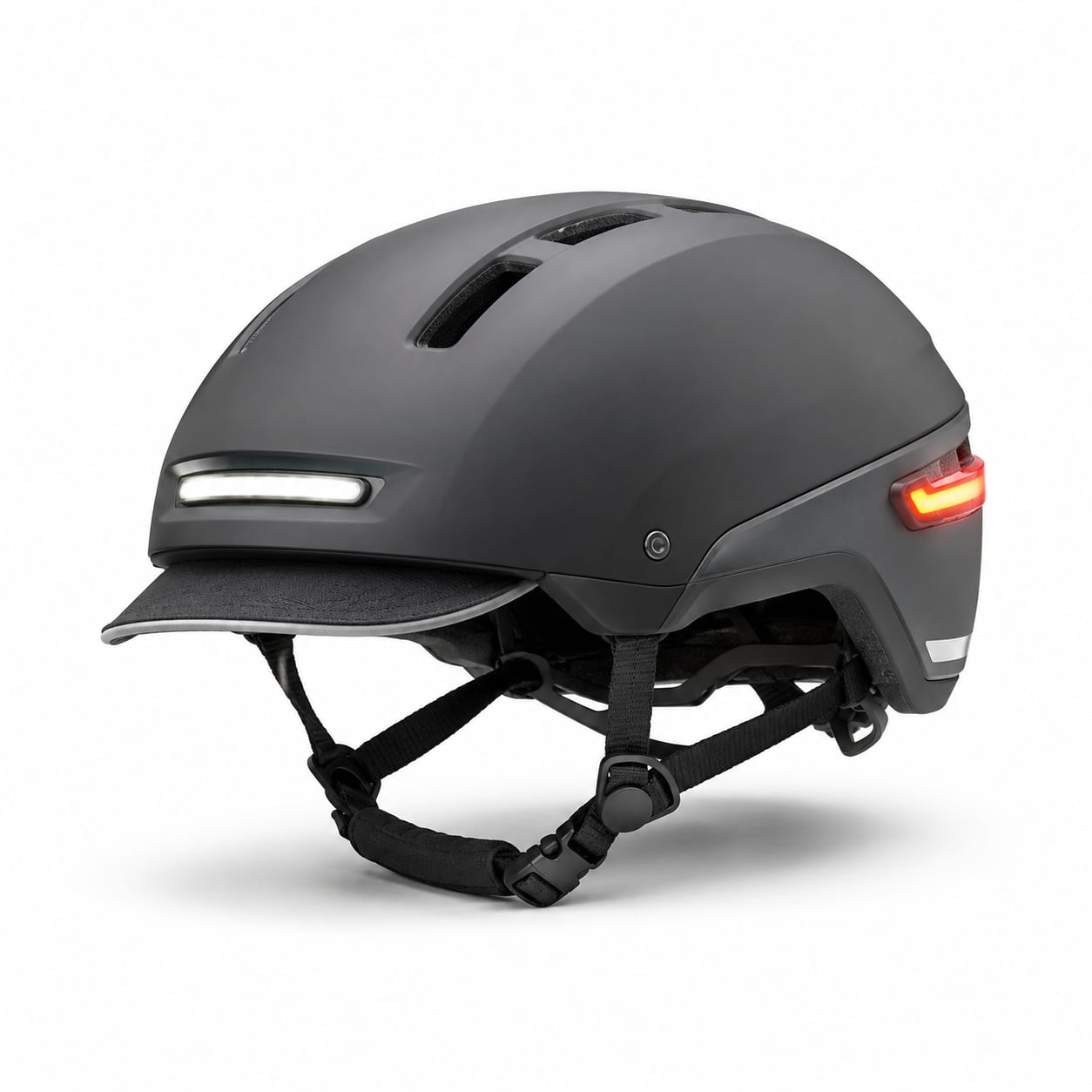
Aero road helmets occupy the performance-focused end of the road helmet spectrum, engineered specifically to minimize aerodynamic drag in typical road riding positions. Unlike standard road helmets that prioritize maximum ventilation with 20+ vents, aero road helmets typically feature 4–12 carefully sculpted vents with internal channeling designed to cool with minimal air disruption. The outer shell is characterized by smooth, elongated surfaces, often with raised ridges or spoilers that manage airflow separation. Most models are wind-tunnel tested or CFD-optimized, and manufacturers publish watt savings claims at specific speeds. The category emerged in the early 2010s as pro tour teams sought TT-level aero advantages in road stages where traditional TT helmets were impractical. Today, aero road helmets are standard equipment for racers and are increasingly popular with fast recreational riders who want free speed on group rides and gran fondos.
The fundamental principle behind aero road helmets is simple: at speeds above 30 km/h, aerodynamic drag becomes the dominant resistance force, and the helmet is one of the first things the wind hits. By smoothing the helmet's surface and reducing the number of vents that create turbulent air pockets, engineers can reduce the rider's overall drag coefficient measurably. Most aero road helmets save between 5 and 15 watts at 40 km/h compared to a well-ventilated standard road helmet—roughly equivalent to the difference between winning and losing a sprint by a bike length.
However, the aero advantage comes with a real physiological cost. Reduced vent count means less airflow across the scalp, leading to higher head temperatures and increased perceived exertion in warm conditions. On hot summer days, an aero helmet can feel oppressively warm, and the resulting thermal stress can negate the power savings from reduced drag. This is why many pro riders switch between aero and lightweight road helmets depending on stage profiles and conditions—using aero helmets for flat, fast stages and ventilated helmets for mountain stages or extreme heat.
Modern aero road helmets have narrowed the ventilation gap significantly. Advanced internal channeling, deep exhaust ports at the rear, and strategic vent placement allow some current models to approach the cooling of standard road helmets while retaining most of their aero advantage. Brands like Giro, Specialized, POC, and Kask have invested heavily in combining aero efficiency with acceptable ventilation, making newer aero road helmets far more versatile than early generations that were nearly unrideable in warm weather.
For riders considering an aero road helmet, the decision should be driven by typical riding speed and conditions. If your average speed regularly exceeds 30 km/h—or you race criteriums, road races, or triathlons—the watt savings are genuine and meaningful. If you primarily ride at recreational speeds below 25 km/h, the aero benefit is negligible and a well-ventilated road helmet will be more comfortable. Many riders own both types and choose based on the day's ride profile, which is the most pragmatic approach.
Fit is especially critical with aero helmets because the aerodynamic benefits depend on the helmet sitting correctly relative to the rider's position. A helmet that sits too high or too far back can actually create more drag than a standard road helmet. Look for models with adjustable retention systems that allow you to fine-tune both circumference and vertical position, and spend time dialing in the fit before trusting the aero claims.