
The distinction between 'pure aero' and 'aero-all-around' has blurred significantly. Most current aero road bikes incorporate compliance features and accept 28–30 mm tires, making them more versatile than earlier generations. If you race criteriums or flat road races, a dedicated aero bike is the clear choice. If you ride fast group rides and gran fondos on varied terrain, consider the newer generation of aero-influenced bikes that blend aero tube shapes with slightly more relaxed geometry and wider tire clearance.
Road Bike · Aero Road Bike
Should I choose an aero road bike or an aero-all-around bike?
Related gear types
If this answer nudged you toward a different style, these guides compare specs and trade-offs.
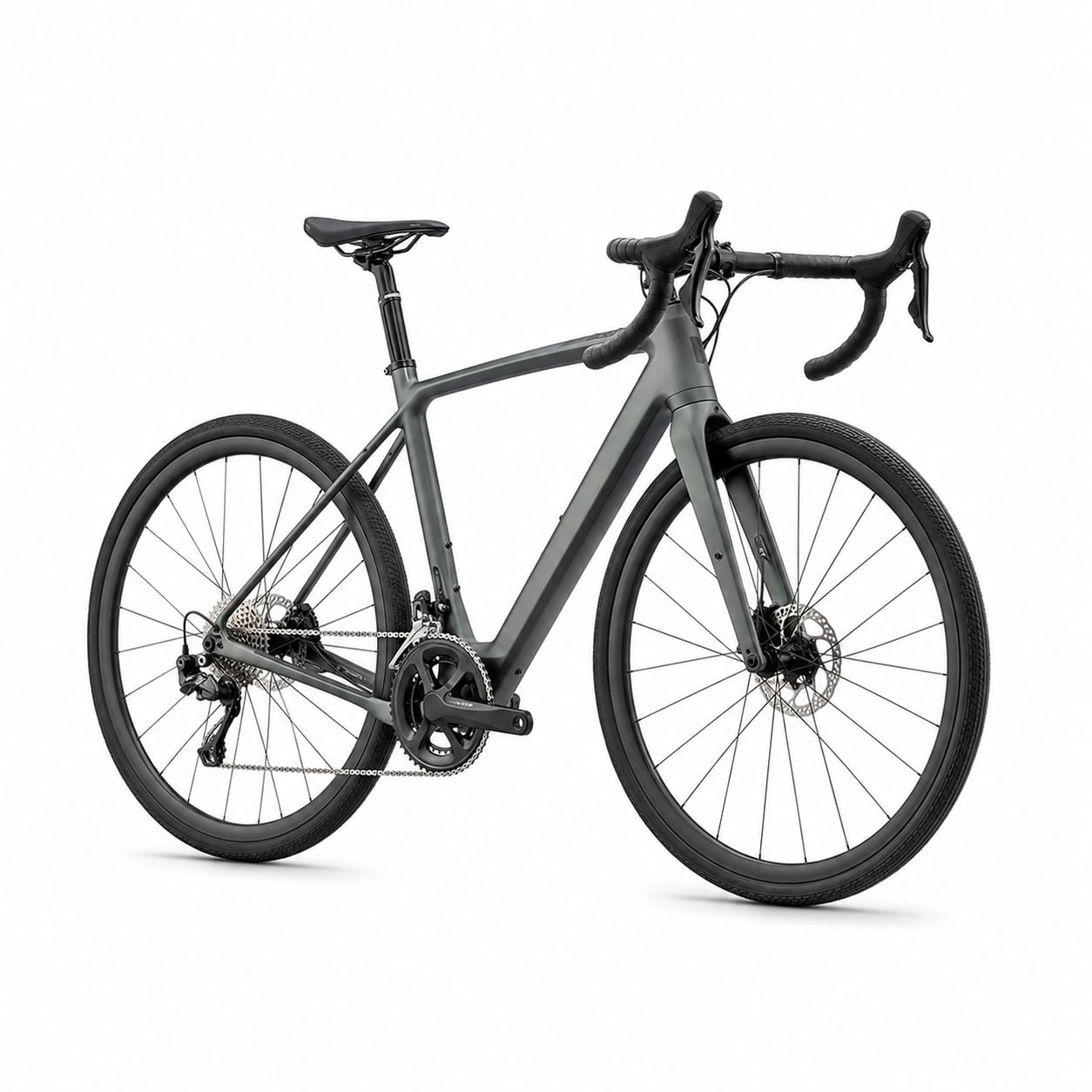
Endurance Road Bike
$800 – $12000
Comfort-oriented road bikes designed for long-distance riding with relaxed geometry and compliance features.
Relaxed geometry with higher stackFrame compliance featuresWider tire clearance (28-35mm)
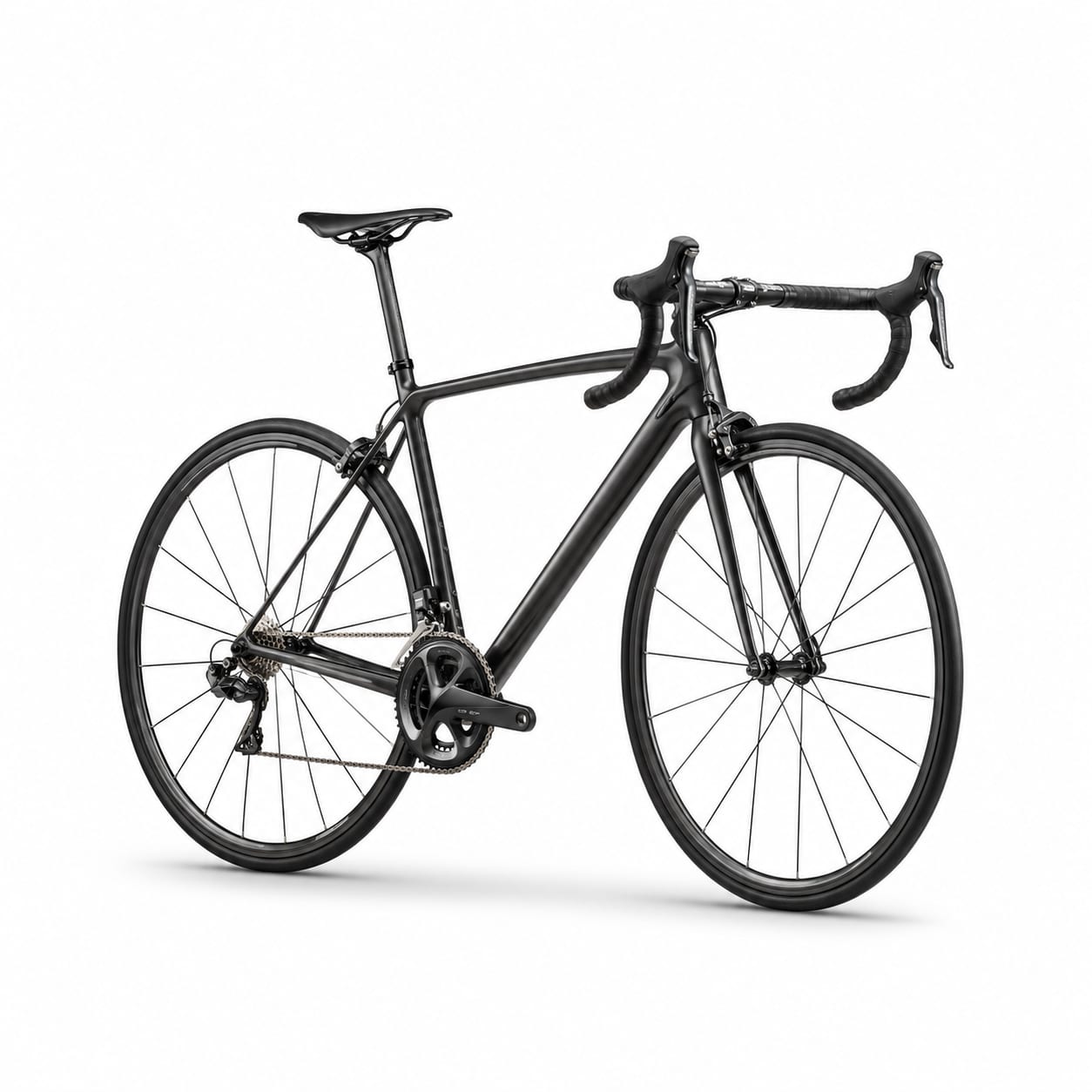
Lightweight / Climbing Road Bike
$1500 – $14000
Featherweight road bikes optimized for uphill performance with minimal weight and responsive handling.
Ultra-lightweight frames (sub-800g common)Responsive handlingStiff power transfer
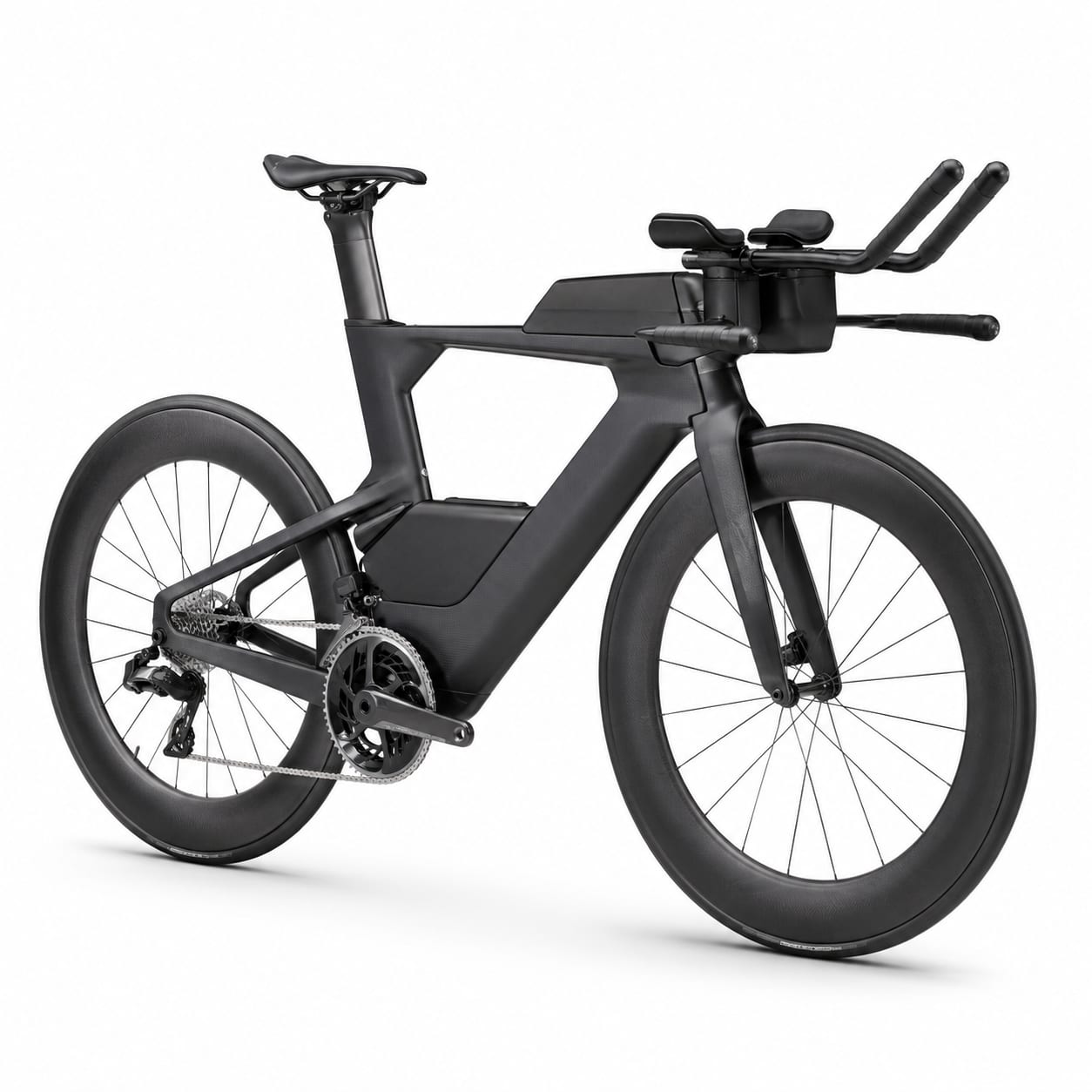
Time Trial / Triathlon Bike
$2000 – $15000
Aerodynamically optimized bikes with extensions for racing against the clock in TTs and triathlons.
Aerobar extensions standardSteep seat tube angle (76-78°)Integrated front end
More questions
- Are aero road bikes actually faster than lightweight climbing bikes?
- Can I change the handlebar width or stem length on an aero bike with an integrated cockpit?
- Is an aero road bike too uncomfortable for long rides?
- Do I need deep-section wheels to get the aero benefit?