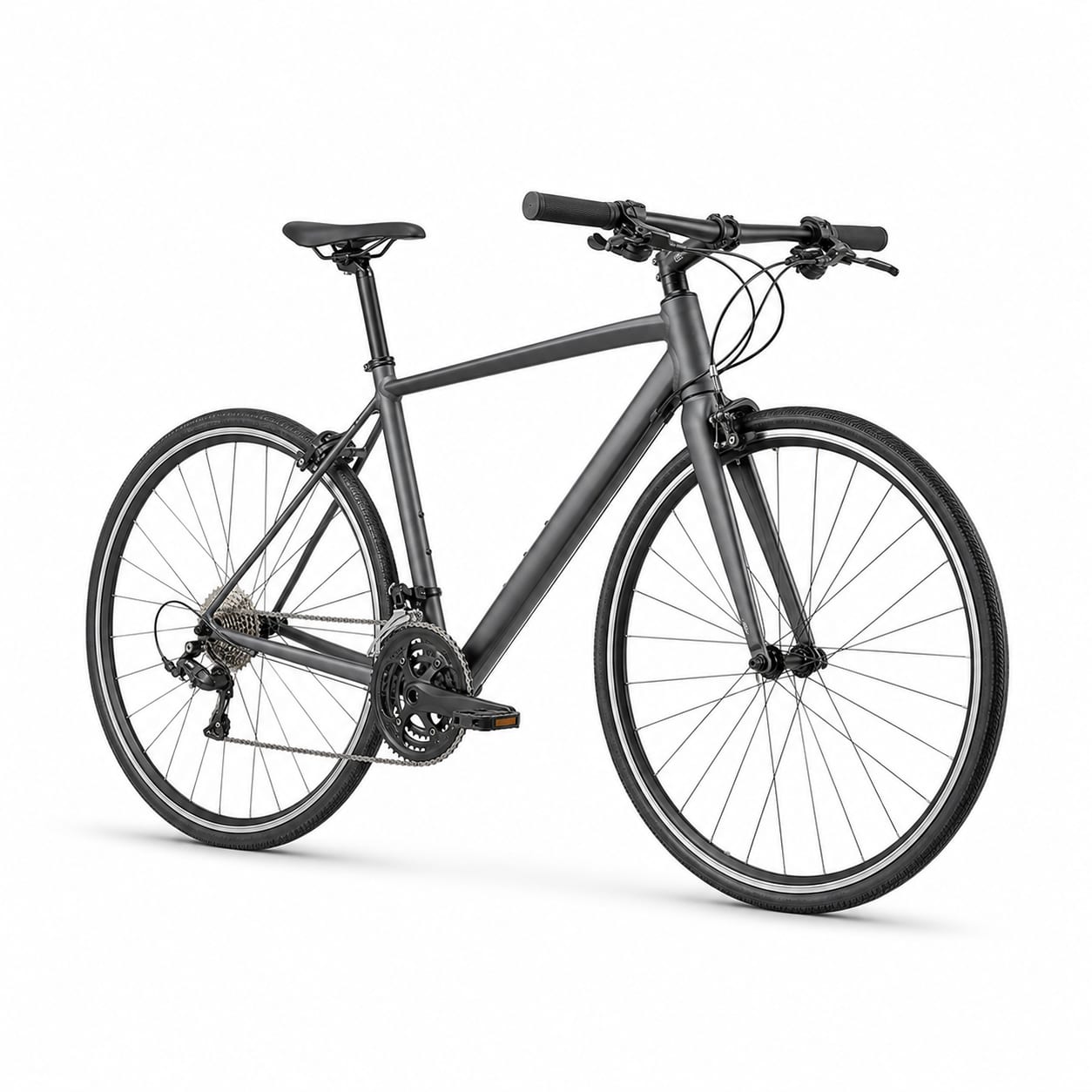
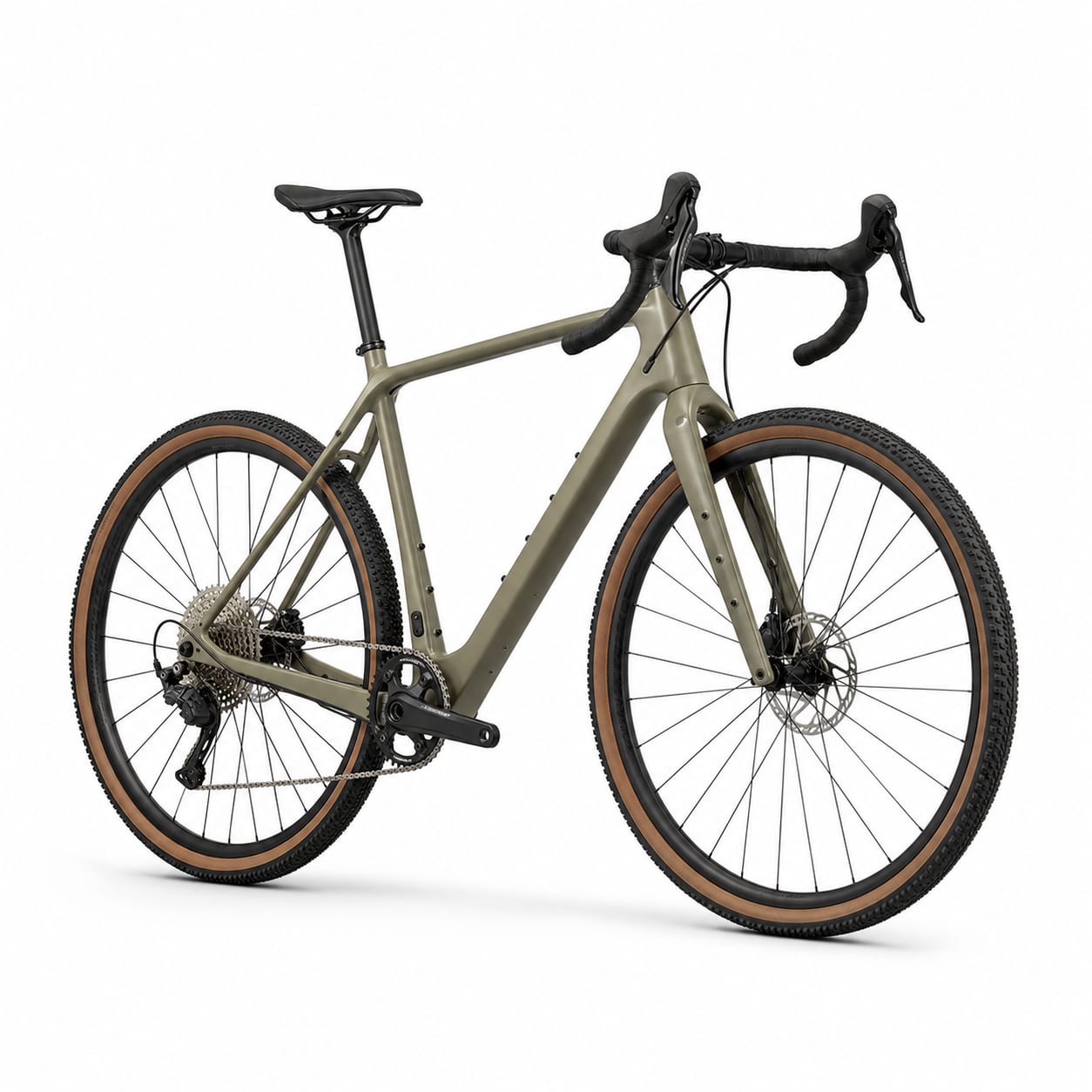
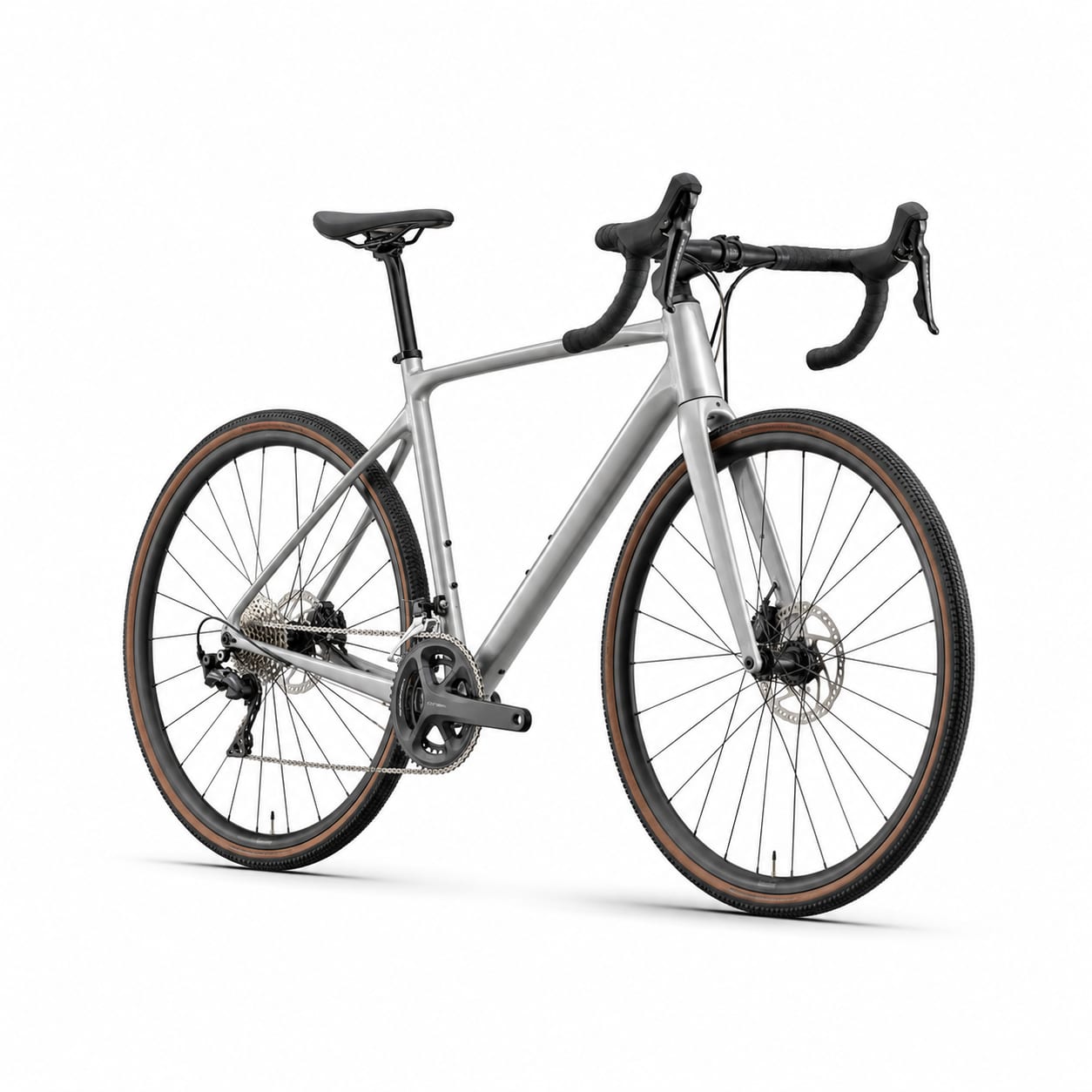
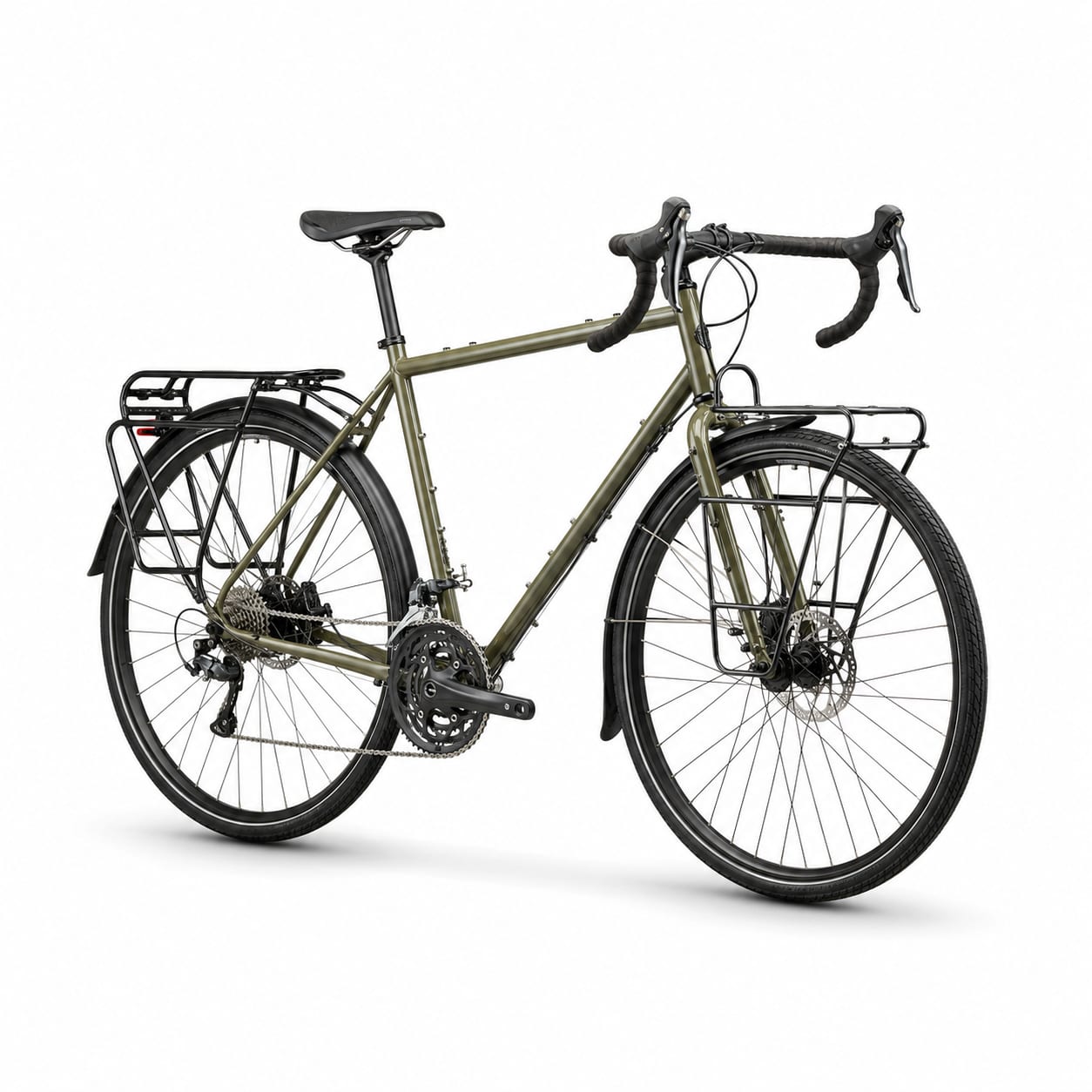
A flat-bar road bike is built around a road-style frame — lightweight aluminum or carbon, narrow 700c wheels, and performance-oriented gearing — but replaces the drop handlebar with a flat or riser bar. This swap fundamentally changes the rider experience: the more upright position reduces strain on the lower back, neck, and wrists while improving forward visibility and slow-speed control. Flat-bar road bikes typically feature slightly modified geometry compared to their drop-bar counterparts, with higher stack heights and sometimes shorter reach to complement the flat bar setup. They are popular with urban commuters who want speed on paved paths, recreational riders transitioning from mountain or hybrid bikes, and anyone who finds drop-bar positioning uncomfortable. While they sacrifice the multiple hand positions and aerodynamic tuck of drop bars, they gain intuitive handling, confident braking leverage, and a riding posture that feels natural to most casual cyclists.
Flat-bar road bikes occupy a unique niche between performance drop-bar road bikes and comfort-oriented hybrid bikes. They share the same foundational DNA as road bikes — slim tire profiles, lightweight frames, and closely spaced gearing — but the flat handlebar transforms the riding experience. Riders sit more upright, which dramatically improves visibility in traffic and reduces fatigue in the core, shoulders, and neck. This makes them particularly well-suited for urban commuting where situational awareness is critical, and for recreational riders who want to cover distance efficiently without the learning curve of drop-bar handling.
The geometry of a flat-bar road bike differs subtly from a drop-bar endurance bike. Because the handlebar sits higher relative to the saddle, the effective stack is significantly taller, and the reach is effectively shorter even if the frame's reach measurement is similar. Manufacturers often adjust frame geometry slightly — a degree slacker head tube angle, a few millimeters longer chainstay — to complement the upright position with stable, predictable handling. The result is a bike that feels sure-footed at all speeds, inspires confidence in corners, and remains stable during one-handed riding (useful for signaling turns in traffic).
Component selection on flat-bar road bikes leans toward practicality. Hydraulic disc brakes are now standard on most models, providing reliable stopping power in wet weather — a must for year-round commuters. Tire clearance has widened in recent years, with many frames accommodating 32mm or even 35mm tires, allowing riders to run lower pressures for comfort on rough city streets. Drivetrains range from entry-level Shimano Sora and Tiagra to mid-range 105, with some premium models featuring SRAM Rival or even Ultegra-level components adapted for flat-bar shifters. The flat-bar shifter ergonomics are intuitive: trigger shifters or grip shifters that feel familiar to anyone who has ridden a mountain bike.
The primary trade-off of the flat-bar design is aerodynamic efficiency and hand position variety. Drop bars offer three distinct hand positions (hoods, drops, tops) that allow riders to shift weight, relieve pressure, and adopt an aerodynamic tuck on descents or into headwinds. Flat bars offer essentially one position, which can lead to hand fatigue on rides longer than two hours unless bar ends or ergonomic grips are added. The upright posture also creates significantly more aerodynamic drag at speeds above 25 km/h, meaning flat-bar riders work harder to maintain the same pace as a rider in the drops on an equivalent bike.
Despite these limitations, flat-bar road bikes are arguably the most practical choice for the majority of casual cyclists. They are faster than hybrid bikes on pavement, more comfortable than drop-bar road bikes for most new riders, and easier to handle in stop-and-go traffic. For anyone whose primary riding involves commuting, fitness loops on paved paths, or weekend rides under 50 km, a flat-bar road bike delivers the right balance of speed, comfort, and confidence.