
Tech (pin) bindings require boots with tech fittings—metal inserts in the toe and heel that engage with the binding's pins. Frame AT bindings (like the Marker Duke PT or Salomon Guardian) grip the boot sole like an alpine binding and can work with any boot that has an alpine-compatible sole, including some AT boots with hybrid soles. Tech bindings are much lighter and more efficient for touring. Frame bindings are heavier but offer more familiar alpine-like release characteristics and work with a wider range of boots. Most dedicated AT skiers use tech bindings with tech-compatible AT boots.
Ski Boots · Alpine Touring (AT) / Backcountry Ski Boots
What's the difference between tech bindings and frame AT bindings for boot compatibility?
Related gear types
If this answer nudged you toward a different style, these guides compare specs and trade-offs.
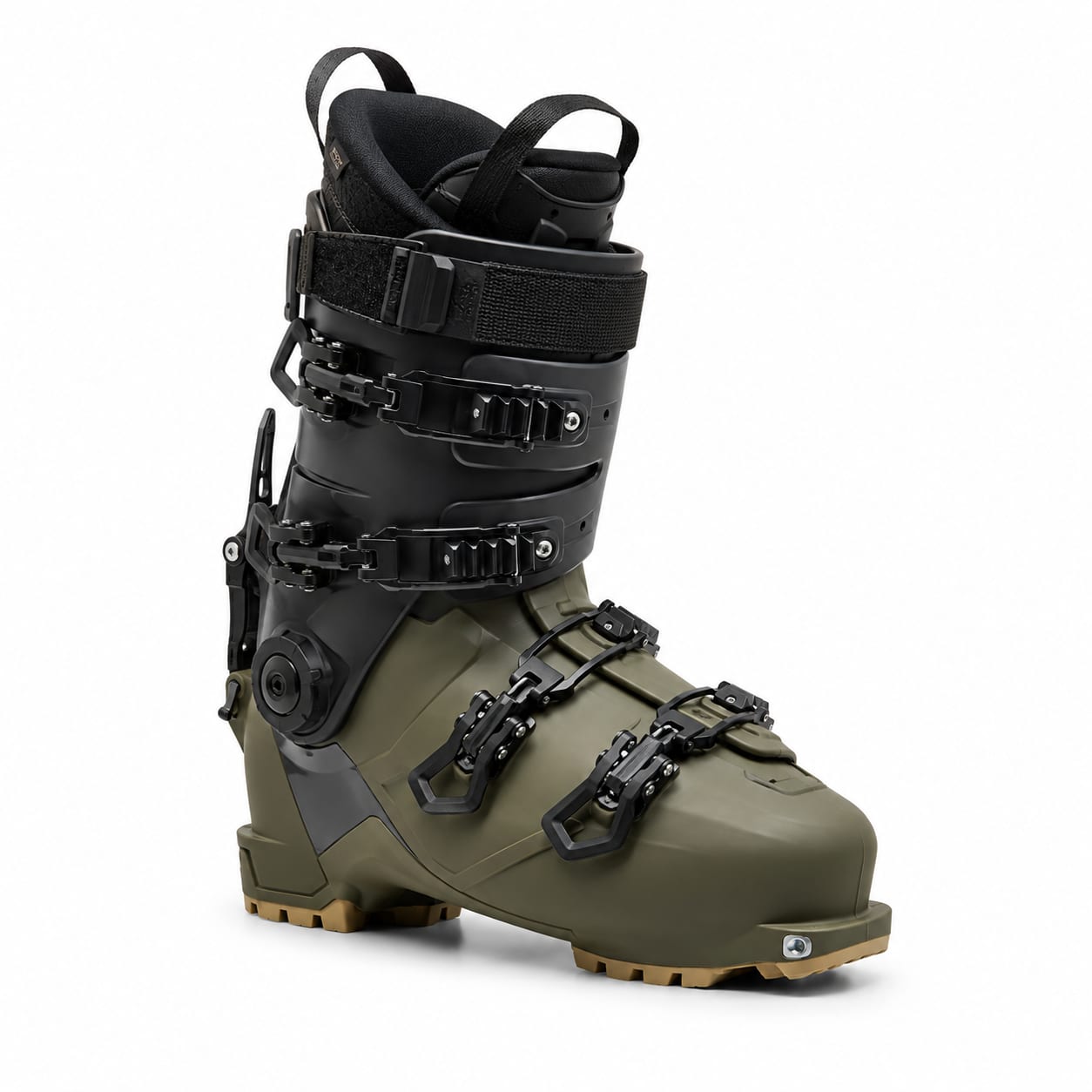
Freeride / Big Mountain Ski Boots
$450 – $1100
Powerful boots built for aggressive off-piste skiing in deep snow and steep, technical terrain.
Stiff flex (120-150)Wider last (98-104mm)Often includes walk mode
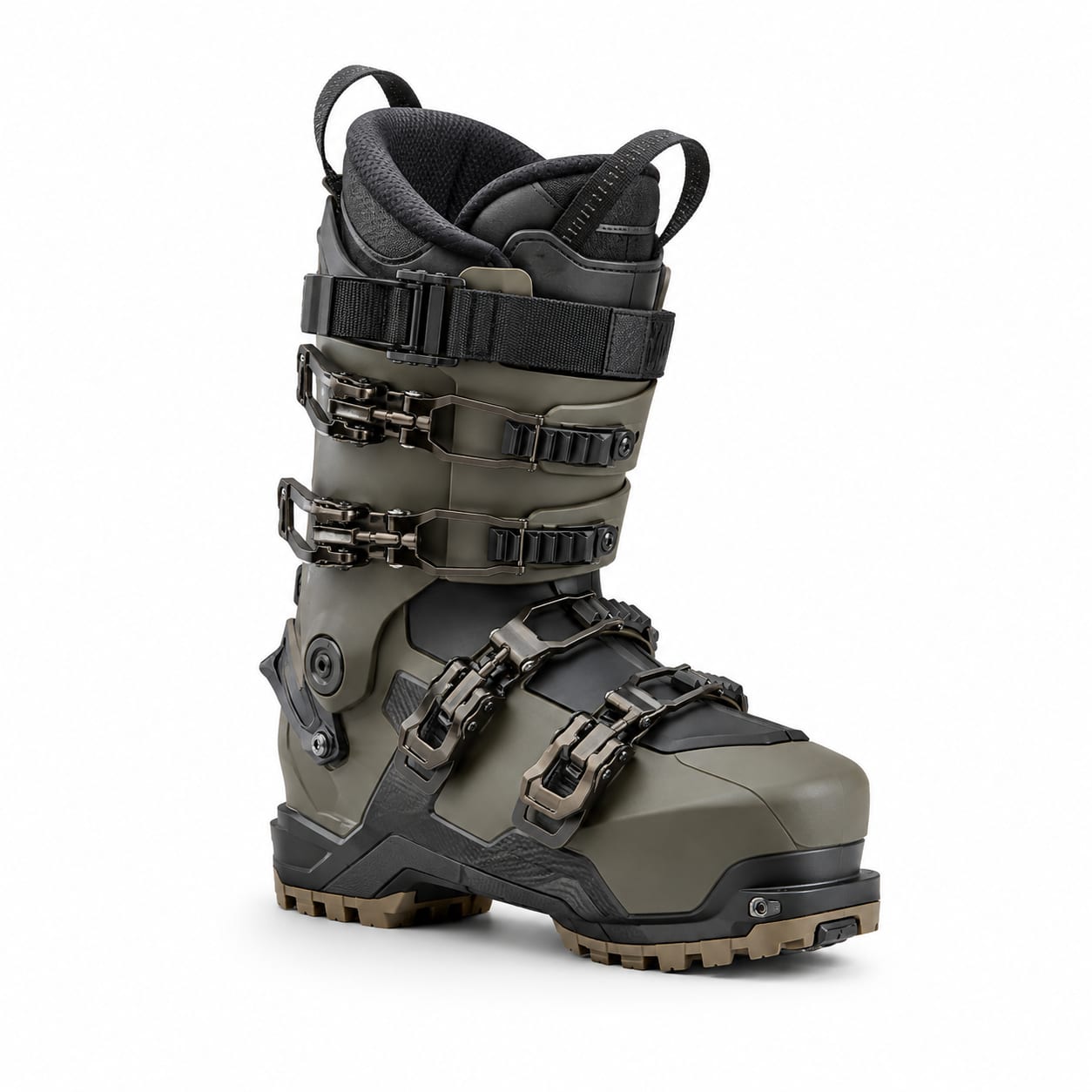
Hike & Ride / Walk-Mode Resort Boots
$350 – $850
Resort-oriented boots with integrated walk mode for easy hiking to sidecountry terrain and resort exploration.
Walk mode (40-55° range)Near-resort stiffness (100-130 flex)GripWalk soles
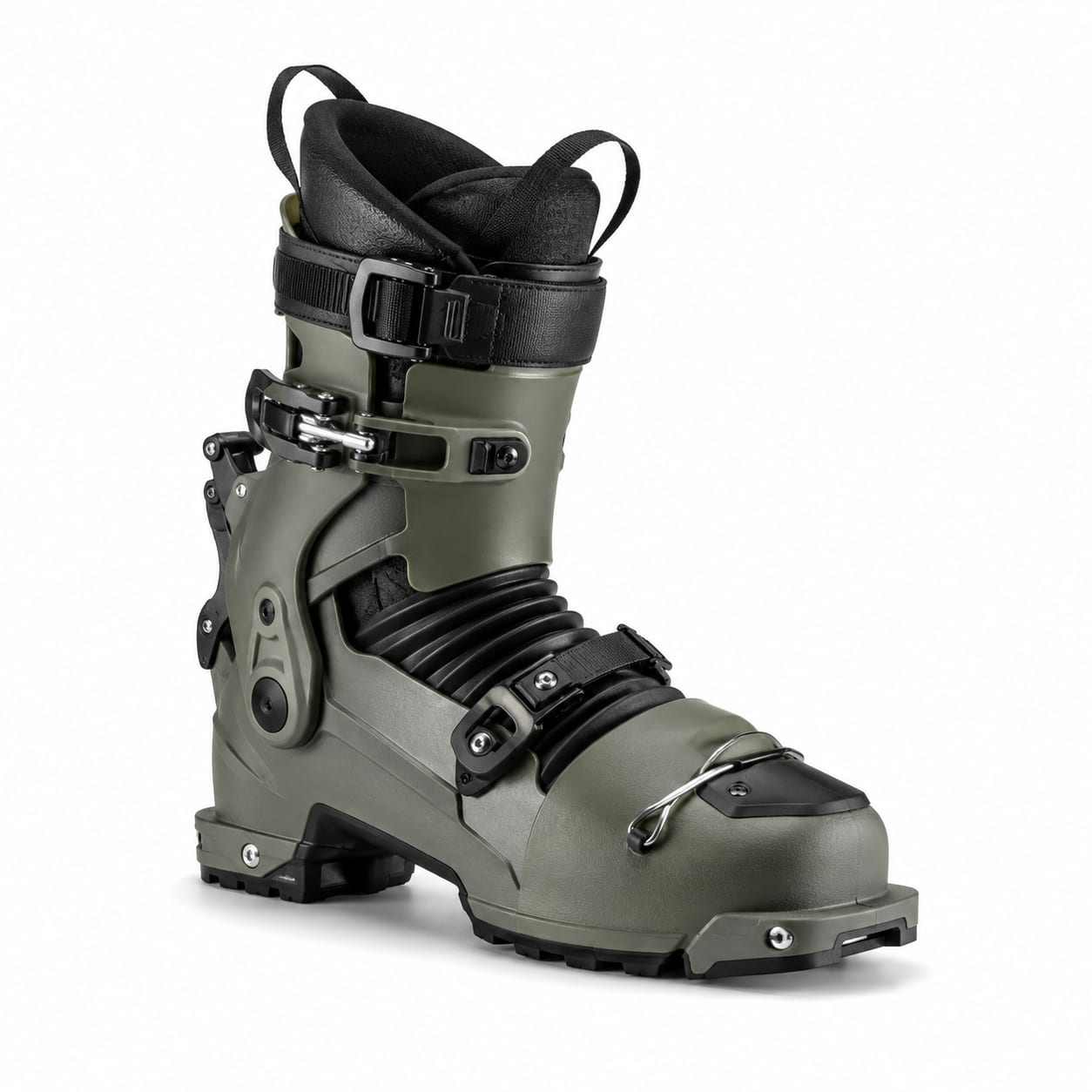
Telemark Ski Boots
$300 – $750
Boots designed for free-heel telemark skiing with flexible bellows and 75mm or NTN binding compatibility.
Flexible bellows under ball of foot75mm duckbill or NTN sole compatibilityHigher cuff for support
More questions
- Can I use AT boots with my regular alpine bindings at the resort?
- How much walk range of motion do I really need?
- Why are AT boots so much more expensive than alpine boots?
- Should I size AT boots differently than my alpine boots?