
For most riders, one cylindrical goggle with a spare lens is the better approach. Cylindrical spare lenses are affordable (often $25-50), take up minimal pocket space, and modern quick-swap systems make changes fast. Two separate goggles cost more total but give you a full backup if one gets damaged. If you ski in wildly varying conditions and have the budget, two goggles with different dedicated lenses eliminates on-mountain lens swaps entirely.
Ski Goggles · Cylindrical Lens Ski Goggles
Should I buy a cylindrical goggle with a spare lens or two separate goggles?
Related gear types
If this answer nudged you toward a different style, these guides compare specs and trade-offs.
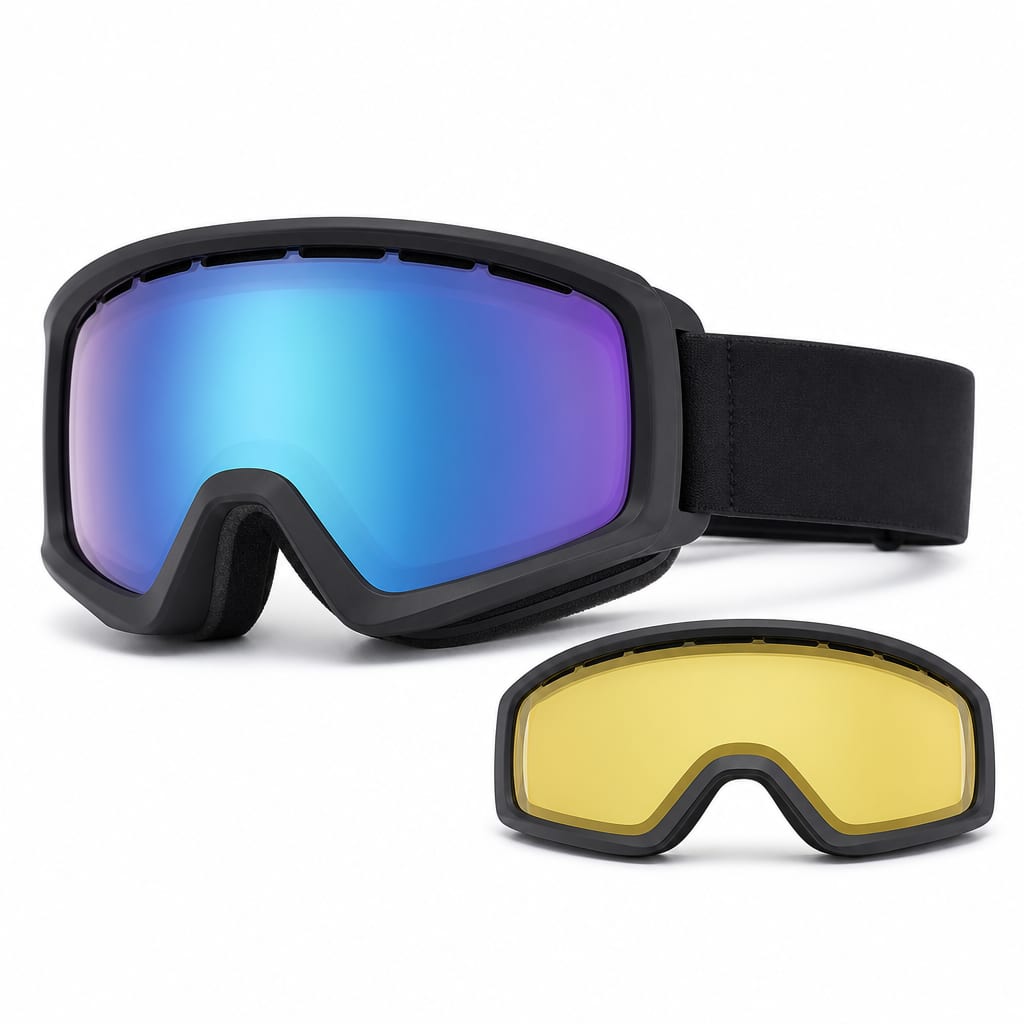
All-Mountain Ski Goggles
$50 – $250
Versatile goggles designed for general use across varied terrain and light conditions.
versatile lens tintshelmet-compatible framesmoderate VLT range
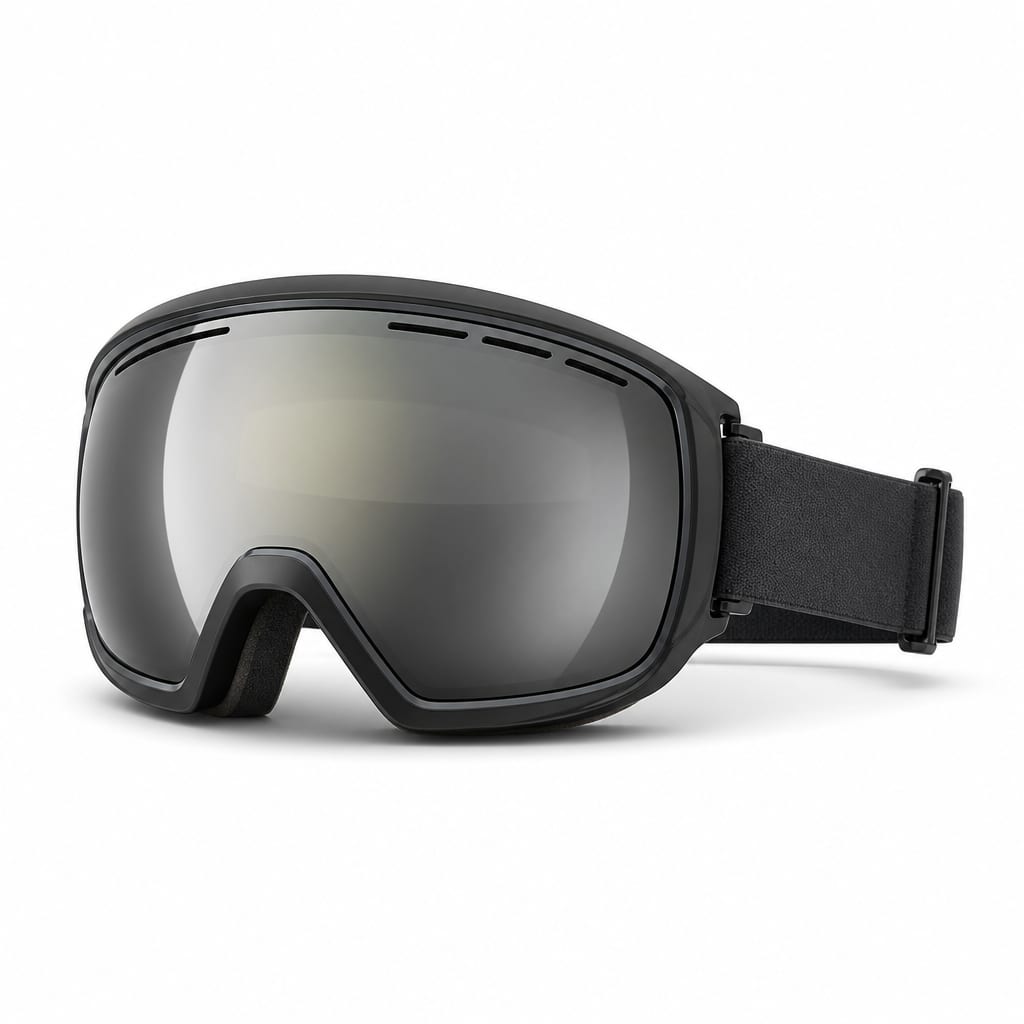
Spherical Lens Ski Goggles
$100 – $350
Goggles featuring horizontally and vertically curved lenses for superior optics and reduced glare.
dual-axis curved lenswider field of viewreduced peripheral distortion
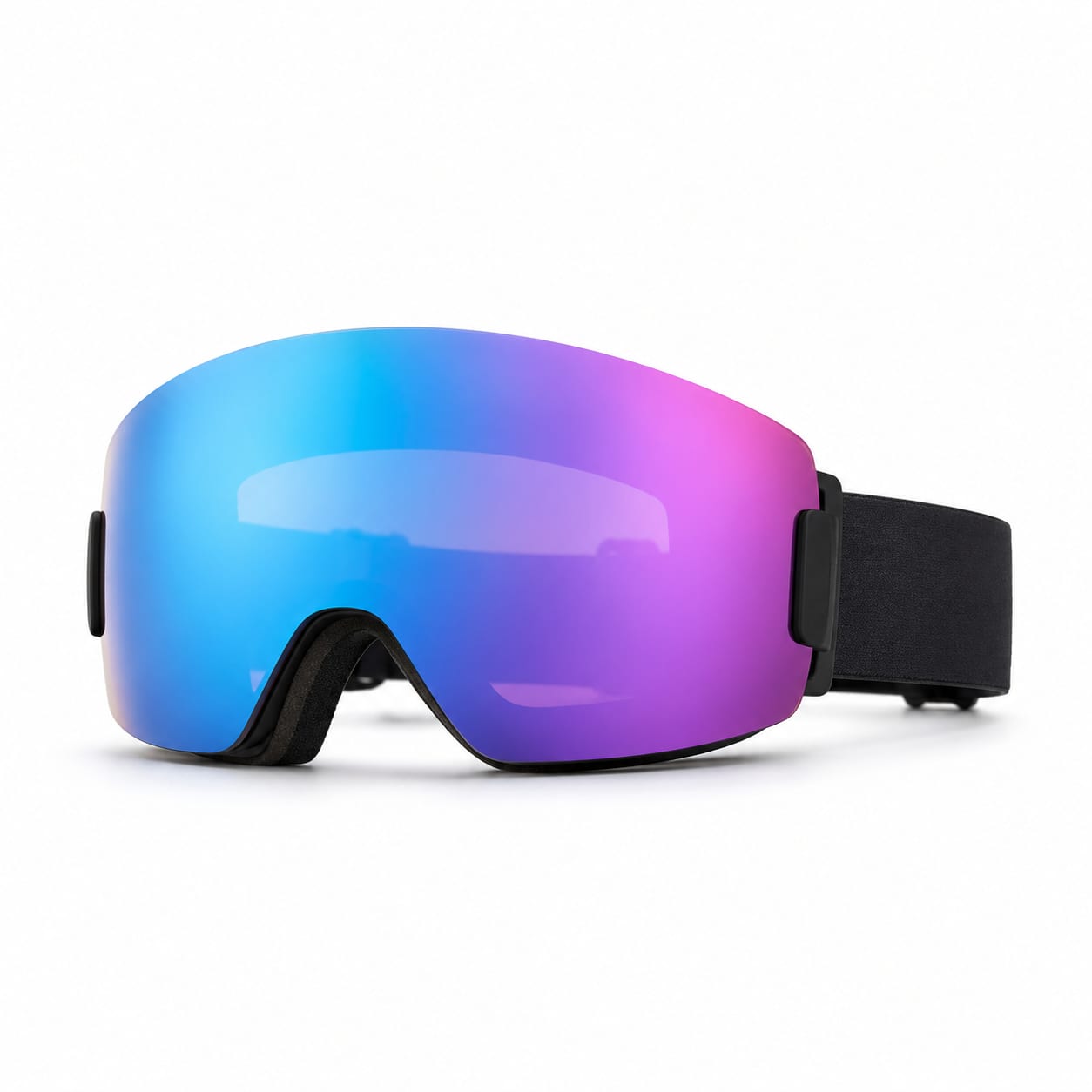
Frameless Ski Goggles
$80 – $300
Goggles with minimal or no frame structure maximizing field of view and modern aesthetics.
minimal frame visibilitymaximum peripheral visionmagnetic lens attachment
More questions
- Are cylindrical goggles good enough for serious skiing?
- Will I notice the peripheral distortion of cylindrical lenses?
- Can I swap lenses on cylindrical goggles easily?
- Why are cylindrical goggles cheaper than spherical ones?