Kitvore.com

Kitvore.com

Specs that matter. Gear that fits.

Ski Handwear · Subcategory

Heated Mittens

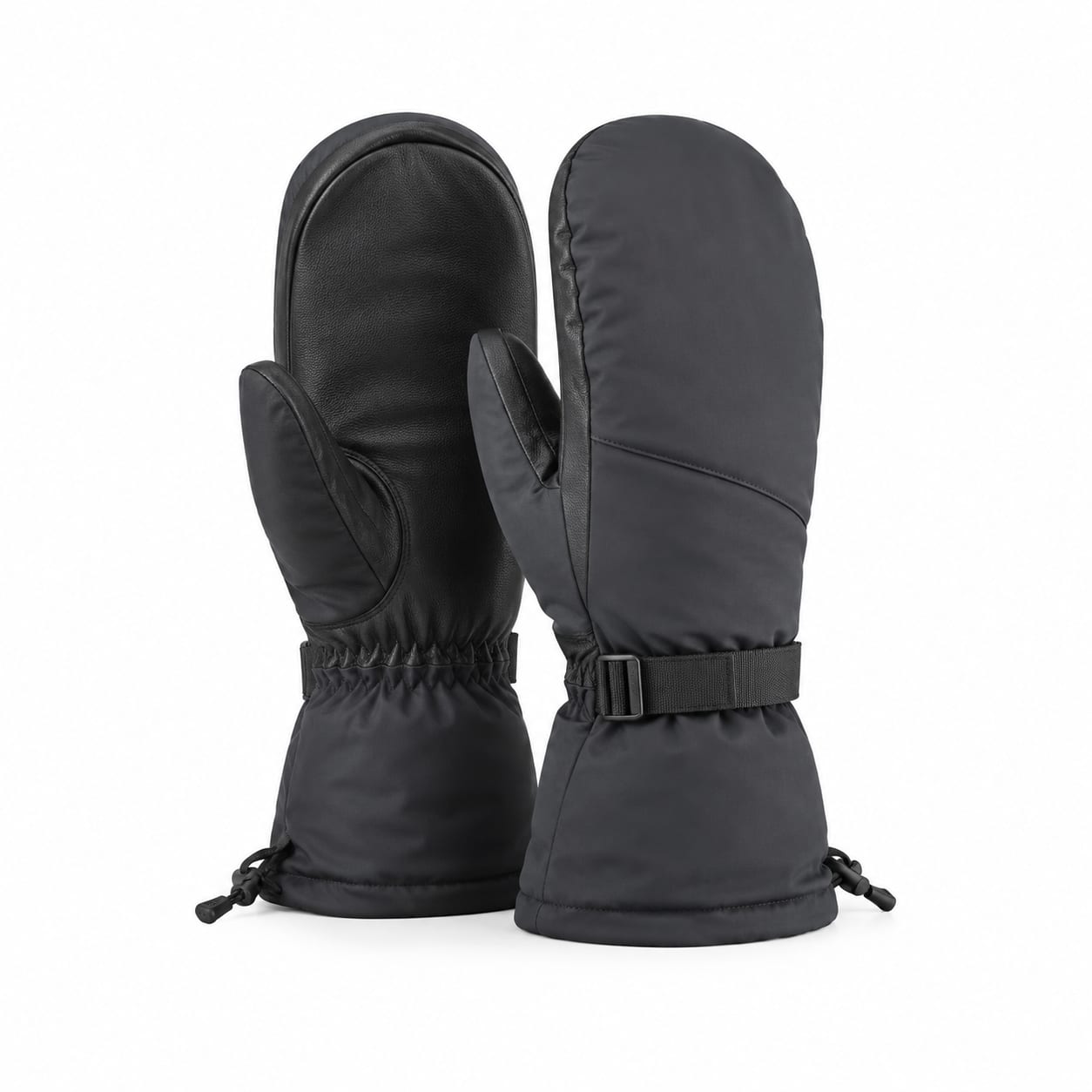
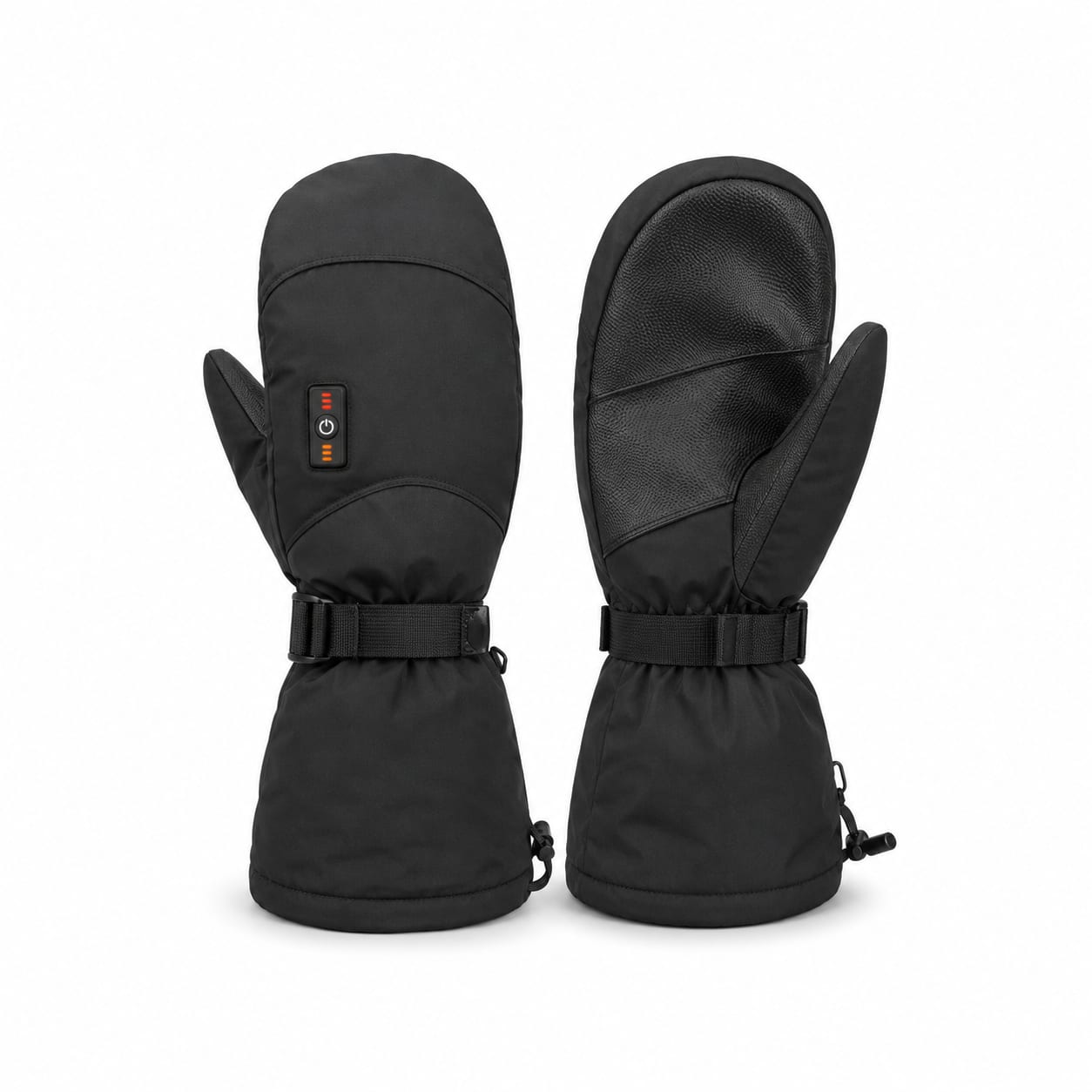
Battery-powered heated mittens combine the maximum warmth of mitten construction with active electric heating elements for on-demand temperature control in extreme cold.

Heated mittens are the ultimate cold-weather solution for skiers who suffer from chronically cold hands or ride in extreme conditions. By pairing the natural warmth advantage of mitten design—where fingers share body heat—with integrated rechargeable battery-powered heating elements across the fingers and back of hand, they deliver adjustable, reliable warmth that passive insulation alone cannot match. While they come with higher cost, added weight, and the need for battery management, for cold-sensitive riders they can be the difference between cutting a day short and skiing comfortably from first chair to last run.

$150 – $450premium tierbeginnerintermediateadvanced

Best known for

On-demand adjustable warmth via battery-powered heating elementsCombining mitten warmth with active heating for extreme cold conditionsSaving ski days for riders with poor circulation or Raynaud's syndromeMultiple heat settings that adapt to changing conditions throughout the day
Heated Mittens

Guide

Detailed overview

Heated mittens represent the pinnacle of cold-weather hand protection for skiing, merging the inherent thermal efficiency of mitten construction with active electric heating technology. Inside each mitten, thin flexible heating elements are strategically positioned across the back of the hand and around the fingers—areas most vulnerable to cold—powered by compact rechargeable lithium-ion batteries typically housed in a pocket on the cuff. Most models offer three or more heat settings, allowing riders to dial warmth up during frigid chairlift rides and scale it back during high-output descents. The mitten format is particularly well-suited to heated technology because fingers grouped together share both passive body heat and the active warmth from heating elements more efficiently than separated finger compartments. This means heated mittens often outperform heated gloves at the same battery output, making them the preferred choice for the coldest conditions. Modern heated mittens have evolved significantly from early bulky prototypes—today's models feature streamlined battery packs, rapid USB-C charging, and heating elements that are virtually undetectable during normal use. Premium options incorporate waterproof-breathable membranes, quality insulation for warmth even when batteries die, and durable palm materials for pole grip. They are particularly transformative for skiers with Raynaud's syndrome, poor circulation, or those who have never found passive insulation sufficient regardless of thickness or quality.

Heated mittens occupy a specialized but increasingly popular niche in ski handwear, addressing a problem that passive insulation alone often cannot solve: chronically cold hands in extreme conditions. For some skiers, no amount of conventional insulation keeps their hands warm—whether due to medical conditions like Raynaud's syndrome, naturally poor circulation, or simply riding in temperatures that overwhelm even the warmest traditional mittens. Heated mittens solve this by adding active warmth generation through thin, flexible heating elements powered by rechargeable lithium-ion batteries, typically delivering 2 to 8 hours of heat per charge depending on the setting.

The mitten format is the ideal platform for heated technology. Unlike gloves where heating elements must be distributed across individual finger compartments—requiring more power for less perceived warmth—mittens concentrate heat in a single finger compartment where it is shared efficiently among all fingers. This thermal efficiency means heated mittens often feel warmer than heated gloves running at the same power level, and batteries last longer on a given setting. The trade-off is reduced dexterity, but for riders choosing heated handwear, warmth is typically the non-negotiable priority.

Battery technology and placement has matured considerably. Most current heated mittens house the battery in a dedicated pocket on the gauntlet cuff, keeping weight off the hand itself while allowing easy access for power buttons and charging ports. USB-C charging has become standard, enabling convenient charging from power banks, car adapters, or wall chargers. Heat settings typically range from low (extending battery life to 6-8 hours with subtle warmth) through medium (3-5 hours of comfortable warmth) to high (1.5-3 hours of intense heat for the coldest conditions). Some premium models offer Bluetooth app control for precise temperature adjustment and battery monitoring.

A critical consideration often overlooked is that heated mittens must still function as quality passive mittens when batteries die—because at some point, they will. The best heated mittens feature substantial insulation (typically 200g+ synthetic), waterproof membranes, and quality construction that would make them competent cold-weather mittens even without the heating element. Cheaper models that skimp on passive insulation become essentially useless once the battery runs out, leaving you with cold hands and no backup. Always evaluate heated mittens as mittens first and heated products second.

The investment in heated mittens is significant—typically $200 to $500 compared to $80 to $200 for premium non-heated mittens—but for riders who regularly cut ski days short due to cold hands, the cost is easily justified. Battery longevity has improved to the point where a full day of skiing is achievable on a single charge at moderate settings, and spare batteries are available for multi-day trips. For ski professionals, instructors, and guides who spend entire days on the mountain in all conditions, heated mittens have become an essential tool rather than a luxury.

Quick facts

Primary purpose
Maximum possible warmth combining mitten design with active electric heating for extreme cold or circulation issues
Popular brands
HestraSeirusVoltSnow DeerActionHeat
Typical terrain
Extreme cold resortsHarsh winter conditionsAny terrain where warmth is the priority

What makes it different

Combines two warmth strategies—mitten finger grouping and active heating—for unmatched thermal performance

Recommended ranges

How this type usually specs out

Each spec is explained in plain language, then we show what buyers usually look for on this type.

Type

Handwear Type

What it means

The fundamental construction style of the handwear, determining finger separation and overall warmth-to-dexterity ratio.

Typical for this type

Mitten

In practice

Heated mittens use mitten construction where all fingers share a single compartment, allowing heating elements to warm fingers collectively rather than individually.

Compared to other types

Unlike heated gloves which must distribute heating elements across individual fingers with less thermal efficiency, heated mittens concentrate warmth for superior heating performance. This makes them the warmest heated option available, though at the cost of dexterity that heated gloves or 3-finger heated designs provide.

Why it matters: Mitten construction maximizes the efficiency of heating elements by concentrating warmth in one shared space. Fingers warm each other through shared body heat and shared active heat, making the heating system more effective per watt of battery power than heated glove alternatives.

Insulation

Insulation Type

What it means

The primary insulating material used inside the handwear, affecting warmth, packability, moisture resistance, and weight.

Typical for this type

Heated (With Synthetic Backup Insulation)

In practice

Heated mittens feature integrated battery-powered heating elements as the primary active warming system, combined with synthetic passive insulation as a backup for when batteries deplete.

Compared to other types

Unlike non-heated mittens that rely entirely on passive insulation (synthetic, down, or wool), heated mittens add an active warmth layer. This provides adjustable, on-demand heat that passive insulation cannot match, but introduces battery dependency that other subcategories avoid entirely.

Why it matters: The heated designation means these mittens generate warmth actively rather than relying solely on trapping body heat. However, the quality and amount of passive synthetic insulation matters enormously because batteries will eventually die, and the mittens must still provide baseline warmth passively.

Insulation Weight

Insulation Weight

What it means

The thickness or gram weight of insulation, directly correlating with warmth level. Often described as lightweight, midweight, or heavyweight.

Typical for this type

Midweight to Heavyweight (150-250g+)

In practice

Heated mittens typically use heavyweight passive insulation (200g+) to ensure warmth even when batteries are depleted, since riders choosing heated products prioritize warmth above all else.

Compared to other types

Heated mittens tend to use heavier passive insulation than non-heated mittens in the same temperature rating because their users are the most cold-sensitive riders who cannot afford any warmth gap. A non-heated midweight mitten might suffice for average riders, but heated mitten users need heavyweight backup insulation for security.

Why it matters: Heavyweight passive insulation serves as critical backup warmth when batteries die. It also means the heating elements don't have to work as hard to maintain comfortable temperatures, extending battery life. Skimping on passive insulation in a heated mitten is a serious design flaw.

Waterproofing

Waterproof Rating

What it means

The water column rating (mm) of the waterproof membrane or treatment, indicating resistance to water penetration under pressure.

Typical for this type

10000mm to 20000mm+

In practice

Most quality heated mittens feature at least 10,000mm waterproofing, with premium models reaching 20,000mm+. The electrical components make waterproofing especially critical.

Compared to other types

Heated mittens demand higher waterproof ratings than many non-heated alternatives because the consequences of water ingress are more severe—potentially ruining the heating system. While a damp non-heated mitten is merely uncomfortable, a wet heated mitten may become non-functional.

Why it matters: Waterproofing is doubly important in heated mittens because moisture can damage heating elements and battery connections in addition to making hands cold. A compromised waterproof membrane in a heated mitten is more consequential than in a non-heated model because of the electronic components at risk.

Membrane

Waterproof Membrane

What it means

The specific waterproof-breathable membrane technology used in the handwear construction.

Typical for this type

Gore Tex Or Proprietary (Proven Quality)

In practice

Gore-Tex is the most common membrane in premium heated mittens, providing reliable waterproof-breathable performance to protect electronic components while allowing moisture vapor to escape.

Compared to other types

Heated mittens benefit more from Gore-Tex membranes than non-heated alternatives because the electronic components require more reliable moisture protection. The cost premium of Gore-Tex is more easily justified in heated mittens that already command higher prices.

Why it matters: A proven waterproof-breathable membrane protects the heating elements, wiring, and battery connections from external moisture while allowing hand perspiration to escape. Breathability matters more in heated mittens because active heat can increase sweating, which must be managed to prevent cold, damp hands when heating cycles off.

Shell Material

Shell Material

What it means

The outer face fabric of the handwear, affecting durability, weather resistance, dexterity, and feel.

Typical for this type

Nylon Or Leather

In practice

Nylon is the most common shell material for heated mittens due to its durability, weather resistance, and compatibility with waterproof membranes. Leather is used in premium models for superior grip and feel.

Compared to other types

Heated mittens favor nylon shells more heavily than non-heated premium mittens because nylon's consistent weather resistance better protects electronic components. Non-heated mittens more commonly use leather shells since they don't need to safeguard wiring and heating elements from moisture penetration.

Why it matters: The shell must protect internal heating elements from abrasion and moisture while maintaining flexibility for hand movement. Nylon provides excellent durability and weather resistance at reasonable weight. Leather offers better grip and dexterity but requires waterproofing treatment to protect the electronics inside.

Palm Material

Palm Material

What it means

The material on the palm and fingers that contacts ski poles and surfaces, affecting grip, durability, and feel.

Typical for this type

Leather Or Synthetic Suede

In practice

Leather palms are common in heated mittens for their superior grip and durability, though synthetic suede alternatives provide easier maintenance and consistent wet grip.

Compared to other types

Heated mittens often use the same premium palm materials as high-end non-heated mittens because their users are already investing in top-tier products. However, synthetic suede may be preferred over leather in heated models to reduce maintenance burden—riders already managing batteries don't want to also regularly treat leather with waterproofing wax.

Why it matters: Palm material affects pole grip security, which is already reduced in mitten construction. Since heated mittens are used in extreme cold where pole grip matters for safety, choosing a palm material with reliable grip is important. Leather provides the best feel but needs waterproofing treatment; synthetic suede offers consistent performance with less maintenance.

Cuff Style

Cuff Style

What it means

The design of the glove opening and how it interfaces with jacket sleeves, affecting snow seal, warmth, and ease of use.

Typical for this type

Gauntlet

In practice

Gauntlet cuffs are standard on heated mittens because they accommodate battery packs, provide maximum snow seal, and match the extreme cold conditions these mittens are designed for.

Compared to other types

Heated mittens almost exclusively use gauntlet cuffs, whereas non-heated mittens offer more cuff variety including under-cuff options. The battery pack requirement and extreme cold target conditions make gauntlet cuffs functionally necessary for heated models.

Why it matters: Gauntlet cuffs serve multiple purposes in heated mittens: they house the battery pocket, provide the over-jacket snow seal needed in deep cold and powder, and keep cold air from creeping in at the wrist. The extended cuff also protects the battery and wiring from snow ingress. Under-cuff designs are rare in heated mittens because they can't accommodate battery packs effectively.

Closure

Closure Type

What it means

The mechanism used to secure the glove at the wrist, affecting fit adjustment, ease of use, and snow seal.

Typical for this type

Velcro Strap With Drawcord For Gauntlet

In practice

Velcro straps at the wrist combined with drawcord closures on the gauntlet are the standard configuration, providing secure fit adjustment and snow seal while accommodating battery packs.

Compared to other types

Heated mittens typically feature more robust closure systems than non-heated alternatives because they must secure battery packs and seal against the extreme conditions they're designed for. Simple elastic or slip-on closures are essentially nonexistent in heated mittens.

Why it matters: Proper closure is critical in heated mittens to seal out cold air and snow, retain heat within the mitten, and keep the battery pocket secure. The dual closure system (wrist strap + gauntlet drawcord) allows independent adjustment for comfort and weather protection. Velcro straps are easier to operate with the reduced dexterity of mittens.

Liner

Liner Type

What it means

The inner lining or removable liner of the handwear, affecting comfort, moisture management, warmth, and drying capability.

Typical for this type

Fixed Fleece Or Removable Fleece

In practice

Most heated mittens use fixed fleece liners that integrate with the heating elements, though some models offer removable liners for easier drying on multi-day trips.

Compared to other types

Heated mittens have more constrained liner options than non-heated alternatives because the liner must work with the heating system. Non-heated mittens can freely use any liner type, while heated models must ensure the liner doesn't interfere with heat transfer from elements to the hand.

Why it matters: The liner must interface properly with heating elements, which are often sewn into the liner or positioned between the liner and insulation. Fixed liners ensure consistent heating element placement but are harder to dry. Removable liners offer better drying capability but must be carefully repositioned to maintain proper heating element contact with the hand.

Heated

Heated

What it means

Whether the handwear includes battery-powered heating elements for active warmth generation.

Typical for this type

True

In practice

By definition, heated mittens include integrated rechargeable battery-powered heating elements, typically positioned across the back of hand and around the fingers.

Compared to other types

This is the fundamental differentiator. Non-heated mittens rely entirely on passive insulation and body heat retention. Heated mittens actively generate warmth, making them the only option for riders whose hands remain cold regardless of passive insulation quality or thickness.

Why it matters: The heated feature is the defining characteristic of this subcategory. Heating elements provide adjustable, on-demand warmth that passive insulation cannot match. Most systems offer 3+ heat settings and deliver 2-8 hours of active heating per charge. This feature transforms the cold-weather experience for riders who cannot stay warm with passive insulation alone.

Touchscreen

Touchscreen Compatible

What it means

Whether the glove includes conductive material on fingertips allowing smartphone and touchscreen use without removing gloves.

Typical for this type

True (Preferred On Thumb And Index Finger Area)

In practice

Many heated mittens include touchscreen-compatible material on the thumb, allowing basic phone interaction without removing the mitten—which is especially valuable given the difficulty of removing and re-donning heated mittens with battery packs.

Compared to other types

Heated mittens benefit more from touchscreen compatibility than non-heated mittens because the cost of removing them (in terms of lost heat and hassle) is higher. Heated gloves can offer touchscreen capability on multiple fingers, but heated mittens are typically limited to the thumb.

Why it matters: Touchscreen compatibility is more valuable in heated mittens than in most other handwear because removing a heated mitten means exposing hands to cold and dealing with the battery pack and wrist leash. Being able to answer a call, check a trail map, or take a photo without fully removing the mitten is a significant convenience. However, mitten construction limits touchscreen capability to the thumb area only.

Nose Wipe

Nose Wipe Panel

What it means

A soft fabric panel on the thumb or back of hand designed for wiping the nose and face without irritating skin.

Typical for this type

True

In practice

Most heated mittens include a soft nose wipe panel on the thumb, which is especially appreciated in the extreme cold conditions these mittens are designed for.

Compared to other types

Nose wipe panels are equally common in heated and non-heated mittens designed for cold conditions, but the feature is arguably more important in heated mittens because their users spend more time in extreme cold where runny noses are guaranteed.

Why it matters: Nose wipe panels are particularly valuable in heated mittens because the extreme cold conditions they're used in inevitably cause runny noses. Without a soft wipe panel, riders would need to use the abrasive shell material against their face or remove the mitten—both unpleasant options in extreme cold. This small feature has outsized quality-of-life impact for heated mitten users.

Wrist Leash

Wrist Leash

What it means

A loop or cord attached to the glove that goes around the wrist, preventing gloves from falling off or being lost when removed.

Typical for this type

True (Strongly Recommended)

In practice

Wrist leashes are standard and strongly recommended on heated mittens given their high cost and the difficulty of replacing them mid-trip if lost.

Compared to other types

While wrist leashes are recommended for all ski handwear, they are functionally essential for heated mittens due to the much higher replacement cost and lower availability. Losing a $50 mitten is inconvenient; losing a $350 heated mitten with its battery is a trip-ruining event.

Why it matters: Wrist leashes are more important for heated mittens than for almost any other handwear because of their cost ($200-500) and the fact that losing one mid-trip means losing both the mitten and its paired battery. Replacing heated mittens at a resort is nearly impossible. The leash prevents catastrophic loss when removing mittens on chairlifts or during breaks.

Reinforcements

Reinforcement Areas

What it means

Additional material layers in high-wear areas to improve durability where gloves typically wear out first.

Typical for this type

Palm And Thumb Crotch (Minimum)

Most common pick: Palm, Thumb Crotch

In practice

Heated mittens typically reinforce the palm for pole grip durability and the thumb crotch—the most common failure point—to protect the investment in expensive heated handwear.

Compared to other types

Heated mittens benefit more from reinforcement than non-heated alternatives because the cost of premature failure is higher—when a heated mitten blows out, you lose both the mitten and its integrated heating system. Non-heated mittens are cheaper to replace when they wear out.

Why it matters: Reinforcements extend the life of expensive heated mittens. Palm reinforcement withstands pole grip abrasion, and thumb crotch reinforcement prevents the most common blowout failure. Given the high cost of heated mittens, durability features that extend their lifespan provide excellent return on investment. Reinforcements also protect the wiring pathways that often run near these high-stress areas.

Size

Size / Fit

What it means

The sizing and overall fit profile of the handwear, critical for warmth, dexterity, and comfort. Proper fit ensures insulation works effectively.

Typical for this type

Slightly Loose Fit Preferred Over Tight; Ensure Small Air Gap At Fingertips

Most common pick: True to Size With Slight Room For Air Gap

In practice

Proper fit is critical in heated mittens—too tight restricts circulation (causing cold hands despite heating) and compresses insulation, while too loose reduces dexterity and heating efficiency. A small air gap at the fingertips allows insulation to work and heating elements to warm the air pocket around fingers.

Compared to other types

Fit is more critical in heated mittens than non-heated alternatives because the consequences of poor fit are more severe—an ill-fitting heated mitten wastes battery power fighting restricted circulation, while an ill-fitting non-heated mitten is merely less warm. Heated mittens also need to accommodate the battery pack at the cuff without creating pressure points.

Why it matters: Fit affects heated mitten performance more than non-heated alternatives because restricted circulation from too-tight fit directly counteracts the heating system's purpose. Hands that are squeezed have reduced blood flow, and no amount of active heating can fully compensate for restricted circulation. The heating elements also need a small air space to effectively warm the finger compartment rather than pressing directly against skin unevenly.

Gender

Gender Target

What it means

The intended gender fit of the handwear, affecting palm width, finger length, and overall proportions.

Typical for this type

Gender-Specific Fit Preferred For Best Performance

Most common pick: Unisex

In practice

Many heated mittens are offered in unisex sizing, though an increasing number of brands provide men's and women's specific models with proportioned fits for better heating element contact and comfort.

Compared to other types

Heated mittens have fewer gender-specific options than non-heated alternatives due to the smaller market and higher development costs for heated products. However, gender-specific heated mittens provide measurably better heating performance because the elements are positioned for the intended hand proportions.

Why it matters: Gender-specific fit ensures heating elements make proper contact with the hand and fingers. A women's hand in a unisex (often men's-proportioned) mitten may have heating elements misaligned with fingers, reducing effectiveness. Proper proportions also improve overall comfort and dexterity, which matters more in expensive heated products.

Evaluation

Strengths and trade-offs

Pros

What this type does best

On-demand adjustable warmth

Critical

Multiple heat settings allow you to dial in exactly the warmth you need—low for mild days, high for bitter cold chairlift rides. This adaptability means one pair of mittens can handle a wider range of conditions than passive insulation alone.

Maximum possible warmth for skiing

Critical

Combining mitten construction (fingers sharing warmth) with active heating elements creates the warmest possible ski handwear. For riders who cannot stay warm with any passive solution, heated mittens are the answer.

Transformative for cold-sensitive riders

Critical

Riders with Raynaud's syndrome, poor circulation, or naturally cold hands often find heated mittens life-changing, enabling full ski days that were previously impossible. The psychological relief of knowing your hands will stay warm is significant.

Efficient heating in mitten format

High

Mitten construction makes heating elements more effective than in gloves because warmth is shared among all fingers in a single compartment. This means better perceived warmth per watt of battery power and longer battery life at equivalent comfort levels.

Adaptable to changing conditions

High

You can start on low heat in the morning, bump to high during the coldest midday hours, and adjust down as temperatures rise—something passive insulation cannot do. This eliminates the over-insulation/under-insulation dilemma.

Warmth even when stationary

High

Unlike passive insulation that relies on body heat generation, heated mittens actively warm your hands during low-activity periods like long chairlift rides, lunch breaks, and lift lines—exactly when hands get coldest.

Extended ski seasons and conditions

Medium

Heated mittens enable comfortable skiing in conditions that would otherwise be unbearable—early season cold snaps, late season wind chill, high altitude expeditions, and polar vortex conditions become manageable.

Cons

Trade-offs to be aware of

High cost

Significant

Quality heated mittens cost $200-500, roughly 2-4 times more than premium non-heated mittens. This is a significant investment, and the heating system adds complexity that can fail outside of warranty periods.

Battery management required

Significant

You must charge batteries before each ski day and monitor remaining capacity. A dead battery means losing the primary warmth source, and forgetting to charge effectively ruins your ski day if you depend on the heating. Spare batteries add cost and bulk.

Added weight and bulk

Moderate

Battery packs add 100-200g per mitten, and the gauntlet cuff must accommodate the battery pocket. This extra weight is noticeable on the hands and can cause fatigue on long days, though most riders adapt quickly.

Reduced dexterity from mitten construction

Moderate

Mitten construction already limits dexterity compared to gloves, and the heating elements and battery pack further reduce feel and flexibility. Adjusting goggles, operating zippers, and handling small objects require removing the mitten.

Potential for electronic failure

Moderate

Heating elements, wiring, batteries, and control electronics can fail—sometimes without warning. A broken wire or failed battery renders the heating system useless, leaving you with an expensive passive mitten. Warranty coverage and brand reliability matter more here than with non-heated alternatives.

Limited battery life on high settings

Minor

On the highest heat setting needed for extreme cold, most batteries last only 1.5-3 hours—often less than a full ski day. This requires either carrying spare batteries, conserving heat on lower settings, or recharging during lunch breaks.

Best for

Terrain

All resort terrainBackcountryHigh altitudeExposed ridgelines and bowls

Snow conditions

Extreme cold (-20°C / -4°F and below)Deep winter conditionsHigh wind chillLong cold chairlift ridesCoastal freeze-thaw cyclesEarly and late season cold snaps

Skill level

BeginnerIntermediateAdvancedExpert

Riding style

Resort cruisingAll-mountainBackcountry touringFreeride

Rider profile

Riders with Raynaud's syndrome or poor circulationSkiers with chronically cold hands regardless of insulationSki instructors and guides who spend all day on the mountainOlder riders with decreased circulationRiders in extreme cold climates (interior Canada, Northern Europe, high altitude)Parents who need warm hands for helping childrenSkiers who frequently take long chairlift rides

Not ideal for

Reasons

Overkill for mild conditions where passive insulation sufficesReduced dexterity limits tasks requiring fine motor skillsBattery management adds complexity for casual or occasional skiersHigh cost is difficult to justify for riders who don't need active heatingWeight and bulk are noticeable during high-output activities like uphill touring

Terrain

Spring corn snow in warm conditionsTerrain parks where dexterity matters

Riding style

Park and pipe (dexterity needed for grabs and adjustments)Ski racing (pole grip precision and feel required)Warm weather touring (overheating risk)

Compare

How it stacks up

This page

Heated Mittens

Active heating provides adjustable, on-demand warmth that passive insulation cannot match. Heated mittens work even when your body isn't generating much heat (long lift rides, standing in line). Multiple heat settings adapt to varying conditions throughout the day.

Alternative

Heated Mittens

Non-heated mittens are significantly cheaper ($80-200 vs $200-500), lighter weight, require no battery management, and have no electronic components to fail. They're simpler and more reliable for riders whose hands stay warm with passive insulation.

Bottom line

Choose heated mittens if your hands are chronically cold despite quality passive insulation. Choose non-heated mittens if passive insulation keeps you warm—save the money and complexity.

This page

Heated Mittens

Heated mittens are warmer than heated gloves at the same battery output because mitten construction shares warmth among all fingers efficiently. Battery life is effectively longer because less power is needed for equivalent comfort. The mitten format also allows larger heating elements that cover more surface area.

Alternative

Heated Gloves

Heated gloves provide significantly better dexterity for pole grip, goggle adjustments, zipper operation, and equipment handling. Individual finger compartments allow more natural hand movement. Better for riders who need both active heating and functional dexterity.

Bottom line

Choose heated mittens if maximum warmth is your priority and you can accept mitten dexterity limitations. Choose heated gloves if you need active heating but cannot sacrifice the dexterity and pole grip that glove construction provides.

This page

Heated Mittens

Heated mittens are warmer than heated 3-finger designs because all four fingers share a single heated compartment rather than being split into two groups. The single compartment is more thermally efficient for heating element coverage and shared warmth.

Alternative

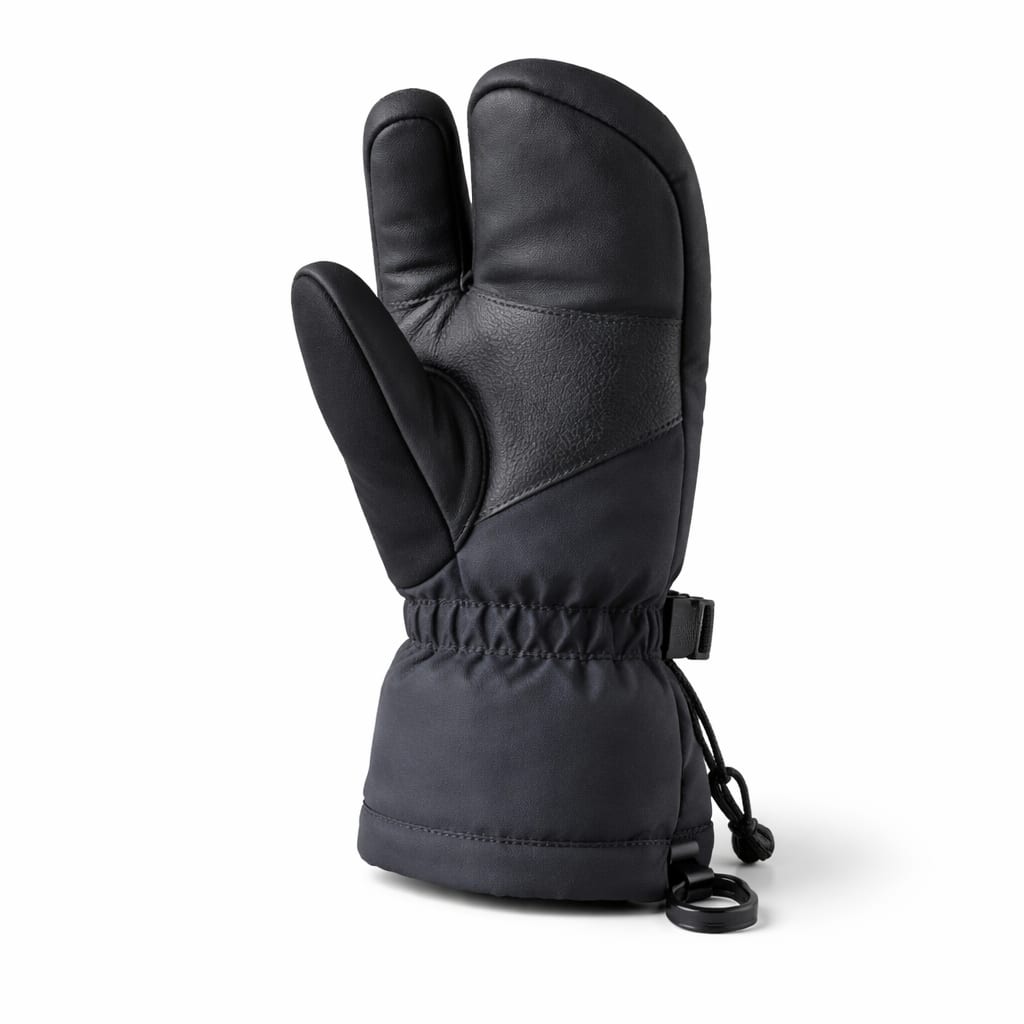
Heated 3-Finger / Lobster Mittens

Heated 3-finger designs offer better pole grip and dexterity by separating the index finger, while still grouping the remaining three fingers for shared warmth. They're an excellent compromise for riders who need functional pole grip in extreme cold.

Bottom line

Choose heated mittens if warmth is the absolute priority and you can manage pole grip with a mitten. Choose heated 3-finger designs if you need near-mitten warmth but can't give up the index finger dexterity for pole grip and goggle adjustments.

This page

Heated Mittens

Integrated heated mittens have heating elements optimally positioned and secured within the mitten structure, ensuring consistent heat delivery to the right areas. They're simpler to use—just charge and go—without managing separate liner and shell components.

Alternative

Heated Liner + Shell System

A heated liner plus shell system offers maximum versatility: use the heated liner alone in mild conditions, with the shell in cold conditions, or swap shells for different weather. If the heating system fails, you can replace just the liner rather than the entire mitten. Often more affordable.

Bottom line

Choose integrated heated mittens for simplicity, reliability, and optimized heating element placement. Choose a heated liner + shell system for versatility, easier repair/replacement, and the option to use components independently.

Shopping

Buying tips

  • 1

    Evaluate heated mittens as passive mittens first—if the battery dies, you still need them to keep your hands warm. Check insulation weight, waterproofing, and construction quality before considering the heating features.

  • 2

    Prioritize models with substantial passive insulation (200g+ synthetic). Mittens that rely entirely on the heating system leave you with cold hands when batteries inevitably run out.

  • 3

    Check battery life claims against realistic skiing days. Most riders need 5-7 hours of heating per day. If the battery only lasts 3 hours on high, budget for spare batteries or plan for midday recharging.

  • 4

    Look for USB-C charging—it's faster and more convenient than older barrel plug connectors. Some models support pass-through charging, allowing you to use a power bank to extend runtime on the mountain.

  • 5

    Test the power button location and ease of use with the mittens on. You'll need to adjust heat settings without removing the mitten, so the controls must be accessible and operable with your opposite mitten hand.

  • 6

    Consider models with Bluetooth app control for precise temperature adjustment and battery monitoring. While not essential, it's convenient for checking remaining battery life without removing the mitten.

  • 7

    Buy from reputable brands with proven track records in heated gear. Heating element reliability and warranty support vary significantly between manufacturers. Read reviews specifically about long-term durability, not just first impressions.

  • 8

    Size up slightly if between sizes—tight fit restricts circulation and counteracts the heating system. There should be a small air gap at the fingertips for insulation to work and heating elements to warm the air pocket effectively.

  • 9

    Factor in the cost of spare batteries ($40-80 each) if you plan multi-day trips. One full day per charge is typical; multi-day trips without charging access require spare batteries.

  • 10

    Check whether the battery is integrated or removable. Removable batteries can be swapped for spares and replaced when they eventually degrade, while integrated batteries mean replacing the entire mitten when the battery fails.

Care

Maintenance notes

  • Charge batteries to 100% before each ski day. Develop a post-ski routine of plugging in batteries immediately after returning to your lodging.
  • Store batteries at approximately 50% charge during the off-season to maximize lithium-ion battery lifespan. Fully depleted or fully charged long-term storage degrades battery capacity.
  • Never machine wash heated mittens—the washing machine will destroy the heating elements and wiring. Spot clean the exterior with a damp cloth and mild soap. Hand wash the removable liner separately if applicable.
  • Ensure mittens and batteries are completely dry before charging. Moisture in the charging port can cause short circuits and damage the electronics.
  • Inspect wiring connections at the battery pocket and along the cuff at the start of each season. Loose or damaged wiring is the most common failure point and should be addressed before it becomes a complete break.
  • If your heated mittens have leather palms, treat them with waterproofing wax or cream at the start and midpoint of each season. Well-maintained leather lasts significantly longer and maintains better grip.
  • Remove batteries before storing mittens for the season. Store batteries in a cool, dry place at approximately 50% charge. Check and recharge to 50% every 2-3 months during storage to prevent deep discharge.
  • If heating performance declines over time, the battery is likely degrading rather than the heating elements failing. Try a replacement battery before replacing the mittens—batteries are consumable and typically last 2-4 seasons with regular use.
  • Avoid leaving mittens in extreme cold (like a car trunk overnight) with batteries installed. Cold temperatures degrade battery performance and can cause permanent capacity loss if the battery freezes while depleted.

Progression

Skill development path

Heated mittens are not skill-dependent—they provide the same warmth benefits regardless of skiing ability. However, their value proposition shifts with experience. Beginners benefit from the comfort that keeps them on the mountain longer during the critical learning phase when they're most likely to quit due to cold. Intermediates appreciate the adjustable warmth as they venture into more varied conditions and longer days. Advanced and expert skiers, especially those in extreme environments or with medical conditions, often consider heated mittens essential equipment rather than a luxury. The key progression is recognizing when passive insulation is insufficient—typically after trying multiple high-quality non-heated options and still experiencing cold hands. Riders who have never had cold hand issues rarely need heated mittens regardless of skill level.

FAQ

Common questions

Each question has a dedicated page with a full answer and links to the buying guide.

How long do heated mitten batteries last on a single charge?

Battery life varies by heat setting and brand, but typically ranges from 1.5-3 hours on high, 3-5 hours on medium, and 5-8 hours on low. Most riders use medium as their default and switch to high only during the coldest periods like chairlift rides. Carrying a spare battery or recharging during lunch ensures full-day coverage. Battery capacity degrades over time—expect 2-4 seasons of regular use before noticeable decline.

Can I still use heated mittens if the battery dies?

Yes, quality heated mittens function as regular insulated mittens when the battery is dead or removed. This is why it's critical to choose heated mittens with substantial passive insulation (200g+ synthetic). Cheap models that skimp on passive insulation become nearly useless without battery power. Always evaluate the mitten's passive warmth before considering the heating feature.

Are heated mittens safe in wet conditions? What about the electronics?

Quality heated mittens are designed for skiing conditions and include waterproof membranes and sealed electronics compartments. The heating elements are embedded within the insulation and protected by the waterproof shell. However, water ingress through damaged seams or an open battery compartment can damage electronics. Always ensure the battery pocket is fully sealed and the waterproof membrane is intact. If the mitten becomes soaked internally, remove the battery immediately and dry thoroughly before reuse.

How do I wash heated mittens without damaging the heating elements?

Never machine wash heated mittens—the agitation and water pressure will damage the heating elements and wiring. Instead, remove the batteries and spot clean the exterior with a damp cloth and mild soap. If the liner is removable, hand wash it separately in cool water and air dry. For the shell, wipe down the surface and allow to air dry completely before reinstalling batteries. Always ensure the mittens are fully dry before charging or using.