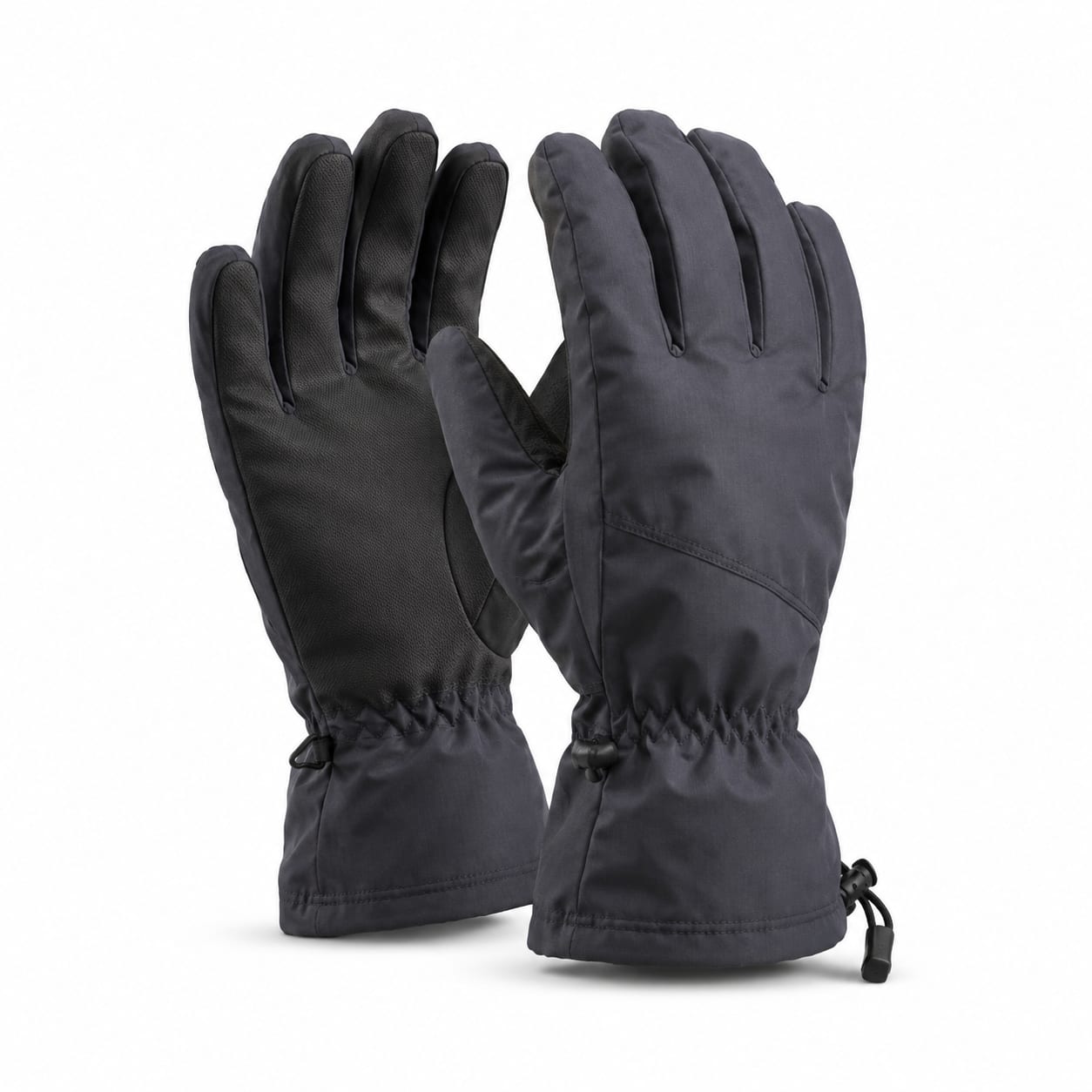
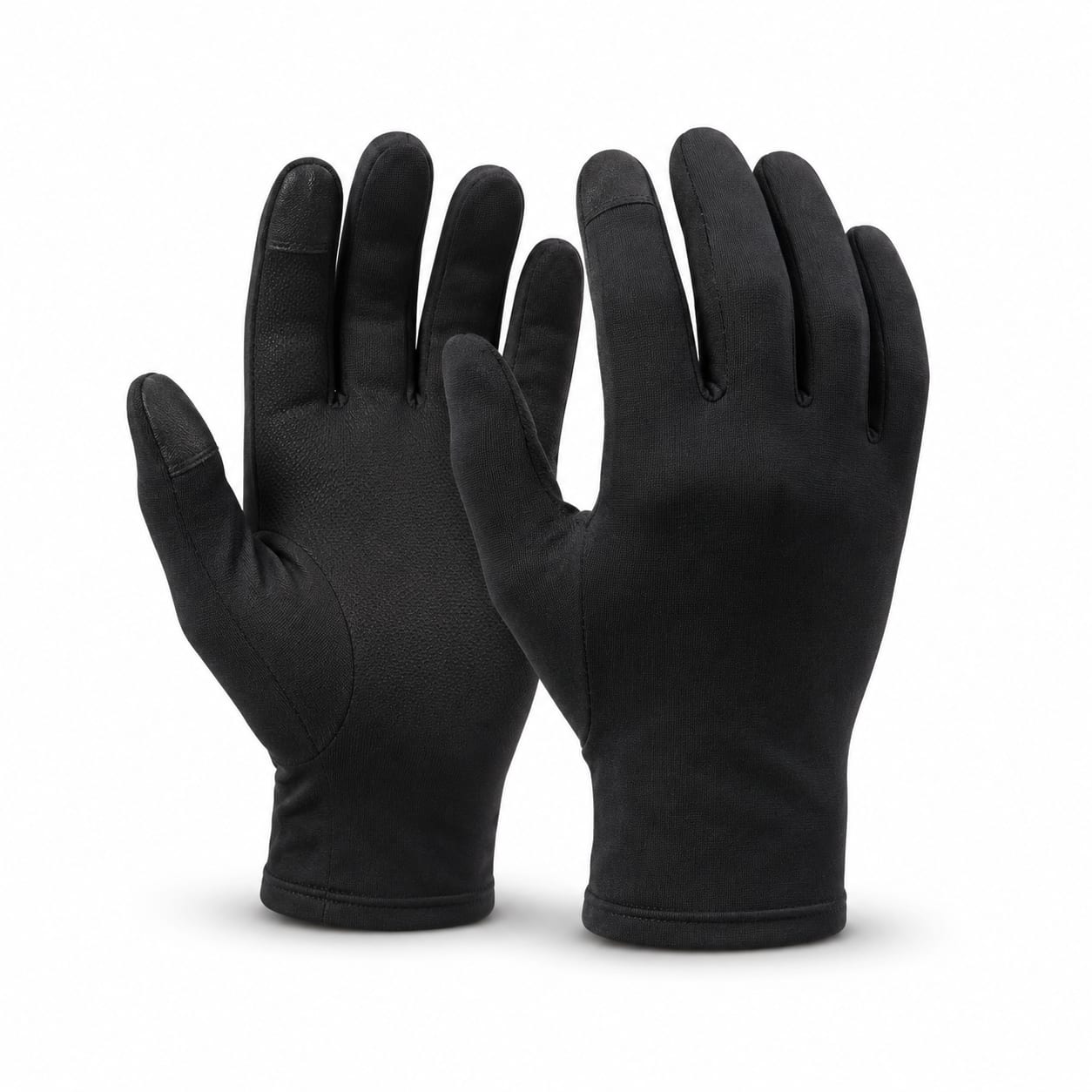
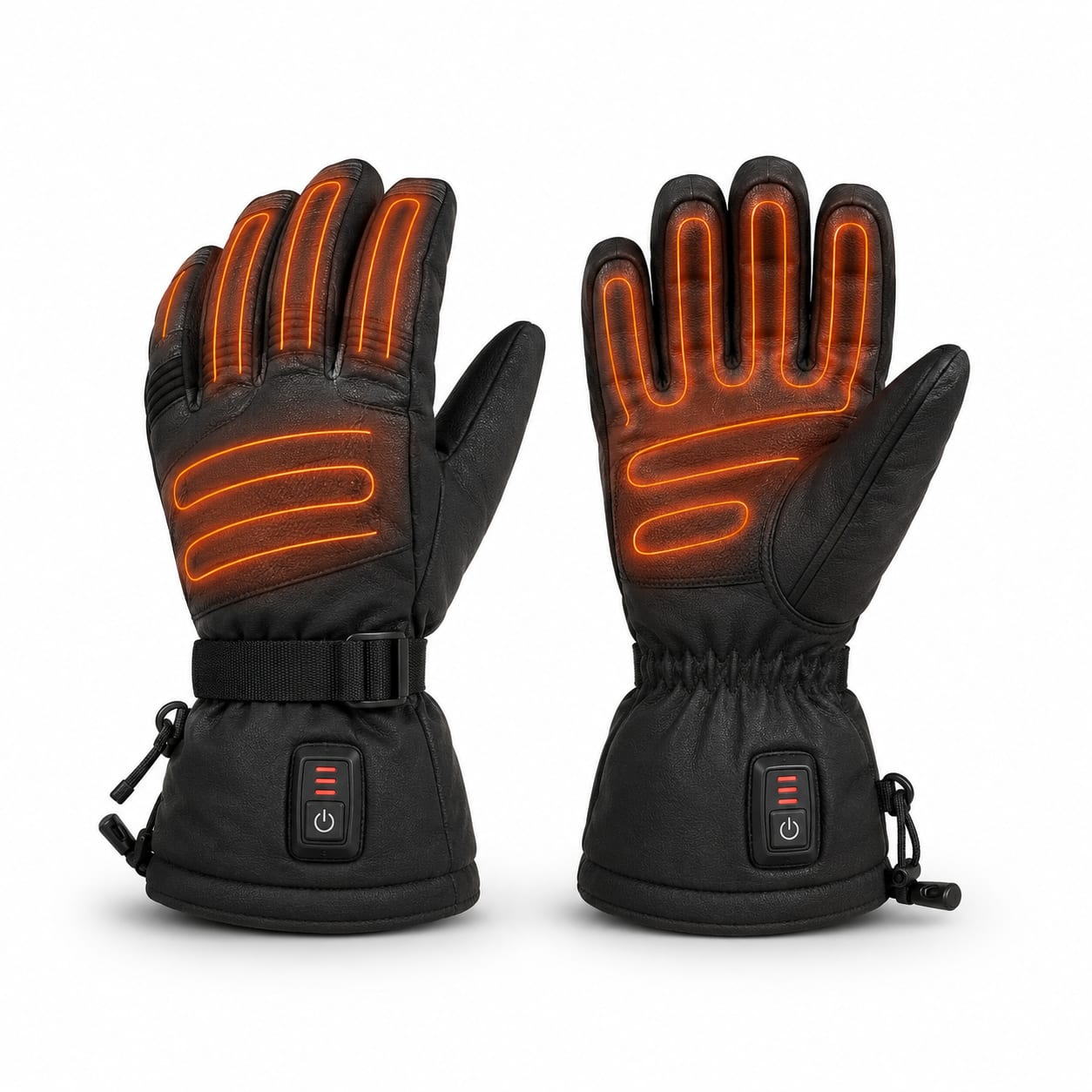
What it means
The fundamental construction style of the handwear, determining finger separation and overall warmth-to-dexterity ratio.
Typical for this type
N/A — This Subcategory Is Defined By Its Convertible Nature
Most common pick: Hybrid (Glove + Mitten)
In practice
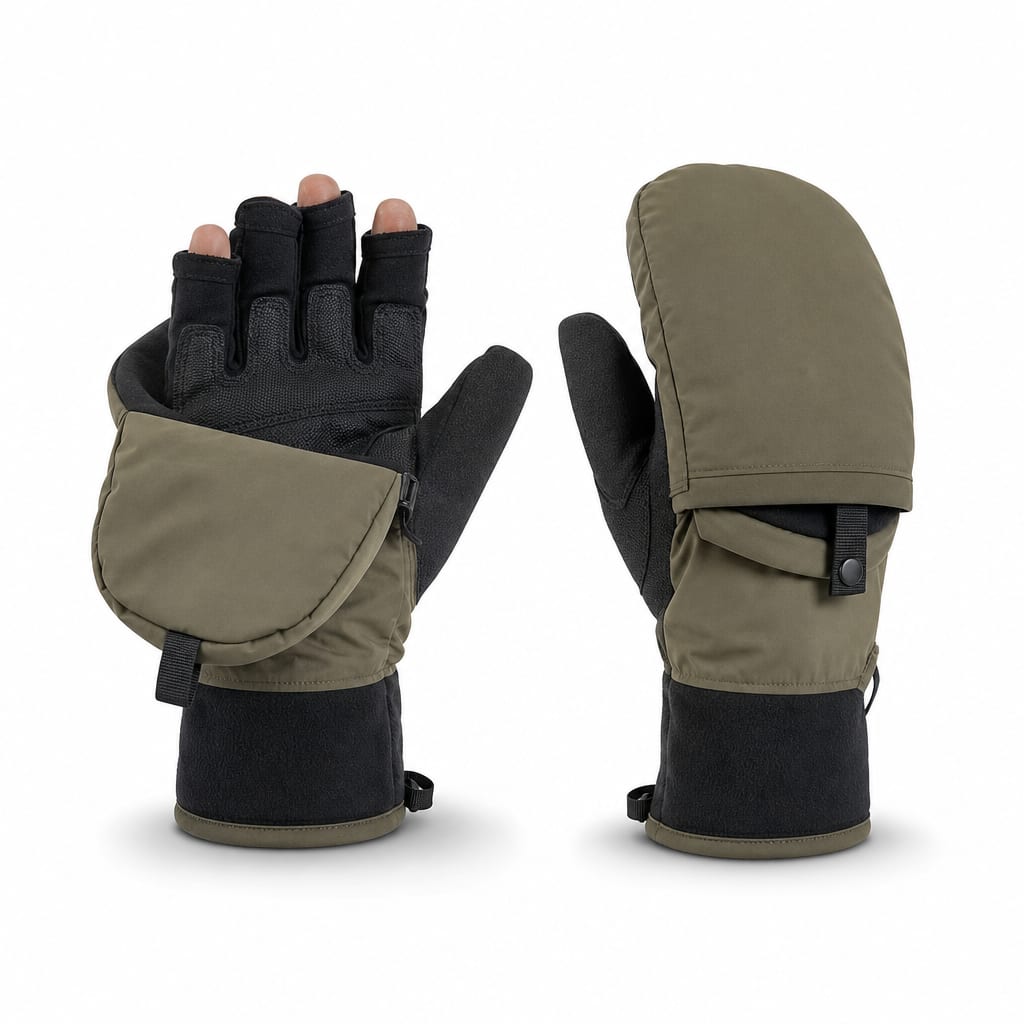
Flip-mitts function as gloves when the mitten hood is flipped back and as mittens when the hood is deployed over the fingers. The thumb remains in a separate compartment at all times.
Compared to other types
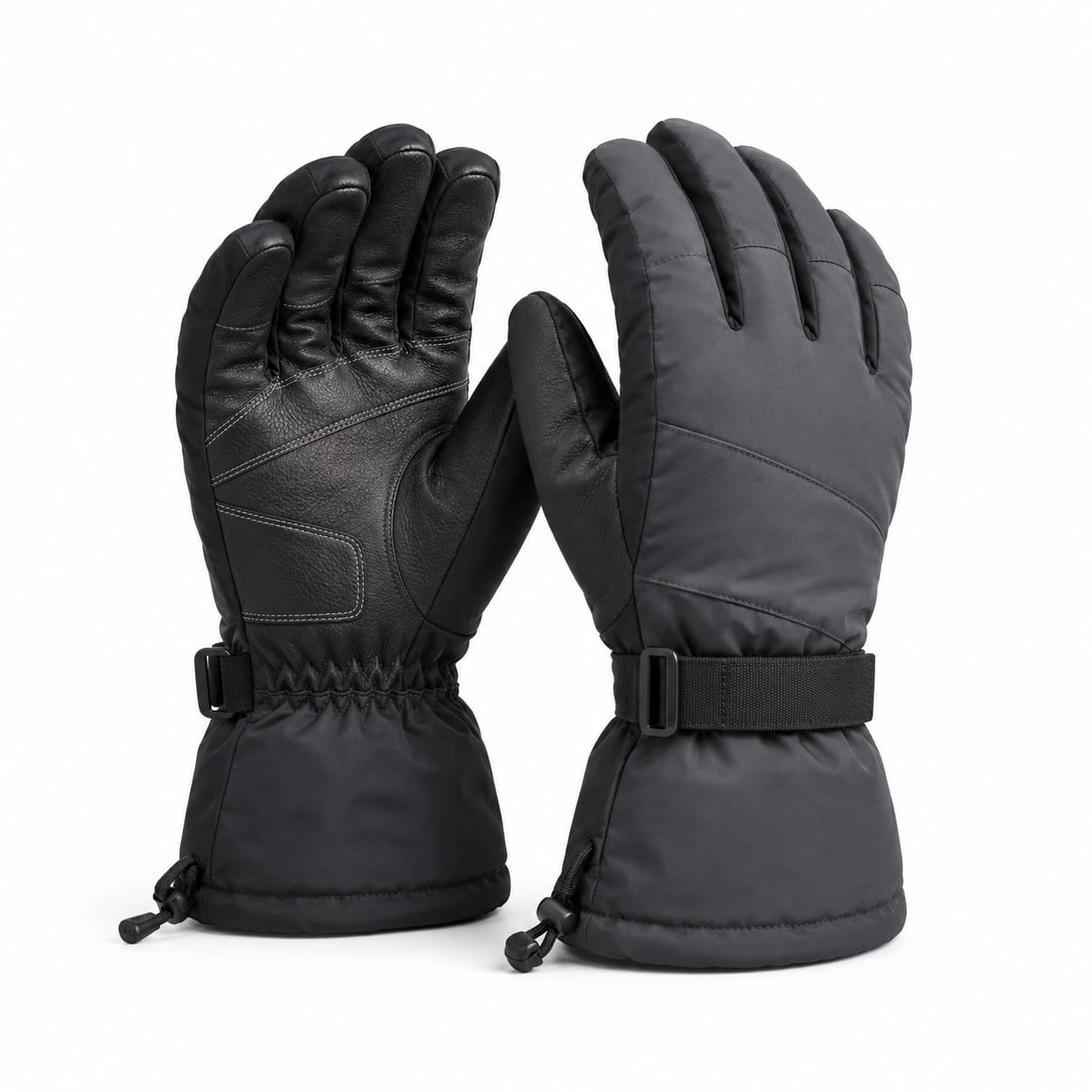
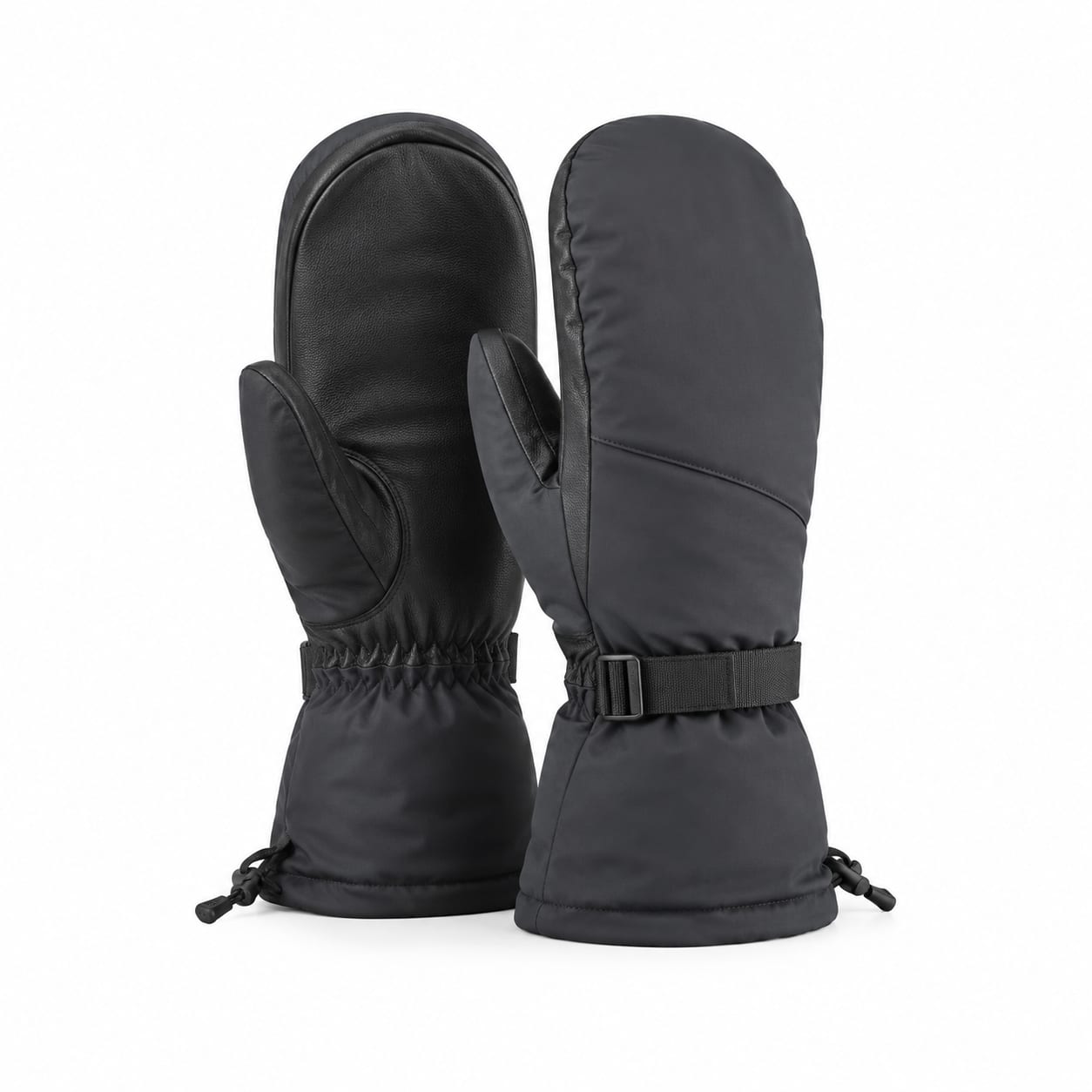
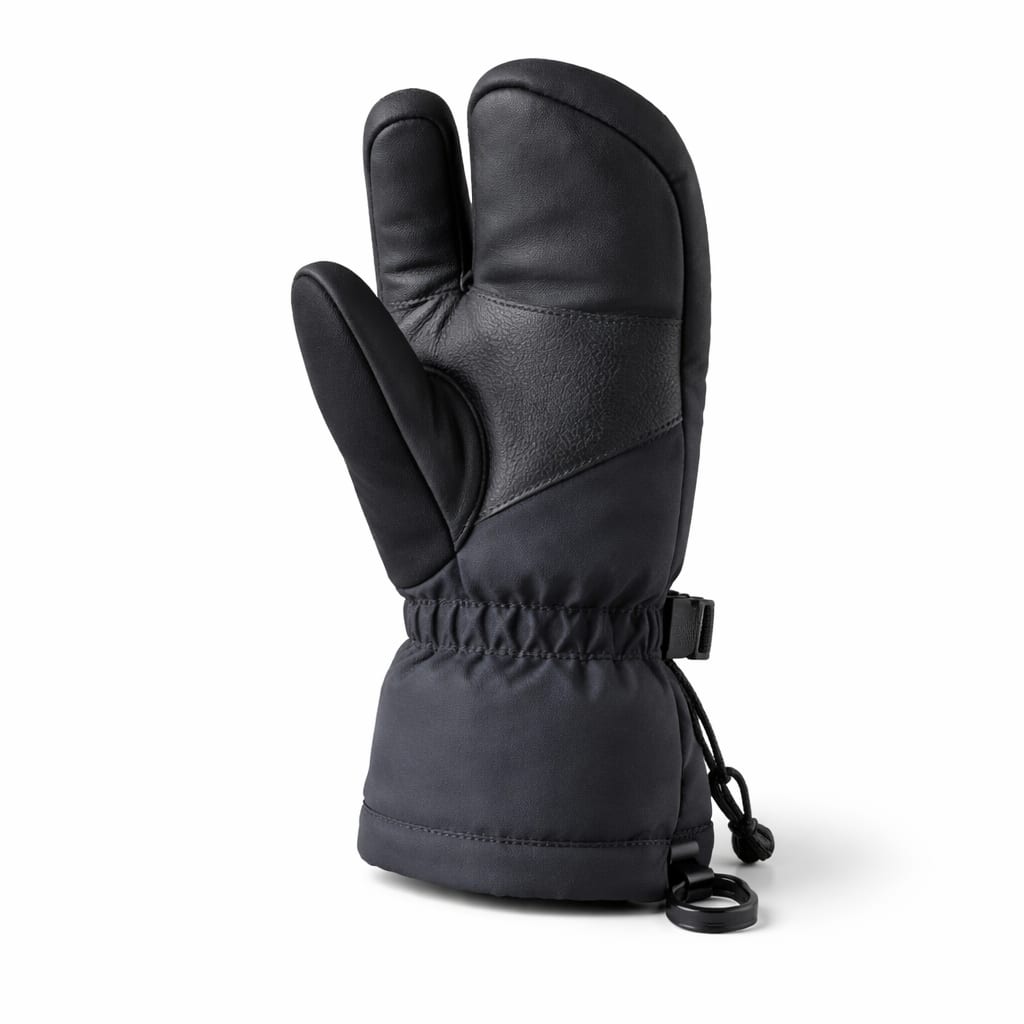
Unlike dedicated gloves or mittens, flip-mitts provide both modes. They offer more dexterity than 3-finger or trigger mittens when flipped open, and comparable warmth to full mittens when closed.
Why it matters: The hybrid type is the defining feature of this subcategory, offering the warmth of mittens and dexterity of gloves in a single piece of handwear.
Insulation
Insulation Type
What it means
The primary insulating material used inside the handwear, affecting warmth, packability, moisture resistance, and weight.
Typical for this type
Synthetic For All-Around Use; Down For Extreme Dry Cold
Most common pick: Synthetic (Primaloft, Thinsulate)
In practice
Most flip-mitts use synthetic insulation because it retains warmth when damp — important since the flip mechanism can allow some moisture ingress. The inner glove layer may have lighter insulation or none for dexterity.
Compared to other types
Similar insulation options to gloves and mittens, but synthetic is disproportionately favored in flip-mitts due to the moisture vulnerability of the flip opening.
Why it matters: Synthetic insulation ensures reliable warmth even if the hinge area allows slight moisture penetration, which is more likely than with sealed gloves or mittens.
Insulation Weight
Insulation Weight
What it means
The thickness or gram weight of insulation, directly correlating with warmth level. Often described as lightweight, midweight, or heavyweight.
Typical for this type
Midweight For Versatility; Lightweight Inner With Heavyweight Outer For Maximum Range
Most common pick: Midweight (100-200g)
In practice
Most flip-mitts use midweight insulation as a compromise, since the convertible design itself provides temperature regulation. Some premium models feature lighter inner glove insulation with heavier mitten hood insulation for a wider comfort range.
Compared to other types
Flip-mitts often use slightly less insulation than dedicated mittens because the convertible design provides inherent temperature regulation — you can vent by flipping open instead of relying solely on insulation level.
Why it matters: The right insulation weight determines whether the flip-mitt can cover your full range of conditions. Too heavy and you'll overheat with the hood open; too light and the hood won't provide enough warmth when closed.
Waterproofing
Waterproof Rating
What it means
The water column rating (mm) of the waterproof membrane or treatment, indicating resistance to water penetration under pressure.
Typical for this type
10, 000mm minimum; 10, 000-20, 000mm for wet climates and deep powder
In practice
The flip hinge creates a potential entry point for moisture, making a robust waterproof membrane especially important. A 10,000mm rating provides reliable protection for most conditions, while 20,000mm is recommended for wet coastal snow or deep powder where the mitten hood is frequently in contact with snow.
Compared to other types
Flip-mitts benefit more from higher waterproof ratings than sealed gloves or mittens because the flip mechanism introduces additional potential moisture entry points.
Why it matters: The convertible design inherently has more seams and openings than traditional gloves or mittens, so a higher waterproof rating helps compensate for the structural vulnerability at the flip hinge.
Membrane
Waterproof Membrane
What it means
The specific waterproof-breathable membrane technology used in the handwear construction.
Typical for this type
Gore-Tex For Maximum Reliability; Proprietary For Value
Most common pick: Proprietary Or Gore-Tex
In practice
Both Gore-Tex and quality proprietary membranes are common in flip-mitts. Gore-Tex provides proven performance but adds cost. The membrane is particularly important in flip-mitts because the hinge area is more vulnerable to moisture penetration.
Compared to other types
Membrane quality matters more in flip-mitts than in fully sealed gloves or mittens due to the additional construction complexity of the flip mechanism.
Why it matters: A reliable membrane is critical in flip-mitts to compensate for the additional seams and the flip opening that can allow moisture ingress in ways that traditional gloves do not.
Shell Material
Shell Material
What it means
The outer face fabric of the handwear, affecting durability, weather resistance, dexterity, and feel.
Typical for this type
Nylon For Durability; Leather Palm For Grip; Softshell For Touring-Focused Models
In practice
Nylon is the most common shell material for flip-mitts due to its durability and ability to handle the repeated flexing at the hinge point. The mitten hood portion especially benefits from nylon's abrasion resistance since it contacts snow frequently when deployed.
Compared to other types
Flip-mitts place unique demands on shell material due to the folding hinge mechanism, making flexibility and crack resistance more important than in rigid glove or mitten designs.
Why it matters: The hinge area experiences repeated folding stress, so the shell material must be durable enough to withstand thousands of flip cycles without cracking or delaminating.
Palm Material
Palm Material
What it means
The material on the palm and fingers that contacts ski poles and surfaces, affecting grip, durability, and feel.
Typical for this type
Leather For Best Grip And Durability; Synthetic Suede For Lower Maintenance
Most common pick: Leather (Goatskin) Or Synthetic Suede (Clarino)
In practice
The palm of the inner glove layer needs excellent grip for pole control since this is the surface you use when the mitten hood is flipped back. Leather provides the best grip and molds to the hand, while synthetic suede offers similar feel with easier care.
Compared to other types
Palm material is arguably more critical in flip-mitts than in mittens because the inner glove layer serves as the primary grip surface when the hood is open, unlike mittens where the palm is always covered.
Why it matters: Since the inner glove layer is your primary interface with ski poles during active riding, palm material directly affects pole grip security and comfort.
What it means
The design of the glove opening and how it interfaces with jacket sleeves, affecting snow seal, warmth, and ease of use.
Typical for this type
Under-Cuff For Streamlined Use; Gauntlet For Deep Powder And Extreme Cold
Most common pick: Under-Cuff / Short Cuff
In practice
Most flip-mitts use an under-cuff design to keep the overall profile manageable — the flip mechanism already adds bulk, and a gauntlet cuff would compound it. However, gauntlet models exist for riders who prioritize deep powder protection.
Compared to other types
Flip-mitts skew more toward under-cuff designs than mittens do, partly to offset the inherent bulk of the flip mechanism and partly because the target user often prefers a streamlined setup for active use.
Why it matters: Cuff style affects both snow protection and the overall bulk of the handwear. Since flip-mitts are already slightly bulkier than standard gloves, an under-cuff design helps maintain a manageable profile.
What it means
The mechanism used to secure the glove at the wrist, affecting fit adjustment, ease of use, and snow seal.
Typical for this type
Velcro Strap For Adjustability; Elastic For Simplicity
Most common pick: Velcro Strap
In practice
Velcro straps are the most common closure for flip-mitts, providing adjustable fit at the wrist to seal out cold air and snow. Some models use elastic for a cleaner look, but this sacrifices adjustability.
Compared to other types
Similar to gloves and mittens, but a secure closure is slightly more important in flip-mitts to compensate for potential air exchange at the flip opening.
Why it matters: A secure wrist closure is important in flip-mitts because the flip opening can allow cold air to enter; a tight wrist seal helps maintain the warm air pocket inside.
What it means
The inner lining or removable liner of the handwear, affecting comfort, moisture management, warmth, and drying capability.
Typical for this type
Fixed Fleece For Simplicity; Removable Fleece For Multi-Day Trips
Most common pick: Fixed Fleece Liner
In practice
Most flip-mitts have a fixed fleece liner that forms the inner glove layer. The liner is integral to the design since it provides the dexterity layer when the mitten hood is flipped back. Removable liners are less common but available for riders who need quick drying on multi-day trips.
Compared to other types
Unlike traditional mittens where the liner is purely for warmth, the flip-mitt liner must also provide functional dexterity and grip since it's the exposed layer during active use.
Why it matters: The liner in a flip-mitt serves double duty as both the comfort layer and the dexterity layer, so its quality and fit directly affect both warmth and finger control when the hood is open.
What it means
Whether the handwear includes battery-powered heating elements for active warmth generation.
Typical for this type
Non-Heated For Most Users; Heated For Extreme Cold Or Poor Circulation
Most common pick: False
In practice
The vast majority of flip-mitts are non-heated, relying on the mitten hood's shared warmth for cold protection. Heated flip-mitts exist but are rare and expensive, combining the complexity of the flip mechanism with battery and heating element integration.
Compared to other types
Heated options are less common in flip-mitts than in dedicated gloves or mittens, partly because the flip mechanism already provides on-demand warmth and partly because integrating heating elements with the flip hinge is mechanically complex.
Why it matters: Non-heated flip-mitts are simpler, lighter, and more affordable. The convertible design already provides significant temperature regulation, reducing the need for active heating for most riders.
Touchscreen
Touchscreen Compatible
What it means
Whether the glove includes conductive material on fingertips allowing smartphone and touchscreen use without removing gloves.
Typical for this type
Touchscreen Compatible Strongly Recommended
Most common pick: True
In practice
Most flip-mitts include touchscreen-compatible fingertips on the inner glove layer, since one of the primary reasons to flip the hood back is to use a phone, camera, or GPS device. This is a natural feature pairing with the convertible design.
Compared to other types
Flip-mitts have a higher rate of touchscreen compatibility than traditional gloves or mittens because the design philosophy centers on enabling dexterity-dependent tasks without full removal.
Why it matters: Touchscreen compatibility is more valuable in flip-mitts than in most other handwear types because the whole point of the flip design is to enable fine tasks without removing handwear entirely.
What it means
A soft fabric panel on the thumb or back of hand designed for wiping the nose and face without irritating skin.
Typical for this type
Recommended For Cold-Weather Use
Most common pick: True
In practice
Most flip-mitts include a nose wipe panel on the thumb, typically a soft fleece patch. Since flip-mitts are popular for cold-weather use where runny noses are common, this feature is frequently included.
Compared to other types
Similar prevalence to gloves and mittens; not more or less common in flip-mitts specifically, but valued by the same cold-weather riders who gravitate toward the convertible design.
Why it matters: A nose wipe panel is a quality-of-life feature that becomes increasingly valuable the colder the conditions — exactly the conditions where flip-mitts excel.
What it means
A loop or cord attached to the glove that goes around the wrist, preventing gloves from falling off or being lost when removed.
Typical for this type
Wrist Leash Strongly Recommended
Most common pick: True
In practice
Wrist leashes are common and recommended on flip-mitts because the bulkier design can be easier to accidentally dislodge, and losing an expensive convertible glove on a chairlift is costly. The leash allows you to flip the hood back and use your fingers without fully removing the glove.
Compared to other types
Wrist leashes are arguably more valuable in flip-mitts than in standard gloves because the convertible design encourages more frequent partial removal and adjustment.
Why it matters: Since flip-mitts are often removed partially (hood flipped) or fully for tasks, wrist leashes prevent loss during these transitions — especially on chairlifts or in windy conditions.
Reinforcements
Reinforcement Areas
What it means
Additional material layers in high-wear areas to improve durability where gloves typically wear out first.
Typical for this type
Palm And Thumb Crotch Reinforcement For Durability
Most common pick: Palm, Thumb Crotch
In practice
Palm reinforcement is important for the inner glove layer where pole grip occurs, and thumb crotch reinforcement protects a high-stress area that also experiences additional strain from the flip mechanism's folding action.
Compared to other types
Thumb crotch reinforcement is more important in flip-mitts than in standard gloves or mittens because the flip hinge mechanism adds mechanical stress to this area.
Why it matters: The thumb crotch area in flip-mitts experiences more stress than in standard gloves due to the folding action of the mitten hood, making reinforcement at this point especially valuable for longevity.
What it means
The sizing and overall fit profile of the handwear, critical for warmth, dexterity, and comfort. Proper fit ensures insulation works effectively.
Typical for this type
Snug Fit On Inner Glove Layer; Ensure Mitten Hood Can Fully Cover Fingers Without Binding
Most common pick: True to Size With Slight Room For Liner
In practice
Proper fit is critical in flip-mitts because the inner glove layer must fit snugly for dexterity when the hood is open, while the mitten hood must have enough room to comfortably cover all fingers without crushing them. Sizing is typically true to hand measurement, but the dual-mode design means fit affects both warmth and dexterity more acutely than in single-mode handwear.
Compared to other types
Fit is more complex in flip-mitts than in standard gloves or mittens because both modes must work comfortably — the inner glove must fit like a glove while the outer hood must fit like a mitten, all in one product.
Why it matters: A flip-mitt that's too tight will restrict circulation (causing cold hands) and make the mitten hood uncomfortable when deployed. One that's too loose will reduce dexterity when the hood is open and allow cold air in when closed.
What it means
The intended gender fit of the handwear, affecting palm width, finger length, and overall proportions.
Typical for this type
Gender-Specific Fit For Best Performance; Unisex For General Use
Most common pick: Unisex
In practice
Many flip-mitts are offered in unisex sizing, though gender-specific models exist from select brands. The convertible design's slightly bulkier profile means precise fit matters even more for dexterity when the hood is open.
Compared to other types
Flip-mitts have a higher proportion of unisex models compared to performance gloves, partly because the target market is smaller and partly because the bulkier design is more forgiving of proportion differences.
Why it matters: Gender-specific fit ensures the inner glove layer has the right proportions for dexterity, which is critical when using the flip-mitt in glove mode for pole grip and fine tasks.