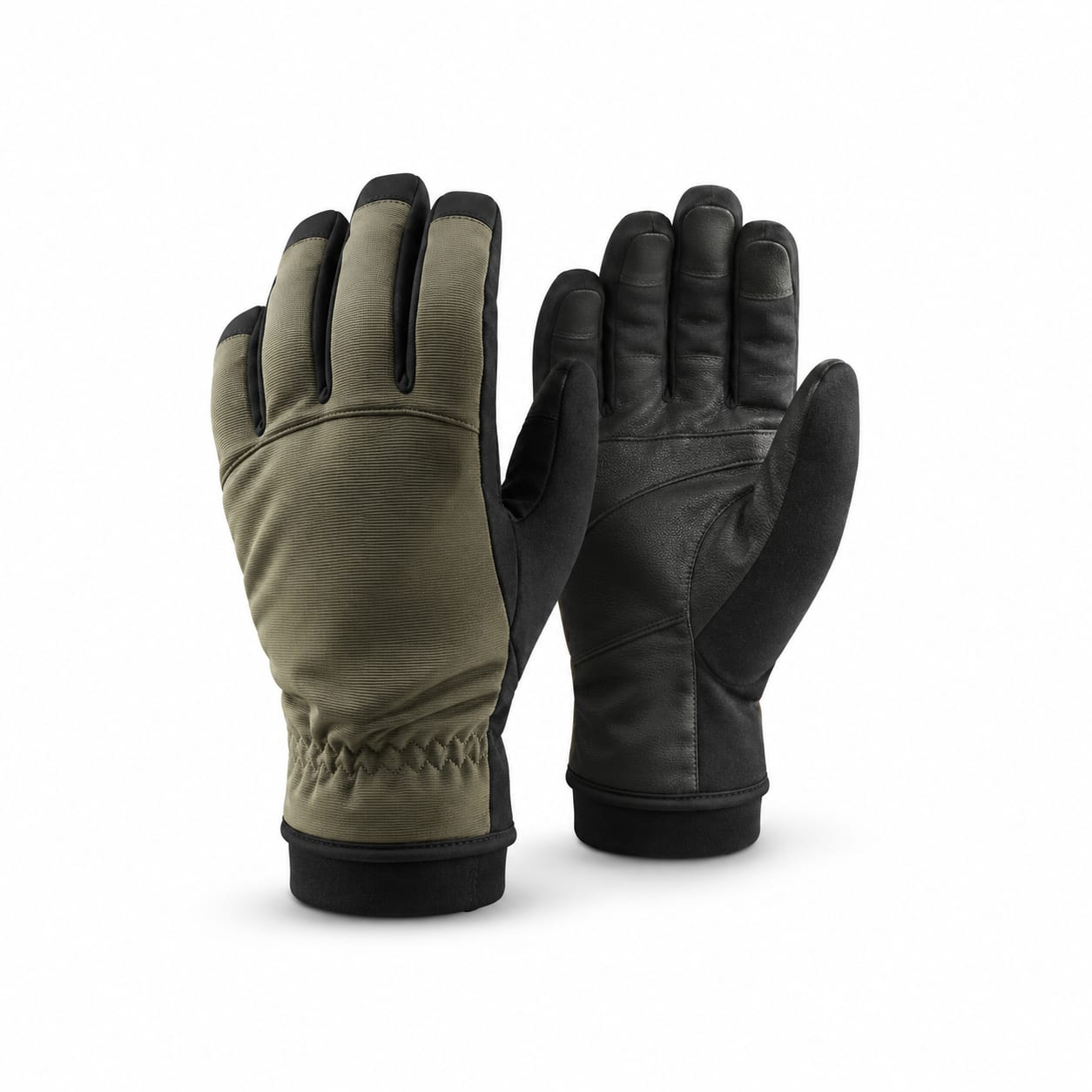
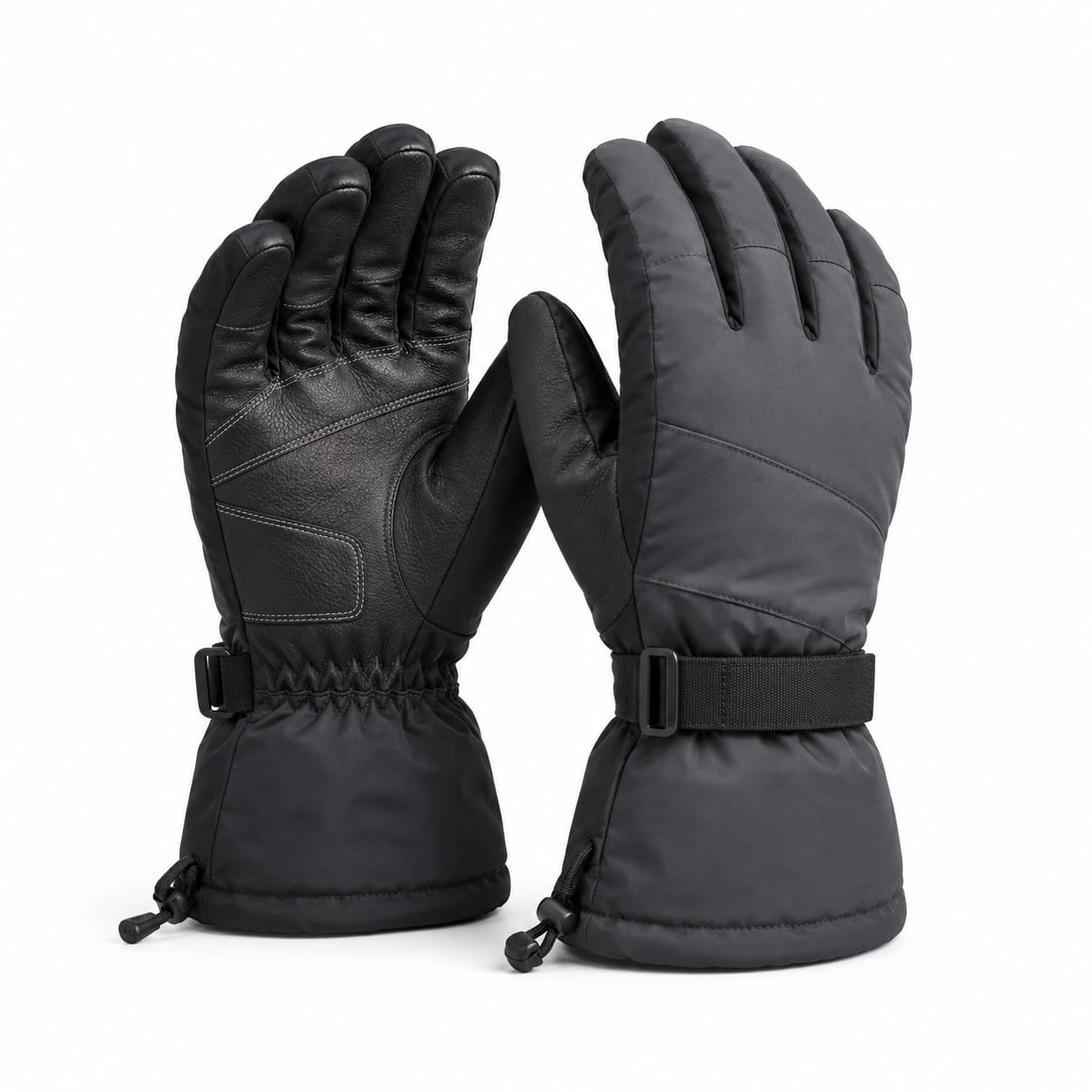
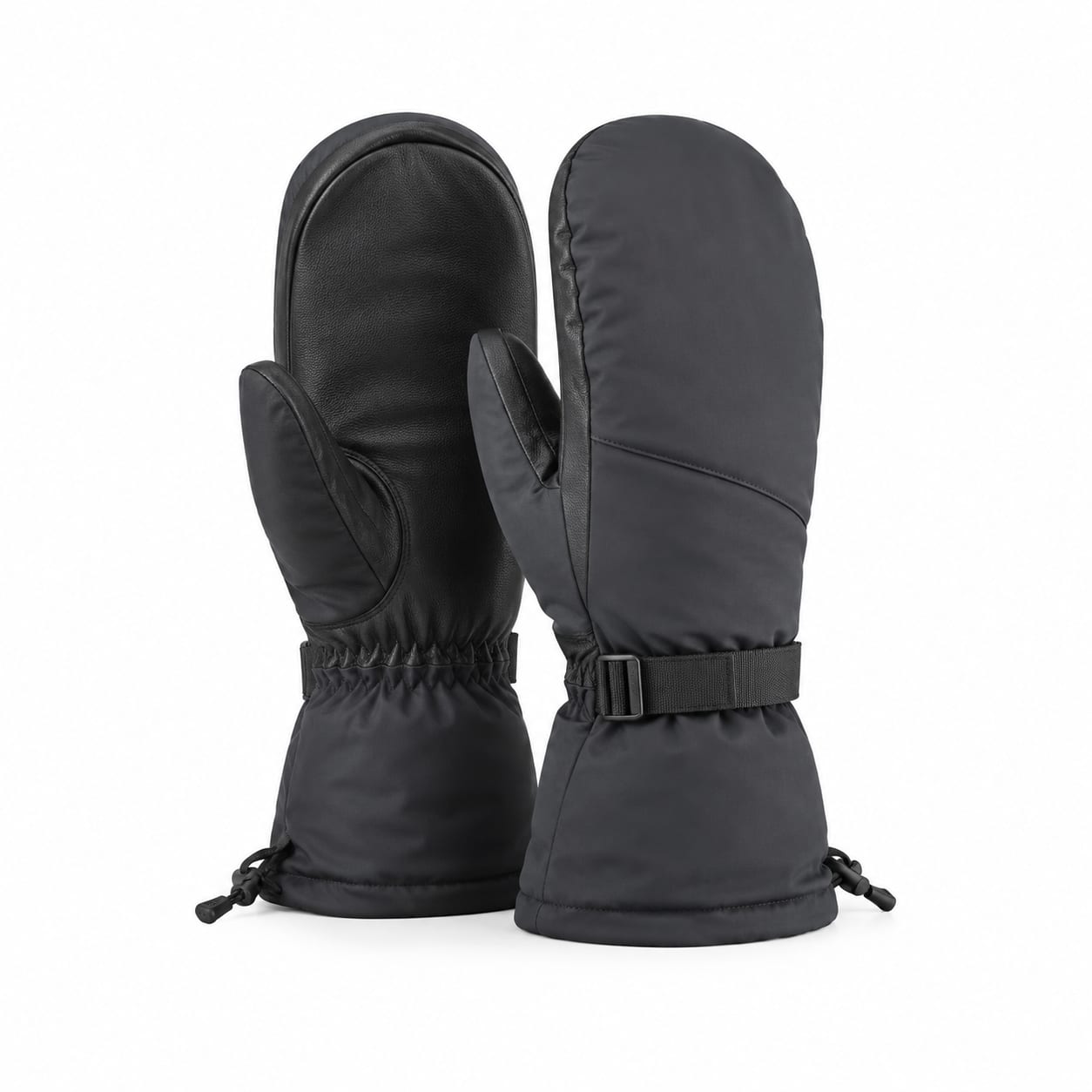
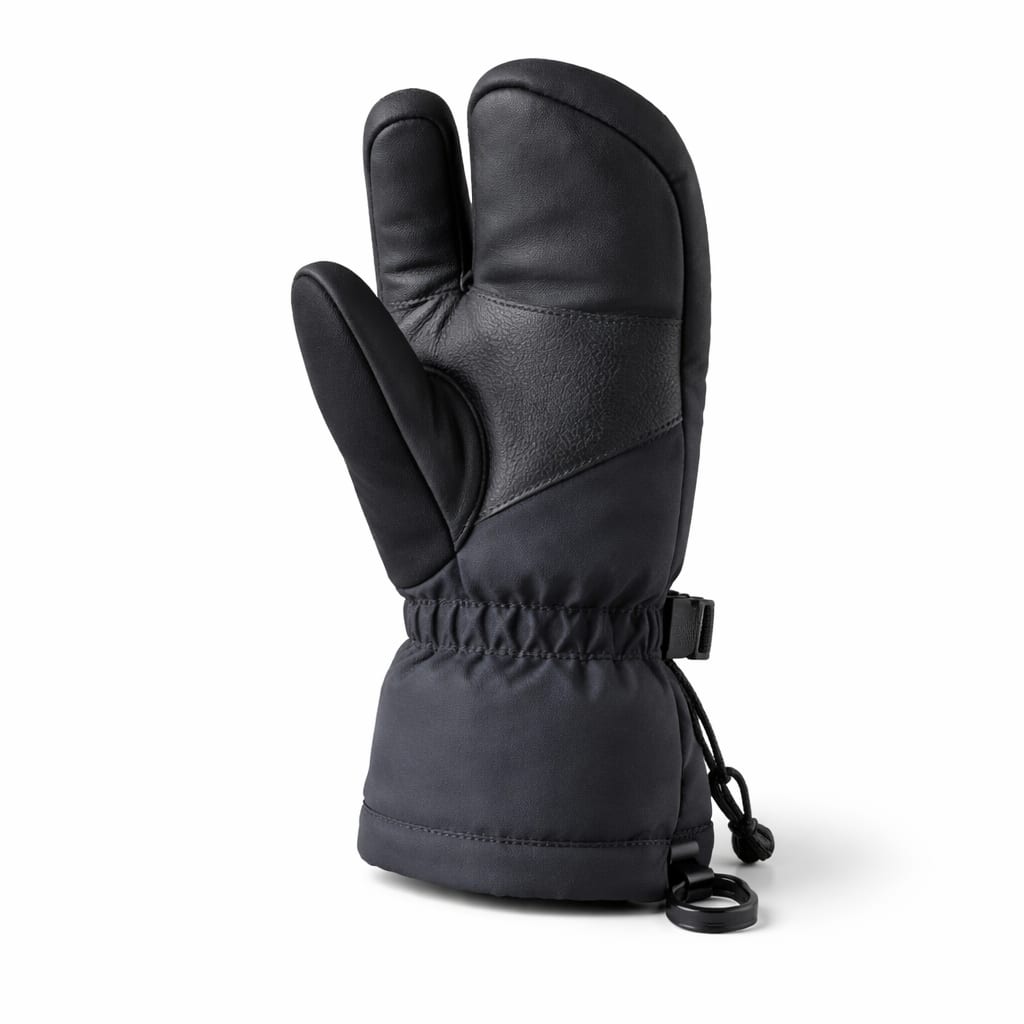
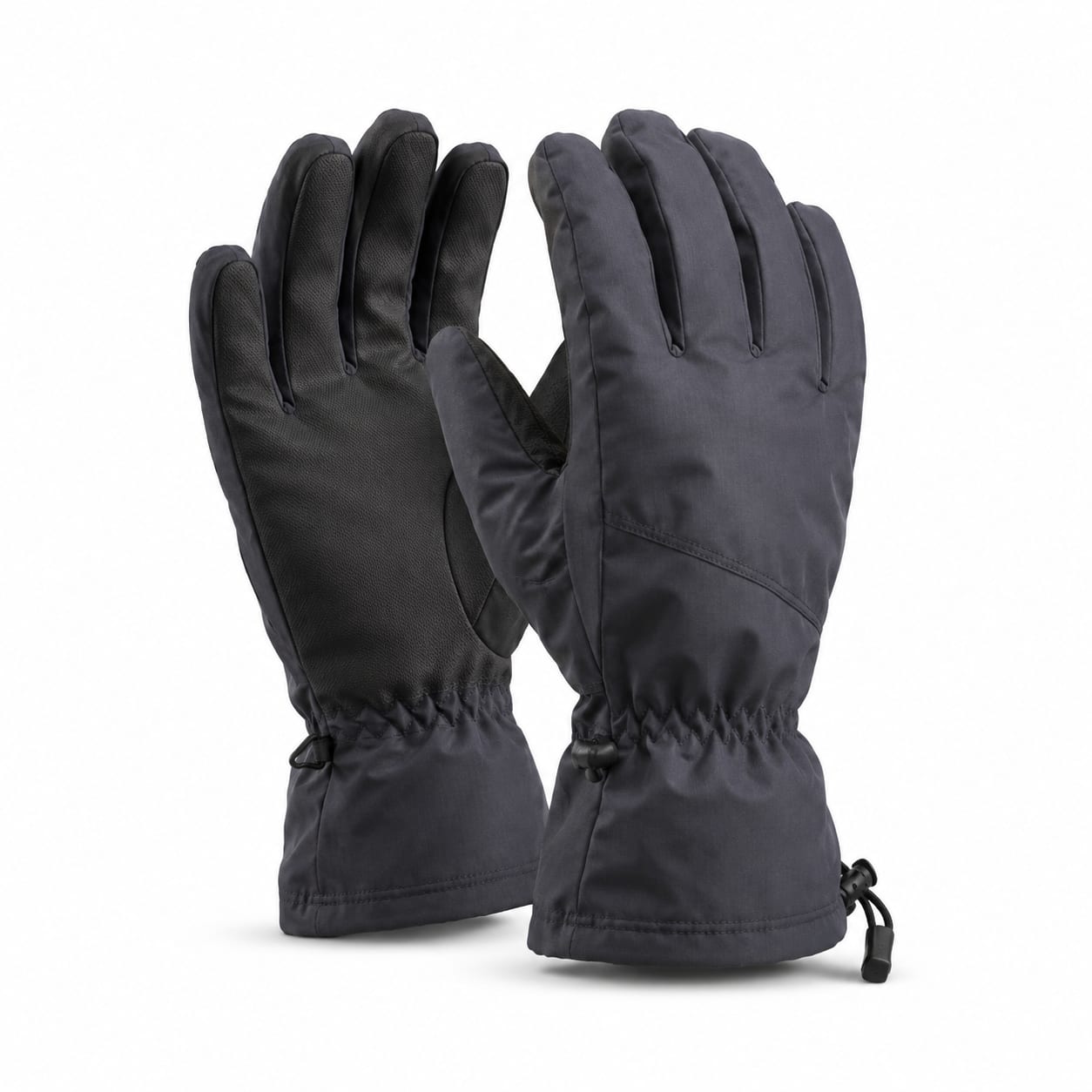
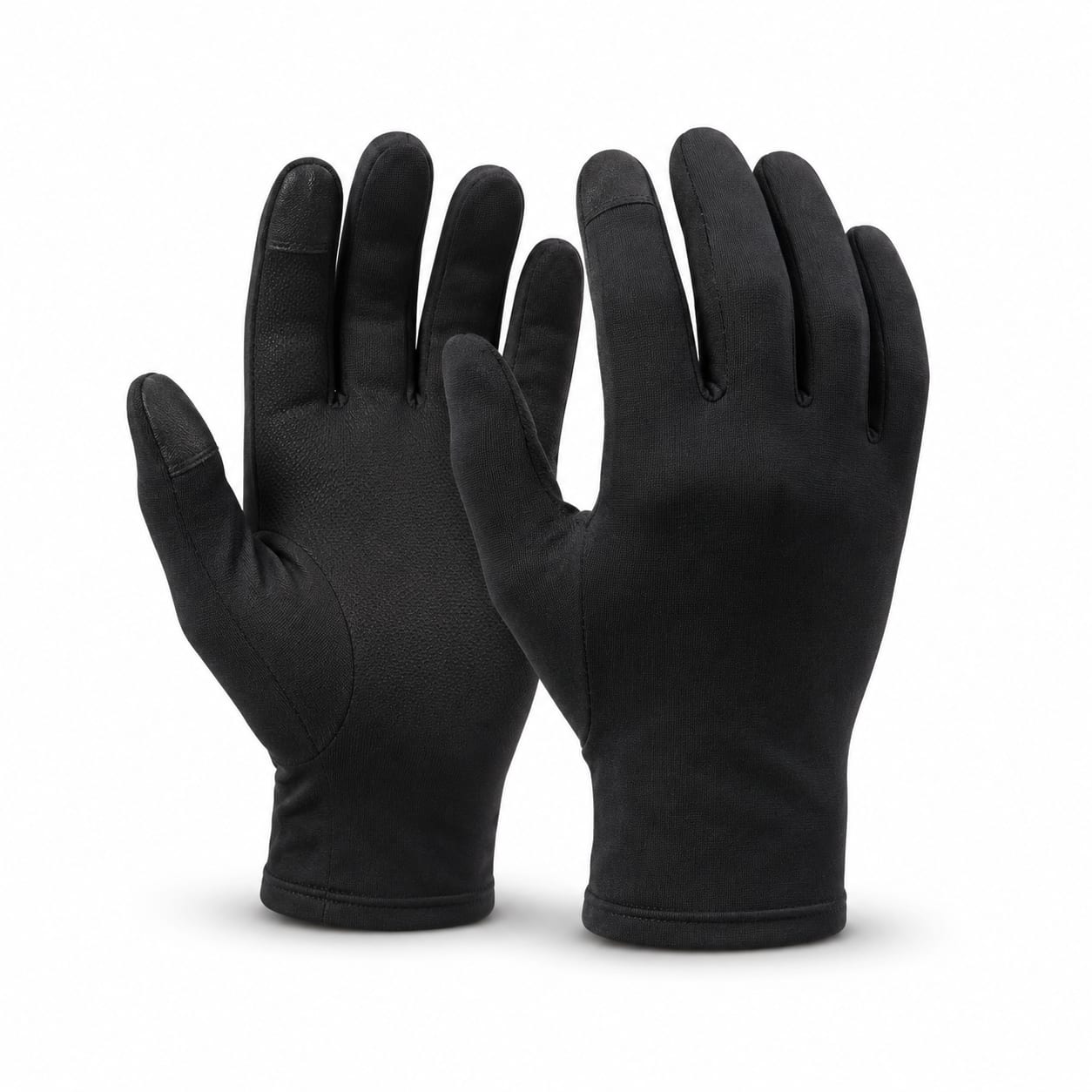
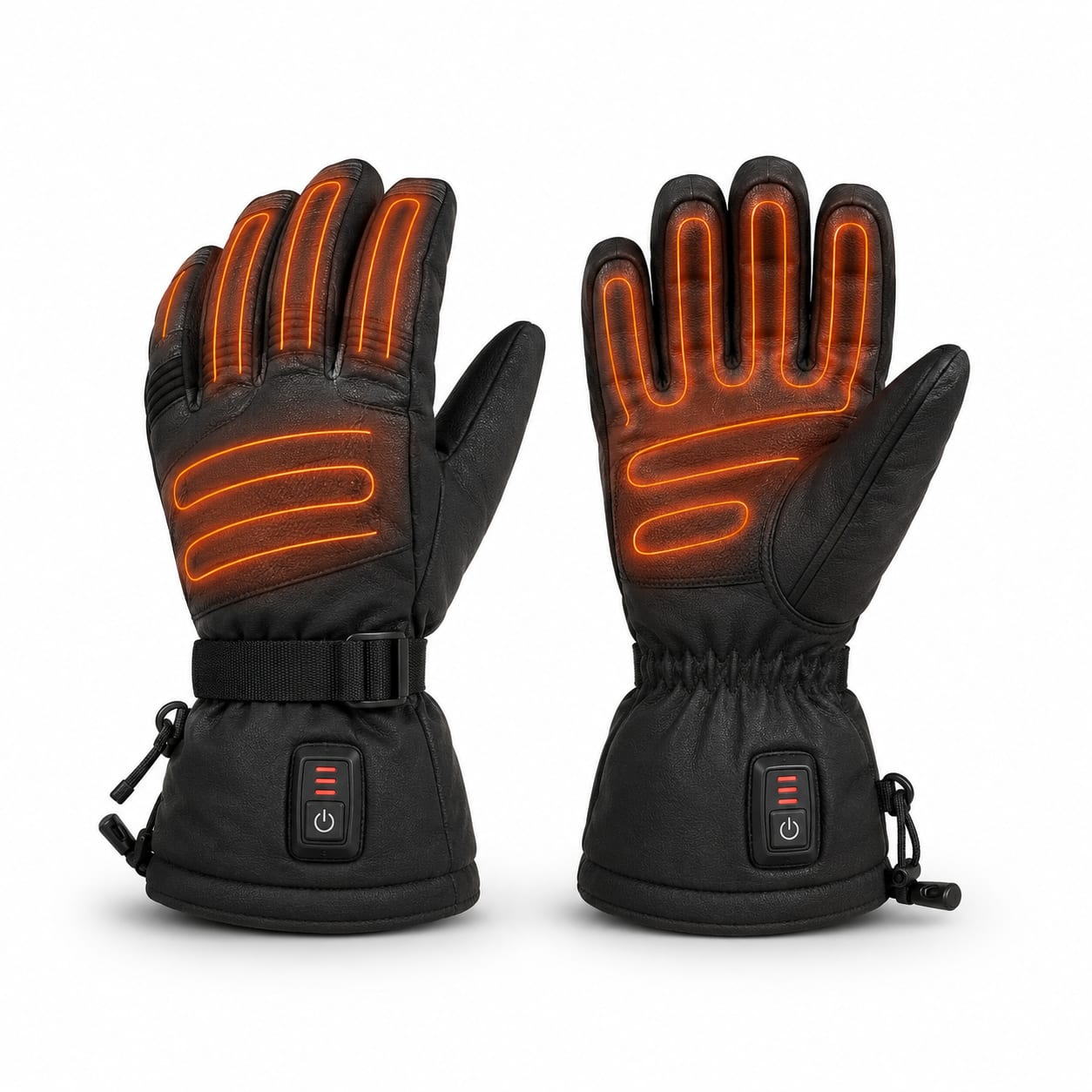
Freestyle and park gloves are a specialized subset of ski handwear designed specifically for terrain park, halfpipe, and urban riding. Unlike all-mountain or backcountry gloves that prioritize warmth and weather protection, park gloves put dexterity, grip, and durability at the top of the design brief. The ability to confidently grab your skis, grip rails, and adjust equipment without removing gloves is paramount. These gloves typically feature a glove-style construction with individual finger compartments, lightweight insulation since park riding is high-output, and under-cuff designs that pair with the shorter, looser jacket cuffs favored by freestyle skiers. Palm and fingertip reinforcements are critical for longevity against the abrasive surfaces of rails, boxes, and concrete features in urban settings. Many park gloves also include knuckle padding or reinforcement for impact protection during falls on hard park features. The aesthetic of park gloves tends toward bold colors, graphic prints, and streetwear-inspired designs that reflect the culture of freestyle skiing.
Freestyle and park gloves occupy a unique niche in ski handwear because they solve a fundamentally different problem than most ski gloves. While the majority of ski gloves are designed to keep hands warm during long, cold chairlift rides, park gloves are built for riders who spend their day hiking features, hitting rails, and throwing tricks where hand-to-ski contact precision is everything. A missed grab or a slippery grip on a rail can mean the difference between stomping a trick and taking a slam, so dexterity and grip are non-negotiable.
The construction of park gloves reflects these priorities. They almost universally use a glove-style design with individual fingers rather than mittens or lobster claws, because you need each finger to move independently for different grab variations. Insulation is typically lightweight — park riding generates significant body heat from hiking features and the adrenaline of hitting jumps, and overheated hands sweat, which leads to cold, clammy gloves by midday. The tradeoff is that park gloves are not the best choice for bitter cold days with long lift rides, where their minimal insulation becomes a liability.
Durability is a major differentiator for park gloves compared to other ski gloves. The palm, fingertips, and thumb crotch face constant abrasion from rail slides, box contacts, and rope tow usage in terrain parks. Quality park gloves reinforce these high-wear zones with additional material layers, often using synthetic suede or leather overlays. Knuckle protection is another park-specific feature — falling on a rail or catching an edge on a box can deliver significant impact to the hands, and padded or reinforced knuckle panels provide meaningful protection. The under-cuff design preferred by most park riders pairs with the looser, shorter jacket cuffs common in freestyle outerwear, creating a streamlined look that also makes it easy to slide gloves on and off quickly between runs.
Style matters in the park, and gloves are no exception. Park gloves often feature bold colorways, large logos, and collaborations with freestyle athletes and brands. This isn't just aesthetics — the culture of freestyle skiing values individual expression, and gear is part of that identity. However, the best park gloves balance style with substance, offering the technical performance needed for progressive riding alongside the look that riders want. Touchscreen compatibility is increasingly common, allowing riders to film sessions and check conditions without exposing hands to cold. Nose wipe panels are a welcome feature on cold park days when runny noses are inevitable.