Kitvore.com

Kitvore.com

Specs that matter. Gear that fits.

Ski Knee Pads · Subcategory

Youth/Junior Knee Pads

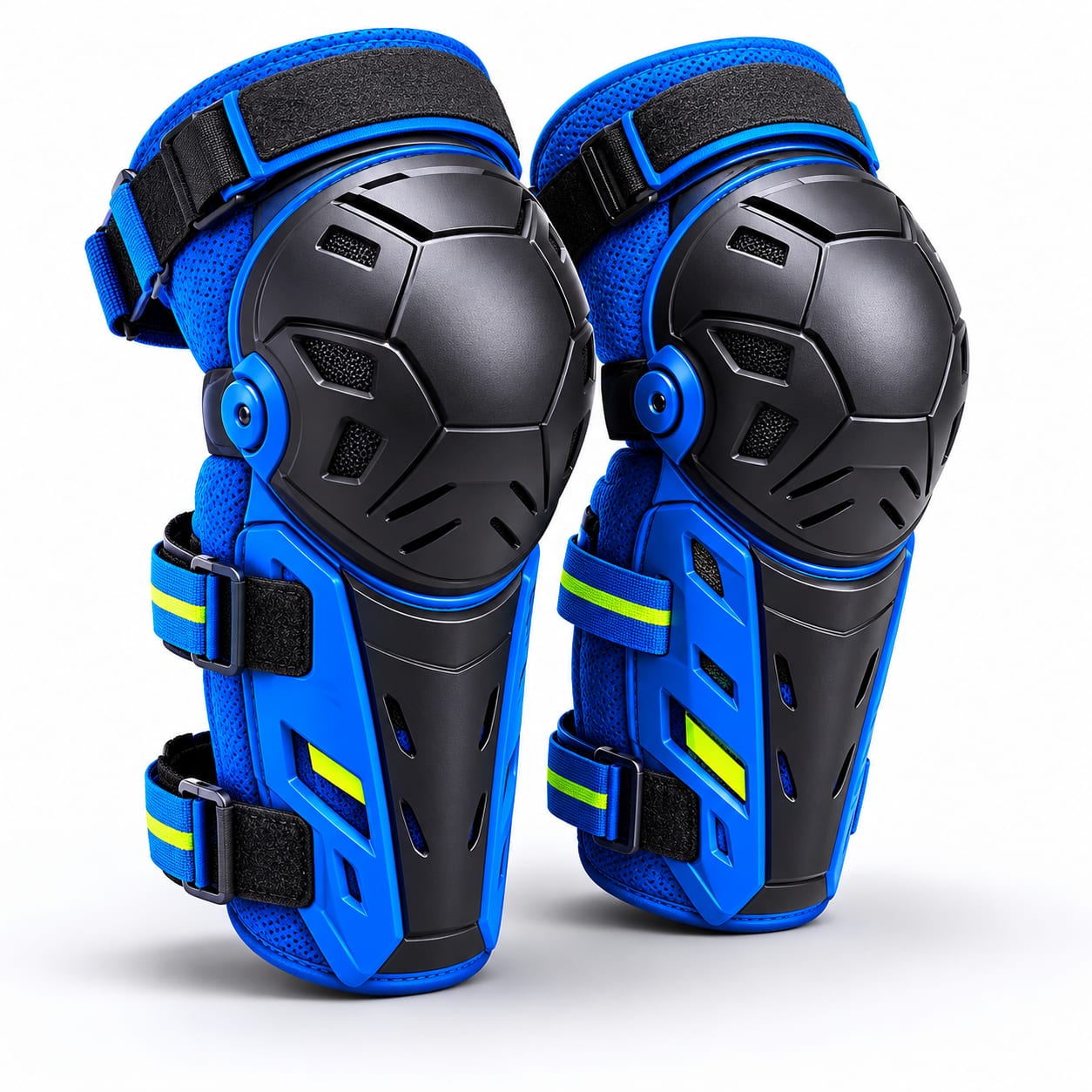
Protective knee pads specifically sized and designed for the anatomy and needs of young skiers and juniors.

Youth and junior ski knee pads provide essential impact protection for growing knees, featuring scaled-down sizing, lighter weights, and easy-to-manage closures tailored for kids and teens on the slopes.

$20 – $70budget tierbeginnerintermediate

Best known for

Kid-specific anatomical sizingLightweight comfort for all-day wearEasy on/off for kidsImpact protection for growing joints
Youth/Junior Knee Pads

Guide

Detailed overview

Youth and junior ski knee pads are protective gear engineered specifically for the anatomical proportions of children and teenagers. Unlike adult pads scaled down, these feature appropriately sized coverage areas, lighter weights to prevent fatigue, and closure systems that kids can manage independently. They protect against impacts from falls, bumps, and gates, which are common as young skiers learn and progress.

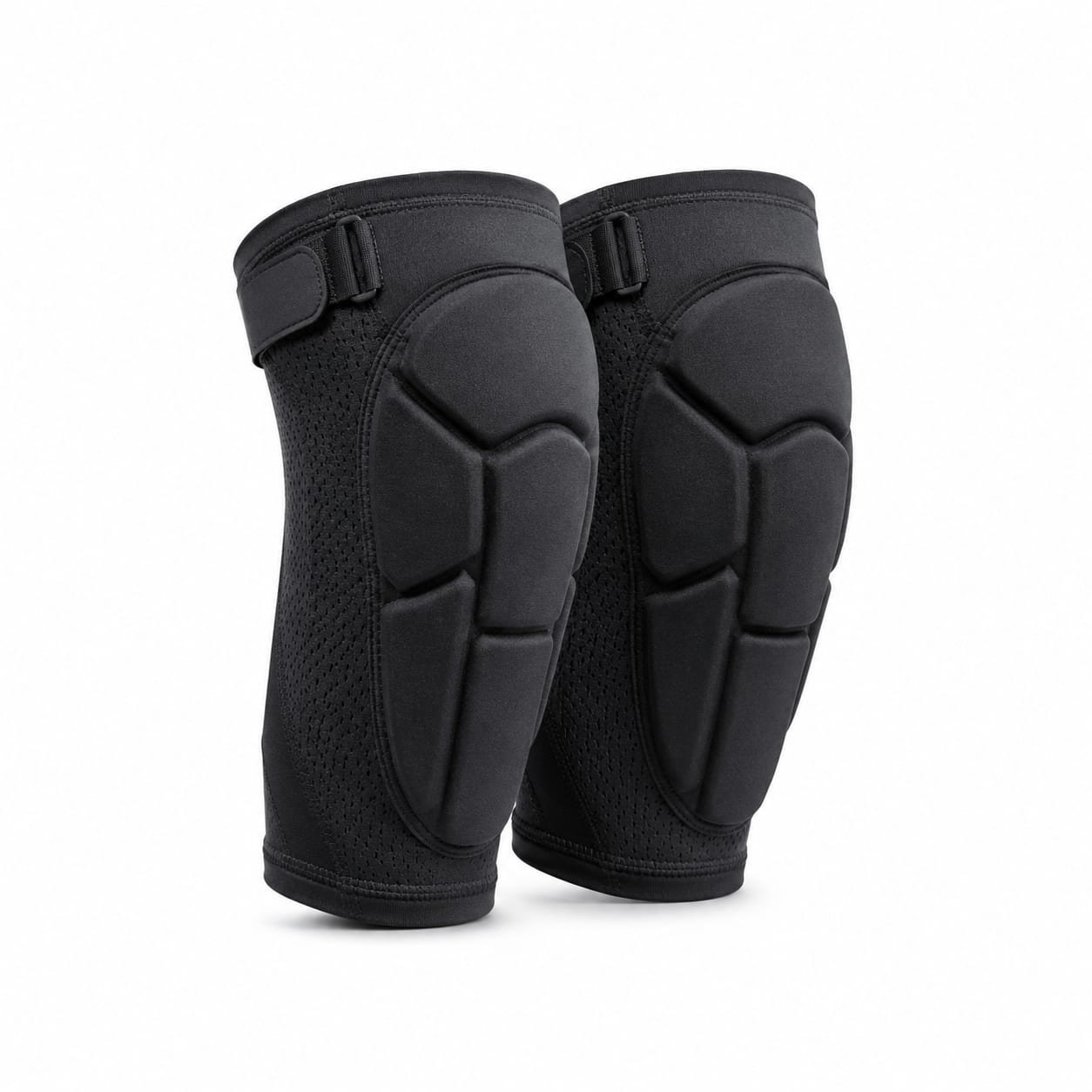
When selecting knee pads for young skiers, fit and comfort are paramount. Children are more likely to wear protection that does not restrict their movement or feel bulky under their ski pants. Youth-specific designs address this by using lightweight, flexible materials like EVA foam or D3O, which provide excellent impact absorption without the rigidity of adult race pads. The goal is to make the pads forgettable during normal skiing but highly effective during a fall.

Sizing is critically important for junior pads. Because children grow quickly, parents often face the temptation to size up so the pads last multiple seasons. However, oversized pads will migrate during falls, leaving the knee exposed exactly when protection is needed most. It is vital to measure the child's knee circumference and consult brand-specific size charts, prioritizing a secure fit over growing room. Many youth pads feature adjustable closure systems, like Velcro straps, to accommodate some growth while maintaining a snug fit.

Ease of use is another key differentiator for youth knee pads. Kids need to be able to put on and take off their gear without excessive assistance. Slip-on sleeves can be difficult for cold or gloved hands, while Velcro strap systems allow for quick adjustments and easy on/off over base layers. Additionally, antimicrobial treatments are highly beneficial for youth gear, as kids may not always air out or wash their equipment properly between uses.

Finally, the psychological benefit of knee pads for young skiers should not be underestimated. Fear of falling can significantly hinder a child's progression. Knowing they have protective gear on their knees gives them the confidence to push their boundaries, try new techniques, and ultimately become better skiers. By investing in comfortable, well-fitting knee pads, parents are investing in their child's confidence and safety on the mountain.

Quick facts

Primary purpose
Knee protection sized and designed for children and young skiers
Popular brands
POCG-FormDemonTriple EightPro-Tec
Typical terrain
learning areasgroomed runsterrain parksrace courses

What makes it different

Only subcategory with anatomical proportions for children; Often sold as part of youth protective sets; Prioritizes ease of use for parents and kids

Recommended ranges

How this type usually specs out

Each spec is explained in plain language, then we show what buyers usually look for on this type.

Protection Level

Protection Level

What it means

The overall degree of impact protection the knee pad provides, from basic bruise prevention to certified armor-level protection against high-energy impacts.

Typical for this type

Light to Moderate

In practice

Most youth pads offer light to moderate protection, prioritizing comfort and mobility over heavy-duty impact absorption.

Compared to other types

Less protective than adult high/professional pads, but appropriately scaled for youth skiing speeds and impact forces.

Why it matters: Protects growing joints from typical learning falls without restricting movement or discouraging the child from wearing them.

Padding Material

Padding Material

What it means

The primary impact-absorbing material used in the knee pad construction, which determines how energy from impacts is managed.

Typical for this type

EVA Foam to D3O

Most common pick: Eva Foam

In practice

EVA foam is common for budget and comfort, while D3O offers premium protection with flexibility for older juniors.

Compared to other types

Youth pads often use softer foams than adult pads to ensure flexibility and comfort for lighter riders.

Why it matters: Determines how well the pad absorbs impact and how comfortable it is to wear all day on the slopes.

Shell Type

Shell Type

What it means

The external construction type of the knee pad, affecting how it interacts with snow, clothing, and impacts.

Typical for this type

Soft Shell to Hybrid

Most common pick: Soft Shell

In practice

Soft shells are most common for comfort under layers; hybrids offer slightly more protection for aggressive junior racers.

Compared to other types

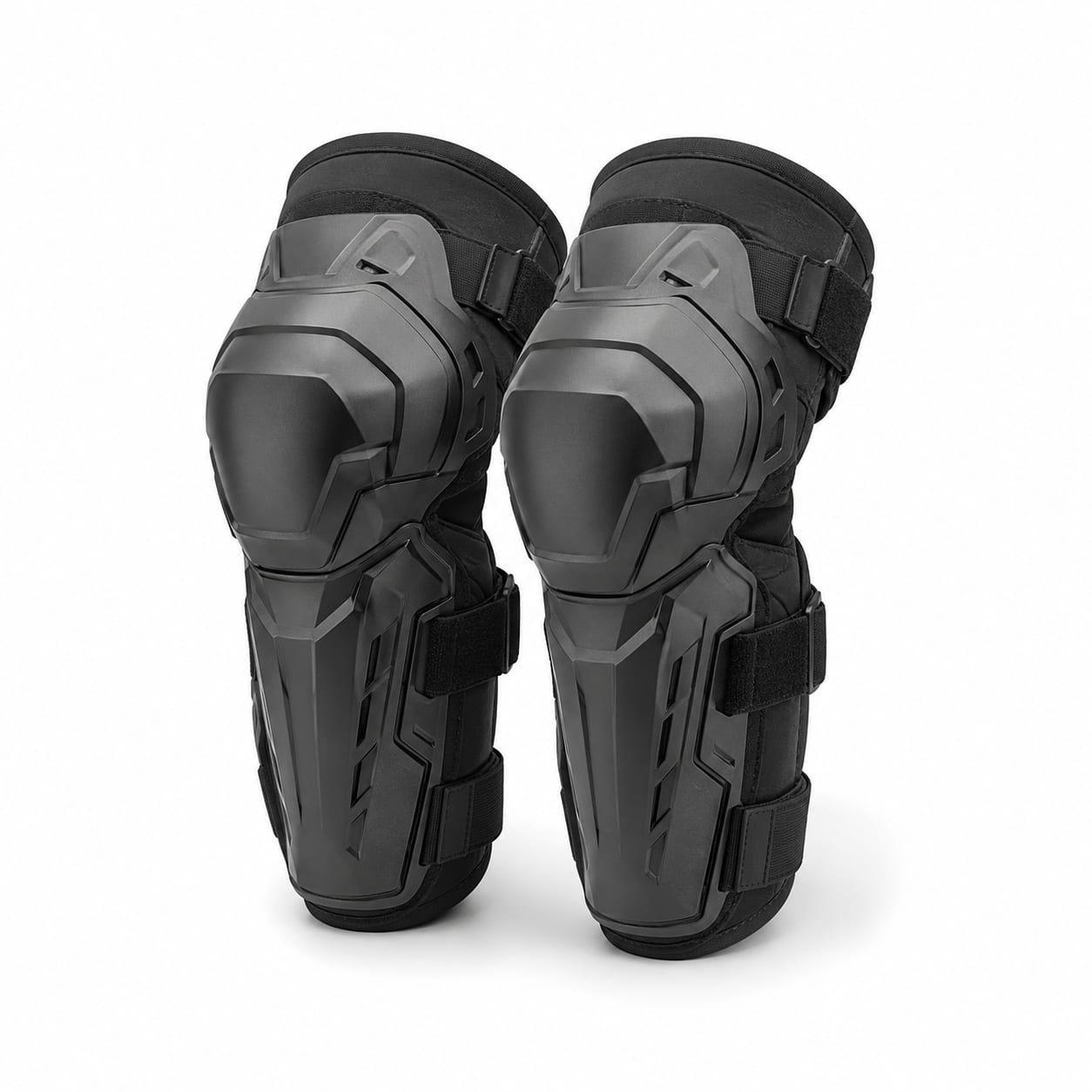
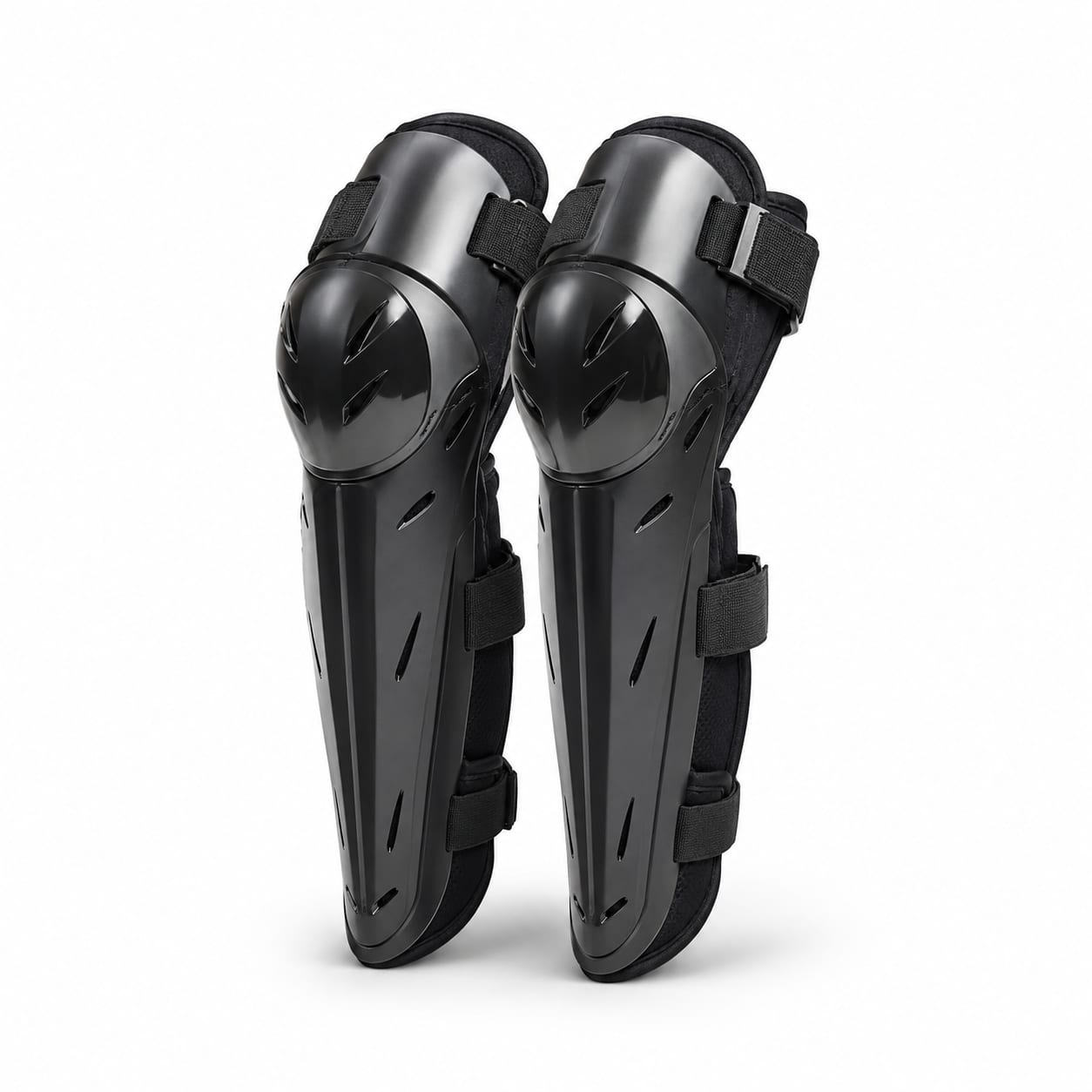
Rarely use hard shells unless specifically designed for junior race training, unlike adult race pads which frequently use hard shells.

Why it matters: Soft shells are comfortable and low-profile, making kids more willing to wear them without complaint.

CE Certification

CE Certification

What it means

European safety certification level under EN 1621-1 standard for limb protectors, indicating verified impact force transmission levels.

Typical for this type

None to EN 1621-1 Level 1

Most common pick: None

In practice

Many youth recreational pads are not CE certified, though some higher-end models for junior racers carry Level 1.

Compared to other types

Less likely to be CE certified compared to adult race pads, but certification is available in premium junior models.

Why it matters: Ensures a verified level of protection, though non-certified pads are often sufficient for casual youth skiing.

Size

Size

What it means

The sizing of the knee pad, typically based on knee circumference and thigh circumference measurements.

Typical for this type

XS to S

Most common pick: Xs

In practice

Youth sizes are based on smaller knee circumferences, typically ranging from 28-36 cm depending on age.

Compared to other types

Scaled down from adult sizes, often labeled with age ranges or specific youth measurements rather than adult small/medium equivalents.

Why it matters: Proper fit is critical; pads that are too loose will spin off the kneecap during a fall, rendering them useless.

Closure Type

Closure Type

What it means

The method used to secure the knee pad to the leg, affecting ease of use, adjustability, and how well the pad stays in position.

Typical for this type

Velcro Strap System to Hybrid (Sleeve + Strap)

Most common pick: Velcro Straps

In practice

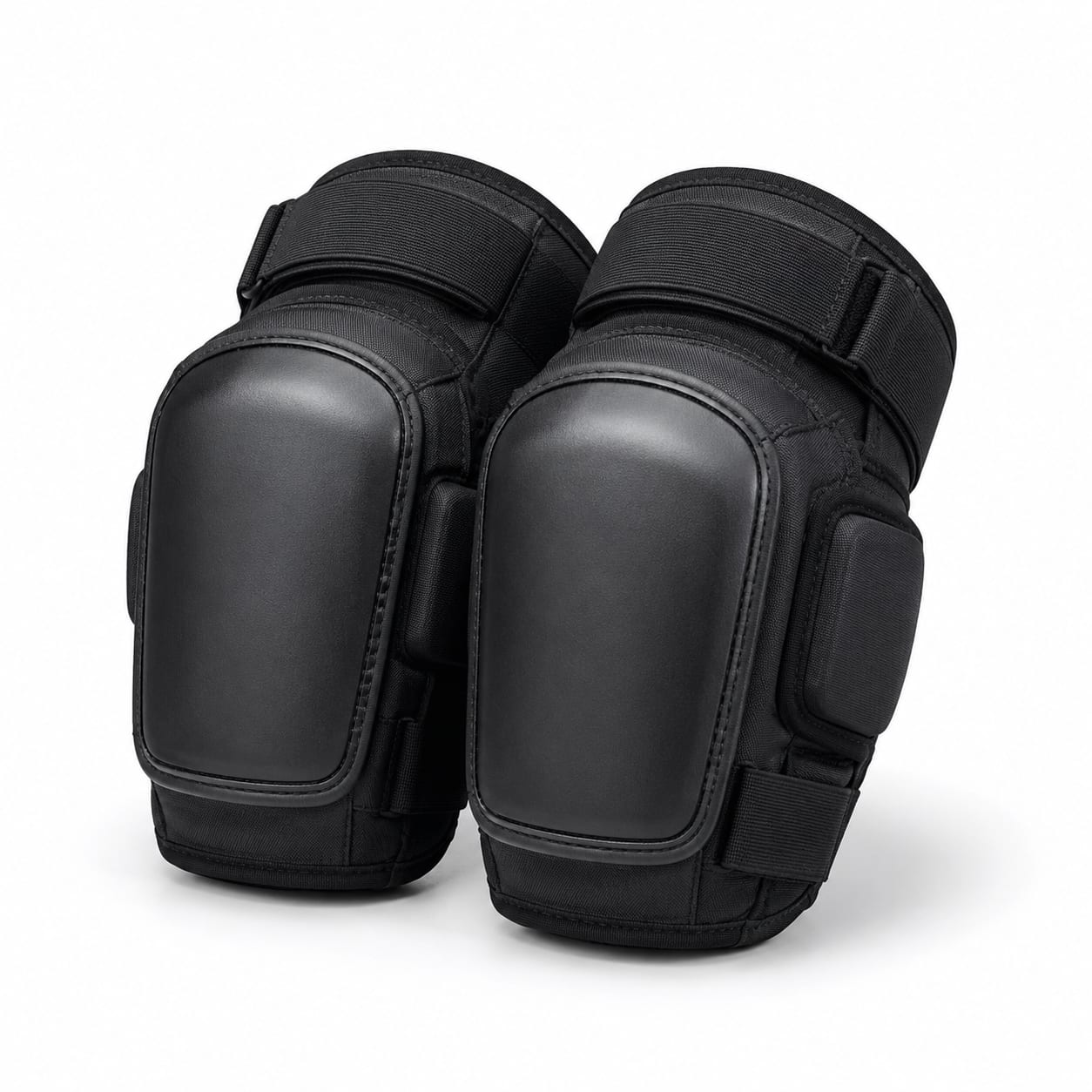
Velcro straps are highly recommended for kids as they are easy to adjust and put on independently.

Compared to other types

Favors Velcro straps over slip-ons for adjustability as kids grow, whereas adults often prefer the streamlined feel of slip-ons.

Why it matters: Kids need a secure fit that they can manage themselves; slip-ons can be tricky to pull over boots or damp base layers.

Padding Thickness

Padding Thickness

What it means

The maximum thickness of the protective padding at the knee center, affecting both protection level and bulk under clothing.

Typical for this type

5-15 mm

Most common pick: 10 mm

In practice

Thinner padding is preferred to keep the profile low under kids' ski pants while still cushioning falls.

Compared to other types

Generally thinner than adult pads to maintain low bulk and high mobility for smaller legs.

Why it matters: Thicker pads might not fit comfortably under junior ski apparel, leading to refusal to wear them.

Coverage Area

Coverage Area

What it means

The extent of the knee and surrounding area that the pad protects, from minimal kneecap-only coverage to extended protection including shin and thigh.

Typical for this type

Knee Only to Knee + Upper Shin

Most common pick: Knee Only

In practice

Protecting the kneecap is the priority; upper shin coverage is a bonus for mogul or race kids.

Compared to other types

Less likely to feature extended thigh coverage, which is mostly reserved for adult gate racing.

Why it matters: Extended coverage adds bulk, which can reduce comfort and mobility for young skiers who are sensitive to restrictive gear.

Weight (Per Pair)

Weight (Per Pair)

What it means

The total weight of both knee pads together, affecting fatigue during all-day skiing and the feel of the pads on the legs.

Typical for this type

150-300 g

Most common pick: 200 g

In practice

Lightweight construction is essential so kids do not experience leg fatigue from carrying extra weight.

Compared to other types

Significantly lighter than adult pads, which can exceed 500g, to accommodate lower muscle mass in children.

Why it matters: Heavy pads will tire out young legs quickly and make skiing less enjoyable, leading to complaints.

Breathability

Breathability

What it means

How well the knee pad allows moisture and heat to escape, preventing sweat buildup and maintaining comfort during active skiing.

Typical for this type

Medium to High

Most common pick: Medium

In practice

Kids sweat during active play; medium to high breathability prevents them from getting cold when they stop.

Compared to other types

Similar to adult recreational pads, prioritizing comfort over the extreme weather sealing sometimes found in adult race gear.

Why it matters: Prevents the sweat-freeze cycle that makes kids uncomfortable and unwilling to wear their protective gear.

Mobility Rating

Mobility Rating

What it means

How freely the knee can bend and move while wearing the pad, critical for skiing technique and comfort.

Typical for this type

Unrestricted to Slight Restriction

Most common pick: Unrestricted

In practice

Pads must allow full range of motion so kids can bend their knees deeply in a proper skiing stance.

Compared to other types

Prioritizes unrestricted movement much more than adult race pads, which often accept moderate restriction for protection.

Why it matters: Restricted movement alters skiing mechanics and can actually increase the risk of falls and injury.

Layering Compatibility

Layering Compatibility

What it means

Whether the knee pad is designed to be worn under ski pants, over them, or can work either way.

Typical for this type

Under Layer Only to Both

Most common pick: Under Layer Only

In practice

Most youth pads are designed to be worn under ski pants for a clean look that kids prefer.

Compared to other types

Strong preference for under-layer wear compared to adult racers who frequently wear over-layer pads for quick removal.

Why it matters: Kids often dislike the look or feel of bulky over-layer pads; under-layer ensures they actually wear them without feeling self-conscious.

Articulation Design

Articulation Design

What it means

Whether the knee pad features pre-curved or hinged construction that mimics the natural bend of the knee.

Typical for this type

Pre-Curved

Most common pick: Pre Curved

In practice

Pre-curved designs fit better and do not bunch up behind the knee when the child bends their legs.

Compared to other types

Pre-curved is highly recommended for youth, whereas flat pads are sometimes tolerated by casual adults but rarely by kids.

Why it matters: Bunching behind the knee is uncomfortable and restricts movement, leading to immediate complaints from young skiers.

Antimicrobial Treatment

Antimicrobial Treatment

What it means

Whether the knee pad interior has antimicrobial treatment to prevent odor-causing bacteria growth from sweat during skiing.

Typical for this type

True

In practice

Most quality youth pads include antimicrobial treatment because kids' gear often does not get washed as frequently.

Compared to other types

More consistently featured in youth pads than in basic adult models due to hygiene concerns with children's gear.

Why it matters: Prevents odor and bacteria buildup, extending the life of the pad and keeping it hygienic for multi-day trips.

Water Resistance

Water Resistance

What it means

How well the knee pad repels water from snow, preventing the padding from absorbing moisture and becoming heavy and cold.

Typical for this type

Water Resistant

In practice

Water-resistant outer fabrics prevent snow melt from soaking the padding during typical youth skiing activities.

Compared to other types

Similar to adult all-mountain pads; fully waterproof membranes are rare in youth models due to breathability trade-offs.

Why it matters: Wet pads get cold and heavy, which is miserable for kids sitting on chairlifts, leading to them wanting to take the pads off.

Grip / Anti-Slip System

Grip / Anti-Slip System

What it means

Features that prevent the knee pad from sliding down the leg or rotating out of position during active skiing and falls.

Typical for this type

Silicone Grips / Gripper Dots to Rubberized Elastic Band

Most common pick: Silicone Grips

In practice

Silicone gripper dots on the interior keep the pad from sliding down small legs during active movement.

Compared to other types

Grip systems are crucial for youth pads to compensate for less leg mass to hold pads up, compared to adult legs.

Why it matters: Kids' legs are thinner and less muscular than adults, making pad migration a much bigger issue if not properly secured.

Evaluation

Strengths and trade-offs

Pros

What this type does best

Tailored Anatomical Fit

Critical

Scaled specifically for children's anatomies, preventing the migration and rotation common with oversized adult pads.

Lightweight Construction

High

Reduces fatigue so kids can ski all day without complaining about heavy legs, encouraging them to keep the pads on.

Easy to Use Closures

High

Velcro straps allow children to put on and adjust their own gear independently, fostering self-sufficiency.

Confidence Building

High

Reduces the fear of falling, which is a major barrier for young skiers, encouraging faster skill progression.

Low Profile Design

Medium

Fits comfortably under standard youth ski pants without looking bulky, ensuring kids actually want to wear them.

Cons

Trade-offs to be aware of

Outgrown Quickly

Significant

Kids grow fast, requiring frequent replacement to maintain a proper, secure fit, which can be frustrating and costly.

Limited High-Impact Options

Moderate

Fewer CE Level 2 or hard-shell options are available for junior racers compared to the adult market.

Sizing Challenges

Moderate

Overlapping size ranges between youth and adult small can make finding the perfect fit tricky for older teens.

Cost Over Time

Minor

Replacing pads every season or two as the child grows adds up in cost over their developmental years.

Best for

Terrain

groomerslearning areasmogulsterrain parks

Snow conditions

all conditions

Skill level

beginnerintermediateadvanced junior racers

Riding style

all-mountainfreestylerace training

Rider profile

childrenteensjunior racerscautious learners

Not ideal for

Reasons

Not sized for adult anatomyMost youth pads lack the high-level certification and rigid protection required for professional-level racing or extreme terrain

Terrain

extreme big mountain

Skill level

expert adults

Riding style

FIS racing (unless specifically a certified junior race pad)

Compare

How it stacks up

This page

Youth/Junior Knee Pads

Anatomically scaled for kids with lighter weight and better grip on smaller legs; closures are easier for small hands.

Alternative

Adult Knee Pads (Small)

More protection options and durability; won't be outgrown as quickly.

Bottom line

Choose youth-specific pads for proper fit; adult smalls often migrate on kids and are too heavy.

This page

Youth/Junior Knee Pads

Lower profile, more comfortable, and fits easily under standard ski pants for everyday use.

Alternative

Youth Knee/Shin Combo Guards

Better shin protection for gate training and mogul impacts where the shin takes a beating.

Bottom line

Choose standalone youth knee pads for general skiing; combo guards for dedicated junior race training.

This page

Youth/Junior Knee Pads

Designed with skiing stance in mind, offering better articulation for forward lean.

Alternative

Snowboard Knee Pads

Often feature thicker tailbone/butt padding integrated into the shorts, which snowboarders need.

Bottom line

Choose ski-specific youth pads for skiing to ensure proper knee articulation and avoid unnecessary bulk.

Shopping

Buying tips

  • 1

    Measure your child's knee circumference rather than relying on age-based sizing, as kids vary widely in growth.

  • 2

    Prioritize Velcro strap closures over slip-on sleeves so kids can easily adjust them over base layers without help.

  • 3

    Resist the urge to buy a size up; a loose pad offers zero protection when it spins off the knee during a fall.

  • 4

    Look for antimicrobial treatments, as kids' gear often sits damp in ski bags between weekends.

  • 5

    Ensure the pad fits comfortably under their specific ski pants to guarantee they will actually wear it without complaining.

Care

Maintenance notes

  • Air dry completely after each use to prevent odor and bacterial growth inside the padding.
  • Hand wash with mild soap; avoid machine washing which can damage foam integrity and strap elasticity.
  • Check Velcro straps for snow and lint buildup, which reduces grip effectiveness over time.
  • Inspect padding for permanent compression or cracks, especially after hard falls, and replace if compromised.
  • Store in a dry, ventilated area, not crammed in a wet ski bag, to extend the life of the materials.

Progression

Skill development path

Youth knee pads are essential from day one on the slopes. For beginners, they cushion the frequent falls of the learning process. As juniors progress to carving, moguls, or terrain parks, the pads protect against higher-speed impacts and hard snow surfaces. For those entering race programs, transitioning to a hybrid or hard-shell junior race pad with CE certification is the next step to handle gate strikes safely.

FAQ

Common questions

Each question has a dedicated page with a full answer and links to the buying guide.