
Ice buildup in the shaft junctions is a common issue in wet snow. To minimize freezing: dry poles thoroughly before extending them, keep the inside of outer shafts clean, avoid getting snow inside the shafts during transitions, and consider applying a thin coat of silicone lubricant to the inner shaft sections. External clamp mechanisms are less affected by ice than twist-lock systems. If poles do freeze, warm them gently (inside your jacket) rather than forcing the mechanism.
Ski Poles · Adjustable/Telescoping Ski Poles
How do I prevent my adjustable poles from freezing in wet, cold conditions?
Related gear types
If this answer nudged you toward a different style, these guides compare specs and trade-offs.
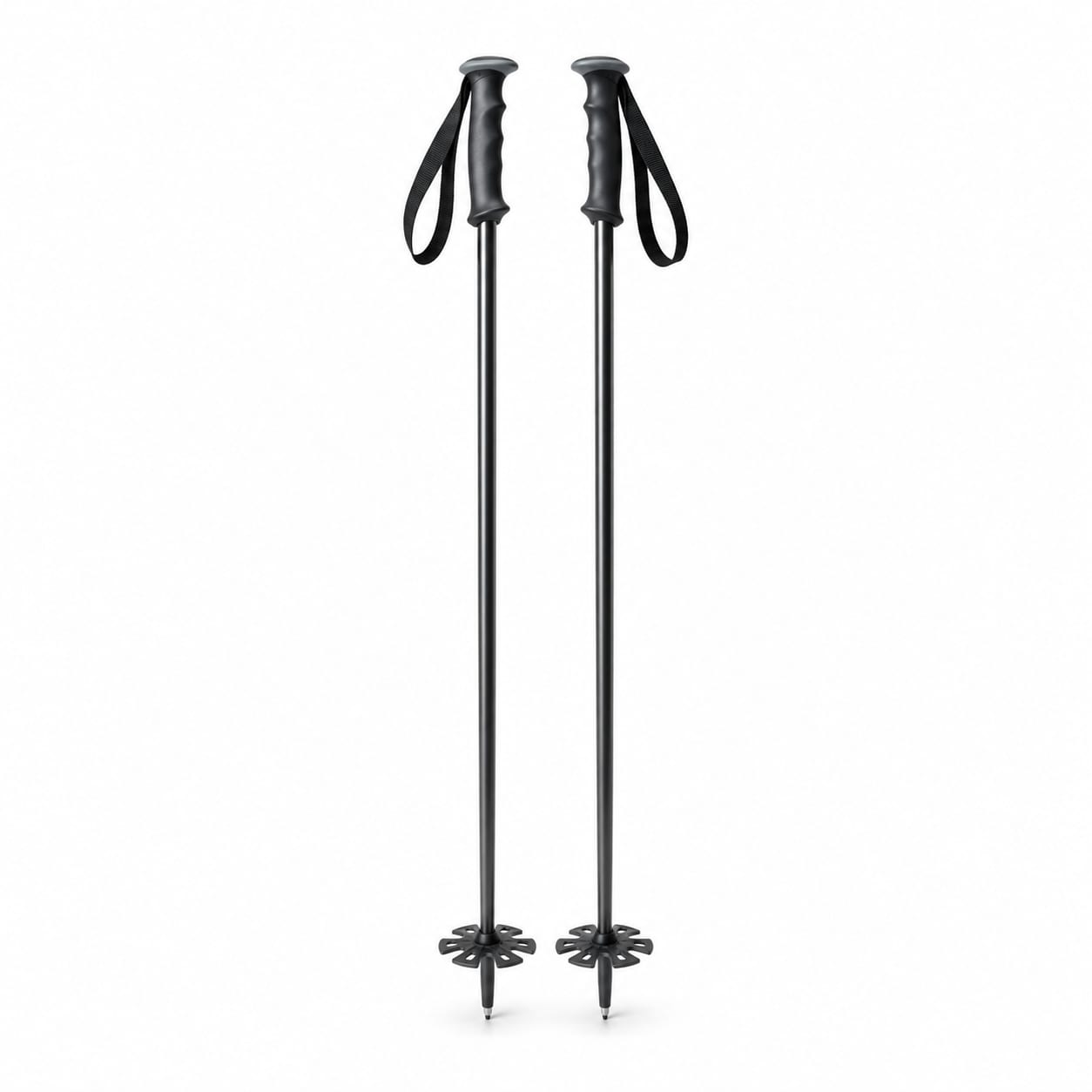
Alpine Ski Poles
$25 – $180
Standard fixed-length poles designed for resort downhill skiing and general on-piste use.
Fixed lengthStraight shaftStandard basket (50-60mm)
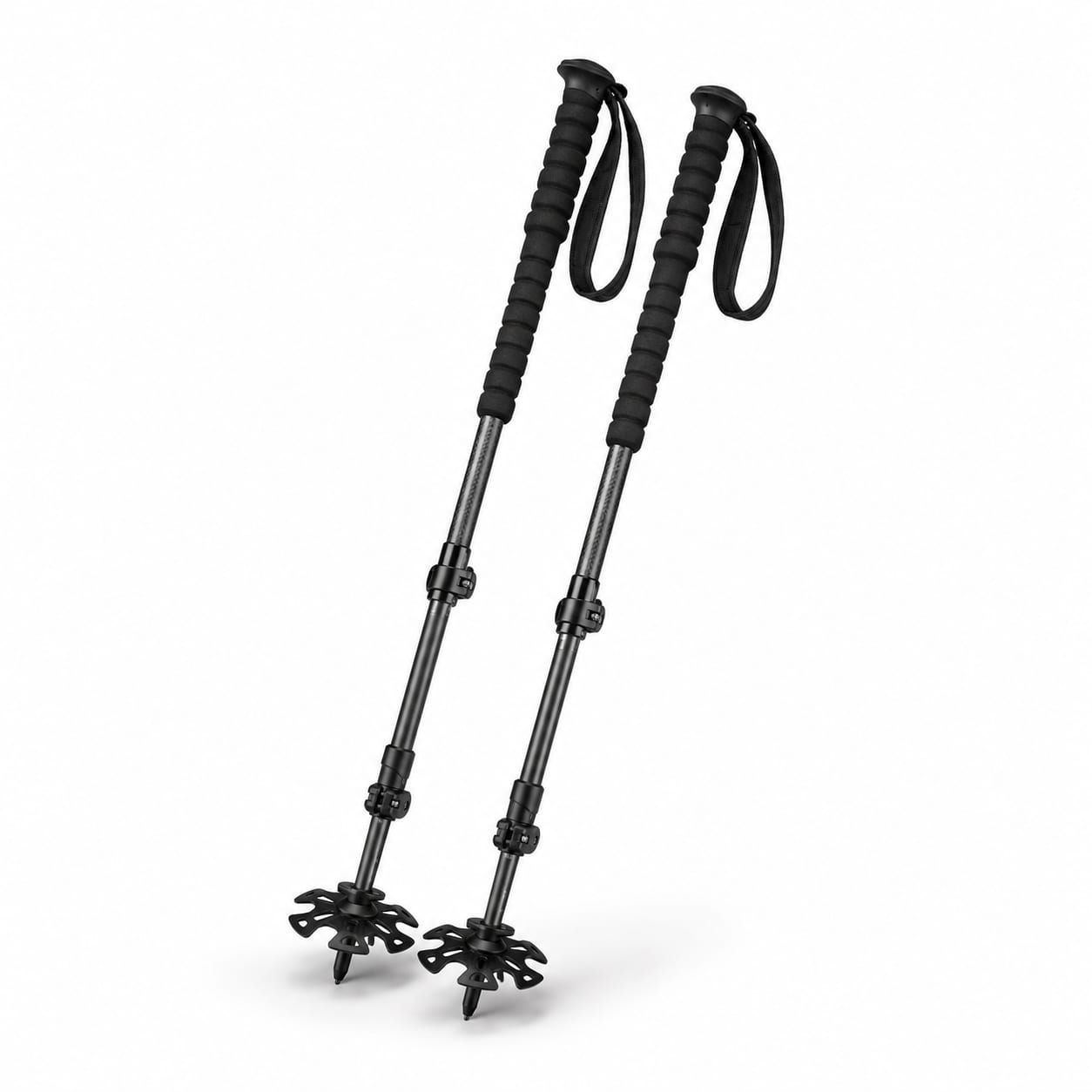
Backcountry/Touring Poles
$60 – $280
Adjustable-length poles designed for uphill skinning and downhill skiing in backcountry terrain.
Adjustable length (2-section or 3-section)Extended gripsPowder baskets
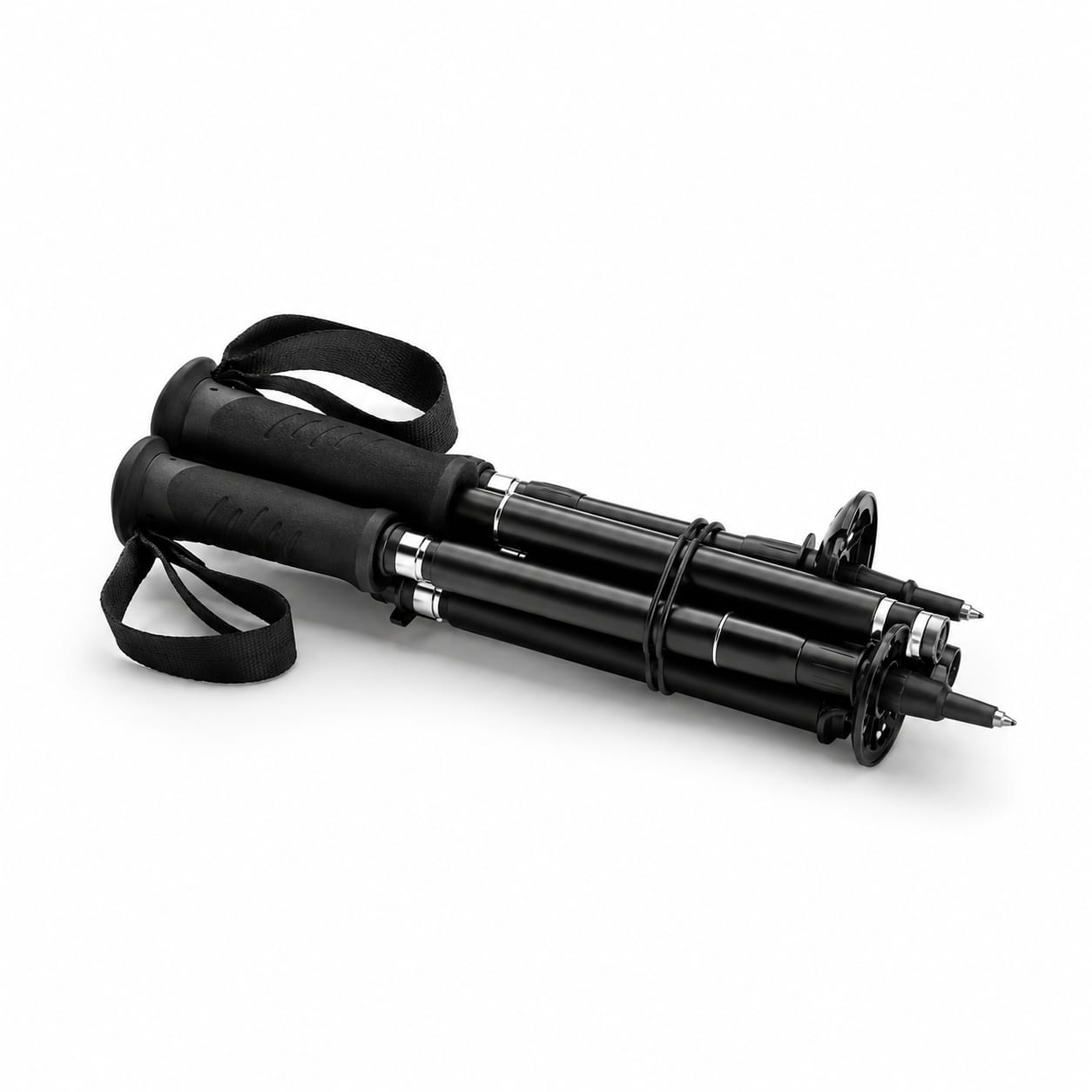
Folding Ski Poles
$80 – $300
Compact poles that fold into short sections for easy packing in ski mountaineering and travel.
Folding sections (3-5 pieces)Internal cord systemUltra-compact packed size
More questions
- How much should I lengthen my poles for uphill skinning versus downhill skiing?
- Do adjustable poles ever collapse unexpectedly while skiing?
- Are adjustable poles worth it if I only ski at resorts?
- What's the difference between two-section and three-section telescoping poles?