What it means
The height of the sock measured from the heel to the top of the cuff. Critical for preventing skin contact with the top of the ski boot shell.
Typical for this type
Over The Calf Or Knee High
In practice
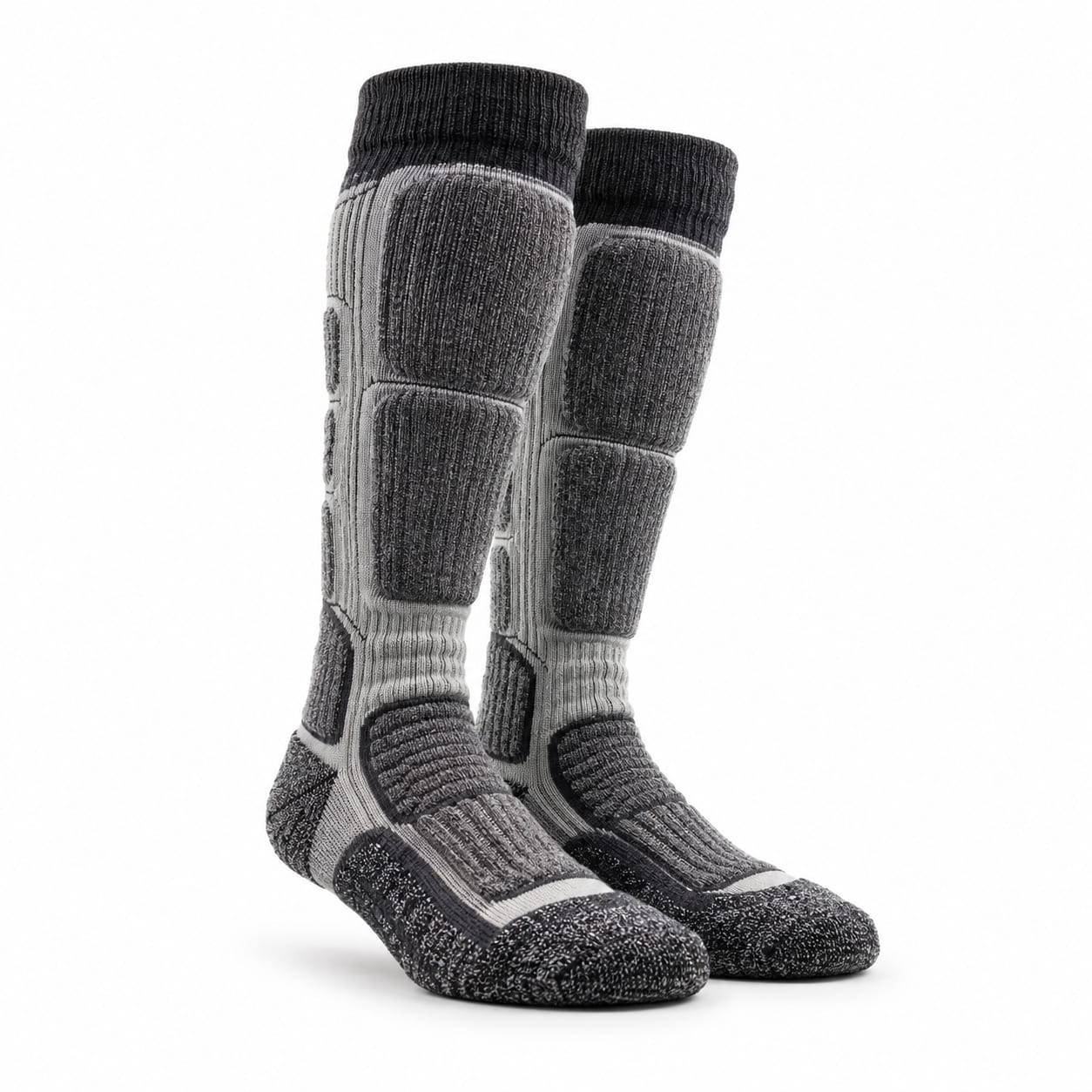
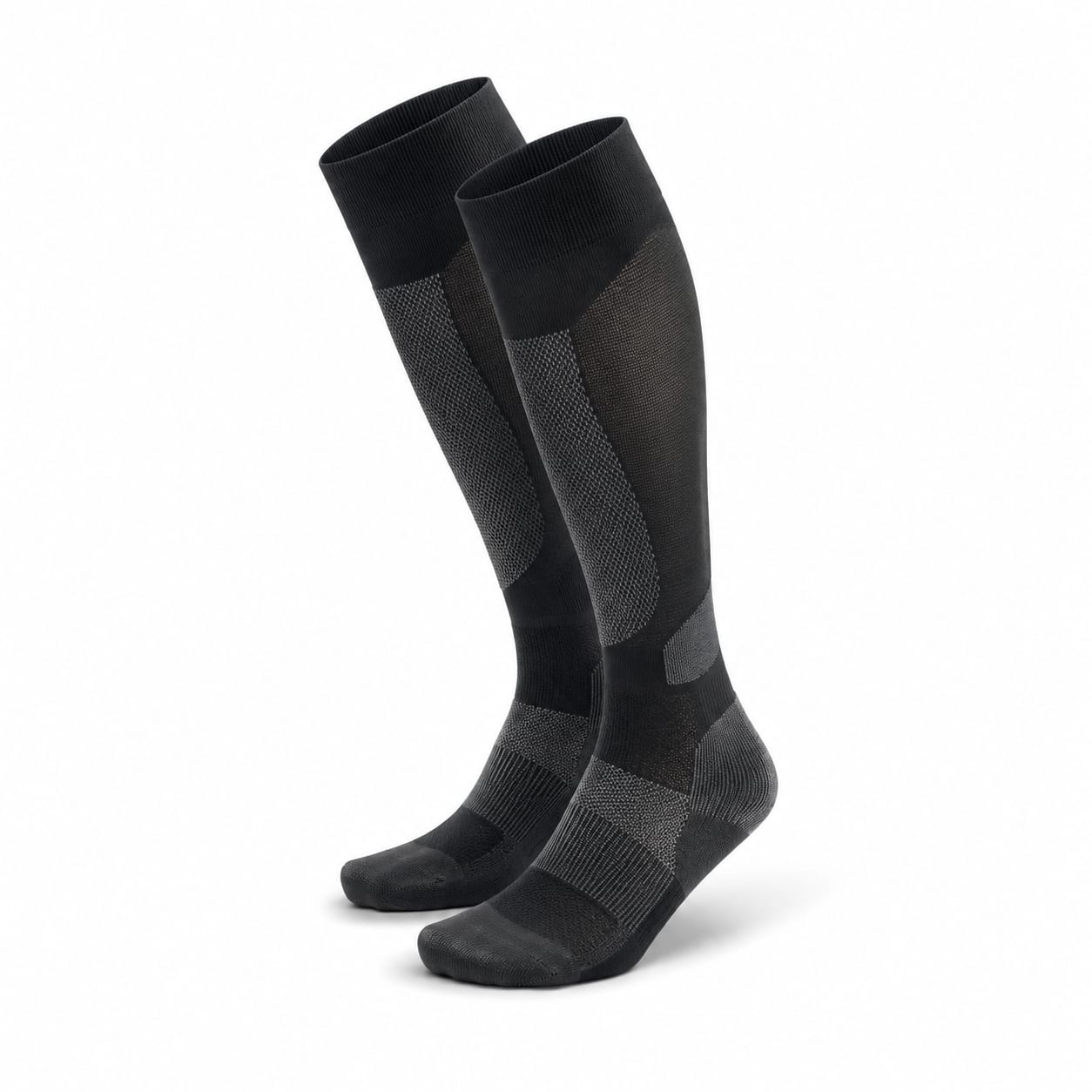
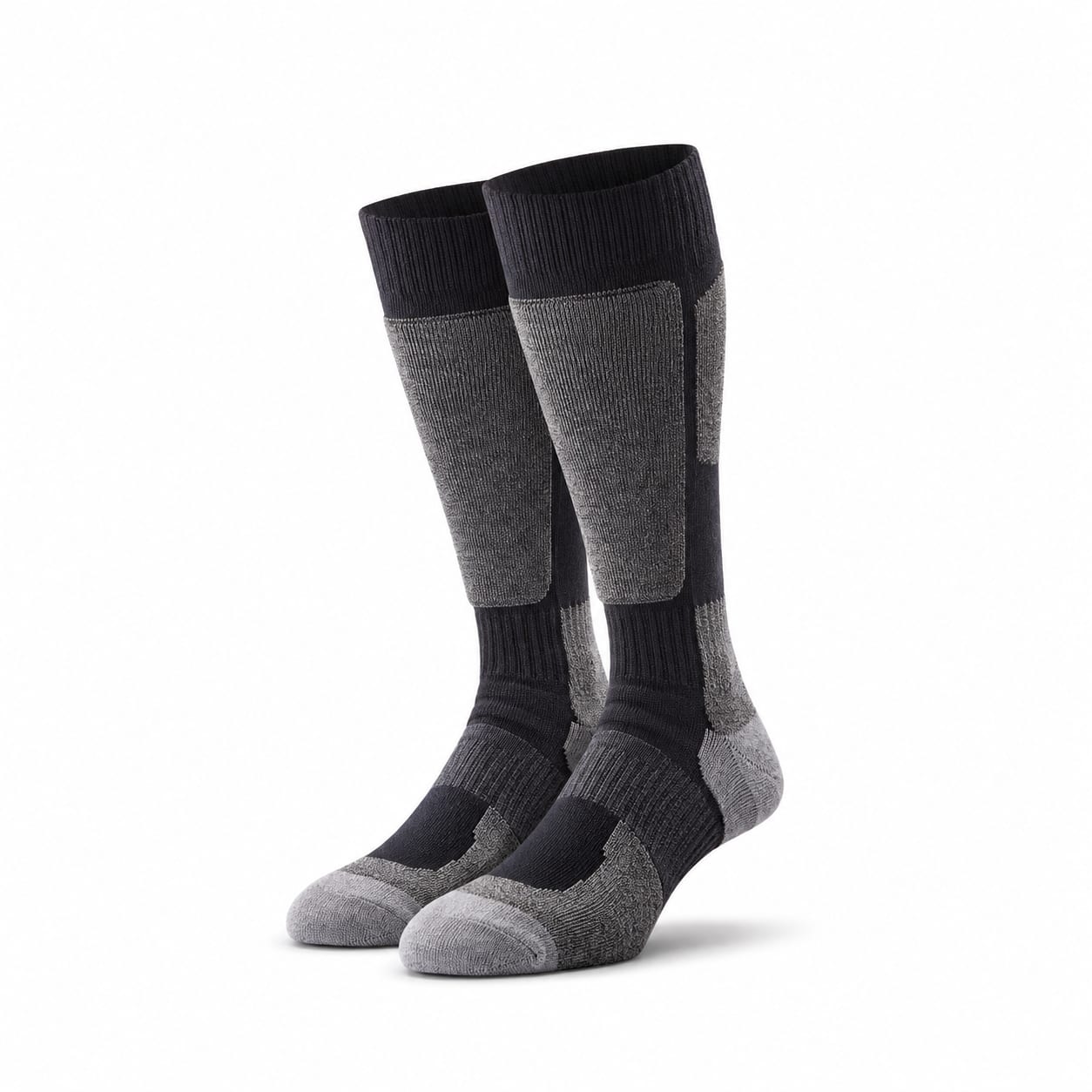
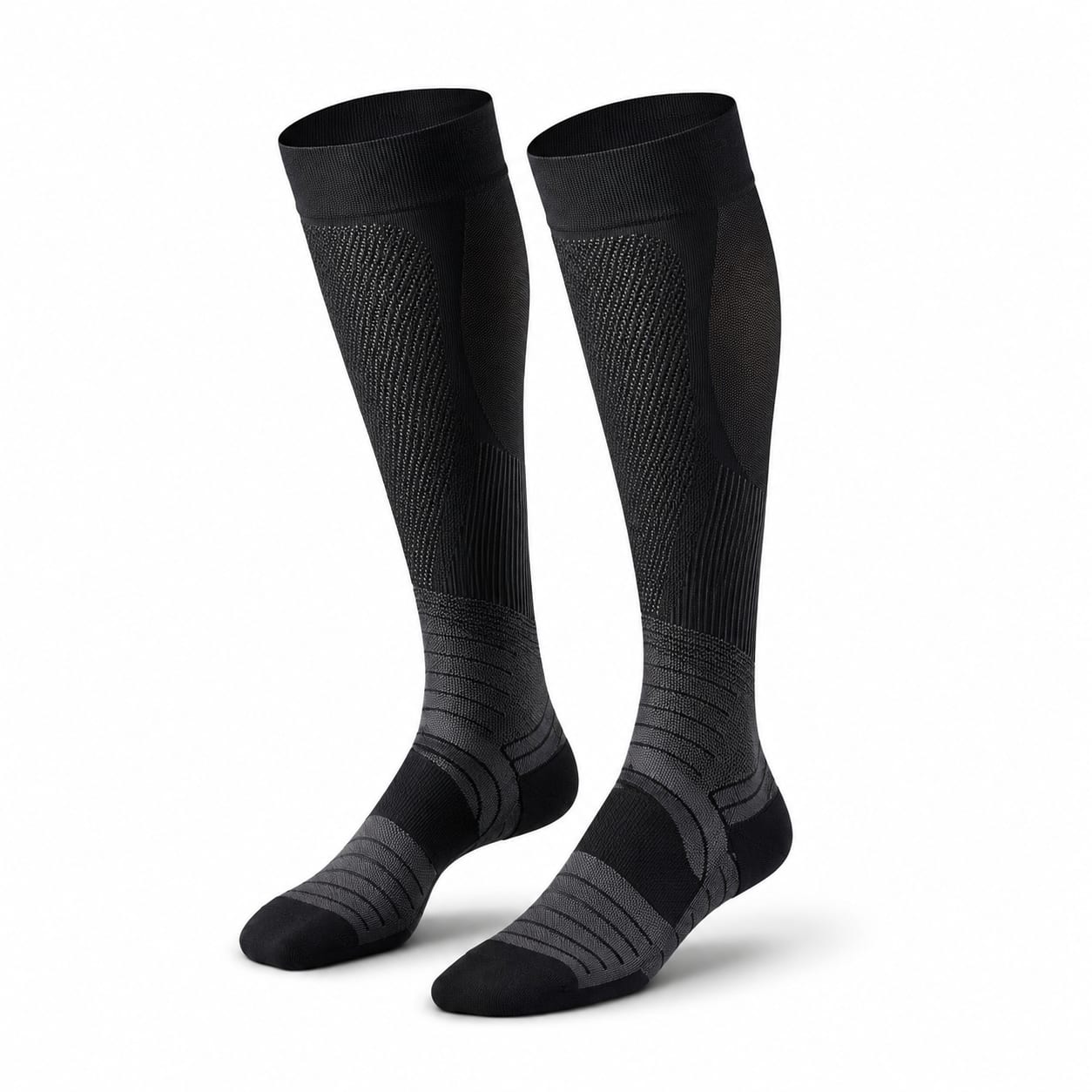
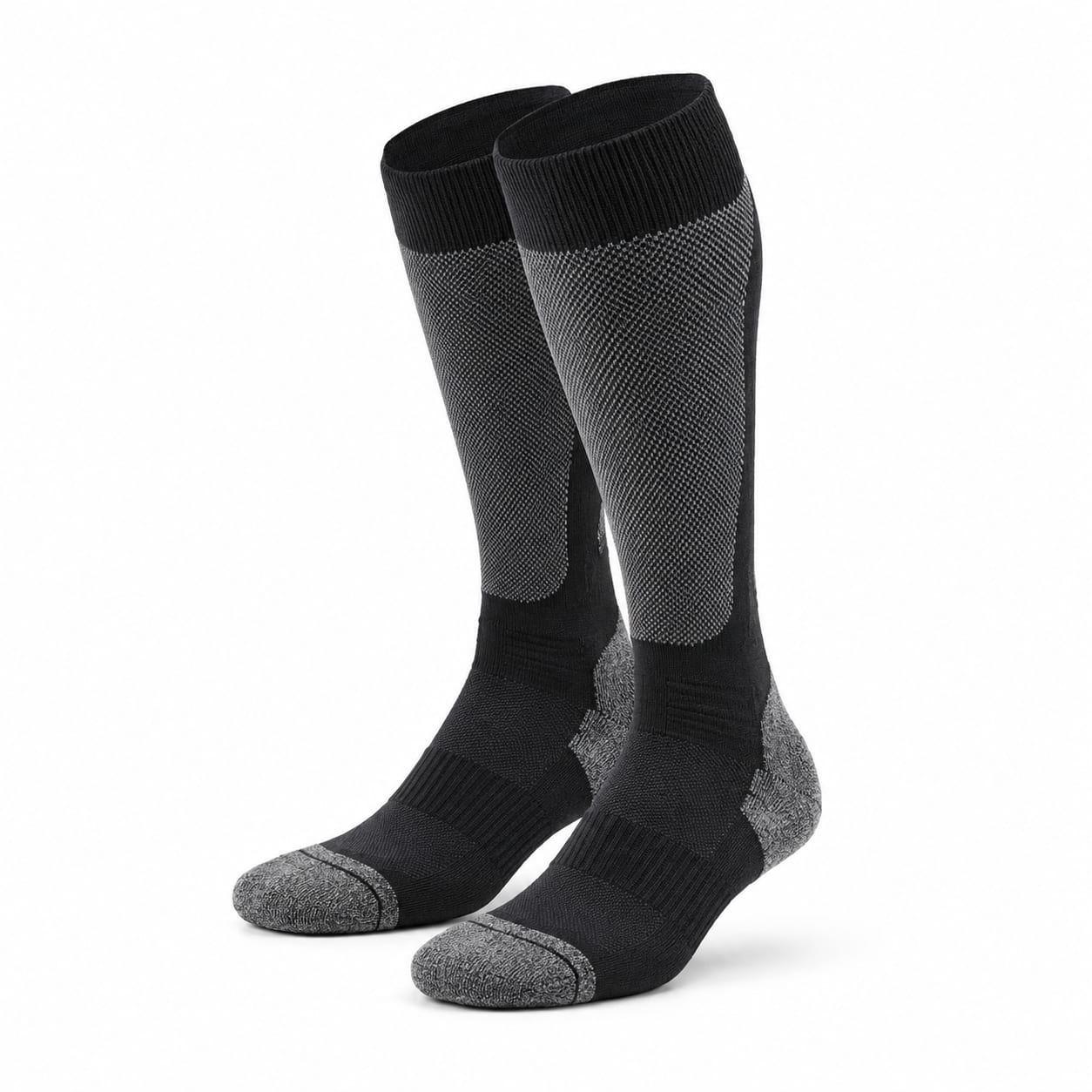
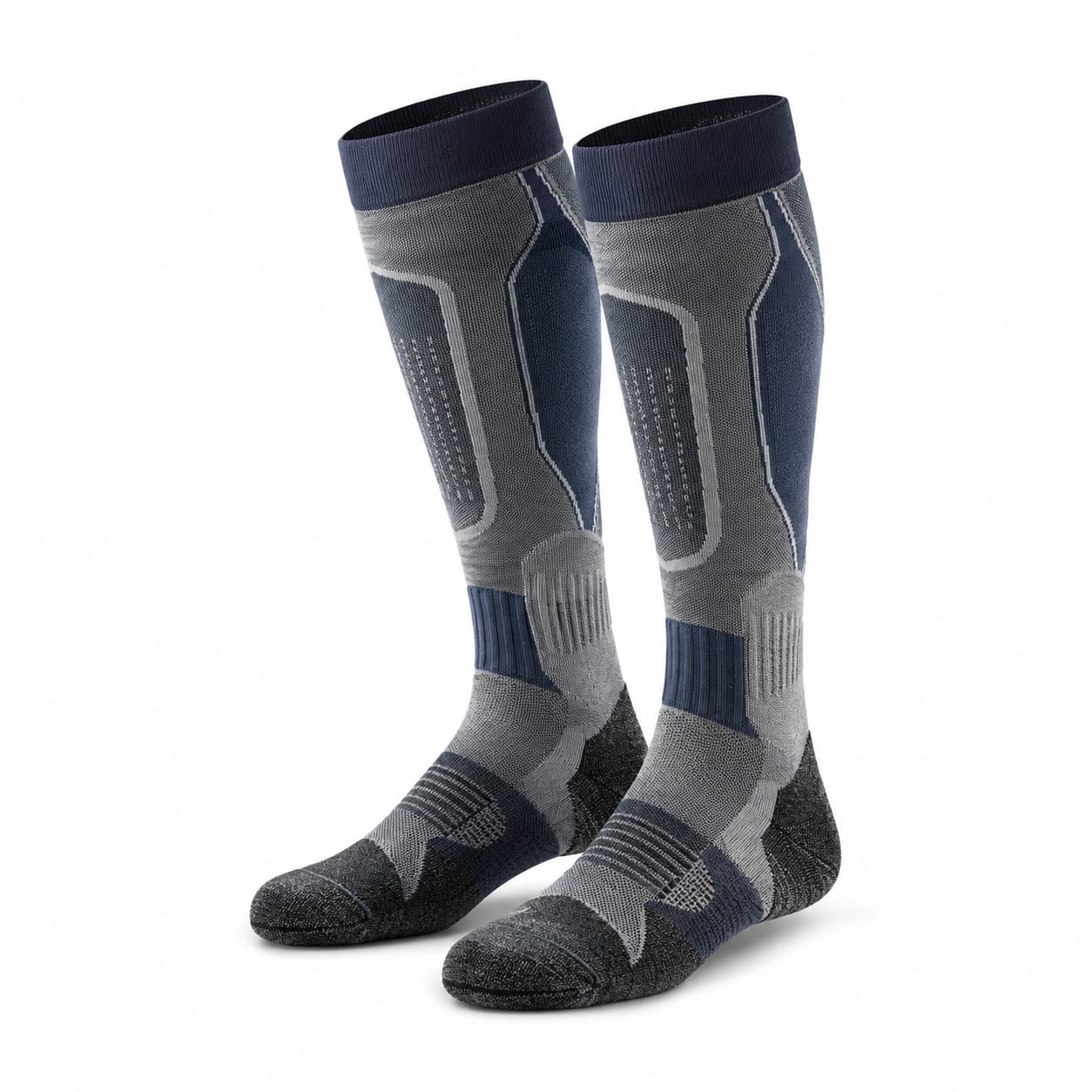
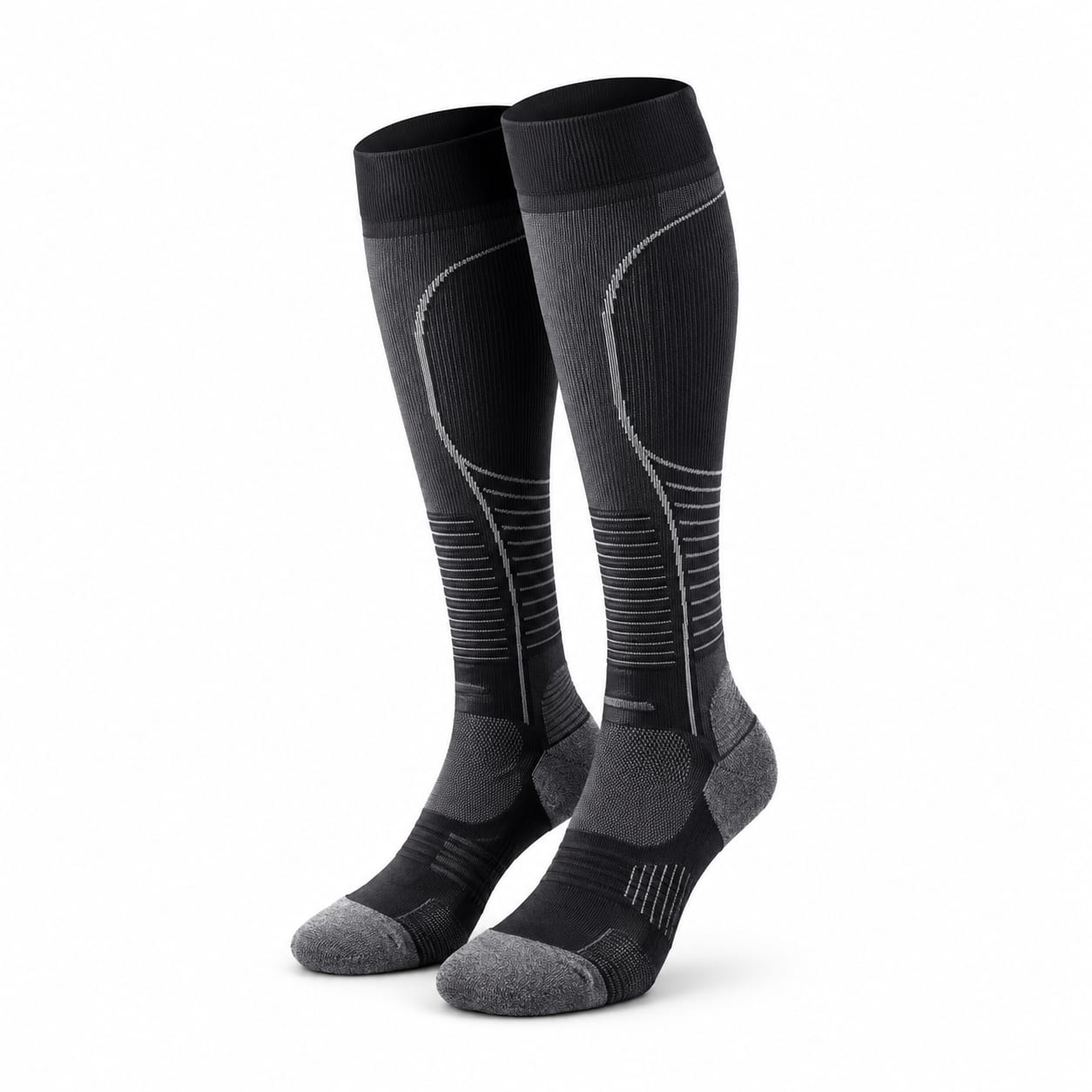
Heavy cushion ski socks are overwhelmingly constructed in over-the-calf height, which is the standard for skiing. Some models are available in knee-high for maximum coverage in extreme cold.
Compared to other types
Consistent with most ski sock subcategories—over-the-calf is the standard. Heavy cushion models are slightly more likely than lighter subcategories to offer knee-high options for maximum warmth.
Why it matters: The over-the-calf height ensures the thick cushioning extends above the boot cuff, preventing the shell from contacting bare skin. With heavy cushion socks, proper height is even more critical because the thick cuff helps seal the top of the boot against cold air intrusion.
Cushioning
Cushioning Level
What it means
The overall amount and density of padding built into the sock, affecting warmth, comfort, and boot fit. More cushioning means more warmth but less room in the boot.
Typical for this type
Heavy
In practice
This is the defining characteristic of the subcategory. Heavy cushion socks feature thick, dense padding throughout the entire foot and leg, not just in targeted zones.
Compared to other types
Significantly more cushioning than medium (the most common), light, and ultralight options. Heavy cushion provides roughly 2-3 times the padding of a light cushion sock and noticeably more than medium cushion across the entire foot and leg.
Why it matters: The full heavy cushion construction provides maximum shock absorption, pressure relief, and insulation. This is what sets the subcategory apart and determines its ideal use cases and limitations.
Material
Primary Fiber Material
What it means
The dominant fiber type used in the sock construction, which determines moisture management, warmth, odor resistance, and durability.
Typical for this type
Merino Synthetic Blend Or Merino Wool
In practice
Most heavy cushion ski socks use a merino-synthetic blend (typically 50-65% merino with nylon and elastane). The synthetic content is especially important in heavy cushion construction to maintain shape, durability, and stretch through the thicker fabric.
Compared to other types
Similar to other subcategories in preferring merino blends, but heavy cushion socks tend to have slightly lower merino percentages (50-60% vs. 60-70% in lighter socks) because the thicker construction needs more nylon for structural integrity and durability.
Why it matters: In heavy cushion socks, the blend ratio matters more than in thinner socks because the greater fabric volume means more potential for stretching, packing out, and moisture retention. The synthetic component helps the thick construction maintain its shape and cushioning over time.
Merino %
Merino Wool Content
What it means
The percentage of merino wool in the sock's fiber composition. Higher percentages provide more natural performance benefits but may reduce durability.
Typical for this type
45%–65%
Most common pick: 55%
In practice
Heavy cushion socks typically contain 50-60% merino wool, with the remainder being nylon for durability and elastane for stretch. The percentage tends to be slightly lower than in lighter socks because the thick construction requires more structural support from synthetic fibers.
Compared to other types
Slightly lower typical merino percentage than light and ultralight cushion socks (which often reach 65-75%), but the absolute amount of merino by weight is higher due to the thicker construction.
Why it matters: Adequate merino content ensures the moisture management and odor resistance that make ski socks functional. Going below 45% merino in a heavy cushion sock risks poor moisture wicking, which is especially problematic because the thick construction retains more moisture by volume.
Compression
Compression Level
What it means
The degree of graduated compression built into the sock, measured in mmHg. Compression improves blood flow, reduces fatigue, and enhances proprioception.
Typical for this type
None to Light
In practice
Heavy cushion socks most commonly feature light compression or no compression. The thick padding already creates a snug feel, and adding significant compression would make the sock excessively tight and difficult to put on.
Compared to other types
Lighter compression than medium and light cushion performance socks, which commonly feature moderate (15-20 mmHg) compression. The thick padding of heavy cushion socks already provides a snug, supportive feel that reduces the need for additional compression.
Why it matters: Compression in a heavy cushion sock must be carefully calibrated. Too much compression combined with thick padding can restrict circulation and cause discomfort, especially in the confined space of a ski boot. Light compression provides gentle support without over-constricting.
Thickness
Thickness Category
What it means
The overall thickness of the sock construction, which directly affects boot fit, warmth, and feel. Related to but distinct from cushioning level.
Typical for this type
Heavyweight
In practice
Heavy cushion ski socks are classified as heavyweight thickness. This is the thickest category available, with substantial material volume throughout the entire sock.
Compared to other types
The thickest option available. Significantly more volume than midweight (the most common), lightweight, and ultralight categories. A heavyweight sock can add 1-2 full boot sizes worth of volume compared to an ultralight sock.
Why it matters: The heavyweight thickness directly determines boot fit impact, warmth level, and feel. This thickness takes up significant volume in the boot, which can improve fit in loose boots but cause problems in tight ones.
Left/Right Specific
Anatomical Fit Construction
What it means
Whether the sock is constructed with specific left and right foot shaping for improved fit and reduced bunching inside the boot.
Typical for this type
Anatomical Lr Preferred, Universal Acceptable
In practice
Heavy cushion socks are available in both anatomical left/right and universal fit constructions. Universal is more common in this subcategory, particularly at mid-range price points.
Compared to other types
Less likely to feature anatomical construction than ultralight and light cushion performance socks, where precision fit is prioritized. More premium heavy cushion models do offer anatomical fit.
Why it matters: In heavy cushion socks, anatomical fit is arguably more important because the thick material has more potential to bunch and create pressure points if not properly shaped to the foot. However, the dense padding also tends to compress and conform to the foot over time, somewhat mitigating bunching issues.
Shin Padding
Shin Cushioning
What it means
Dedicated cushioning zone on the front of the sock that protects the shin from ski boot pressure and impact. One of the most important zone-specific features.
Typical for this type
Heavy
In practice
Heavy cushion socks feature heavy shin cushioning as a standard element. The shin zone receives the thickest padding in the sock, providing maximum protection against boot tongue pressure and impact.
Compared to other types
The heaviest shin cushioning available. Significantly more protective than medium shin cushioning (common in all-mountain socks) and dramatically more than light or none (found in performance and racing socks). This is a primary reason skiers choose heavy cushion socks.
Why it matters: The heavy shin pad is one of the most valued features of this subcategory, especially for skiers prone to shin bang. It creates a substantial cushion between the shin and the boot tongue that absorbs impact from landings, moguls, and forward lean pressure.
Toe Seam Type
Toe Construction
What it means
How the toe area of the sock is constructed and seamed. Affects comfort and blister risk in the tight toe box of a ski boot.
Typical for this type
Seamless Or Flat Knit
In practice
Quality heavy cushion ski socks typically feature seamless or flat-knit toe construction. The seamless toe is preferred because the thick sock material already creates a snug toe environment where any seam would be more noticeable.
Compared to other types
Similar to other subcategories in preferring seamless construction, but the issue is amplified by the thick material. A seam that might be barely noticeable in a thin sock can become a significant pressure point in a heavy cushion sock.
Why it matters: In a heavy cushion sock, the toe area is already thickly padded, making any raised seam more pronounced and potentially uncomfortable against the tight toe box of a ski boot. Seamless construction eliminates this risk entirely.
What it means
Built-in compression or elastic support in the arch/instep area of the sock. Provides a more secure fit and can reduce foot fatigue.
Typical for this type
Light to Moderate
In practice
Heavy cushion socks commonly feature moderate arch support. The elastic arch band helps keep the thick sock in place on the foot and prevents it from shifting inside the boot during activity.
Compared to other types
Similar to other subcategories, though the functional importance is arguably higher because the greater material volume of heavy cushion socks makes slippage more problematic if it occurs.
Why it matters: Arch support is particularly valuable in heavy cushion socks because the thick, heavy material has more tendency to shift and bunch than thinner constructions. The arch band anchors the sock to the foot and maintains proper alignment of cushioning zones.
Ventilation
Ventilation Zones
What it means
Mesh or thinner-knit zones designed to increase breathability and moisture escape in high-heat areas like the top of the foot and between toes.
Typical for this type
None to Targeted
In practice
Heavy cushion socks most commonly have no dedicated ventilation zones, prioritizing maximum warmth over breathability. Some models add targeted ventilation on the top of the foot to prevent excessive moisture buildup.
Compared to other types
Less ventilation than medium and light cushion socks, which commonly feature targeted ventilation. Ultralight and performance socks often have extensive ventilation. Heavy cushion socks sacrifice breathability for insulation, which is appropriate for their intended cold-weather use.
Why it matters: The lack of ventilation zones contributes to warmth but can lead to moisture retention during high-intensity skiing or in milder conditions. This is a key trade-off of the subcategory—maximum warmth comes at the cost of reduced breathability.
Odor Control
Antimicrobial Treatment
What it means
Whether the sock has an applied antimicrobial treatment (e.g., silver ions, Polygiene) to reduce odor-causing bacteria. Merino wool has natural antimicrobial properties.
Typical for this type
True Preferred
In practice
Many heavy cushion socks include antimicrobial treatments. Because these socks are thicker and retain more moisture, odor control treatments provide additional benefit beyond the natural odor resistance of merino wool.
Compared to other types
More commonly included than in lighter sock categories, where the thinner construction dries faster and is less prone to odor issues. The treatment is a worthwhile addition given the moisture retention characteristics of heavy cushion construction.
Why it matters: The thick construction of heavy cushion socks means more fabric to hold moisture and develop odor. Antimicrobial treatment provides an extra layer of protection, which is especially valuable for multi-day ski trips where washing may not be possible.
Gender Fit
Gender-Specific Fit
What it means
Whether the sock is designed with gender-specific proportions. Women's-specific socks account for typically narrower heels, higher arches, and different calf proportions.
Typical for this type
Match to Your Gender/Foot Shape
Most common pick: Mens
In practice
Heavy cushion ski socks are available in men's, women's, and unisex fits. Women's-specific heavy cushion socks account for narrower heels and smaller calf circumference, which is especially important because excess material in these areas creates discomfort in the already bulky construction.
Compared to other types
Similar availability across gender-specific options as other subcategories, but the fit consequences of choosing the wrong gender sizing are more severe due to the greater material volume.
Why it matters: In heavy cushion socks, proper gender-specific fit is even more important because the thick material has more potential to bunch in areas where the proportions are wrong. A woman wearing a men's heavy cushion sock may experience heel slippage and calf bunching that is more problematic than the same issue in a thinner sock.
Reinforced Areas
Reinforced Zones
What it means
Specific areas of the sock with extra-durable construction to resist wear from ski boot friction and extend sock life.
Typical for this type
Heel And Toe Minimum; Shin And Sole Preferred
Most common pick: Heel, Toe, Shin, Sole
In practice
Heavy cushion socks typically feature the most comprehensive reinforcement of any ski sock subcategory. Heel and toe reinforcement are standard, and many models add shin reinforcement (to prevent the heavy cushion pad from packing out) and sole reinforcement for underfoot durability.
Compared to other types
More extensive reinforcement than lighter subcategories. While light and medium cushion socks may only reinforce heel and toe, heavy cushion socks commonly add shin and sole reinforcement to protect the thicker, more vulnerable padding.
Why it matters: The thick cushioning in these socks is more prone to packing out under pressure, so reinforcement in high-wear zones helps maintain cushioning effectiveness and extends sock life. Shin reinforcement is particularly valuable because the heavy shin pad receives constant pressure from the boot tongue.
Warmth Level
Warmth Rating
What it means
The overall warmth category of the sock, determined by thickness, material, and construction. Indicates the temperature range the sock is designed for.
Typical for this type
Heavyweight Warmth
In practice
Heavy cushion ski socks are rated for heavyweight warmth, making them the warmest sock category available. They are designed for the coldest skiing conditions and skiers who prioritize maximum insulation.
Compared to other types
The warmest option available. Significantly warmer than all-season/midweight warmth (the most common category) and dramatically warmer than lightweight warmth socks. This warmth comes with reduced versatility—heavy cushion socks are too warm for spring skiing or mild winter days.
Why it matters: The heavyweight warmth rating means these socks are purpose-built for sub-zero temperatures, long cold lift rides, and skiers who chronically suffer from cold feet. Using them in milder conditions risks overheating and the sweaty-then-cold cycle that undermines warmth.
What it means
The sock size, which must correspond to the skier's shoe size for proper fit. Ill-fitting socks cause bunching, wrinkles, and discomfort in ski boots.
Typical for this type
Match Exactly to Your Shoe Size Per Brand Chart
Most common pick: Full Size Range Available (Men'S 5-17, Women'S 4-12)
In practice
Heavy cushion socks are available across the full size range. Proper sizing is especially critical because the thick material has more potential to bunch if the sock is too large, and a too-small sock will stretch the cushioning thin and reduce its effectiveness.
Compared to other types
Same size ranges available as other subcategories, but the consequences of poor sizing are amplified by the thicker construction. Sizing accuracy matters more in heavy cushion socks than in any other subcategory.
Why it matters: In heavy cushion socks, sizing errors are more consequential than in thinner socks. A sock that's too large will create thick folds and pressure points. A sock that's too small will stretch the padding, making it thinner and less effective while also restricting circulation. When between sizes, sizing down is generally preferable to avoid bunching.