
Start with premium dual-lens construction with high-quality anti-fog coating—this is non-negotiable for storm skiing. Never wipe the inner lens, as this destroys the coating. Keep goggles on your face (not your forehead) to maintain temperature equilibrium. Ensure your helmet doesn't block the goggle's ventilation channels. Consider goggles with enhanced or active ventilation for chronic fog issues. After skiing, remove the lens and let everything dry completely before storage. For glasses wearers, Rx inserts eliminate the double-fog problem of glasses under goggles.
Ski Goggles · Low-Light / Storm Ski Goggles
How do I keep my goggles from fogging in storm conditions?
Related gear types
If this answer nudged you toward a different style, these guides compare specs and trade-offs.
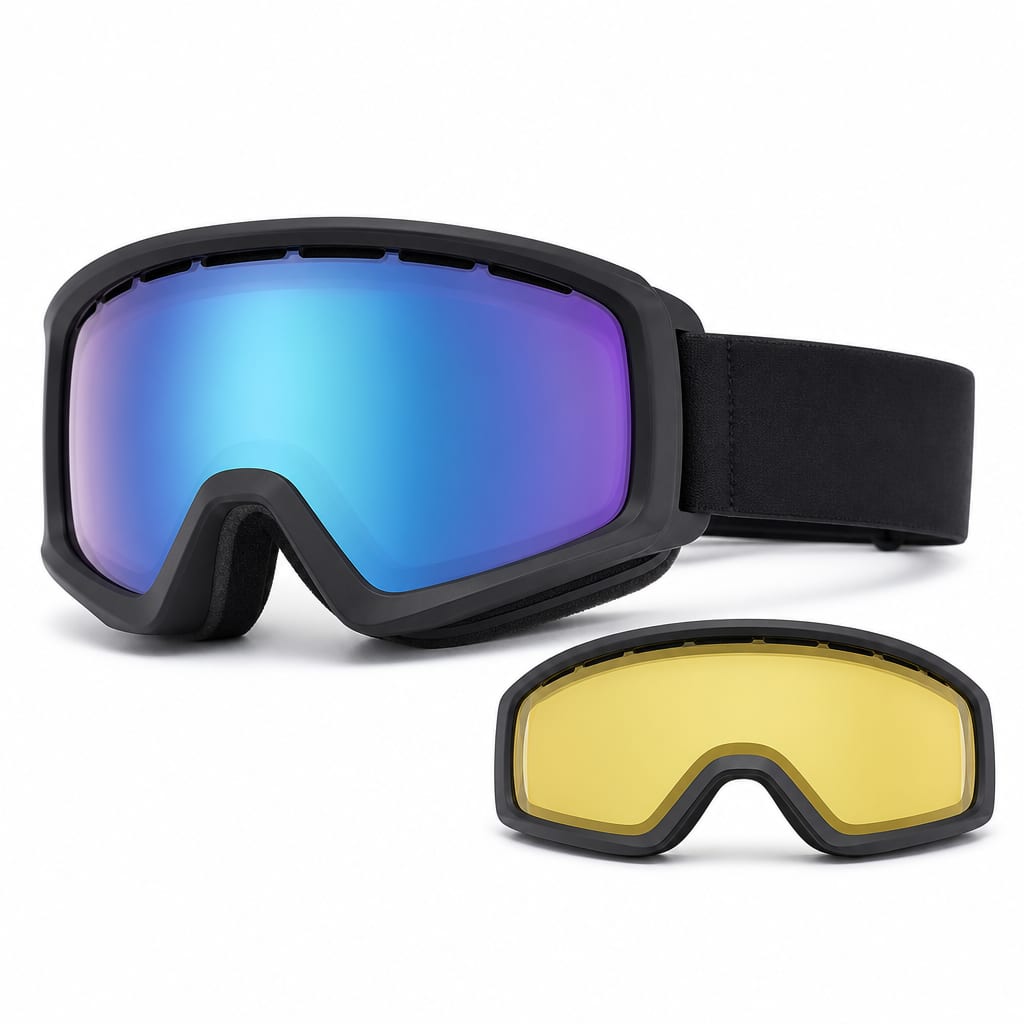
All-Mountain Ski Goggles
$50 – $250
Versatile goggles designed for general use across varied terrain and light conditions.
versatile lens tintshelmet-compatible framesmoderate VLT range
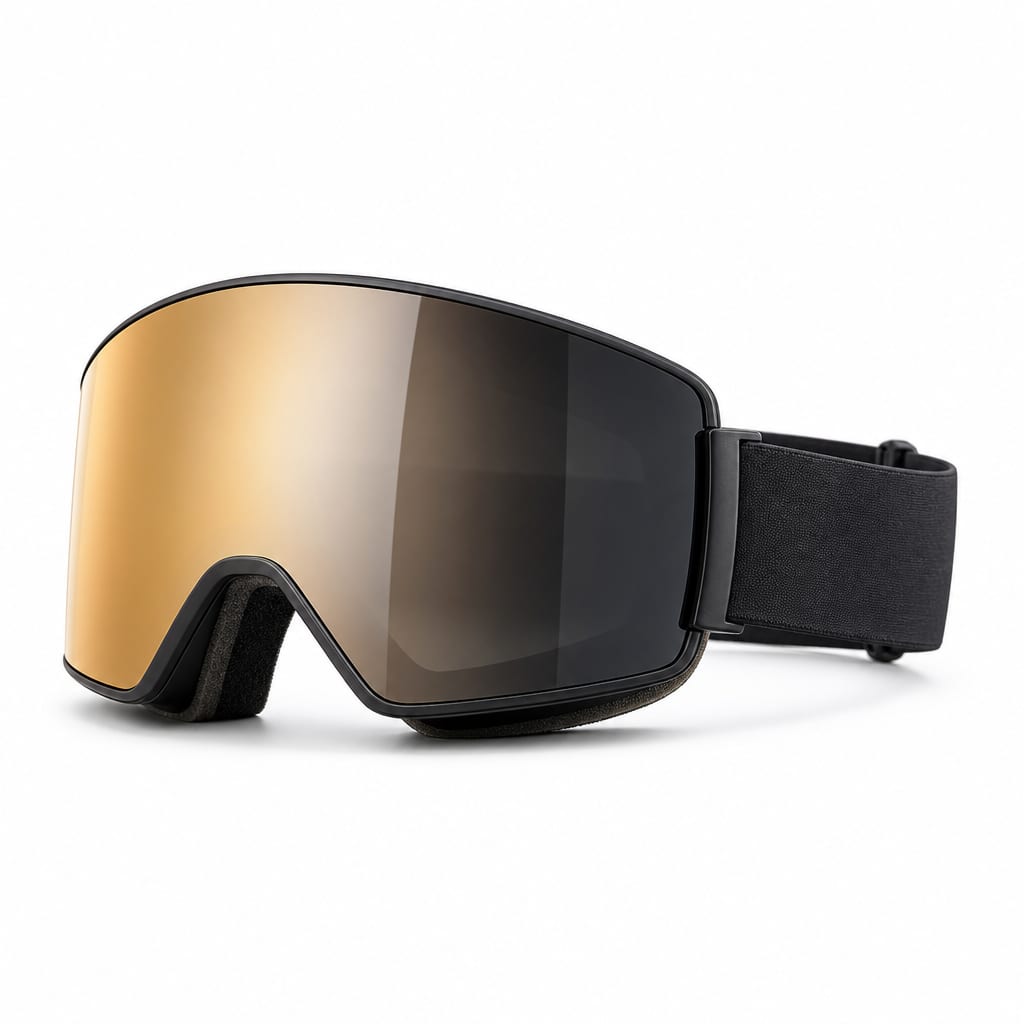
Photochromic Ski Goggles
$120 – $350
Goggles with light-reactive lenses that automatically adjust tint to changing conditions.
auto-darkening lenseswide VLT rangeUV-reactive technology
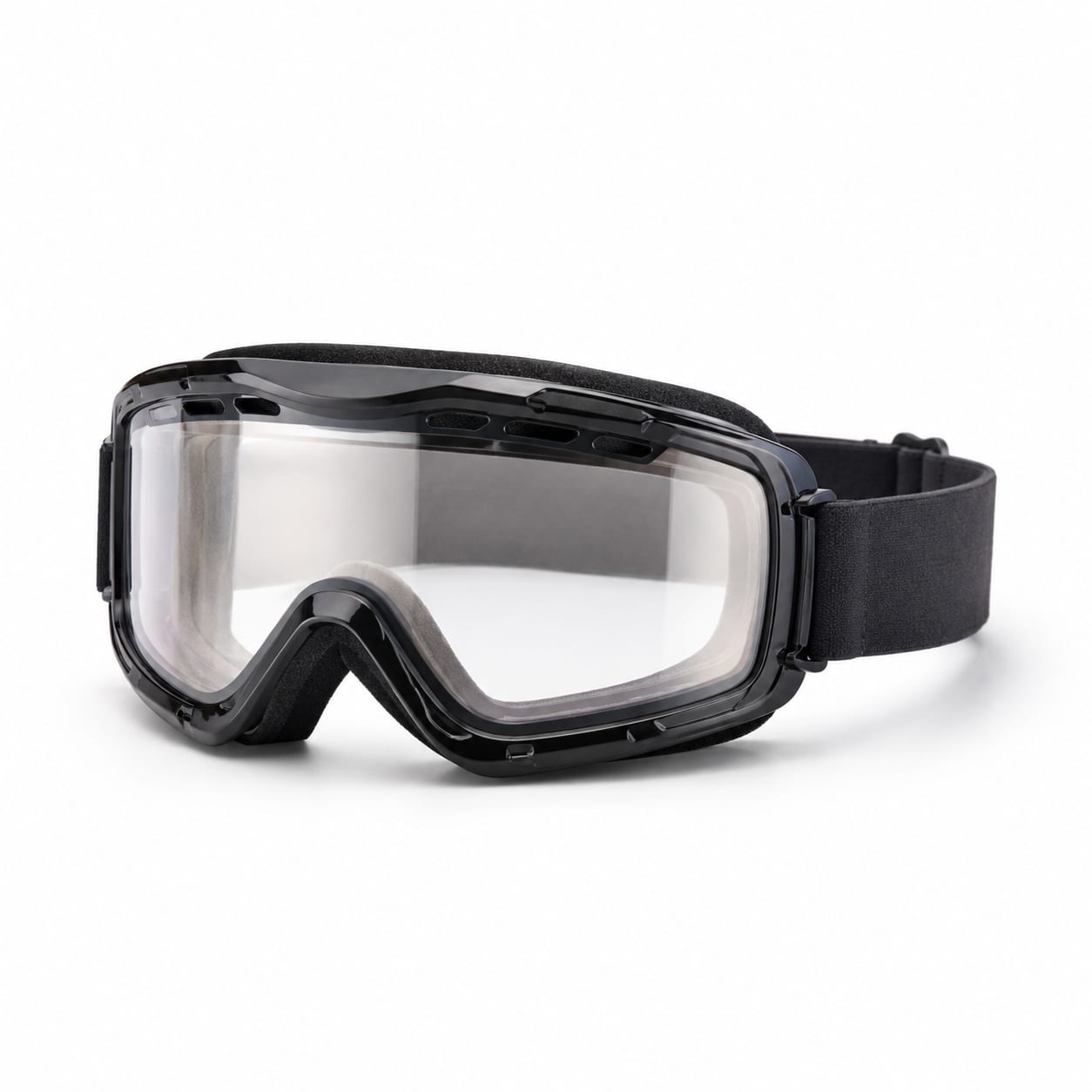
Night Skiing Goggles
$30 – $150
Goggles with clear or lightly tinted lenses designed specifically for artificial light skiing.
clear or near-clear lensesVLT 80-95%anti-reflective coatings
More questions
- What VLT percentage should I look for in a low-light ski goggle?
- Is yellow or rose tint better for low-light skiing?
- Can I use a low-light goggle as my everyday goggle?
- Why should low-light goggles not be polarized?