
Polarization eliminates glare by filtering reflected light, but in flat light conditions, those subtle reflections and glare differences between snow surfaces are actually helpful visual cues. They help you distinguish between soft snow, ice, crust, and hardpack. Removing those cues with polarization can make flat light even flatter and harder to read. Additionally, polarization can make it harder to see icy patches—which is exactly what you want to avoid in storm skiing.
Ski Goggles · Low-Light / Storm Ski Goggles
Why should low-light goggles not be polarized?
Related gear types
If this answer nudged you toward a different style, these guides compare specs and trade-offs.
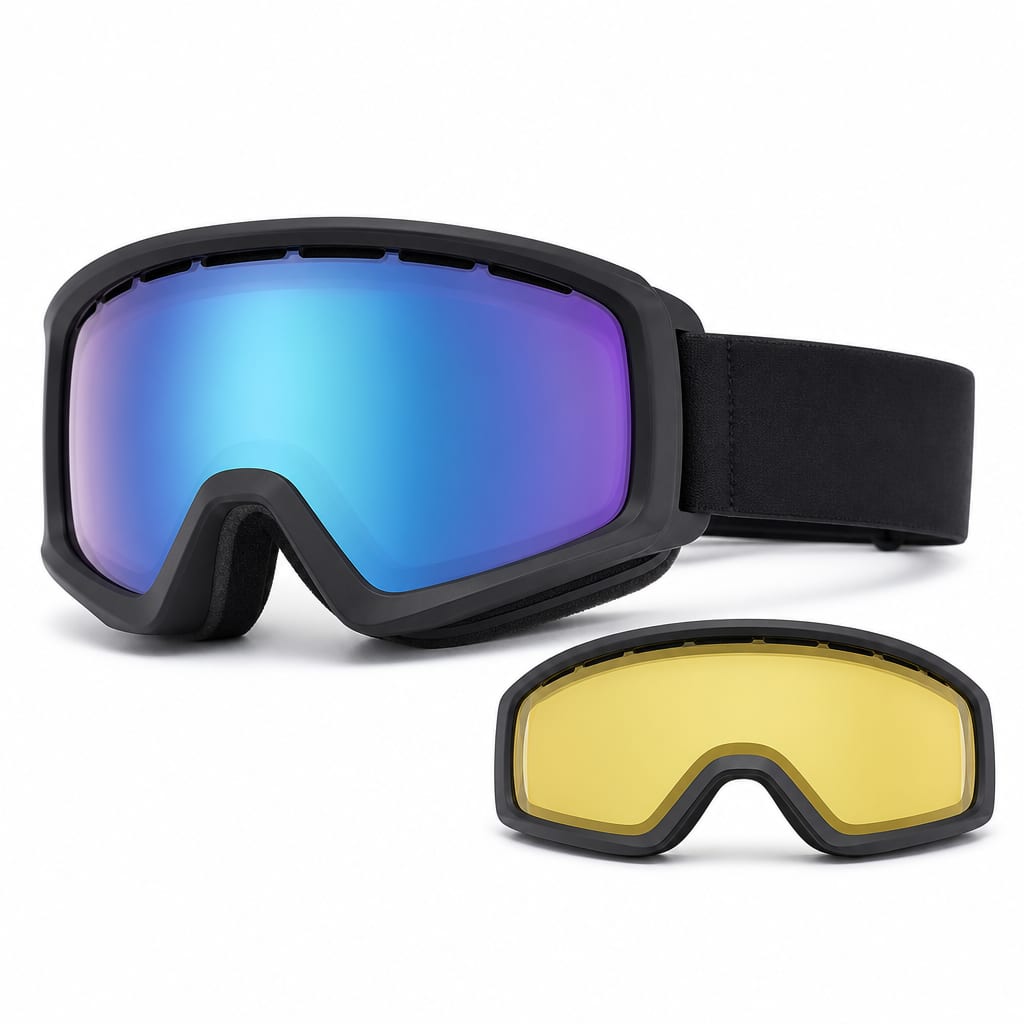
All-Mountain Ski Goggles
$50 – $250
Versatile goggles designed for general use across varied terrain and light conditions.
versatile lens tintshelmet-compatible framesmoderate VLT range
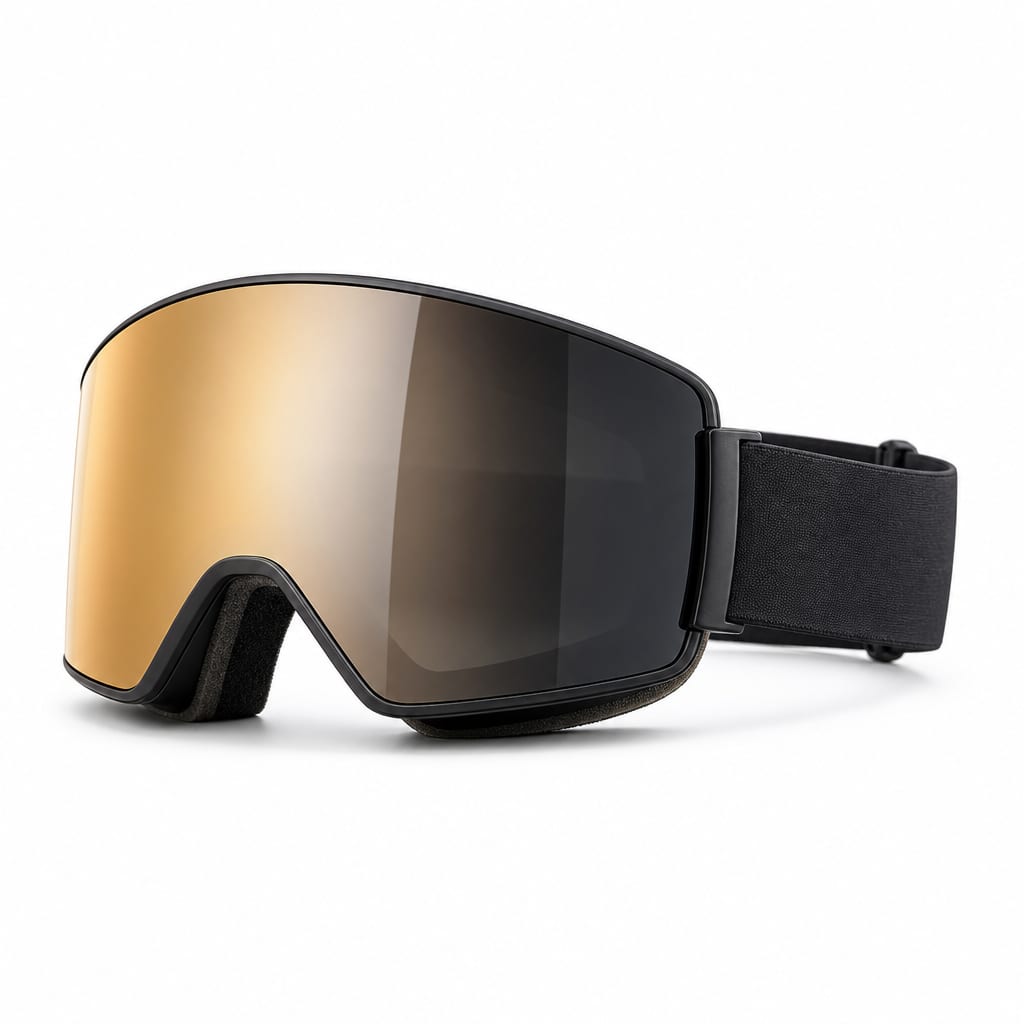
Photochromic Ski Goggles
$120 – $350
Goggles with light-reactive lenses that automatically adjust tint to changing conditions.
auto-darkening lenseswide VLT rangeUV-reactive technology
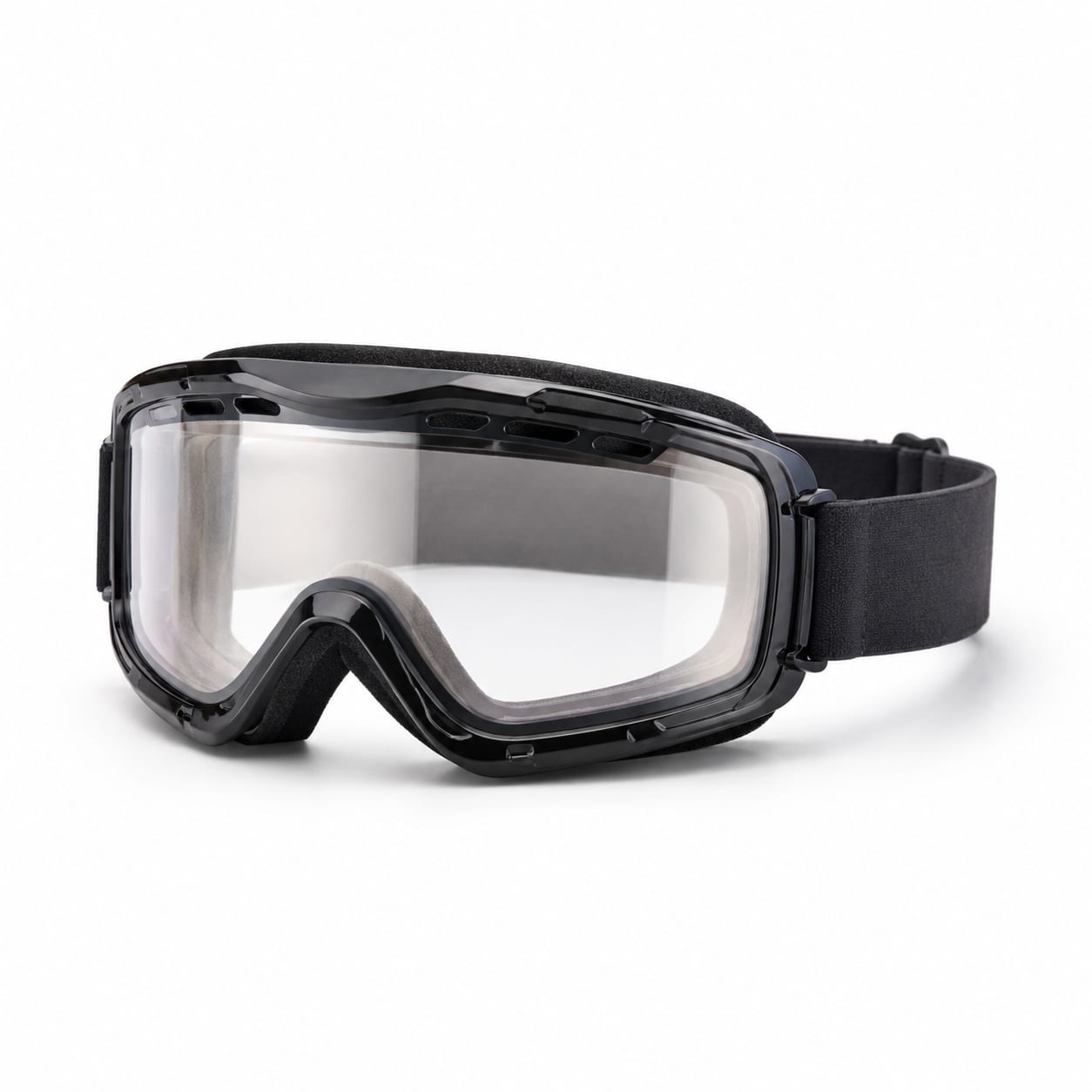
Night Skiing Goggles
$30 – $150
Goggles with clear or lightly tinted lenses designed specifically for artificial light skiing.
clear or near-clear lensesVLT 80-95%anti-reflective coatings
More questions
- What VLT percentage should I look for in a low-light ski goggle?
- Is yellow or rose tint better for low-light skiing?
- Can I use a low-light goggle as my everyday goggle?
- How do I keep my goggles from fogging in storm conditions?