For dedicated storm and flat-light skiing, look for a VLT of 60–80%. Lenses in the 60–70% range work well for overcast days and moderate flat light, while 70–80%+ VLT is ideal for heavy storms, fog, and deep whiteouts. If you also night ski, consider a clear lens (90%+ VLT) as a second option. Avoid anything below 55% VLT for true low-light performance—it won't provide enough light transmission for the darkest conditions.
Ski Goggles · Low-Light / Storm Ski Goggles
What VLT percentage should I look for in a low-light ski goggle?
Related gear types
If this answer nudged you toward a different style, these guides compare specs and trade-offs.
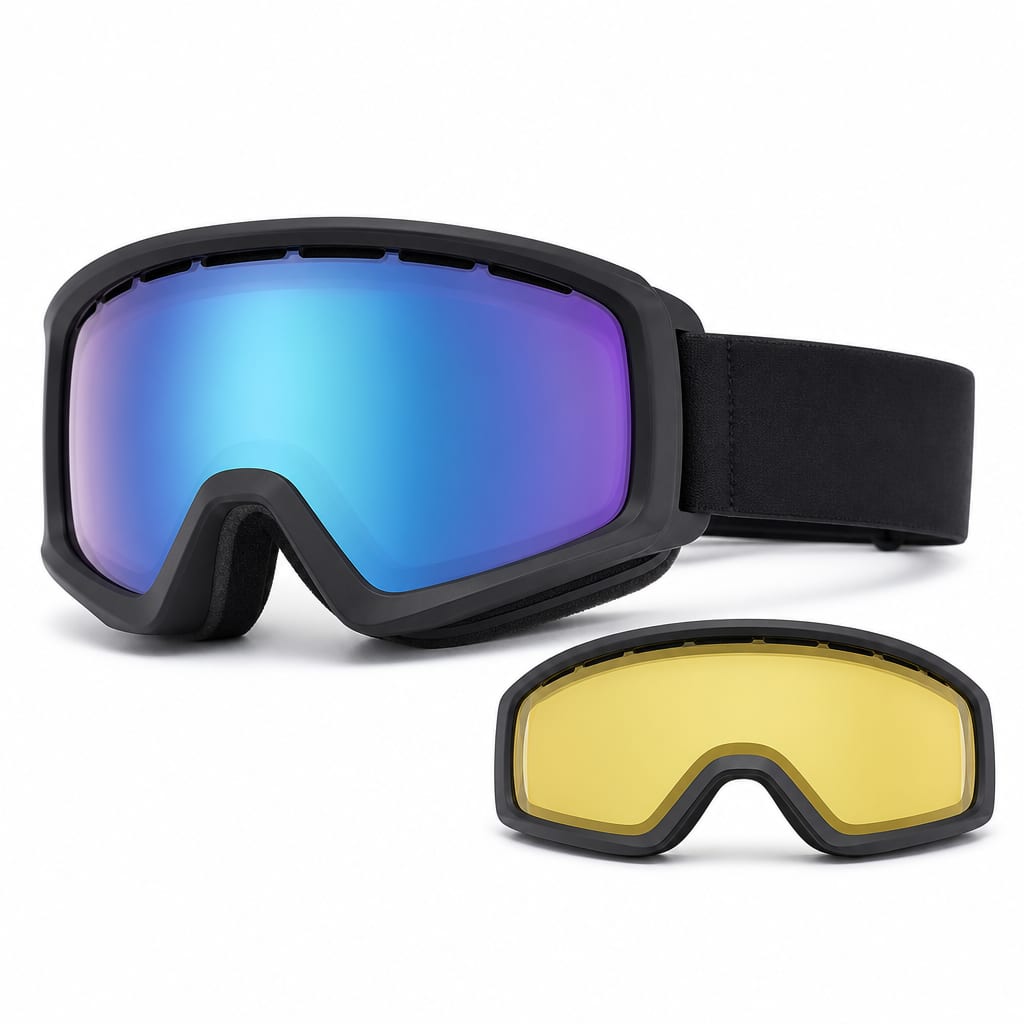
All-Mountain Ski Goggles
$50 – $250
Versatile goggles designed for general use across varied terrain and light conditions.
versatile lens tintshelmet-compatible framesmoderate VLT range
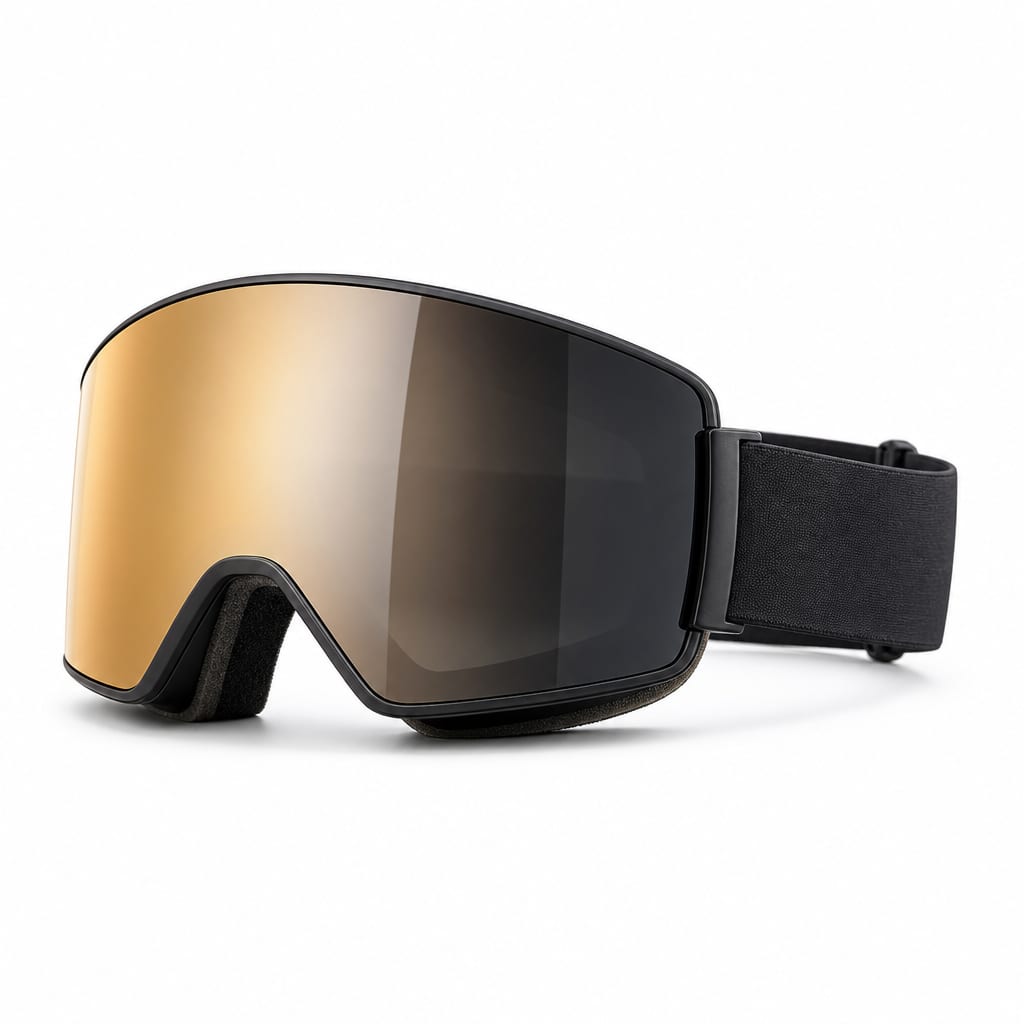
Photochromic Ski Goggles
$120 – $350
Goggles with light-reactive lenses that automatically adjust tint to changing conditions.
auto-darkening lenseswide VLT rangeUV-reactive technology
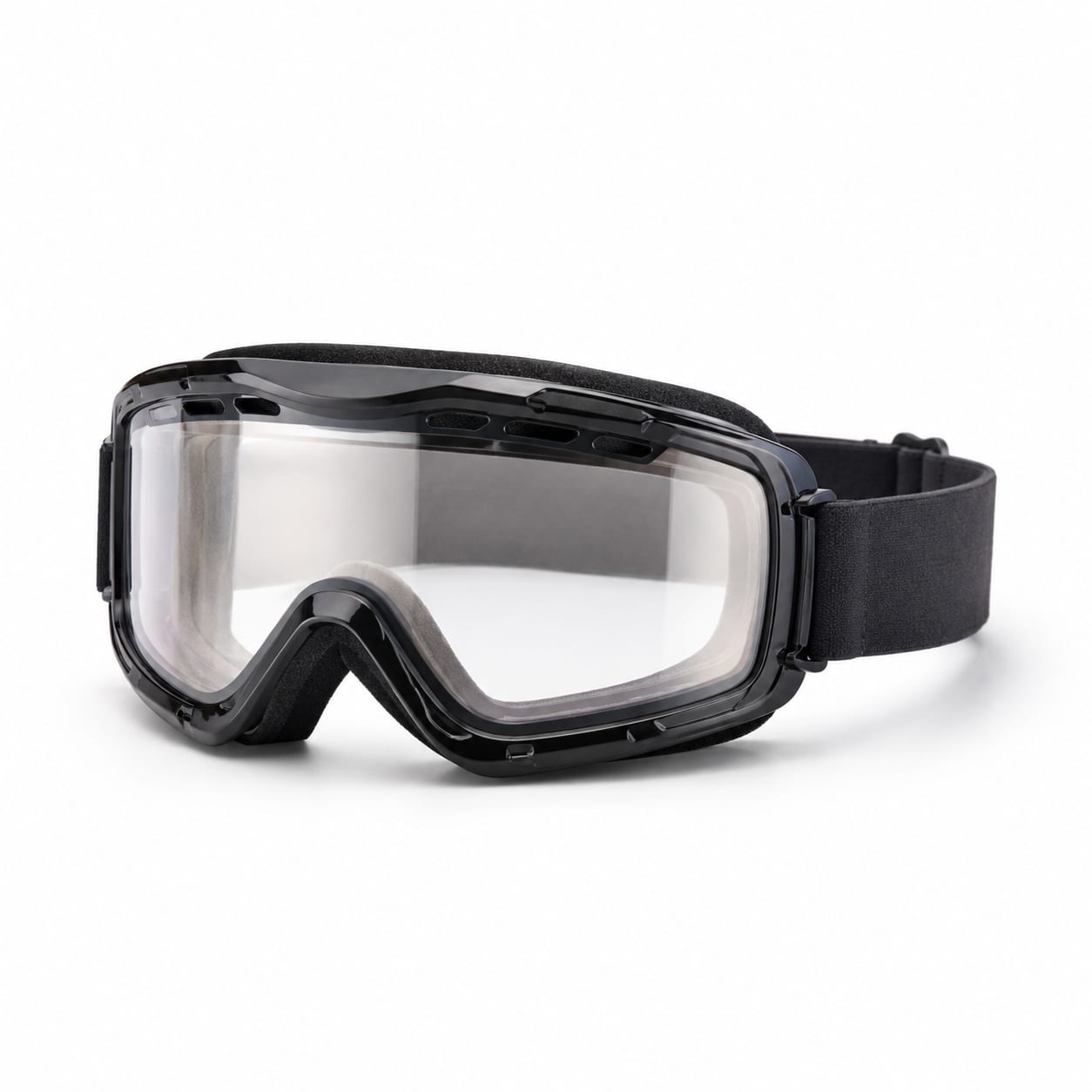
Night Skiing Goggles
$30 – $150
Goggles with clear or lightly tinted lenses designed specifically for artificial light skiing.
clear or near-clear lensesVLT 80-95%anti-reflective coatings
More questions
- Is yellow or rose tint better for low-light skiing?
- Can I use a low-light goggle as my everyday goggle?
- Why should low-light goggles not be polarized?
- How do I keep my goggles from fogging in storm conditions?