Yellow and gold tints provide the maximum brightness and sharpest definition in the darkest conditions—heavy overcast, fog, and blizzards. They're the best choice when light is extremely limited. Rose and amber tints provide slightly less brightness but superior depth perception and work better across a range of low-to-medium light conditions. If you frequently ski in severe whiteouts, go yellow. If you want one lens that handles overcast to partly cloudy transitions, go rose or amber.
Ski Goggles · Low-Light / Storm Ski Goggles
Is yellow or rose tint better for low-light skiing?
Related gear types
If this answer nudged you toward a different style, these guides compare specs and trade-offs.
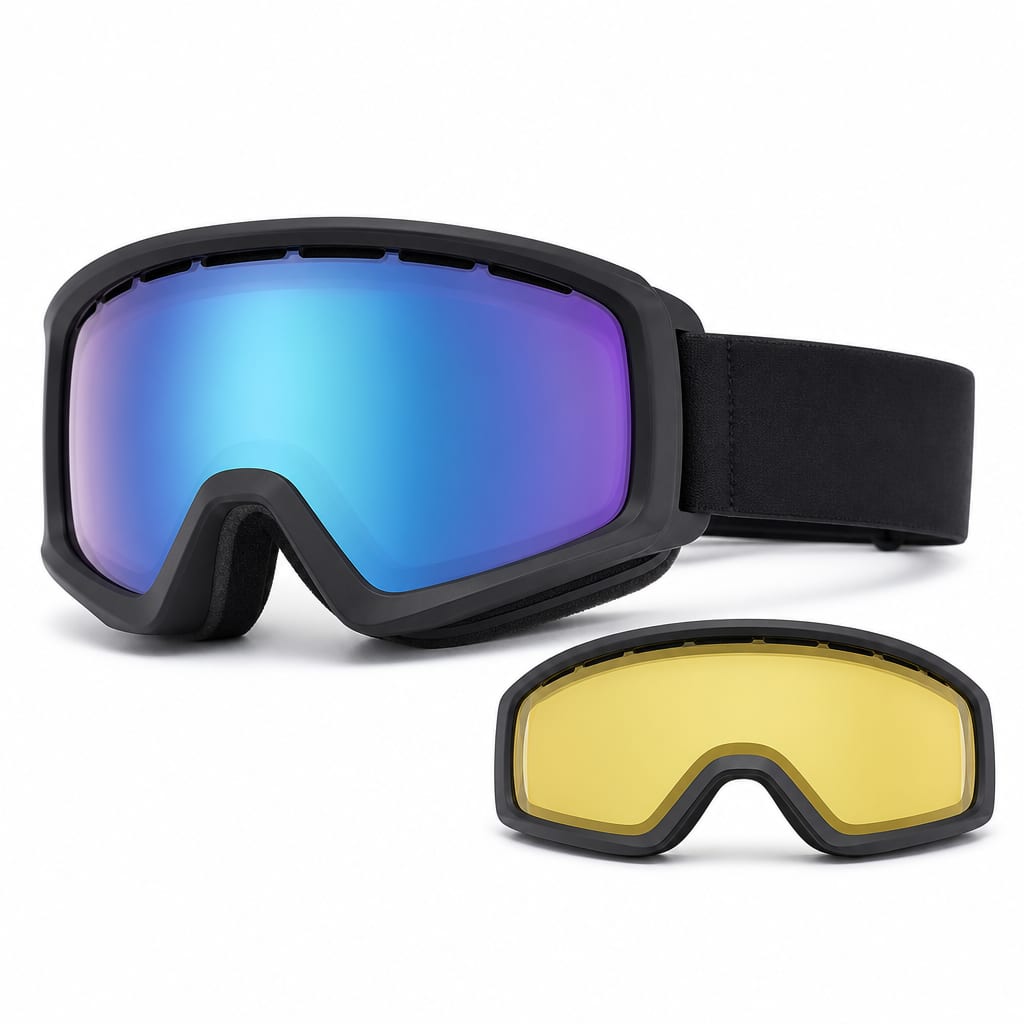
All-Mountain Ski Goggles
$50 – $250
Versatile goggles designed for general use across varied terrain and light conditions.
versatile lens tintshelmet-compatible framesmoderate VLT range
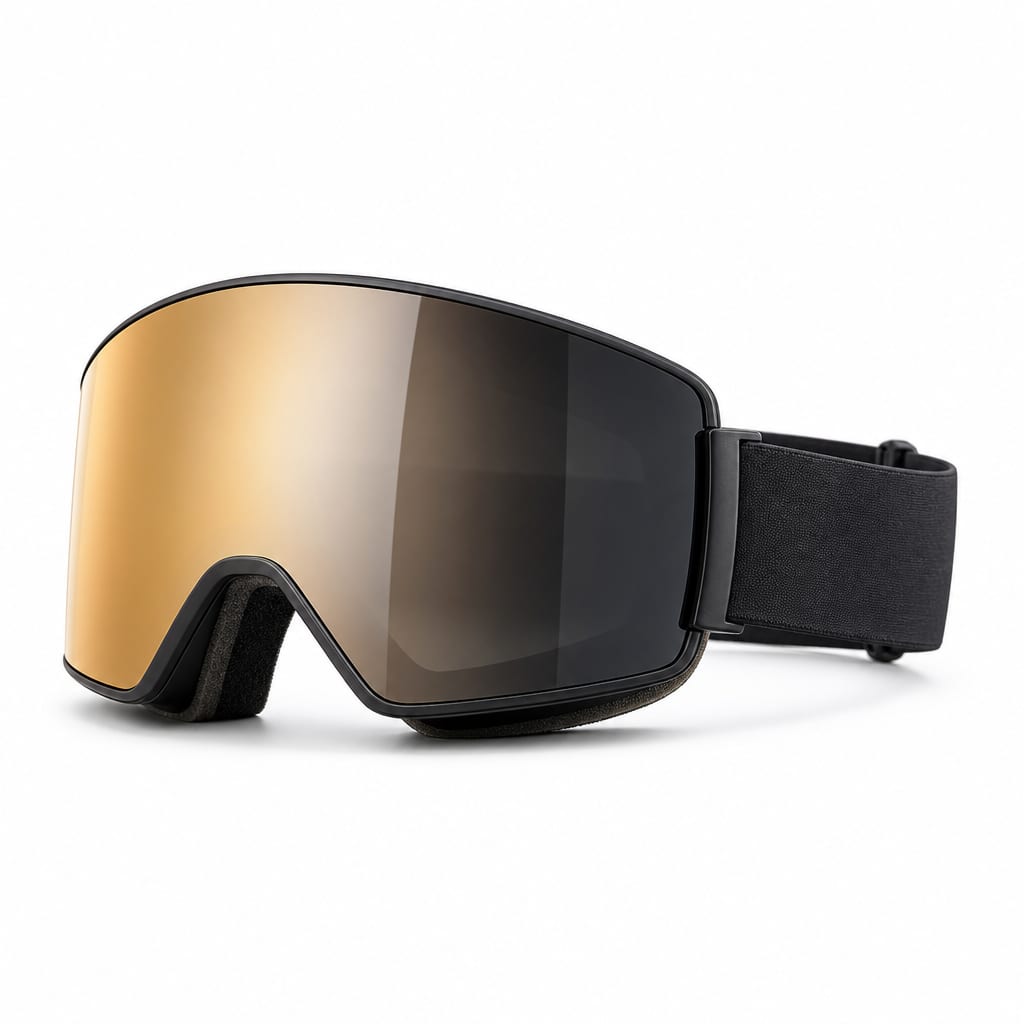
Photochromic Ski Goggles
$120 – $350
Goggles with light-reactive lenses that automatically adjust tint to changing conditions.
auto-darkening lenseswide VLT rangeUV-reactive technology
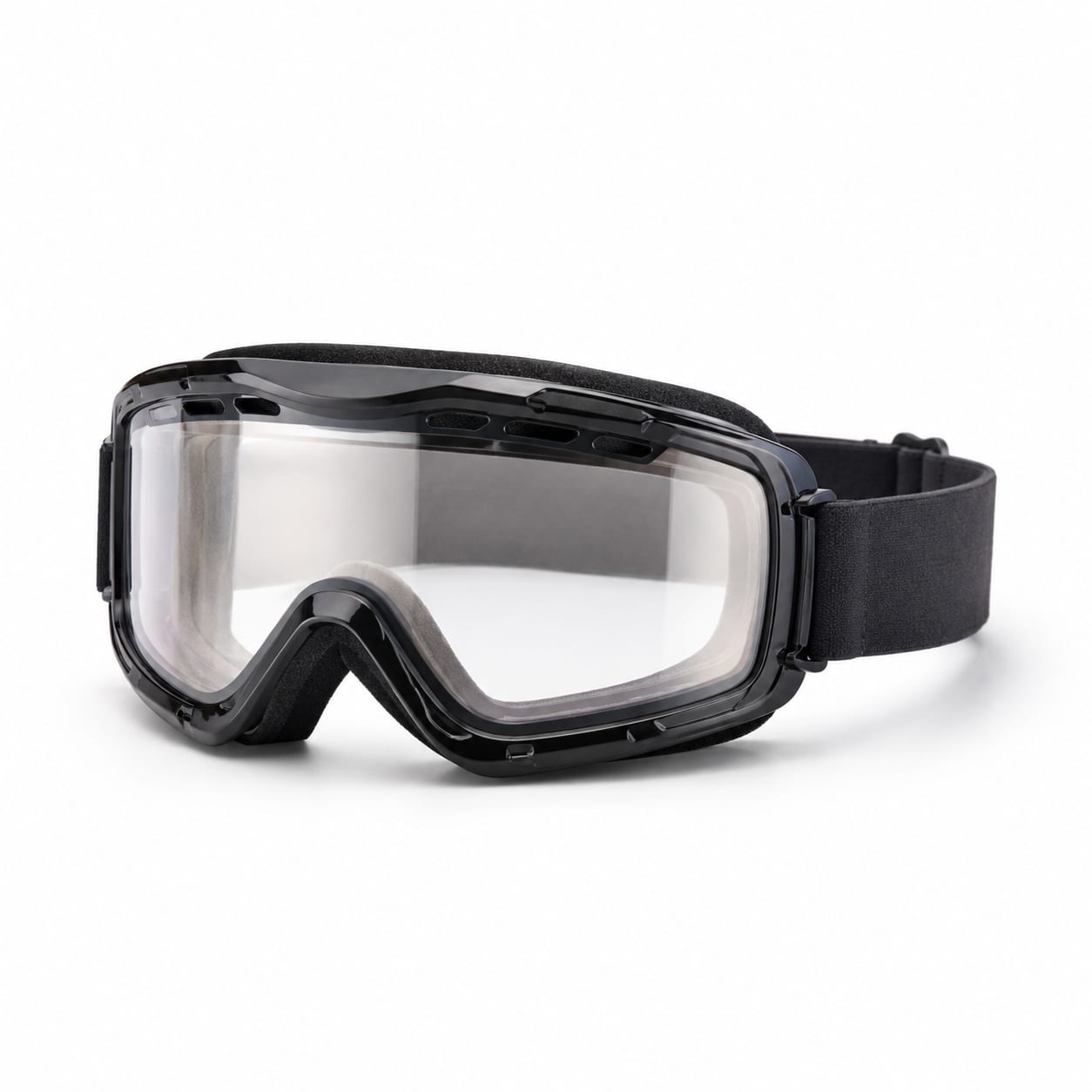
Night Skiing Goggles
$30 – $150
Goggles with clear or lightly tinted lenses designed specifically for artificial light skiing.
clear or near-clear lensesVLT 80-95%anti-reflective coatings
More questions
- What VLT percentage should I look for in a low-light ski goggle?
- Can I use a low-light goggle as my everyday goggle?
- Why should low-light goggles not be polarized?
- How do I keep my goggles from fogging in storm conditions?